I read a lot of online gardening forums and I’ve noticed one central theme: native gardening. As gardeners increasingly prioritize biodiversity and climate resilience, one particular tree has emerged as a premier selection for those seeking a high-performance native alternative to traditional ornamental trees —and that my friends is the serviceberry.
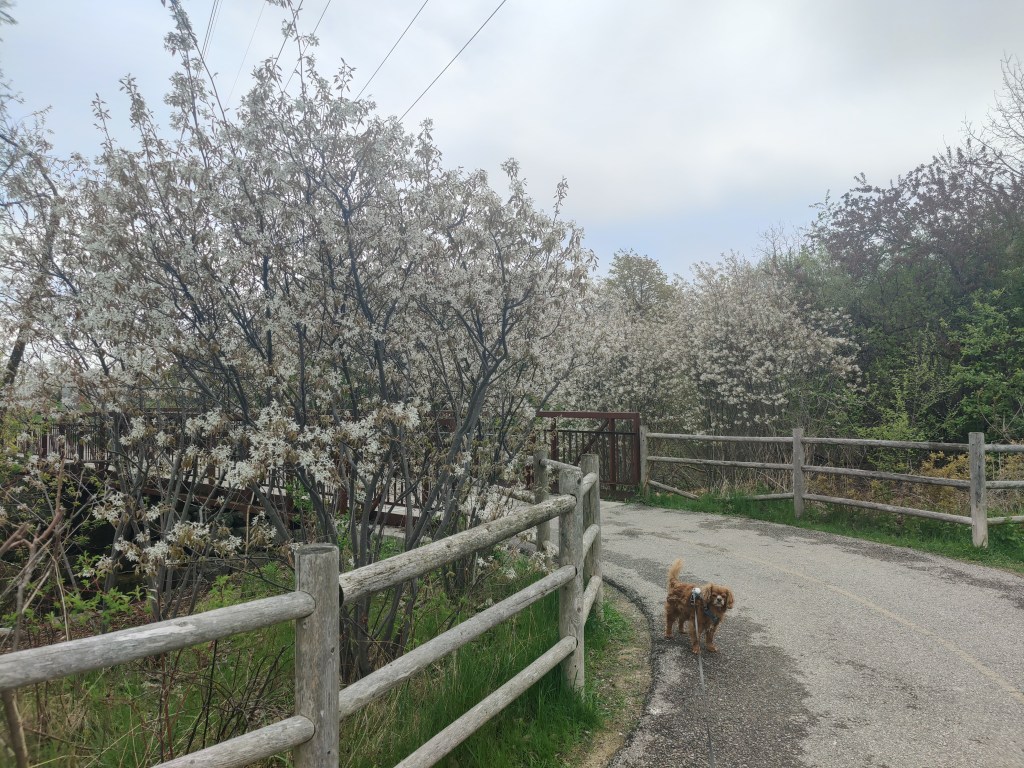
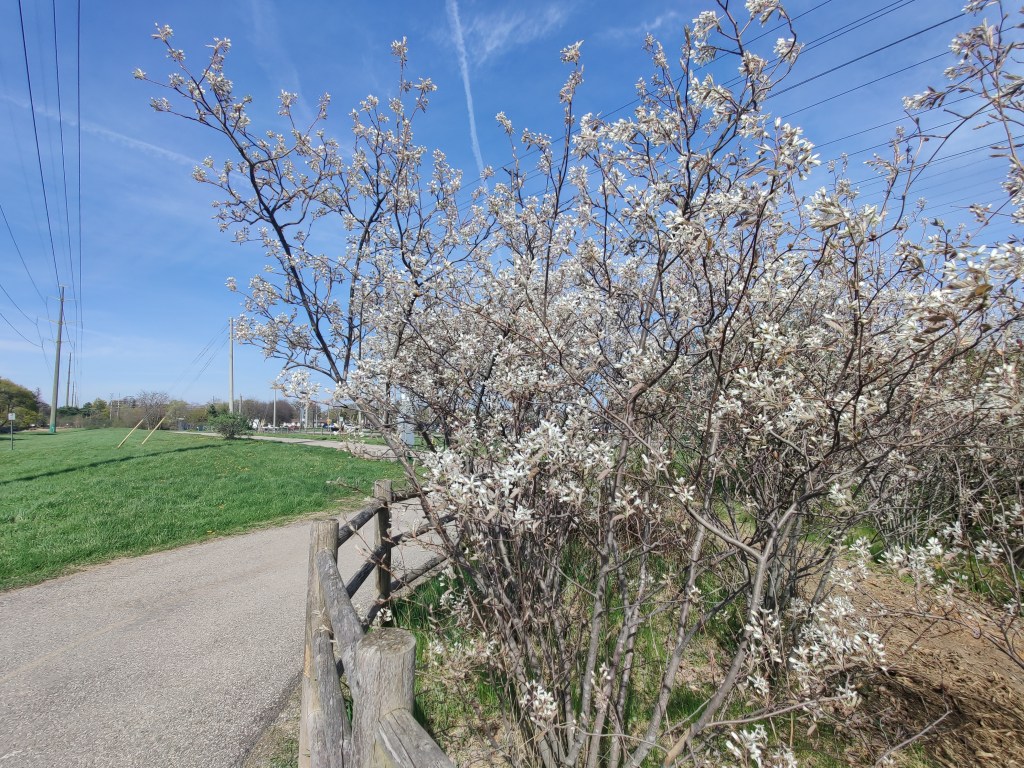
Serviceberry trees offer a year-round visual narrative that begins in early spring with a prolific display of white, star-shaped blossoms. I was fortunate to witness these “bloomin’ beauties” this past week in my community garden.
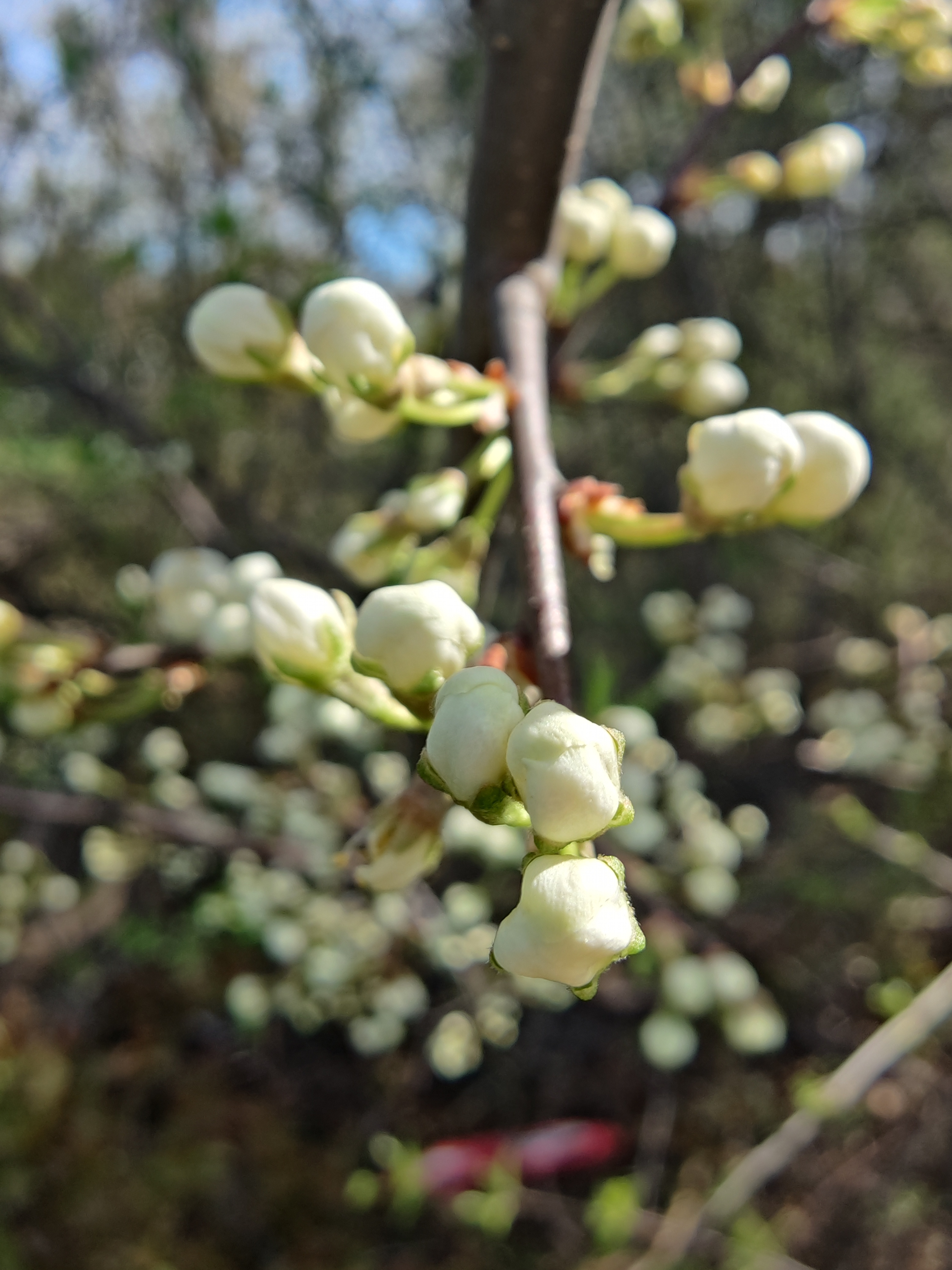
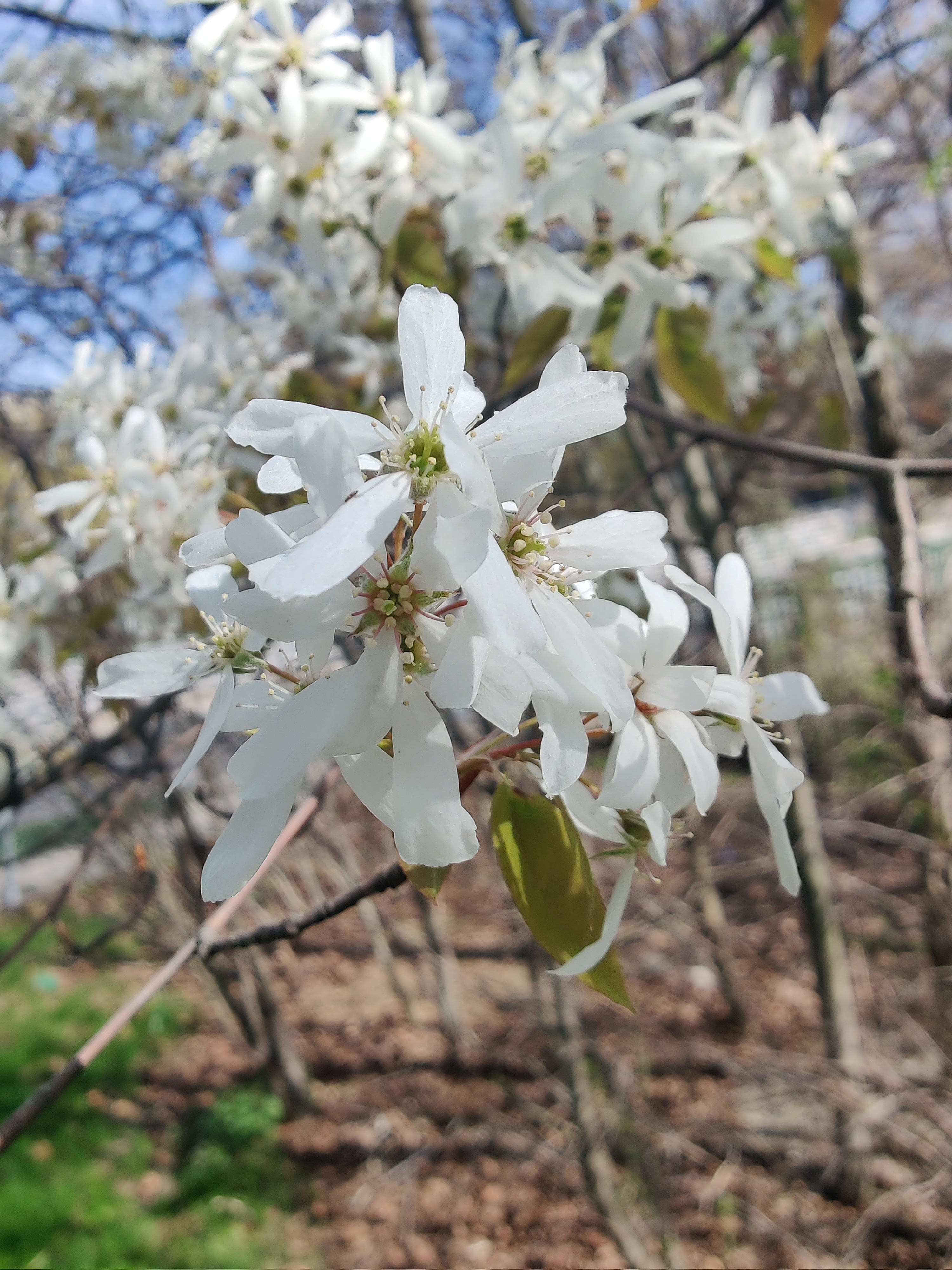
Serviceberry flowers serve as a critical early-season nectar source for pollinators before transitioning into edible pomes (i.e. a type of fruit from the rose family) by mid-summer. These berries, which shift from crimson to a deep purplish-black, are often compared to a blueberry with a mild almond finish. Yes, the fruit is edible to humans and can be used in jams, jellies, and pies. Like apples, you will have better fruit production with a second tree. Keep in mind: you will compete with local bird populations for the harvest.
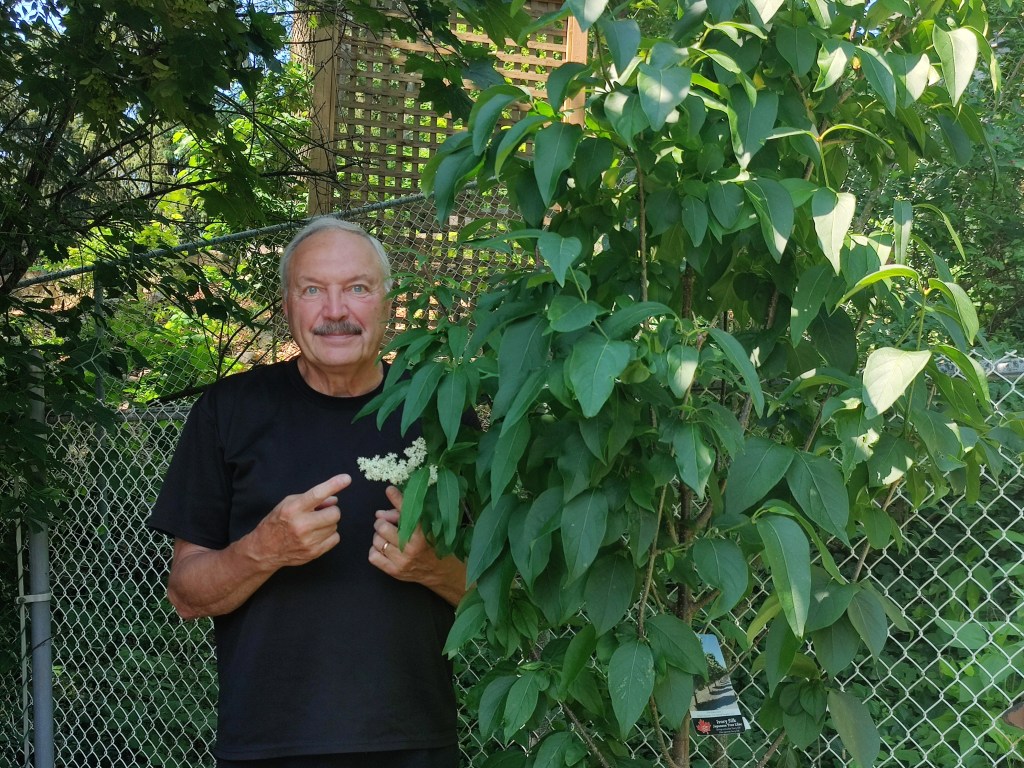
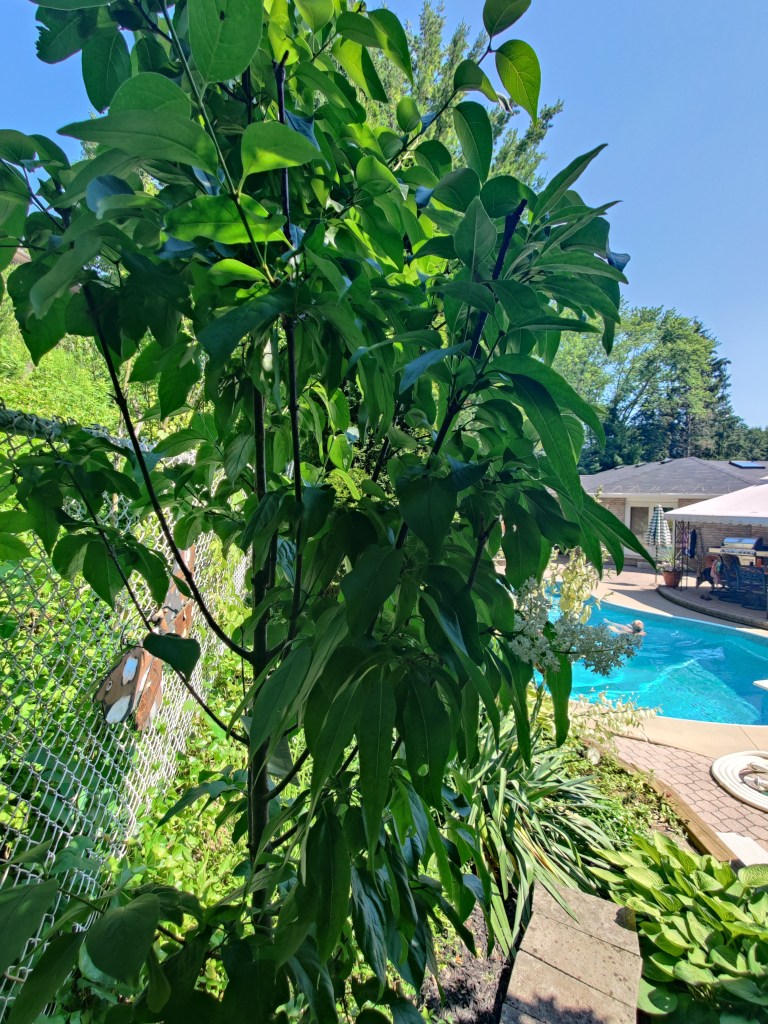
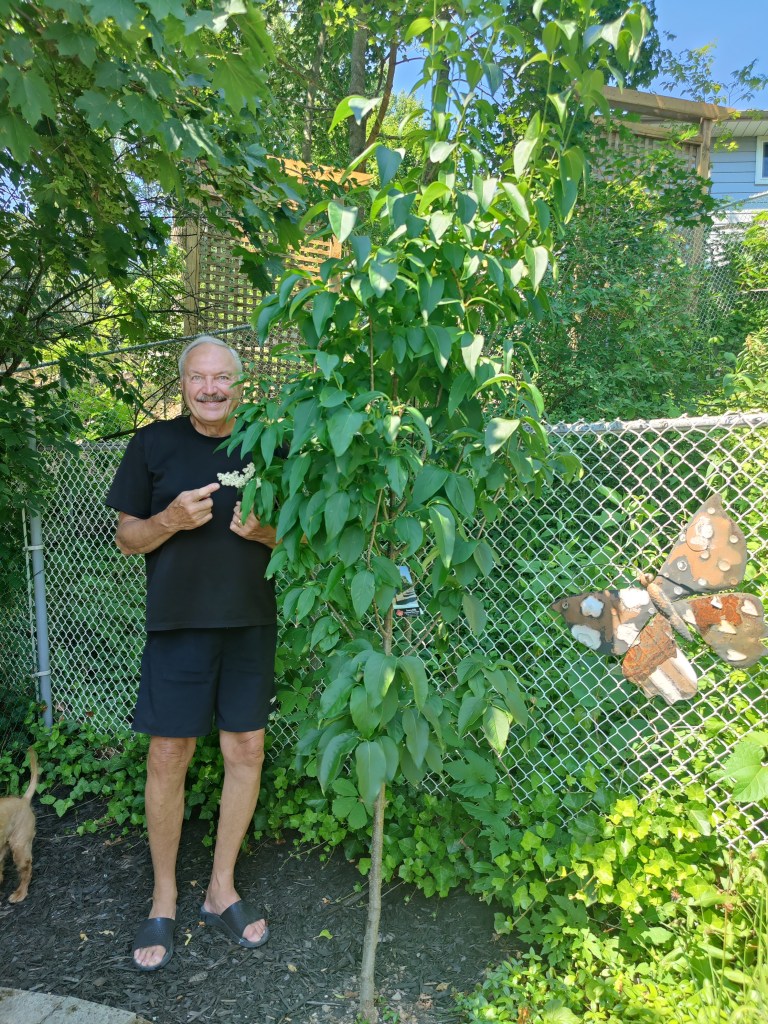
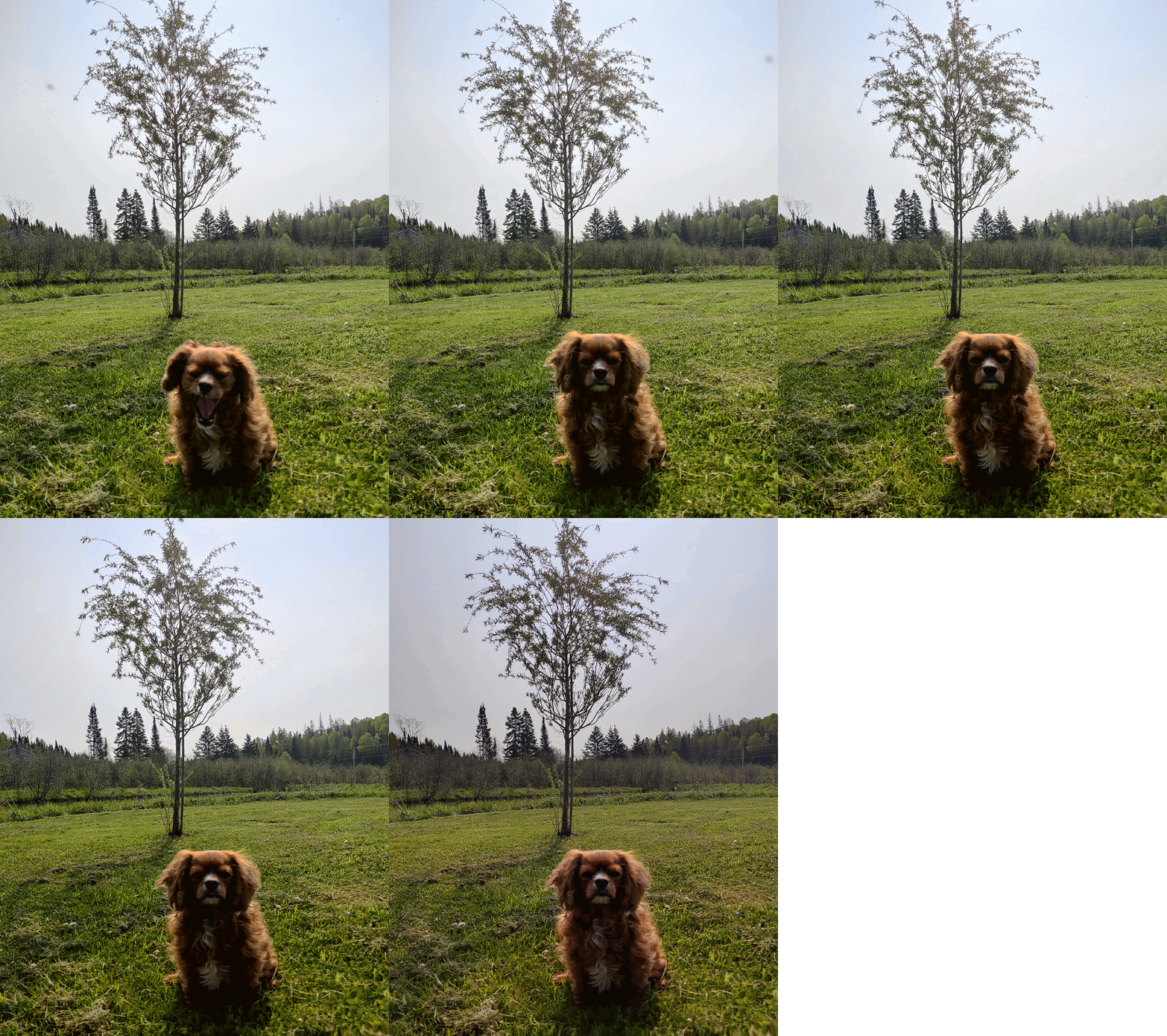
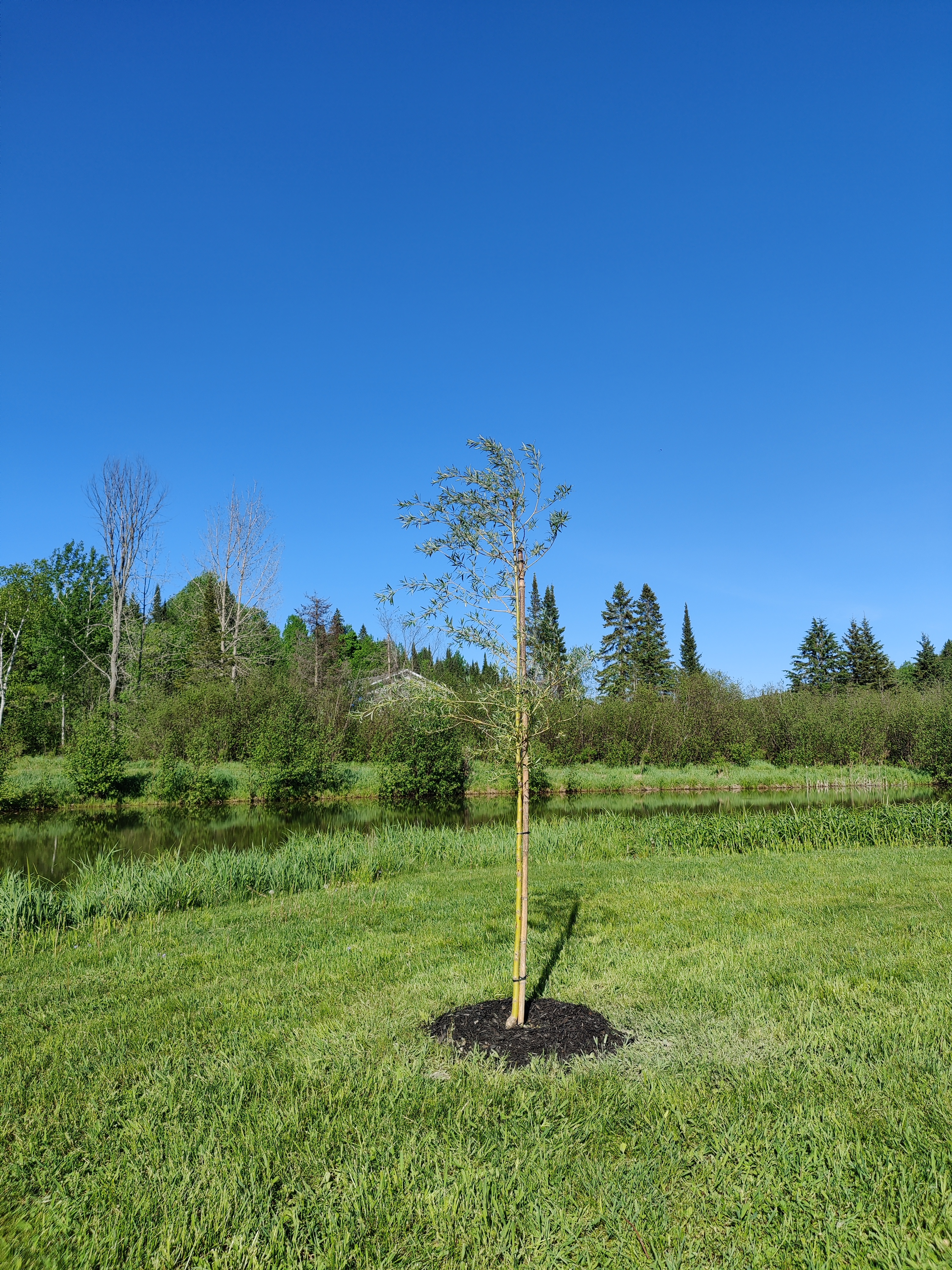
Capable of reaching heights of eight to 10 metres, the serviceberry can be maintained as a multi-stemmed privacy screen or pruned into a traditional single-trunk focal point. Though still young, I am hopeful that my own serviceberry will achieve it’s full glory in a few more years as it continues to grow at a moderate pace.
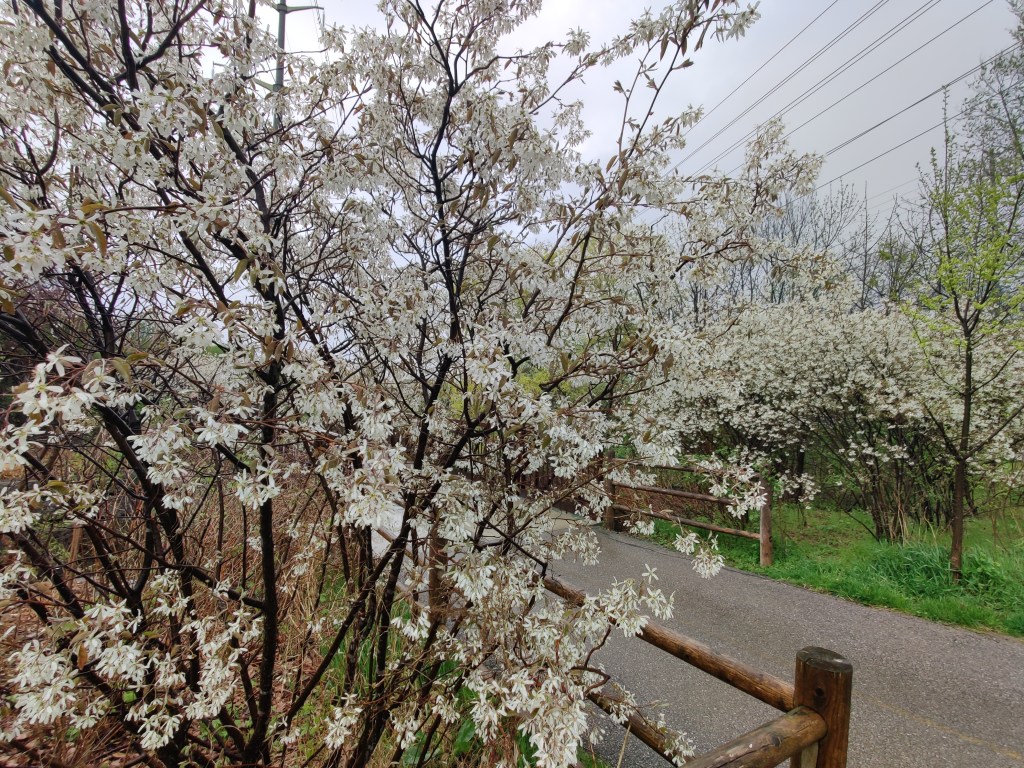
Hardy from Zones 4 to 7, the serviceberry requires minimal intervention once established. Its adaptability extends to the soil, where it thrives in the moist, acidic conditions common across its native range in Ontario. Experts recommend ensuring adequate airflow to prevent powdery mildew during humid cycles, but otherwise, the tree stands as the perfect investment for the ecologically conscious gardener.