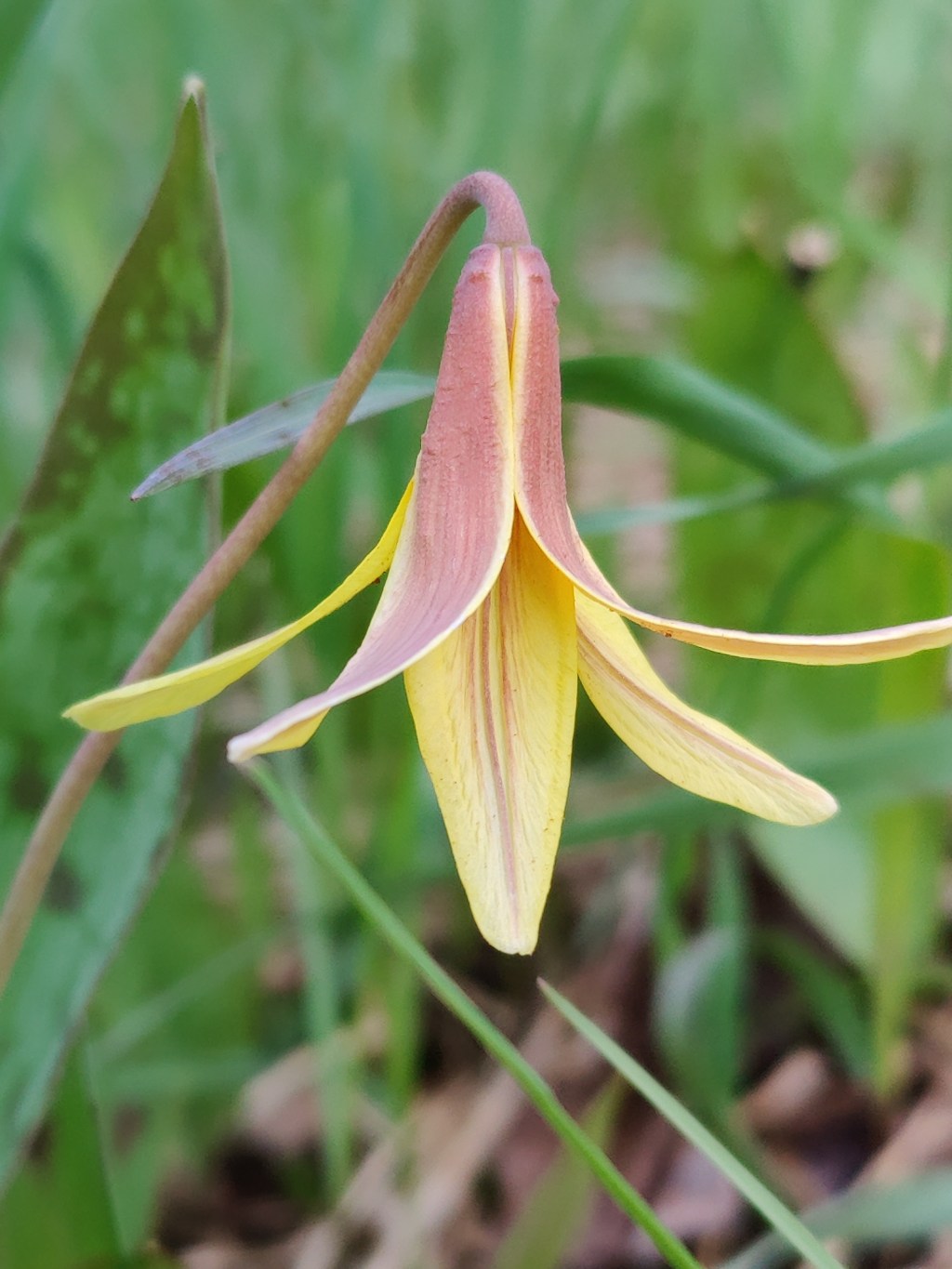
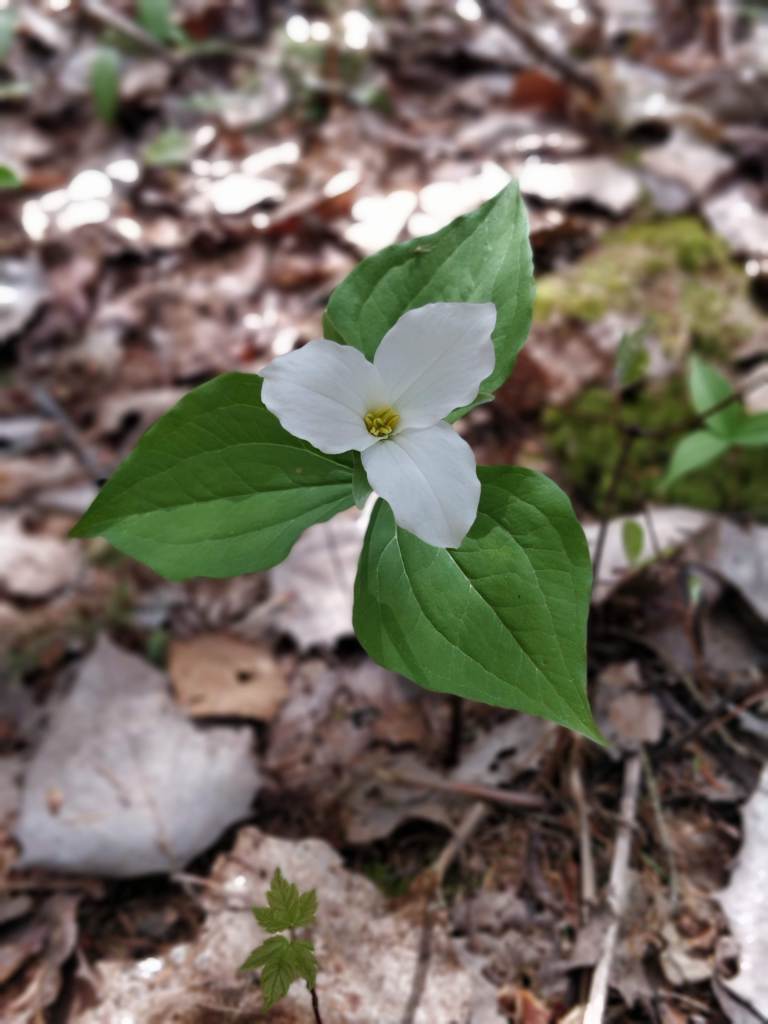
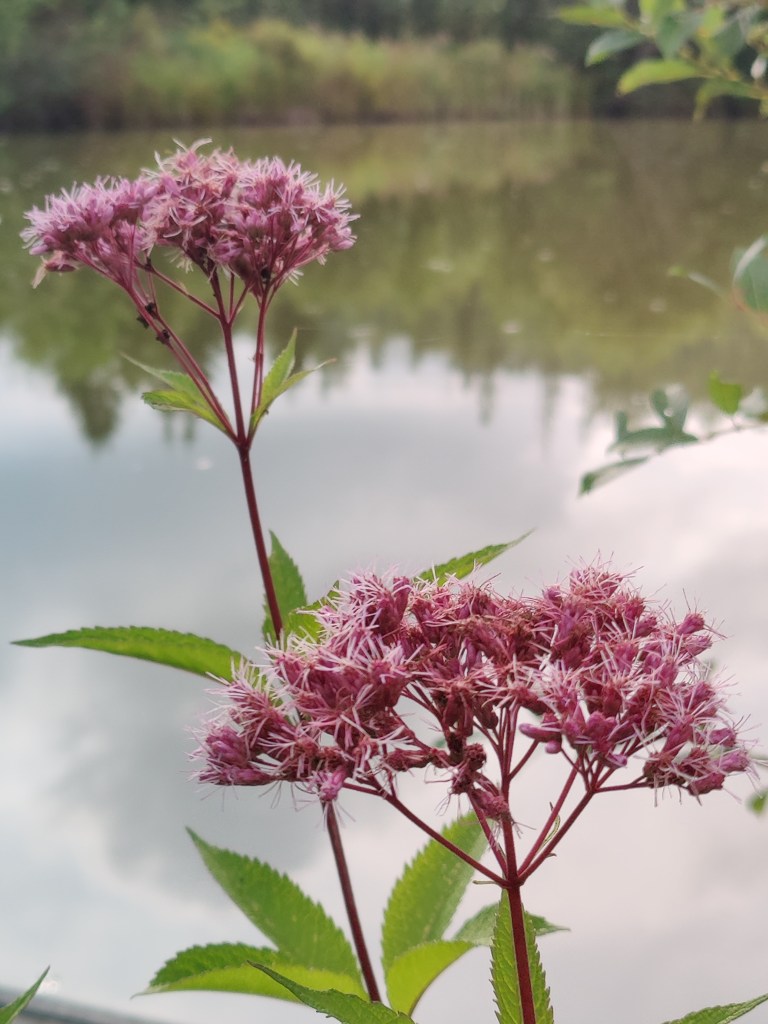
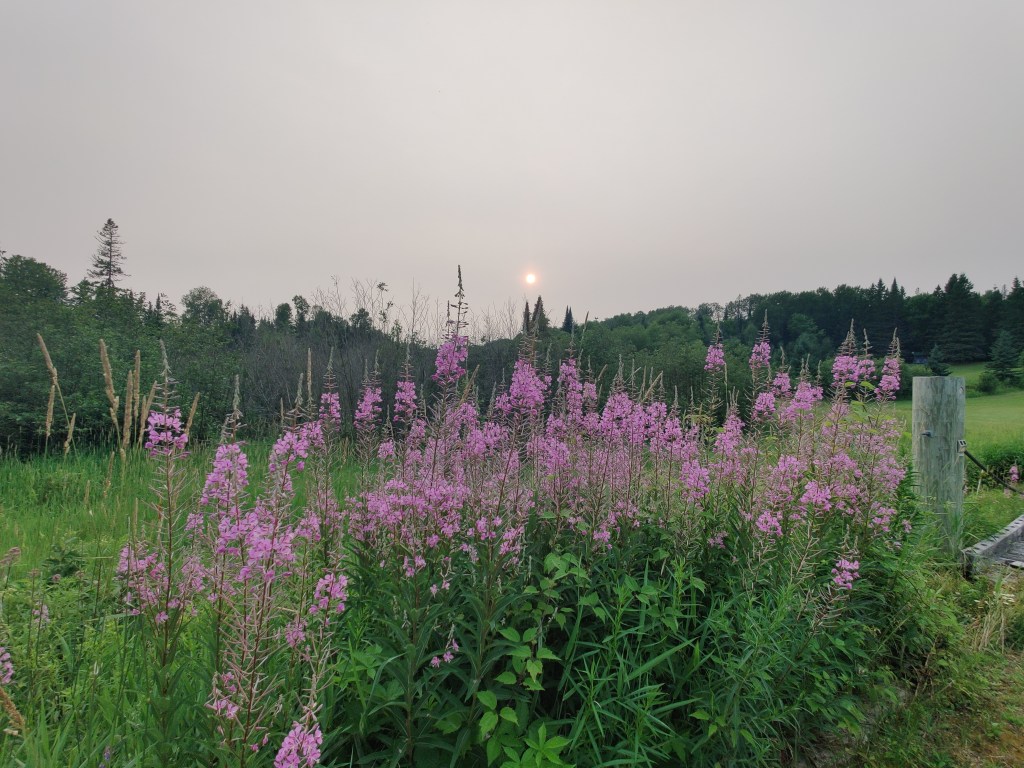
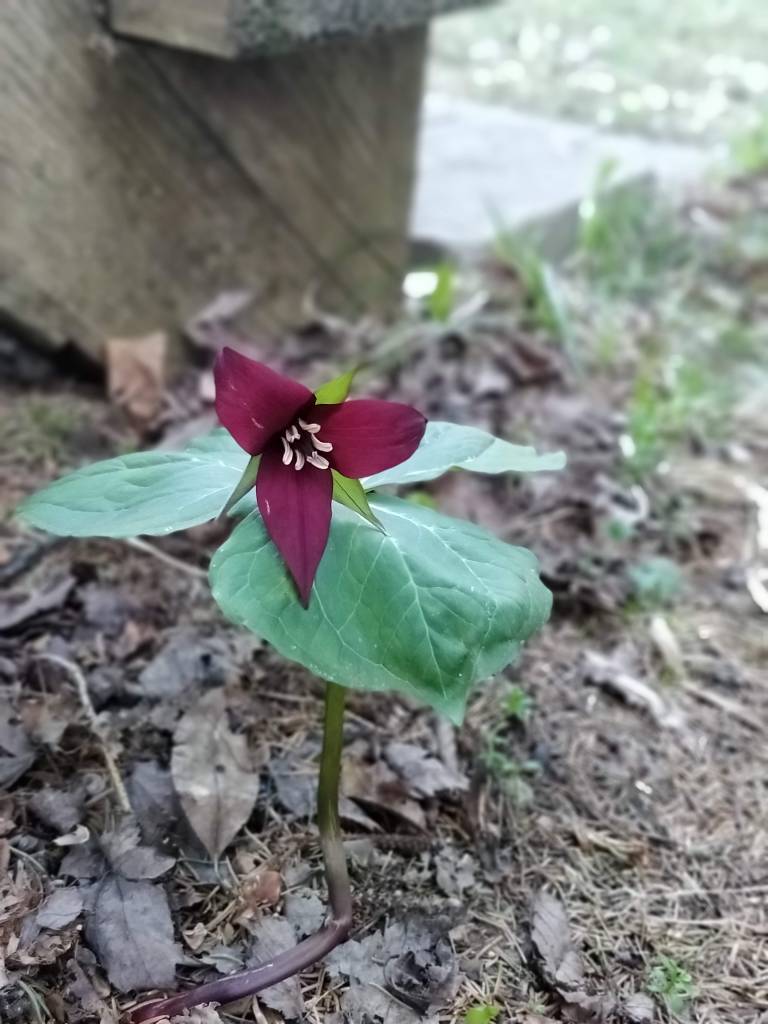
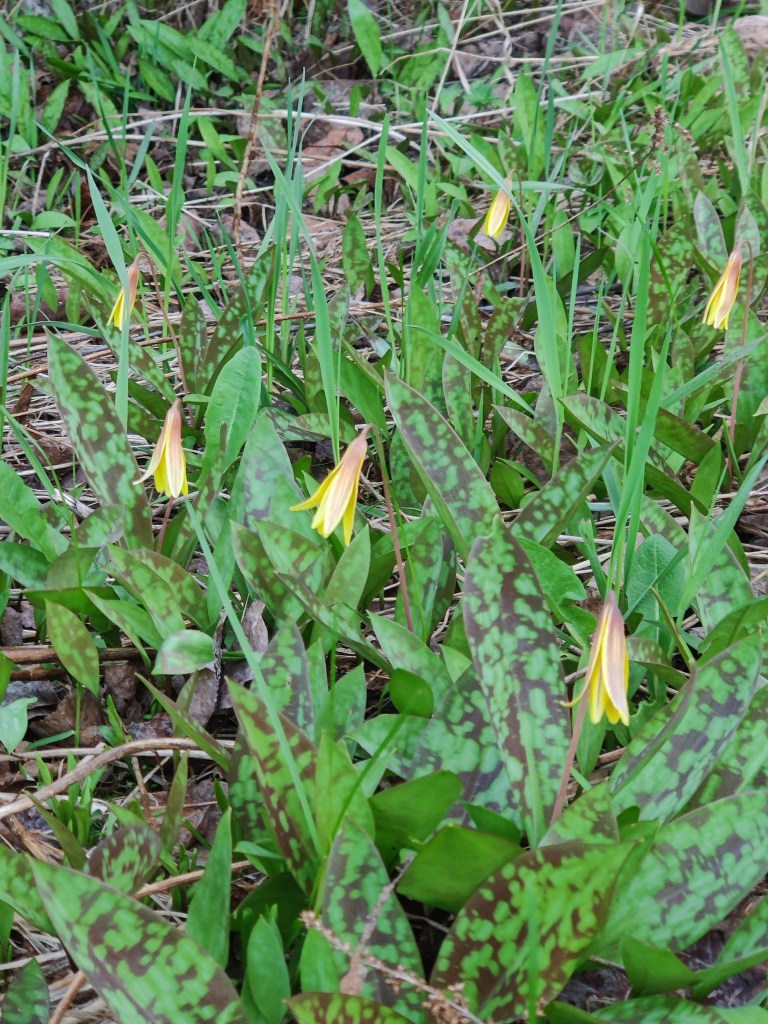
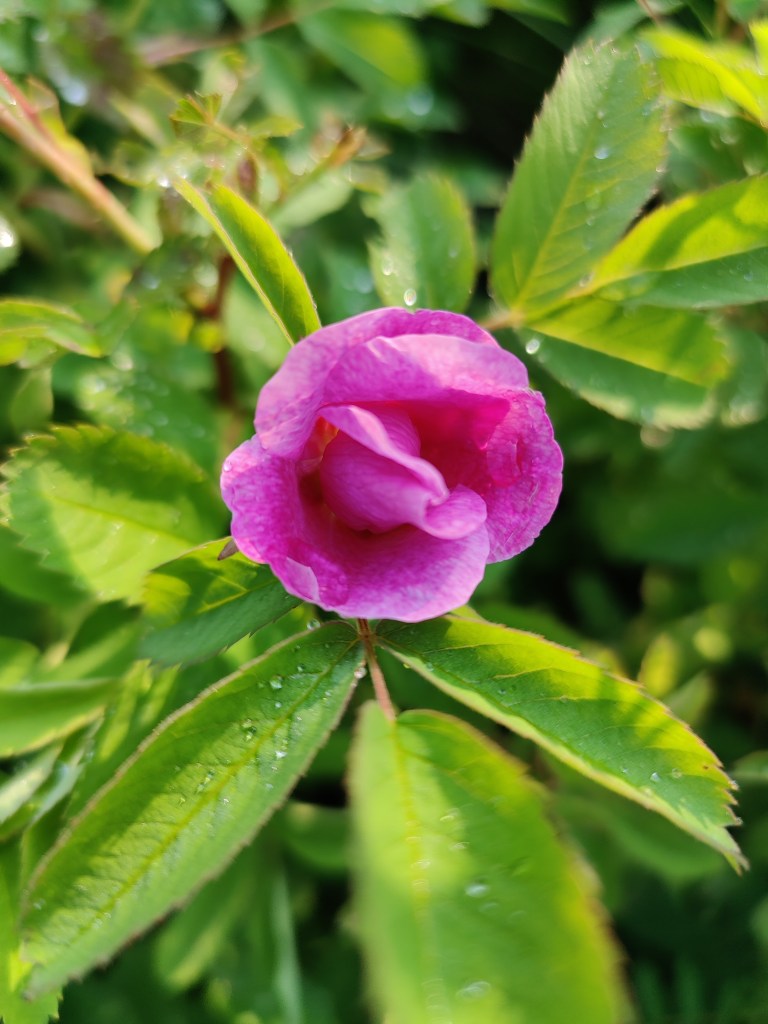
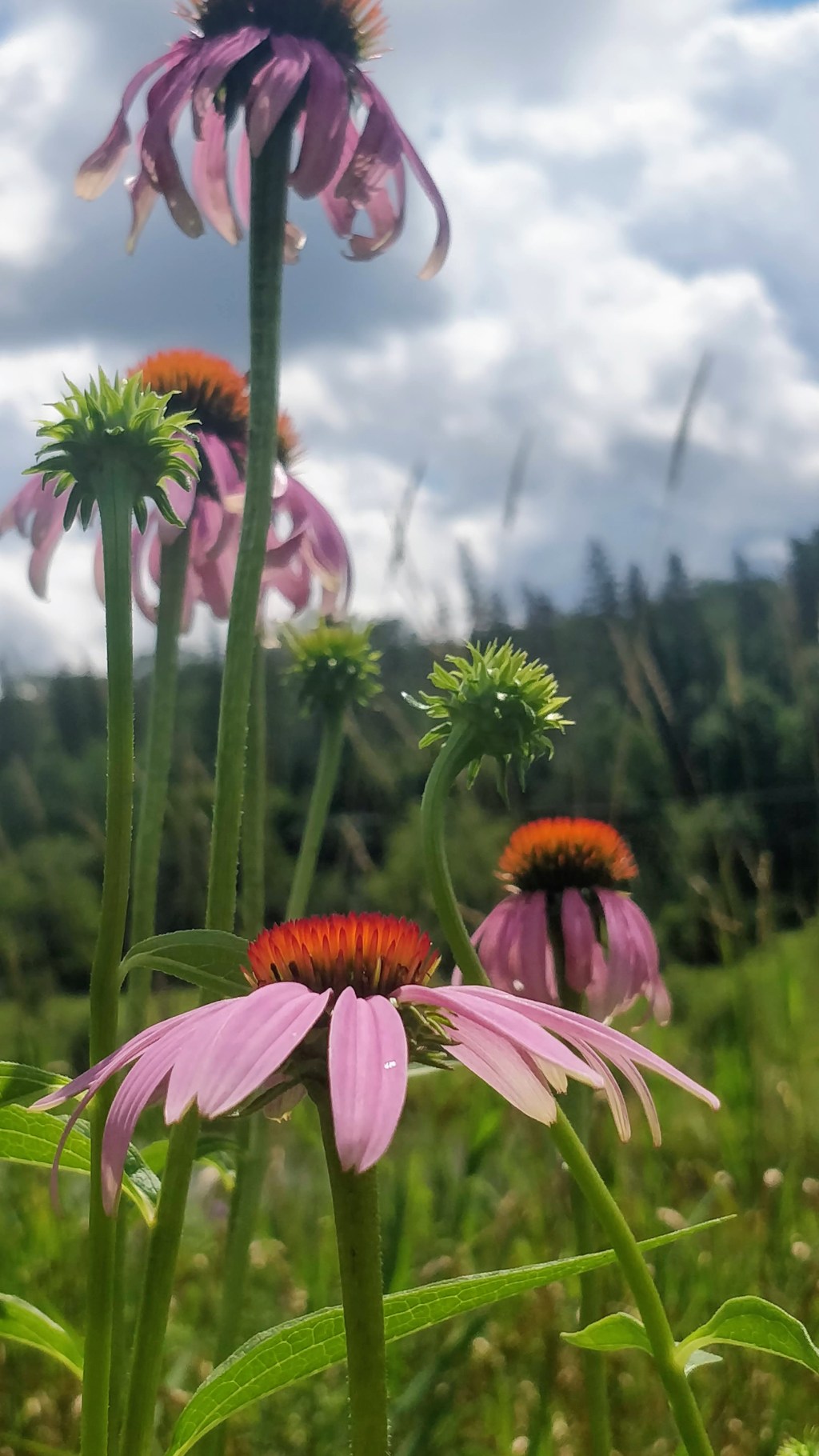
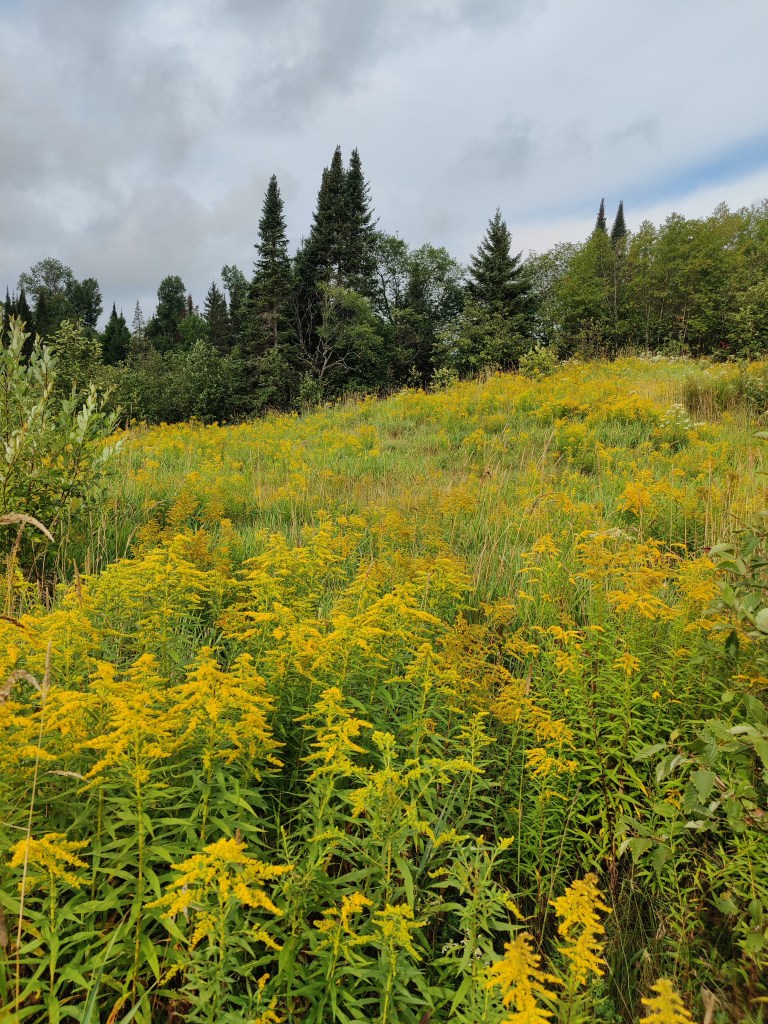
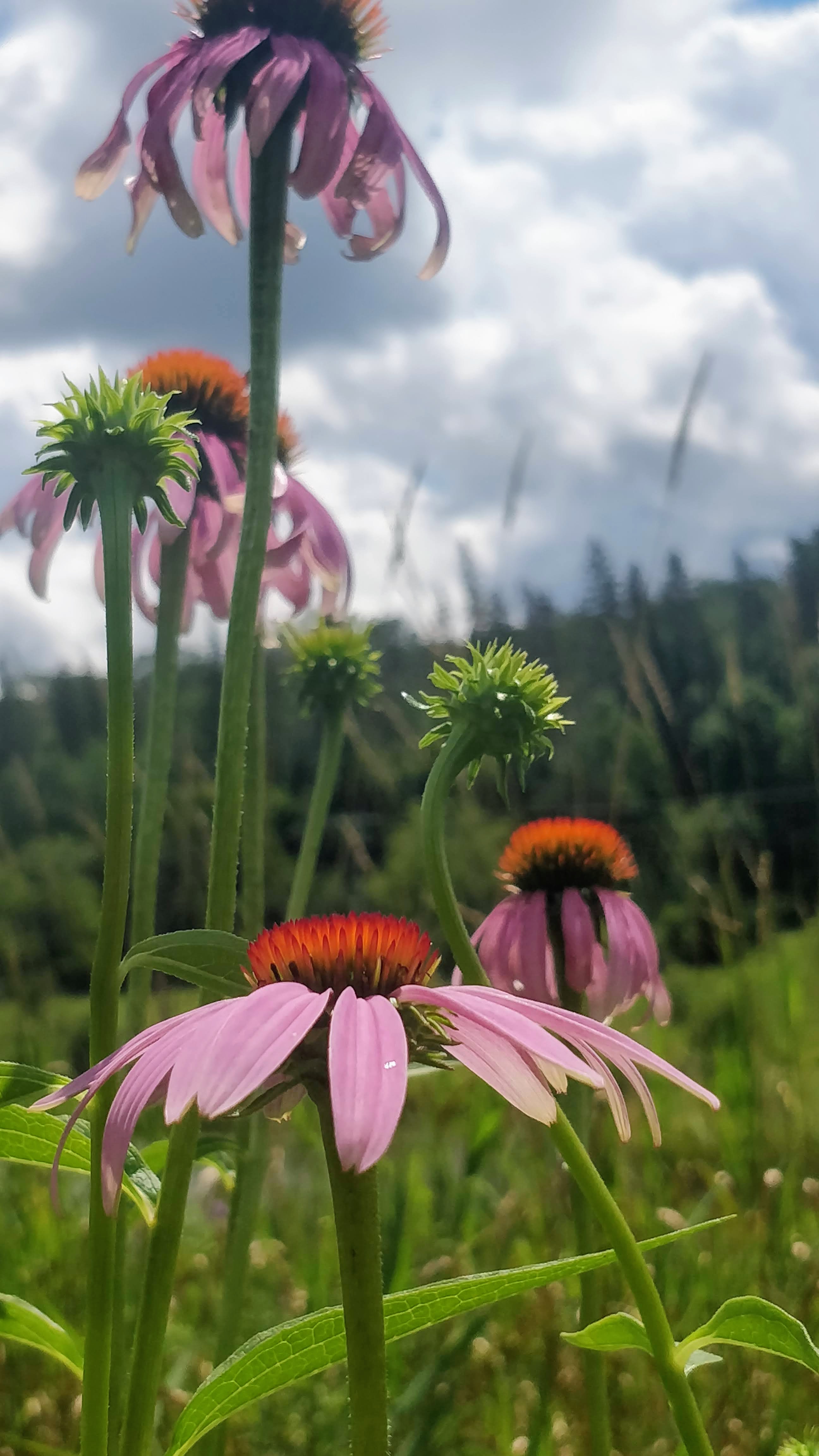
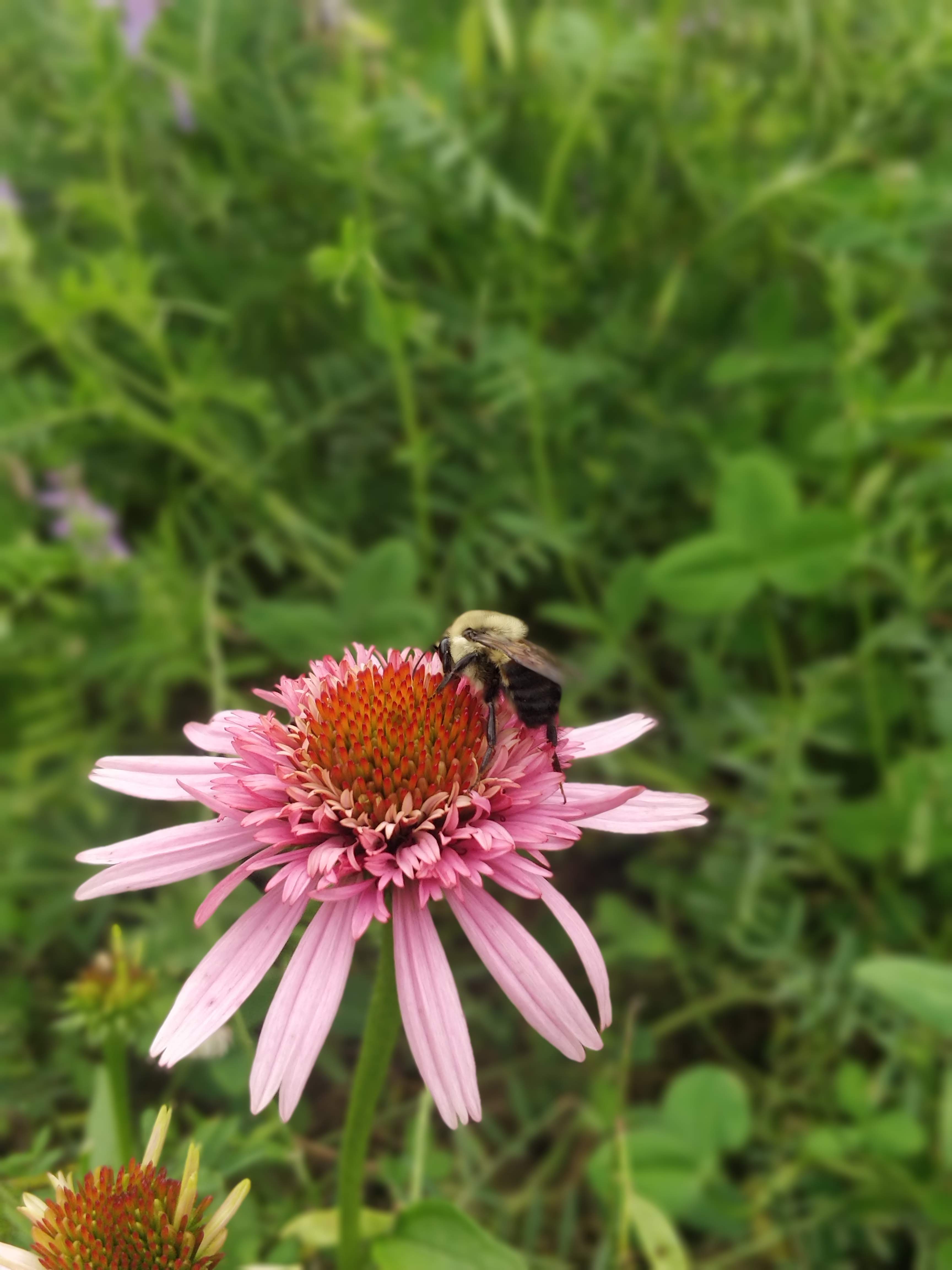
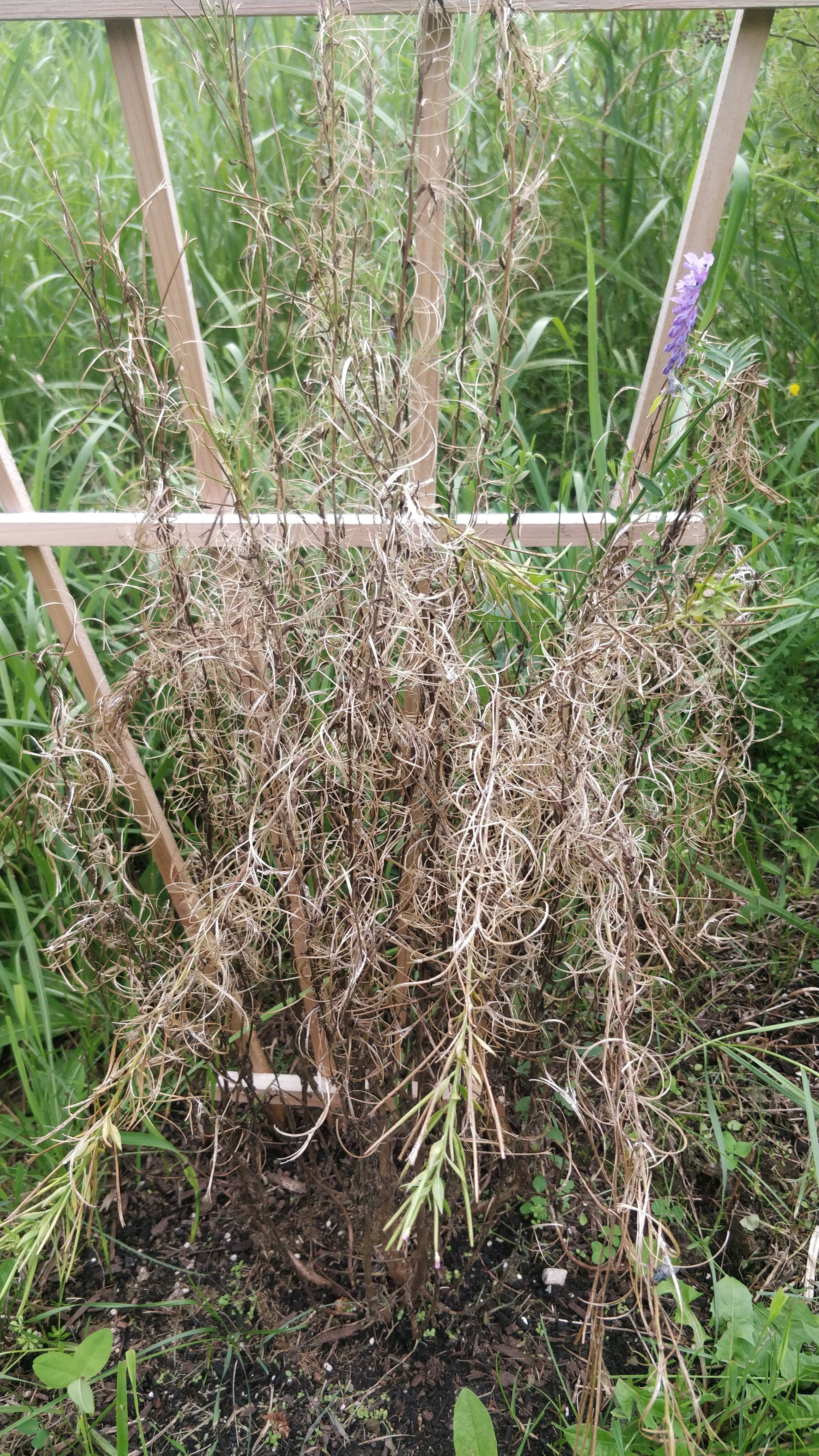
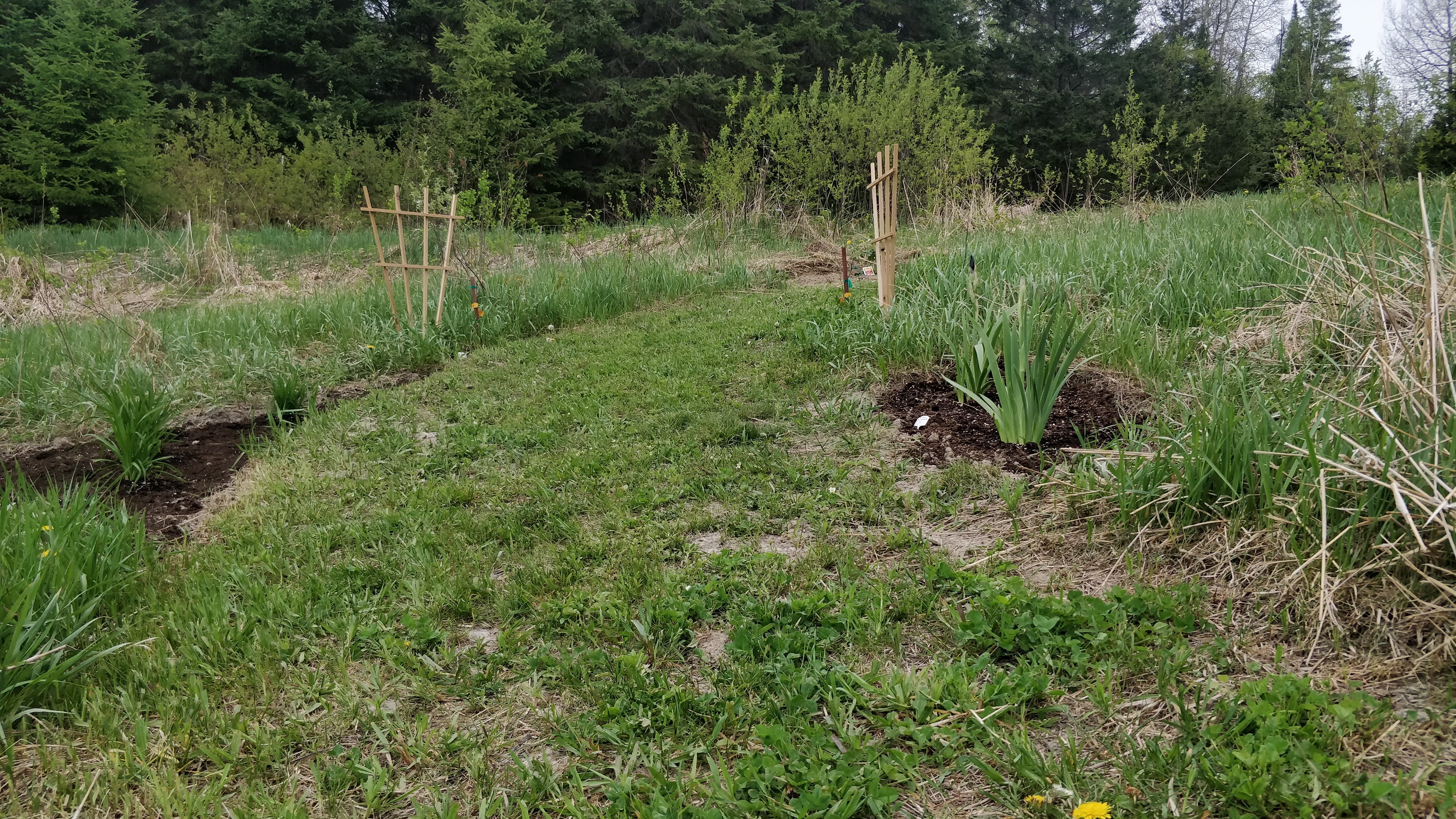
A wildflower is a flowering plant that grows naturally in the wild, without intentional cultivation by humans. These plants are native to their specific regions or ecosystems and have adapted to thrive in local soil, climate, and environmental conditions. Wildflowers play a vital role in supporting biodiversity, providing food and habitat for pollinators like bees, butterflies, and birds. They often require less maintenance than cultivated plants and contribute to the natural beauty of landscapes. Here are a few photos of native wildflowers that I have taken around the property.
What is your favourite wildflower?
The white trillium (Trillium grandiflorum) is the official flower of Ontario, Canada. It was adopted in 1937.Spotted Joe-Pye Weed (Eutrochium maculatum) is a native perennial wildflower that grows from 2 – 6 feet tall. It is found throughout most of Ontario and thrives in wetland habitats.Fireweed (Chamaenerion angustifolium) is named for its ability to quickly colonize areas that have recently been burned by fire. It is a native species found in all of the Canadian provinces.The red trillium (Trillium erectum) is another species of trillium found in Ontario.Native to Ontario, trout lilies (Erythronium americanum) can be readily identified by their variegated (multicolored) green and burgundy oval-shaped leaves.
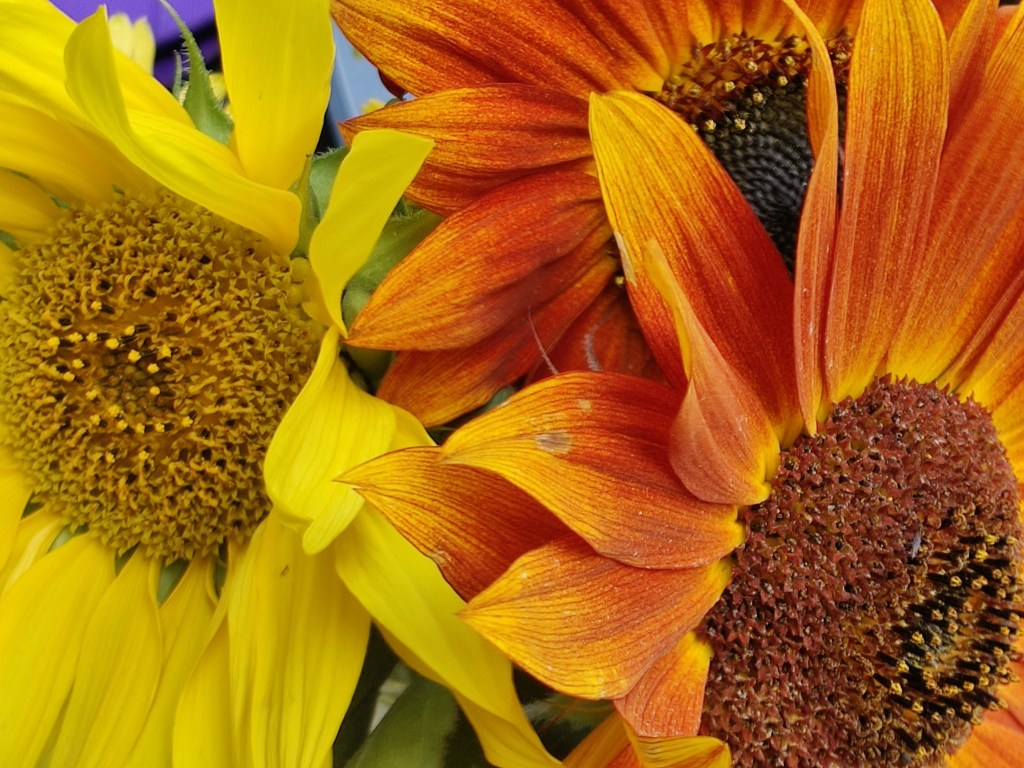
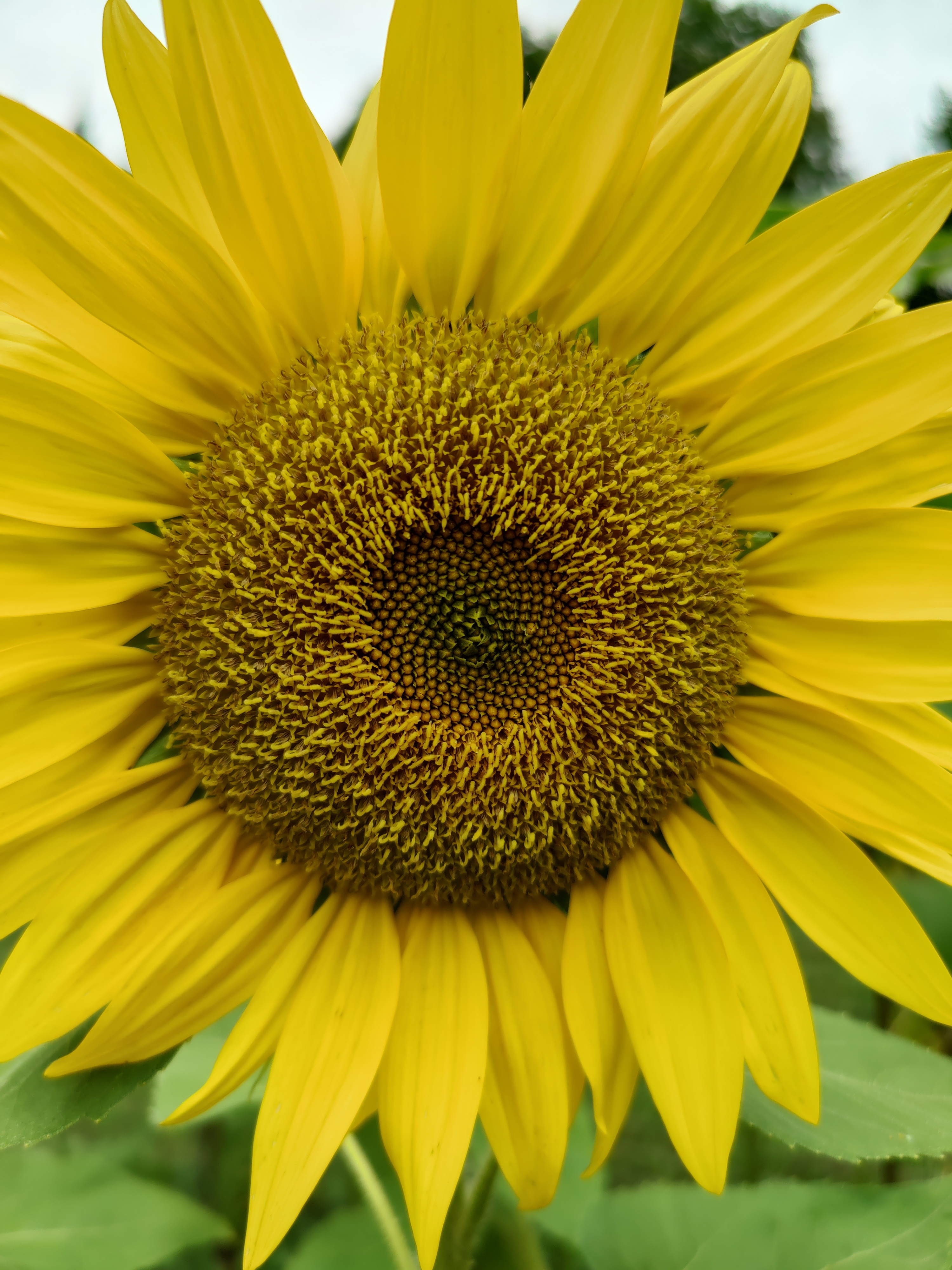
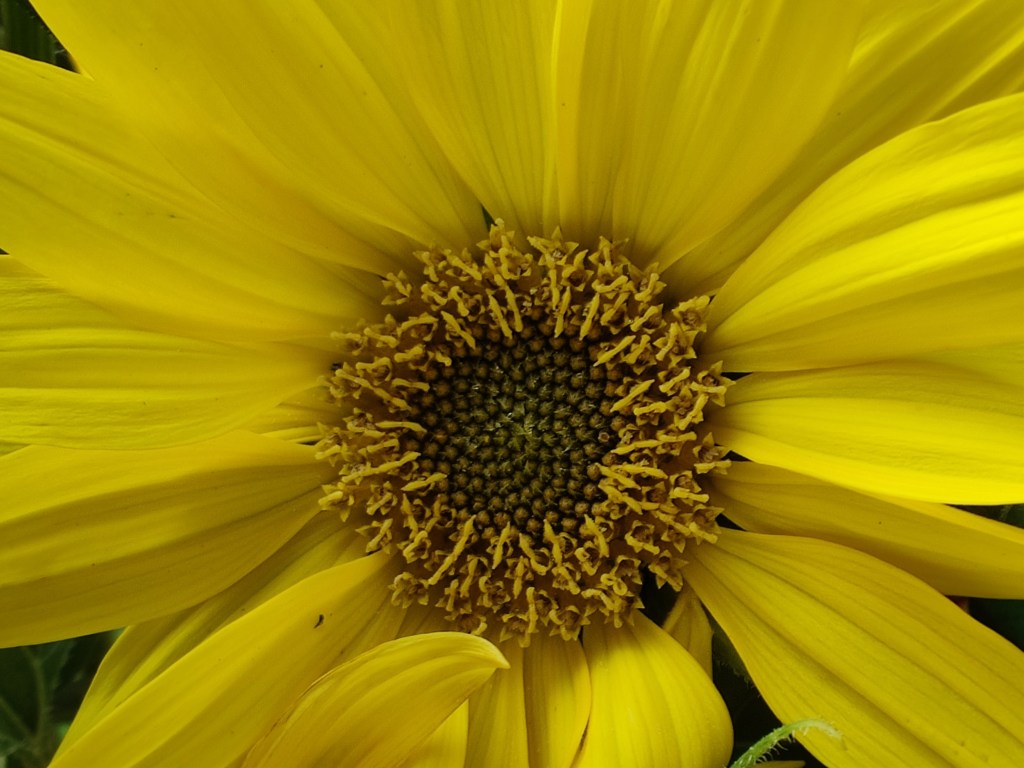
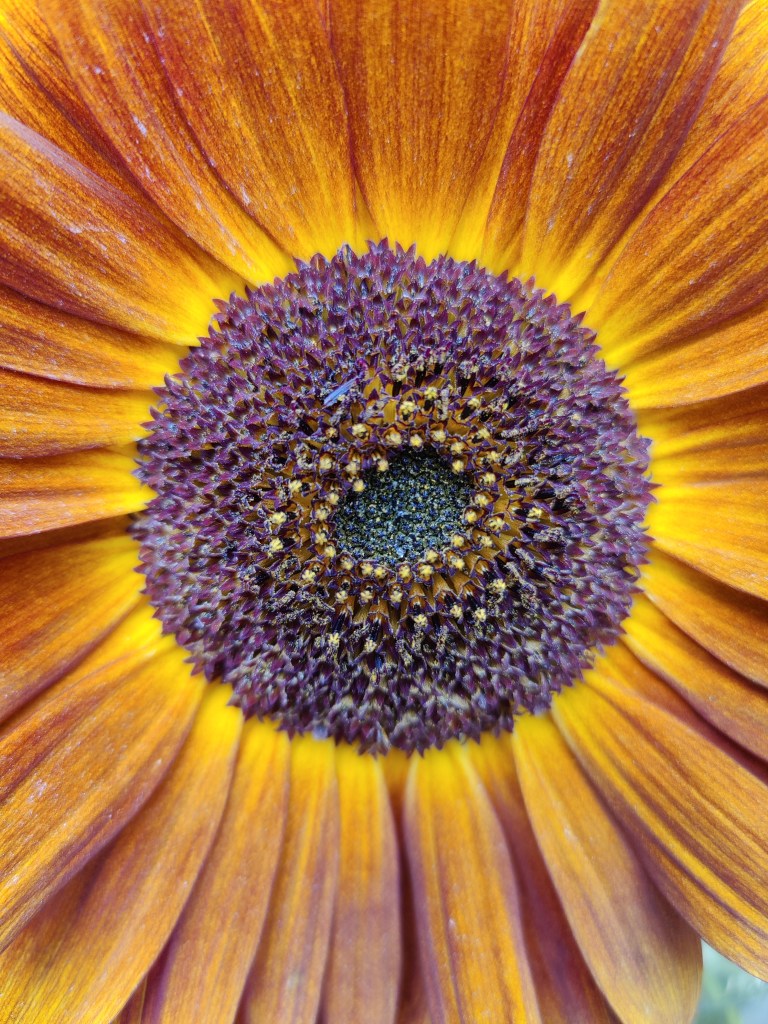
Sunflowers aren’t just pretty faces in the garden—they’re the life of the plant party! With their towering stalks, big bold blooms, and a knack for turning heads (literally), sunflowers bring a whole lot of sunshine to any space. Let’s dive into what makes these golden giants so awesome.
The Science of Cool
Sunflowers, aka Helianthus annuus, are North America’s homegrown heroes. They’ve been around for thousands of years, first cultivated by Indigenous peoples for their seeds and oil.
Fun fact: young sunflowers do this wild thing called heliotropism, where they follow the sun across the sky all day like tiny solar-powered fans. As they grow up, they settle on facing east—probably because nothing beats a sunny breakfast.
A Buffet for All
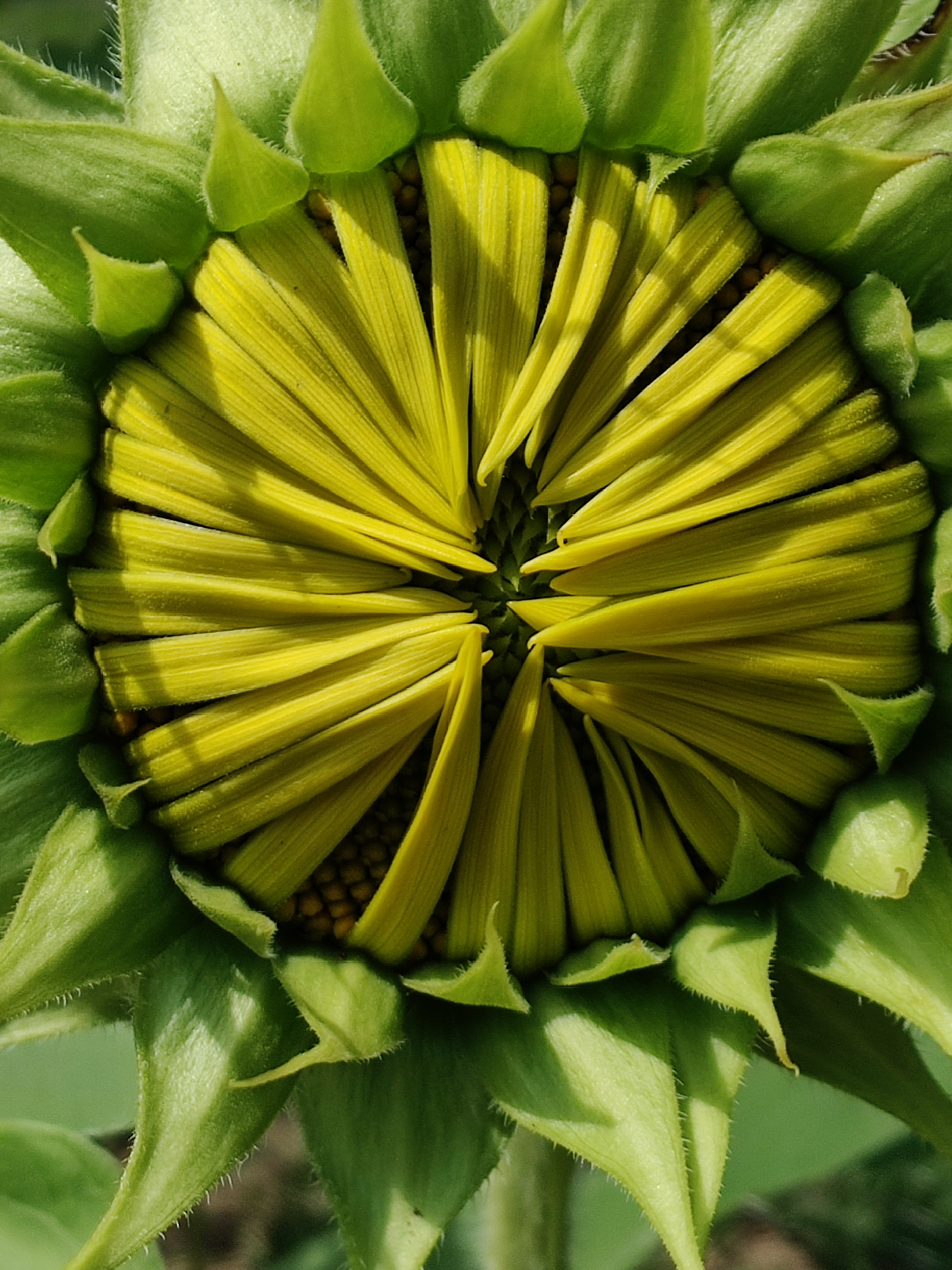
Sunflower progression during the summer months
Sunflowers are like the ultimate brunch spot for wildlife, and I know for a fact. The teepee structures I added to my 2024 veggie garden were not only a great spot for my peas to climb, but for chickadees to perch and dine at the sunflower buffet. Sunflower blooms are loaded with tiny florets, serving up nectar and pollen for bees. Once the party’s over, they turn into a seed bonanza for birds, squirrels, and even humans. Packed with protein and healthy fats, sunflower seeds are a snack-time MVP—whether you’re cracking them open at a ballgame or using sunflower oil in your kitchen. If all goes right this year, I will try my hand at making sunflower oil. Stay tuned.
Sunflowers in the Spotlight
These flowers aren’t just garden stars—they’re cultural icons. In art, Van Gogh basically made them famous, and in the language of flowers, sunflowers are all about loyalty, joy, and big positive vibes.
Growing Your Own Sunshine
Think you don’t have a green thumb? Think again! Sunflowers are ridiculously easy to grow. They’re like the chill friend who’s always up for anything. Here’s how to get started:
Pick Your Player: From skyscraper-like ‘Mammoth’ to the pint-sized ‘Teddy Bear,’ there’s a sunflower for every space.
Plant It Up: Wait until the frost is gone, then pop those seeds in the dirt about 6 inches apart. Cover lightly, water, and let nature do its thing.
Keep It Chill: Water regularly, but don’t drown them. Once they’re up and running, they’re pretty low-maintenance.
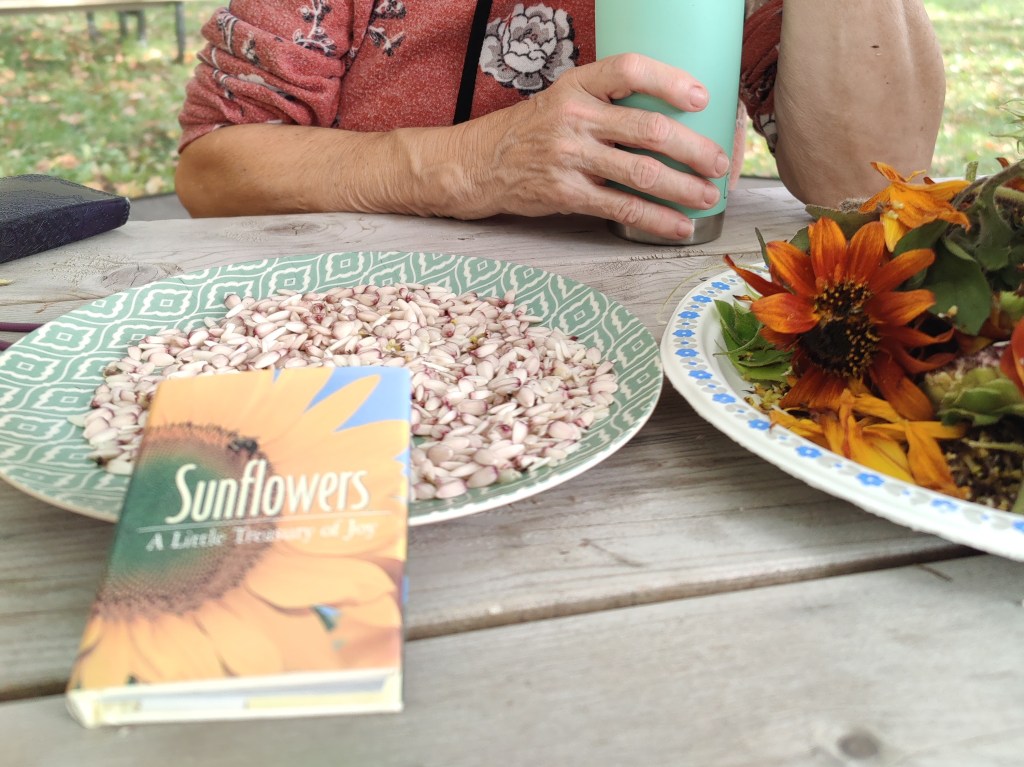
Harvest Party: If you’re growing for seeds, wait until the back of the flower head looks a bit dried out. Snip it, dry it, and snack away.
More Than Just Good Looks
2024 sunflower seed harvest
Sunflowers aren’t just garden divas; they’re environmental superheroes. They’re used in phytoremediation to clean up nasty stuff like heavy metals from the soil. In fact, studies indicate that sunflowers were most notably used to support soil clean up following the 1986 Chernobyl disaster1. Plus, they’re popping up in industries from cosmetics to biofuels. Talk about a multi-talented flower!
Why I Love Them
There’s something about sunflowers that just makes you smile. They’re the plant equivalent of a high-five on a sunny day. Whether you’re growing one in a pot or a whole field, sunflowers are guaranteed to bring the good vibes.
So go ahead, plant some sunshine in your life. Because when it comes to sunflowers, the more, the merrier—with a little extra brightness.
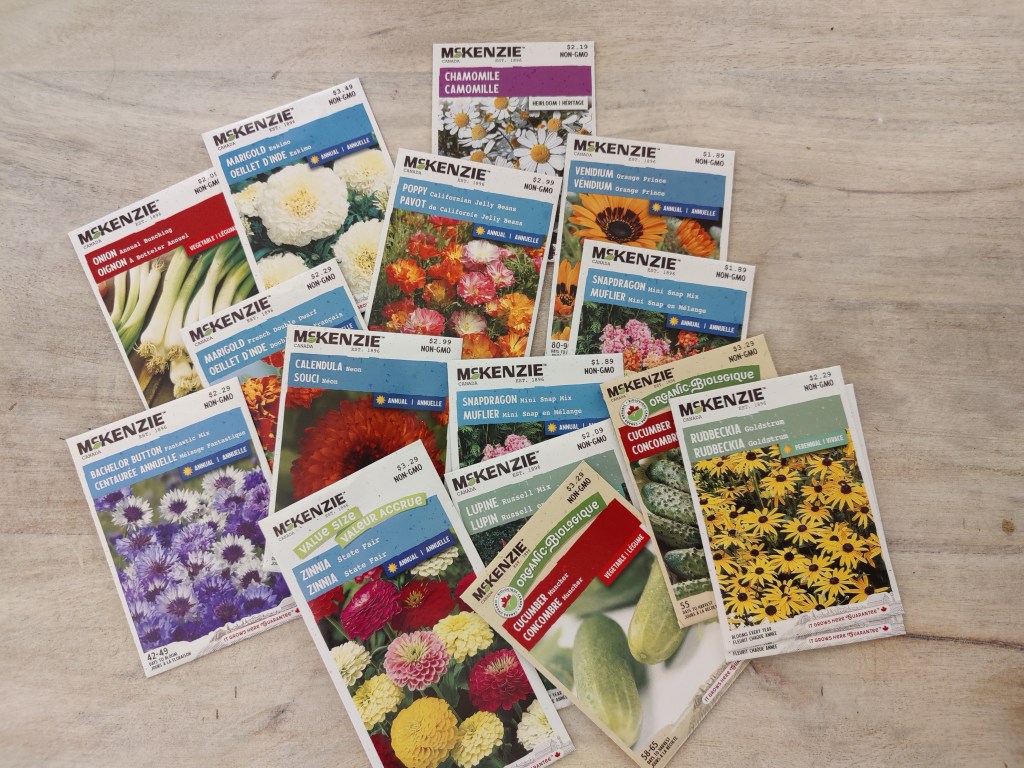
For context, I bought some seeds in a panic. Somebody (wink mom, wink) noted that, in a few months, it’ll be time to start seeds indoors. Luckily my panic purchase does not require me to start my seeds indoors. So, I have some time (phew!), and I was nervous for no reason. And it was a real treat to receive my online order in the mail last week.
The majority of seeds I purchased are annual flowers that I have grown before, such as zinnias and marigolds. I will try my hand again at some annual flowers that I have not been successful at germinating1. This includes the elusive poppy. This time I will try the California poppy. In the past, I have failed to grow the Icelandic poppy. So wish me luck this year!
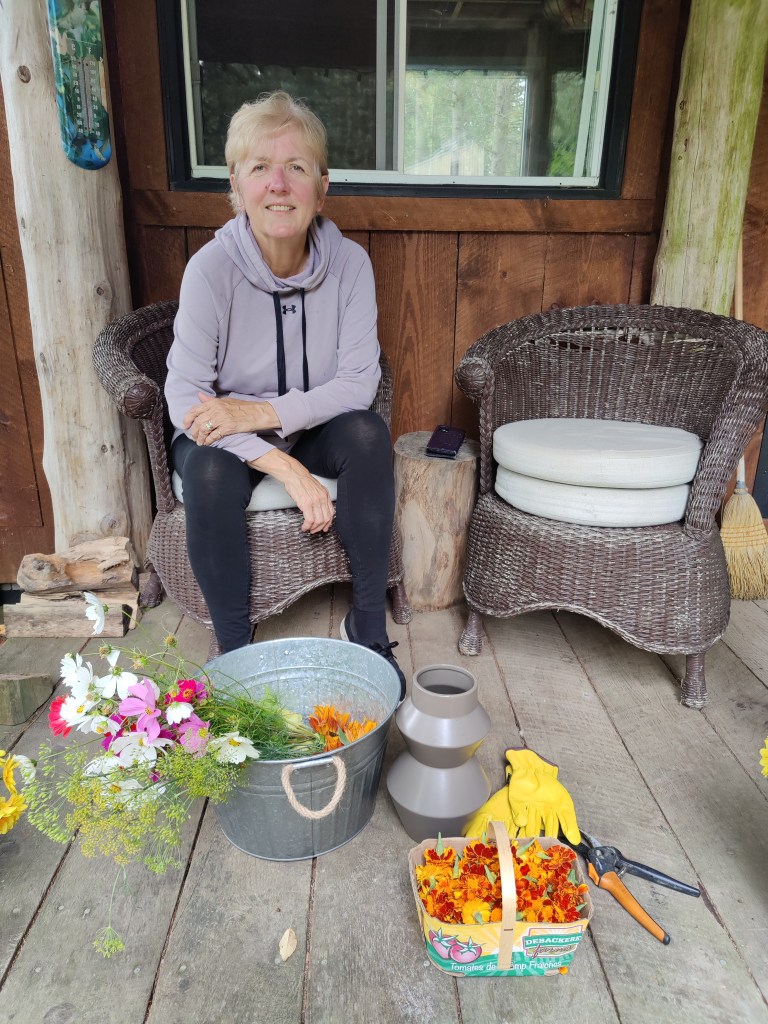
Mom helping with my flower harvest last year. Marigolds, zinnias, cosmos and dill flowers, oh my!
Where I Panic Purchased this Year
I also purchased some vegetable seeds, including cucumbers and green onions. I ordered my seeds from McKenzie Seeds this year, which is a common supplier to Canadian retail stores and garden centres. You can purchase this brand, in person, at most brick and mortar shops. However, I learned that if you buy 50 dollars worth of seed online and are a first time buyer, you will qualify for free shipping and can apply a 10 percent discount code at check out. If this is something that interests you, note that a few days after you place your online order you will be emailed a limited time BOGO offer (that’s their hook to reel you in. I did not know this and missed out). McKenzie seeds has an extensive rewards points program for bonus bucks at checkout.
The Scoop on Seedy Saturdays
If buying seeds online is not your jam, I encourage you to check out your local seed swap. Basically a local seed swap (aka Seedy Saturday) is a community event to trade seeds with other gardeners or purchase seeds from vendors. Entrance fees usually include a small monetary or non-perishable food donation. This helps to keep these volunteer-run events operational.
Larger Seedy Saturdays also incorporate seminars or workshops into the event. It’s a great opportunity to solicit gardening information from the pros, such as a Master Gardener.2 I am hoping to attend the Master Gardeners of Niagara Seedy Saturday with a friend this February. Seeds of Diversity has an excellent consolidated list of seed swaps happening across the country:
Lastly, I am also happy to swap seeds with folks, too! (I am not running out of my saved sunflower seeds anytime soon).
Germination just means when a seed begins to grow or sprout during a period of dormancy ↩︎
Master Gardeners are experienced gardeners who have studied horticulture extensively and continue to upgrade their skills through technical training. With this training and continuing education, Master Gardeners give expert horticultural advice to the general public. Learn more or donate to the Master Gardeners of Ontario through their website.↩︎
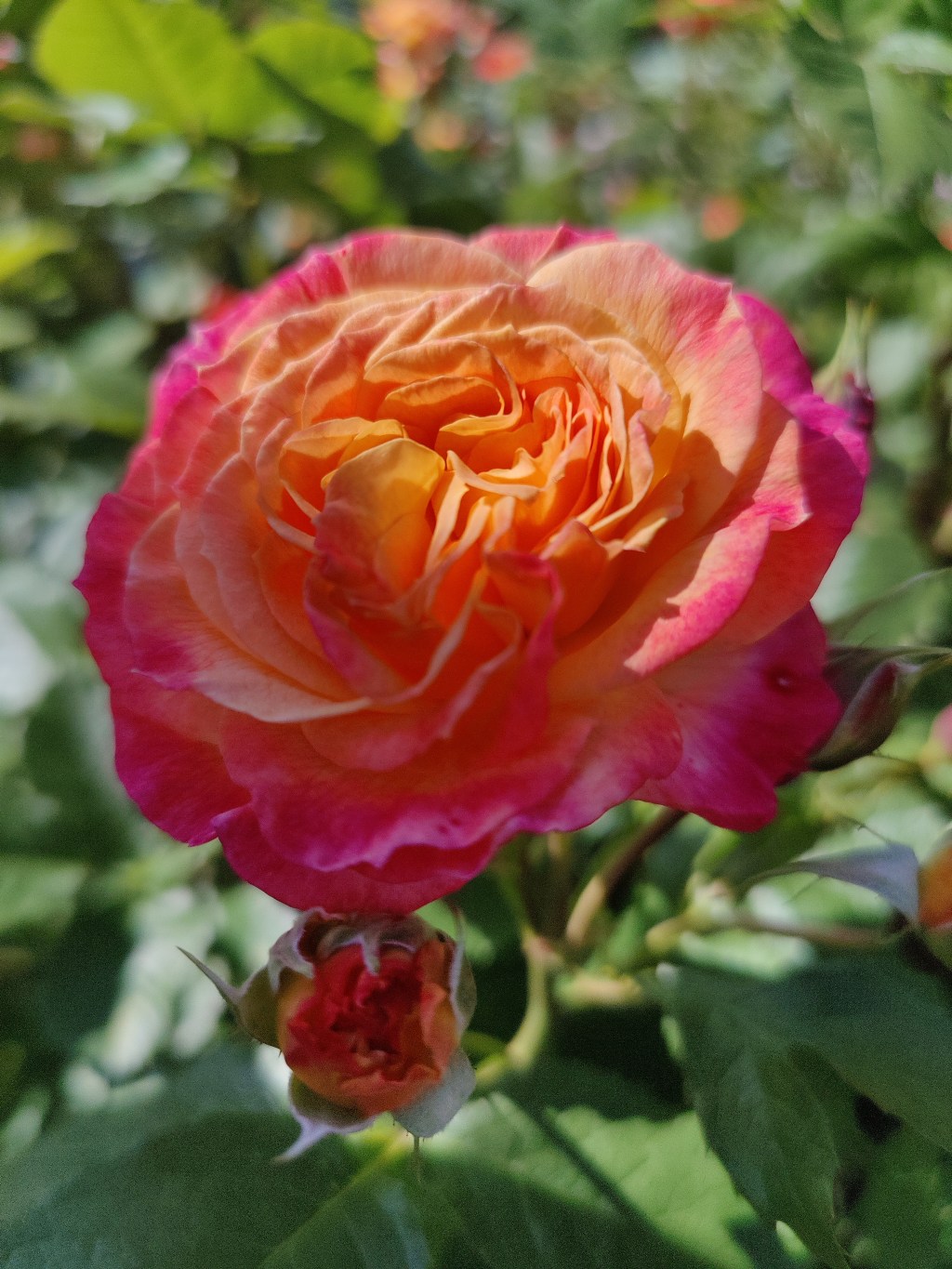
Full disclosure: While David Austin roses are my favourite flower, I have never planted one. I am afraid that the breed of rose I plant will become diseased. It might not bloom. It could also become a pain to maintain.
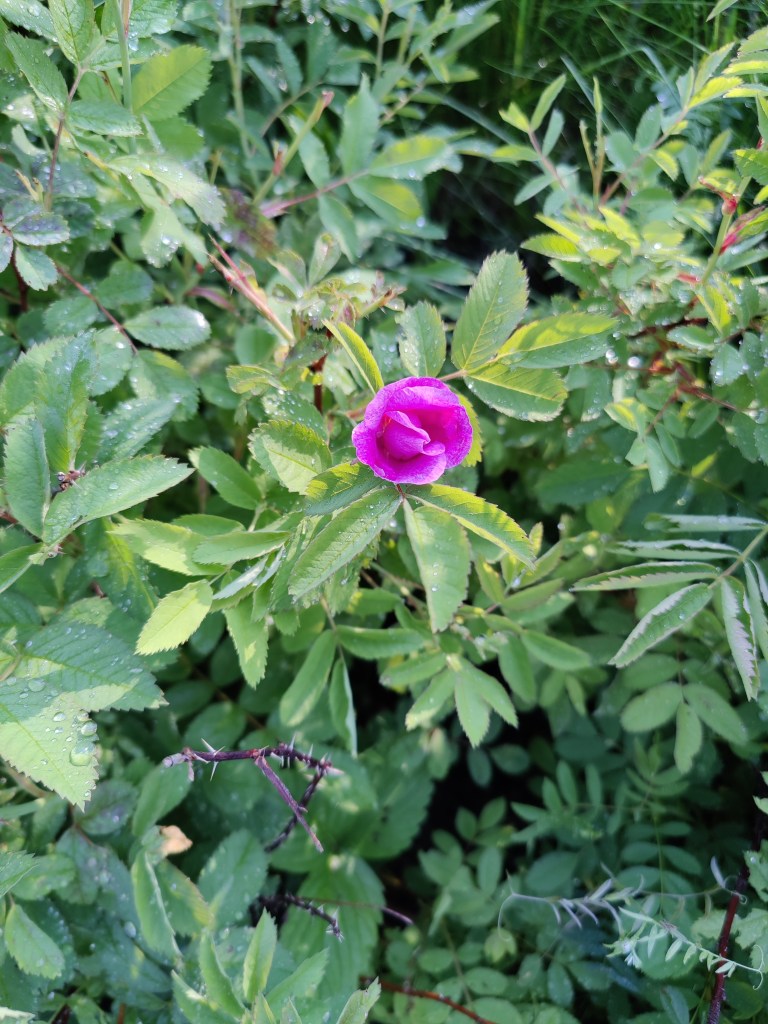
Four years ago, I planted four smooth rose bushes on the cottage garden hill. These are not a breed by David Austin. Last year, I got my first bloom.
my first native rose bloom
Perhaps I’m overthinking it. I just want to ensure I have a plan before I plant a variety of this spectacular breed of roses.
In theory, David Austin cottage garden roses are a stunning addition to any garden, known for their lush, romantic blooms and rich fragrances. These roses combine classic English elegance with exceptional hardiness, making them an excellent choice for gardeners aspiring to create a picturesque landscape.
Their diverse range of colours and forms allows for endless creative possibilities, bringing charm and beauty to any setting. With their ability to thrive in varied conditions and their continuous flowering throughout the season, David Austin roses truly embody the spirit of a cottage garden, inviting admiration and a sense of tranquility.
As we all know, 2020 marked the beginning of tough times for humanity. Among the pandemic lockdowns, I like most, dove head first into new hobbies. I tried bread baking, painting and sewing. The one hobby that really stuck however, was my love for gardening.
While the pandemic was ultimately first and foremost a plague on humanity, there was a tiny silver lining. It caused my family to retreat to our cabins, giving me the opportunity to slow down and pay attention to myself and nature.
My first gardening goal was to transform our hill into a pollinator’s paradise. The area of the hill is about 1,900 meters squared. My partner mowed a path winding through the hill and I planted about five small garden beds along the path. My dream is to have a colourful cottage garden on the hill, buzzing with a variety of pollinators. It’ll take awhile, but every year I make some progress.
Aerial view of the hill with a windy path
1900m2 of blank canvas. A gardener’s paradise.
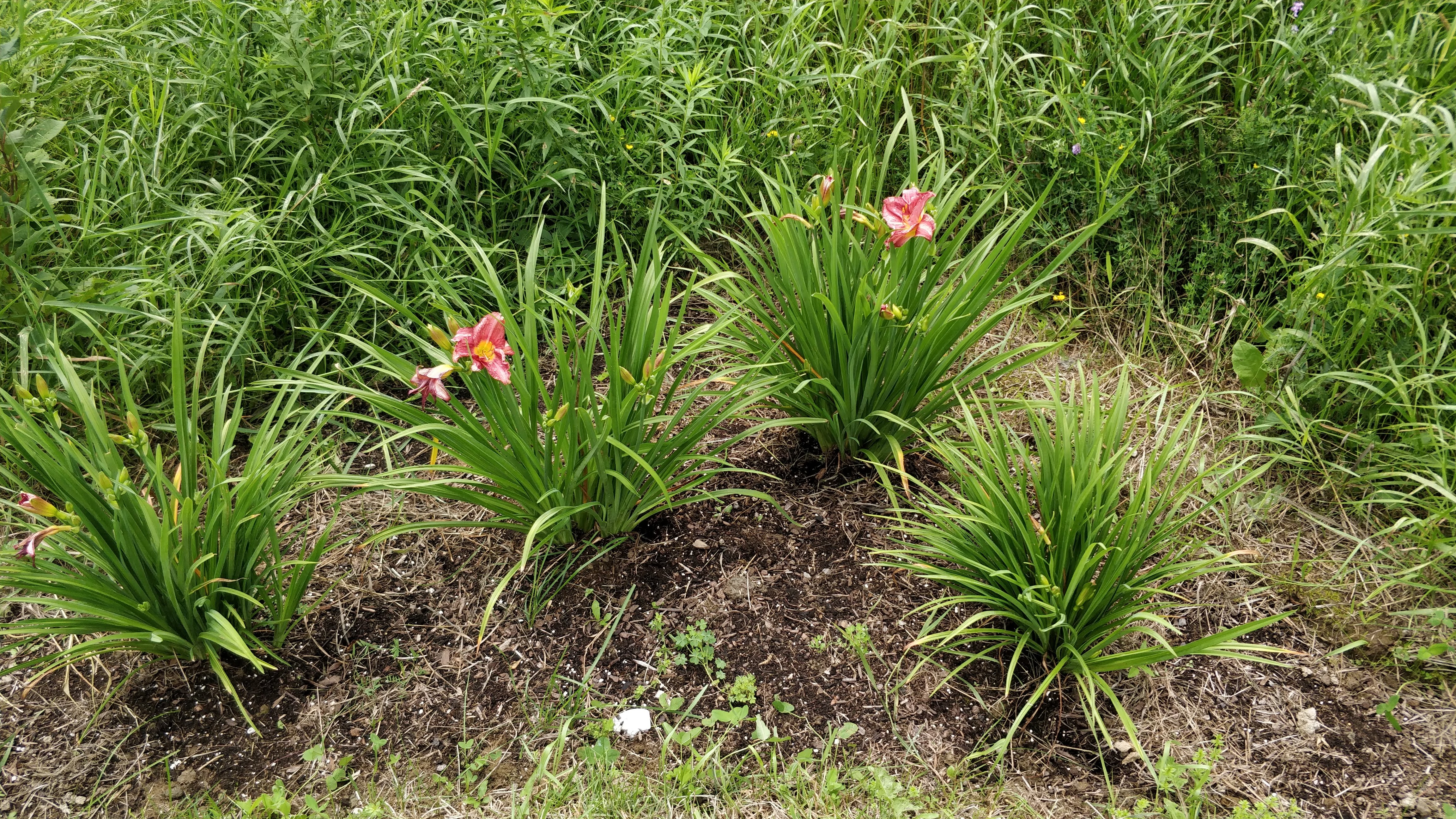
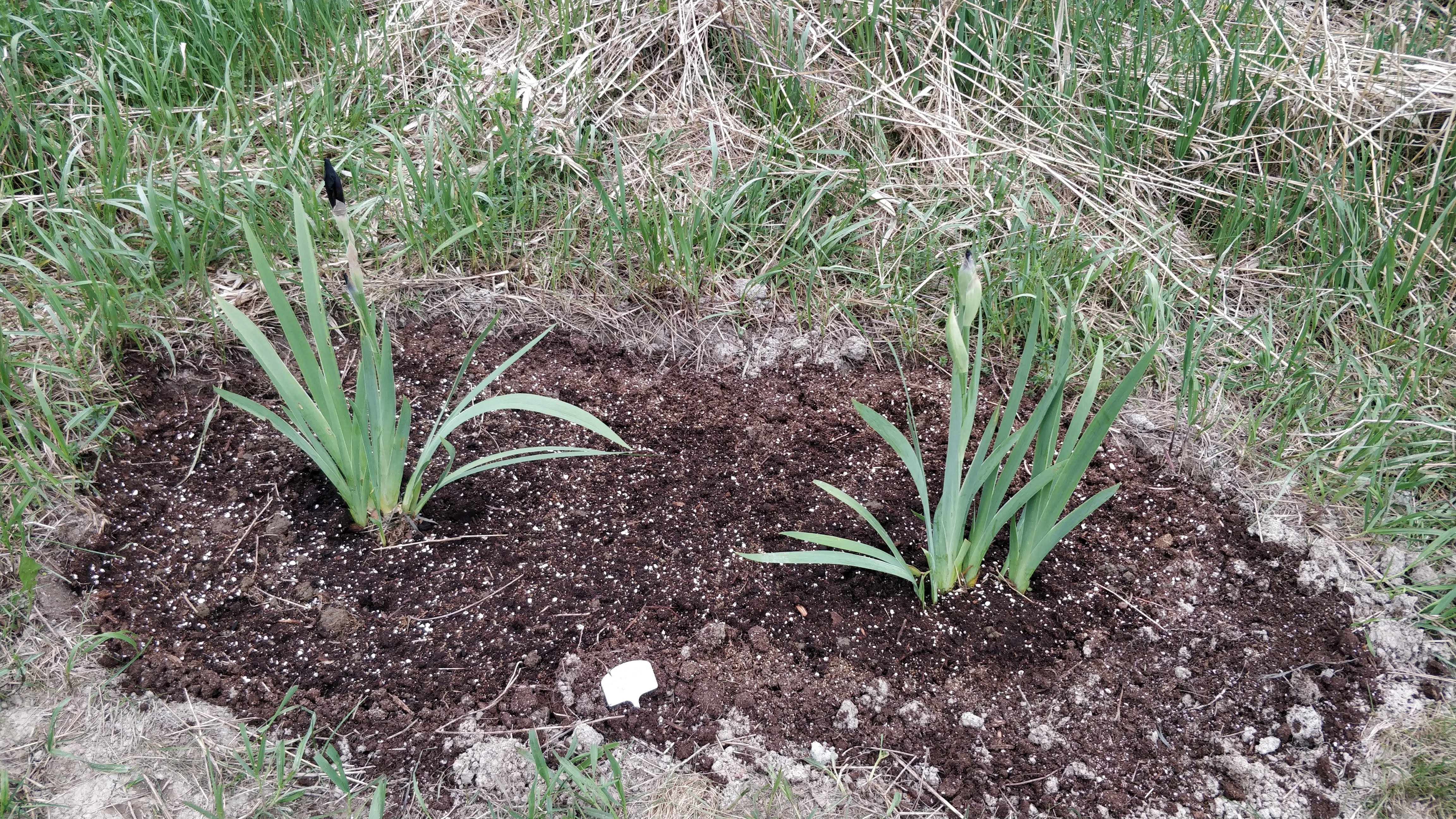
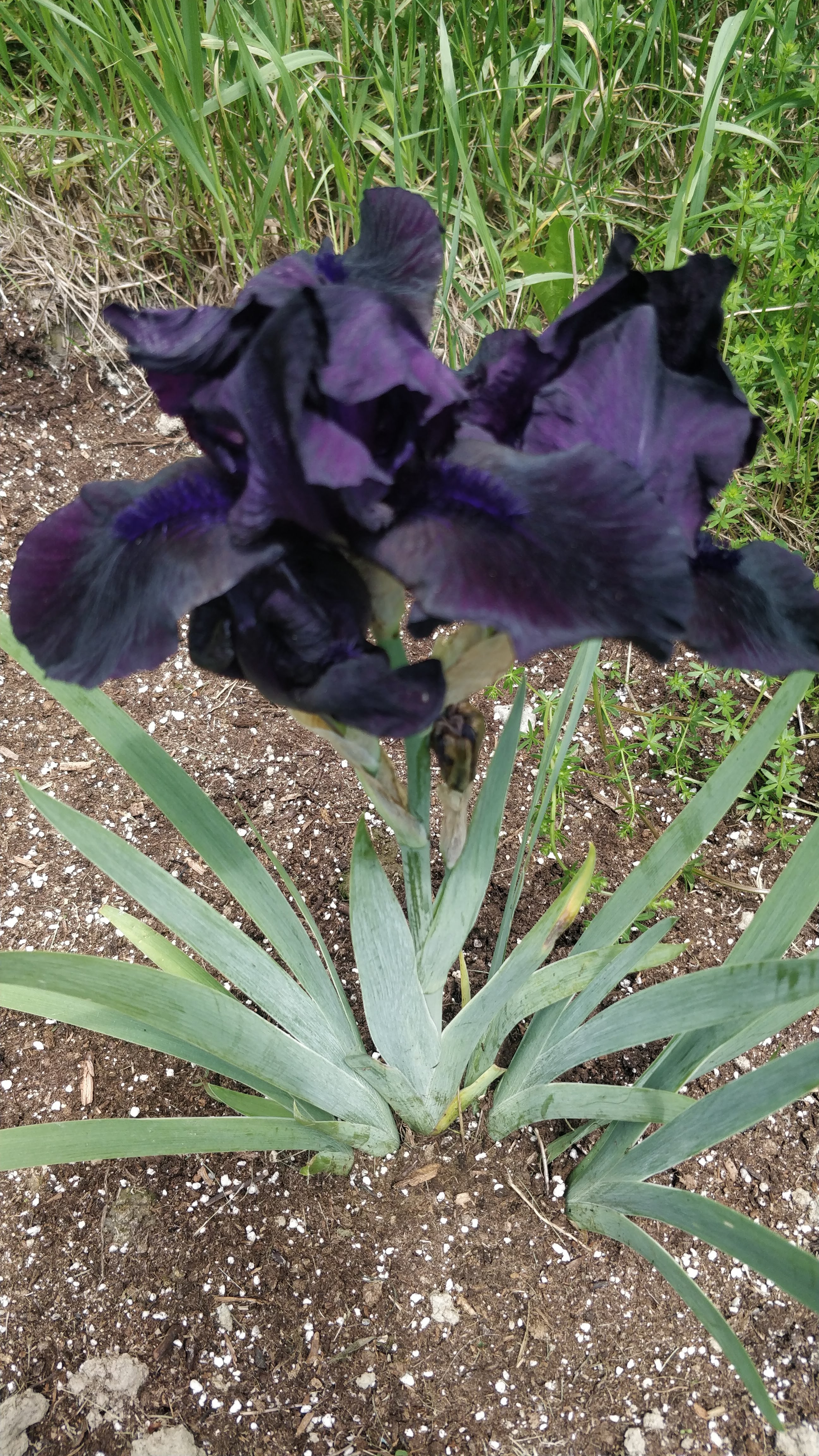
The hill already contains native plants to our area, such as chokecherries and goldenrod. I incorporated other natives like purple coneflower, black eyed susans, bee balm, smooth rose bushes, yarrow and asters. However, in the early days I planted non-natives such as day lilies, irises, grapes and a clematis (the latter of which I fried).
While most of these plants are still around, the native plants are thriving the best. One reason is because native plants don’t need as much water as their extensive root systems dig deep.
Chokecherries are native to our area.The hill flourishes with native goldenrod in the late summer months.
Here are select photos of my successes and failures on the cottage garden hill in 2020.