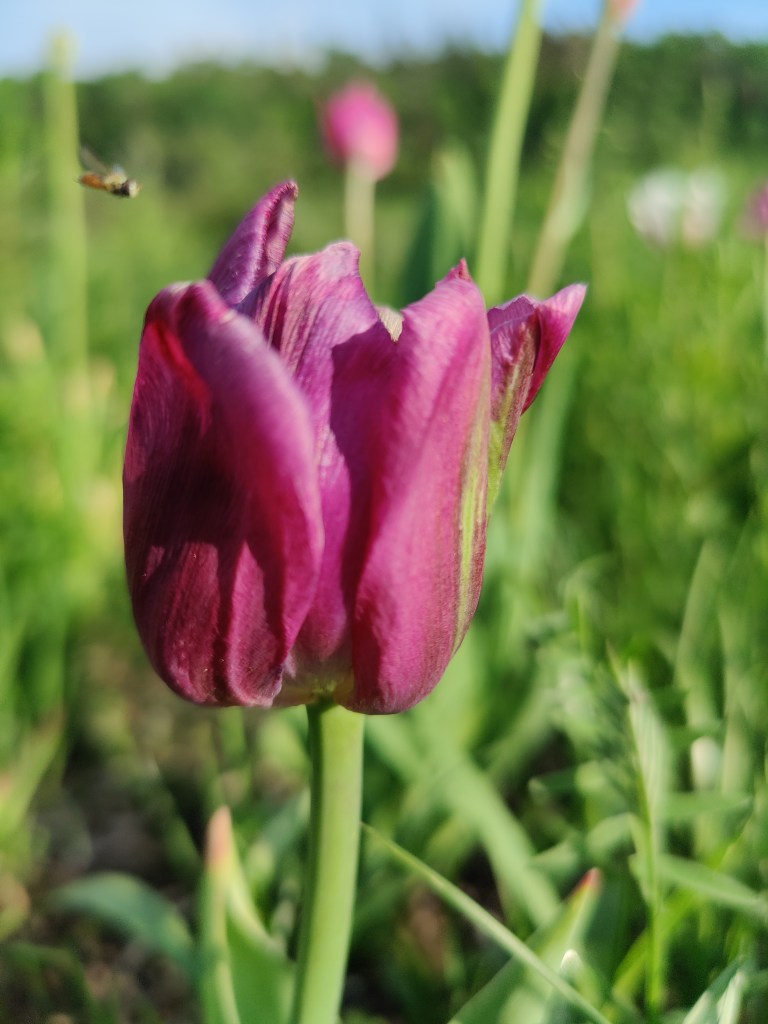
Happy first of May! There is a specific kind of energy that arrives with this month. It’s that long-awaited payoff for enduring the muddy and gray transition of early spring. We’ve all heard the rhyme—April showers bring May flowers—but if your garden is currently looking more “frosty” than “floral,” you aren’t alone.
For many of us in cooler growing zones, May 1 doesn’t always look like a walk through a botanical garden. It’s often a game of “will it or won’t it” with the overnight lows—and in my case, the “will it” occurred when our creek overflowed.
A few weeks ago, our property suffered some unfortunate flooding; however, I’m looking forward and hopeful that it won’t continue to “dampen” my spirits for the upcoming gardening season.
Anyway, while the tulips and daffodils are the hardy pioneers at this point in the spring season, the real stars of the show usually need a little more convincing to wake up. If your garden feels a bit behind schedule due to the recent chill, don’t worry—the roots are doing the heavy lifting underground, just waiting for that consistent sunshine.
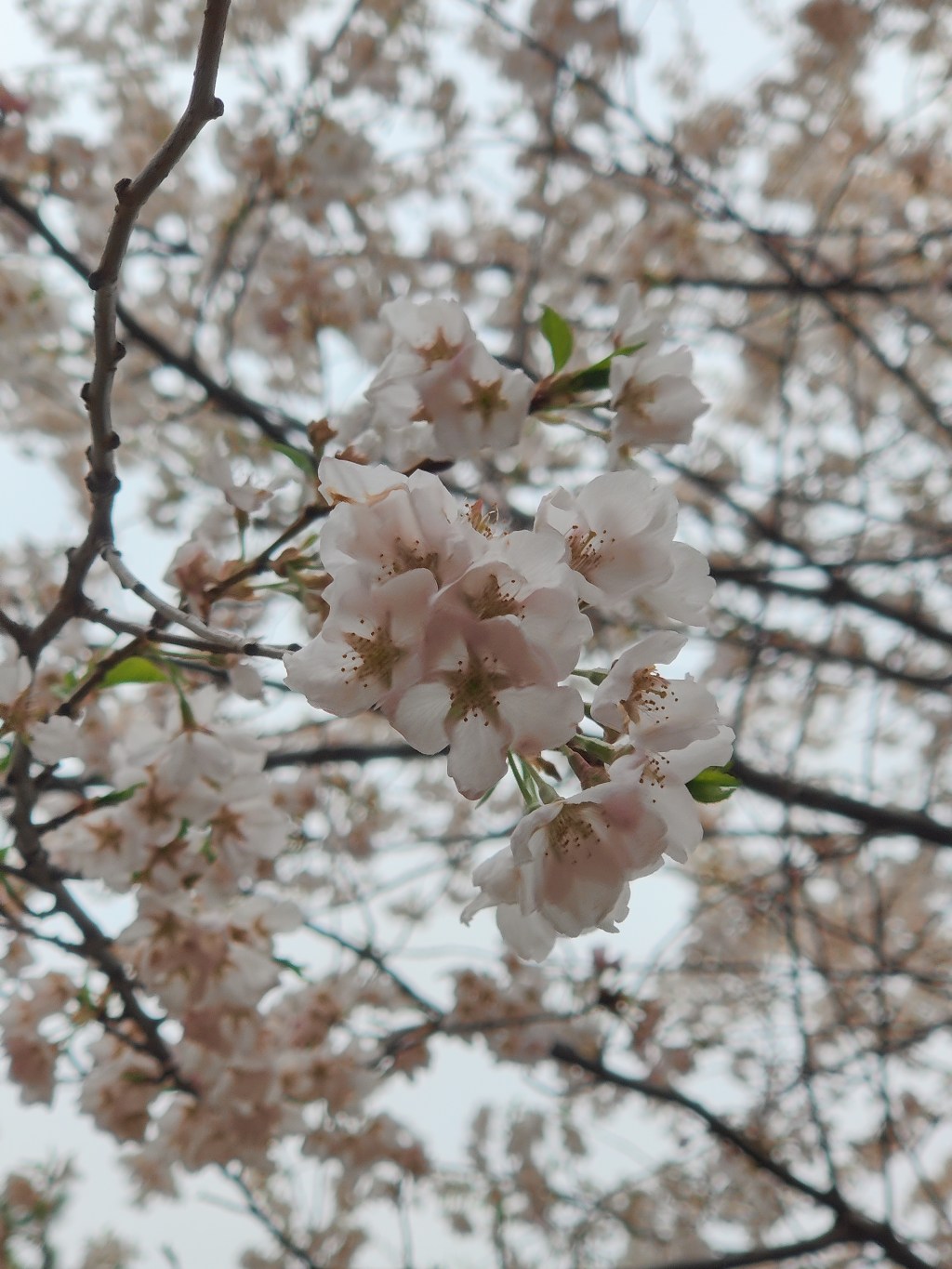
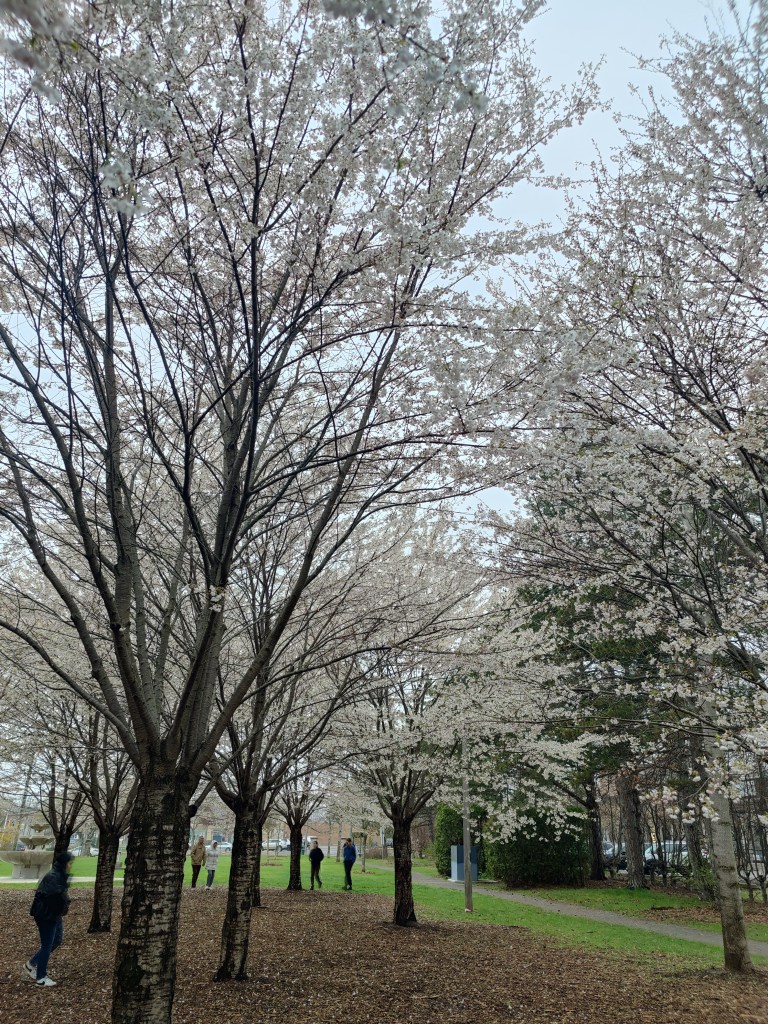
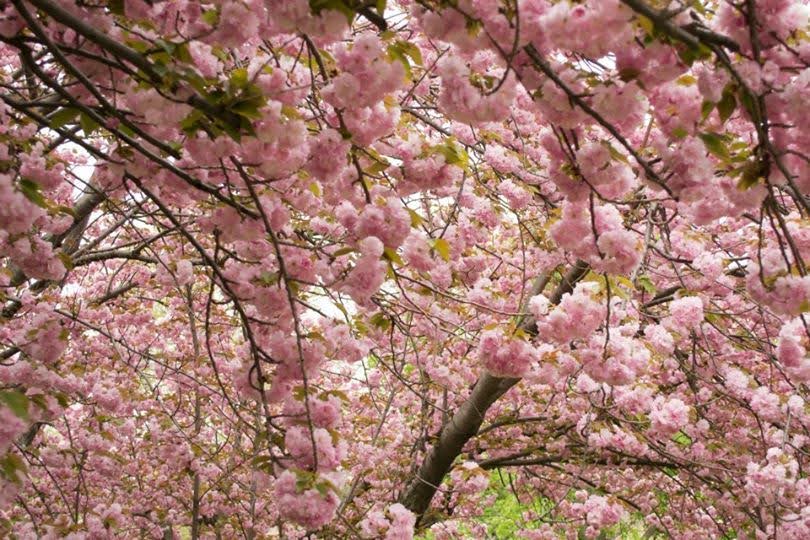
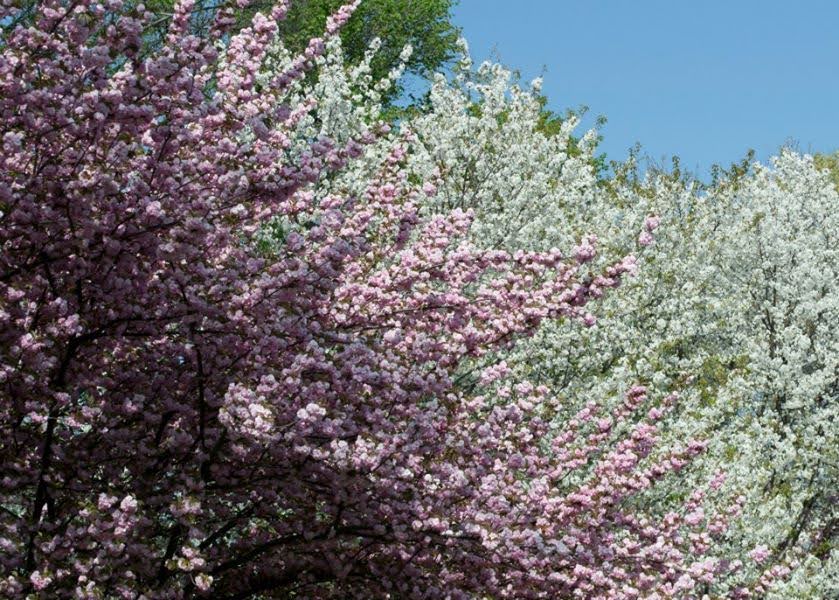
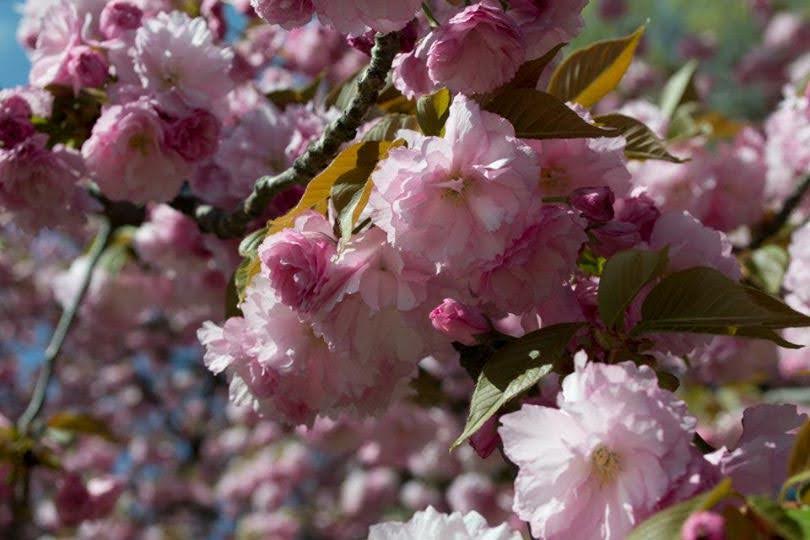
I recently spent a weekend admiring some cherry blossoms, which are starting to bloom in hardiness zone 6. They reminded me of a trip I made in 2014 to Washington, DC during peak cherry blossom season. Here are a few cheery photos from that trip:
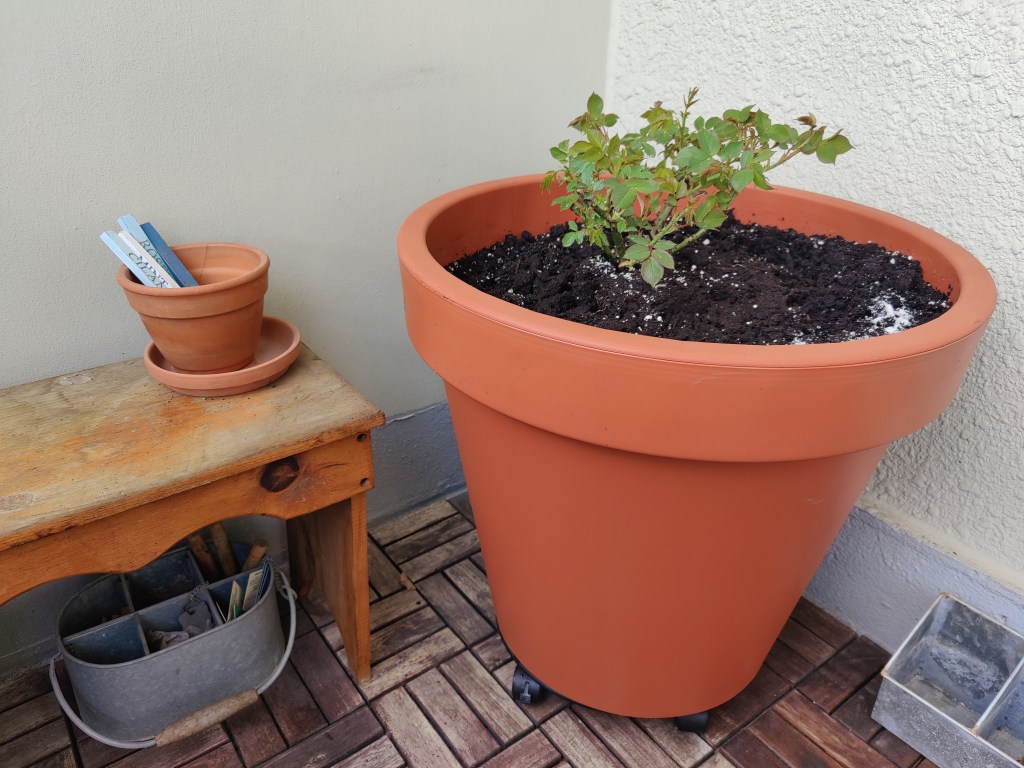
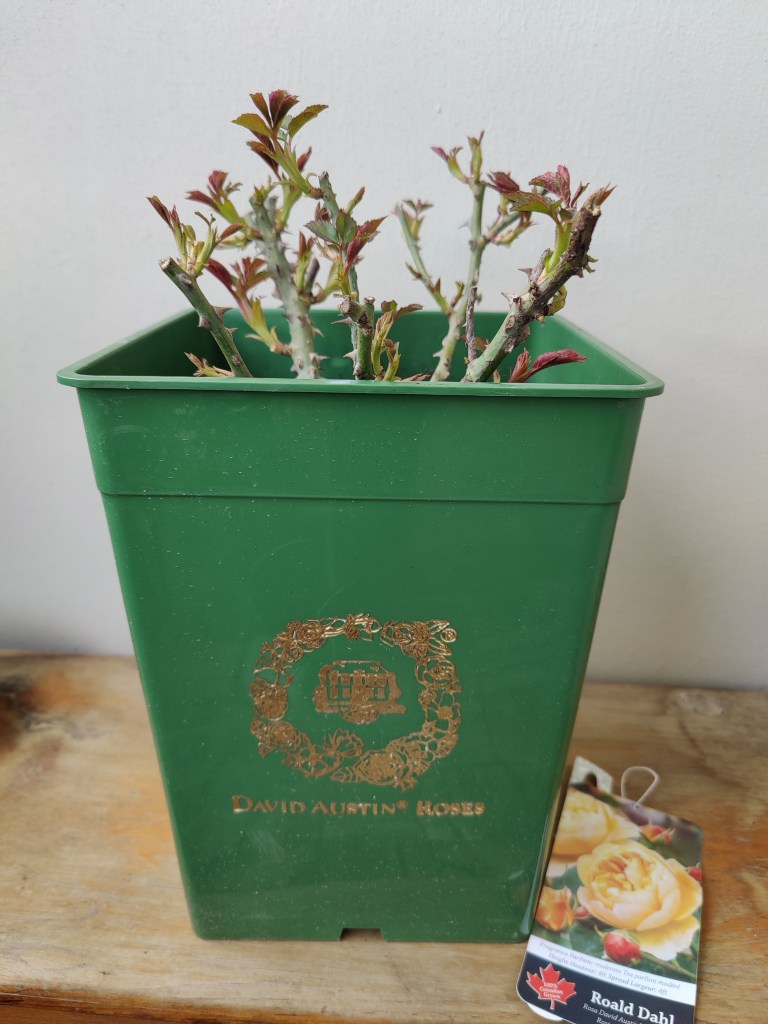
And James, my new rose addition (see previous post), has currently nestled into her new home. That is, I found a fittingly giant pot. Until next time, Happy May 1 (and a happy birthday to my friend, Danielle).
I finally did it. After months of studying English cottage garden videos and researching the most suitable variety sold at my local garden centre, I pulled the trigger. My very first David Austin rose is officially part of my city life, and I couldn’t be happier.
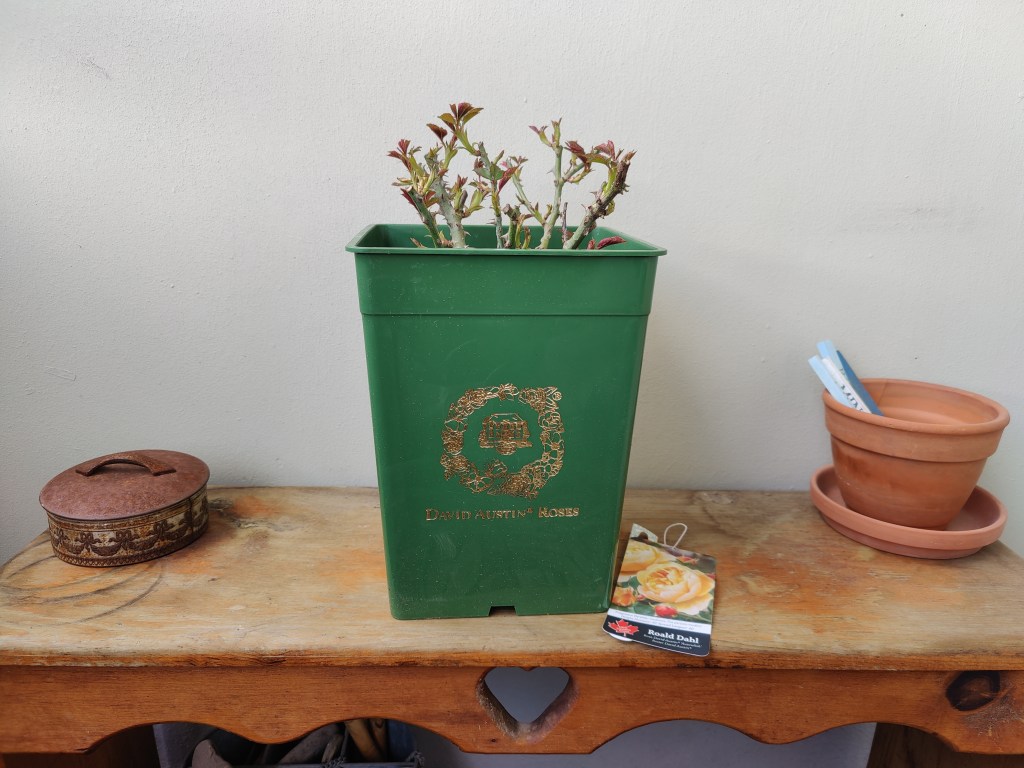
The variety is called Roald Dahl, and is named after the beloved author of course. I hope this rose will be everything I wanted for my balcony: resilience, nearly thornless, and famous for its peach aesthetic. Naturally, I’ve already named this plant James, after the protagonist from my favourite Roald Dahl book.
Why did I choose Roald Dahl?
As I will be growing this rose on my balcony, I knew I needed it to be suitable for a large planter, so I avoided rambling and climbing roses and focused on shrub varieties.
My balcony can also get quite hot in the summer sun. The Roald Dahl rose breed is known for being incredibly robust and disease-resistant. I am hopeful this is a great rose to start.
Of course, I needed to consider what was available in my area. I could’ve ordered the plant online from the British David Austin website, but why not see what my local garden nursery had available. The selection may have been slightly more limited; however, there were still plenty options to fit my needs at the garden centre in my area.
But let’s be honest, I really chose this flower because of those blooms. They start as beautiful orange-red buds and open into perfect, cupped rosettes of soft apricot. David Austin describes the scent as a “fruity tea fragrance,” and I am already imagining my morning coffee surrounded by that scent.
My hunt for a perfect planter
Now that the rose is here, the pressure is on to get a suitable pot. You can’t just put a David Austin in a standard plastic bucket and hope for the best. These roses have deep root systems and need room to breathe to stay healthy in a container.
I’m currently scouting for the perfect urn or large planter. According to the experts at David Austin, a rose like this needs a home that is at least 18 x 18 inches (45 x 45 cm).
Here is what I’m looking for:
Depth is key: Roses have deep “taproots,” so I’m looking for something tall.
Material Matters: Since it’s a balcony, I need to balance weight and insulation. A heavy stone urn looks classic, but a frost-proof resin or lightweight ceramic might be kinder to my balcony floor.
Drainage, drainage, drainage: Roses hate “wet feet.” Whatever I pick must have substantial drainage holes and a tray.
The look: I’d like to seek out a weathered, “secret garden” terracotta-style urn to complement those apricot petals.
What’s Next?
Once I source the perfect pot, the real work begins: a mix of potting soil, the addition of mycorrhizal fungi (if I can find that too) to help the roots settle. Then I’ll place it in a sunny corner of the balcony that gets at least 6 hours of light. As it is dropping to minus 3 degrees celsius tonight, I temporarily tucked my rose inside.
I’m so excited to watch James transform into a peach-coloured masterpiece. Stay tuned for (hopefully) a photo of the very first bloom!
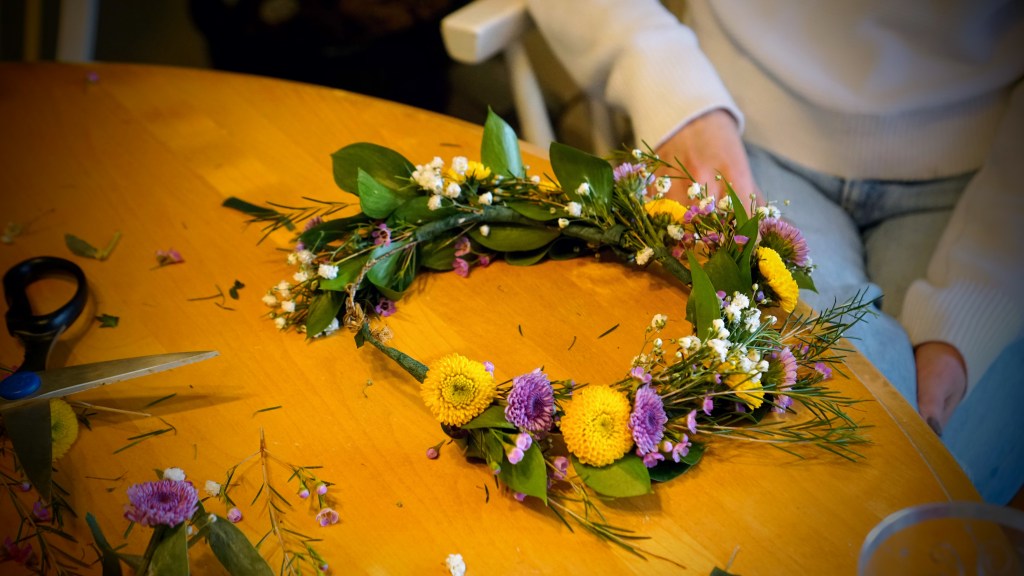
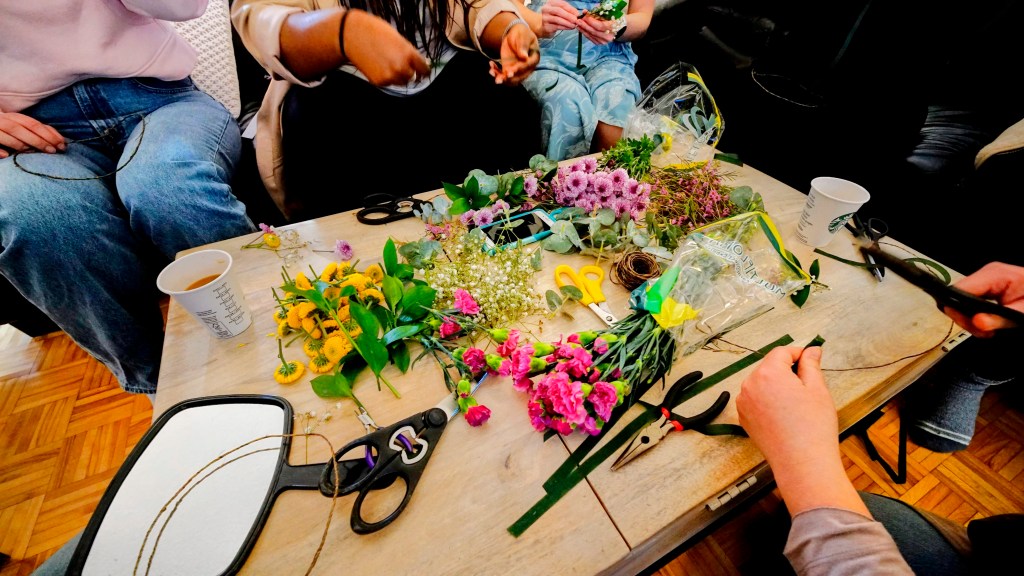
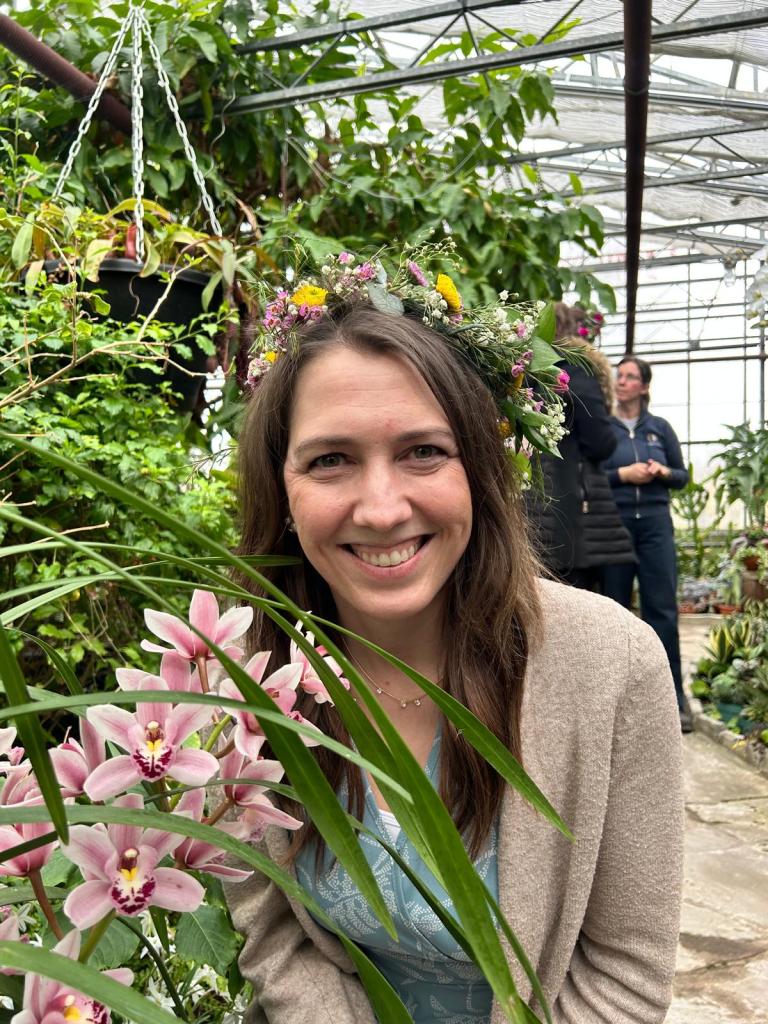
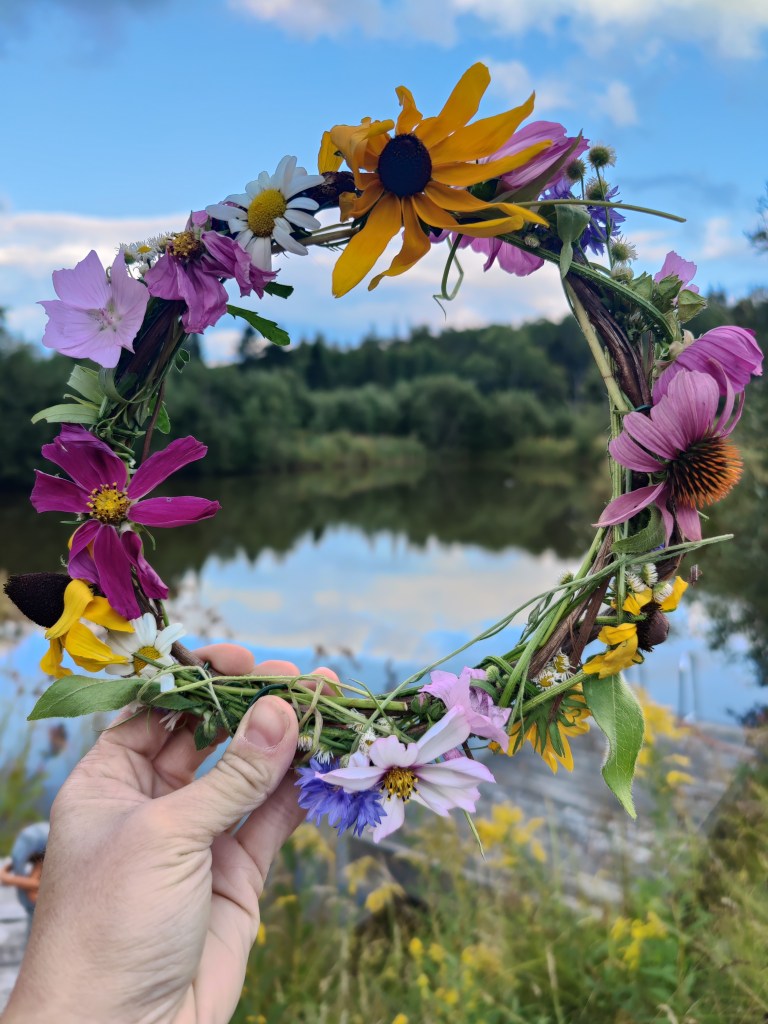
When my sister planned my birthday a few weeks ago, she skipped the typical party games for something more…grounded — a DIY flower crown station.
The flower crown workshop turned out to be the perfect group activity. Depending on the season, creating flower crowns can be budget-friendly, double as party favours, and are a fun way to ensure everyone is camera-ready for group photos. Here is how to recreate my sister’s floral setup.
What you’ll need:
To keep the “flower bar” organized, set out the following materials:
Greenery: Eucalyptus and ruscus for the base.
Flowers: Hardy, colourful blooms like mini carnations, button chrysanthemums, waxflower, and baby’s breath.
Tools: Floral wire, floral tape, and sharp shears.
If you have some time, pre-cut the greenery and flowers so that each piece is two to four inches long.
Directions:
1. Form the base: Wrap a length of floral wire around your head to find the circumference. Leave an extra 5 centimetres of overlap, then twist the ends together to create a circular frame.
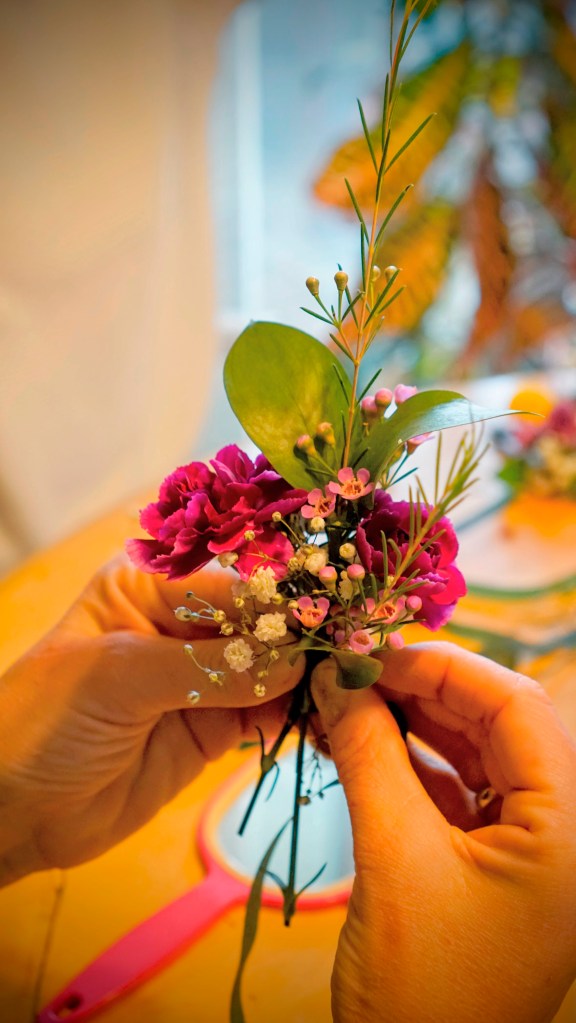
2. Create mini-bundles: Instead of attaching single stems, bunch two or three small flowers with a sprig of greenery. Secure the stems of these “mini-bouquets” with floral tape. You will need about 10 bundles for a full crown.
3. Layer the blooms: Place the first bundle against the wire frame and wrap the stems tightly with floral tape. Place the next bundle so the flowers overlap and hide the stems of the previous one.
4. Close the loop: Continue the overlapping pattern until the wire is covered. Use small accents like waxflower to fill any visible gaps or “bald spots.”
Maintenance tips
To keep the crowns from wilting before the tea is poured, mist them lightly with water. Store the finished crowns in a cool, dry place until they are ready to be worn. In our case, we wore these “party hats” right away. Et voila!
In my part-time, northern garden, where the growing season feels like a sprint, I’m always looking for plants that can pull double duty.
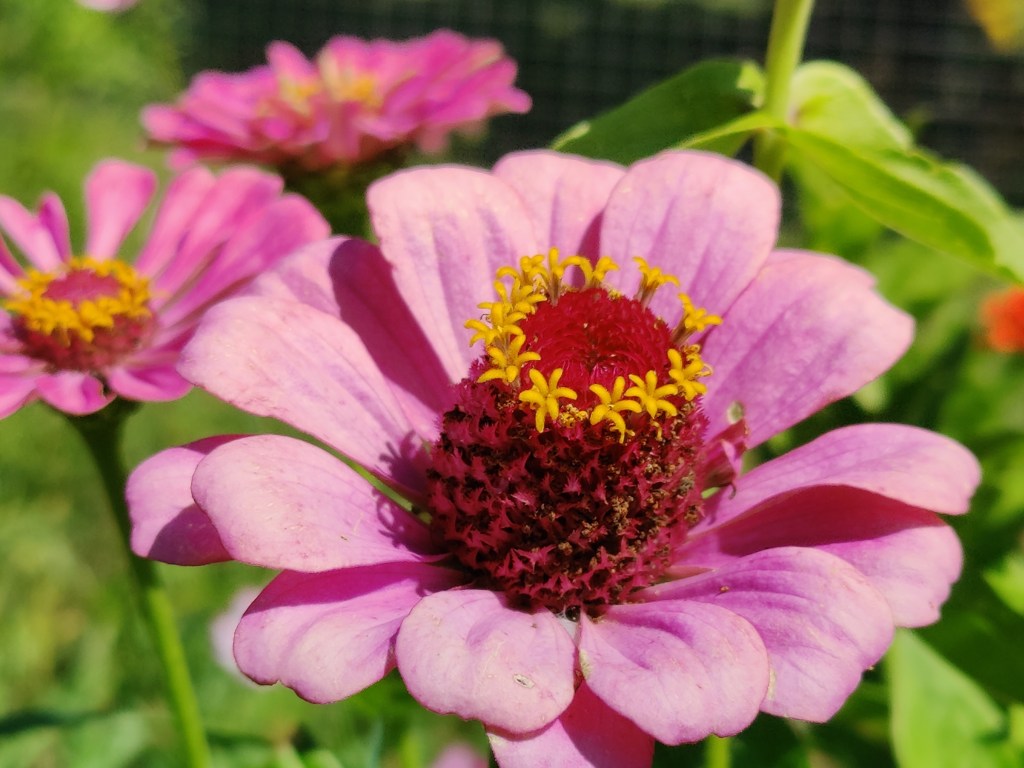
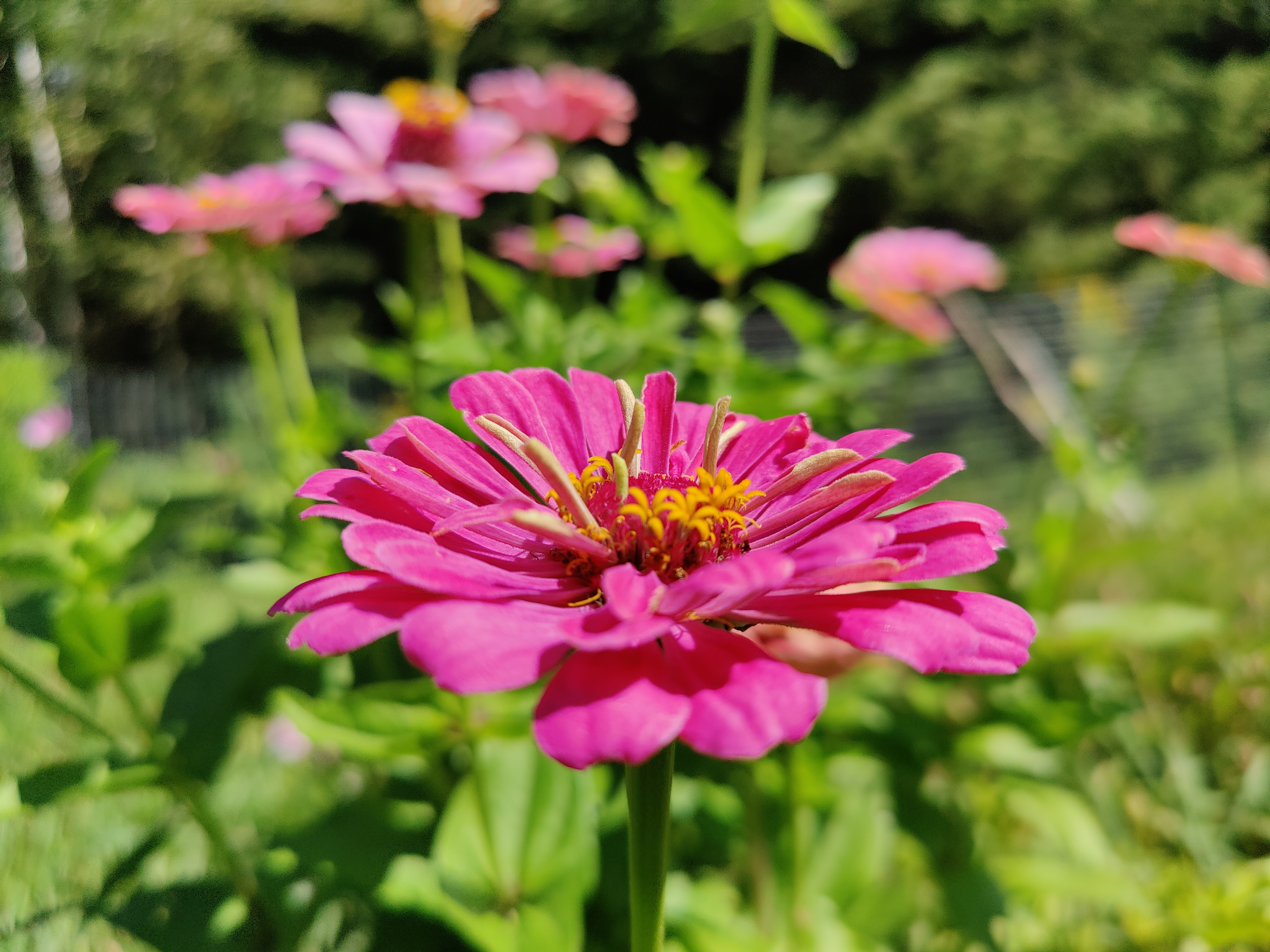
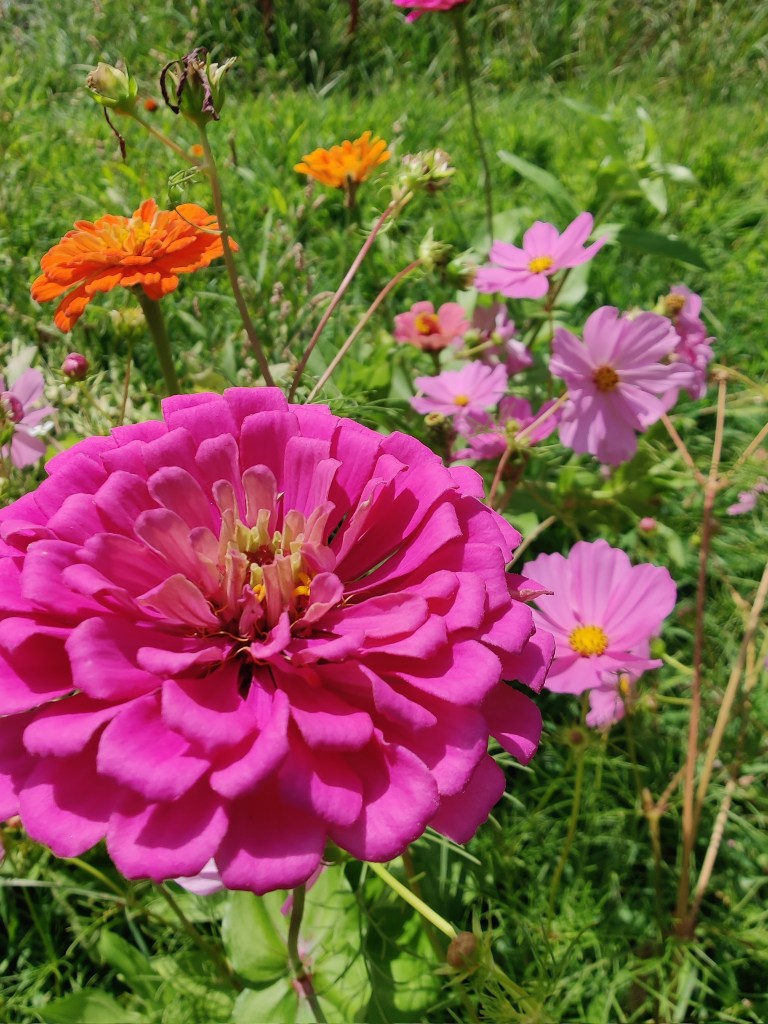
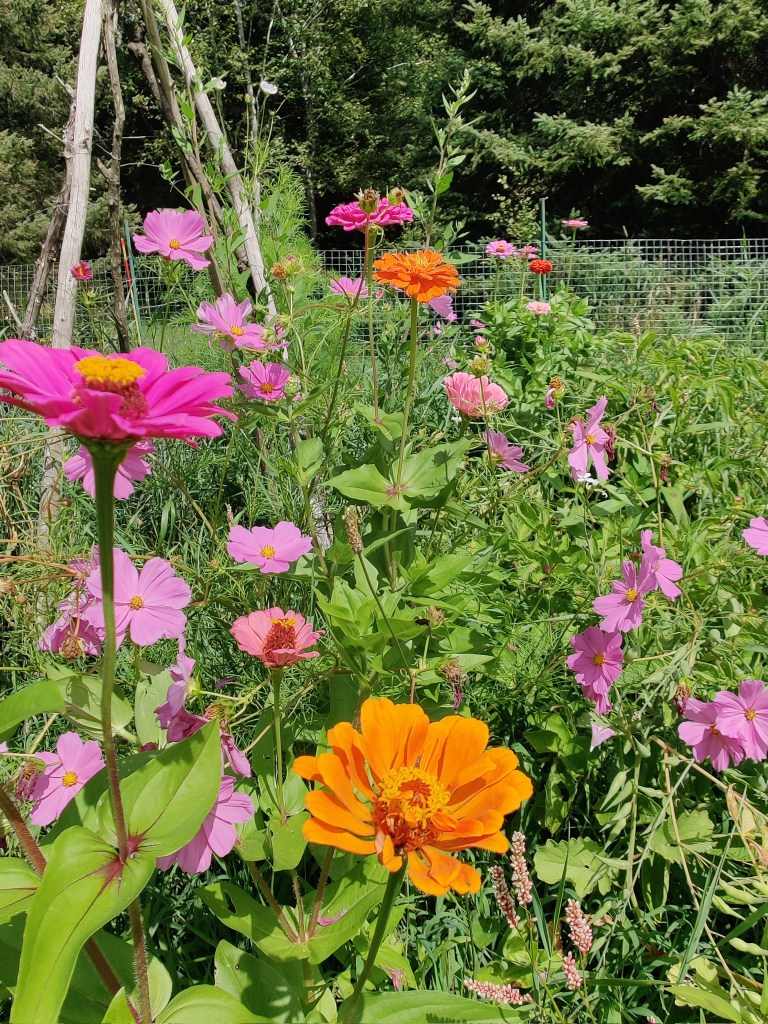
In 2025, the standout performer wasn’t a vegetable at all—it was the State Fair zinnia.
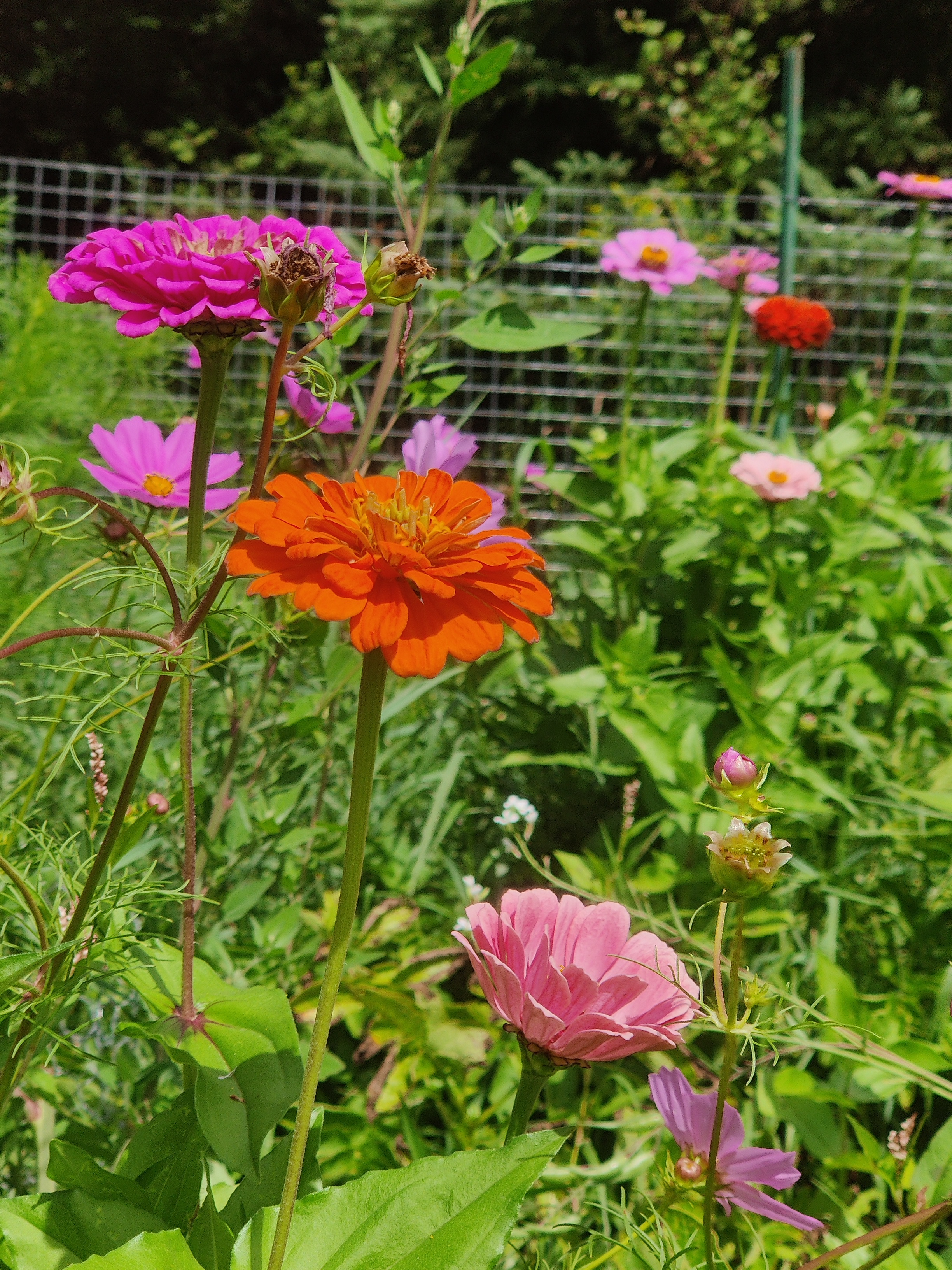
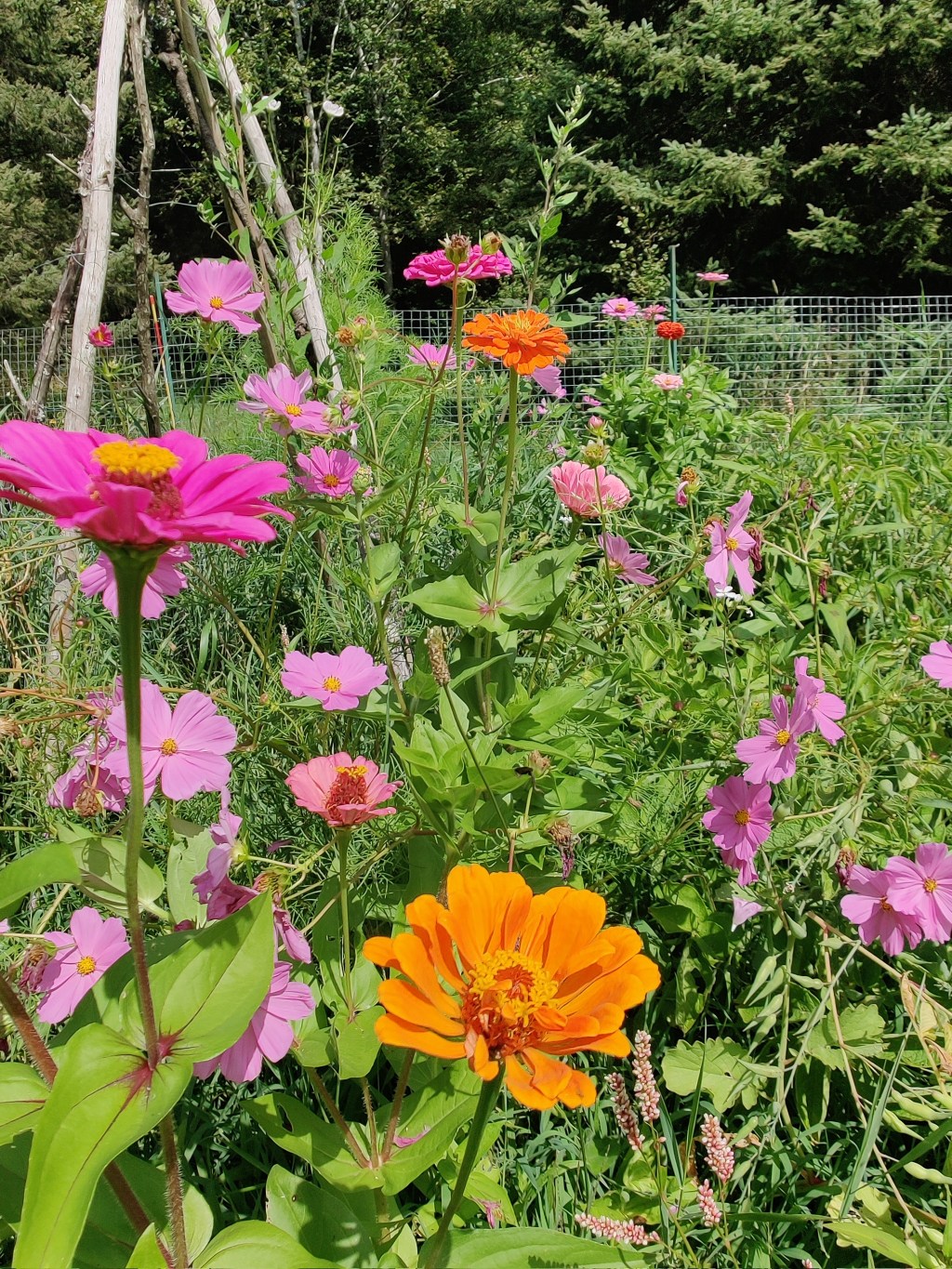
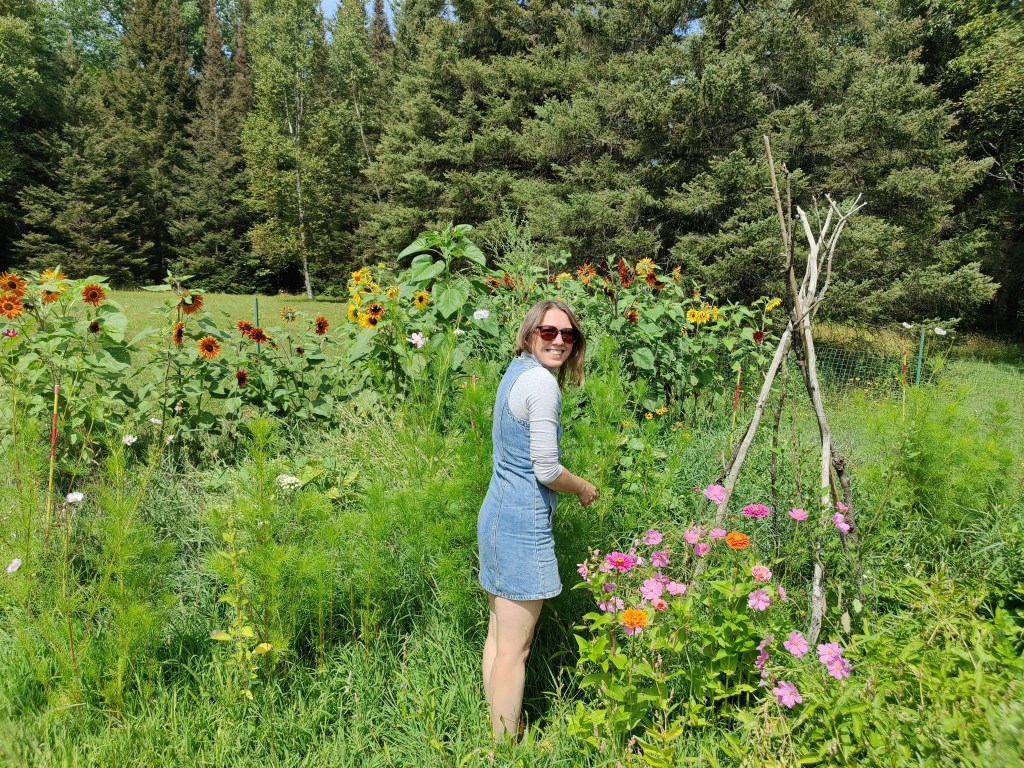
I planted these alongside my sugar snap peas, radishes, and cosmos, and they didn’t just add colour; they acted as the backbone of the entire patch.
What makes State Fair zinnias special?
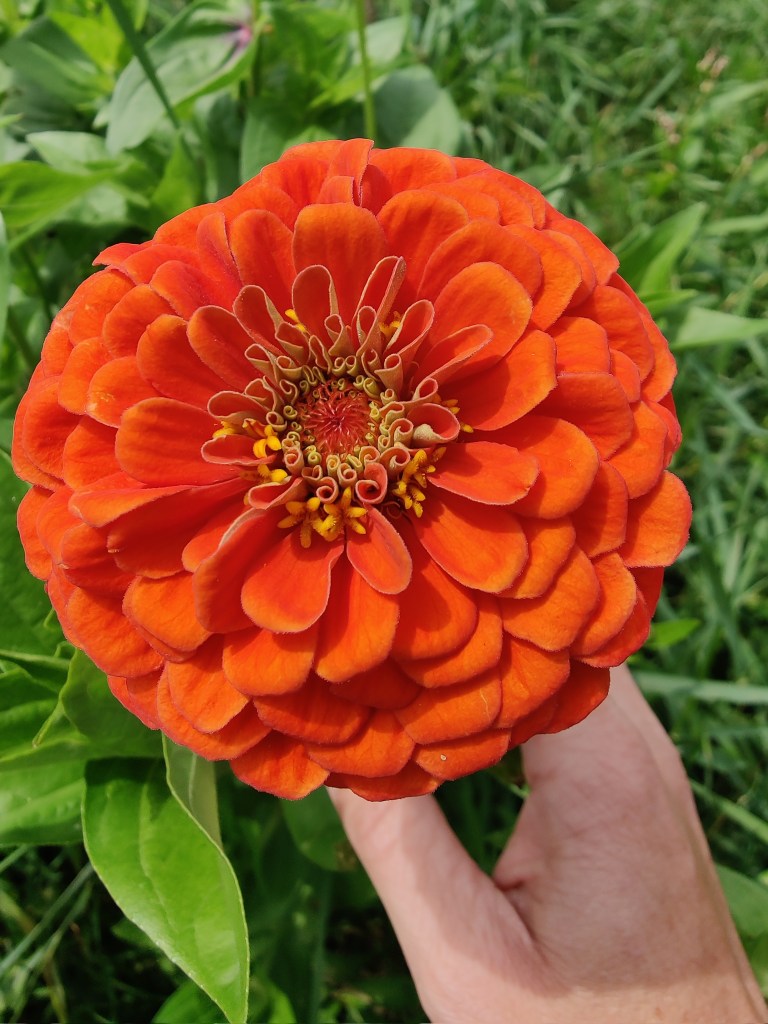
You may have noticed these grew significantly larger and sturdier than standard zinnias. That’s because State Fair is a tetraploid variety. In simple terms, while most zinnias have two sets of chromosomes, State Fair has four. This “genetic doubling” results in:
Jumbo blooms: Massive flowers that can reach 4–6 inches across.
Stocky strength: Thicker stems that don’t flop over in high winds.
Disease resistance: They have a much higher natural tolerance to powdery mildew—a lifesaver during our humid August weeks.
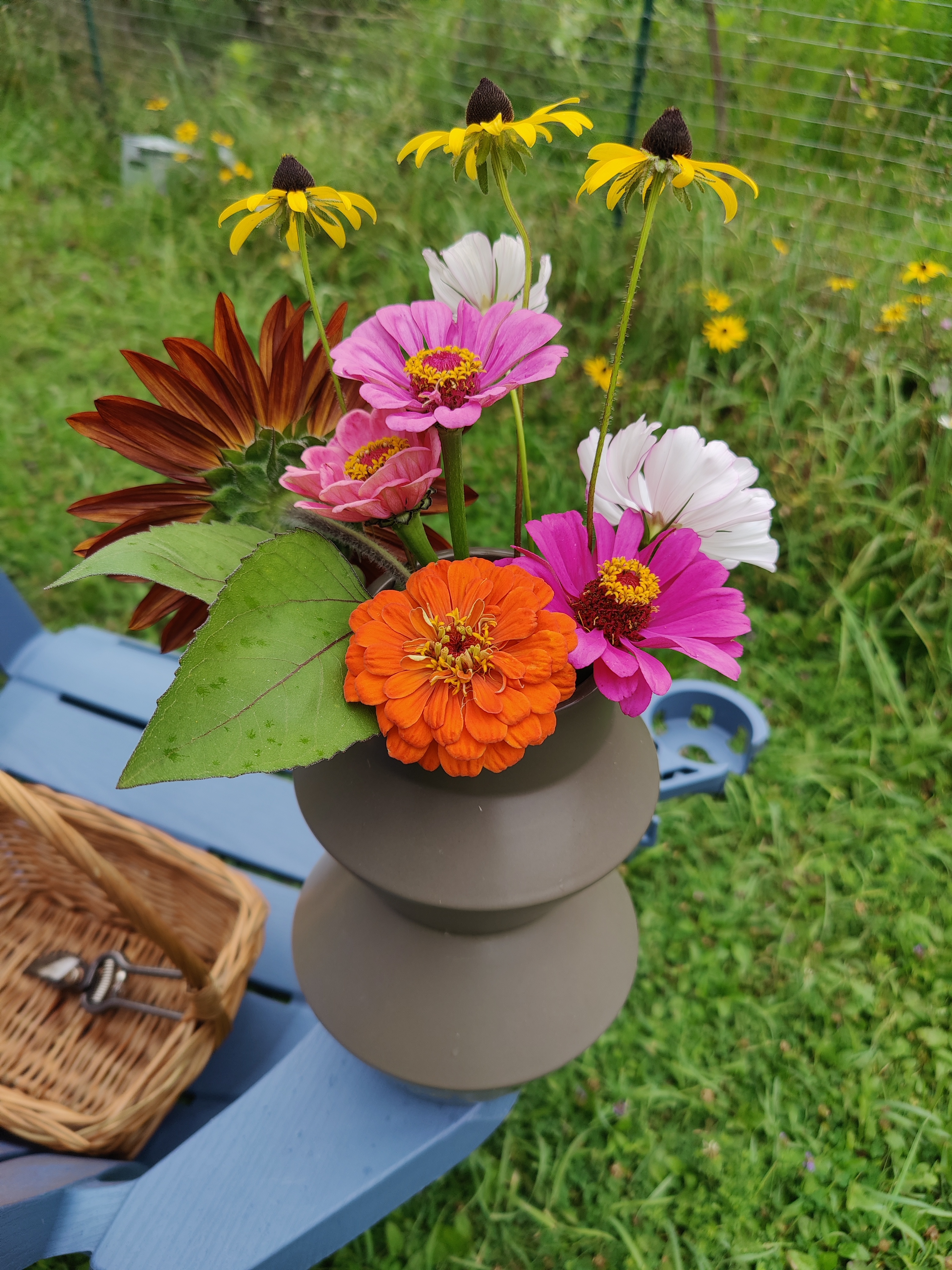
Dahlia-like appearance: Many of the blooms are “double” or “semi-double,” giving them a lush, pom-pom look, making them a great addition to bouquets and floral arrangements.
If you plan on growing these beautiful flowers, here are a few key features of the State Fair zinnia:
Plant Type: Flower
Plant Lifecycle: Annual (plant every year)
Seed Type: Open Pollinated
Characteristics: Attracts bees, butterflies, hummingbirds, pollinators and songbirds, Pet friendly, and good for cut flowers
Planting Method: Direct sow
StandardColours: Salmon, orange, pink, rose, scarlet, yellow, and white
Water Needs: Average 2.5-5 cm (1-2 in.) per week
Days Until Bloom: 35 – 60 days
Harvest/Bloom Season: July to Frost (usually October)
Resistance: Deer and rabbits
Tolerance: Heat, drought, and dry soil
As State Fair zinnias are so vigorous, they can handle the cool nights of Zone 4 better than almost any other variety. If you’re looking for a “hero” flower that survives until the first hard frost, this is the one.
Stay tuned for a future post explaining how to save zinnia seeds.
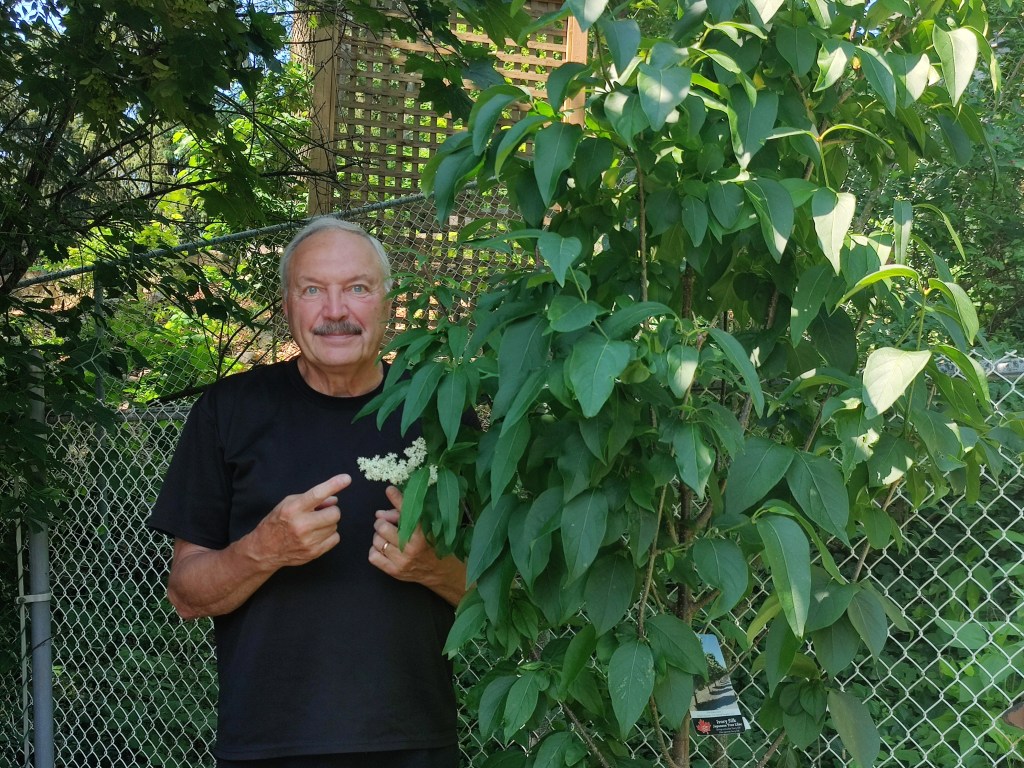
Every gardener knows that feeling: you’re gazing out at your meticulously planned landscape, or perhaps even a wilder corner of your yard, and there it is – a gap. An empty space where something should be. For my dad, Emmy, that gap was in his backyard, a spot crying out for something special, something that would offer beauty, structure and privacy without demanding constant fuss.
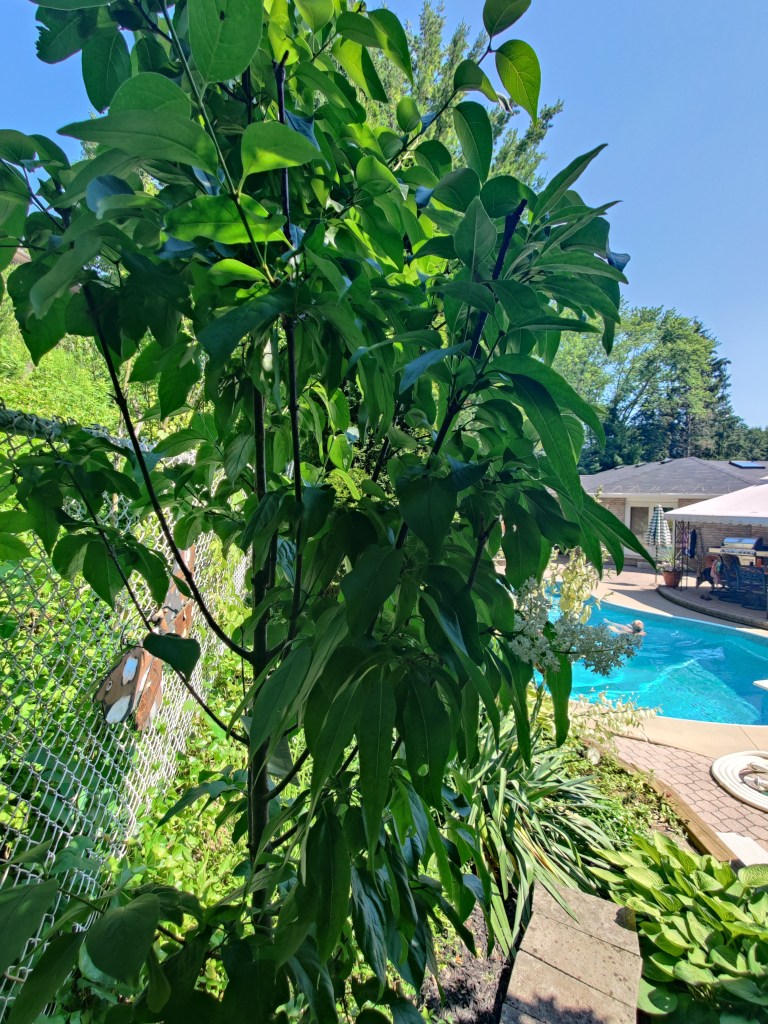
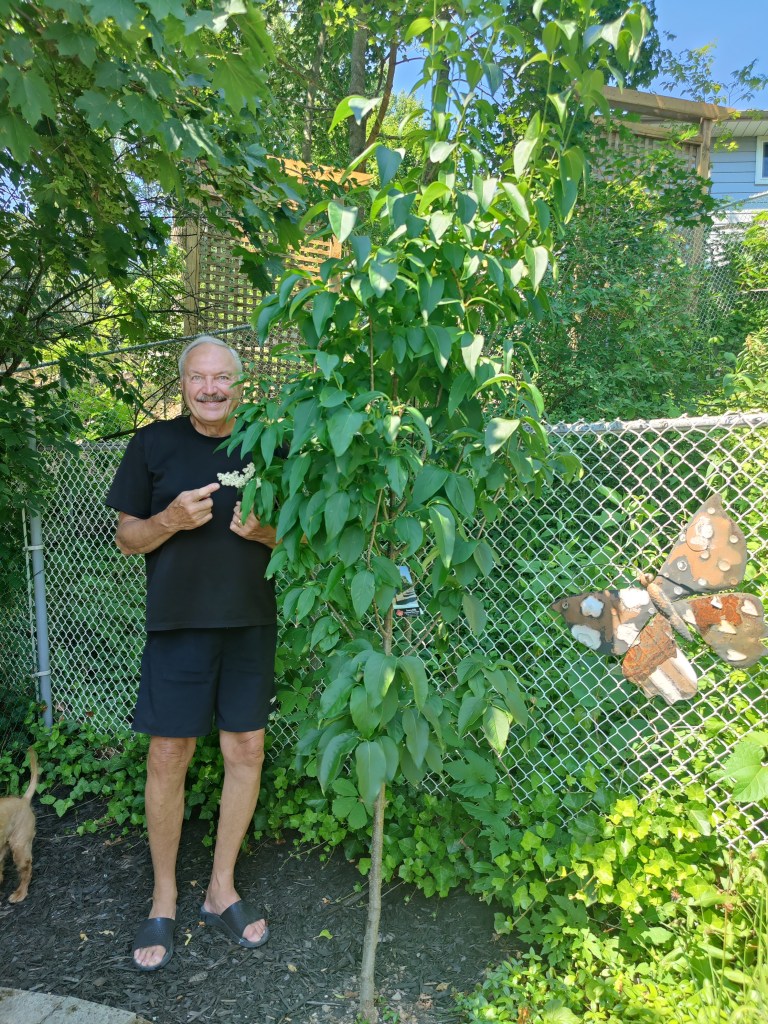
Last year, Emmy found his answer in the Ivory Silk Japanese Lilac tree. And let me tell you, it’s quickly becoming a star.
Why the Ivory Silk, you ask?
Unlike the familiar lilac bushes that burst with fragrant purple blooms in spring, the Ivory Silk is a true tree, and it has a few tricks up its sleeve that make it incredibly appealing, especially for someone like Emmy who appreciates both beauty and resilience.
First off, the bloom time. While most spring-flowering trees and shrubs are winding down by late May, the Ivory Silk is just getting started. Come mid-to-late June, when the garden might be looking a little sleepy after its initial explosion of colour, this tree erupts in magnificent, foot-long clusters of creamy-white flowers.
Imagine the delight of a “second spring” in your garden, just when you thought the show was over!
Emmy was drawn to its neat, oval-to-rounded shape, and the price was right. He bought and planted it at the end of June! Even as a young tree, it promised a tidy presence, destined to become a beautiful specimen without overwhelming its surroundings. It’s the perfect choice for a backyard centerpiece or even a corner gap.
More Than Just a Pretty Face: A Gardener’s Dream
What makes the Ivory Silk truly shine in a gardener’s eyes (and especially my dad’s, who values practicality) is its incredible toughness. This tree is a trooper!
Urban Warrior: It laughs in the face of city pollution and even road salt, making it ideal for urban and suburban settings.
Soil Tolerant: While it appreciates good drainage, it’s not overly picky about soil type, happily growing in clay or alkaline conditions.
Pest Resistant: A major win for any gardener! Unlike some of its lilac cousins, the Ivory Silk is highly resistant to powdery mildew, scale, and borers. This means no spraying and more enjoying!
Lovely Bark: Even in winter, when the blooms and leaves are gone, the tree still offers beauty with its attractive reddish-brown bark, adorned with cherry-like horizontal lenticels1.
Emmy’s tree, planted just last year, is settling in beautifully. He’s looking forward to many years of those spectacular late-season blooms filling that once-empty spot with grace and elegance. It’s a testament to choosing the right plant for the right place – a decision that brings joy to both the gardener and the garden itself.
lenticels are raised pores in the stem of a woody plant that allows gas exchange between the atmosphere and the internal tissues. ↩︎
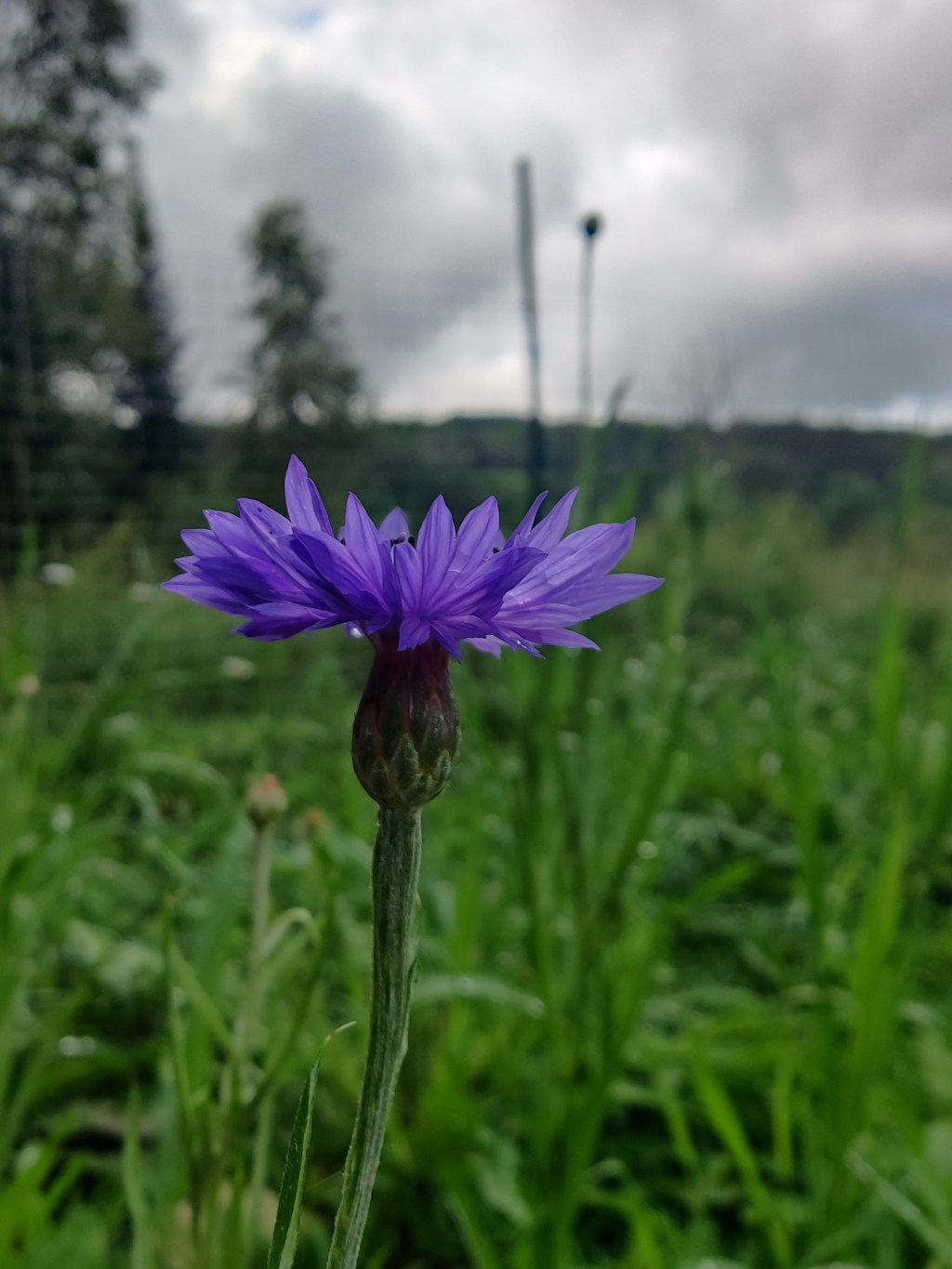
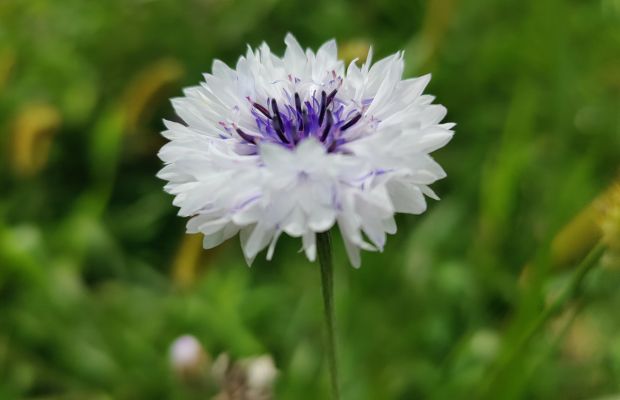
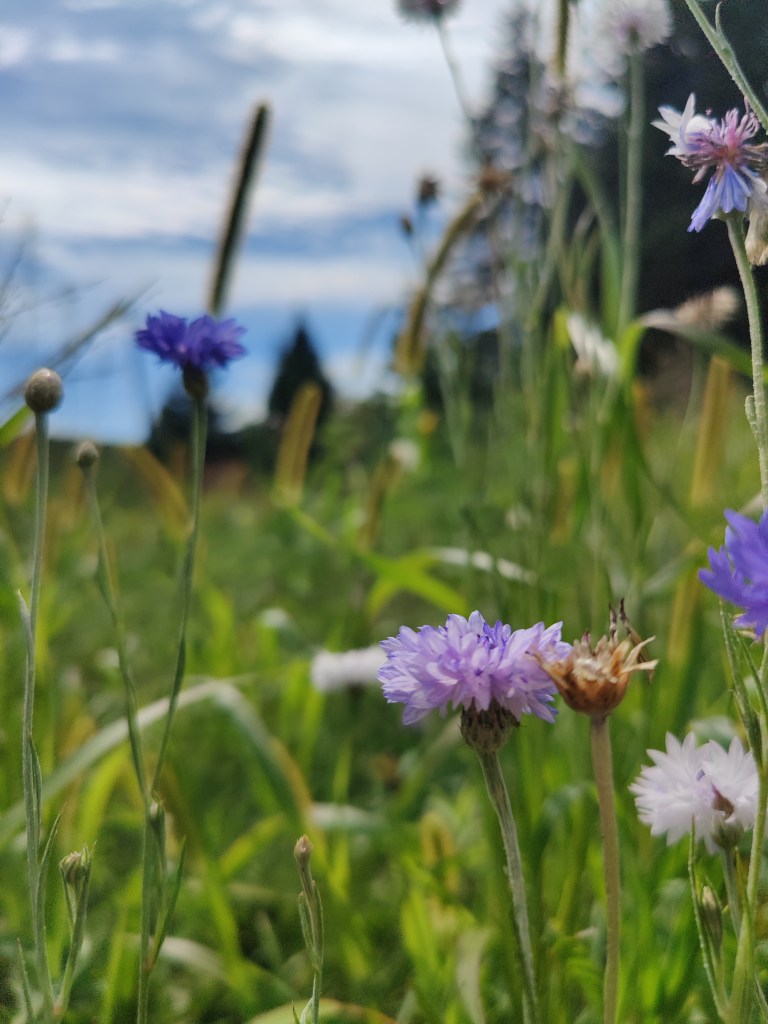
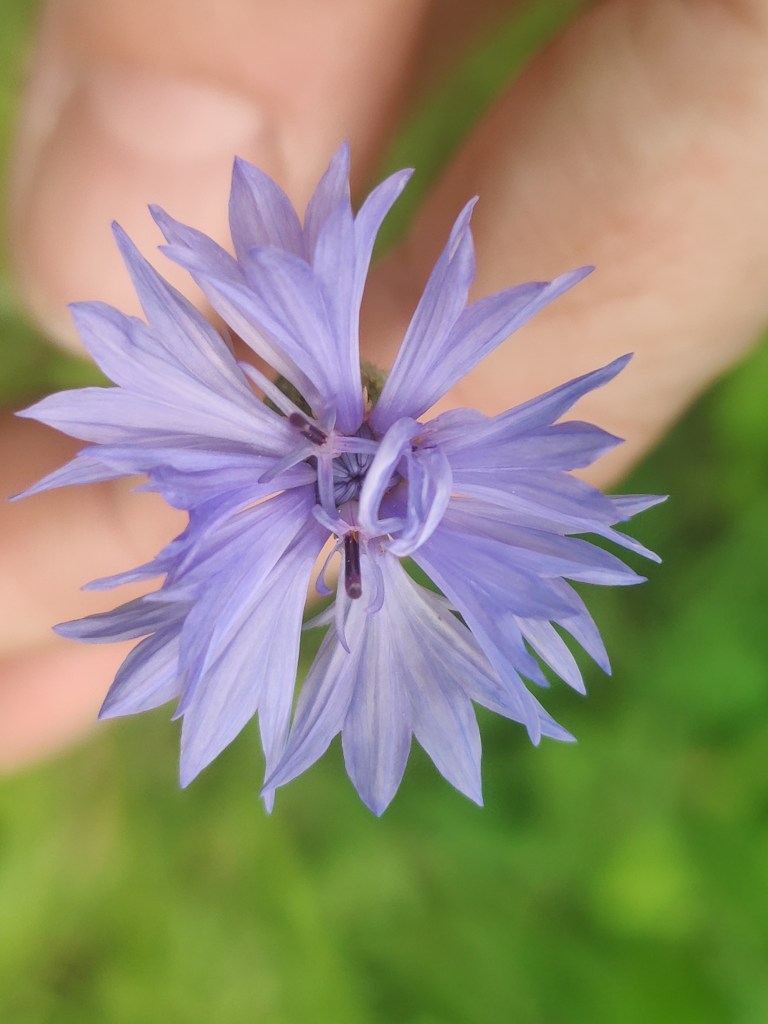
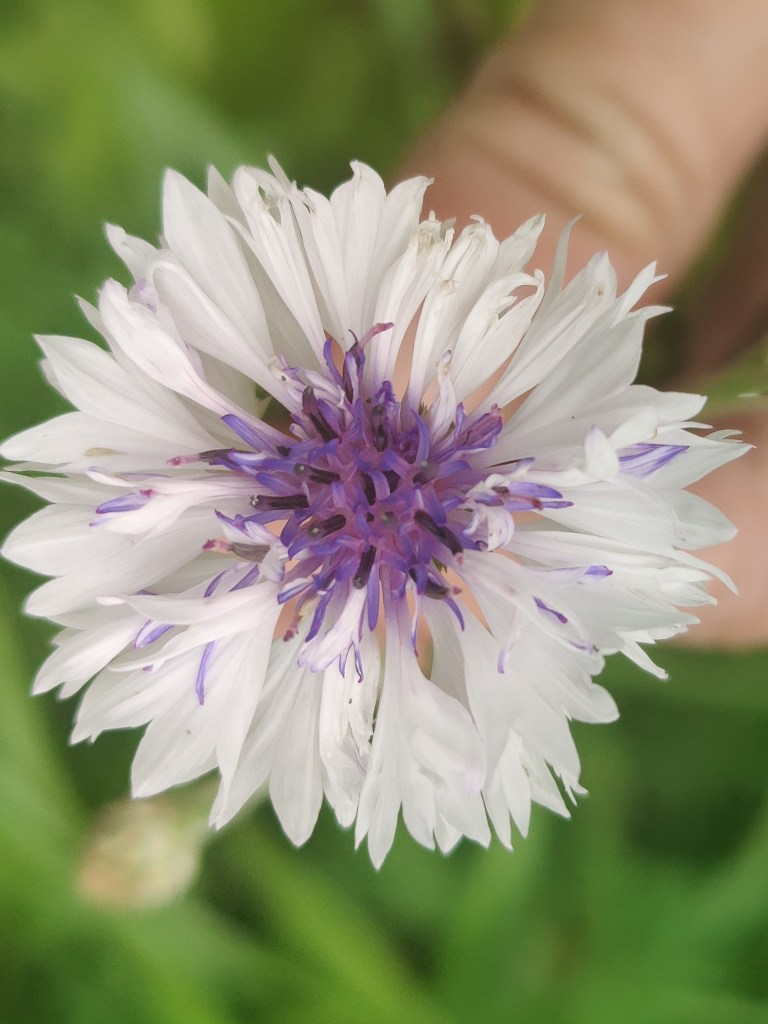
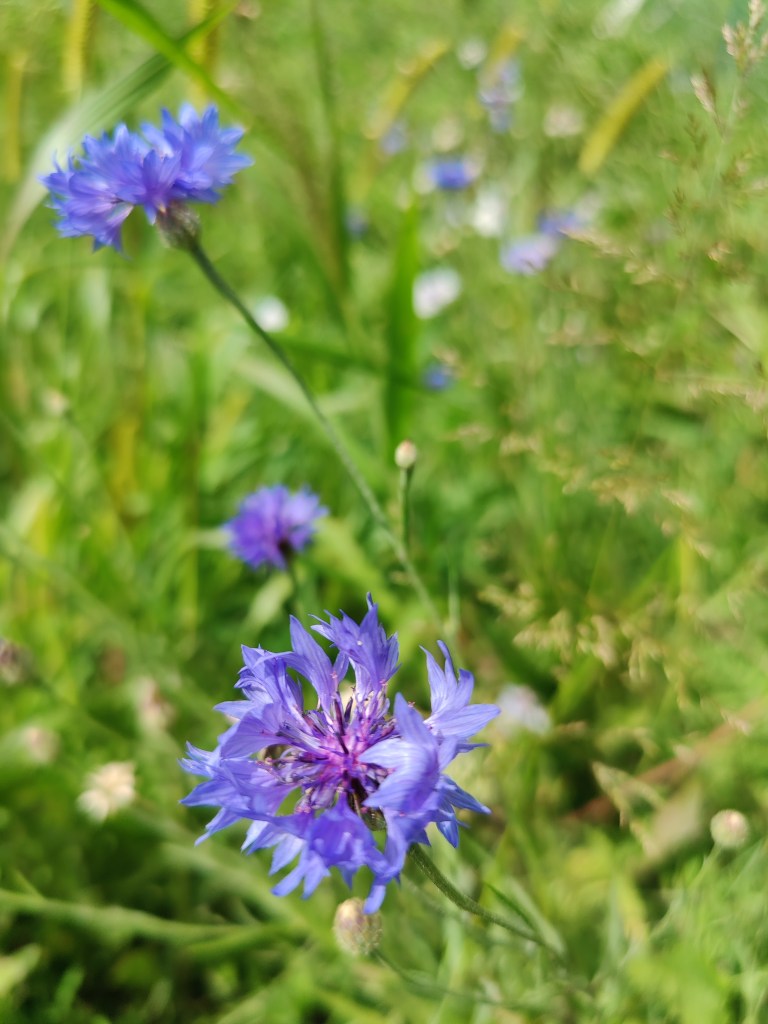
This week I am featuring the beautiful cornflower, or bachelor’s button. This national flower of Estonia is classified as an annual plant in Canada, meaning it only blooms once and it must be replanted on a yearly basis if you want continual blooms.
I have grown cornflowers in my balcony pots before, but last year, I grew them as a cut flower by sowing the seeds directly into the ground. This way, I could cut and position my picks into bouquets and floral arrangements throughout the summer.
Cornflower Characteristics
Cornflowers are most famous for their striking “cornflower blue” pigment—a true, vivid blue that is surprisingly rare in the plant world. Here is why they have become a permanent fixture in my garden plans:
Pollinator Magnet: If you want to see your garden come alive, plant these. They are high in nectar and are a favourite for bees, butterflies, and other beneficial insects.
The Perfect Cut Flower: Following my success with cut flowers this past year, cornflowers have proven to be a essential filler. They have long, sturdy stems and a decent vase life, adding an airy, wild texture to bouquets.
Edibility: I recently learned that the petals are edible and retain their colour well when dried. They can make a beautiful garnish for salads or a striking addition to homemade tea blends.
Tips for Growing Success
If you’re thinking about adding these to your 2026 garden, here are a few things I’ve learned:
Don’t over fertilize: Too much nitrogen (like the manure I applied late last year) can actually lead to lots of green foliage but very few actual flowers. Cornflowers prefer a leaner soil.
Deadheading is key: To keep them blooming through the summer, you have to be diligent about removing spent flowers. This prevents the plant from putting all its energy into seed production too early.
Support: While they are sturdy, the taller varieties can occasionally flop over in heavy rain. Planting them in dense groups helps them support one another or you can tie them to a supporting post.
The blue cornflower is a humble plant, but its reliability and striking color make it an essential part of the garden landscape. It’s a reminder that even when the soil is difficult and the timing is off, some plants are just determined to thrive.
Happy New Year! As 2026 begins, I’ve been reflecting on the lessons learned in the garden over the past twelve months. 2025 was a year of trial and error—a mix of record-breaking harvests and some honest realizations about the limitations of my soil.
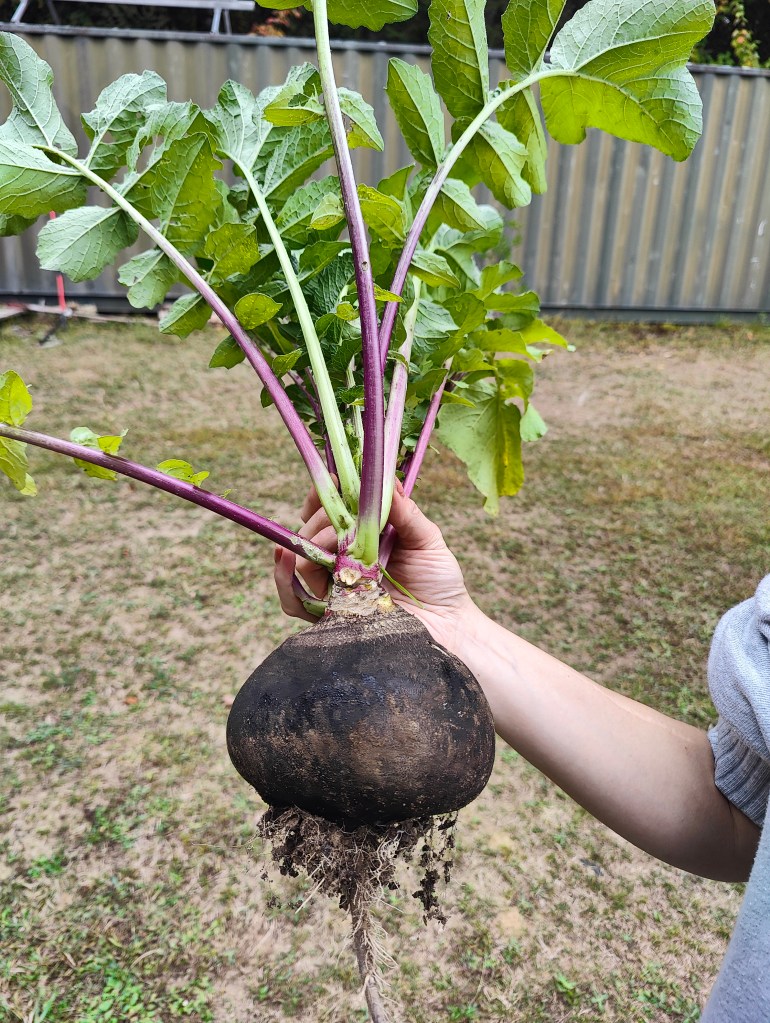
The big boy. Black Spanish radish of 2025.
The Successes: Veggies and Blooms
The standout achievement of the year was the Black Spanish radish. Never grown before, this season produced the largest specimen in my gardening history, and all thanks to neglect. I found that big boy among the weeds. It’s always rewarding when a staple crop exceeds expectations, especially one as hardy and versatile as the radish.
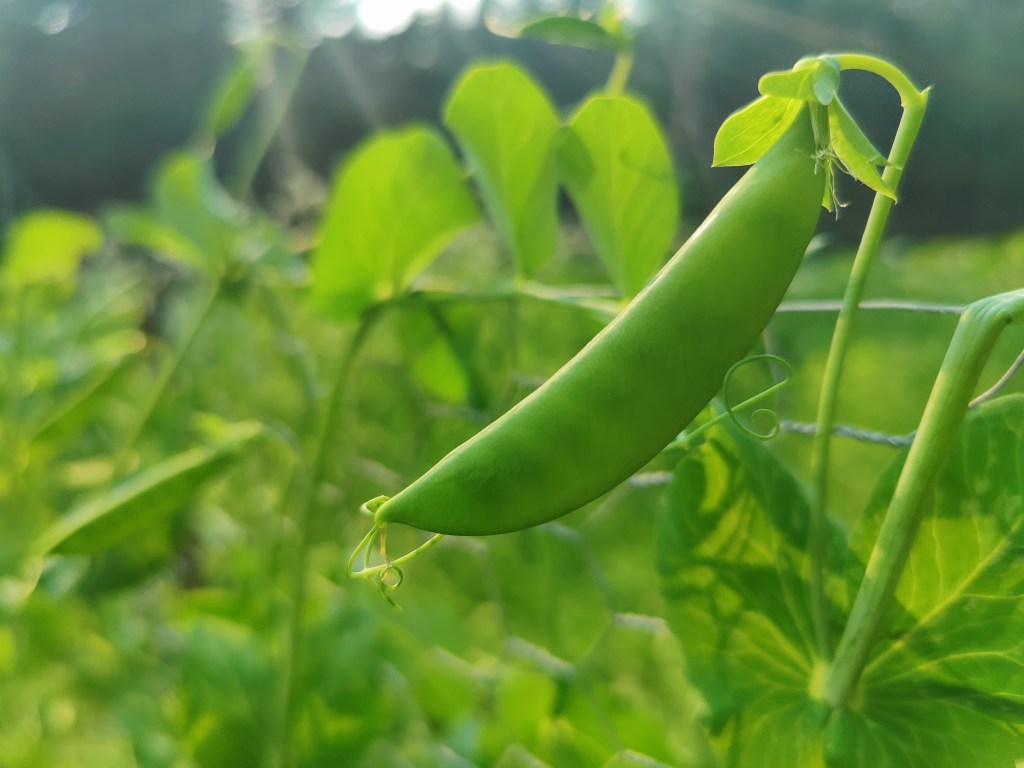
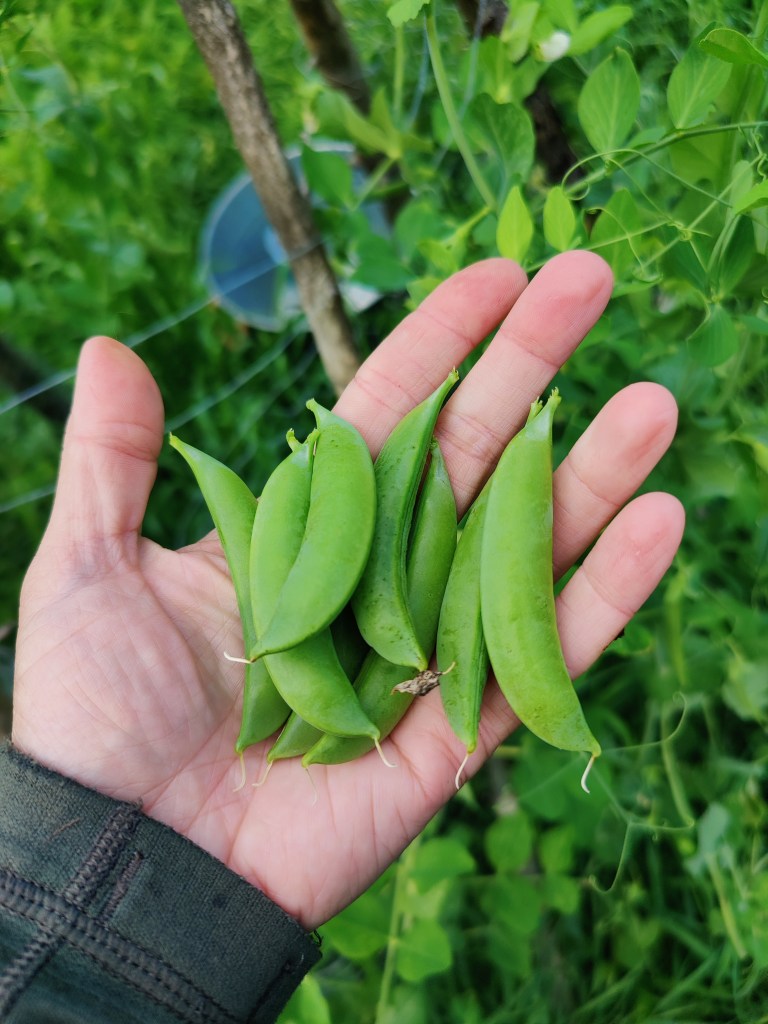
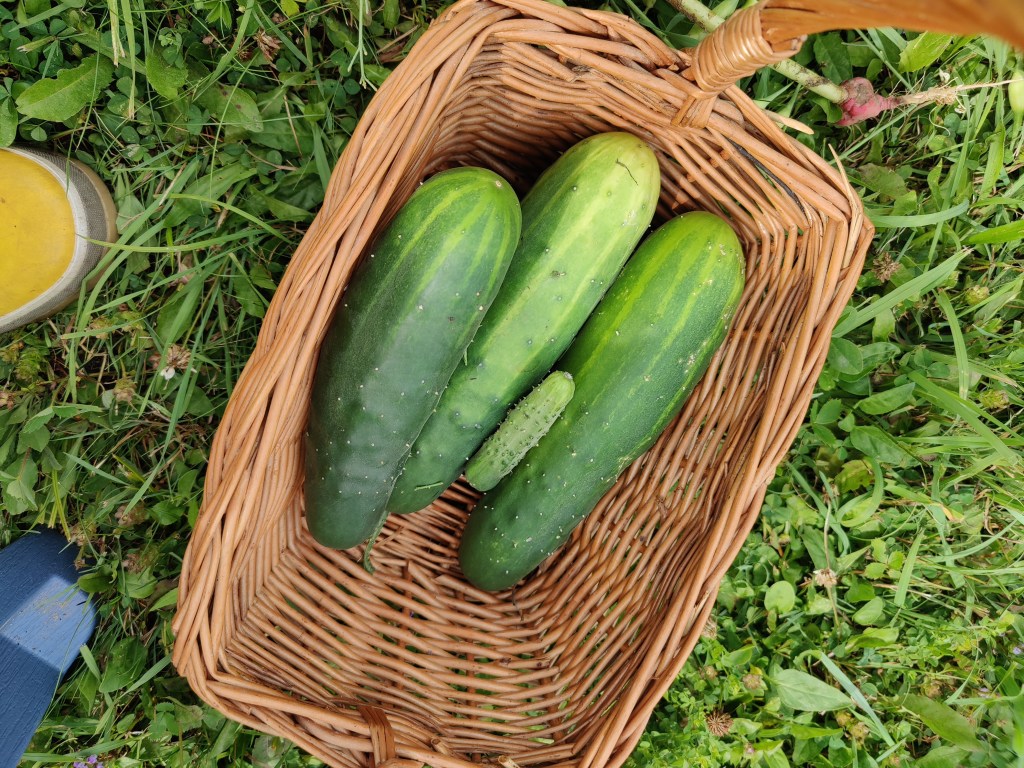
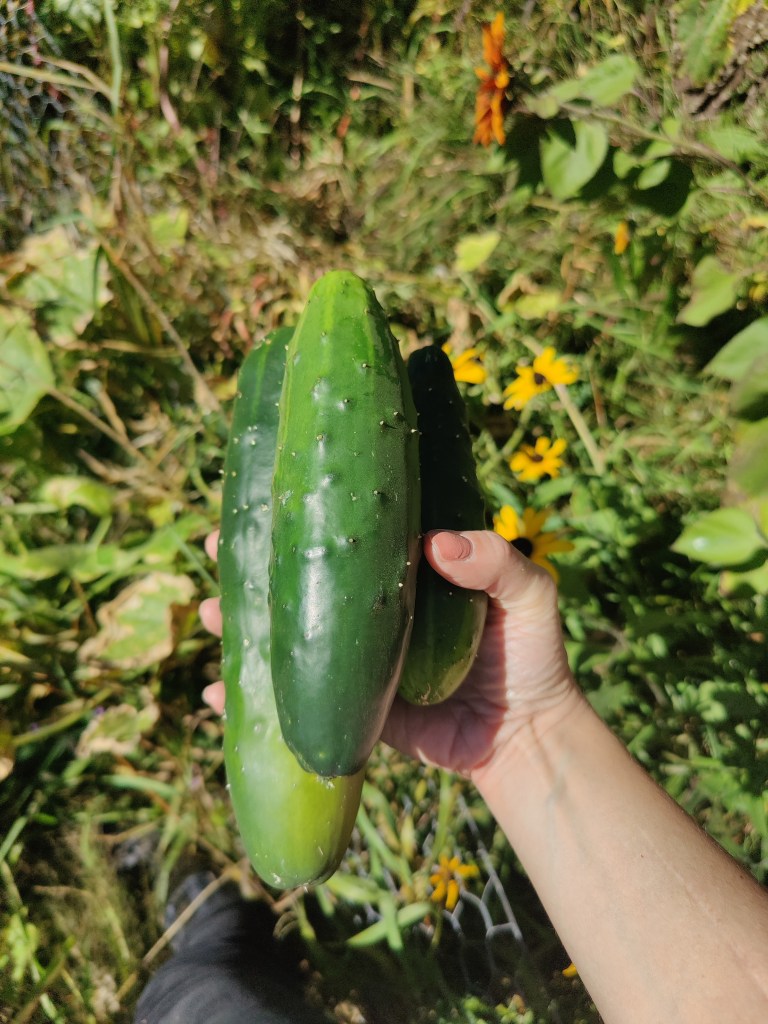
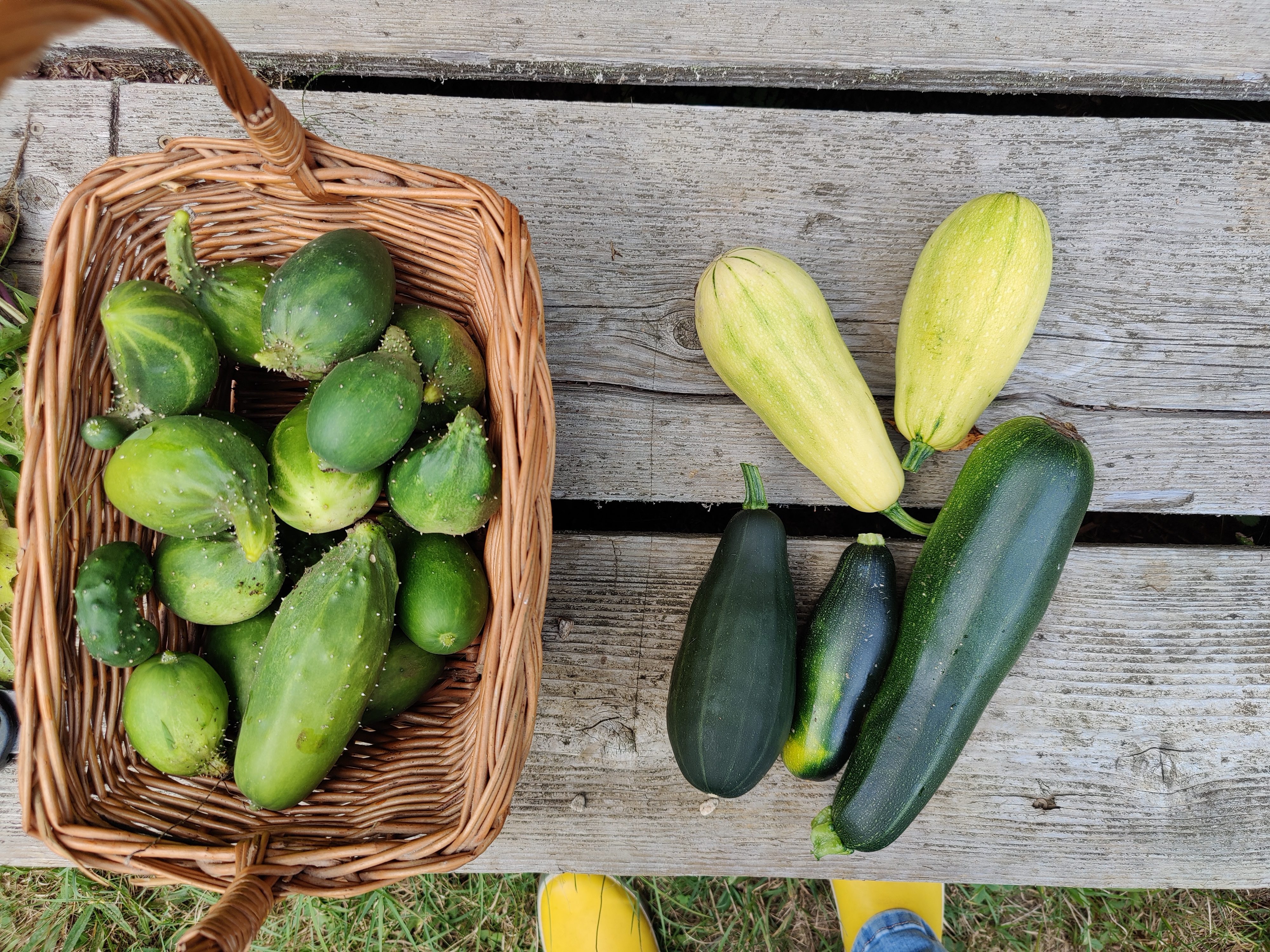
Next, I think about the cucumber and sugar snap pea harvest. Snap peas are my favorite vegetable to grow, and this year’s yield did not disappoint. Truthfully, I thought the cucumber seeds didn’t germinate, but I was happy to find several ripe cukes hidden among the overgrown French Breakfast radishes in June.
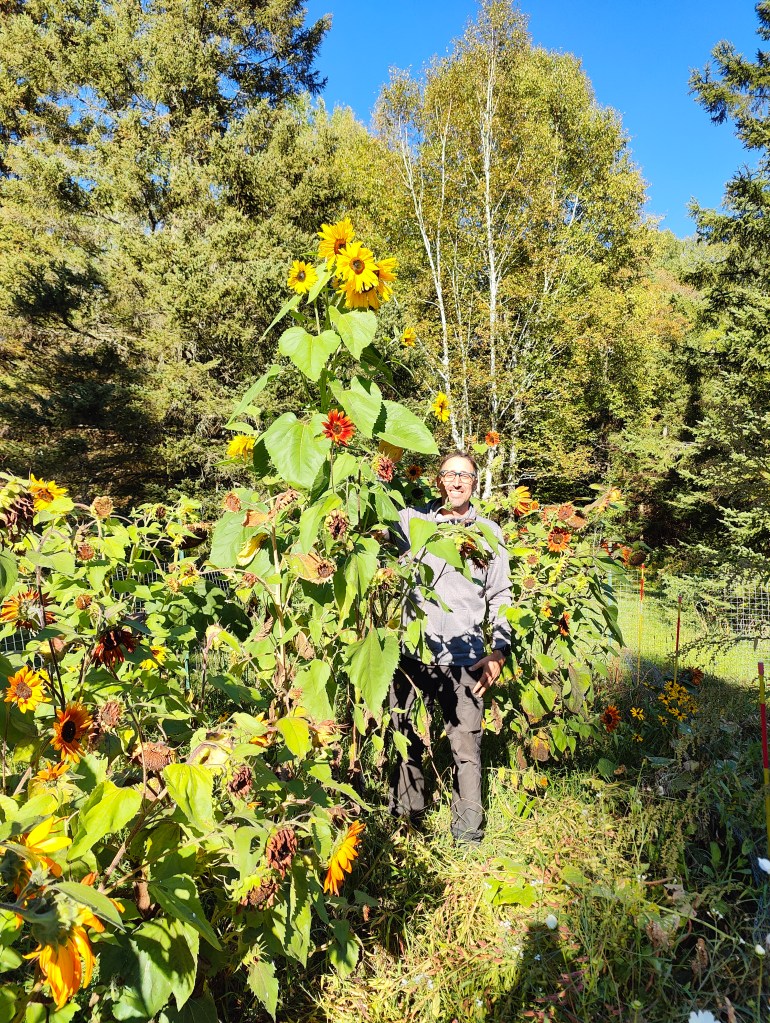
Alongside the vegetables, the cut flower garden was a consistent bright spot. The blooms grew successfully throughout their window, providing a steady supply for harvesting throughout the summer. After a few seasons of experimenting with different varieties, it felt like the floral side of the garden finally hit its stride.
The Challenges: Timing and Lift Off
Of course, the season wasn’t without its setbacks. The most significant lesson came down to soil preparation.
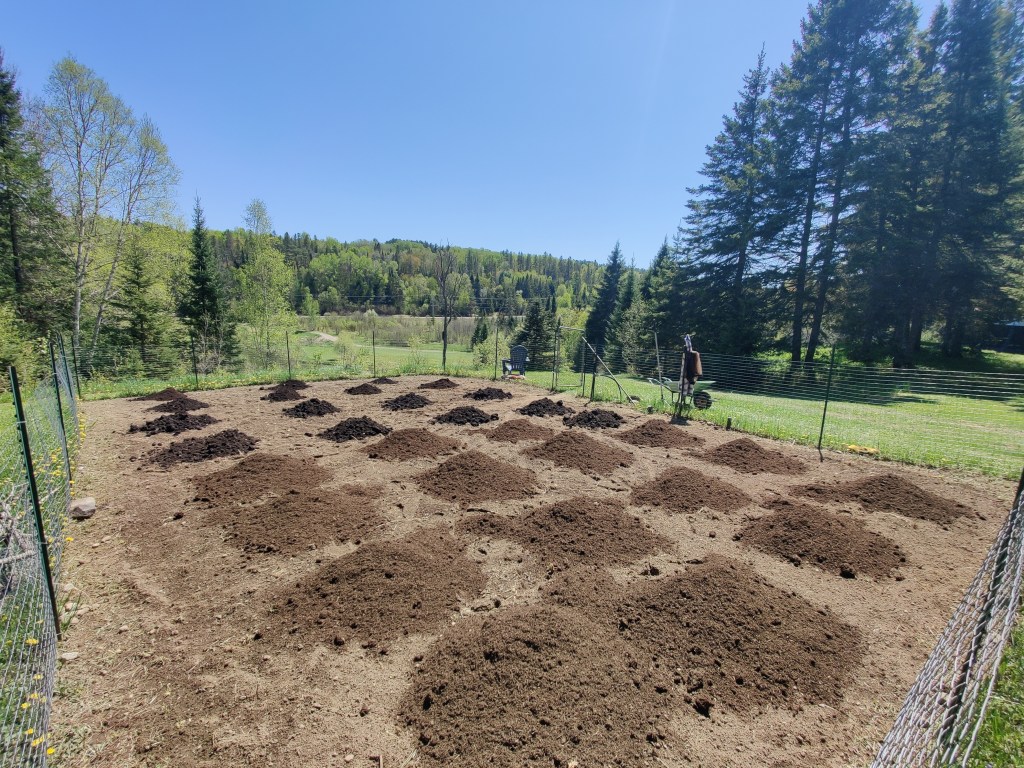
While 2024 led to an awesome harvest in the garden, in 2025 I applied my compost and manure too late—essentially right before planting. This didn’t allow enough time for the nutrients to integrate or the soil chemistry to stabilize before the seeds went in. It was a reminder that in gardening, the “when” is often just as important as the “what.”
This timing issue, combined with my heavy clay soil, led to a disappointing result for my cold-stratified perennial seeds. While the stratification process itself went well, these perennials failed to flourish once they hit the ground. The dense, compacted nature of the clay was simply too much for the young roots to overcome.
Additional soil and compost applied in May. Too late.
Looking Ahead
While it’s frustrating to see hard work—especially the effort of cold stratification—not pay off, it provides a clear roadmap for 2026. The garden is currently hibernating, but the plans for a better 2026 are already in motion.
And for those of you wondering if I did get any beets to grow, not yet. I’m hoping that 2026 will be declared the “year of the beet”. Thank you for continuing to follow along. Wish me luck this year!
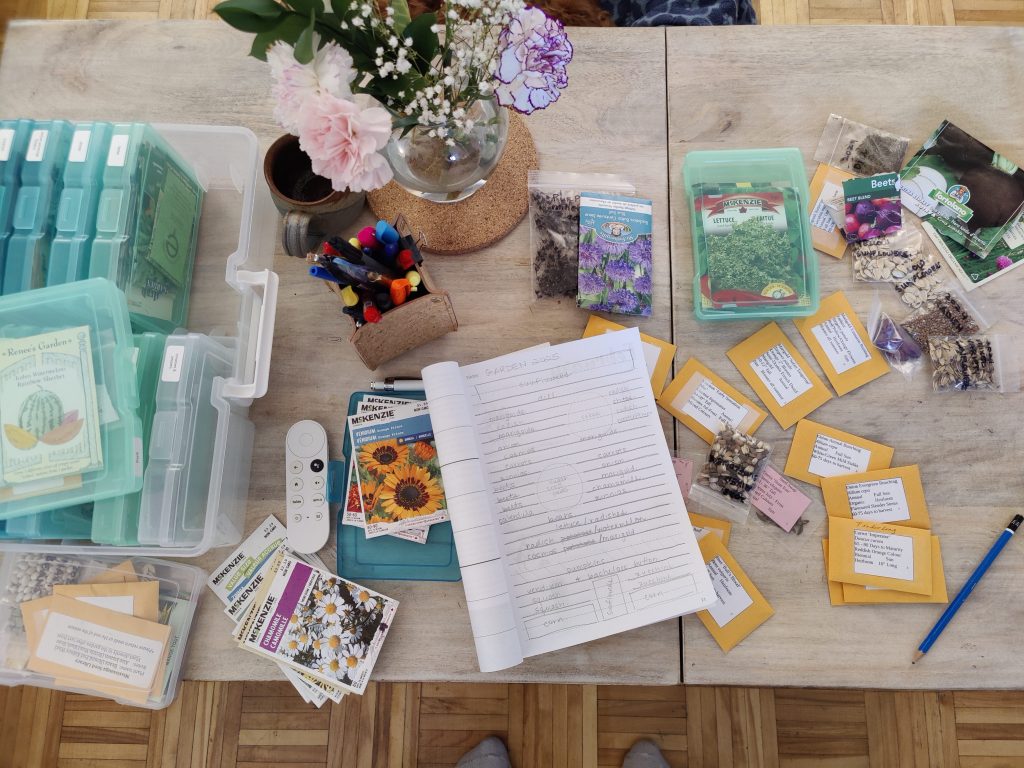
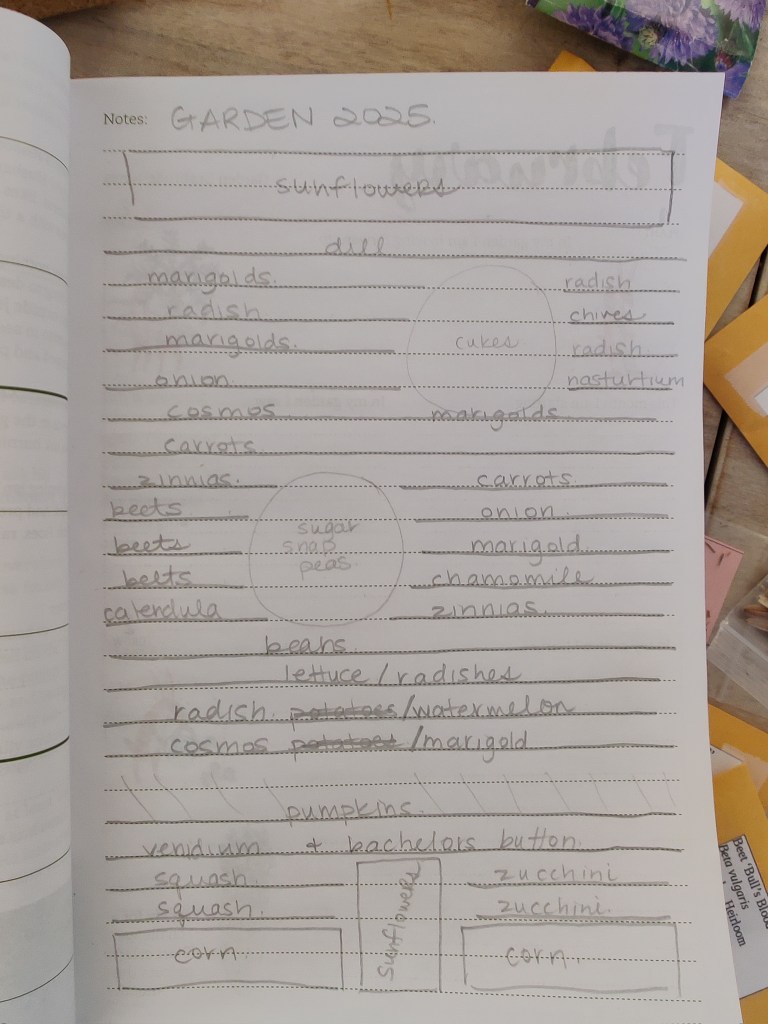
It’s that time of year again!I am planning out my off-grid vegetable and flower garden, and 2025 is shaping up to be my most ambitious season yet. With over 20 rows of plants to organize, I’ve been carefully mapping out my garden layout, selecting my plant varieties, and considering improvements to soil health and irrigation. Here’s a glimpse into my garden planning process for the upcoming season.
Step 1: Reviewing Last Year’s Successes and Challenges
Before planning new layouts and plant choices, I have been reflecting on the previous season. My 2024 garden was my most successful yet, but there’s always room for improvement. I have been referring back to my notes and assessing which crops thrived, which struggled, and where I need to adjust planting locations to maintain soil health and minimize disease risks.
Companion planting also played a big role last year, so I have taken notes on what worked best. For instance, to improve my cucumber harvest I’ve planned to place this temperamental vegetable among favourite companions such as radishes, nasturtium, marigolds and dill to give them a jump start. Avoiding placement beside potatoes, which compete for the same nutrients in the soil and other cucurbits, like squash and melons – which can lead to unappetizing harvests from cross pollination, is something I have considered carefully this year.
Left: Some stunted cucumbers from my 2024 vegetable garden.
Step 2: Sketching the Garden Layout
With over 20 rows to manage, spacing and organization are crucial. Yesterday I created a rough sketch of my garden, designating clear sections for root crops, vining plants, and interspersing them with companion flowers, like marigolds, which attract pollinators and act as an all-natural pest control. My motto? Who needs harmful pesticides and sprays when you’ve got marigolds. All you need is pen, paper and a solid plan to complete this exercise.
Step 3: Choosing Seeds and Plants
Seed selection is one of my favourite parts of planning! Thanks to last year’s seed saving coupled, supplemented by seed exchanging and purchasing, I am ready to plan. I focus on hardy, high-yield vegetable varieties suited for my climate (Canadian Hardiness Zone 4), along with annual flowers that attract beneficial insects, deter pests and add beauty to my space. This year, I’m planning to grow:
Vegetables: A mix of radishes, peas, beans, diverse squash varieties, carrots, beets, corn and onion.
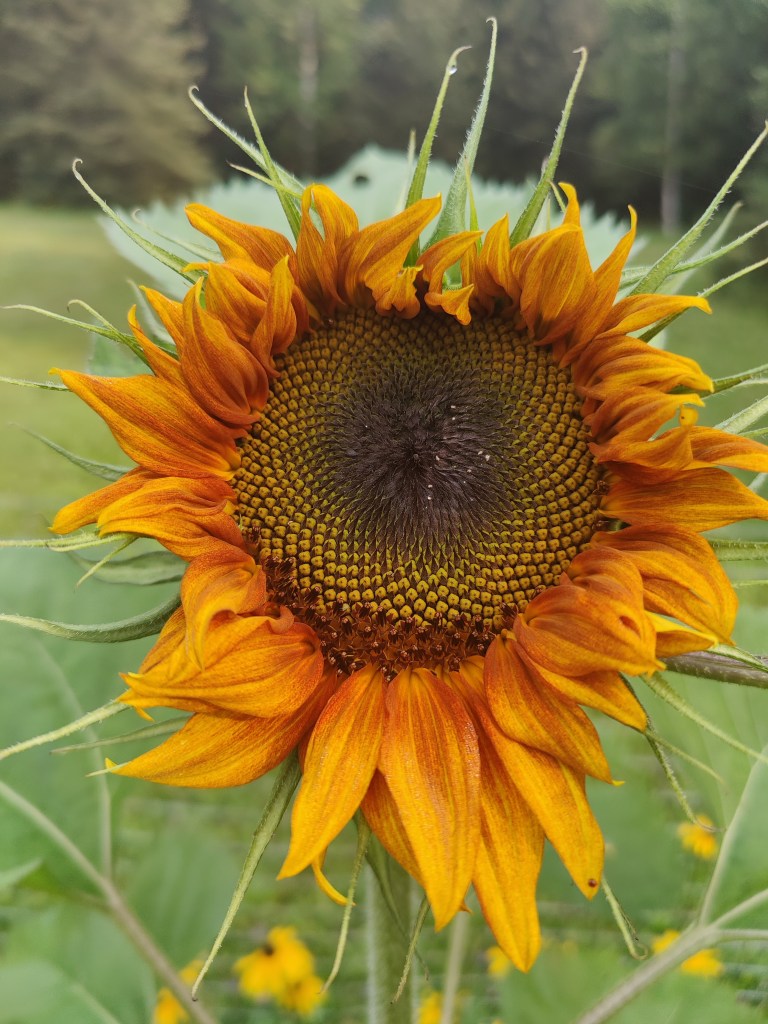
Flowers: Sunflowers, marigolds, zinnias, and nasturtiums to support pollinators and deter pests.
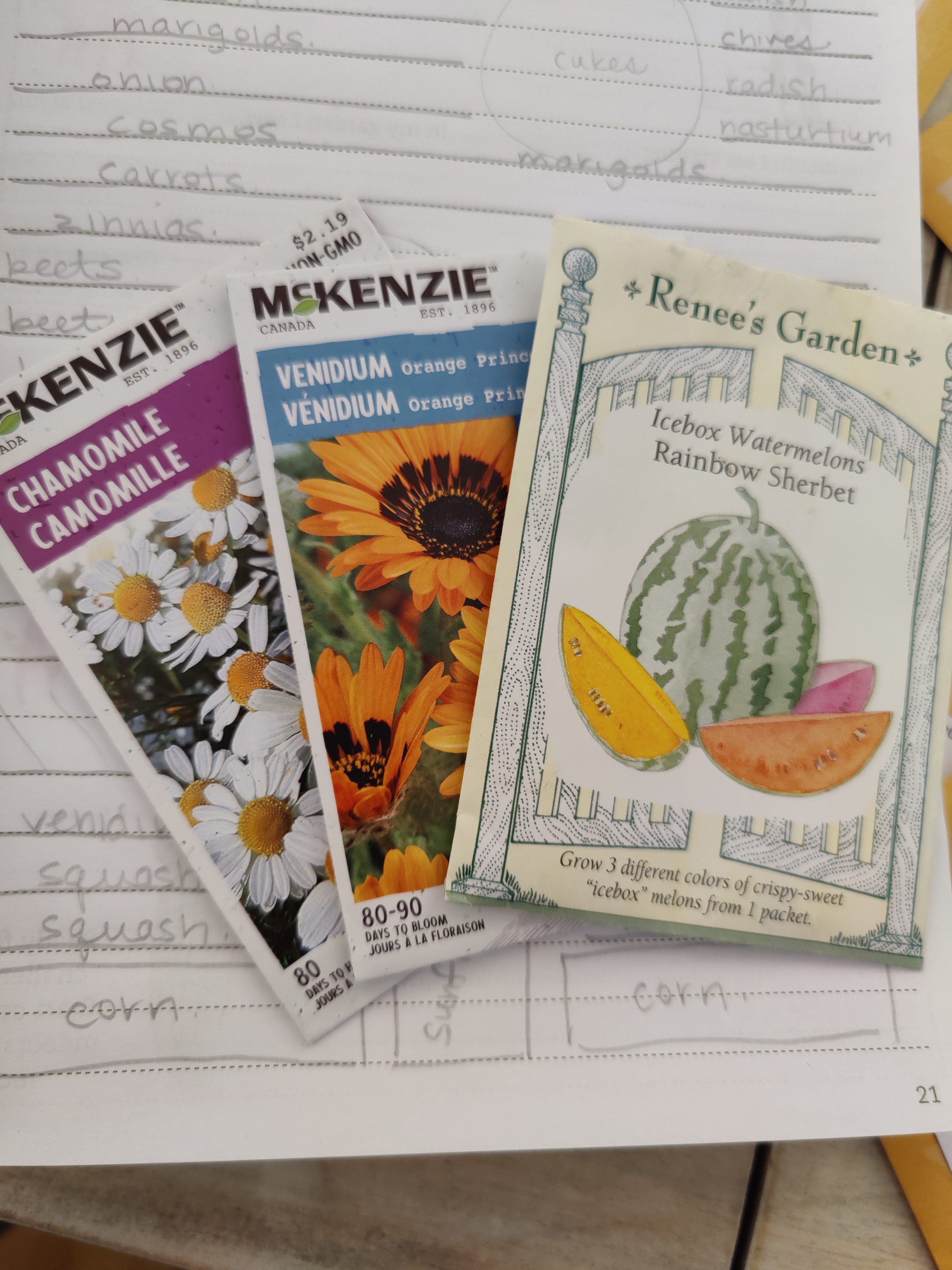
I plan to experiment growing plants I’ve never sowed from seeds too! I am particularly excited to try growing watermelon, chamomile, bachelor’s button and venidium (which is an annual flower). And although I haven’t been successful in the past, maybe this year I’ll get a beet to germinate.
Step 4: Enhancing Soil and Irrigation
Since I’ve been gradually improving my garden infrastructure, I’m expanding my composting system and working on better water retention strategies. In 2025, I plan to:
Incorporate more organic matter into the soil, including compost and aged manure.
Use mulch to retain moisture and suppress weeds in my larger planting rows.
Looking Ahead to a Bountiful Season
Garden planning is an ongoing process, but laying the groundwork early helps set the stage for success. With thoughtful preparation, careful plant selection, and continued improvements, I’m excited to see how my 2025 garden unfolds. Whether it’s amending the soil, testing new plant varieties, or simply enjoying the beauty of my flowers and vegetables, each year brings fresh lessons and rewards.
Are you planning your own garden for 2025? I’d love to hear what you’re growing this season!
Question: What’s the difference between an annual, a biennial and a perennial plant?
Answer:
The distinction between annuals, perennials and even biennial plants used to confuse me when I started gardening. So sharing a trick!
A simple way to remember the difference between annual, biennial, and perennial plants is to think about their life spans in terms of time:
Annual: “One and done.” These plants complete their entire life cycle—from seed to flower to seed—within a single growing season. This means you have to plant them every year if you want to enjoy them annually. Examples include marigolds and zinnias.
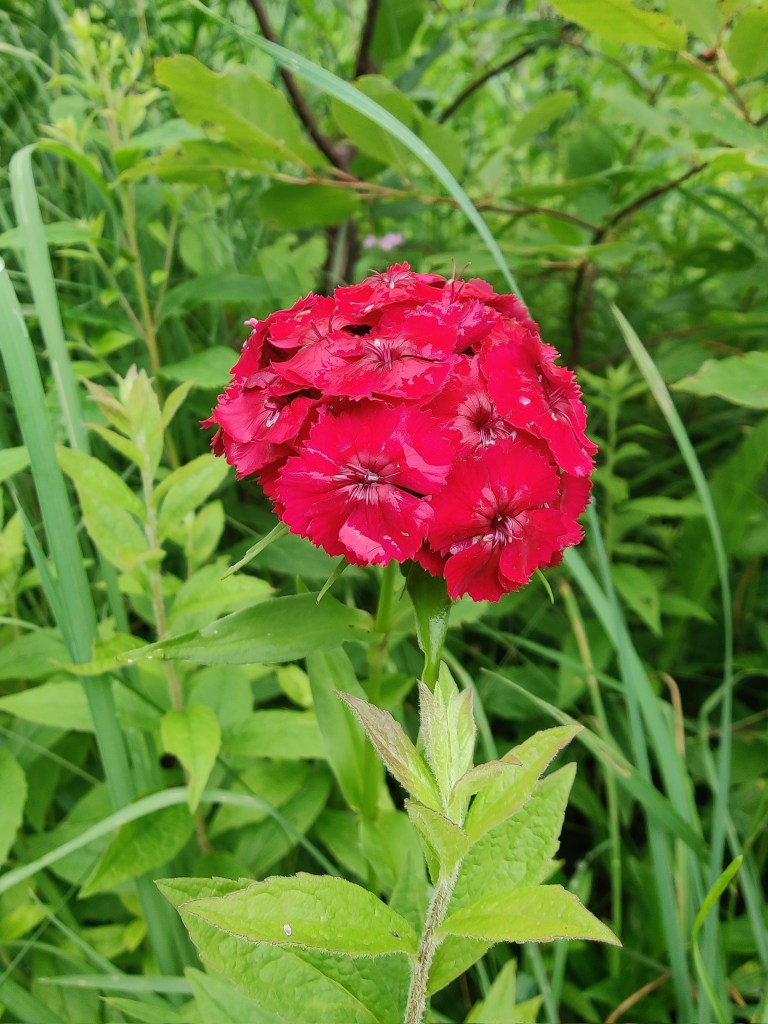
Biennial: “Two to do.” These plants take two years to complete their life cycle. In the first year, they grow leaves, and in the second year, they flower, set seed, and die. An example includes Sweet William flowers.
Perennial: “Forever friend.” These plants live for three or more years, coming back every growing season. Some may bloom every year, while others bloom periodically. Examples include coneflowers and hostas.
By linking the terms to their time frames, you (and I) can easily keep their differences straight!
This Sweet William bloom was planted as part of our wildflower mix, and although it is technically a perennial, it can be grown as a biennial. I unknowingly found that when we sowed these seeds, it did take two years for these beauties to flower.
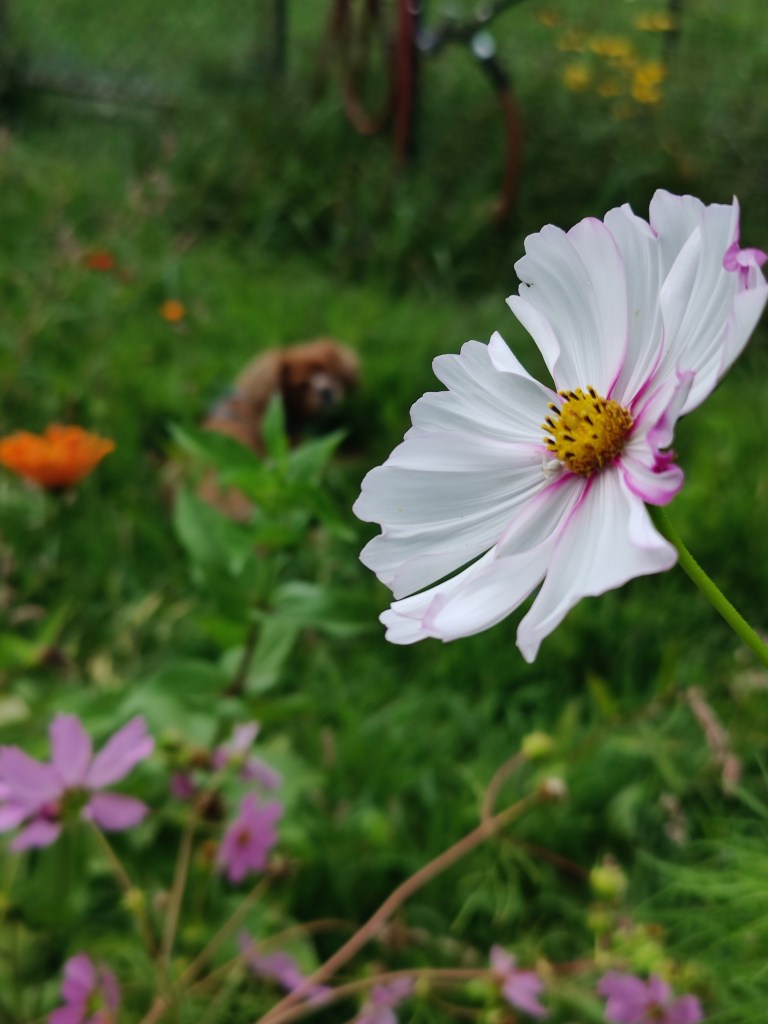
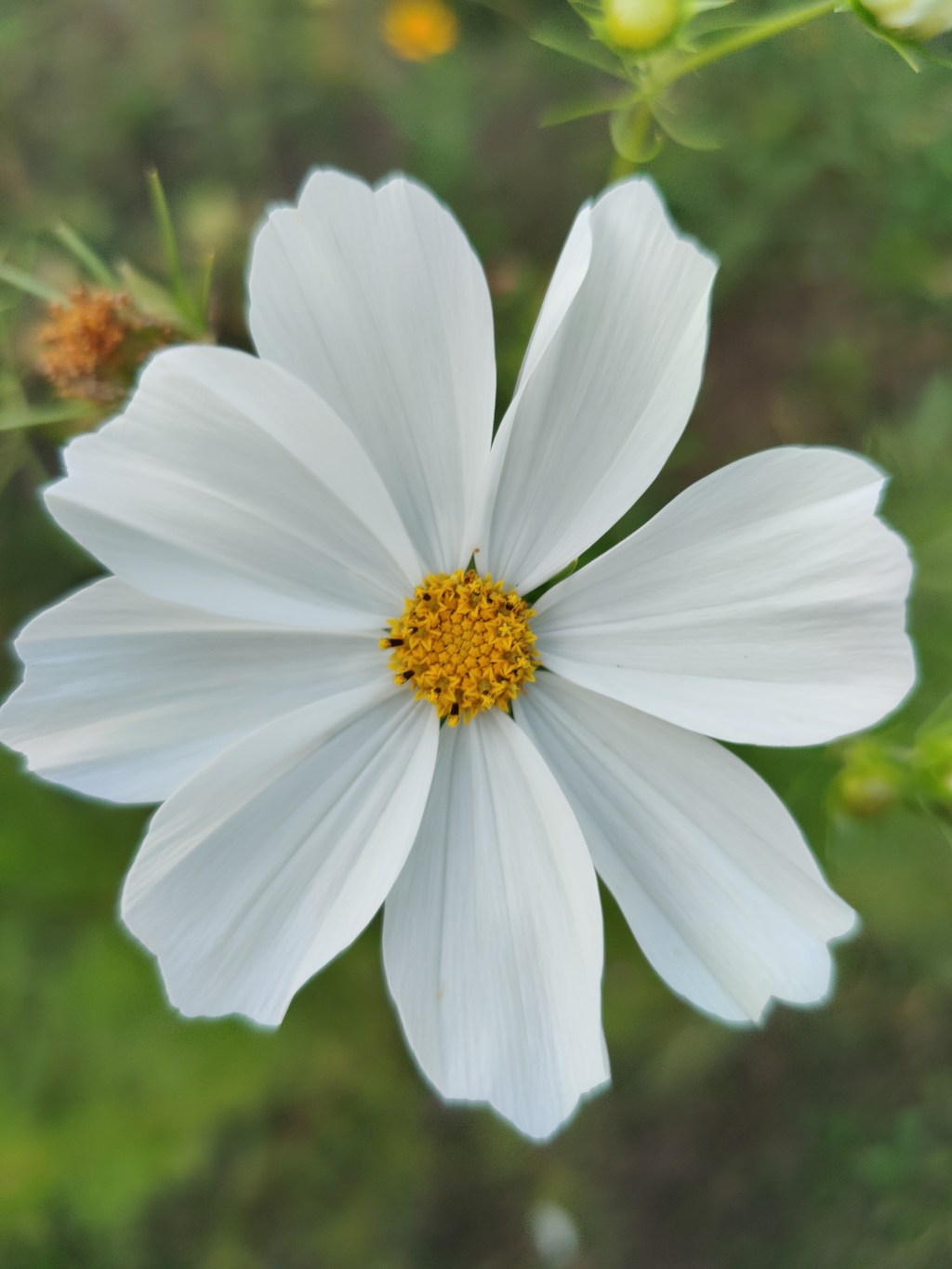
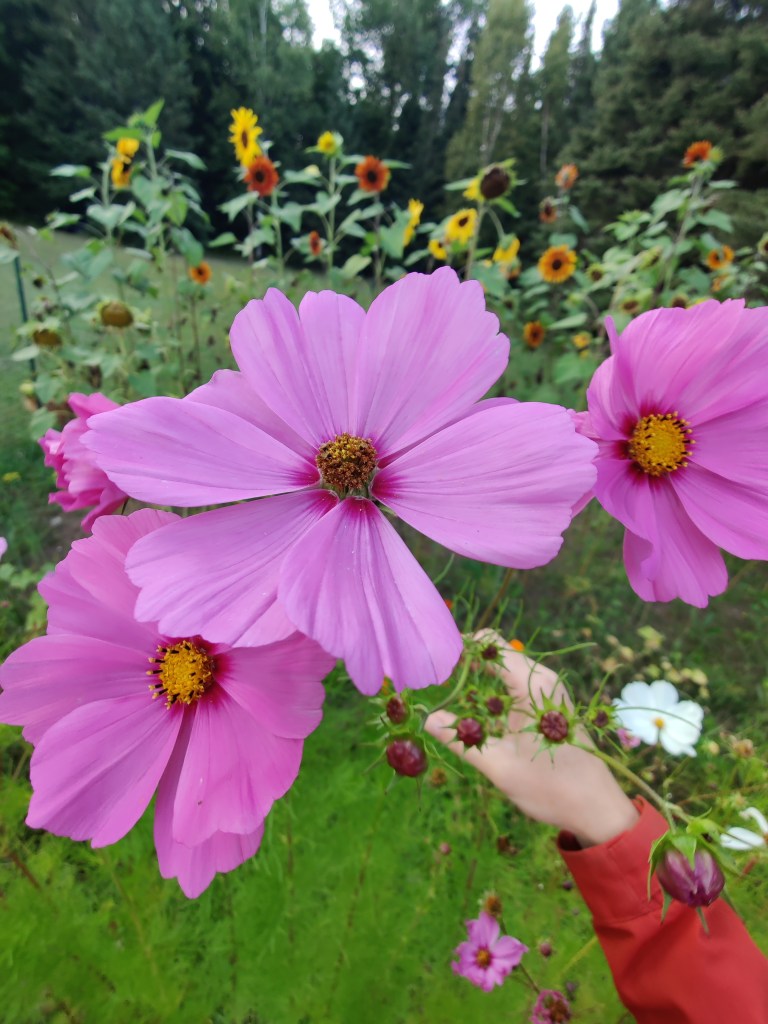
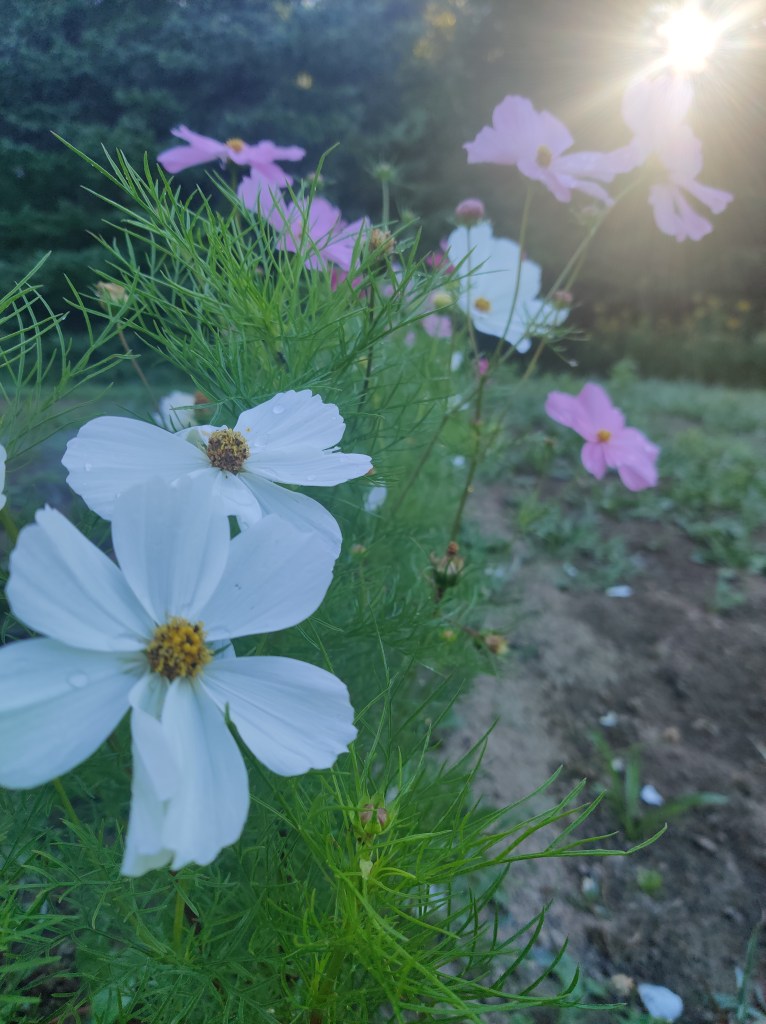
Perhaps one of my favourite annual flowers, cosmos are vibrant and resilient and bring a touch of whimsy to any garden. Known for their dainty, daisy-like blooms in shades of pink, white, lavender, purple and crimson, cosmos are a favourite among pollinators, attracting bees and butterflies to name a few.
The feathery foliage that cosmos put out may resemble the leaves of a popular herb, dill, to some. For example, just before these beauties put out blooms last year, I actually had a visitor exclaim, “Wow, your dill is flourishing!”. Standing at four feet tall, I unfortunately had to correct them, saying that I’m not that great at growing dill but that this plant will soon make beautiful delicate cosmos blooms.
This flower is remarkably easy to grow from seed, thriving in poor soil and requiring minimal maintenance—a perfect choice for beginner gardeners or those seeking low-effort beauty. And they can grow from one to six feet tall!
What’s truly fascinating about cosmos comes down to symbolism; the name comes from the Greek word kosmos, meaning order and harmony, which is a reflection of its perfectly balanced petals.
Hope you enjoy this featured flower that blooms profusely from summer through fall.