Category: Vegetables

  • Why planting a garden is the most productive act of resistance

    Why planting a garden is the most productive act of resistance

    We all look at the world through our own specific lens, and lately, mine has been focused on simple ways I can help to heal this planet. These reflections are entirely my own, born out of my experiences and a fair bit of late-night thinking.


    In an era defined by global supply chain disruptions, digital noise, and “unprecedented times”, life can – quite frankly – feel uneasy. However, some people are finding their most potent form of defiance is quite literally in the dirt.

    While “resistance” often conjures images of picket lines, protests, or manifestos, there is a quieter and more durable form of rebellion — fostering a home garden. Planting a seed is being reframed not just as a hobby, but as a practical refusal to be helpless in such a fragile system.

    When you grow your own food, you’re opting out of total dependency. Not only does it bring me joy, it’s a way to take back my independence: one potato at a time.
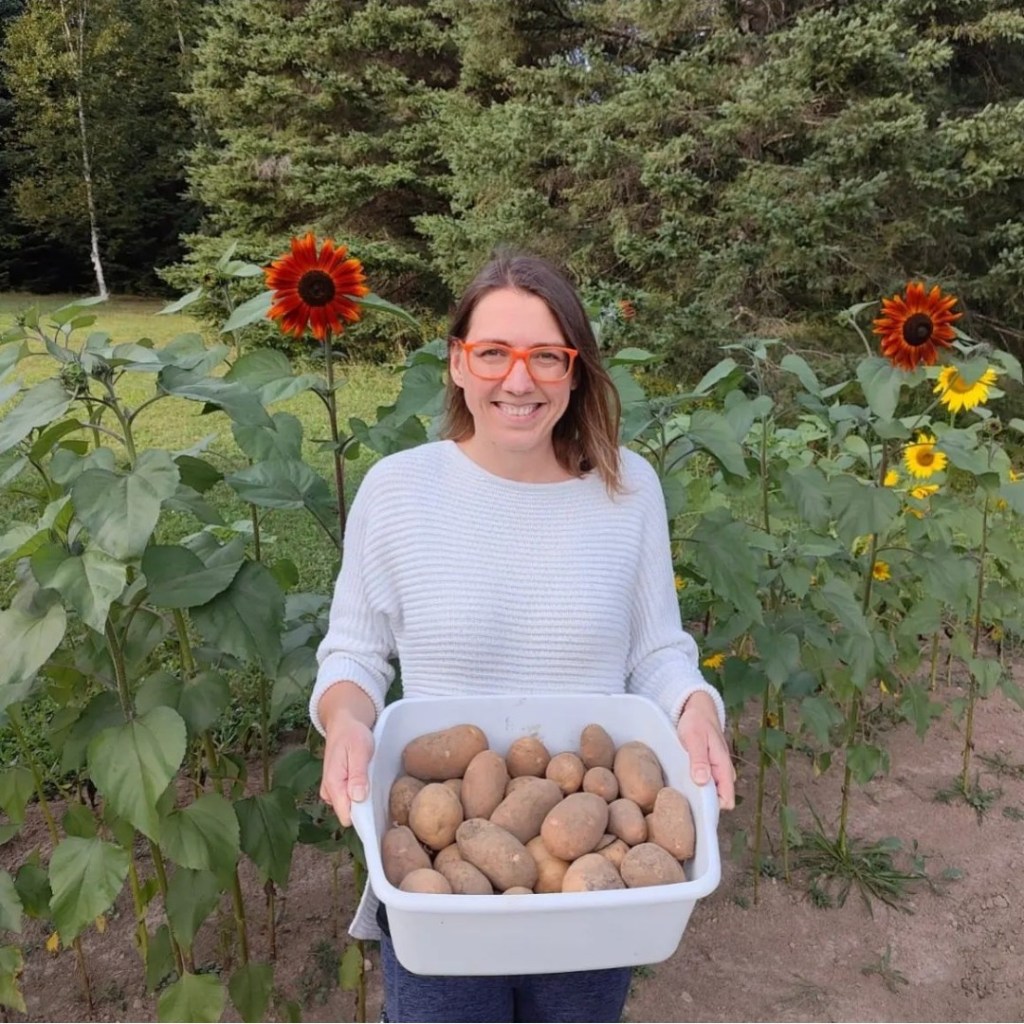
    Reclaiming independence

    Modern life is built on layers. Food is often wrapped in plastic, shipped from thousands of kilometres away to end up in our big-box grocery stores. By growing their own produce, gardeners are not totally reliant on our industrial systems.

    Plus, during a time of record-high grocery bills, turning a $2 packet of seeds into $100 worth of produce is a direct economic defence against inflation.

    Lastly, gardeners become the CEOs of their own nutrition and can ensure a level of quality control that retailers simply cannot match.

    The nature of slowing down

    Experts say gardening is also a psychological push back against an “I need it now” culture driven by high-speed internet and 24-hour news cycles.

    A garden refuses to be rushed. You cannot “disrupt” a carrot; it takes the time it needs. By tending to a plot, gardeners are practicing patience and syncing their internal clocks with the seasons rather than a refresh button.

    Environmental restoration

    Resistance is also about ecological repair. While industrial systems often strip the soil of its life, a home garden can be a small patch of restoration.

    Key environmental benefits include:

    • Carbon sequestration: Healthy soil acts as a sponge for carbon.
    • Pollinator sanctuaries: Backyard plots provide safe havens for declining bee populations. (Thank you Alisha for my new bee hotel!)
    • Closed-loop systems: Composting kitchen scraps turns waste into “black gold,” reducing pressure on landfills.

    Gardening fosters community

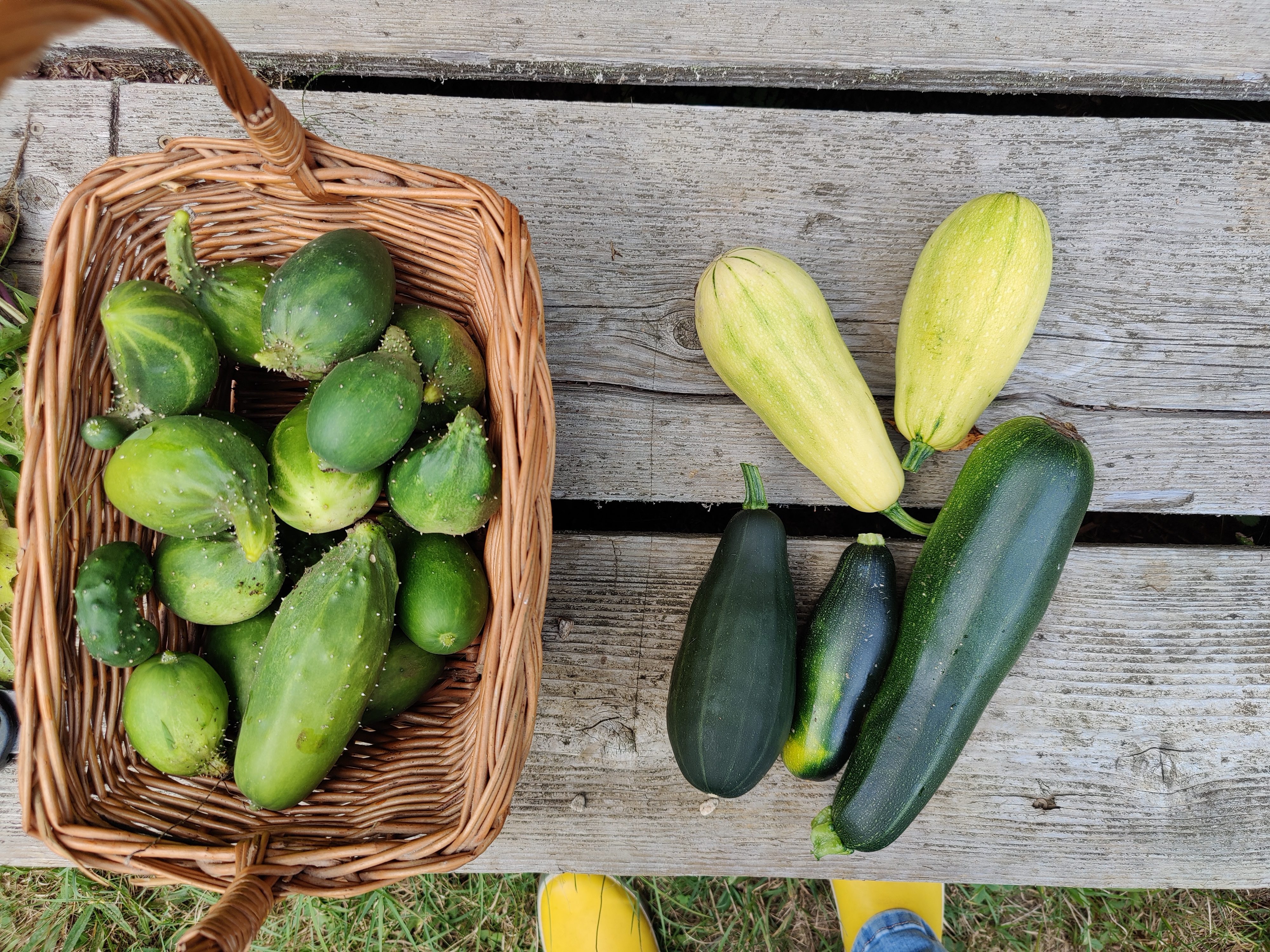
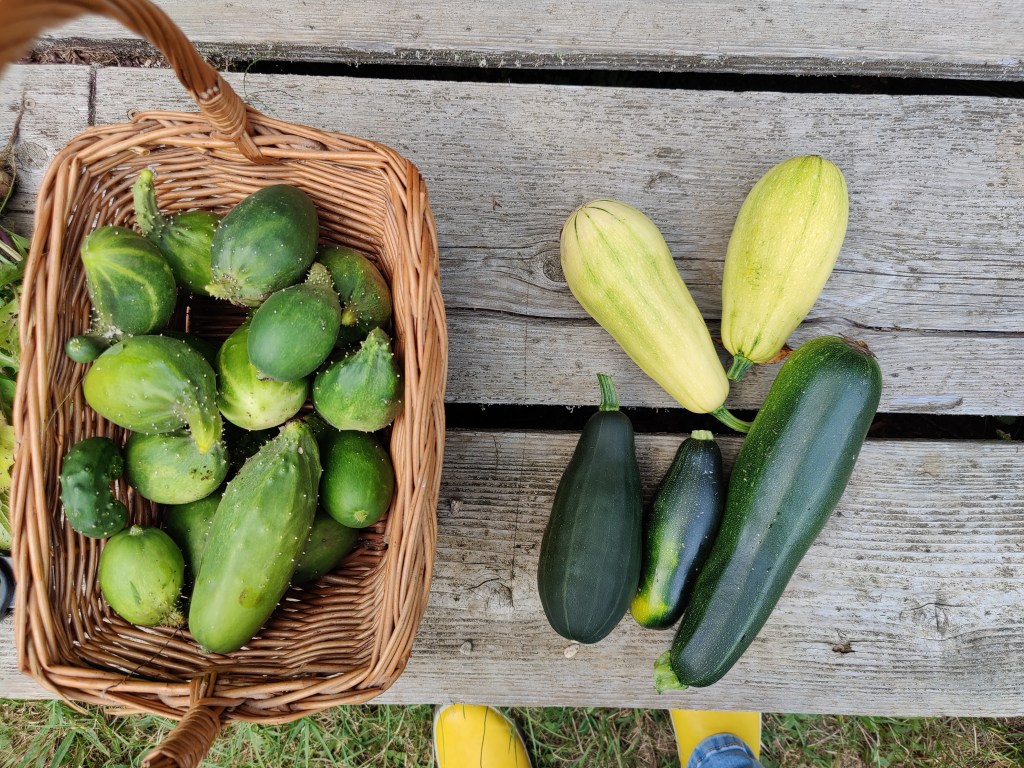
    Perhaps the most productive act of gardening is the way it fosters community outside of traditional marketplaces. The “zucchini problem” — having more produce than one household can consume — often leads to gifting with friends and neighbours.

    Sharing seeds, tools, and harvests builds a level of local trust that is difficult to shake during times of uncertainty.
    Get started

    You do not need an acre of land to join the movement.

    • For apartment dwellers: Herbs on a sunny windowsill or microgreen trays are a great place to start.
    • For the suburbanite: Replacing a patch of thirsty lawn with raised beds is productive and benefits the environment.
    • For the community member: Joining a local community garden or revitalizing neglected urban spaces is a positive way to “advocate”.

    The bottom line for many is that gardening is an act of stubborn hope. It is a declaration that there will be a harvest and that people are capable of sustaining themselves, their friends, and their neighbours.

    In a world that can feel increasingly volatile, getting your hands dirty might be the most productive thing you can do.
  • Turning Garden Chaos into Free Seeds: The great radish pod takeover

    Turning Garden Chaos into Free Seeds: The great radish pod takeover

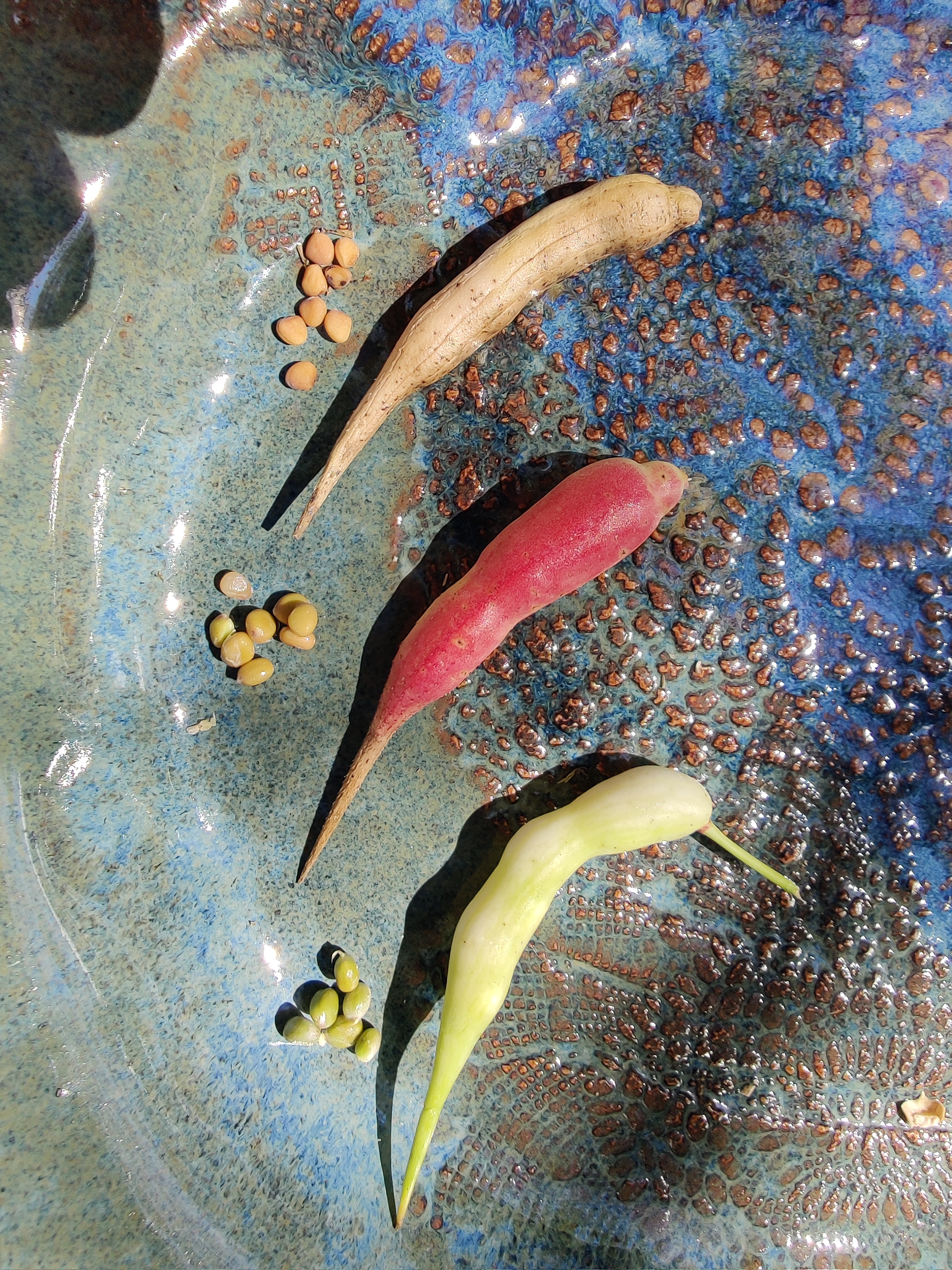
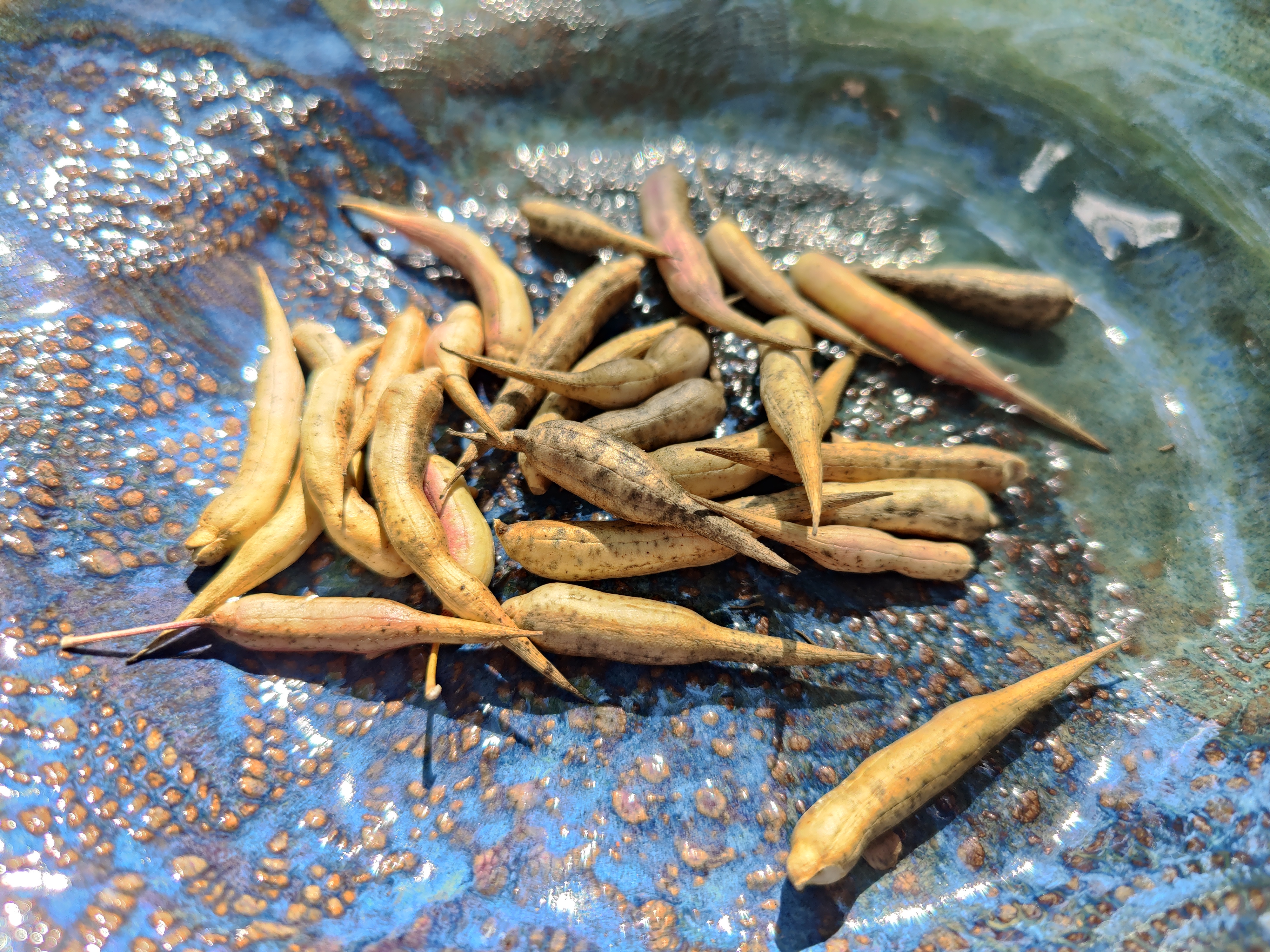
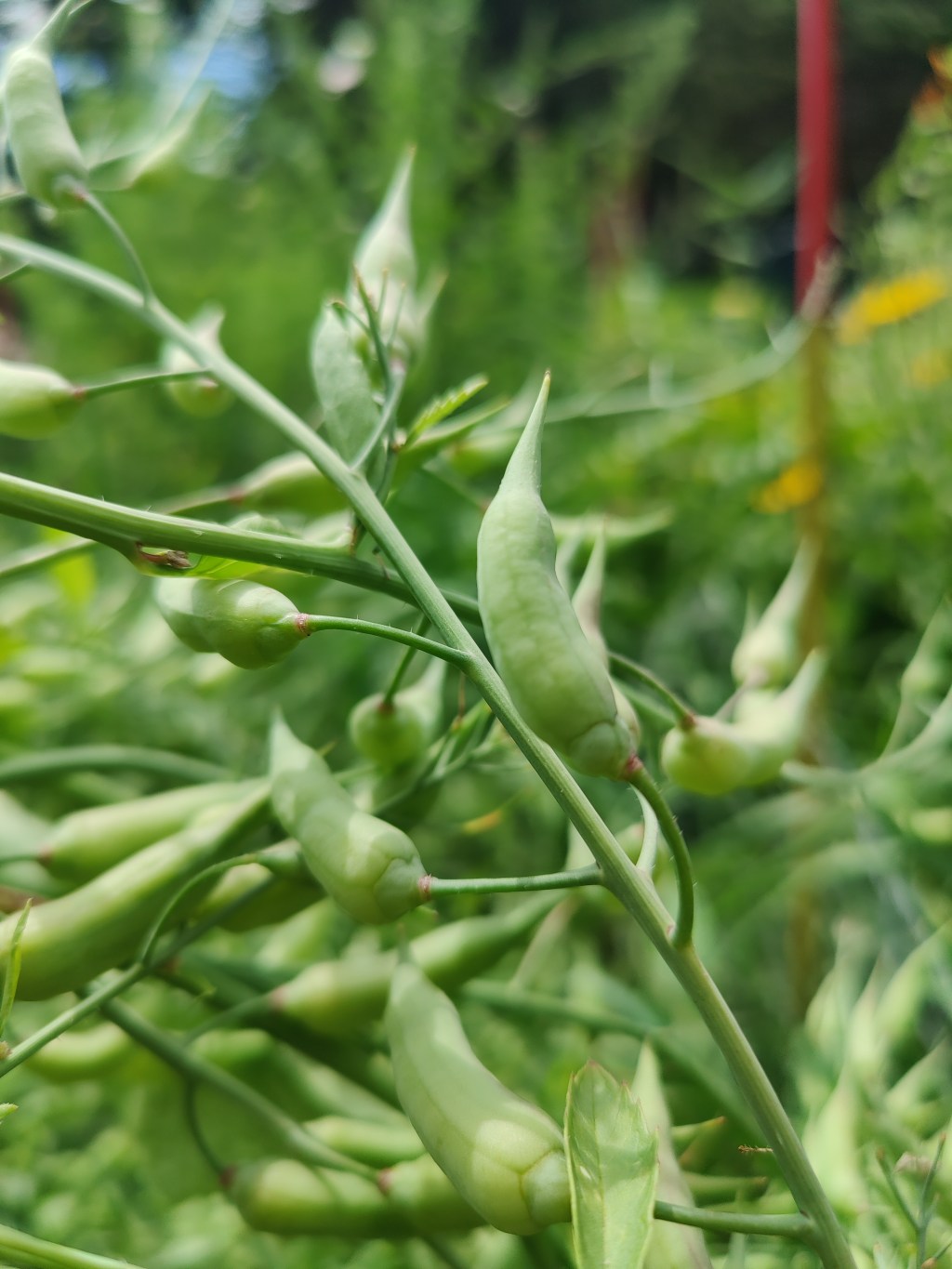
    If your radishes “bolted” (flowered) and took over your garden last year like mine did, don’t worry—you didn’t fail. You just accidentally grew a massive harvest of seeds! Radishes are one of the easiest vegetables to save seeds from, turning a forgotten harvest into a lifetime supply.

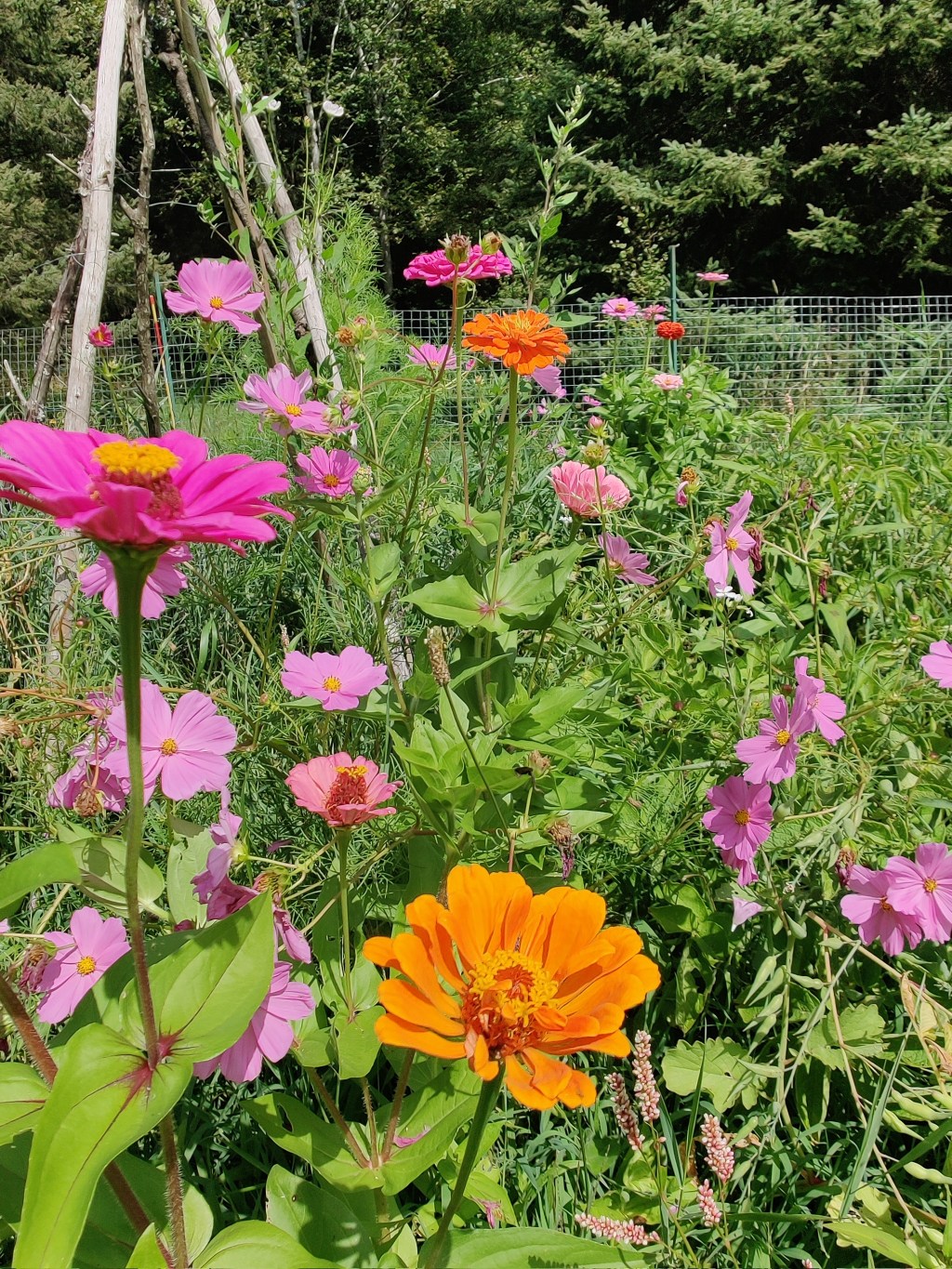
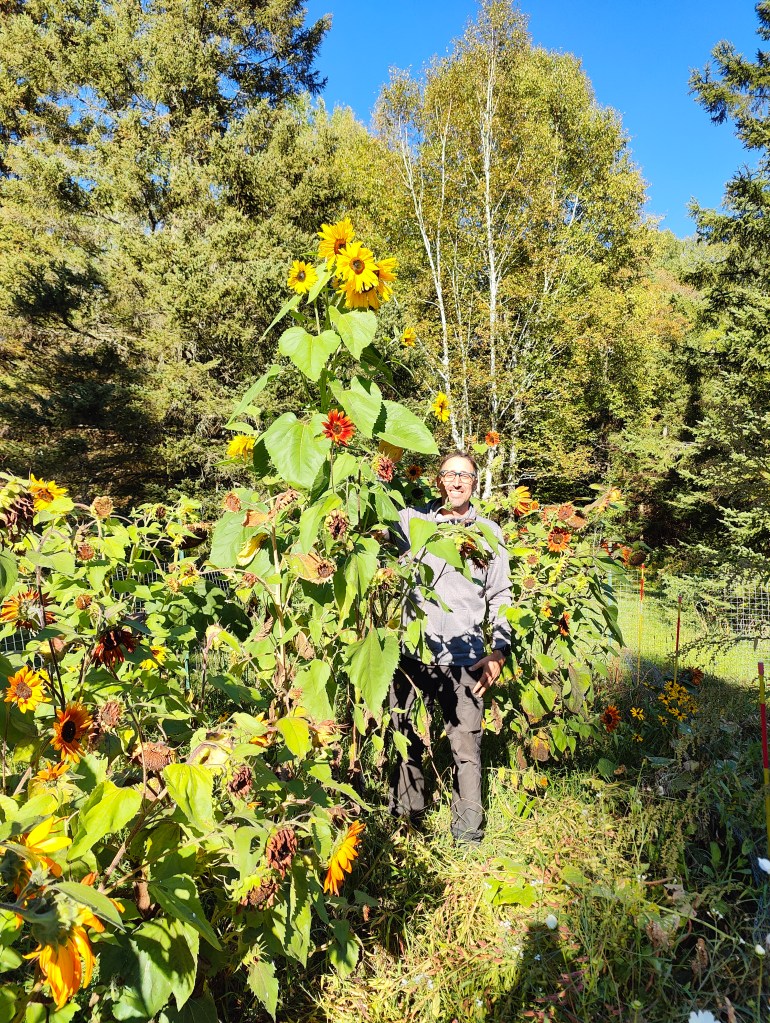
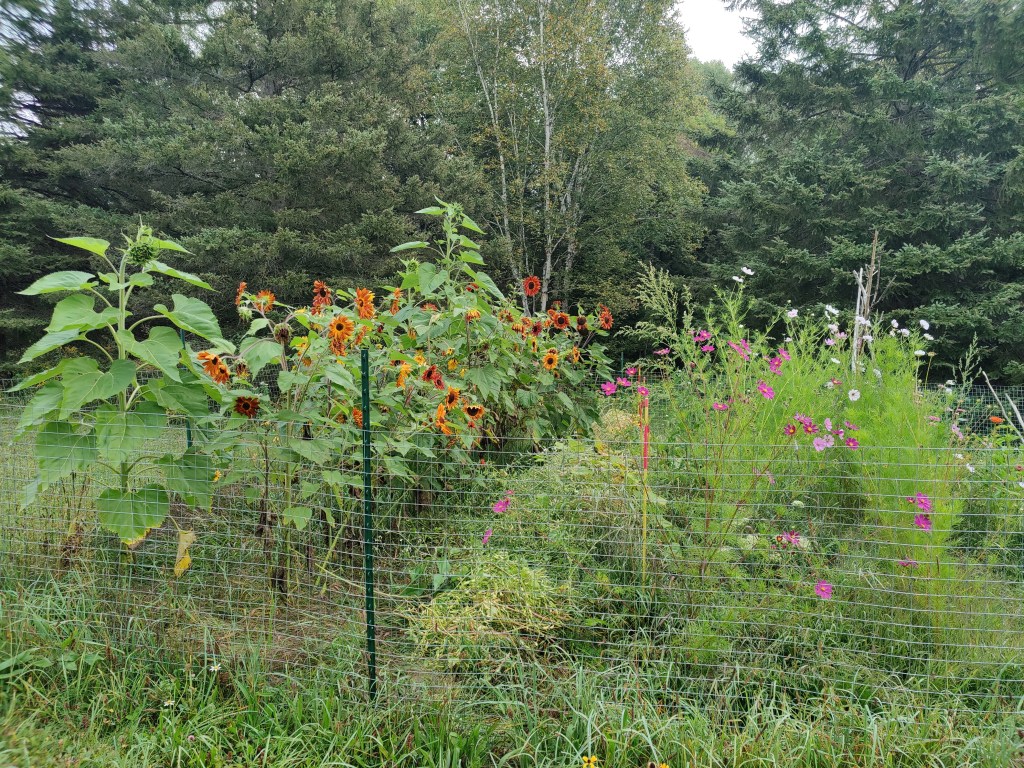
    Nestled between the sunflowers and cosmos sit a tangled mess of radishes that have gone to seed.

    Step 1: Wait for the pods to turn brown

    Don’t pick the pods while they are green and fleshy. For the seeds to be viable, the pods must dry completely on the plant. Wait until the stalks turn brown and the pods feel light, crispy, and “corky.” If they rattle when you shake them, they’re ready.

    Step 2: Harvest

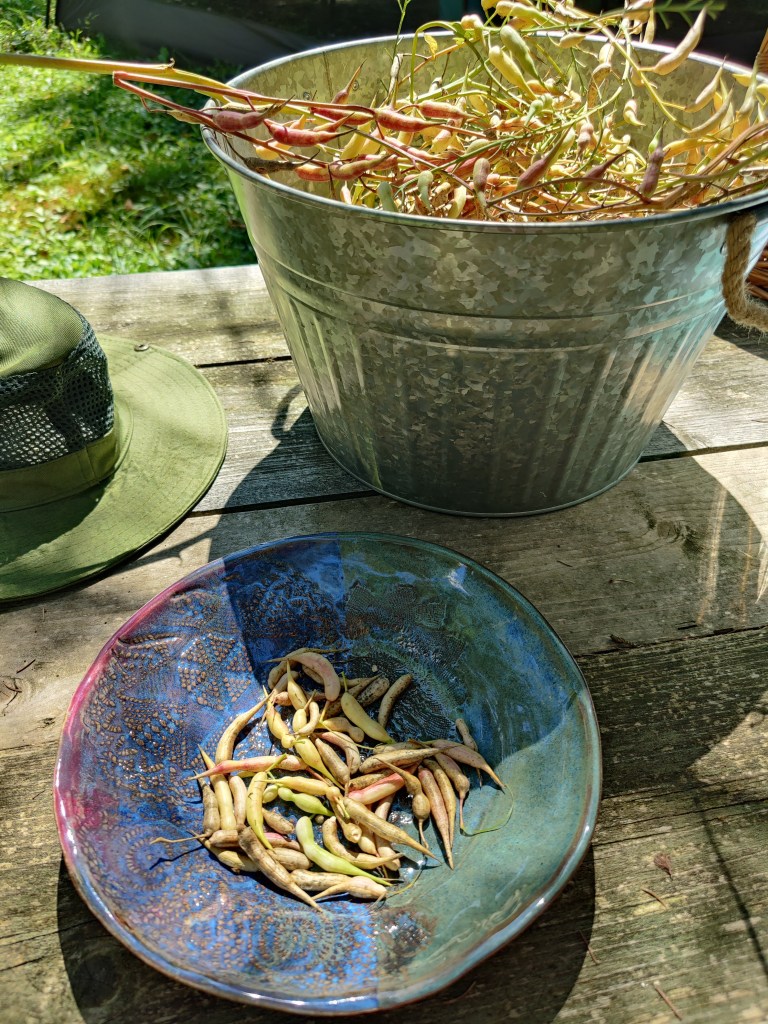
    Since bolted radishes can become huge and unruly woody bushes, the easiest way to harvest is to cut the entire stalk and place it in a large bucket.

    • To extract: Some people will crush the pods by hand or put them in a sack and stomp on them.
    • Then winnow: These pro gardeners will then pour the mixture between two bowls in front of a light fan. The heavy seeds will drop, and the light pod husks (chaff) will blow away. This is called winnowing. I’ve seen videos of farmers using special machines for this.

    I don’t have the space in my apartment or patience to clean up the mess that this makes, so what I did with my haul is put on my favourite show and spend a few hours every weekend using my fingers to split the pods open, and then transfer my seeds to a mason jar. Which brings us to the final step.

    Step 3: Storage

    Radish seeds are tough and can stay viable for more than five years. Ensure they are bone dry, then store them in a labeled envelope or glass jar in a cool, dark place.

    Why the Great Radish Takeover was worth It

    Even though they crowded my garden, those radish flowers were a feast for pollinators, and their deep roots helped to aerate my soil. So I’ve traded a few salads for hundreds of future plants! If anyone wants any radish seeds, I have a nice seed supply to exchange and share.

  • 2025 Garden Reflections

    2025 Garden Reflections

    Happy New Year! As 2026 begins, I’ve been reflecting on the lessons learned in the garden over the past twelve months. 2025 was a year of trial and error—a mix of record-breaking harvests and some honest realizations about the limitations of my soil.

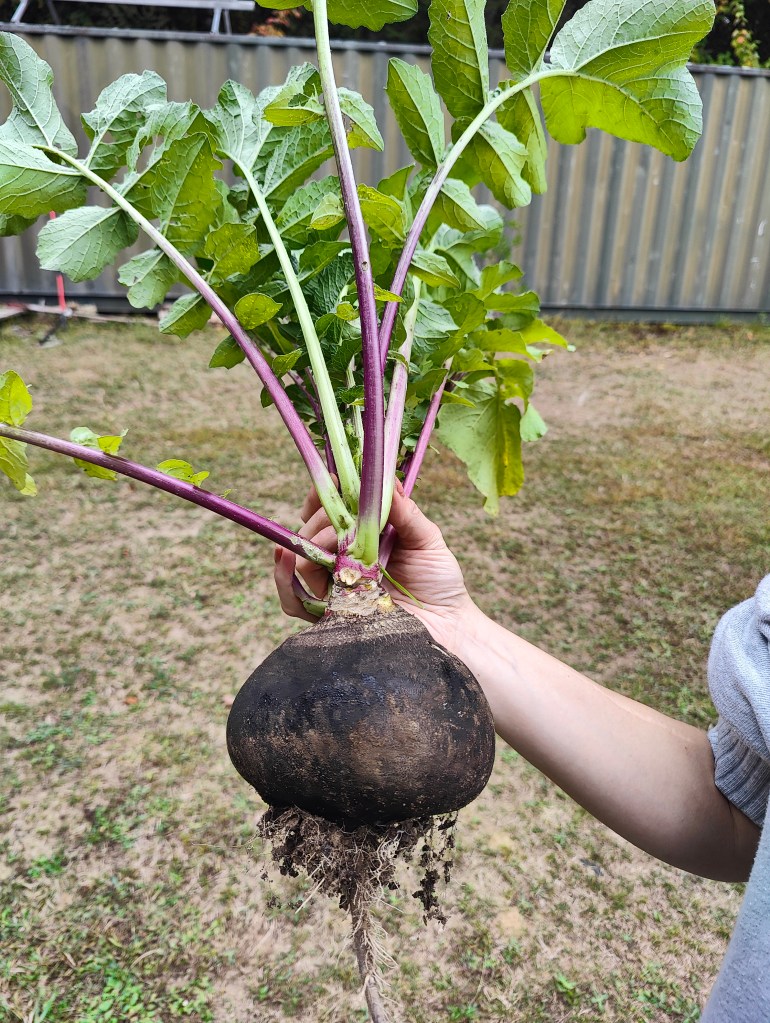
    The big boy. Black Spanish radish of 2025.

    The Successes: Veggies and Blooms

    The standout achievement of the year was the Black Spanish radish. Never grown before, this season produced the largest specimen in my gardening history, and all thanks to neglect. I found that big boy among the weeds. It’s always rewarding when a staple crop exceeds expectations, especially one as hardy and versatile as the radish.

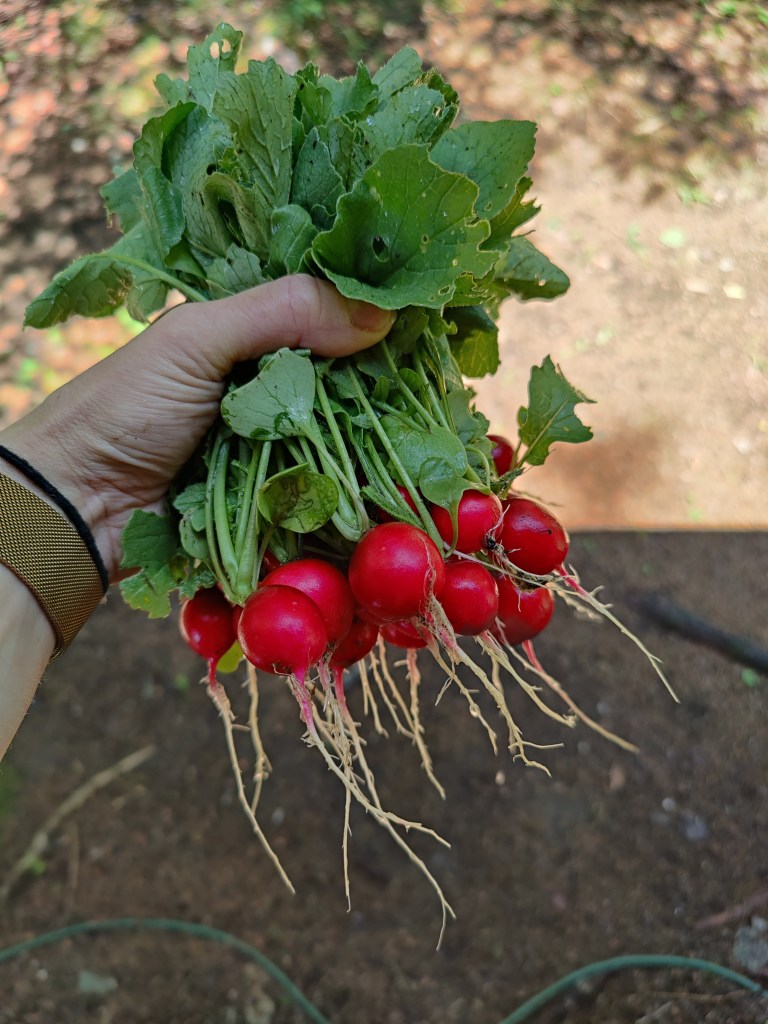
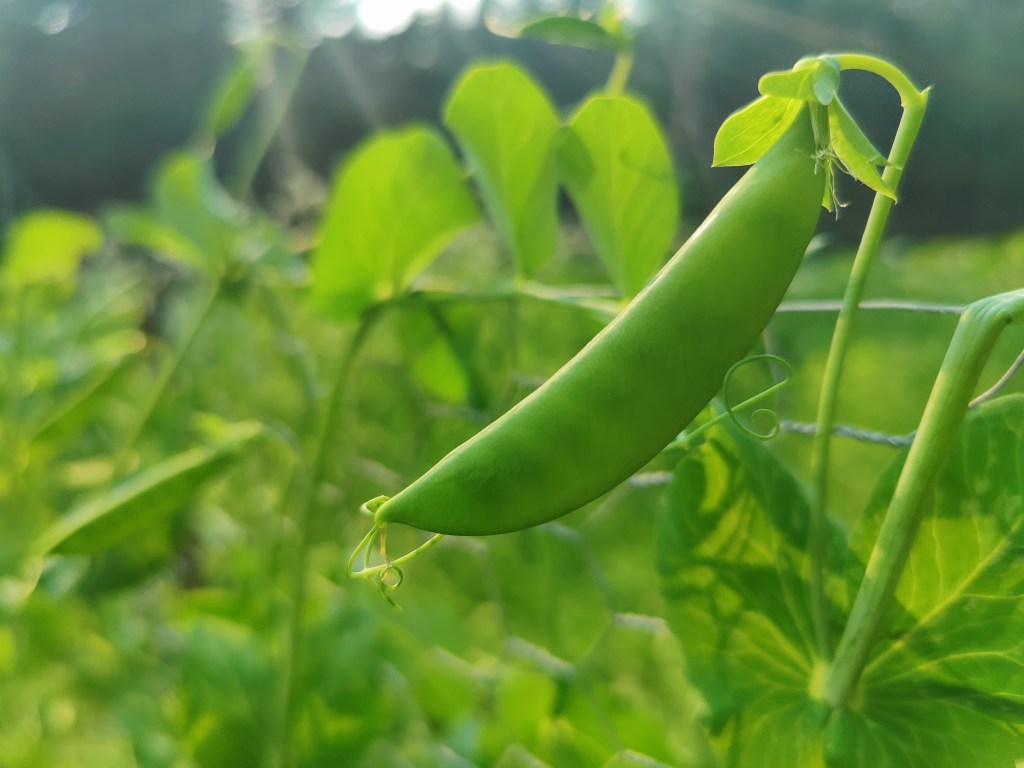
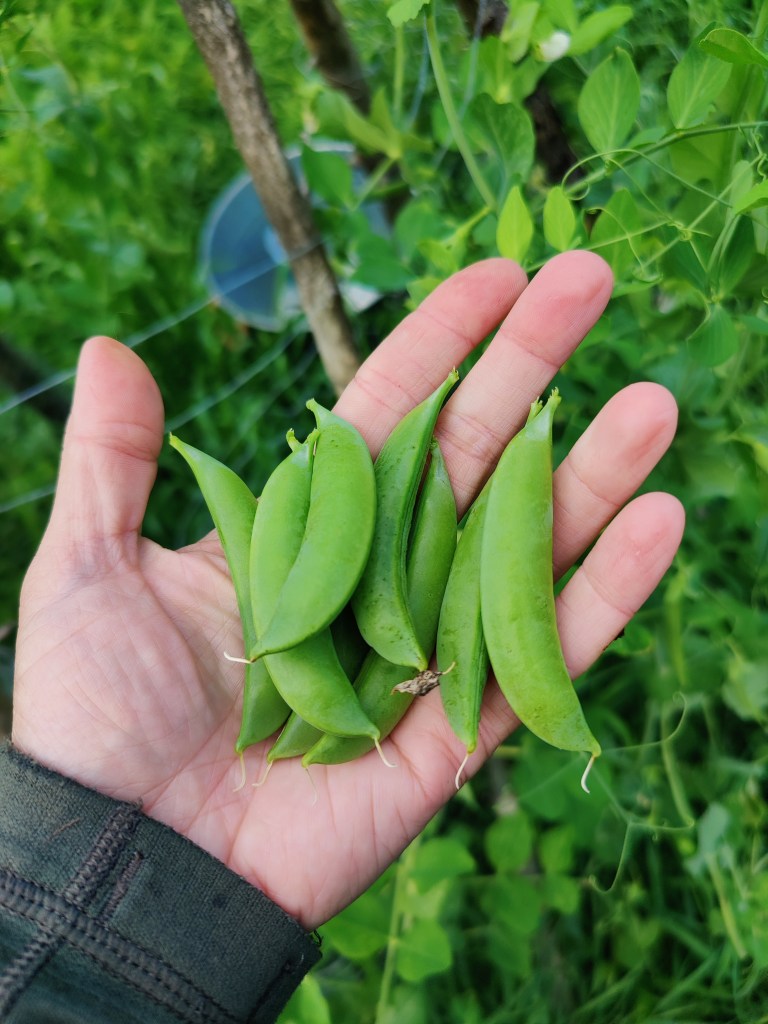
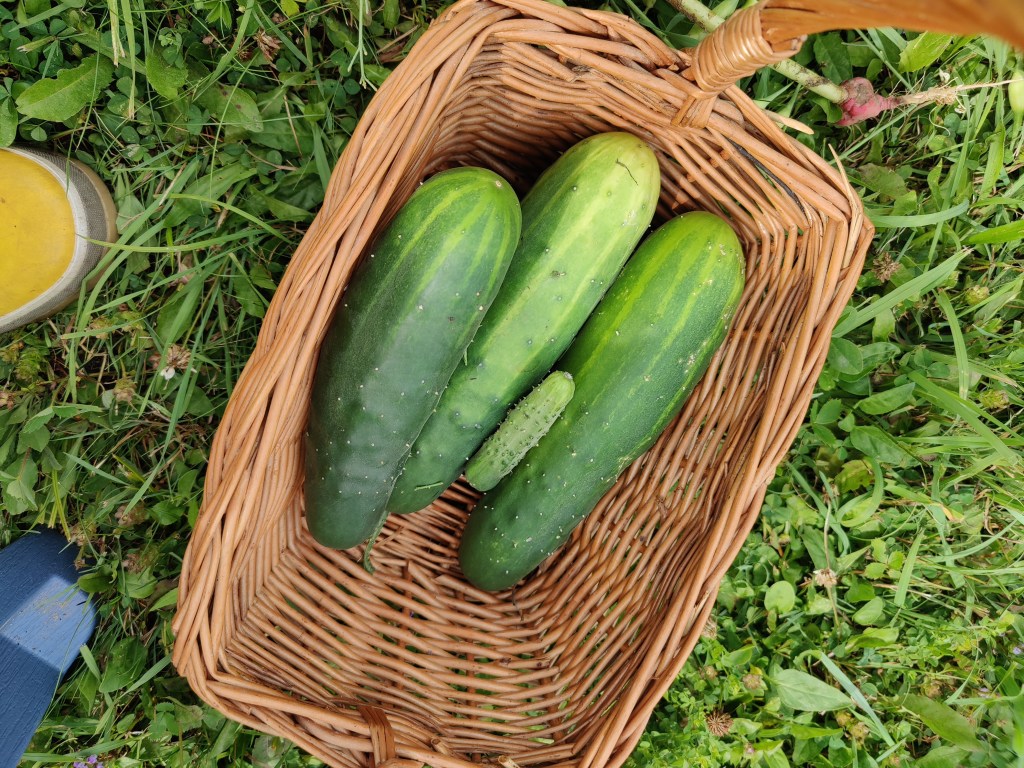
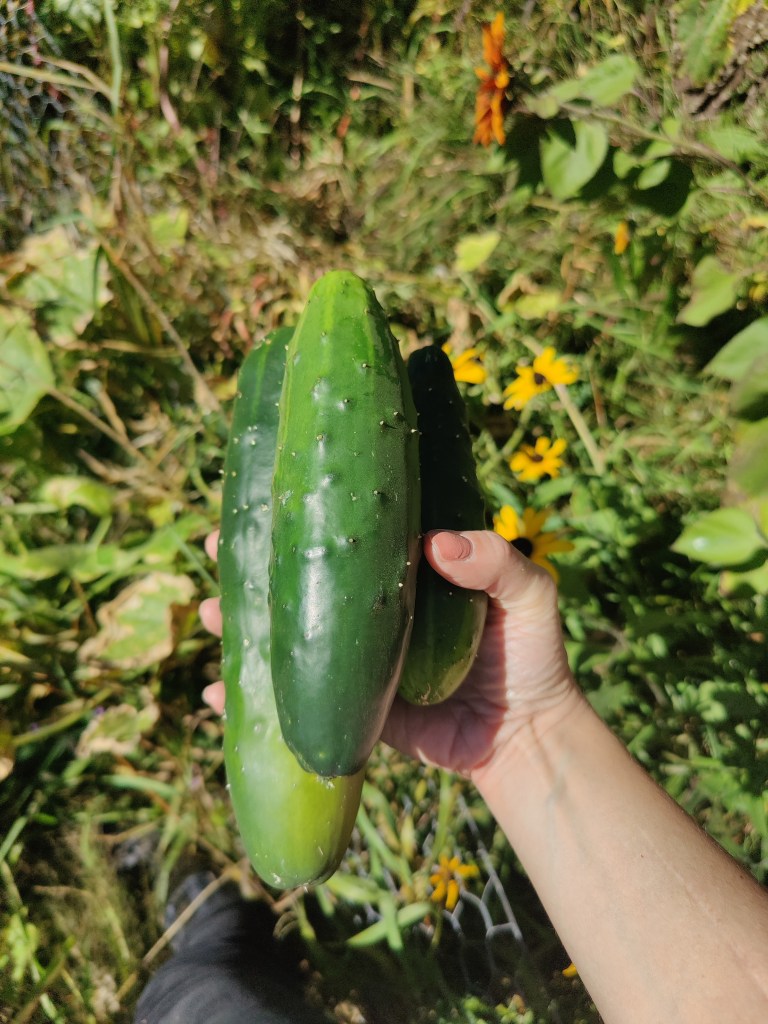
    Next, I think about the cucumber and sugar snap pea harvest. Snap peas are my favorite vegetable to grow, and this year’s yield did not disappoint. Truthfully, I thought the cucumber seeds didn’t germinate, but I was happy to find several ripe cukes hidden among the overgrown French Breakfast radishes in June.

    Alongside the vegetables, the cut flower garden was a consistent bright spot. The blooms grew successfully throughout their window, providing a steady supply for harvesting throughout the summer. After a few seasons of experimenting with different varieties, it felt like the floral side of the garden finally hit its stride.

    The Challenges: Timing and Lift Off

    Of course, the season wasn’t without its setbacks. The most significant lesson came down to soil preparation.

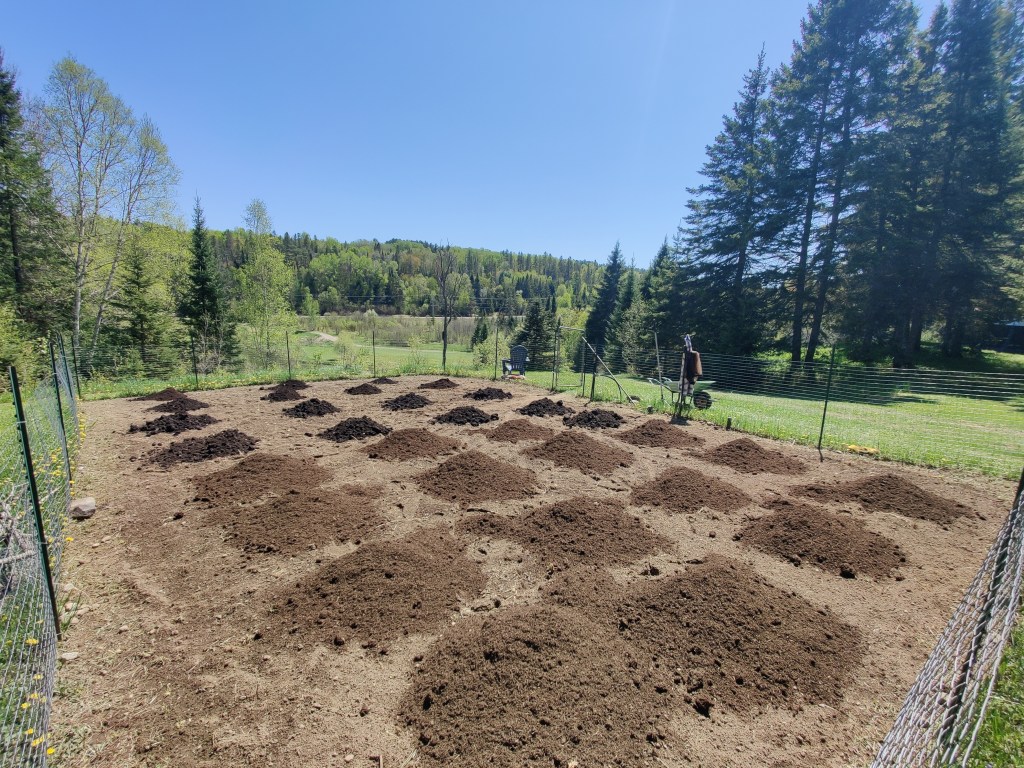
    While 2024 led to an awesome harvest in the garden, in 2025 I applied my compost and manure too late—essentially right before planting. This didn’t allow enough time for the nutrients to integrate or the soil chemistry to stabilize before the seeds went in. It was a reminder that in gardening, the “when” is often just as important as the “what.”

    This timing issue, combined with my heavy clay soil, led to a disappointing result for my cold-stratified perennial seeds. While the stratification process itself went well, these perennials failed to flourish once they hit the ground. The dense, compacted nature of the clay was simply too much for the young roots to overcome.

    Additional soil and compost applied in May. Too late.

    Looking Ahead

    While it’s frustrating to see hard work—especially the effort of cold stratification—not pay off, it provides a clear roadmap for 2026. The garden is currently hibernating, but the plans for a better 2026 are already in motion.

    And for those of you wondering if I did get any beets to grow, not yet. I’m hoping that 2026 will be declared the “year of the beet”. Thank you for continuing to follow along. Wish me luck this year!

  • Sneak Peek into my Garden Planning Process

    Sneak Peek into my Garden Planning Process

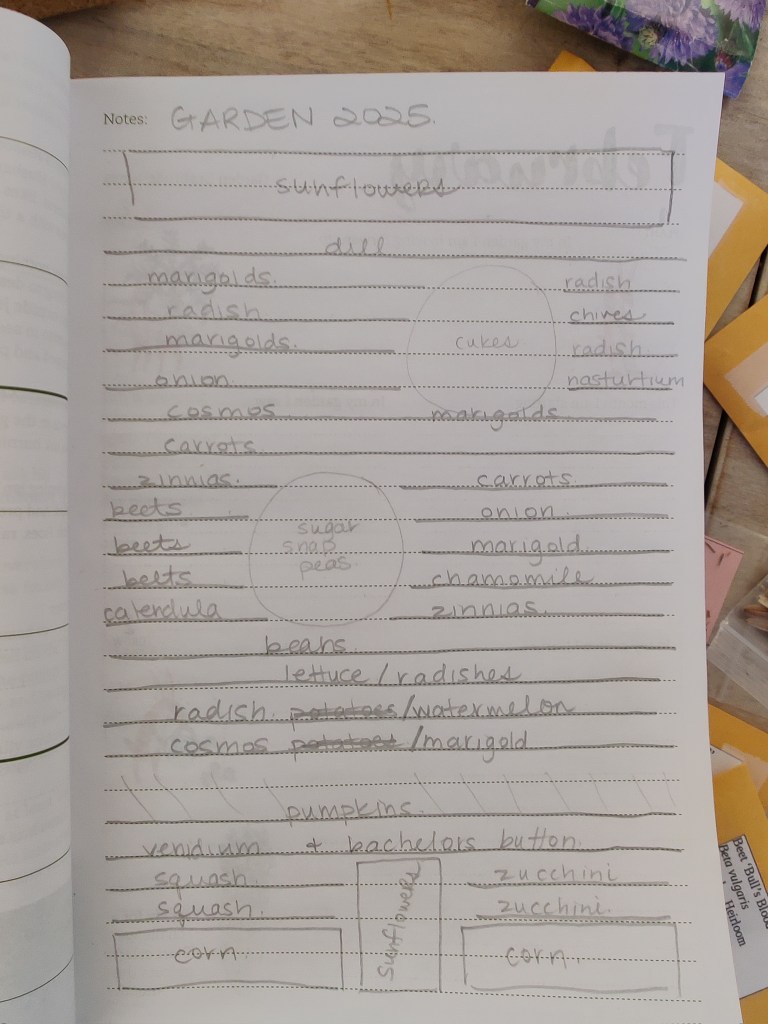
    It’s that time of year again! I am planning out my off-grid vegetable and flower garden, and 2025 is shaping up to be my most ambitious season yet. With over 20 rows of plants to organize, I’ve been carefully mapping out my garden layout, selecting my plant varieties, and considering improvements to soil health and irrigation. Here’s a glimpse into my garden planning process for the upcoming season.

    Step 1: Reviewing Last Year’s Successes and Challenges

    Before planning new layouts and plant choices, I have been reflecting on the previous season. My 2024 garden was my most successful yet, but there’s always room for improvement. I have been referring back to my notes and assessing which crops thrived, which struggled, and where I need to adjust planting locations to maintain soil health and minimize disease risks.

    Companion planting also played a big role last year, so I have taken notes on what worked best. For instance, to improve my cucumber harvest I’ve planned to place this temperamental vegetable among favourite companions such as radishes, nasturtium, marigolds and dill to give them a jump start. Avoiding placement beside potatoes, which compete for the same nutrients in the soil and other cucurbits, like squash and melons – which can lead to unappetizing harvests from cross pollination, is something I have considered carefully this year.

    Left: Some stunted cucumbers from my 2024 vegetable garden.

    Step 2: Sketching the Garden Layout

    With over 20 rows to manage, spacing and organization are crucial. Yesterday I created a rough sketch of my garden, designating clear sections for root crops, vining plants, and interspersing them with companion flowers, like marigolds, which attract pollinators and act as an all-natural pest control. My motto? Who needs harmful pesticides and sprays when you’ve got marigolds. All you need is pen, paper and a solid plan to complete this exercise.

    Step 3: Choosing Seeds and Plants

    Seed selection is one of my favourite parts of planning! Thanks to last year’s seed saving coupled, supplemented by seed exchanging and purchasing, I am ready to plan. I focus on hardy, high-yield vegetable varieties suited for my climate (Canadian Hardiness Zone 4), along with annual flowers that attract beneficial insects, deter pests and add beauty to my space. This year, I’m planning to grow:

    • Vegetables: A mix of radishes, peas, beans, diverse squash varieties, carrots, beets, corn and onion.
    • Flowers: Sunflowers, marigolds, zinnias, and nasturtiums to support pollinators and deter pests.

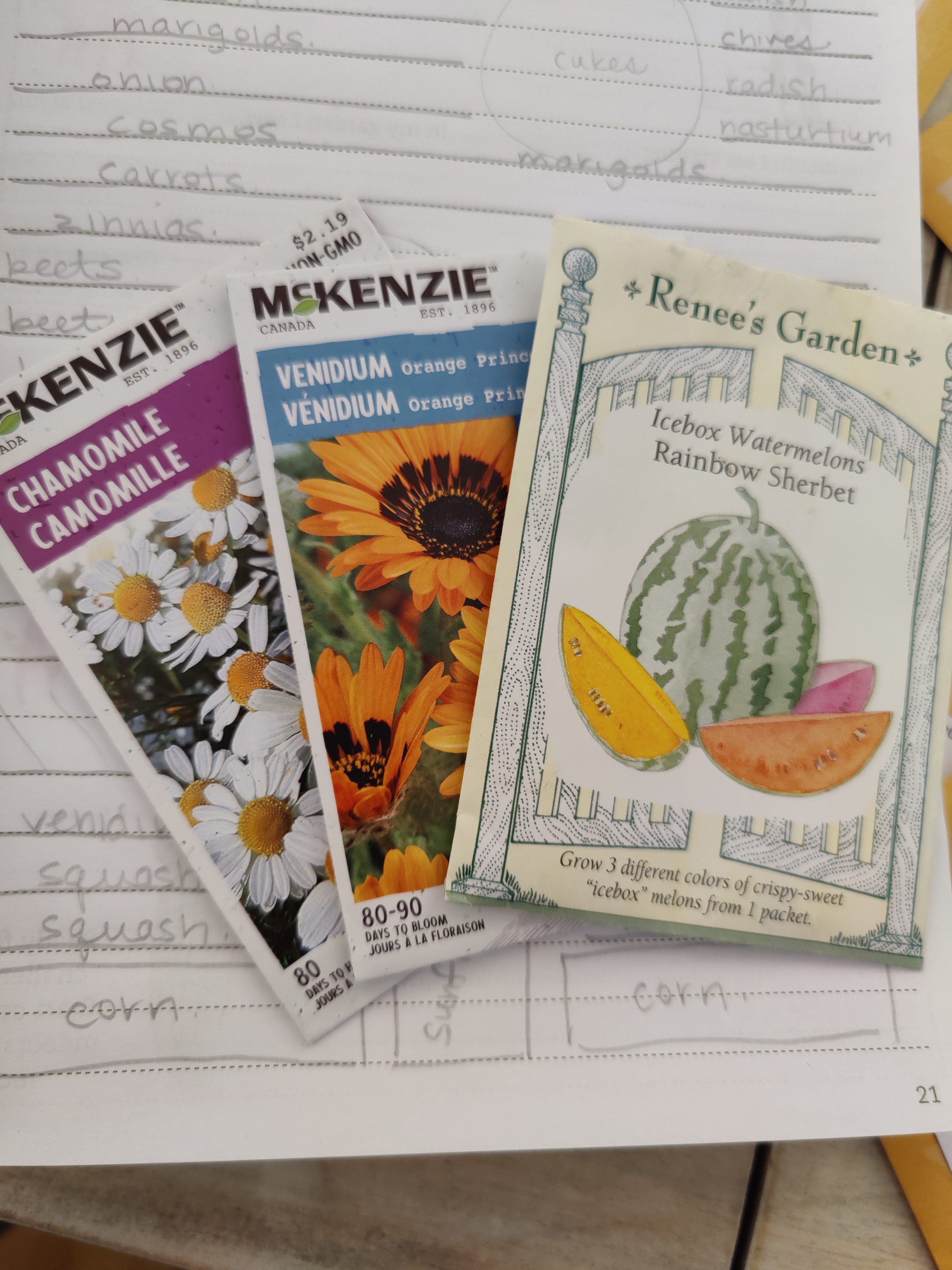
    I plan to experiment growing plants I’ve never sowed from seeds too! I am particularly excited to try growing watermelon, chamomile, bachelor’s button and venidium (which is an annual flower). And although I haven’t been successful in the past, maybe this year I’ll get a beet to germinate.

    Step 4: Enhancing Soil and Irrigation

    Since I’ve been gradually improving my garden infrastructure, I’m expanding my composting system and working on better water retention strategies. In 2025, I plan to:

    • Incorporate more organic matter into the soil, including compost and aged manure.
    • Use mulch to retain moisture and suppress weeds in my larger planting rows.

    Looking Ahead to a Bountiful Season

    Garden planning is an ongoing process, but laying the groundwork early helps set the stage for success. With thoughtful preparation, careful plant selection, and continued improvements, I’m excited to see how my 2025 garden unfolds. Whether it’s amending the soil, testing new plant varieties, or simply enjoying the beauty of my flowers and vegetables, each year brings fresh lessons and rewards.

    Are you planning your own garden for 2025? I’d love to hear what you’re growing this season!

  • My Seed Collection is Growing

    My Seed Collection is Growing

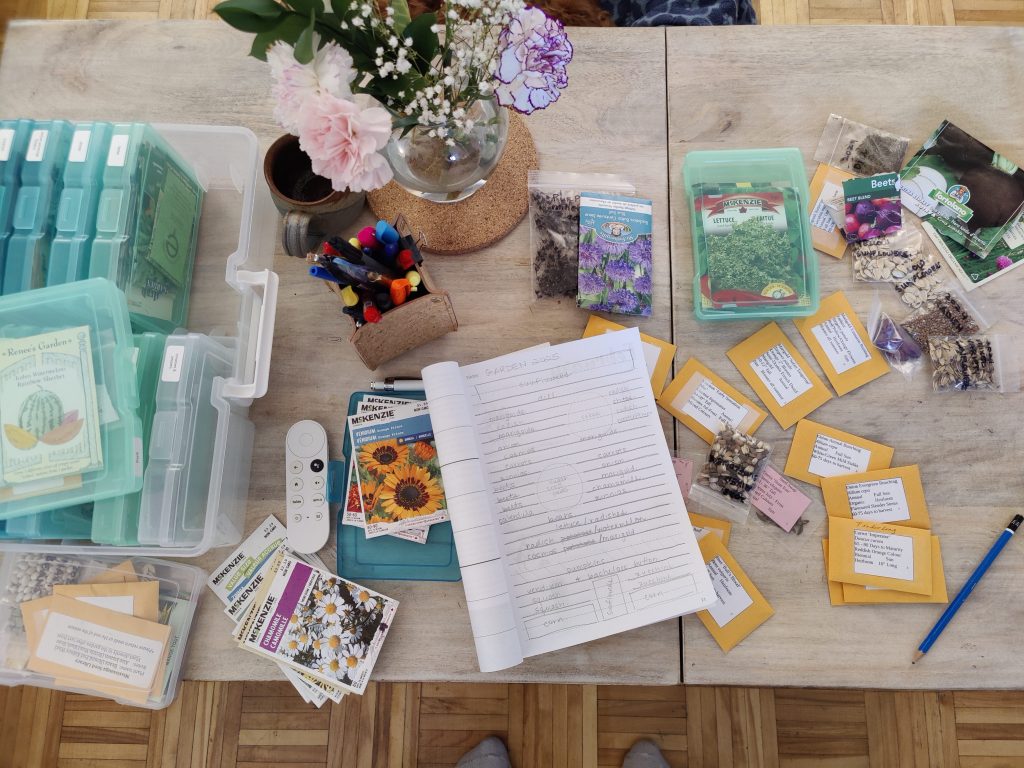
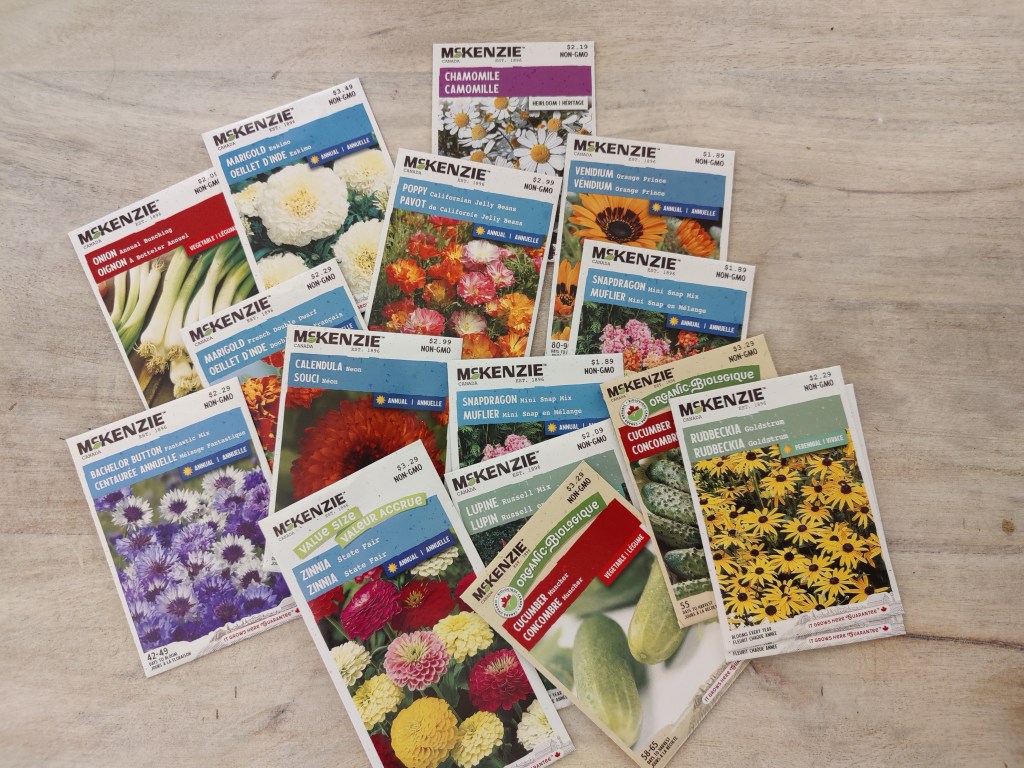
    My seed order arrived in the mail last week.

    For context, I bought some seeds in a panic. Somebody (wink mom, wink) noted that, in a few months, it’ll be time to start seeds indoors. Luckily my panic purchase does not require me to start my seeds indoors. So, I have some time (phew!), and I was nervous for no reason. And it was a real treat to receive my online order in the mail last week.

    The majority of seeds I purchased are annual flowers that I have grown before, such as zinnias and marigolds. I will try my hand again at some annual flowers that I have not been successful at germinating1. This includes the elusive poppy. This time I will try the California poppy. In the past, I have failed to grow the Icelandic poppy. So wish me luck this year!

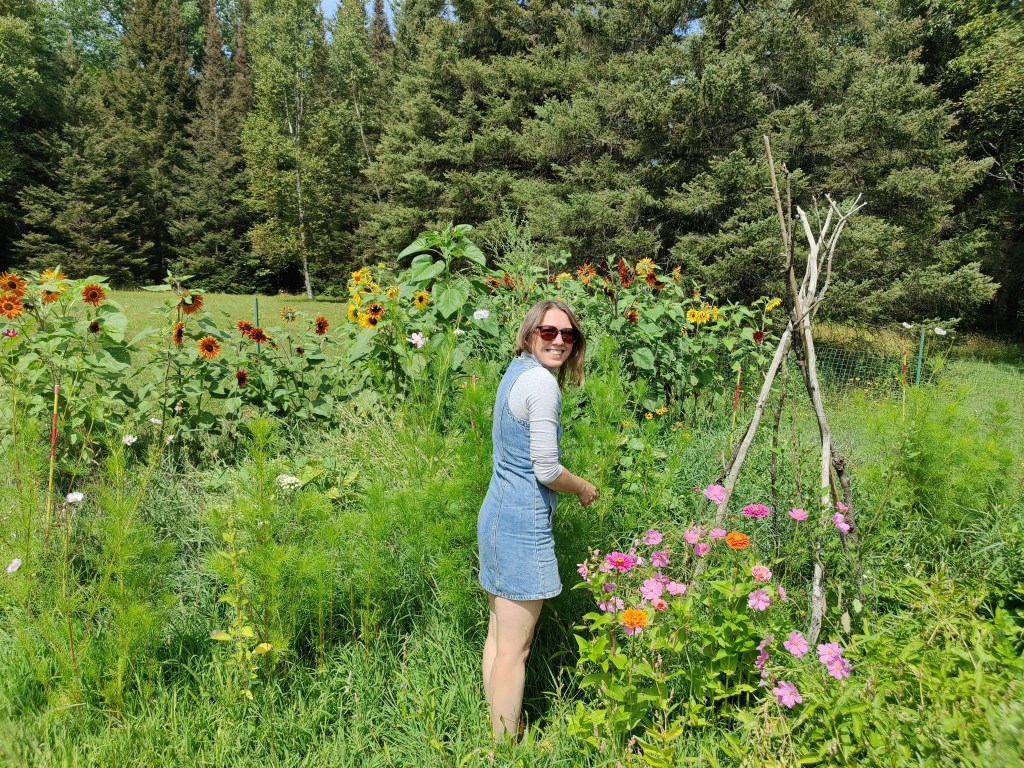
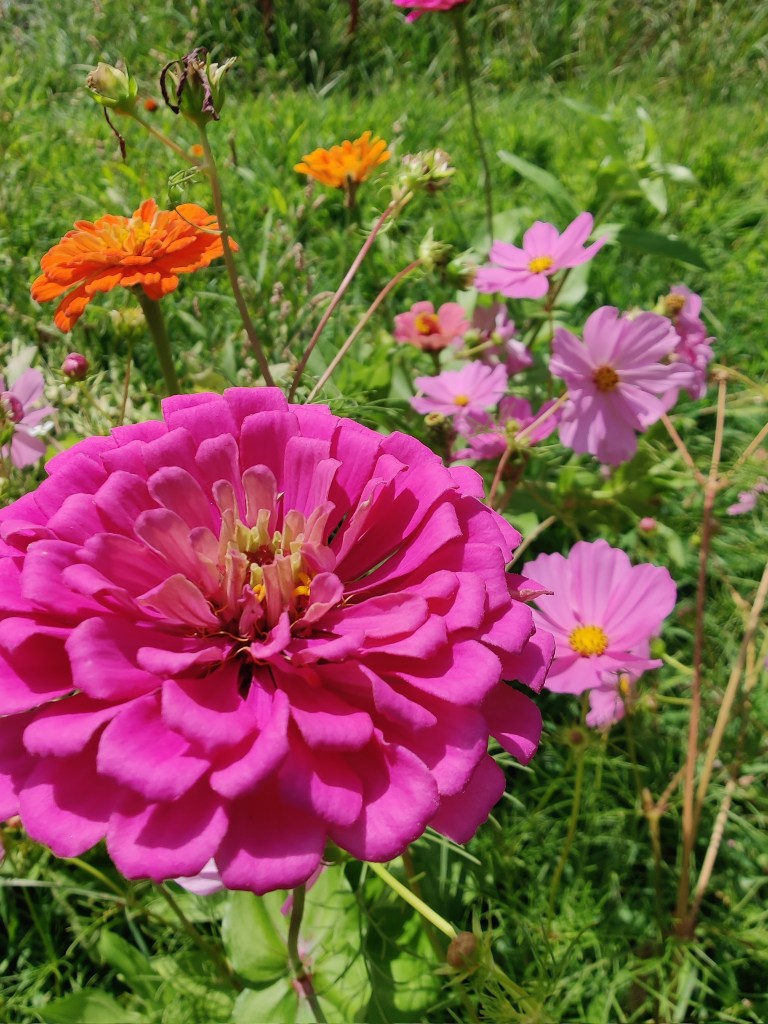
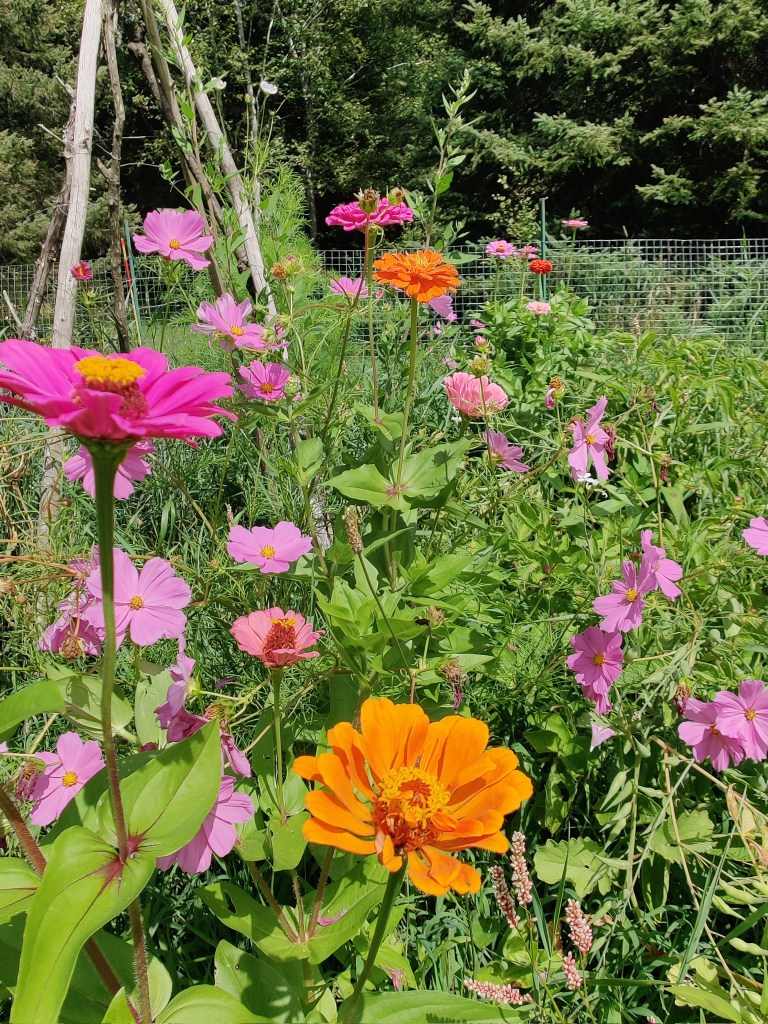
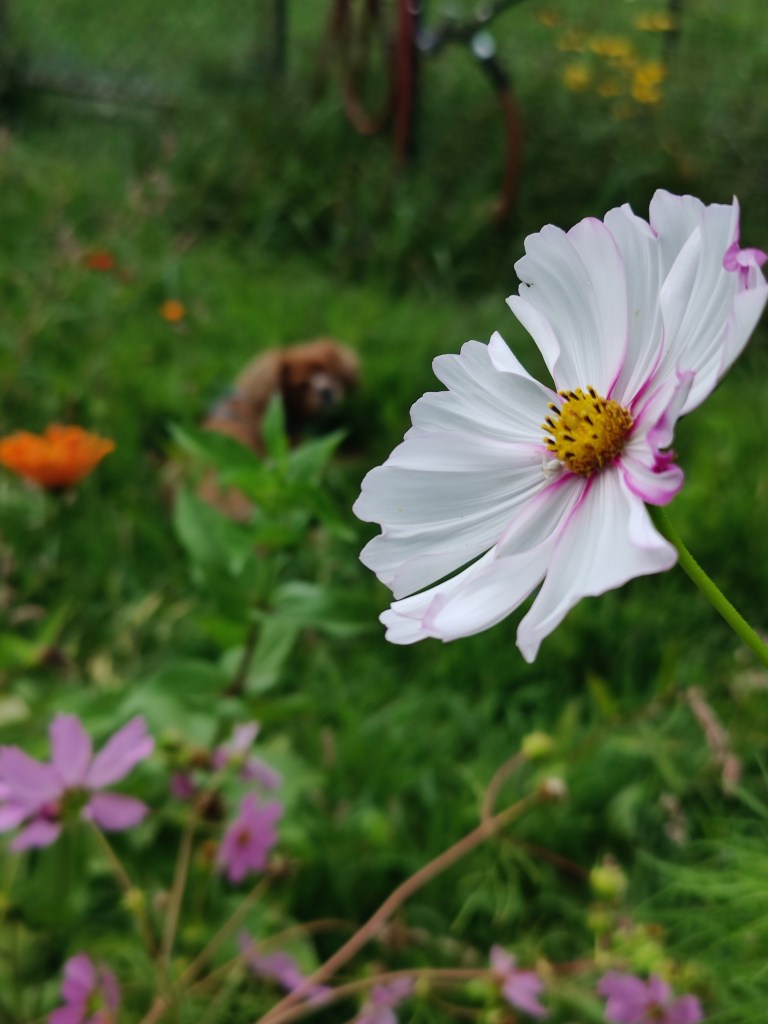
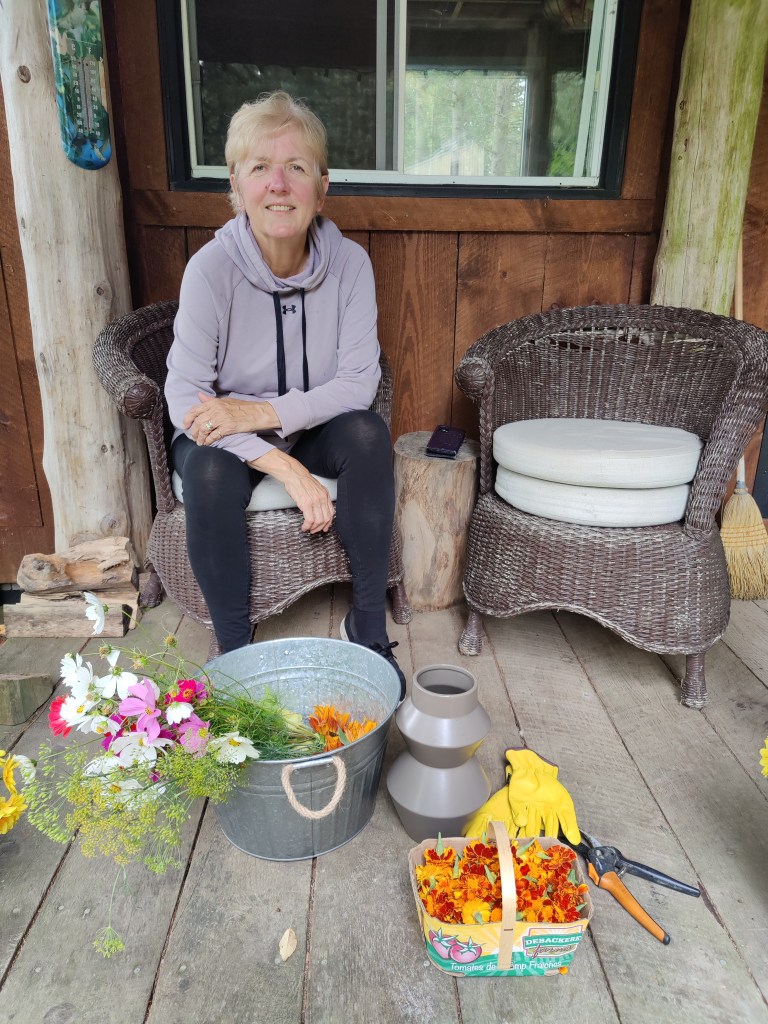
    Mom helping with my flower harvest last year. Marigolds, zinnias, cosmos and dill flowers, oh my!

    Where I Panic Purchased this Year

    I also purchased some vegetable seeds, including cucumbers and green onions. I ordered my seeds from McKenzie Seeds this year, which is a common supplier to Canadian retail stores and garden centres. You can purchase this brand, in person, at most brick and mortar shops. However, I learned that if you buy 50 dollars worth of seed online and are a first time buyer, you will qualify for free shipping and can apply a 10 percent discount code at check out. If this is something that interests you, note that a few days after you place your online order you will be emailed a limited time BOGO offer (that’s their hook to reel you in. I did not know this and missed out). McKenzie seeds has an extensive rewards points program for bonus bucks at checkout.

    The Scoop on Seedy Saturdays

    If buying seeds online is not your jam, I encourage you to check out your local seed swap. Basically a local seed swap (aka Seedy Saturday) is a community event to trade seeds with other gardeners or purchase seeds from vendors. Entrance fees usually include a small monetary or non-perishable food donation. This helps to keep these volunteer-run events operational.

    Larger Seedy Saturdays also incorporate seminars or workshops into the event. It’s a great opportunity to solicit gardening information from the pros, such as a Master Gardener.2 I am hoping to attend the Master Gardeners of Niagara Seedy Saturday with a friend this February. Seeds of Diversity has an excellent consolidated list of seed swaps happening across the country:

    Lastly, I am also happy to swap seeds with folks, too! (I am not running out of my saved sunflower seeds anytime soon).

    1. Germination just means when a seed begins to grow or sprout during a period of dormancy ↩︎
    2. Master Gardeners are experienced gardeners who have studied horticulture extensively and continue to upgrade their skills through technical training. With this training and continuing education, Master Gardeners give expert horticultural advice to the general public. Learn more or donate to the Master Gardeners of Ontario through their website. ↩︎
  • Our Off-Grid Vegetable Garden: A Four-Year Journey

    Our Off-Grid Vegetable Garden: A Four-Year Journey

    When we first decided to start a vegetable garden in 2021, we had no idea how much it would teach us about patience, innovation, and resilience. What began as a bare patch of earth has transformed into a thriving, off-grid oasis that brings immense joy and sustenance. Here’s how it all unfolded year by year.

    2021: Breaking Ground

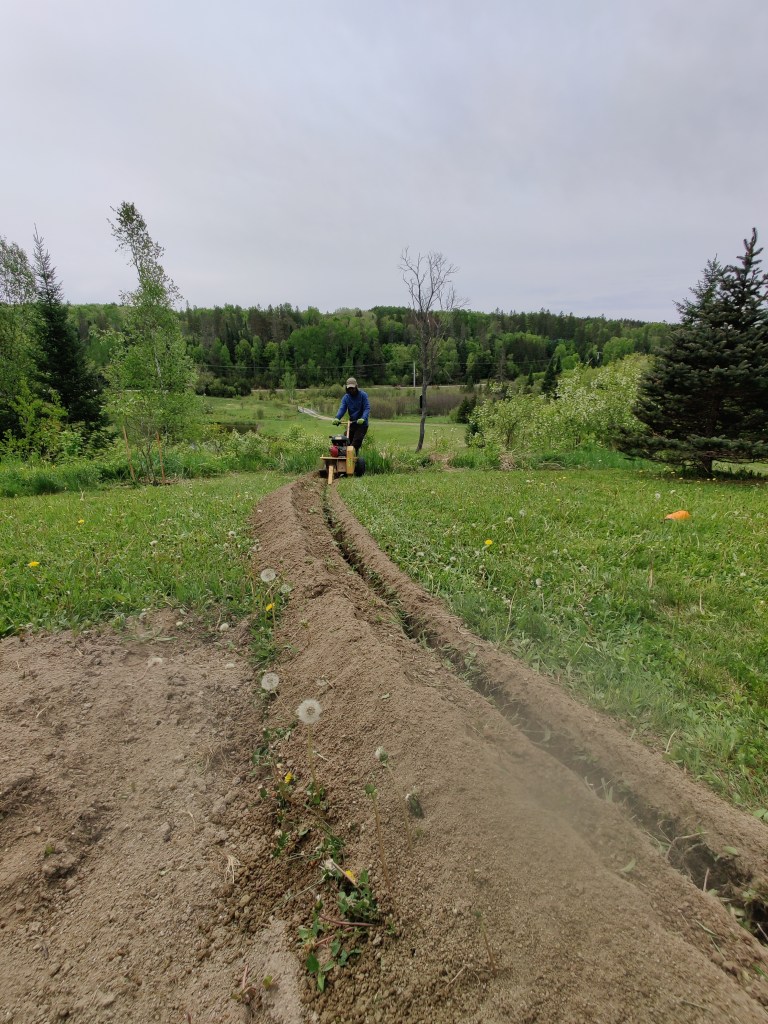
    The journey started with the roar of a tiller. We broke ground that year, turning over the soil and setting the stage for what was to come. It was backbreaking work, but there was something incredibly satisfying about preparing the earth with our own hands (and some much-needed machinery). While the first year’s harvest wasn’t bountiful, it gave me a taste of what could be—and left me eager to grow more.

    2022: Adding Irrigation

    As we began planning for our second year, one thing became clear: hand-watering wasn’t sustainable for an off-grid garden at the top of a hill. So, we added an irrigation system. It wasn’t fancy, but it was effective. With the help of a generator, the irrigation line pumped water from the pond up to the garden. Running the pump became part of my routine, and the plants thrived with consistent watering. This upgrade was a game-changer, making the garden feel more manageable and efficient.

    2023: Fencing and Compost

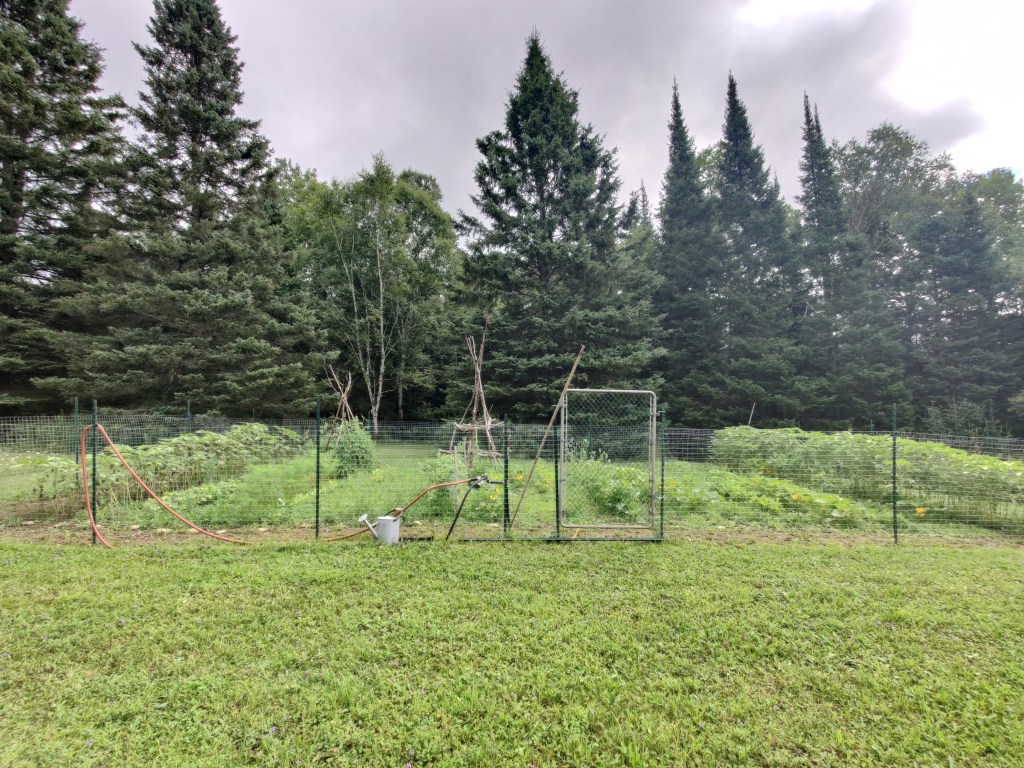
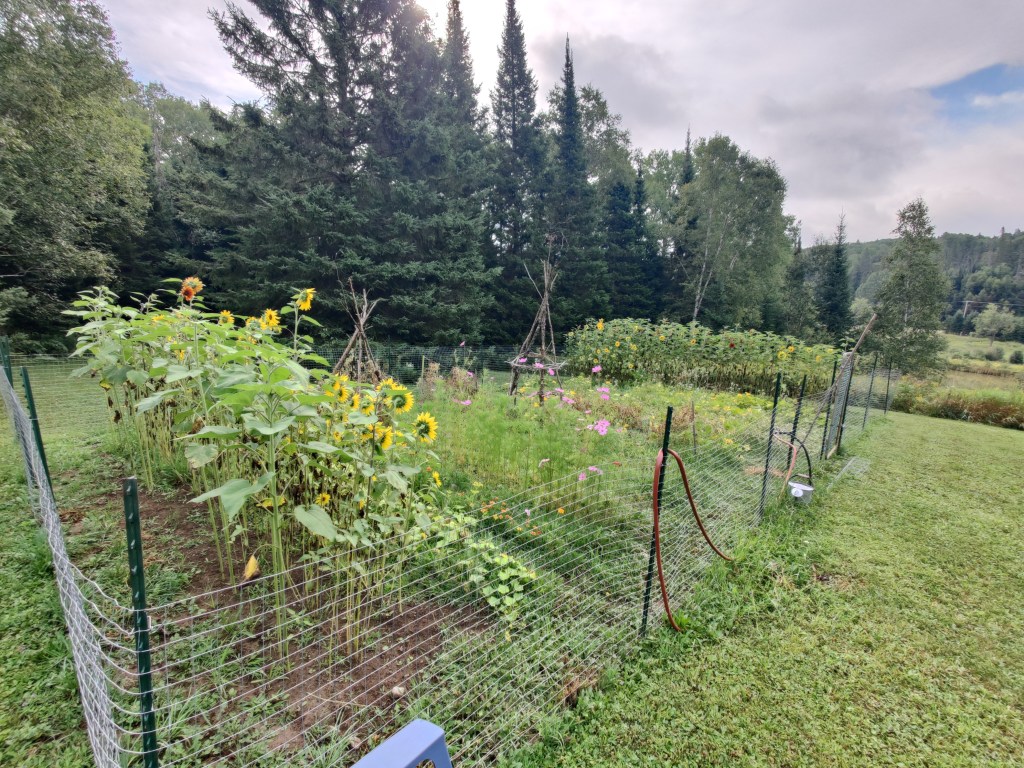
    By 2023, the garden was in full swing—but so were the challenges. Determined to protect our growing crops from wildlife, we decided to add a fence. This task wasn’t without its own trials. The mosquitoes were relentless, biting at our hands as we worked, but the result was worth it: a sturdy barrier that kept deer and rabbits at bay. That same year, we added two yards of rich compost to the soil, giving my plants a nutrient boost. The combination of protection and fertility set the stage for significant growth.

    2024: DIY Structures and a Bountiful Harvest

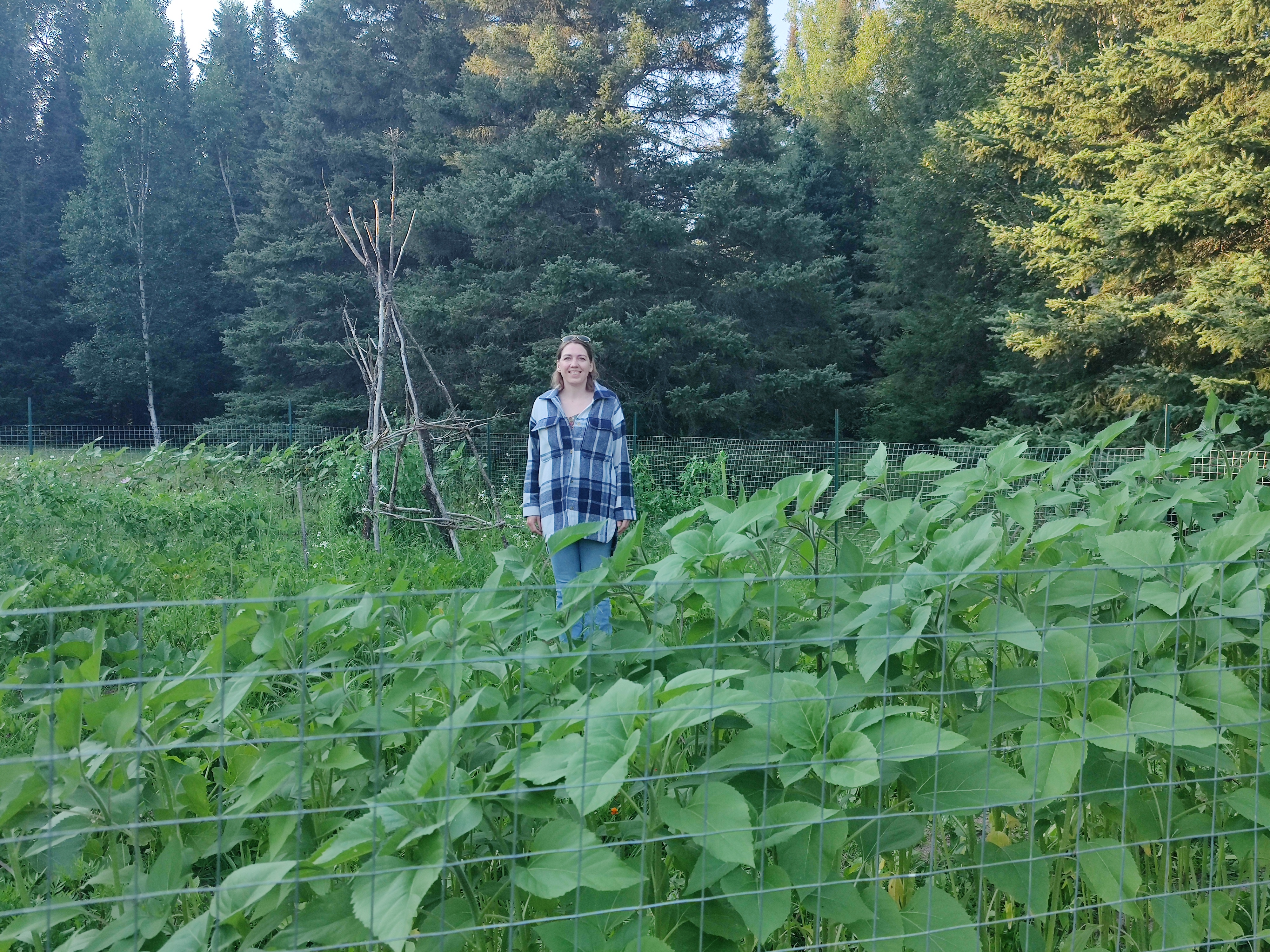
    By 2024, our vegetable garden had truly come into its own. Once again, we enriched the soil with compost, knowing how vital it was to the garden’s health. I also got creative, building two DIY teepee structures for my peas and squash. These simple yet effective supports allowed the plants to climb, maximizing space and improving airflow. The result? The most successful harvest yet. Peas and other vegetables thrived (not so much the spaghetti squash), filling our kitchen with fresh produce and flowers.

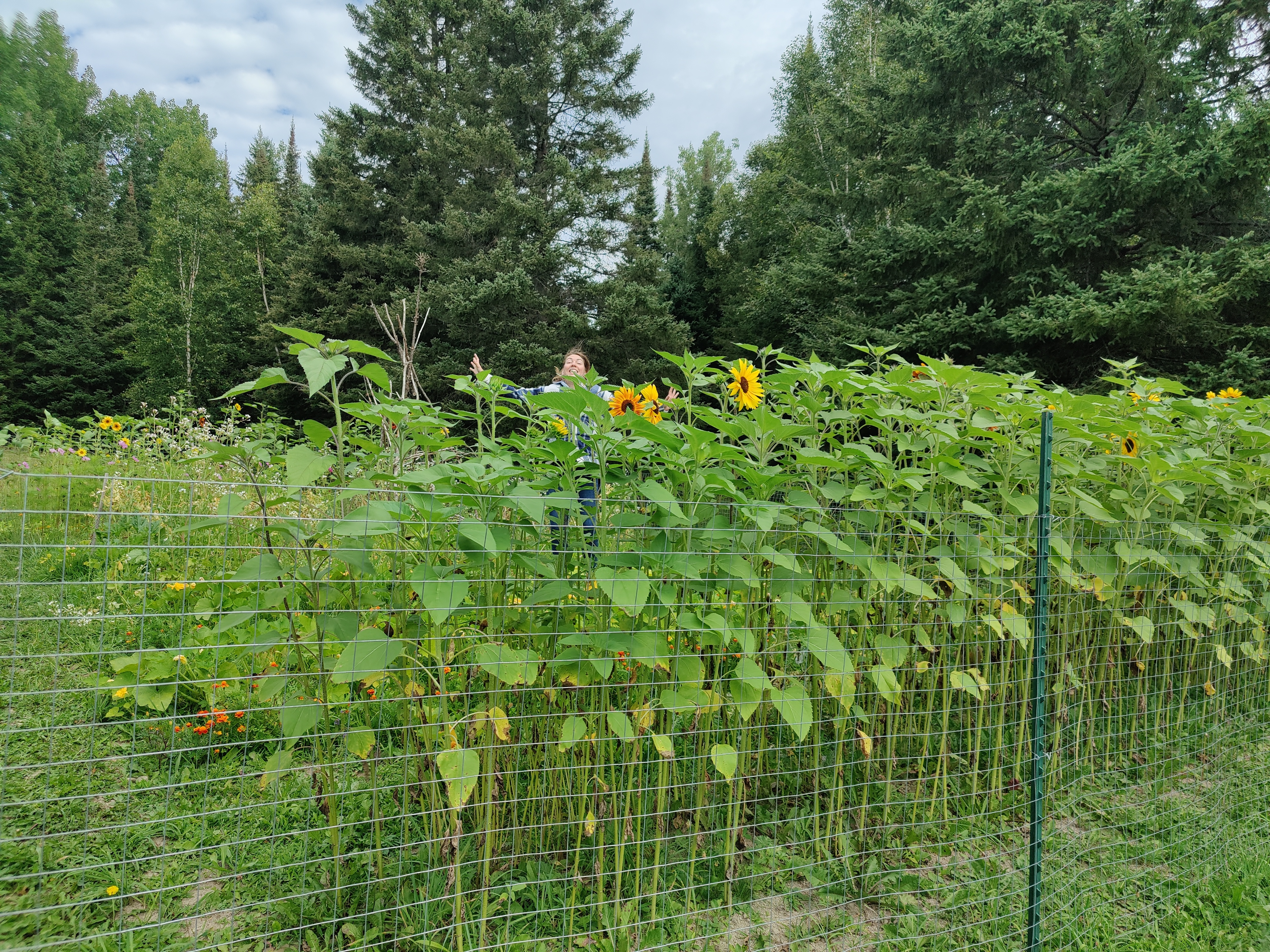
    Veggie garden from July 2024 to August 2024

    Looking Ahead

    As I reflect on these four years, I’m proud of how far the garden has come. Each addition and improvement has brought me closer to the vision we had when we first broke ground. There are still challenges ahead, but they’re part of the joy of gardening—learning, adapting, and celebrating each small success.

    Here’s to many more seasons of growth, both for the garden and for myself.