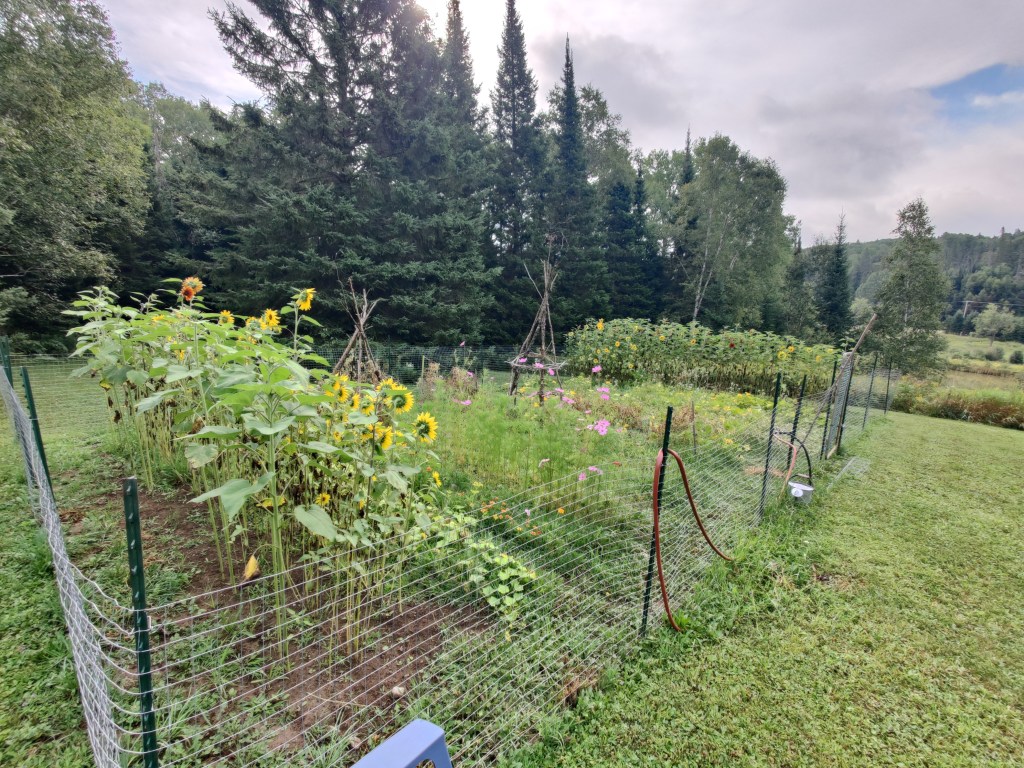
We all look at the world through our own specific lens, and lately, mine has been focused on simple ways I can help to heal this planet. These reflections are entirely my own, born out of my experiences and a fair bit of late-night thinking.
In an era defined by global supply chain disruptions, digital noise, and “unprecedented times”, life can – quite frankly – feel uneasy. However, some people are finding their most potent form of defiance is quite literally in the dirt.
While “resistance” often conjures images of picket lines, protests, or manifestos, there is a quieter and more durable form of rebellion — fostering a home garden. Planting a seed is being reframed not just as a hobby, but as a practical refusal to be helpless in such a fragile system.
When you grow your own food, you’re opting out of total dependency. Not only does it bring me joy, it’s a way to take back my independence: one potato at a time.
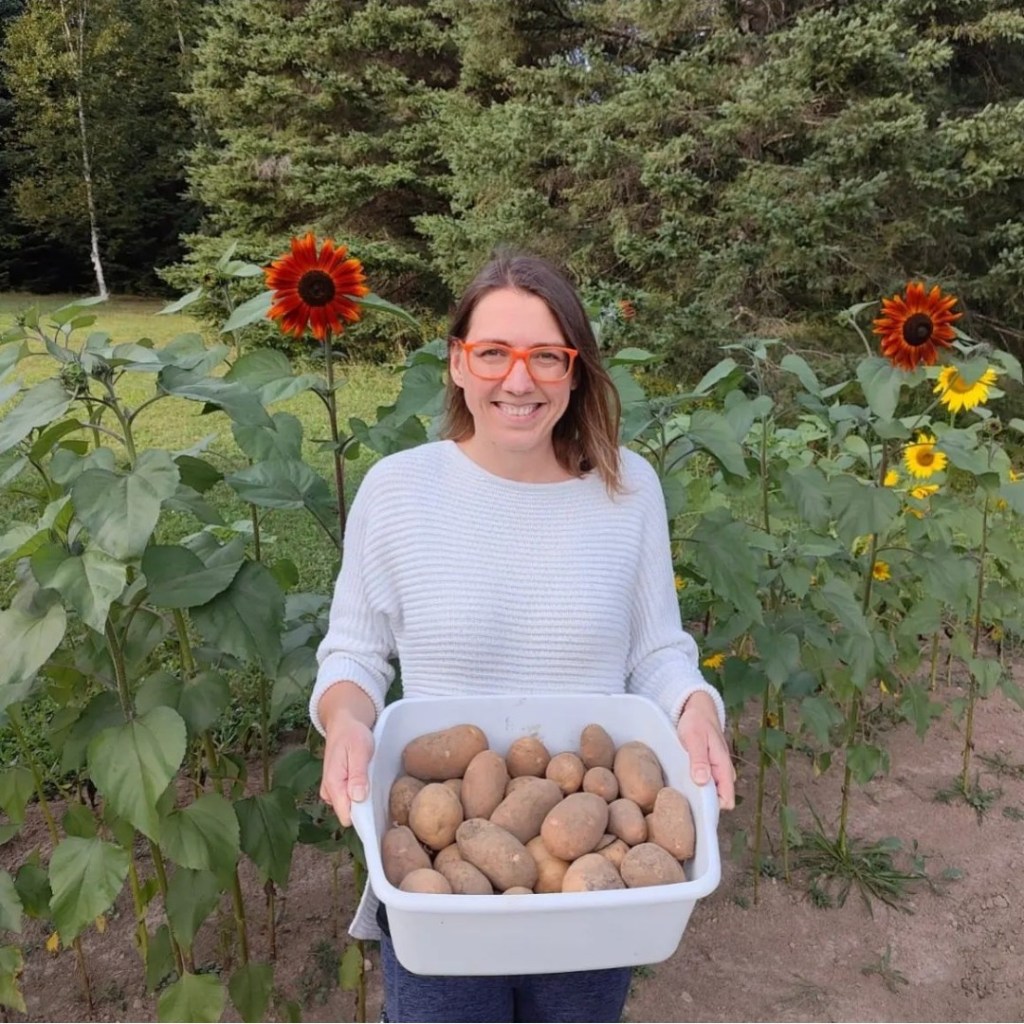
Reclaiming independence
Modern life is built on layers. Food is often wrapped in plastic, shipped from thousands of kilometres away to end up in our big-box grocery stores. By growing their own produce, gardeners are not totally reliant on our industrial systems.
Plus, during a time of record-high grocery bills, turning a $2 packet of seeds into $100 worth of produce is a direct economic defence against inflation.
Lastly, gardeners become the CEOs of their own nutrition and can ensure a level of quality control that retailers simply cannot match.
The nature of slowing down
Experts say gardening is also a psychological push back against an “I need it now” culture driven by high-speed internet and 24-hour news cycles.
A garden refuses to be rushed. You cannot “disrupt” a carrot; it takes the time it needs. By tending to a plot, gardeners are practicing patience and syncing their internal clocks with the seasons rather than a refresh button.
Environmental restoration
Resistance is also about ecological repair. While industrial systems often strip the soil of its life, a home garden can be a small patch of restoration.
Key environmental benefits include:
- Carbon sequestration: Healthy soil acts as a sponge for carbon.
- Pollinator sanctuaries: Backyard plots provide safe havens for declining bee populations. (Thank you Alisha for my new bee hotel!)
- Closed-loop systems: Composting kitchen scraps turns waste into “black gold,” reducing pressure on landfills.
Gardening fosters community
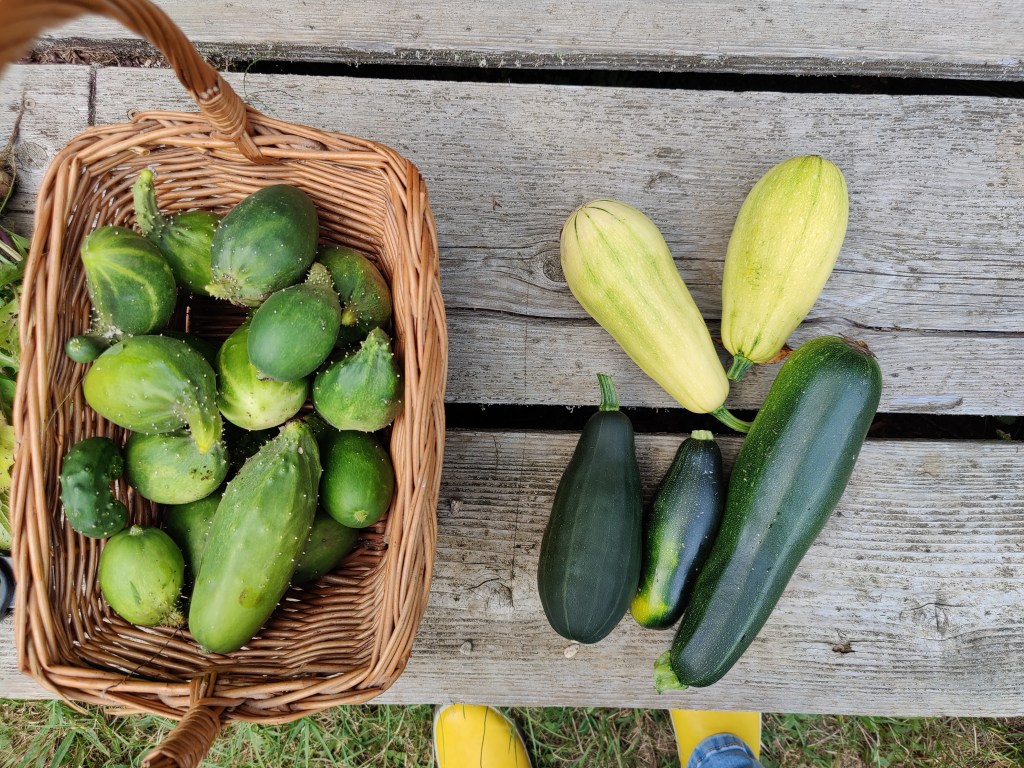
Perhaps the most productive act of gardening is the way it fosters community outside of traditional marketplaces. The “zucchini problem” — having more produce than one household can consume — often leads to gifting with friends and neighbours.
Sharing seeds, tools, and harvests builds a level of local trust that is difficult to shake during times of uncertainty.
Get started
You do not need an acre of land to join the movement.
- For apartment dwellers: Herbs on a sunny windowsill or microgreen trays are a great place to start.
- For the suburbanite: Replacing a patch of thirsty lawn with raised beds is productive and benefits the environment.
- For the community member: Joining a local community garden or revitalizing neglected urban spaces is a positive way to “advocate”.
The bottom line for many is that gardening is an act of stubborn hope. It is a declaration that there will be a harvest and that people are capable of sustaining themselves, their friends, and their neighbours.
In a world that can feel increasingly volatile, getting your hands dirty might be the most productive thing you can do.


Leave a Reply