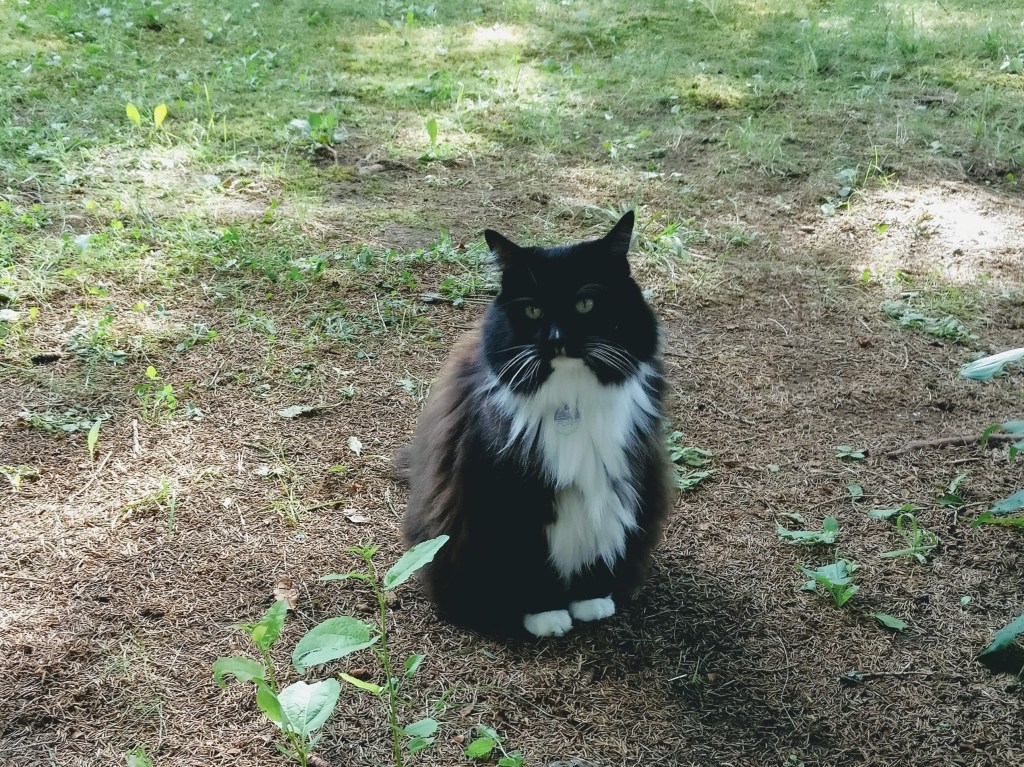
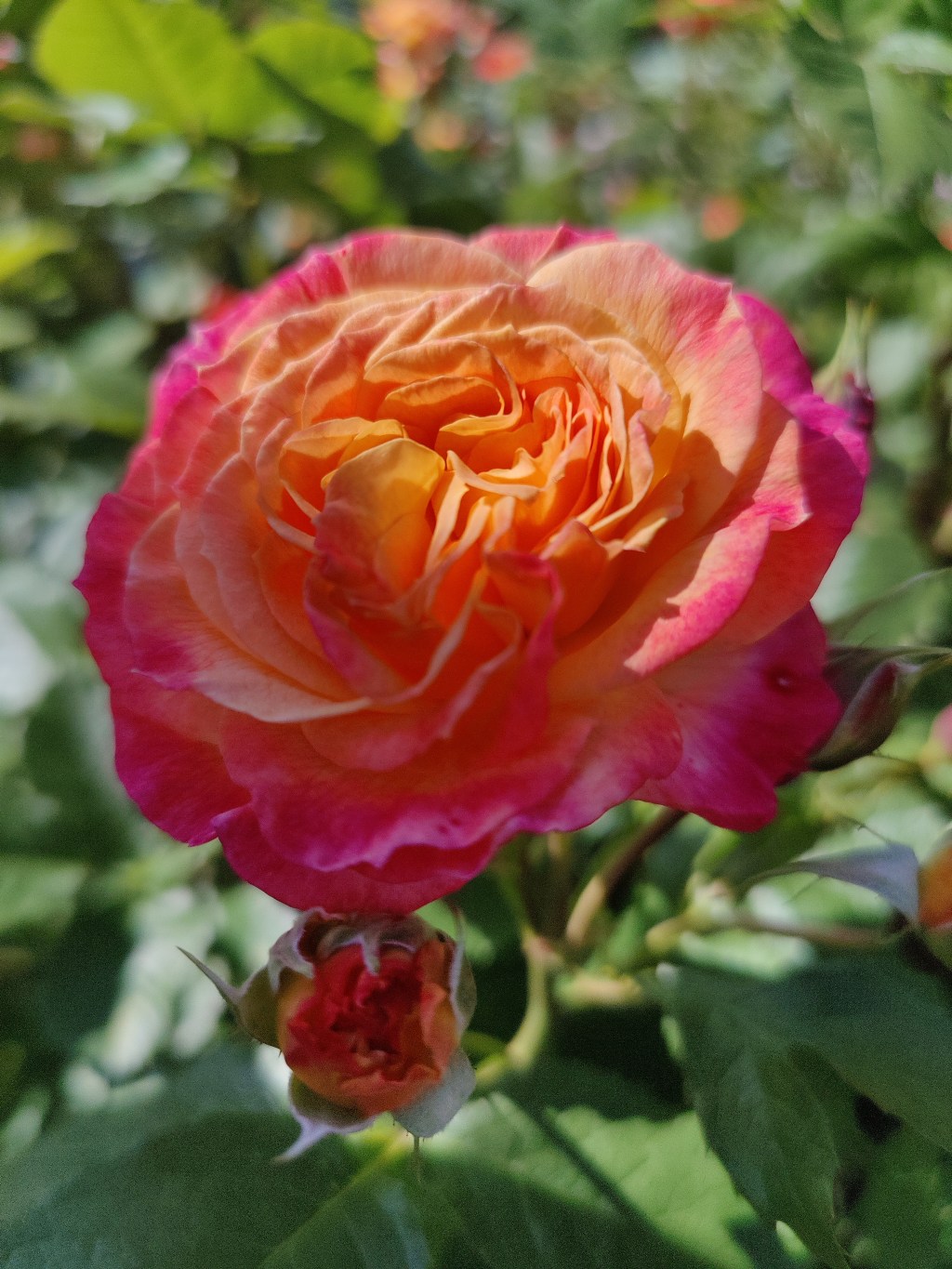
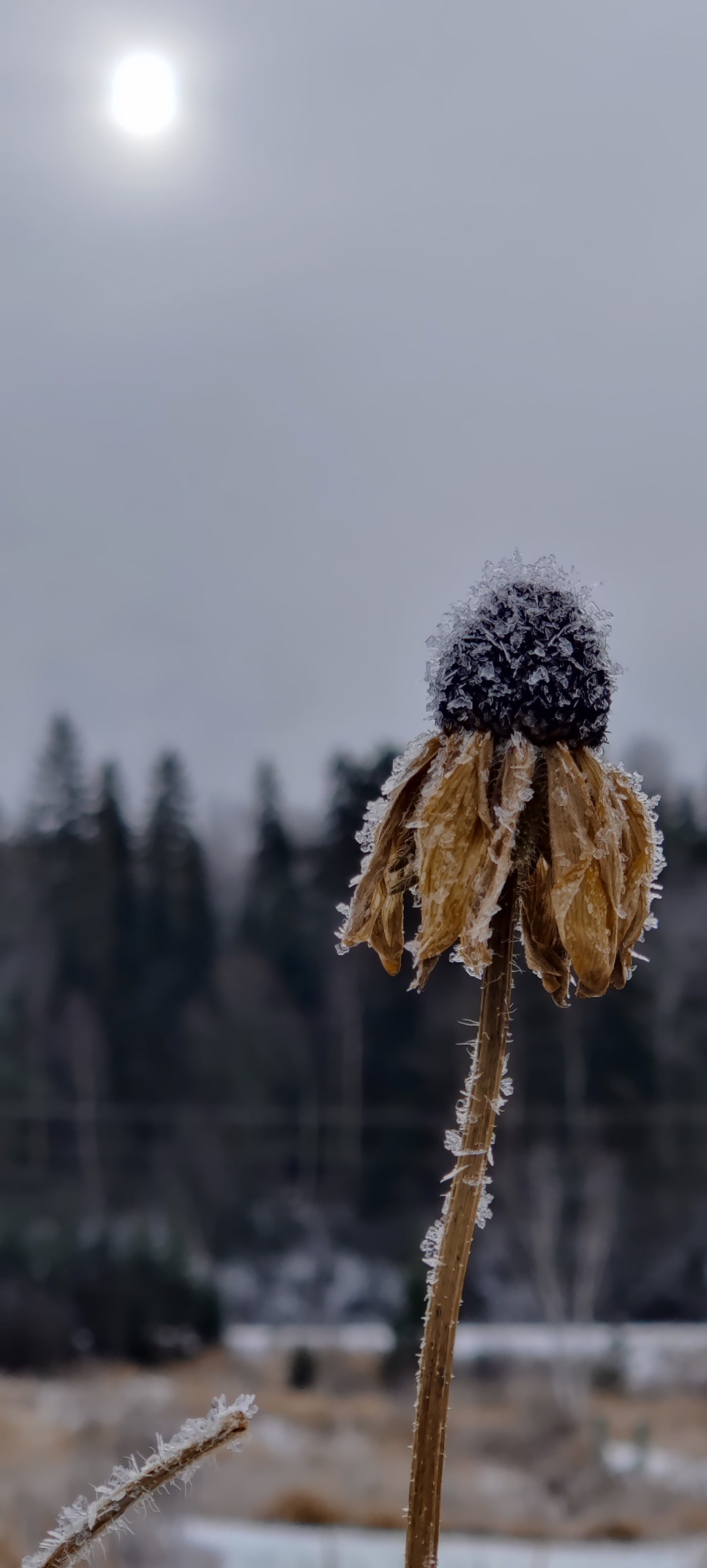
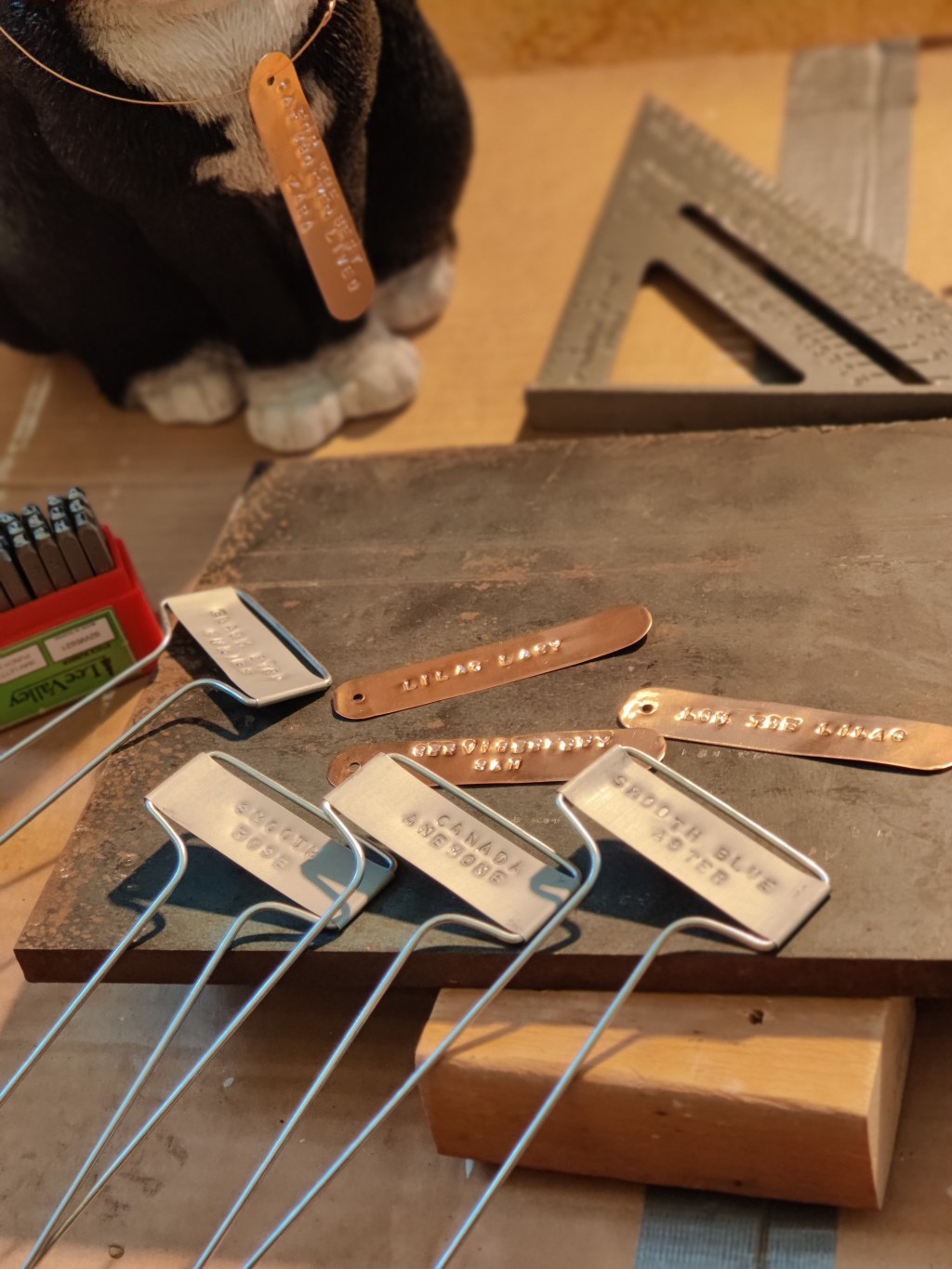
In February 2021, our world shifted when we said goodbye to our beloved cat, Zara, a constant companion whose playful spirit brought light to our lives. She had a favourite spot in our yard, where she would spend hours chasing mice and basking in the sun. That spring, as a way to honour her memory and find solace, I decided to transform her special corner into a native tribute garden.
The Birth of a Tribute
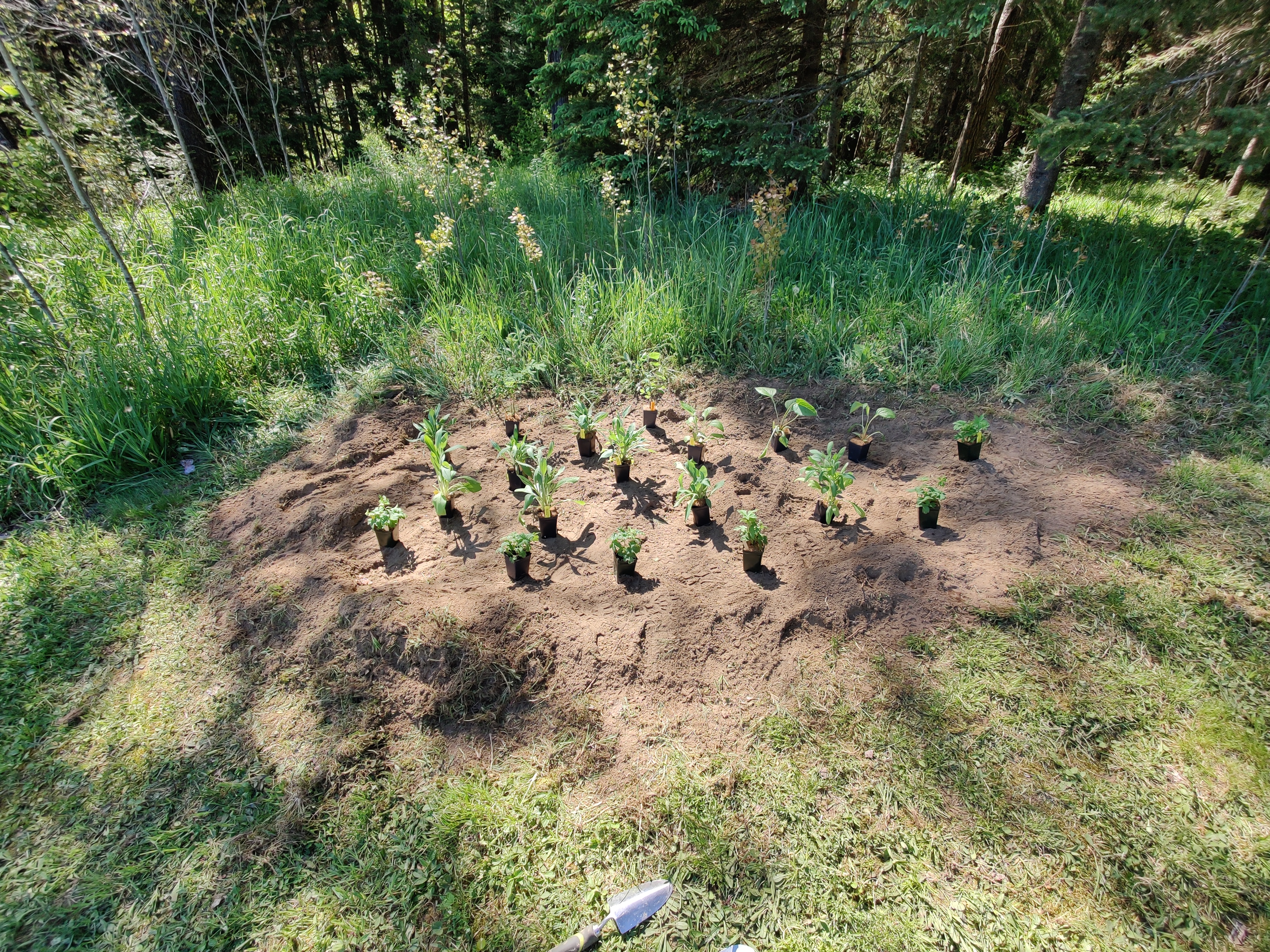
Tilling the soil for the first time in the spring of 2021 was a freeing experience. I knew I wanted this garden to be more than just a memorial—I wanted it to celebrate life and support the natural ecosystem she had been a part of. Over time, this garden grew into a wider tribute to more beloved family members we lost later that year, creating a sanctuary of collective memory and healing.
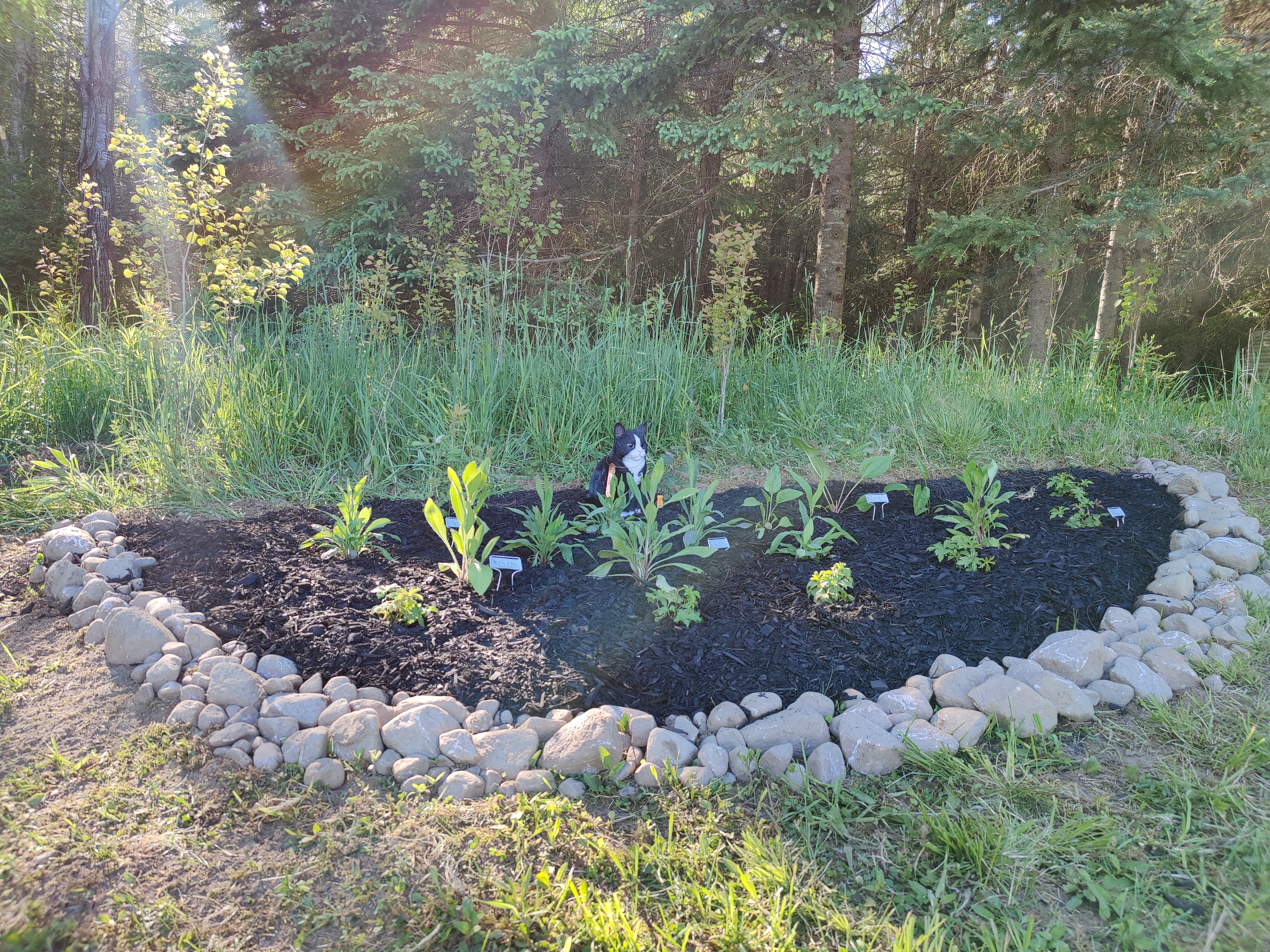
The pièce de résistance was our gifted cat statue.
I chose to plant species native to our region. These plants not only thrive in the local environment but also provide crucial habitat and food for pollinators and other wildlife. My selections included:
Canada anemone,
black-eyed Susans,
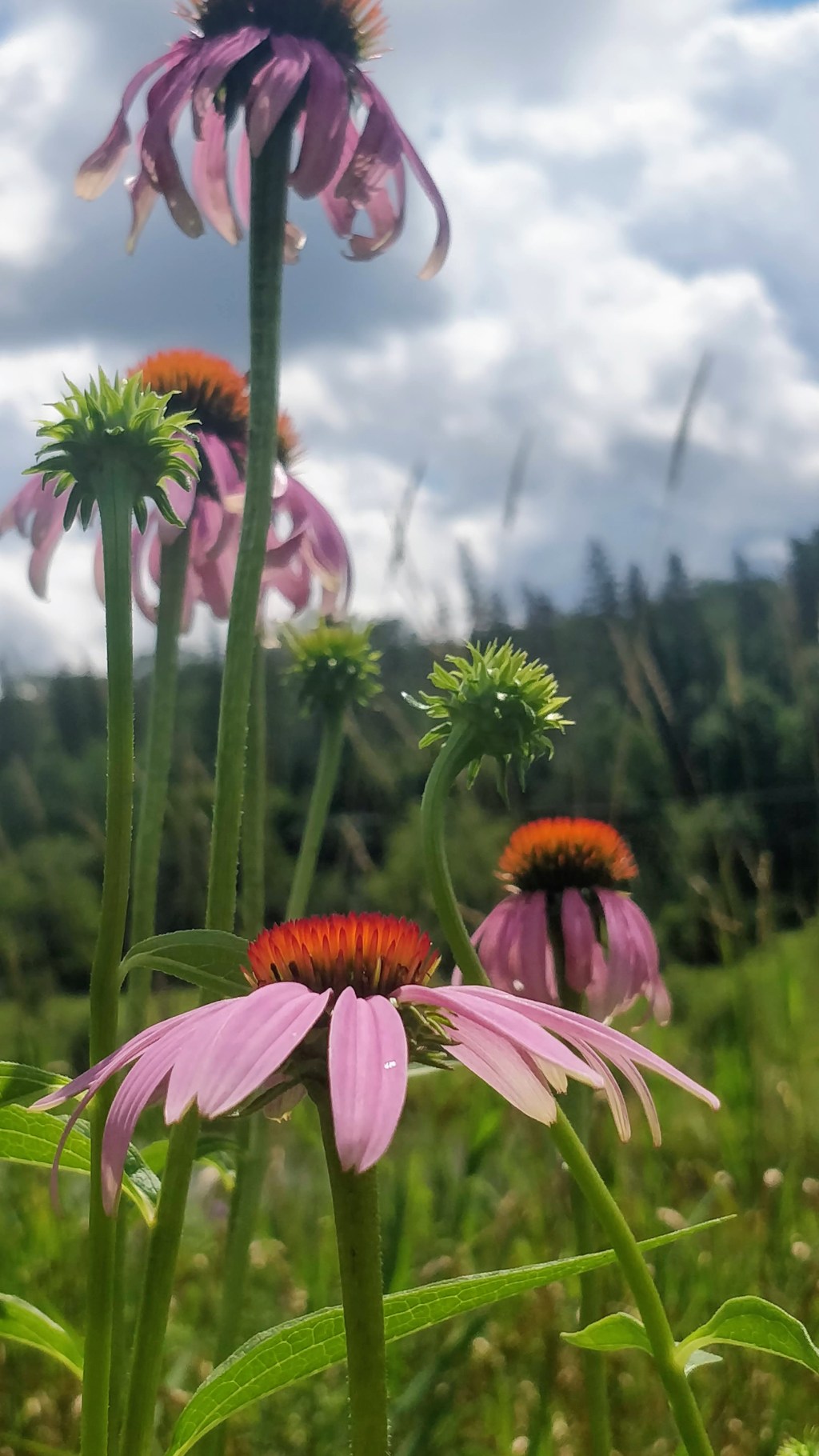
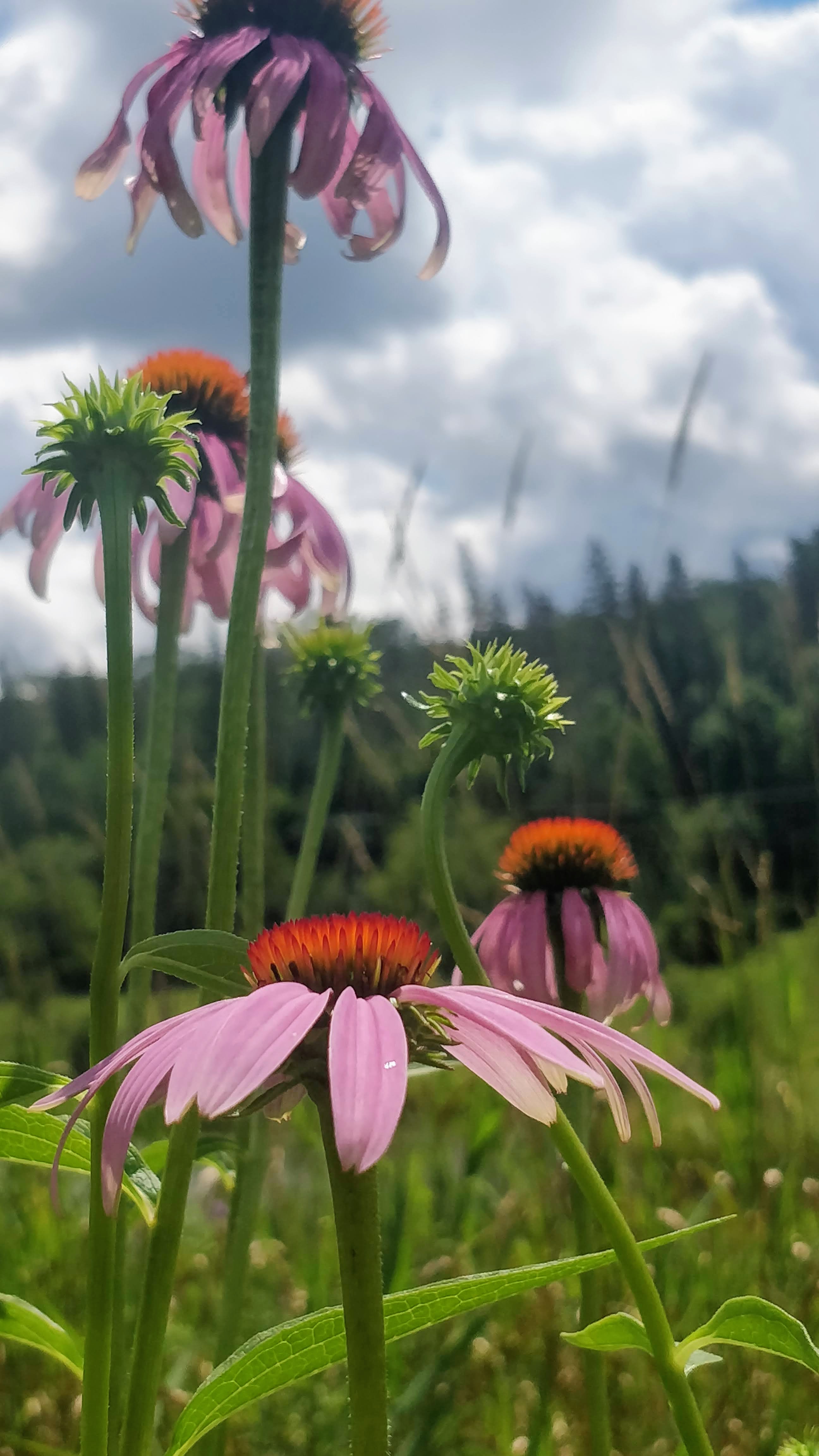
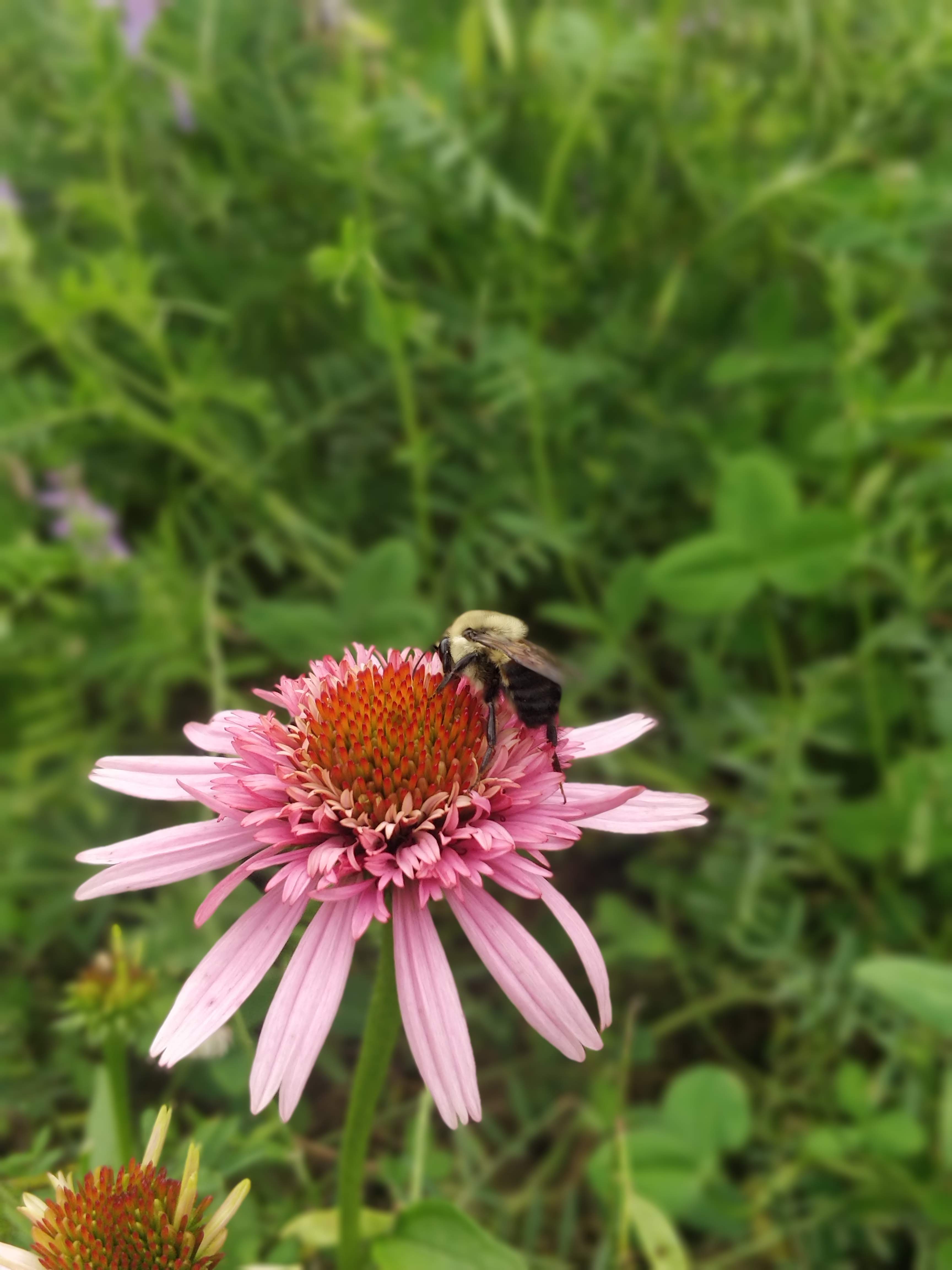
purple coneflowers,
smooth blue asters,
a smooth rose bush and
a serviceberry tree.
Each plant holds a unique beauty, and together, they create a harmonious space that changes with the seasons.
Watching the Garden Grow
Over the past few years, this garden has become a living, evolving tribute. The serviceberry tree, while still too small to blossom, stands as a promise of growth and renewal. The bright petals of the purple coneflowers burst into colour in summer, attracting bees and butterflies. In autumn, the smooth blue aster adds a final flourish before the garden rests in winter.
The process hasn’t been without its challenges. Some plants took time to establish, and learning the nuances of native gardening was a journey of its own. But each success—a bud forming, a butterfly landing, a bird visiting—felt like a message of gratitude from nature itself.
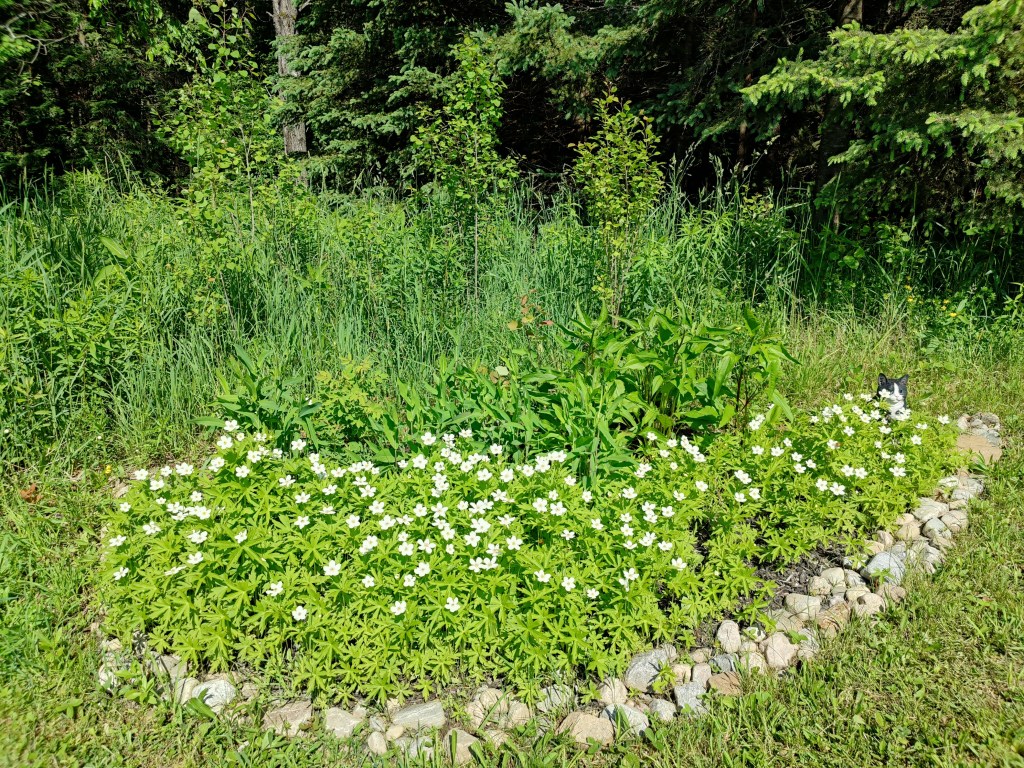
Canada anemone blossoming in June.
Sharing the Story
In 2022, I captured the spirit of this garden in a video that took second place in a North American Native Plant Society contest. Sharing the story of this tribute and its ecological significance was deeply rewarding. The recognition reaffirmed the importance of creating spaces that honour both personal memories and the natural world.
A Legacy of Love
This garden is more than a memorial; it’s a celebration of life—Zara’s, our family’s, and the countless creatures that visit this sanctuary. When I see a new bloom or hear the hum of a bee in this garden bed, I’m reminded of the interconnectedness of life and the beauty of honouring it.
If you’re considering a similar tribute, I encourage you to start small and let your heart guide you. Choose plants that resonate with your memories and support your local ecosystem. The rewards, both emotional and ecological, are immeasurable.
To see the garden and learn more about its journey, you can watch the video that brought this story to a wider audience. I hope it inspires you to create your own sanctuary of memories and life.
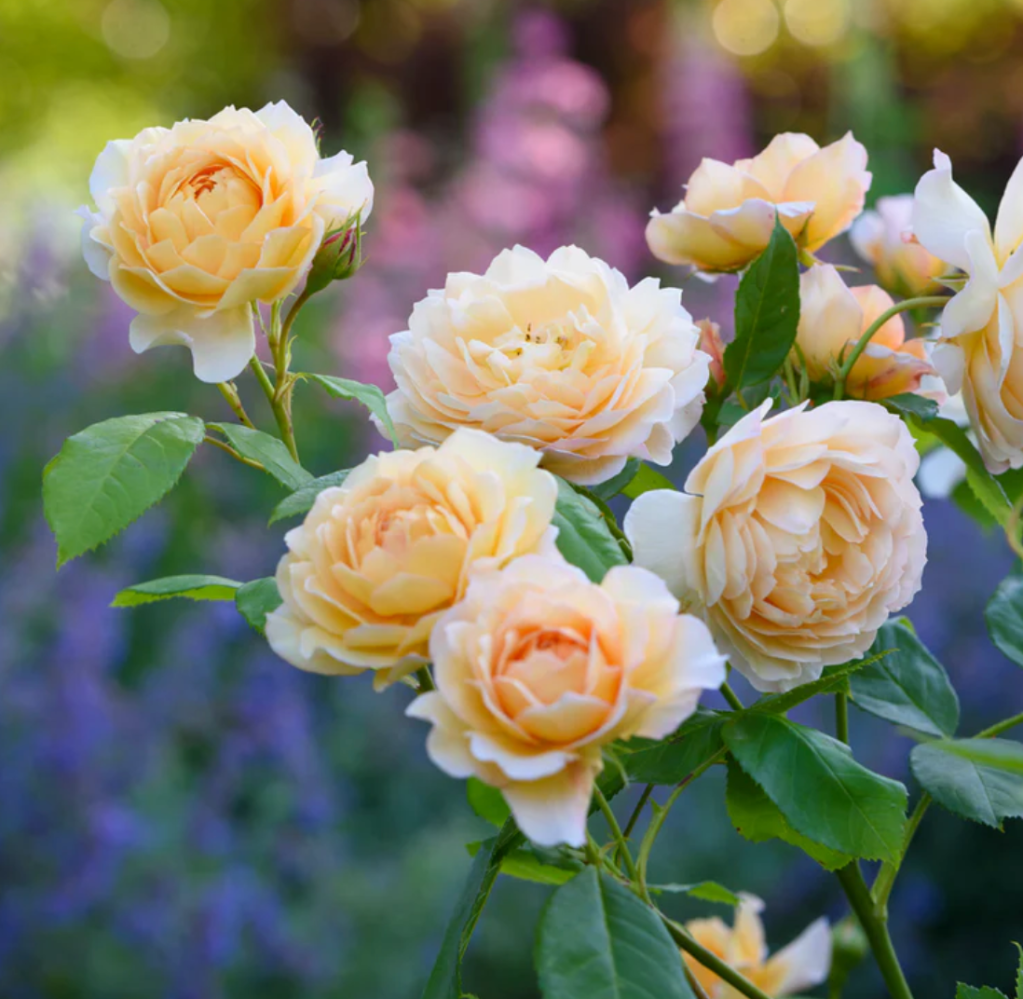
Full disclosure: While David Austin roses are my favourite flower, I have never planted one. I am afraid that the breed of rose I plant will become diseased. It might not bloom. It could also become a pain to maintain.
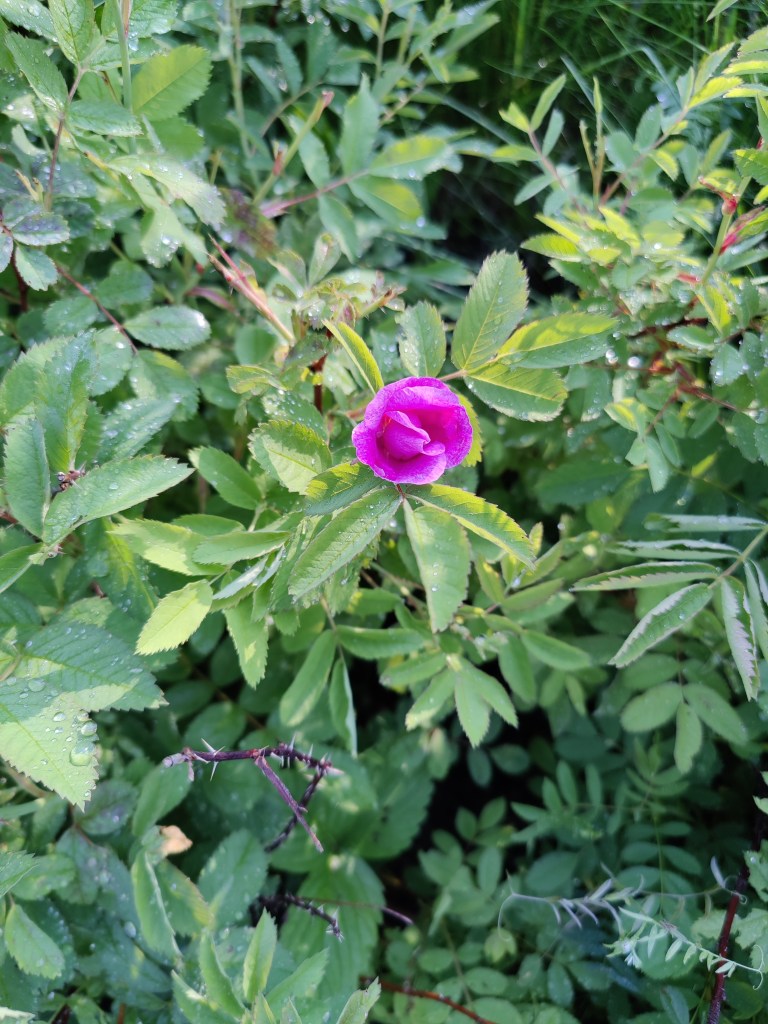
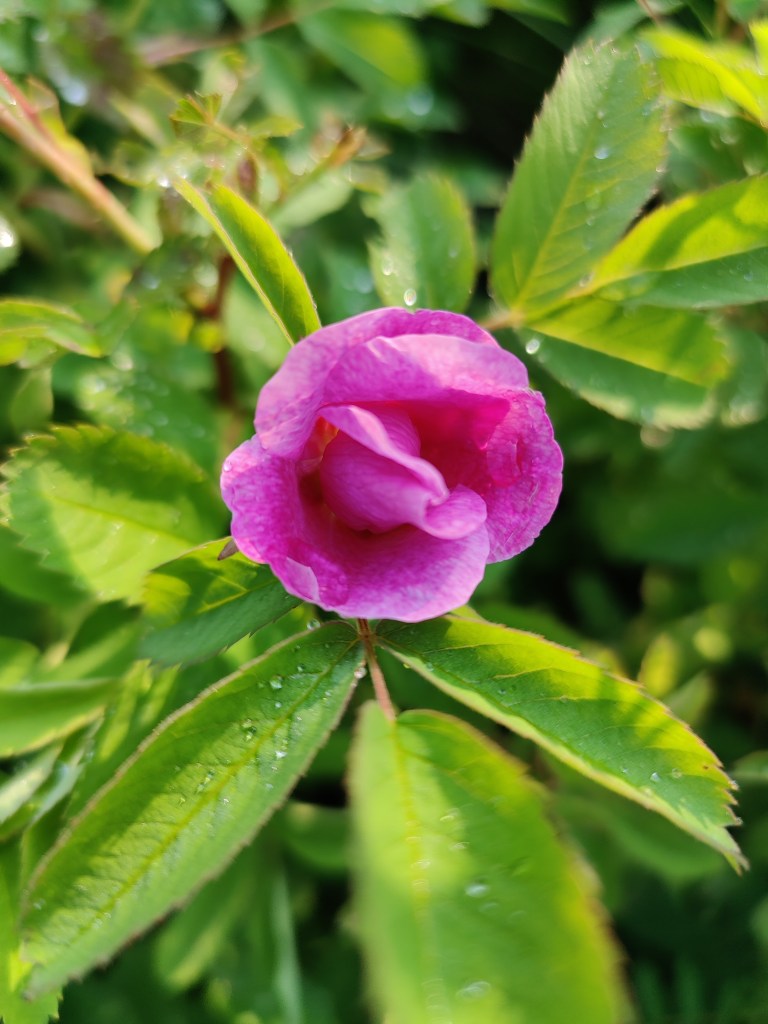
Four years ago, I planted four smooth rose bushes on the cottage garden hill. These are not a breed by David Austin. Last year, I got my first bloom.
my first native rose bloom
Perhaps I’m overthinking it. I just want to ensure I have a plan before I plant a variety of this spectacular breed of roses.
In theory, David Austin cottage garden roses are a stunning addition to any garden, known for their lush, romantic blooms and rich fragrances. These roses combine classic English elegance with exceptional hardiness, making them an excellent choice for gardeners aspiring to create a picturesque landscape.
Their diverse range of colours and forms allows for endless creative possibilities, bringing charm and beauty to any setting. With their ability to thrive in varied conditions and their continuous flowering throughout the season, David Austin roses truly embody the spirit of a cottage garden, inviting admiration and a sense of tranquility.
While winter in Zone 4 (with average temperatures ranging from -20°F to -30°F) can feel like an endless stretch of cold and snow, it’s actually the perfect time to plan your garden for the upcoming spring and summer.
Whether you’re a seasoned gardener or a beginner, thoughtful preparation during the off-season can make all the difference in creating a successful, thriving garden. Let’s dive into how to plan your garden while the snow falls outside your window.
1. Reflect on the Past Season
Before diving into new plans, take a moment to reflect on the previous growing season. What worked well in your garden, and what didn’t? Did you encounter any challenges with pests, soil health, or weather? Analyzing what you’ve already experienced will help guide your decisions for next season.
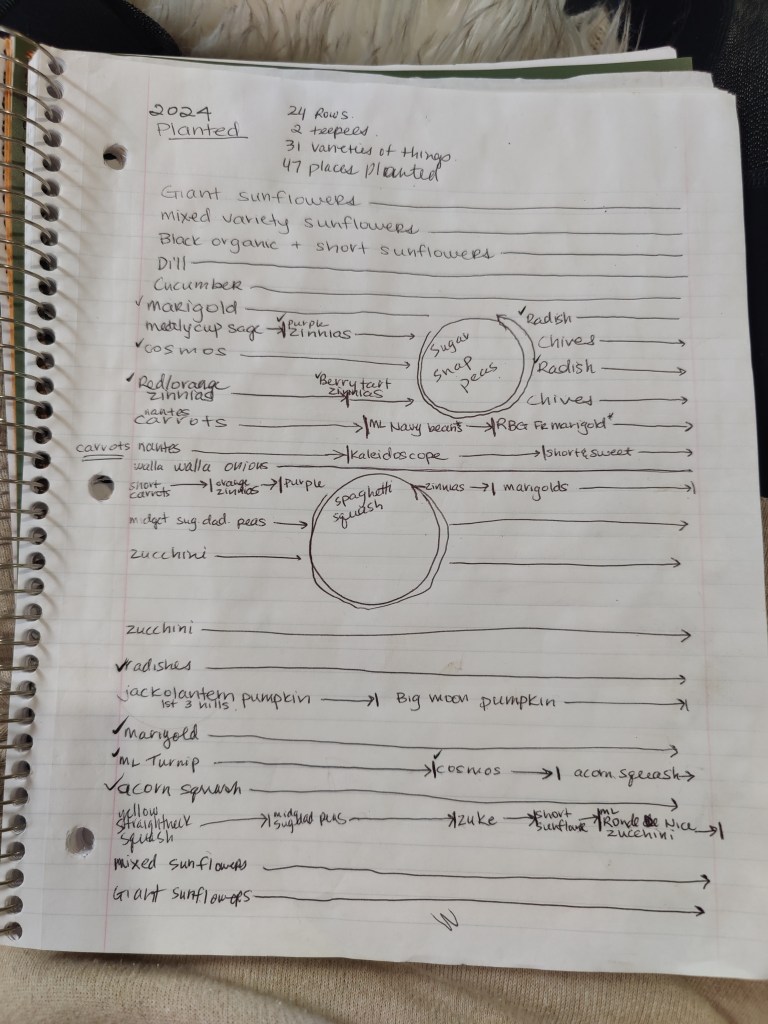
Review Your Garden Journal: If you’ve kept a garden journal, this is the time to read through it. Look at what crops thrived and which ones struggled. Make note of any diseases, pest issues, or extreme weather conditions that impacted your garden. For instance, radishes, peas, zucchinis and select flowers thrived in my garden this past growing season. Turnips, chives and sage did not.
Evaluate Your Space: Did your garden feel cramped? Were certain plants not getting enough sunlight? Use this time to consider how you might rearrange or expand your garden layout.
2. Study Your Hardiness Zone 4 Climate
In Zone 4, your growing season is relatively short, typically lasting from late May to mid-September, with an average first frost date around mid-September and the last frost date around late May. Understanding this timeline is crucial for planning the right crops and choosing the best planting dates.
Know Your Frost Dates: Start by marking your average first and last frost dates in your garden planner or journal. These dates will serve as your guide for when to start seeds indoors, when to plant outdoors, and when to harvest.
Plan for Cold-Hardy Plants: Zone 4 is known for its cold winters, but there are still plenty of hardy plants that can withstand the chill. Focus on vegetables and flowers that thrive in cool temperatures. Some good options include:
Vegetables: Kale, spinach, carrots, peas, and cabbage.
Flowers: Pansies, snapdragons, and columbine.
Herbs: Thyme, rosemary (in a sheltered spot), and parsley.
Winter is the perfect time to get creative with your garden layout. Take advantage of your time indoors to plan your garden’s design and structure. Having a clear layout before the growing season begins will save you time and energy once spring arrives.
Sketch Your Garden: Draw a simple map of your garden on paper or use an online garden planner tool. I just use a pen and paper. Think about sun exposure, wind direction, and drainage. Remember that certain crops need more sunlight than others, so plan to place sun-loving plants (like tomatoes and peppers) in areas with the most exposure.
Consider Vertical Gardening: If you have limited space, consider incorporating vertical gardening techniques, such as trellises, raised beds, and hanging baskets. These methods will maximize your growing area, especially when dealing with smaller spaces.
Add Permanent Features: If you’re planning to add structures like raised garden beds, cold frames, or greenhouses, winter is the time to plan these additions. Think about how these features will fit into your garden layout and the impact they’ll have on your overall design.
4. Start Seed Shopping and Ordering
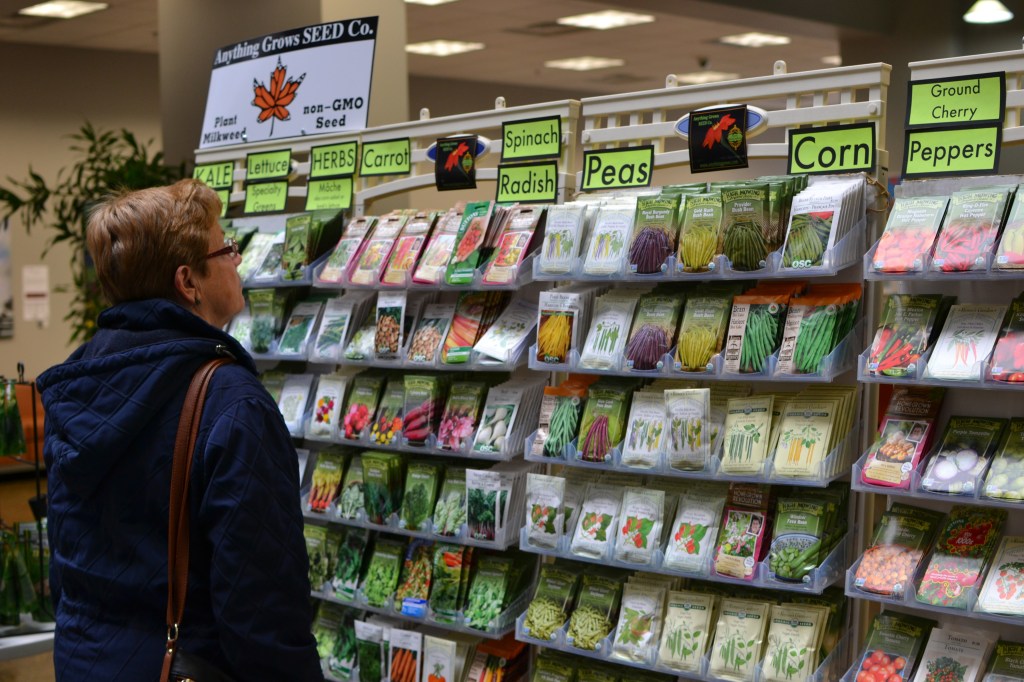
With the winter chill keeping you indoors, it’s the perfect time to plan your seed order. Many gardeners, myself included, begin browsing seed catalogs in the winter months to choose what they want to grow in the coming year.
Choose Cold-Hardy Varieties: Look for vegetable and flower varieties specifically labeled for cold climates. Many seed companies offer cultivars that are bred to withstand shorter growing seasons and colder temperatures.
Order Seeds Earlyand attend Seed Swaps: Don’t wait until the last minute! Seed supplies can run out quickly, especially for popular varieties. Ordering early ensures you get the varieties you want before they sell out. Attend local “Seedy Saturday” events in your community. These are local weekend activities where you can share or swap seeds with other like-minded gardeners.
Plan Your Seed Starting Schedule: Depending on your first and last frost dates, you can plan when to start seeds indoors. Most Zone 4 gardeners start seeds indoors in late winter (about 6-8 weeks before the last frost) for plants like tomatoes, peppers, and herbs.
5. Prepare Your Soil
Winter may seem like an unlikely time to think about soil, but it’s the ideal time to plan for the upcoming growing season. Preparing your soil now can make a huge difference when it’s time to plant.
Test Your Soil: If you haven’t tested your soil in a few years, winter is the perfect time to do so. You can mail a soil sample to a local extension office or use a DIY soil test kit. Testing will give you an idea of your soil’s pH, nutrient levels, and any amendments that may be needed.
Plan for Amendments: Based on your soil test, plan which amendments you’ll need to add in the spring. You might need compost, organic matter, or specific fertilizers to improve soil health and fertility. Soil in my veggie garden is clay-like and I’ve learned that a thin layer of compost has been quite helpful.
Build Soil Health with Cover Crops: If you have garden beds that aren’t being used in the winter, consider planting cover crops like winter rye or clover. These crops will protect the soil, prevent erosion, and add organic matter back into the soil once you till them under in spring.
6. Organize Your Garden Tools and Supplies
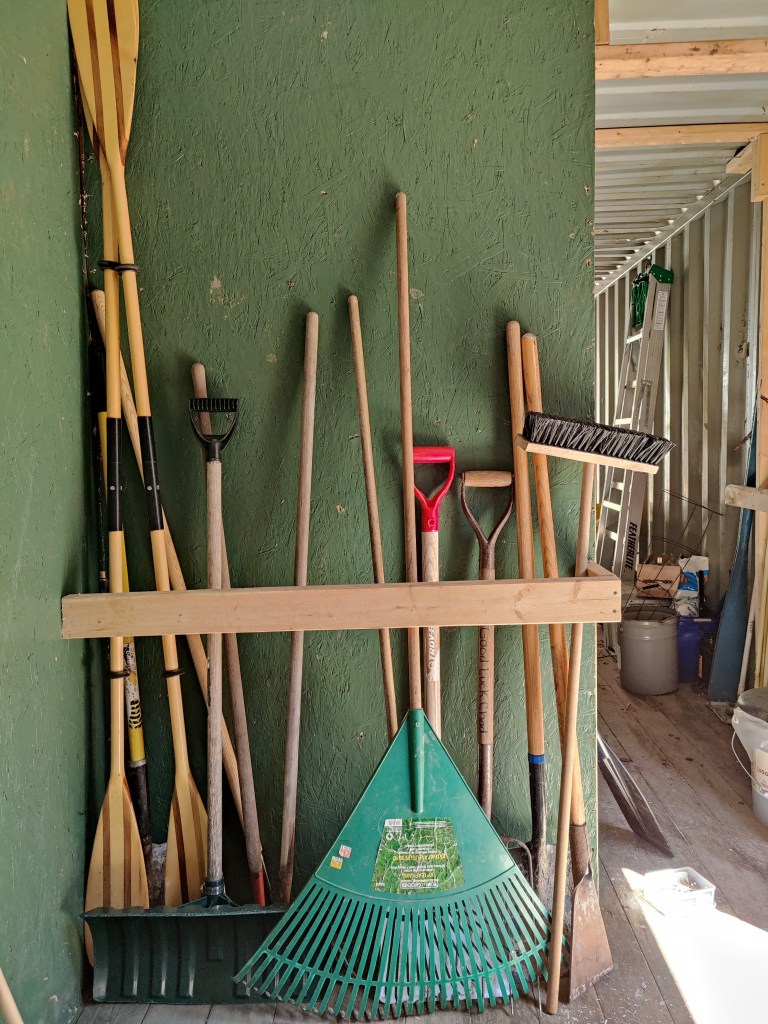
Before the snow melts and you can start digging in the soil, take time to clean and organize your gardening tools. A well-maintained set of tools will make your work much easier when you finally get to planting.
Sharpen Tools: Sharpen shovels, hoes, and pruners so they’re ready for use when spring arrives. (I have to admit that I am the worst at this).
Check for Repairs: Inspect hoses, watering cans, and sprinklers for leaks or damage and make necessary repairs.
Inventory Seeds and Supplies: Check your seed packets, pots, and fertilizers to see if you need to restock any supplies. Having everything in place early means you’ll be ready to go as soon as the ground thaws.
While the snow may be falling outside, the winter months in Zone 4 are an ideal time to plan for the upcoming growing season. By reflecting on the past year, choosing the right plants, preparing your soil, and ordering seeds, you’ll set yourself up for a successful and productive garden. Winter gardening planning isn’t just about staying busy indoors—it’s about creating a strategy that ensures your garden thrives in the short, but rewarding, growing season ahead.
Take the time now to dream, plan, and prepare—and when spring arrives, you’ll be ready to get your hands in the soil and watch your garden grow.
When we first decided to start a vegetable garden in 2021, we had no idea how much it would teach us about patience, innovation, and resilience. What began as a bare patch of earth has transformed into a thriving, off-grid oasis that brings immense joy and sustenance. Here’s how it all unfolded year by year.
2021: Breaking Ground
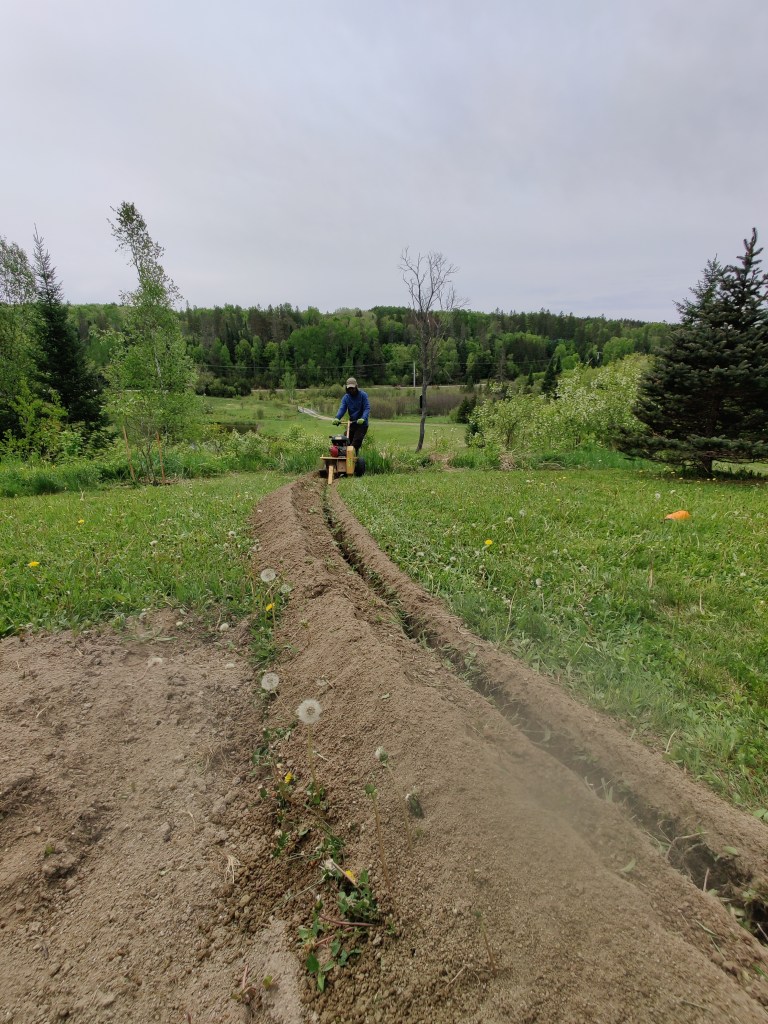
The journey started with the roar of a tiller. We broke ground that year, turning over the soil and setting the stage for what was to come. It was backbreaking work, but there was something incredibly satisfying about preparing the earth with our own hands (and some much-needed machinery). While the first year’s harvest wasn’t bountiful, it gave me a taste of what could be—and left me eager to grow more.
2022: Adding Irrigation
As we began planning for our second year, one thing became clear: hand-watering wasn’t sustainable for an off-grid garden at the top of a hill. So, we added an irrigation system. It wasn’t fancy, but it was effective. With the help of a generator, the irrigation line pumped water from the pond up to the garden. Running the pump became part of my routine, and the plants thrived with consistent watering. This upgrade was a game-changer, making the garden feel more manageable and efficient.
2023: Fencing and Compost
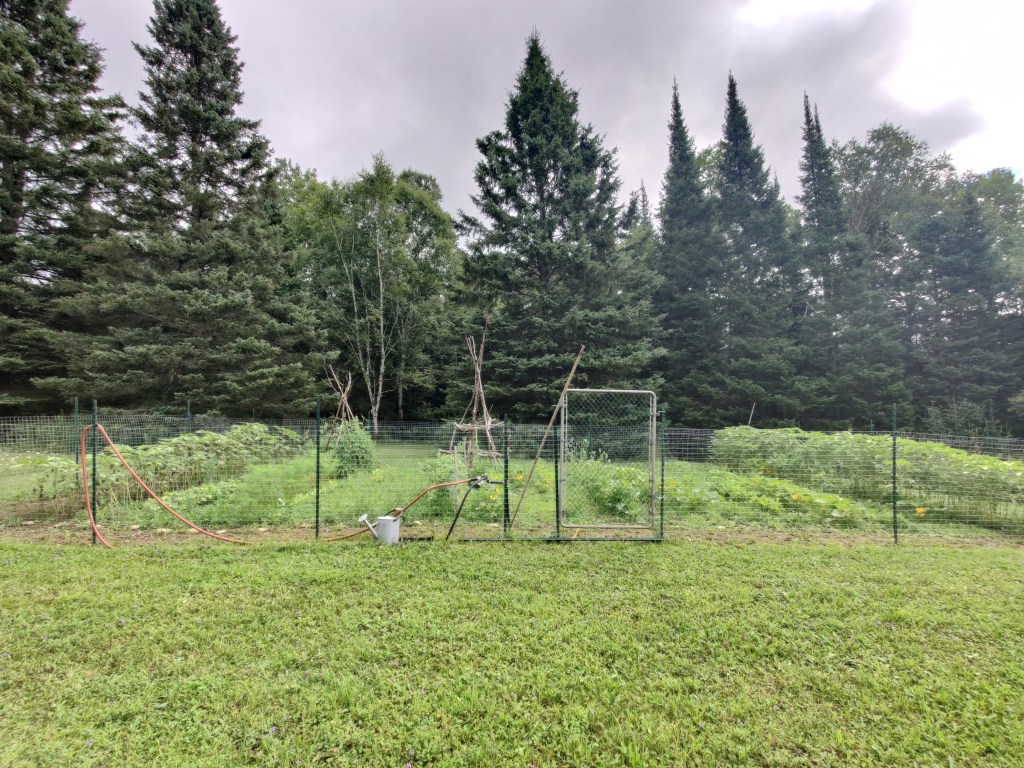
By 2023, the garden was in full swing—but so were the challenges. Determined to protect our growing crops from wildlife, we decided to add a fence. This task wasn’t without its own trials. The mosquitoes were relentless, biting at our hands as we worked, but the result was worth it: a sturdy barrier that kept deer and rabbits at bay. That same year, we added two yards of rich compost to the soil, giving my plants a nutrient boost. The combination of protection and fertility set the stage for significant growth.
2024: DIY Structures and a Bountiful Harvest
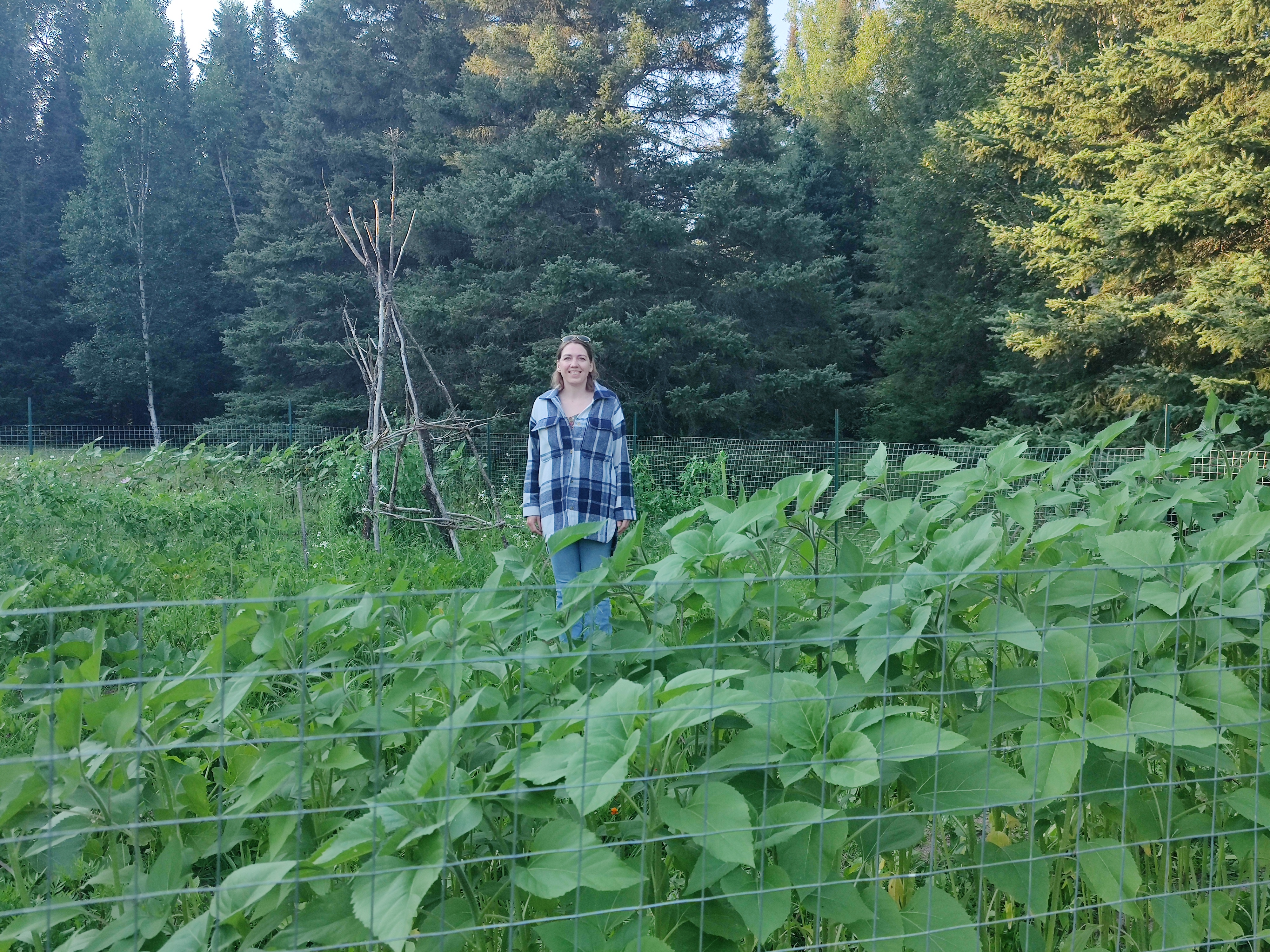
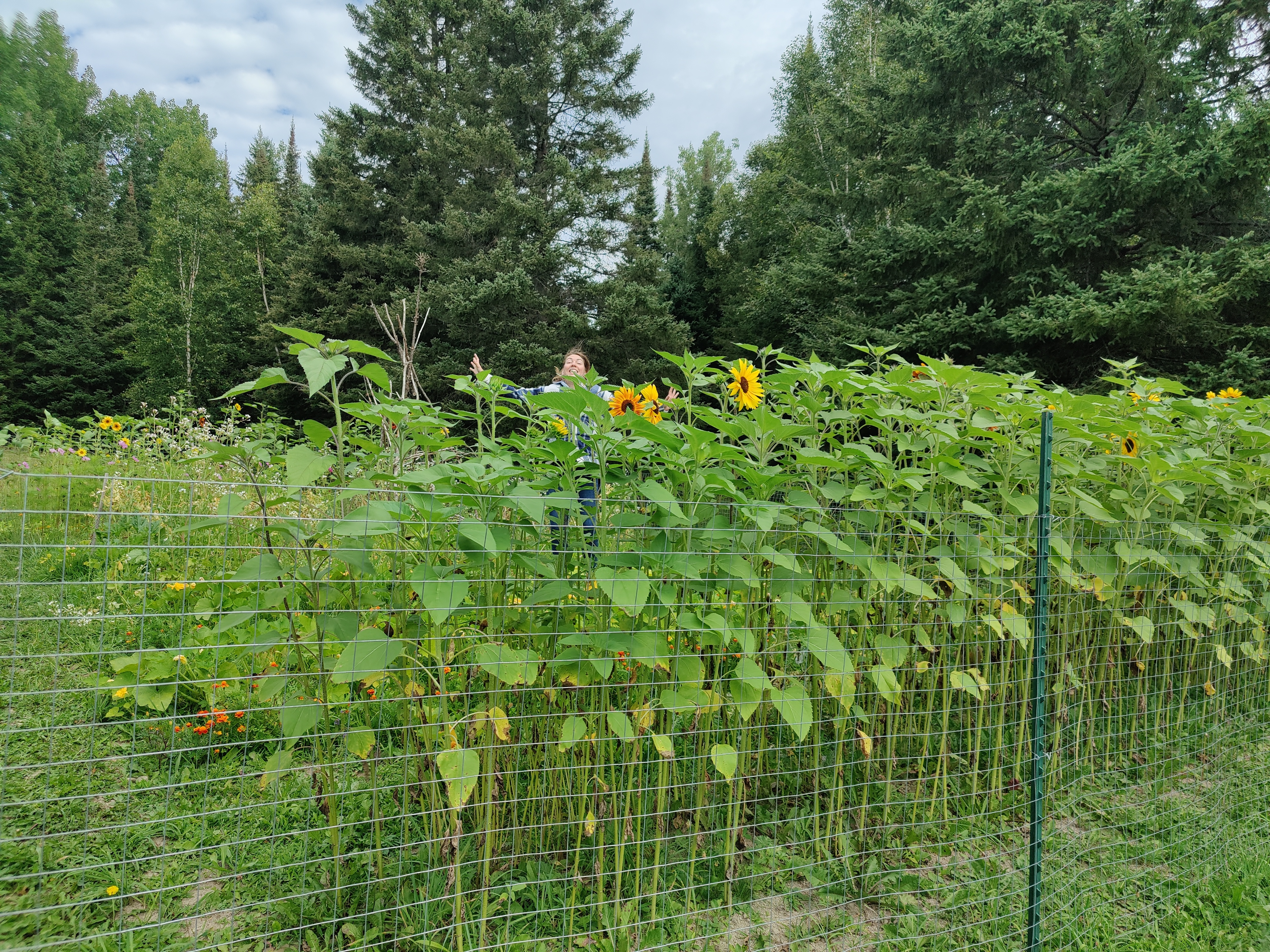
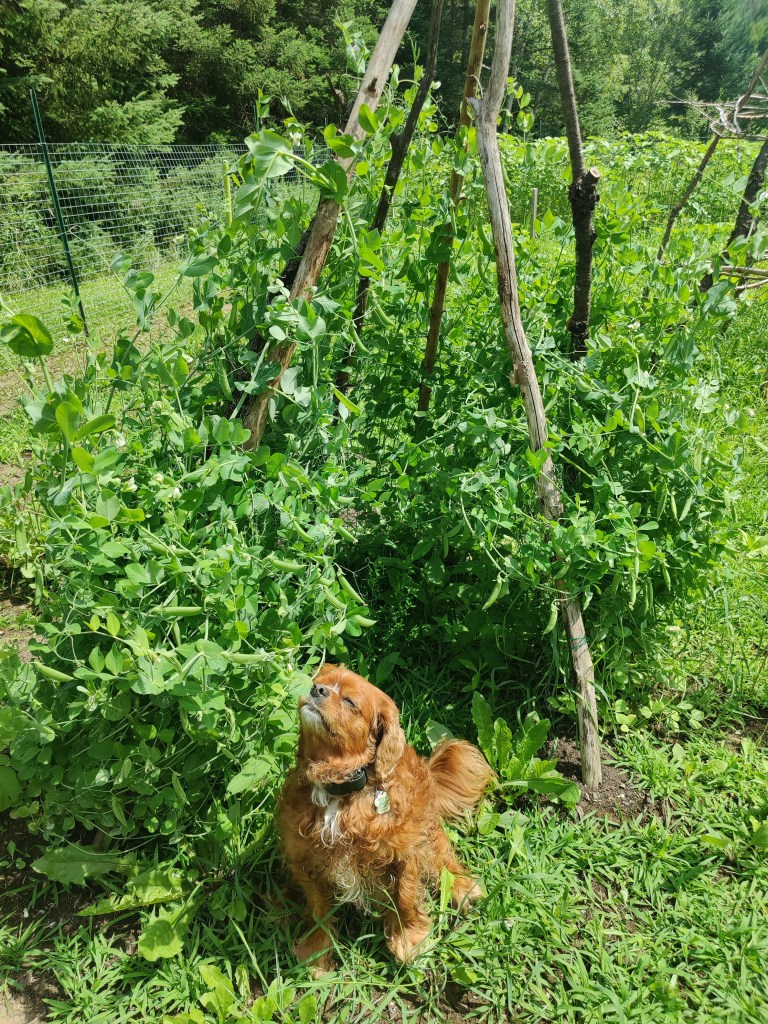
By 2024, our vegetable garden had truly come into its own. Once again, we enriched the soil with compost, knowing how vital it was to the garden’s health. I also got creative, building two DIY teepee structures for my peas and squash. These simple yet effective supports allowed the plants to climb, maximizing space and improving airflow. The result? The most successful harvest yet. Peas and other vegetables thrived (not so much the spaghetti squash), filling our kitchen with fresh produce and flowers.
Veggie garden from July 2024 to August 2024
Looking Ahead
As I reflect on these four years, I’m proud of how far the garden has come. Each addition and improvement has brought me closer to the vision we had when we first broke ground. There are still challenges ahead, but they’re part of the joy of gardening—learning, adapting, and celebrating each small success.
Here’s to many more seasons of growth, both for the garden and for myself.
As we all know, 2020 marked the beginning of tough times for humanity. Among the pandemic lockdowns, I like most, dove head first into new hobbies. I tried bread baking, painting and sewing. The one hobby that really stuck however, was my love for gardening.
While the pandemic was ultimately first and foremost a plague on humanity, there was a tiny silver lining. It caused my family to retreat to our cabins, giving me the opportunity to slow down and pay attention to myself and nature.
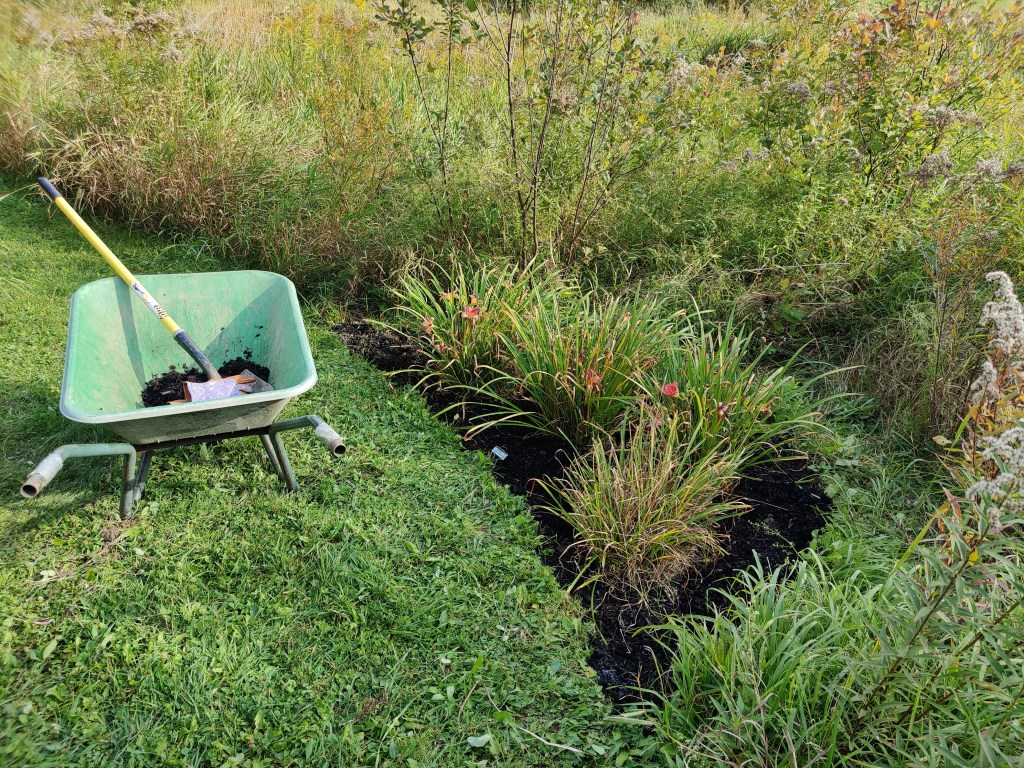
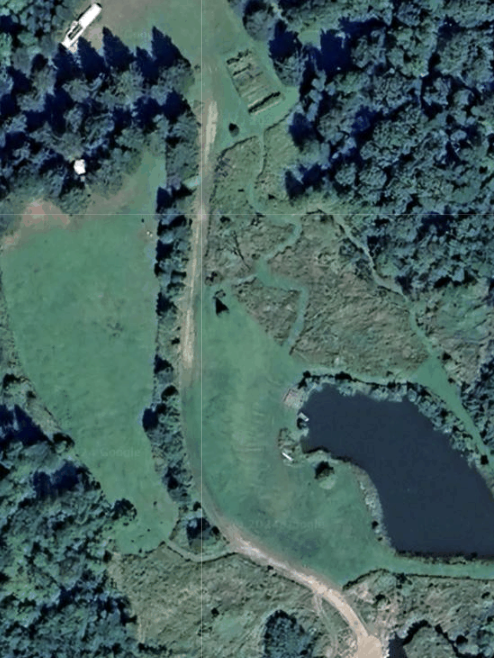
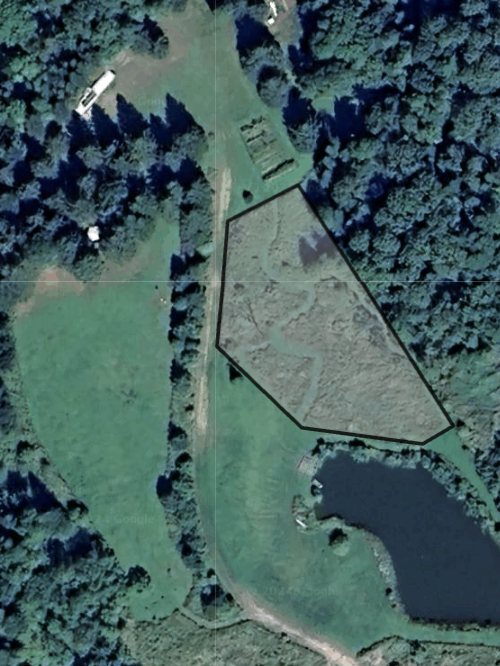
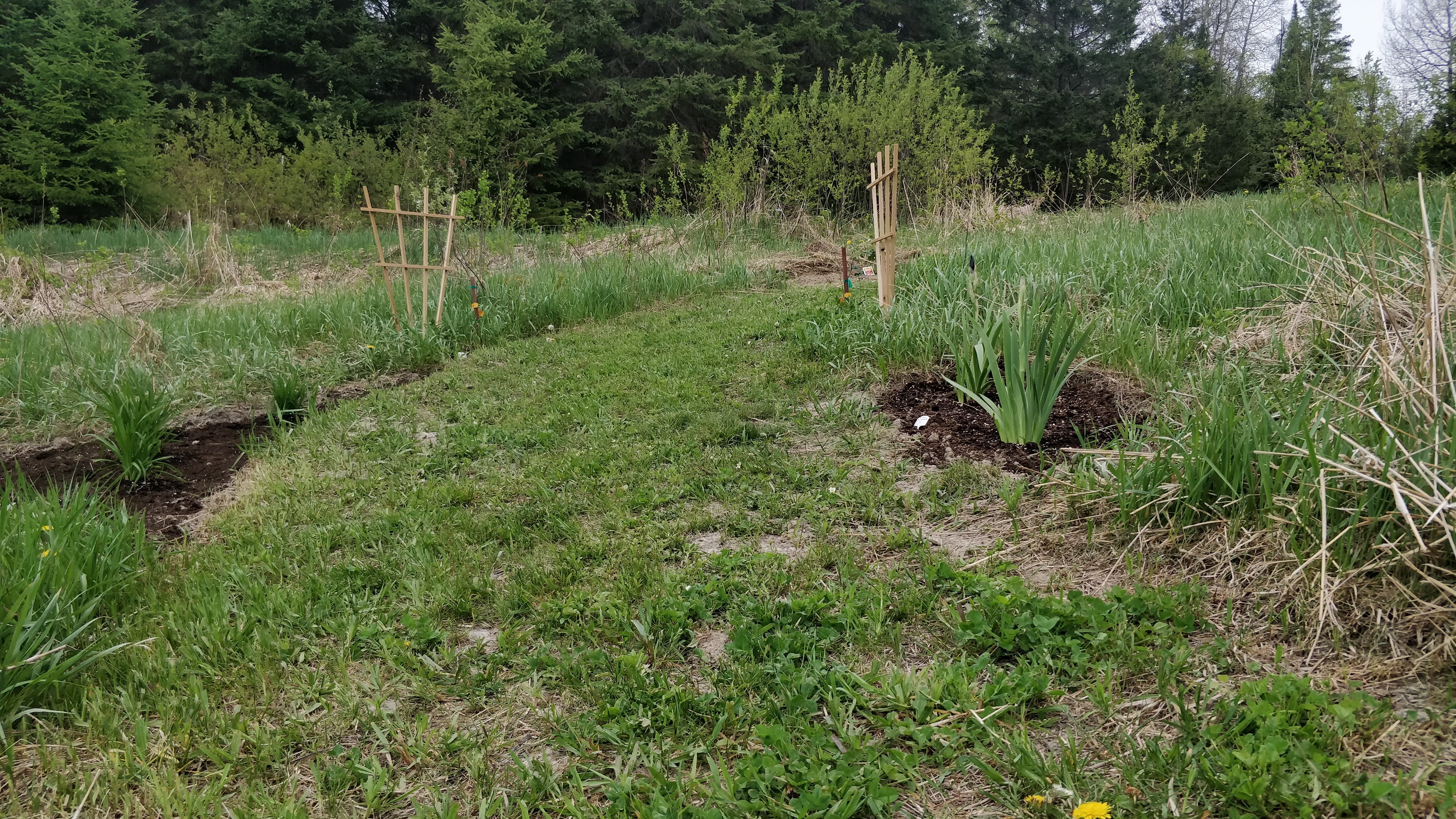
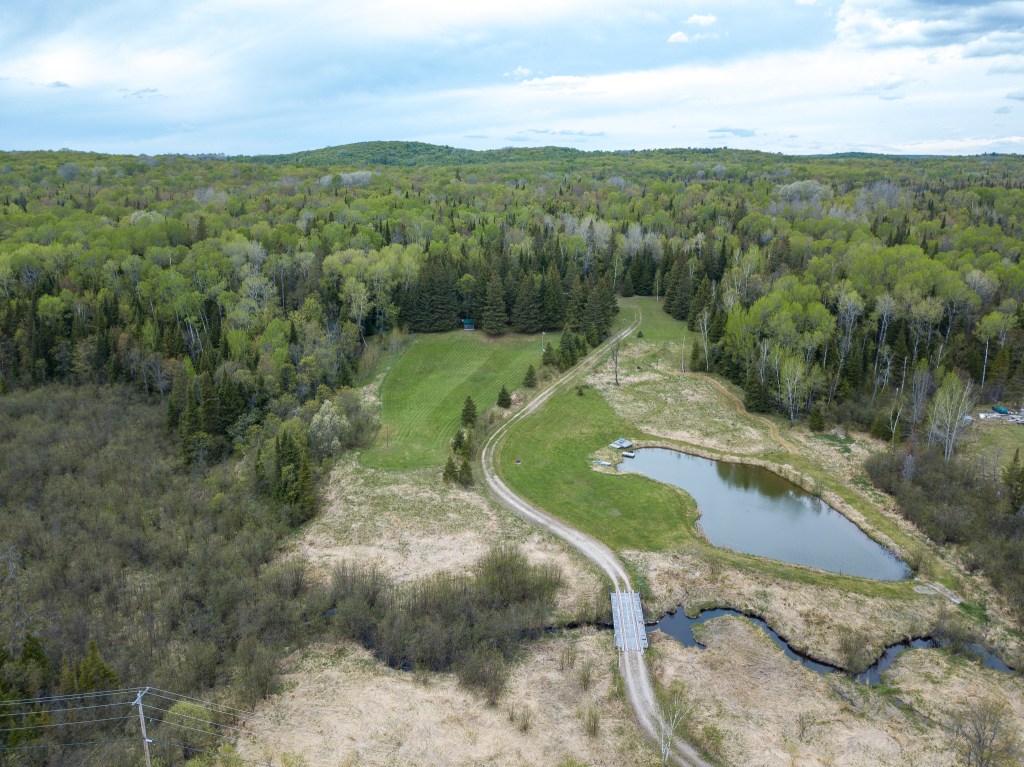
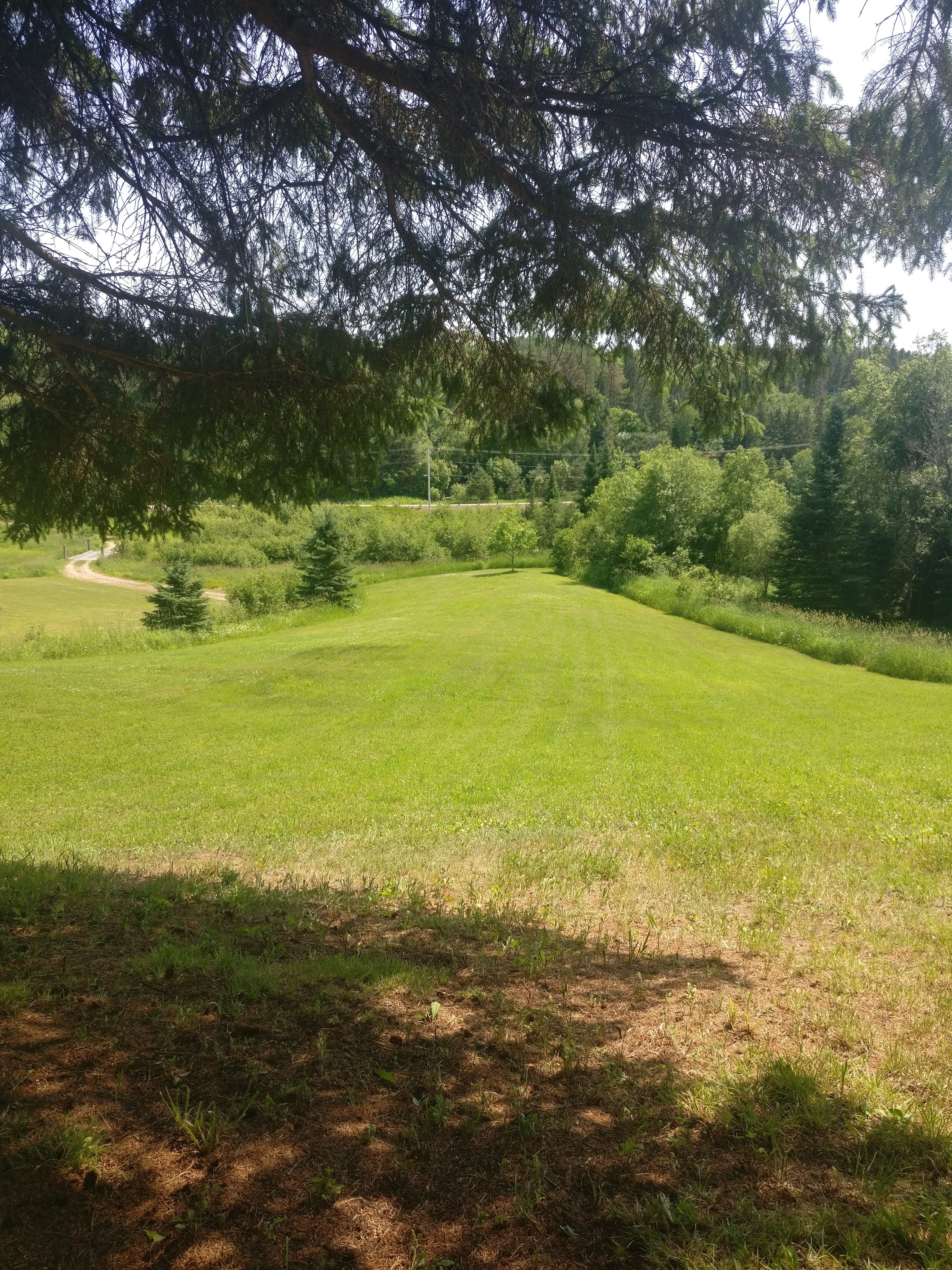
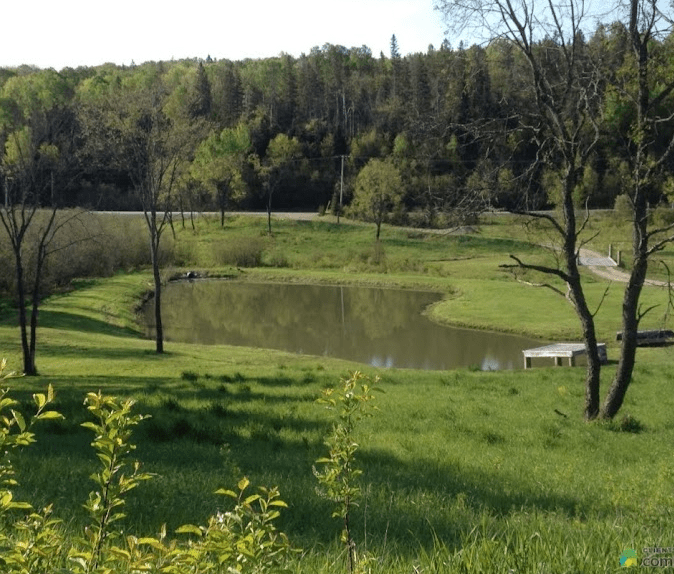
My first gardening goal was to transform our hill into a pollinator’s paradise. The area of the hill is about 1,900 meters squared. My partner mowed a path winding through the hill and I planted about five small garden beds along the path. My dream is to have a colourful cottage garden on the hill, buzzing with a variety of pollinators. It’ll take awhile, but every year I make some progress.
Aerial view of the hill with a windy path
1900m2 of blank canvas. A gardener’s paradise.
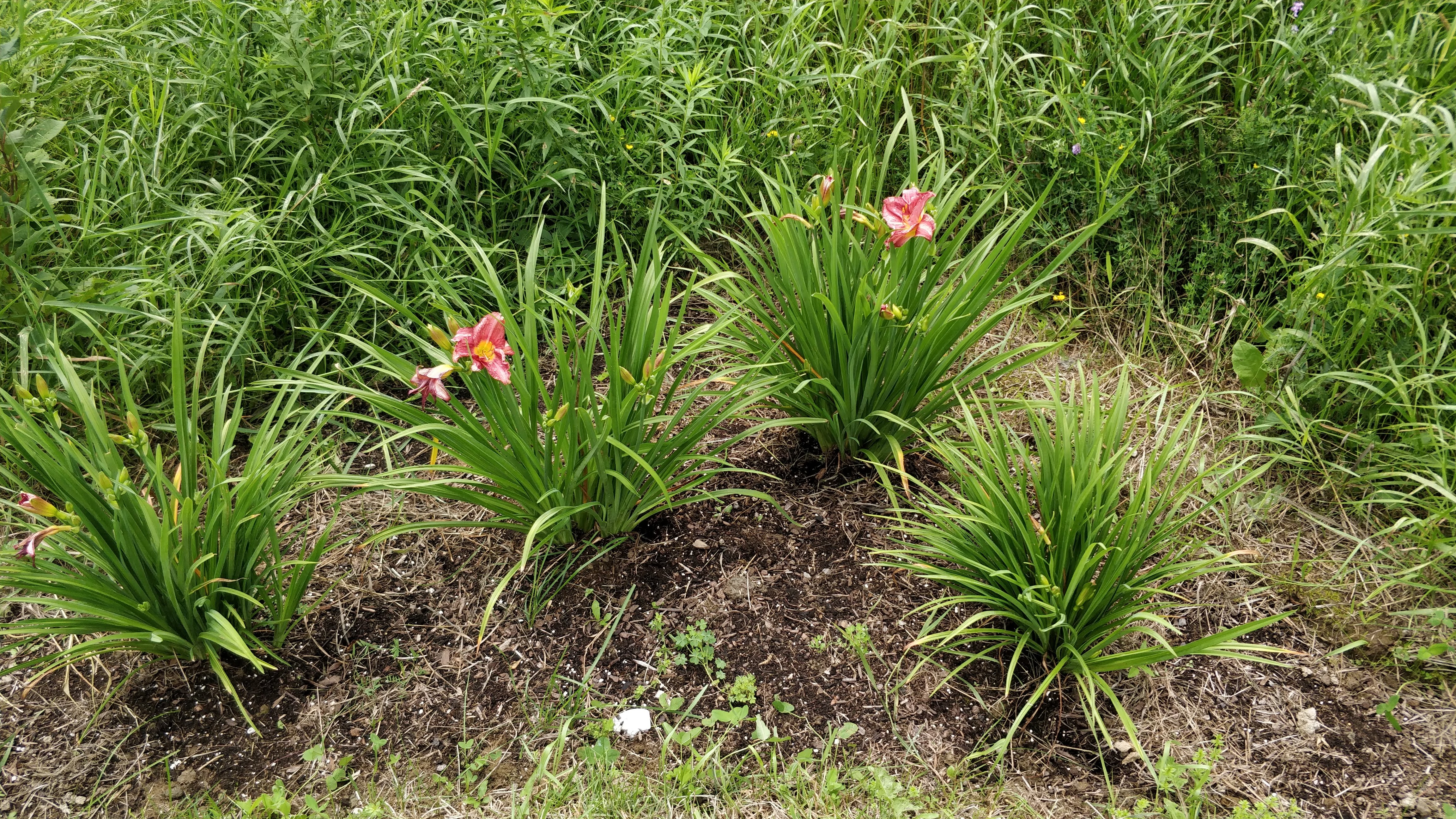
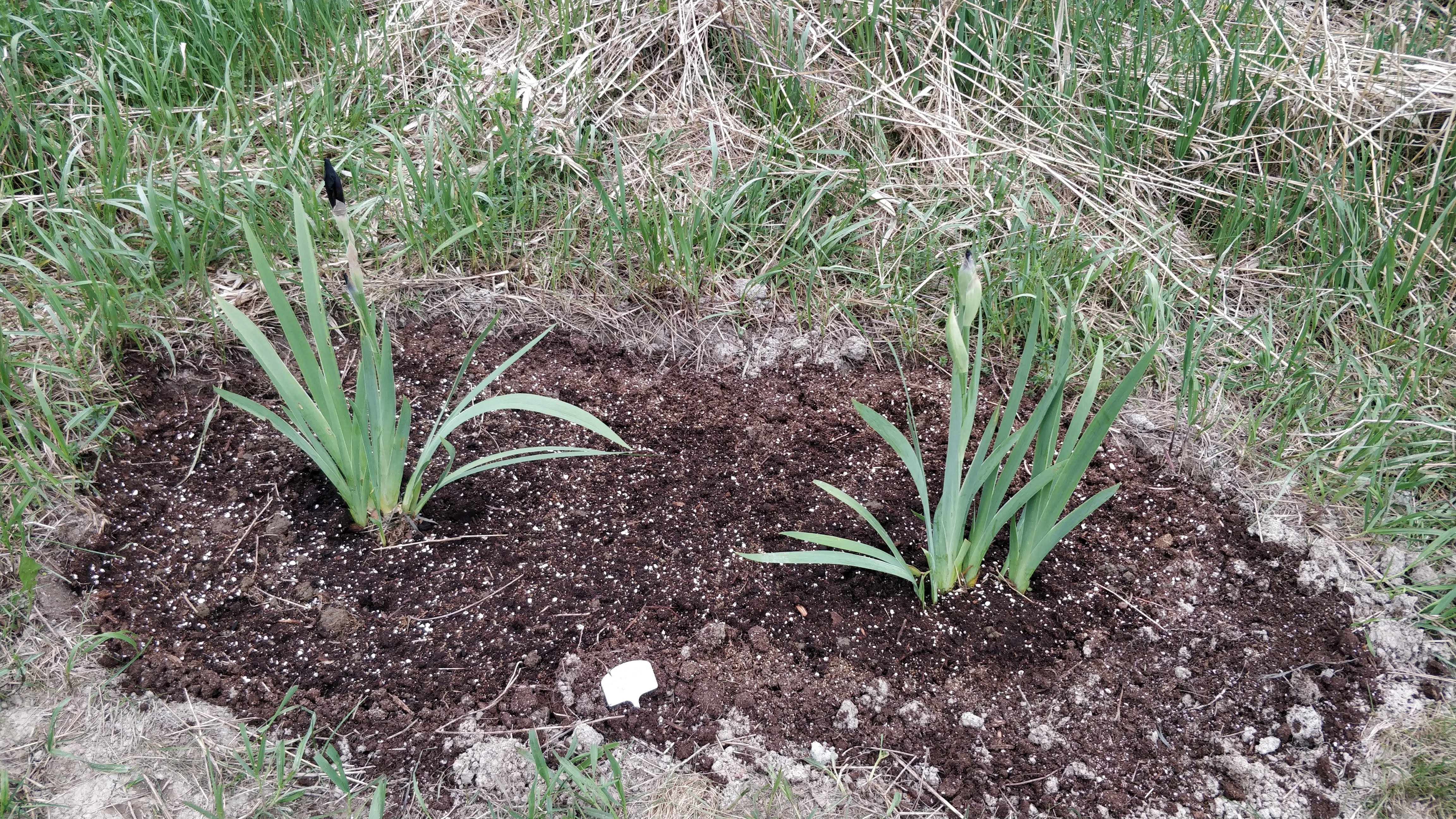
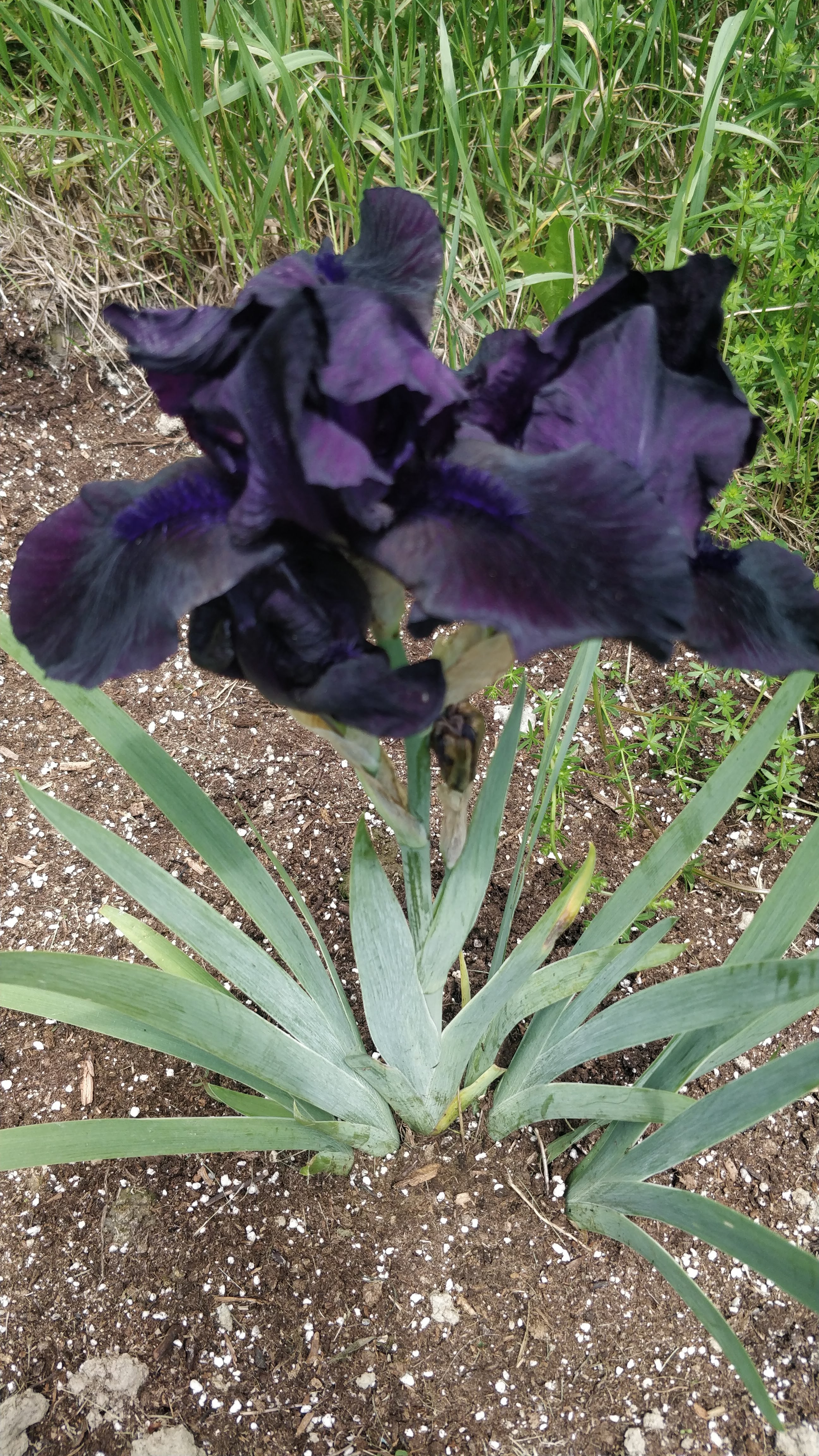
The hill already contains native plants to our area, such as chokecherries and goldenrod. I incorporated other natives like purple coneflower, black eyed susans, bee balm, smooth rose bushes, yarrow and asters. However, in the early days I planted non-natives such as day lilies, irises, grapes and a clematis (the latter of which I fried).
While most of these plants are still around, the native plants are thriving the best. One reason is because native plants don’t need as much water as their extensive root systems dig deep.
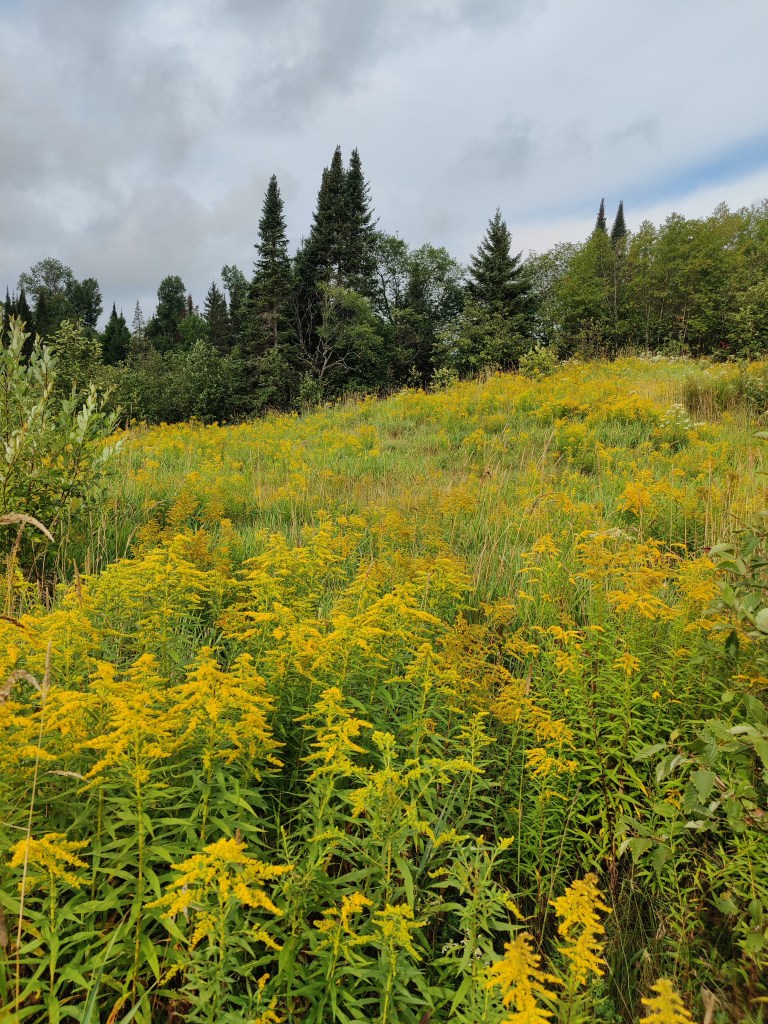
Chokecherries are native to our area.The hill flourishes with native goldenrod in the late summer months.
Here are select photos of my successes and failures on the cottage garden hill in 2020.
Every year I create a vision board. It includes photos of things I want to build or plants I want to grow in my garden.
Last year I built two large teepees to grow sugar snap peas on. The design came from a photo I saw in the online gardening club I joined – Club Farmluxe. I built it by fastening fallen branches (collected throughout the property) with twine.
I found that the peas climbed well because I surrounded the teepee with chicken wire. Else they would not have latched onto the structure.
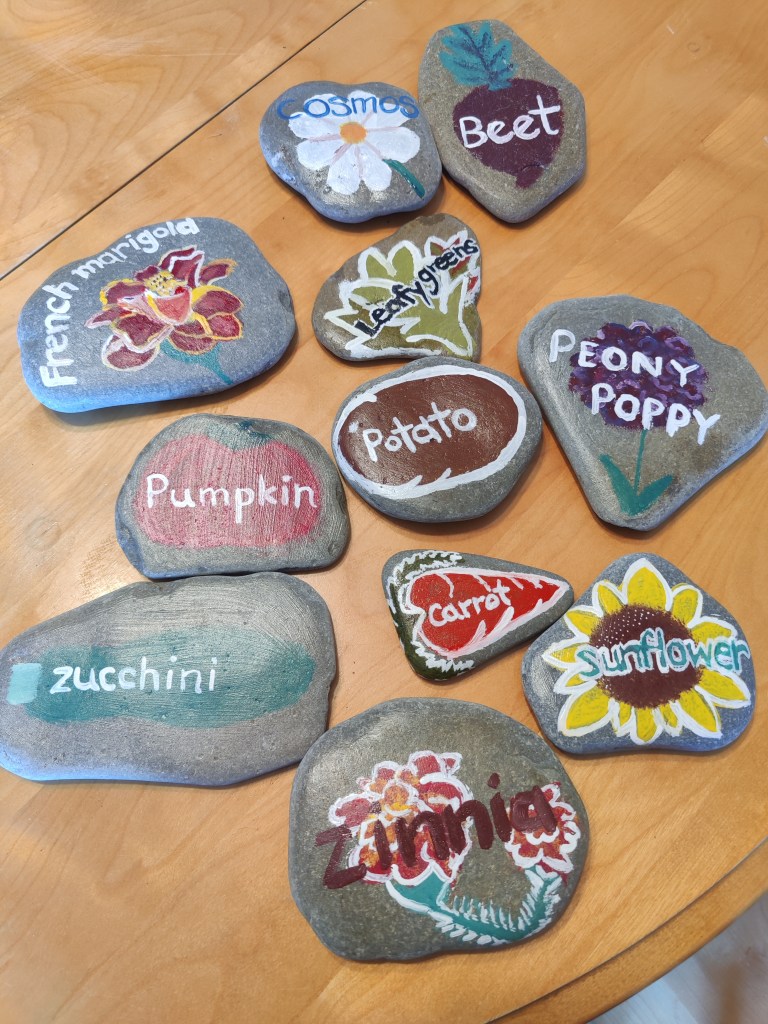
The year prior, I painted plant markers onto flat rocks and I still use them!
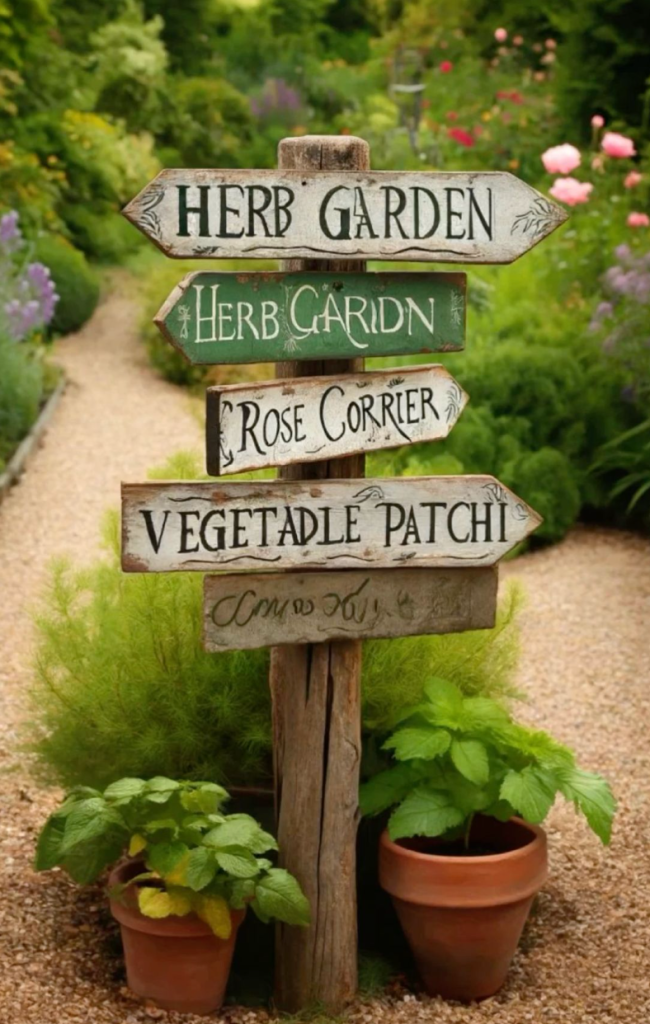
This year I will create a directional post with signs to my garden beds, veggie patch and orchard. Here is my motivation pic from Pinterest.
Though I had success with my balcony garden and houseplants, it was time to up my gardening game. In the Spring of 2018, my partner and I purchased an off-grid cabin and plot of land – a planter’s paradise. I had a fresh, blank canvas to work from!
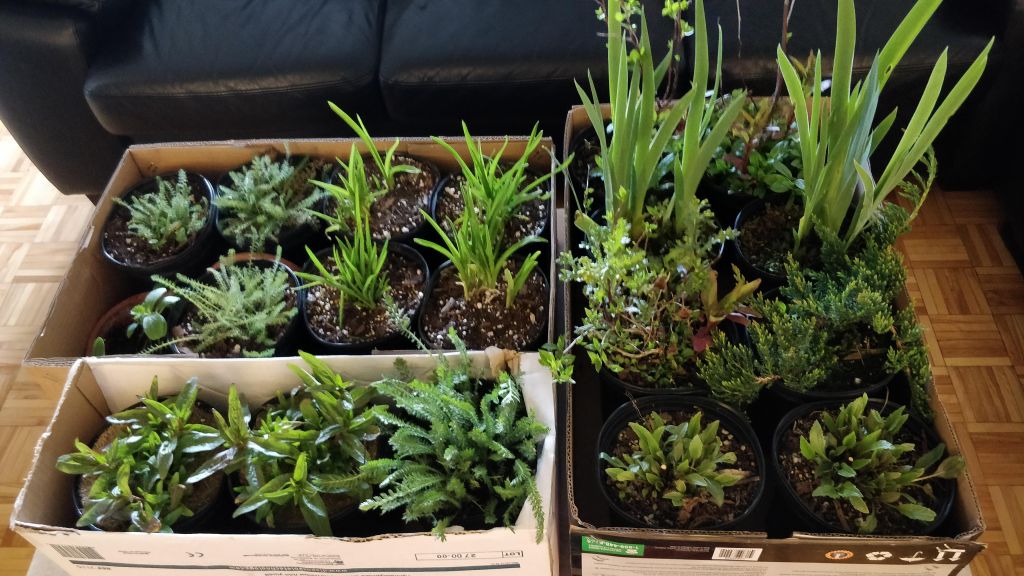
Still pretty new to gardening but an avid plant lover, I made my first mistake. I went out and bought a plethora of plants, without a plan.
Hot tip: Learn from me. Map out your garden design plan before getting too excited and purchasing all the plants.
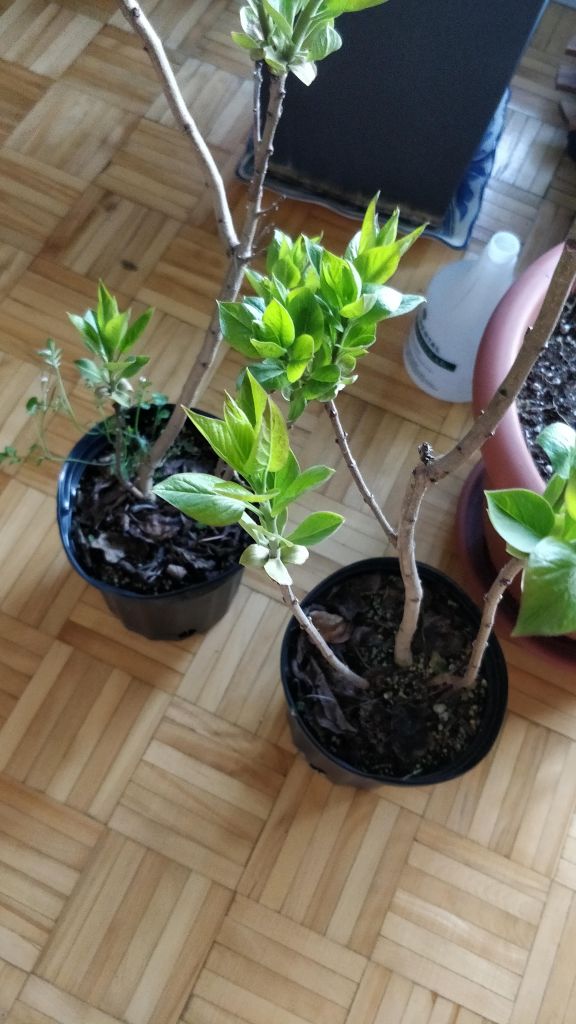
Instead of planning my new garden, I purchased about 20 ornamental plants – lilac trees to irises and hydrangeas to juniper bushes. The plants I bought were not necessarily native to the area (more on native plants later). Needless to say, while some of my new seedlings rooted, many did not. Another tip for gardeners looking to save money on plants – attend gardening events in your community to grow your seed collection, save seeds from prior years to share with others and propagate cuttings from your gardener friends. I’ve learned that the gardening community is the most generous community. Everyone wants each other to succeed!
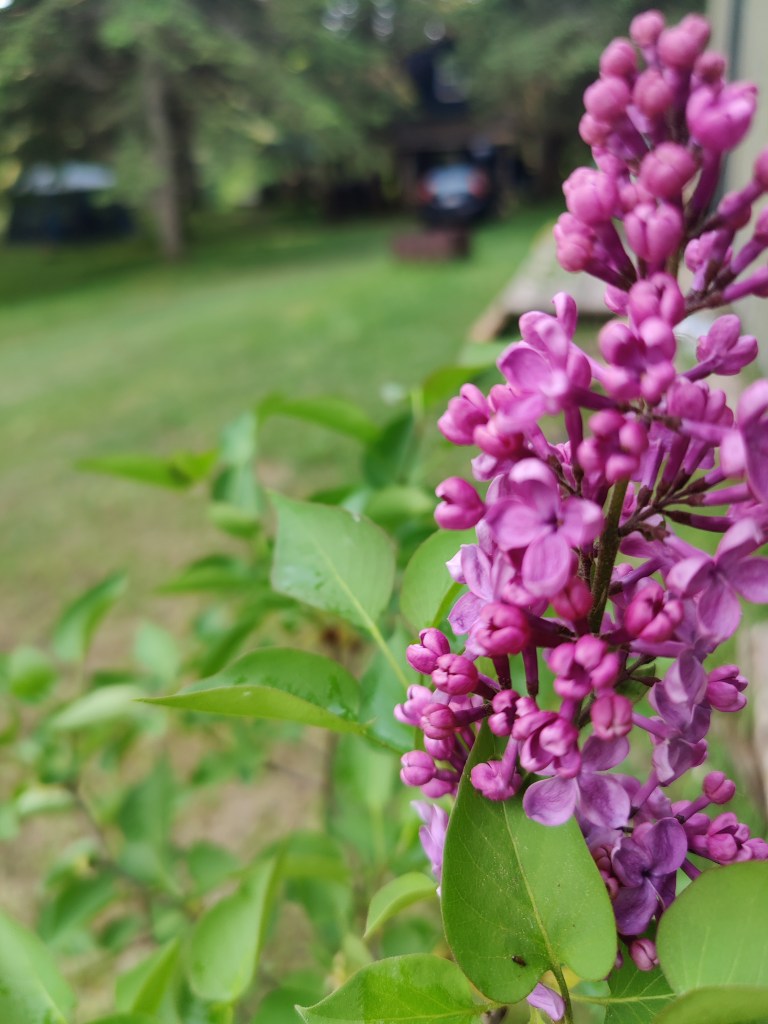
A plethora of plants with a low survival rateFirst lilac bloom. A success after 5 years!
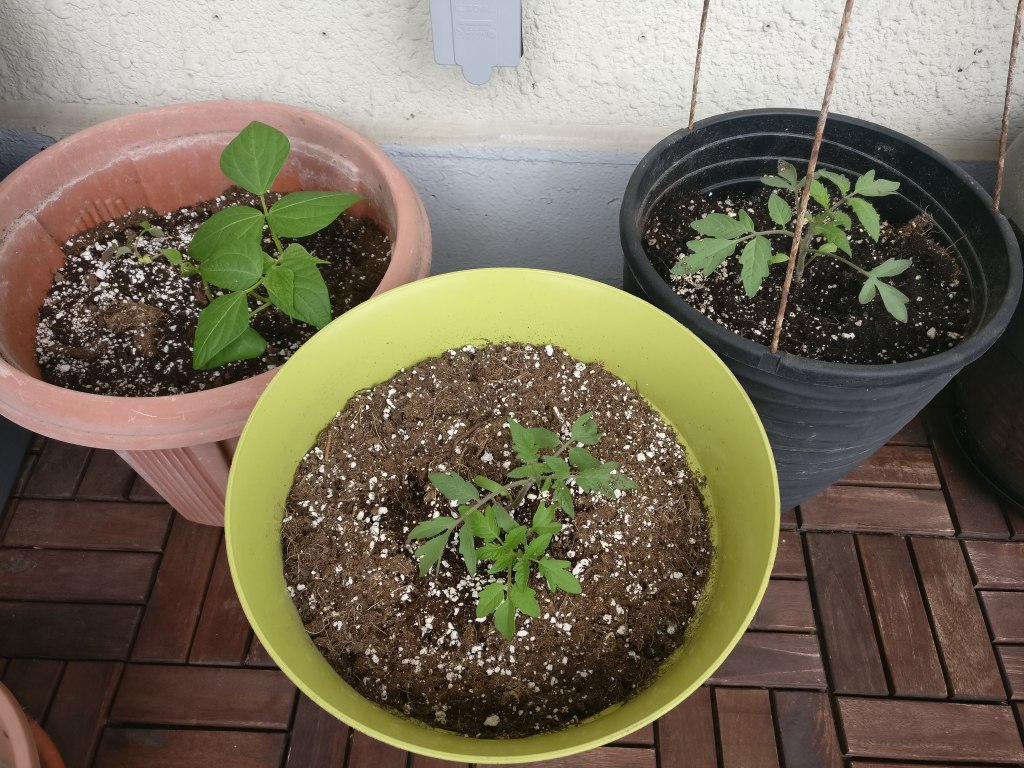
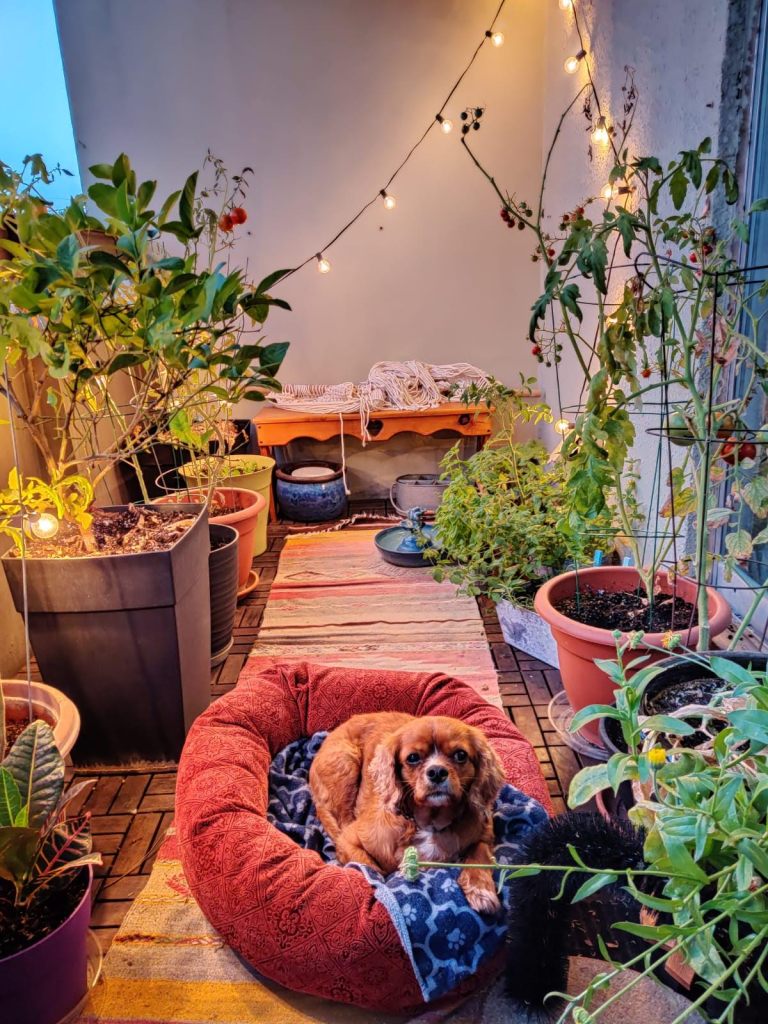
You’ve started to catch the gardening itch, but what to do next. You’ve got a small space, like me, and you want to grow tomatoes. The only advice I have is…do it! Keep at it. Try and try again. The only thing I had going for me at the start is that I persevered. I tried it. And to be honest, my tomatoes didn’t taste as great as I thought they would. Back in 2018, I’m growing herbs, I’m growing tomatoes, and something is off. I learned that gardening is about finding your niche, knowing your hardiness zone (so you know what grows best in your area) and persevering. Some folks are fabulous at growing tomatoes, some folks are fabulous at growing zucchinis. I’m better at the latter. I don’t touch tomatoes these days, but one day I’ll try them again! Grow what you like, like what you grow!
My dog chilling with my balcony plants circa 2018. Perhaps the tomatoes encountered blight which is why they didn’t taste that great. They are a finicky crop. The other plants thrived that year albeit!
So you want to start a garden, but not sure where to start. Well, let me tell you, the Internet is your best friend. About ten years ago I knew nothing about plants, but I knew I wanted to grow some herbs on my balcony. Homegrown herbs just taste better. So what did I do? I went online, I bought a pot, some soil and some herb seeds. And did they grow? No.
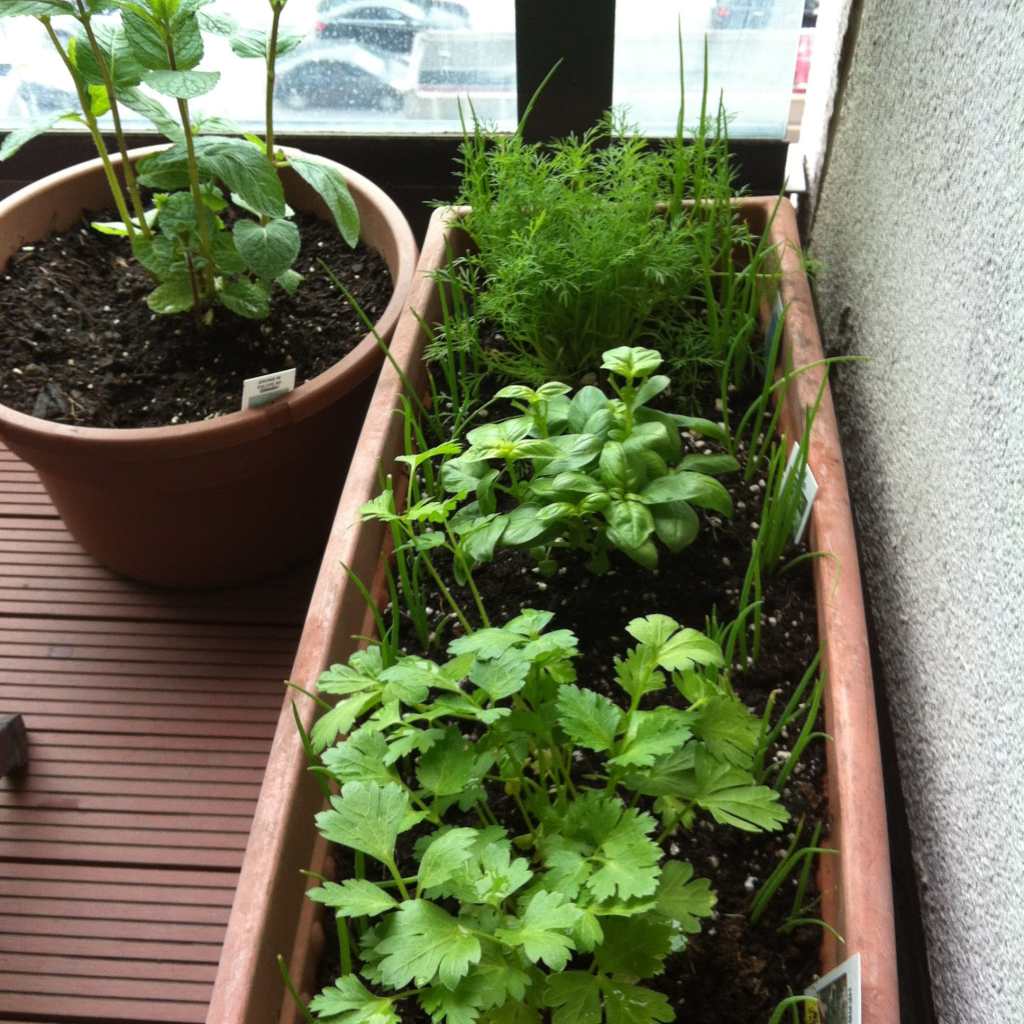
But then I got smart. As an aspiring gardener I went to the local nursery and spent about 20 bucks on herb seedlings. Success! I had parsley, I had basil, I had dill and mint.
Hot tip: do not plant mint in the ground. It grows like a weed. Always plant it in a pot.
And so I soon caught the gardening bug. I wanted to grow more!… Stay tuned.