Category: Seeds

  • Turning Garden Chaos into Free Seeds: The great radish pod takeover

    Turning Garden Chaos into Free Seeds: The great radish pod takeover

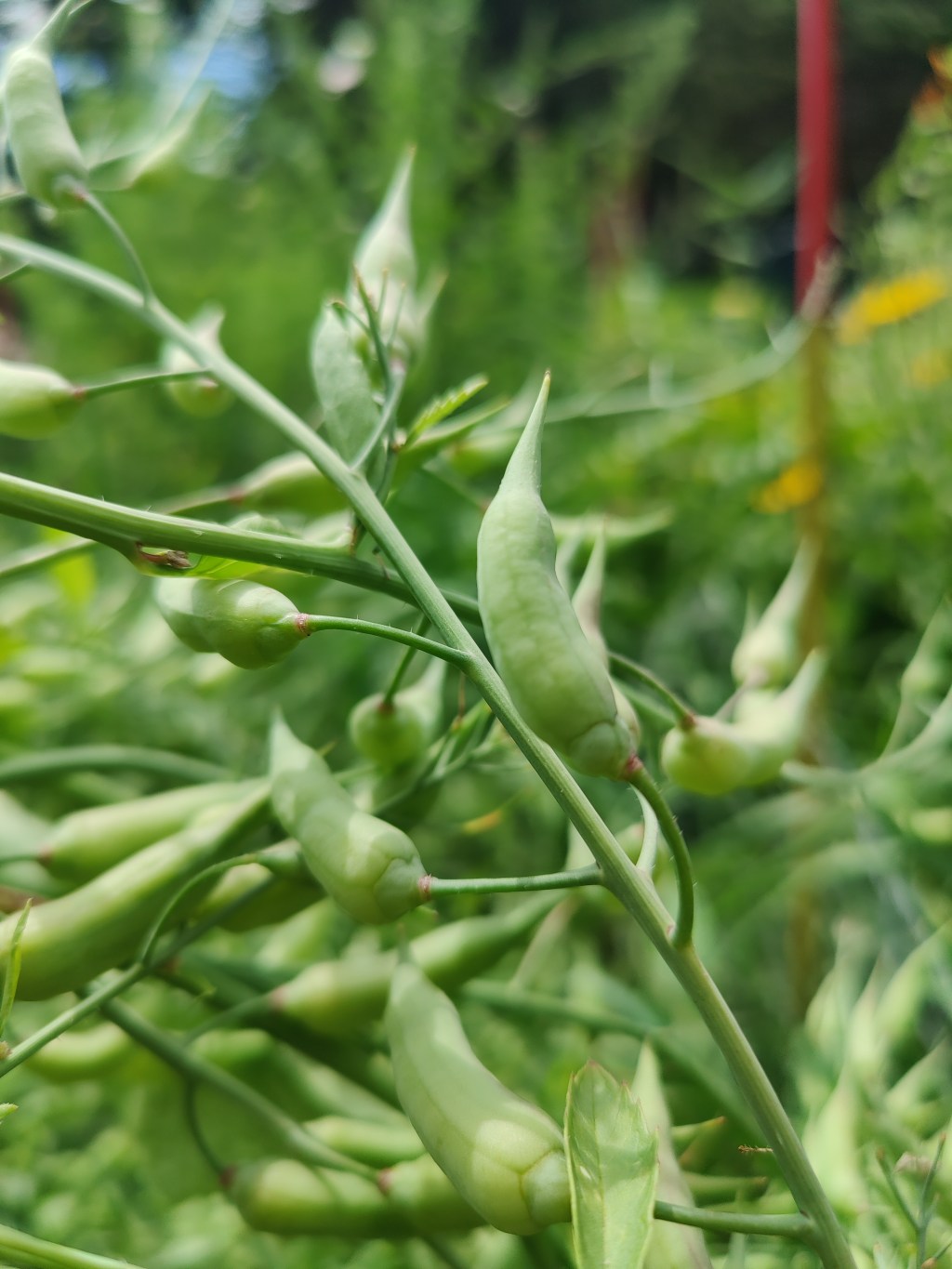
    If your radishes “bolted” (flowered) and took over your garden last year like mine did, don’t worry—you didn’t fail. You just accidentally grew a massive harvest of seeds! Radishes are one of the easiest vegetables to save seeds from, turning a forgotten harvest into a lifetime supply.
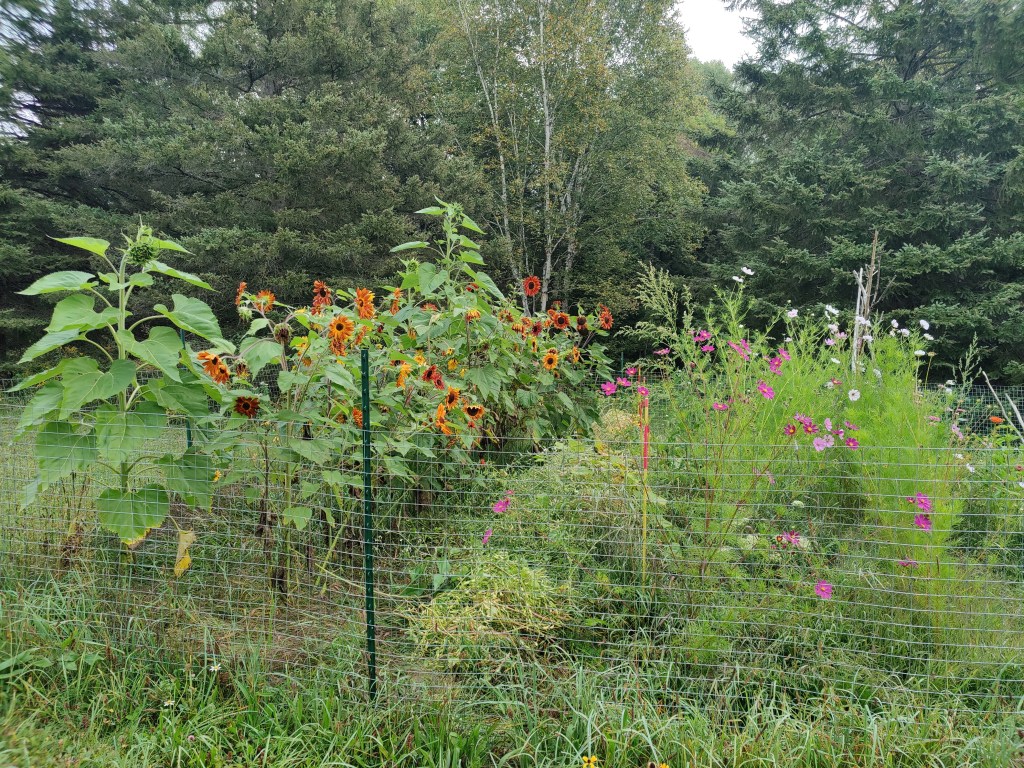
    Nestled between the sunflowers and cosmos sit a tangled mess of radishes that have gone to seed.

    Step 1: Wait for the pods to turn brown

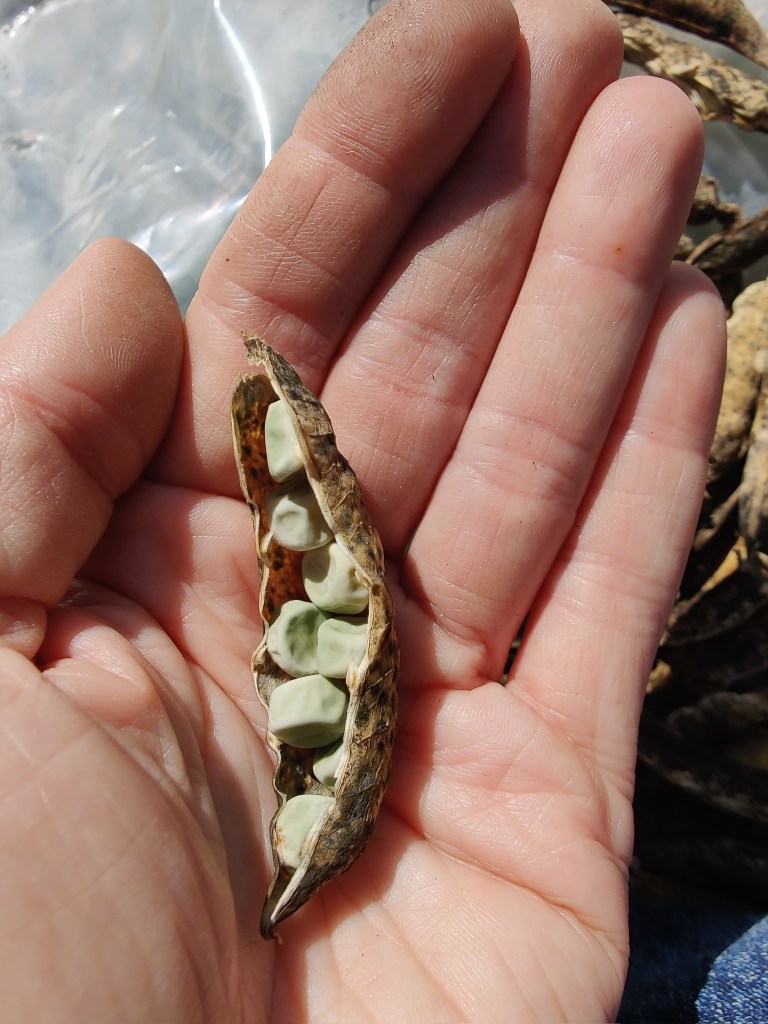
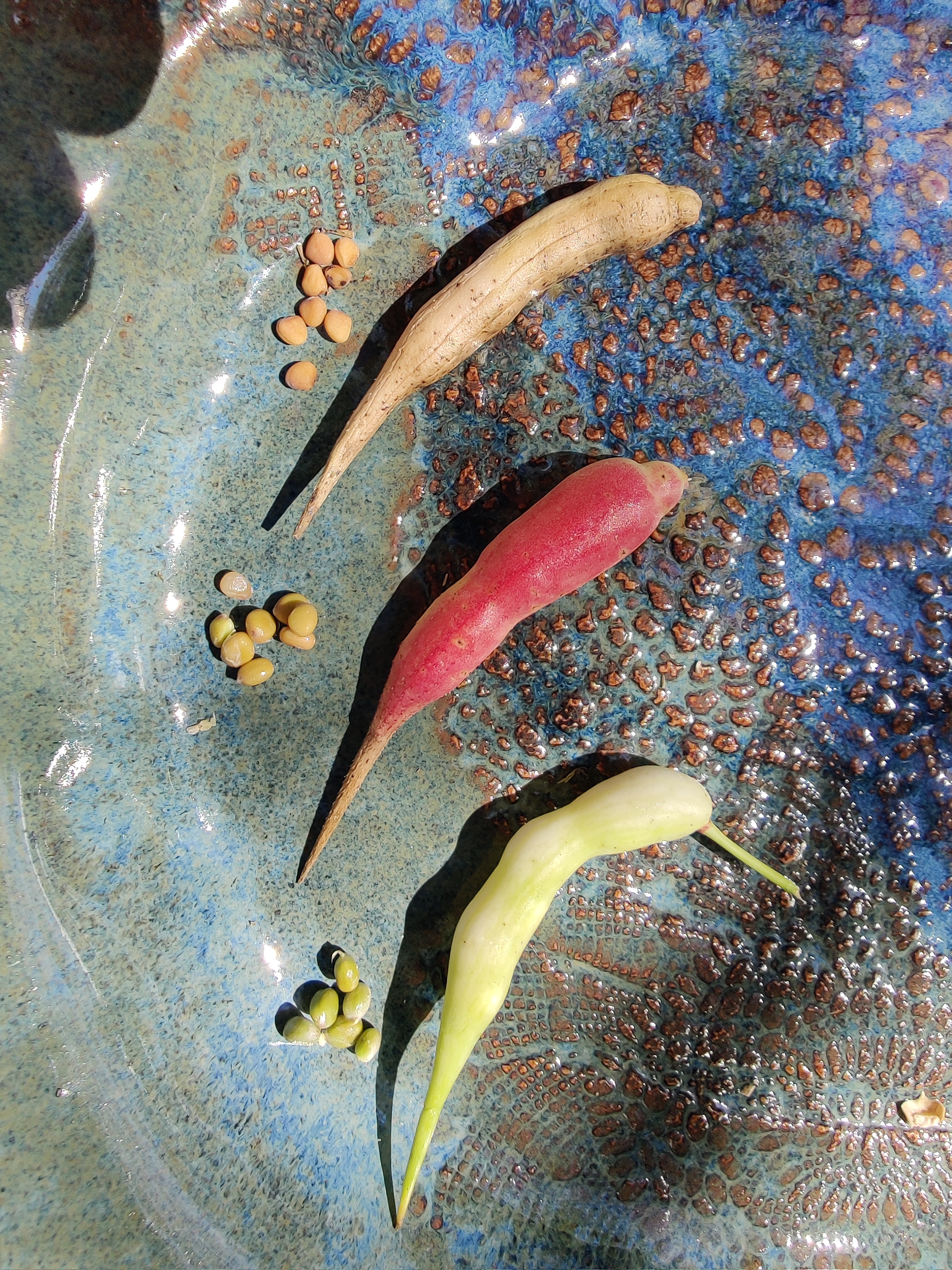
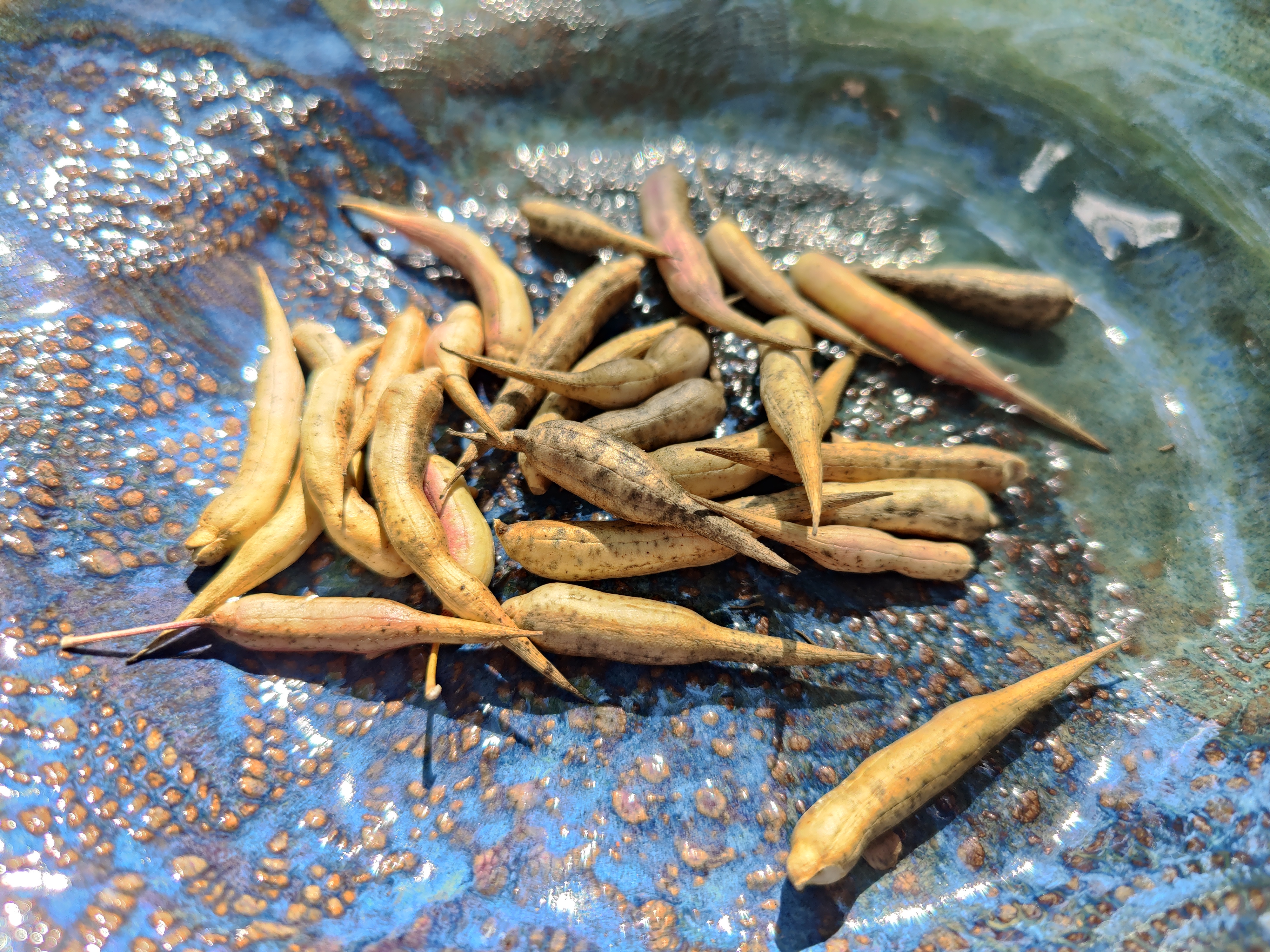
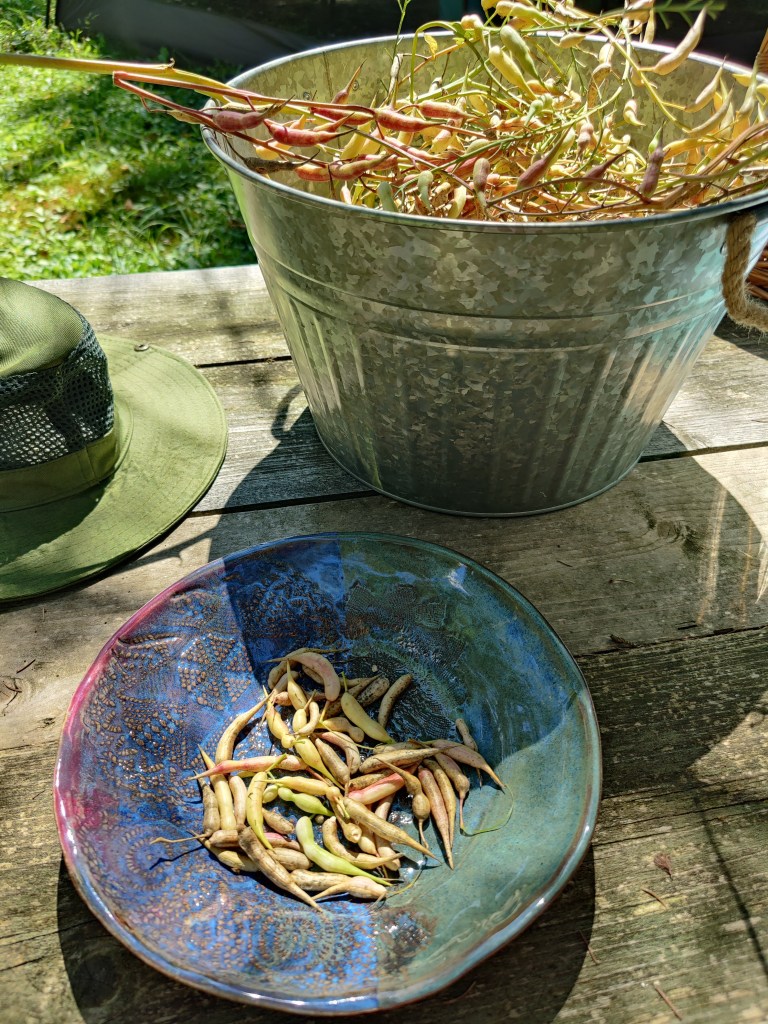
    Don’t pick the pods while they are green and fleshy. For the seeds to be viable, the pods must dry completely on the plant. Wait until the stalks turn brown and the pods feel light, crispy, and “corky.” If they rattle when you shake them, they’re ready.
    Step 2: Harvest

    Since bolted radishes can become huge and unruly woody bushes, the easiest way to harvest is to cut the entire stalk and place it in a large bucket.

    • To extract: Some people will crush the pods by hand or put them in a sack and stomp on them.
    • Then winnow: These pro gardeners will then pour the mixture between two bowls in front of a light fan. The heavy seeds will drop, and the light pod husks (chaff) will blow away. This is called winnowing. I’ve seen videos of farmers using special machines for this.

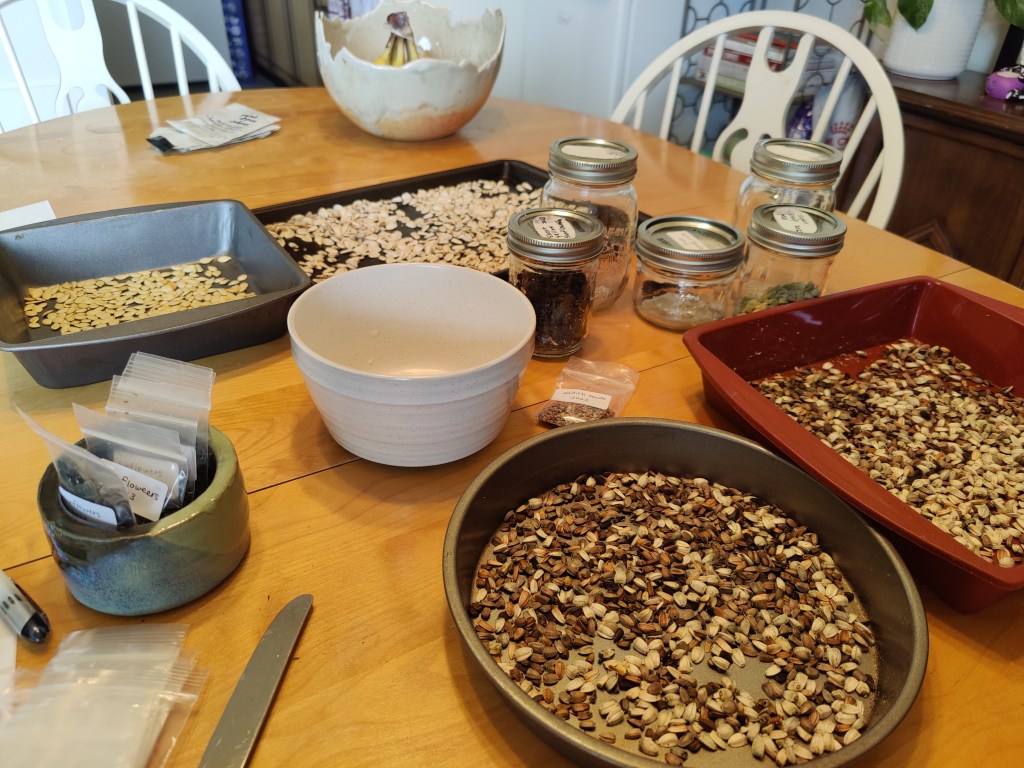
    I don’t have the space in my apartment or patience to clean up the mess that this makes, so what I did with my haul is put on my favourite show and spend a few hours every weekend using my fingers to split the pods open, and then transfer my seeds to a mason jar. Which brings us to the final step.
    Step 3: Storage

    Radish seeds are tough and can stay viable for more than five years. Ensure they are bone dry, then store them in a labeled envelope or glass jar in a cool, dark place.

    Why the Great Radish Takeover was worth It

    Even though they crowded my garden, those radish flowers were a feast for pollinators, and their deep roots helped to aerate my soil. So I’ve traded a few salads for hundreds of future plants! If anyone wants any radish seeds, I have a nice seed supply to exchange and share.
  • How to Cold Stratify Seeds

    How to Cold Stratify Seeds

    If you are planning to grow native plants from seed you may need to use a method known as cold stratification to encourage germination.

    What is Cold Stratification?

    Cold stratification simulates the natural conditions many perennial plants experience in winter. It is a necessary step for many native species that require prolonged exposure to cold and moisture before a plant will start to grow. To achieve this cold dormancy, you can sow your seeds in the winter (known as winter sowing) or, if you are behind schedule like me, you can cold stratify the artificial way—using your fridge.

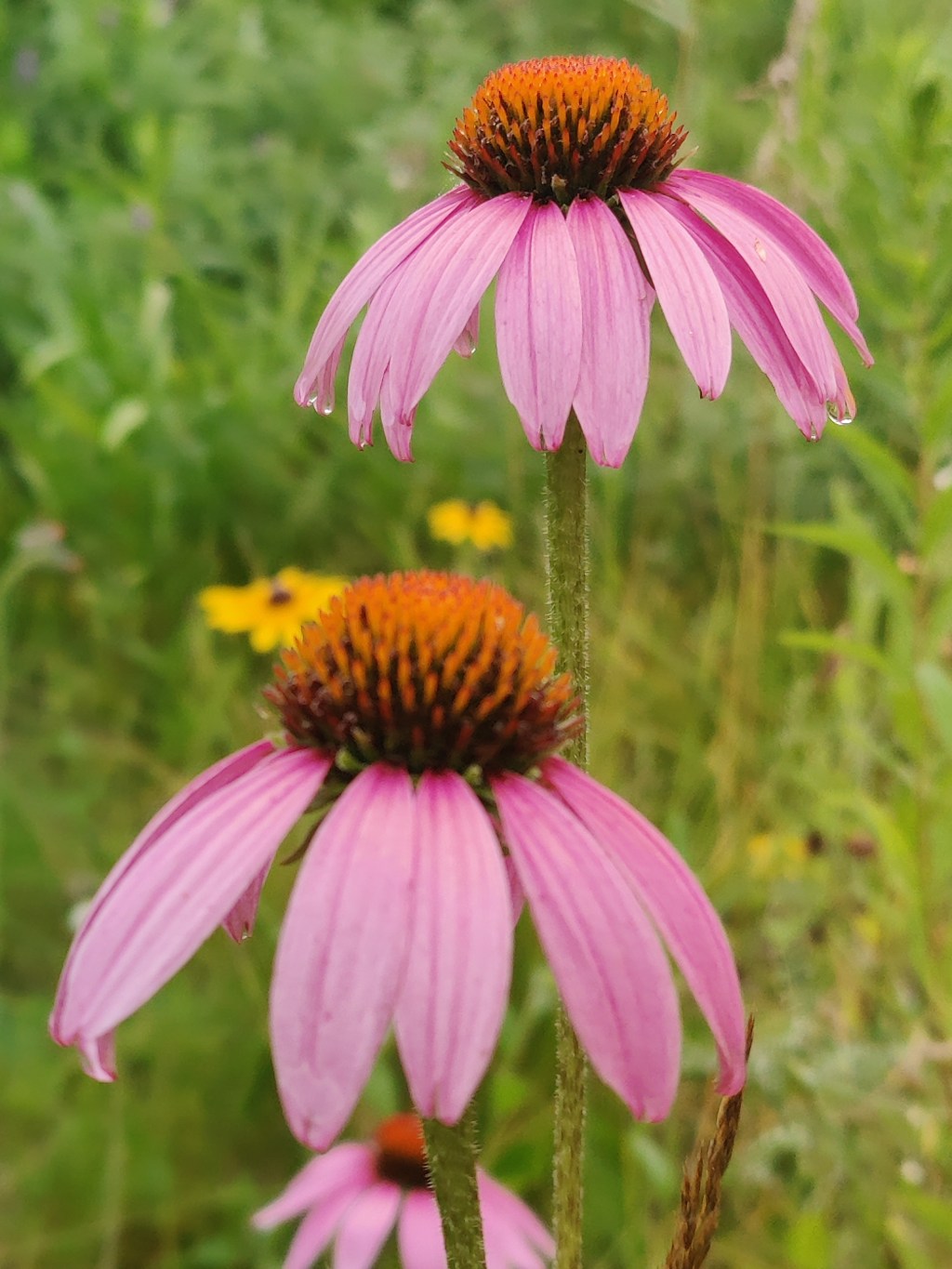
    Cold stratification is most often used for perennial wildflowers, trees, shrubs and grasses native to regions with cold winters. Species such as milkweed, purple coneflower, black-eyed Susan, wild bergamot, and serviceberry are common examples that benefit from this method.

    What you’ll need to cold stratify your seeds

    To stratify seeds at home, you will need a small amount of moist medium—such as vermiculite, sand or a damp paper towel—a sealable plastic bag or container, and a refrigerator set between one and five degrees Celsius.

    The paper towel method

    Step 1: Dampen your paper towel

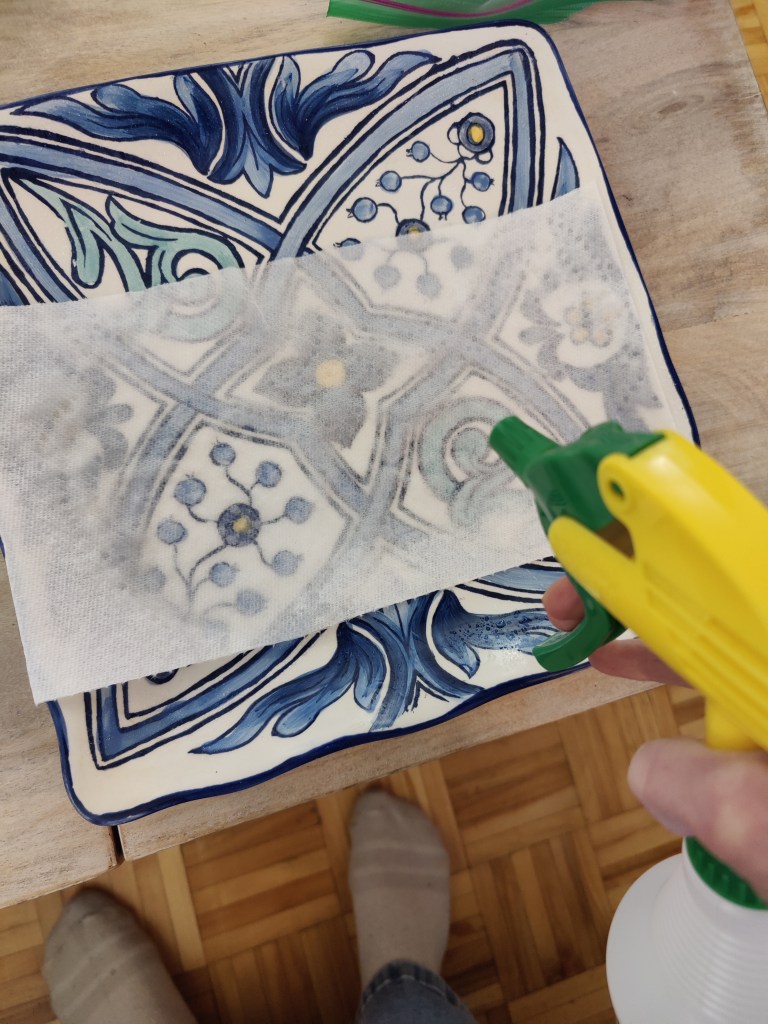
    Using a spray bottle, mist your paper towel with water. By this I mean dampen your paper towel to the point where the medium is wet but not wringing out water when squeezed.

    This is where I have failed in the past. Too little water, the seeds will not germinate. Too much water can lead to mouldy seeds which also won’t germinate.

    In many cases, larger seeds can be soaked in water for 12 to 24 hours prior to stratification.

    Step 2: Fold your seeds into the paper towel

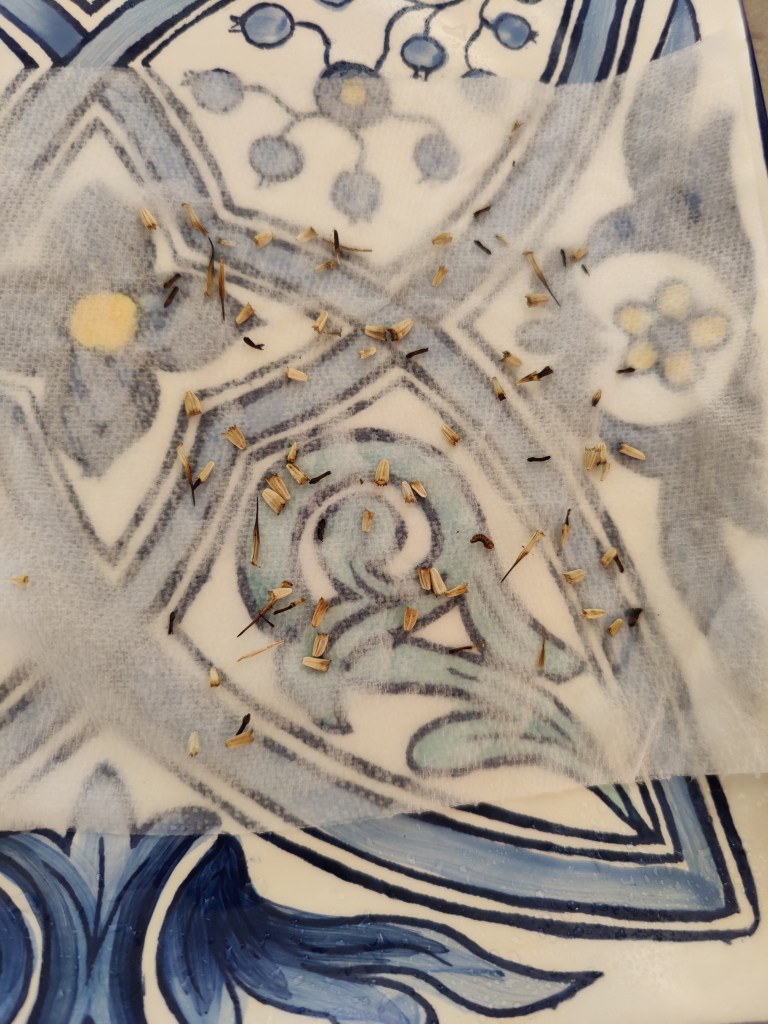
    Spread out your seeds on one half of the damp paper towel. Fold the other half over to envelope the seeds.

    Step 3: Bag, Label and Chill

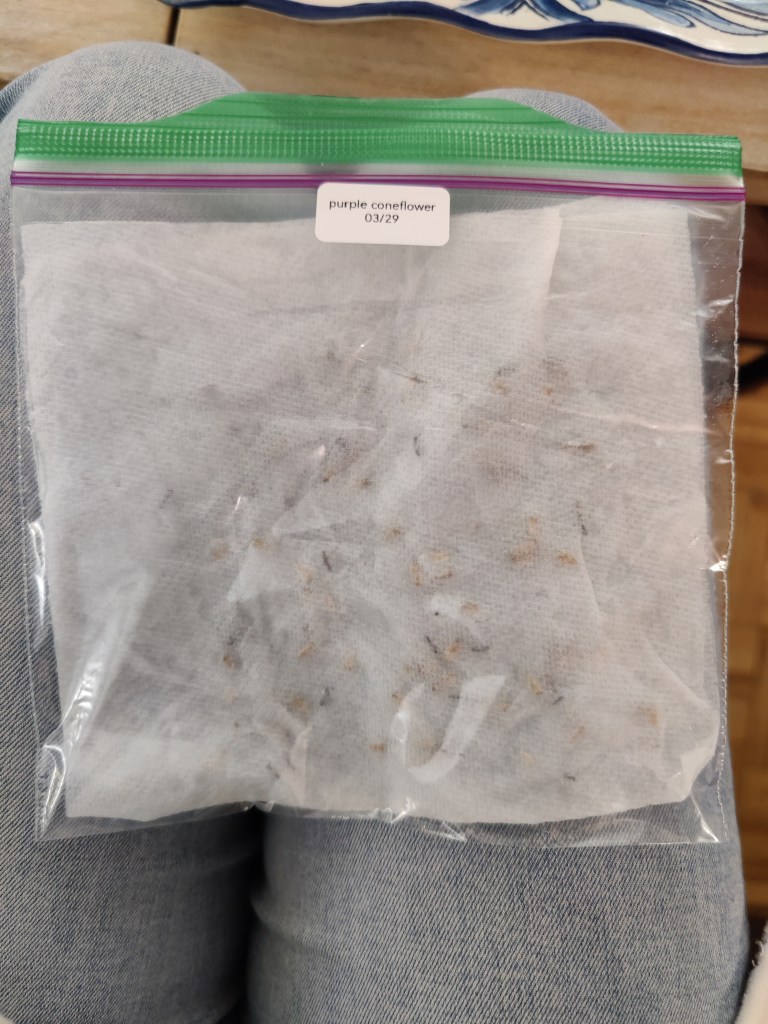
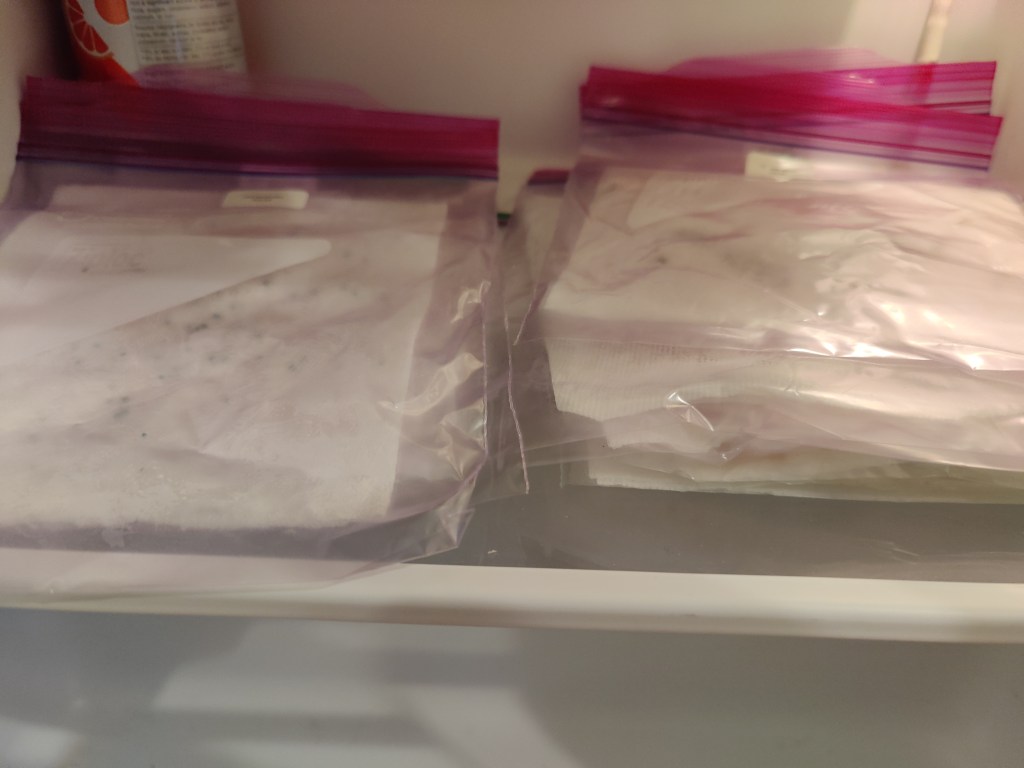
    Take your folded paper towel and tuck it into a resealable plastic bag. Using a marker, label the bag with the species, date and, if known, how long you intend to chill the seeds. Store the bags in the refrigerator.

    The duration of cold stratification depends on the species. Most require 30 to 90 days. Some native trees and shrubs may need up to 120 days. During this period, it is important to monitor the seeds regularly. If sprouting occurs, seeds should be planted promptly in pots or directly in the garden, depending on local conditions.

    Cold stratification is a valuable tool for supporting biodiversity and growing hardy, resilient plants from seed. While it requires planning and patience, the method can improve germination rates and help you successfully grow a wider range of native species. Happy sowing!

  • Sneak Peek into my Garden Planning Process

    Sneak Peek into my Garden Planning Process

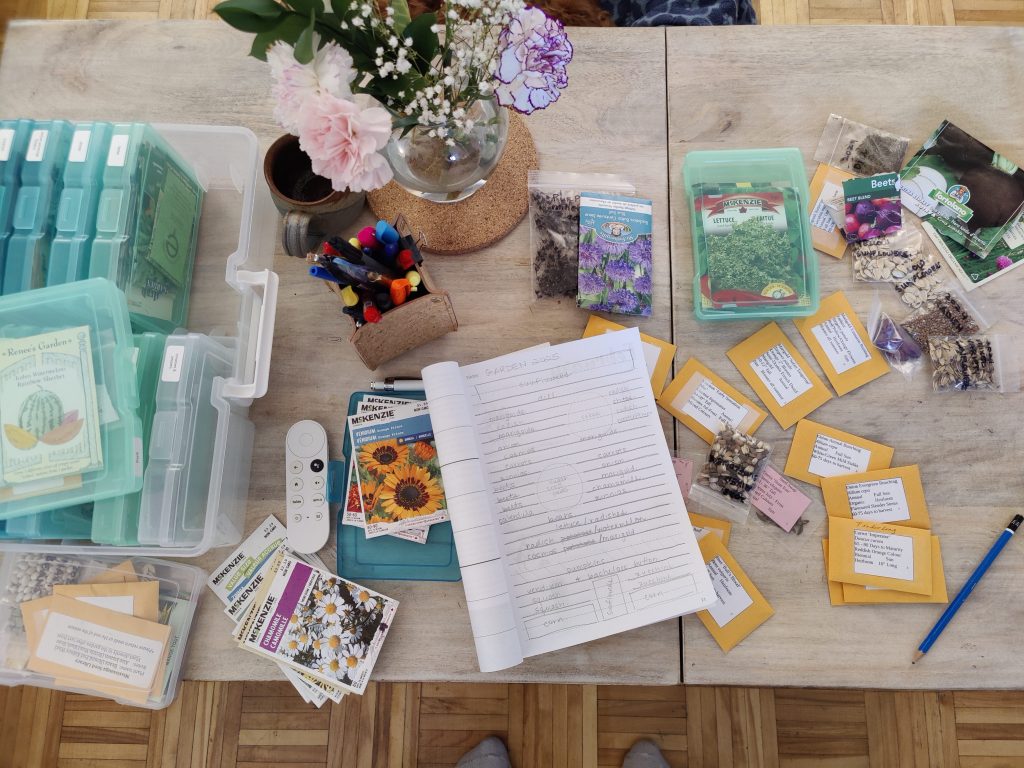
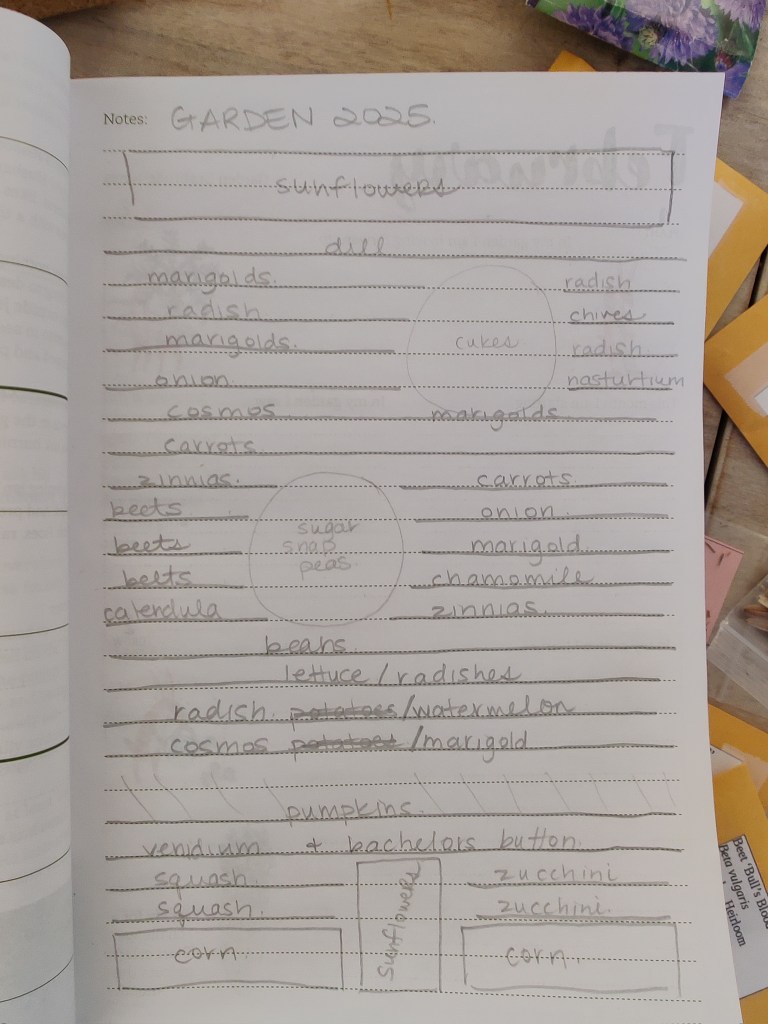
    It’s that time of year again! I am planning out my off-grid vegetable and flower garden, and 2025 is shaping up to be my most ambitious season yet. With over 20 rows of plants to organize, I’ve been carefully mapping out my garden layout, selecting my plant varieties, and considering improvements to soil health and irrigation. Here’s a glimpse into my garden planning process for the upcoming season.

    Step 1: Reviewing Last Year’s Successes and Challenges

    Before planning new layouts and plant choices, I have been reflecting on the previous season. My 2024 garden was my most successful yet, but there’s always room for improvement. I have been referring back to my notes and assessing which crops thrived, which struggled, and where I need to adjust planting locations to maintain soil health and minimize disease risks.

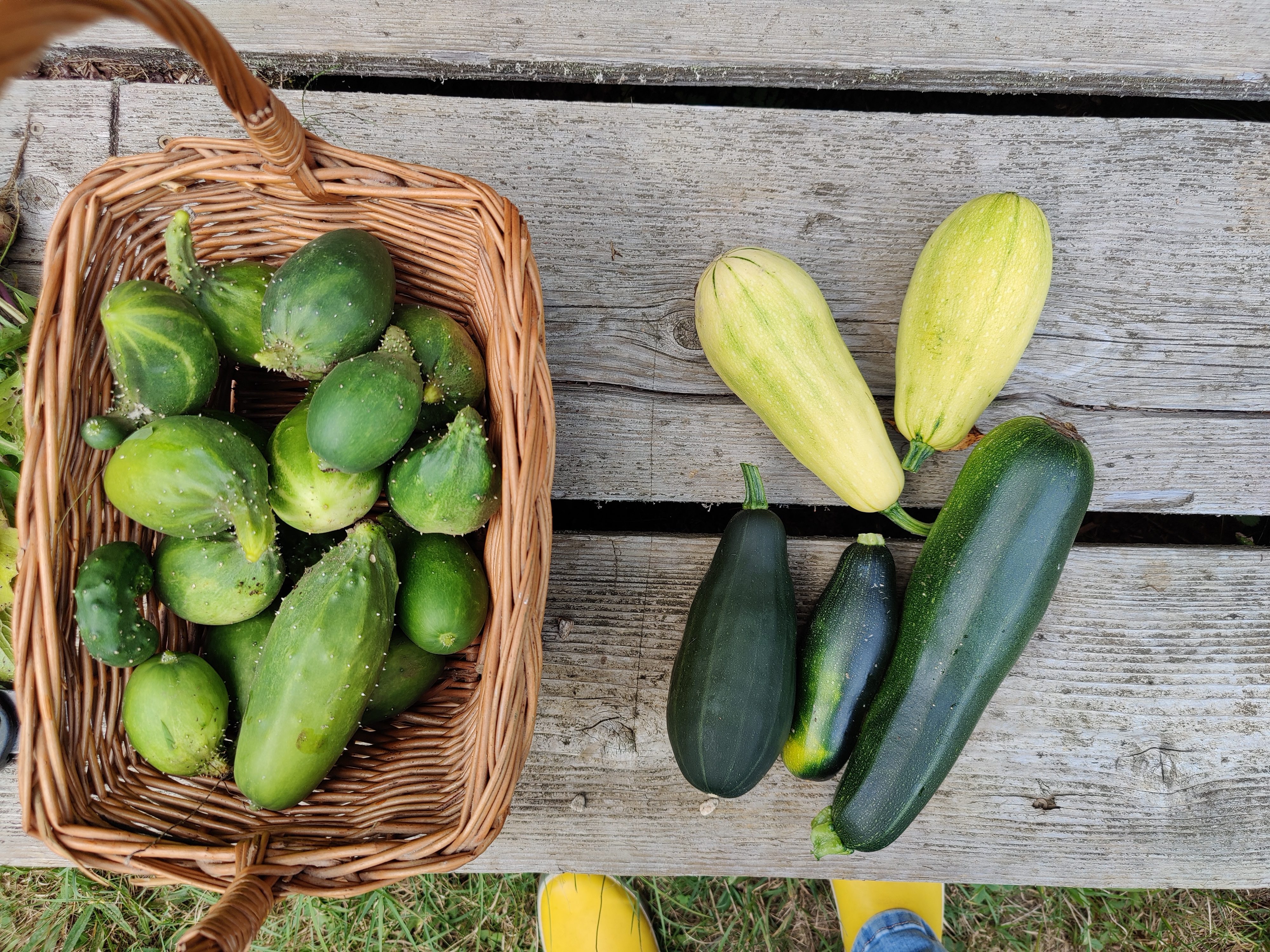
    Companion planting also played a big role last year, so I have taken notes on what worked best. For instance, to improve my cucumber harvest I’ve planned to place this temperamental vegetable among favourite companions such as radishes, nasturtium, marigolds and dill to give them a jump start. Avoiding placement beside potatoes, which compete for the same nutrients in the soil and other cucurbits, like squash and melons – which can lead to unappetizing harvests from cross pollination, is something I have considered carefully this year.

    Left: Some stunted cucumbers from my 2024 vegetable garden.

    Step 2: Sketching the Garden Layout

    With over 20 rows to manage, spacing and organization are crucial. Yesterday I created a rough sketch of my garden, designating clear sections for root crops, vining plants, and interspersing them with companion flowers, like marigolds, which attract pollinators and act as an all-natural pest control. My motto? Who needs harmful pesticides and sprays when you’ve got marigolds. All you need is pen, paper and a solid plan to complete this exercise.

    Step 3: Choosing Seeds and Plants

    Seed selection is one of my favourite parts of planning! Thanks to last year’s seed saving coupled, supplemented by seed exchanging and purchasing, I am ready to plan. I focus on hardy, high-yield vegetable varieties suited for my climate (Canadian Hardiness Zone 4), along with annual flowers that attract beneficial insects, deter pests and add beauty to my space. This year, I’m planning to grow:

    • Vegetables: A mix of radishes, peas, beans, diverse squash varieties, carrots, beets, corn and onion.
    • Flowers: Sunflowers, marigolds, zinnias, and nasturtiums to support pollinators and deter pests.

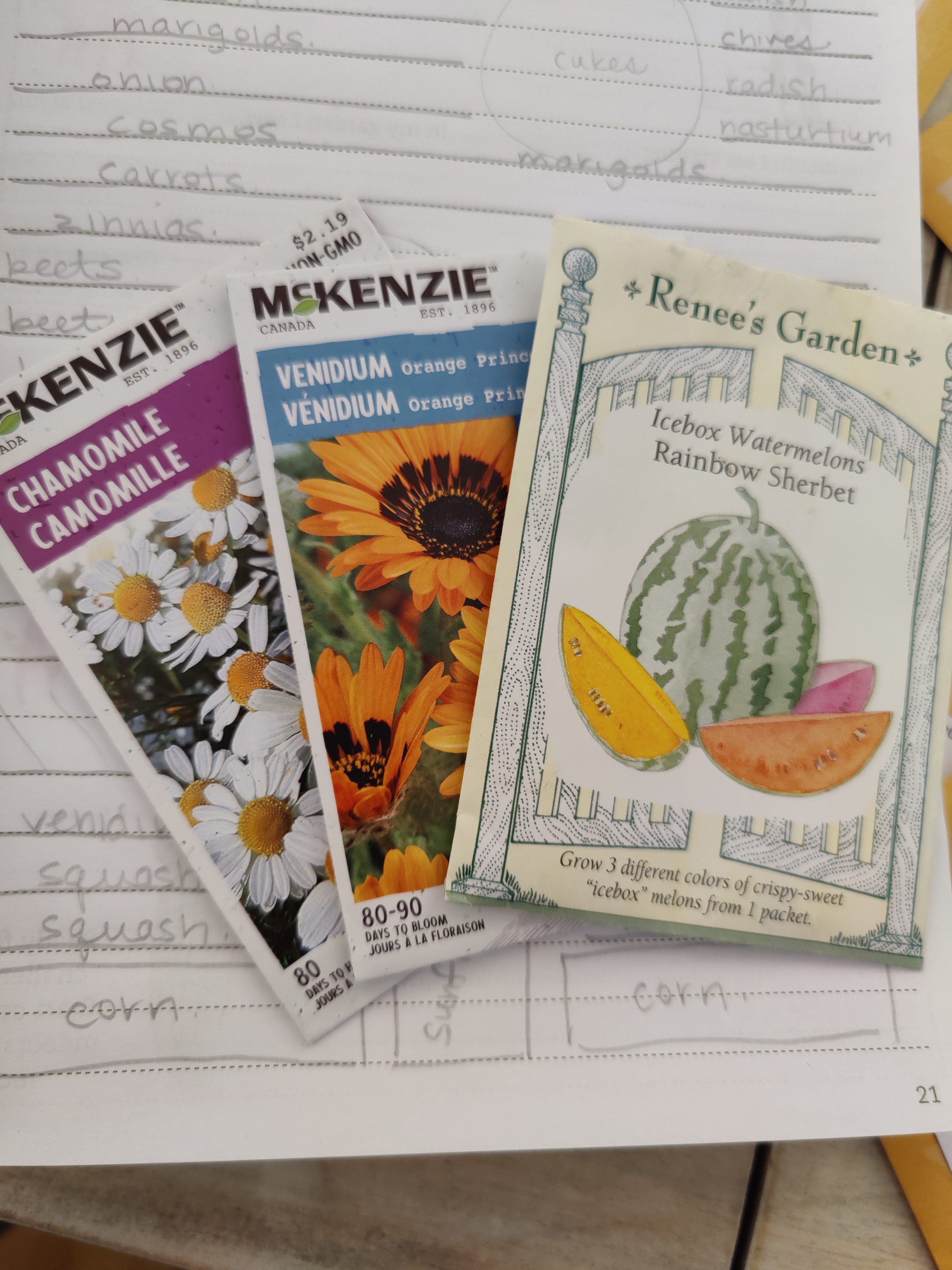
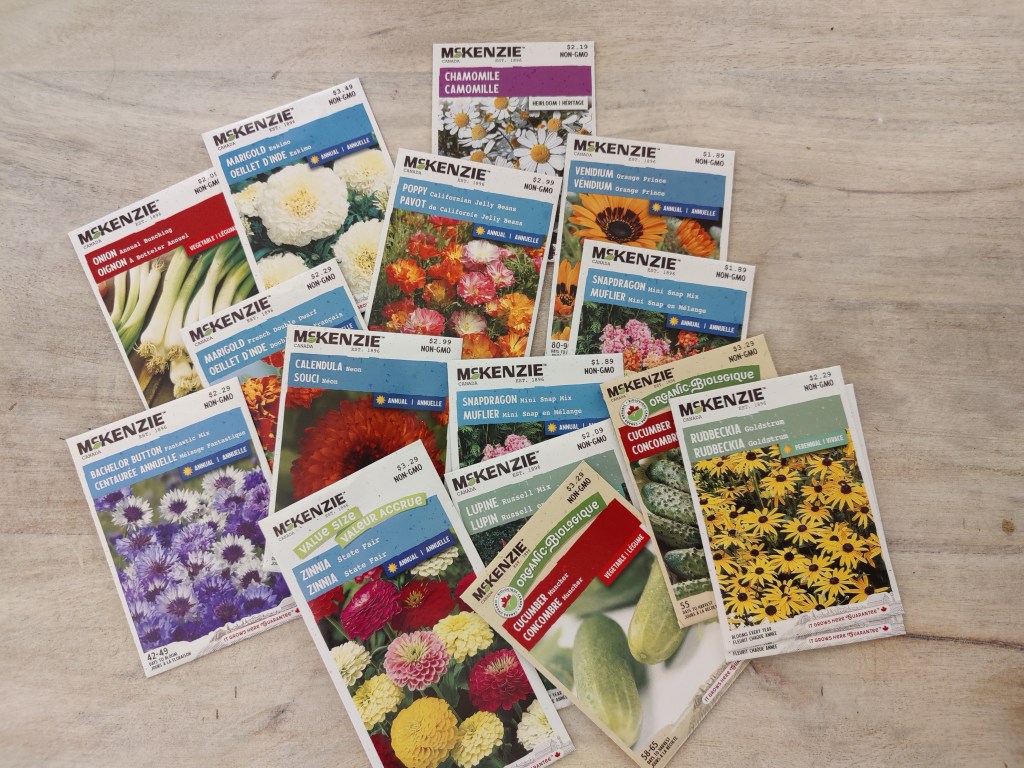
    I plan to experiment growing plants I’ve never sowed from seeds too! I am particularly excited to try growing watermelon, chamomile, bachelor’s button and venidium (which is an annual flower). And although I haven’t been successful in the past, maybe this year I’ll get a beet to germinate.

    Step 4: Enhancing Soil and Irrigation

    Since I’ve been gradually improving my garden infrastructure, I’m expanding my composting system and working on better water retention strategies. In 2025, I plan to:

    • Incorporate more organic matter into the soil, including compost and aged manure.
    • Use mulch to retain moisture and suppress weeds in my larger planting rows.

    Looking Ahead to a Bountiful Season

    Garden planning is an ongoing process, but laying the groundwork early helps set the stage for success. With thoughtful preparation, careful plant selection, and continued improvements, I’m excited to see how my 2025 garden unfolds. Whether it’s amending the soil, testing new plant varieties, or simply enjoying the beauty of my flowers and vegetables, each year brings fresh lessons and rewards.

    Are you planning your own garden for 2025? I’d love to hear what you’re growing this season!

  • A Snowy Journey to a Warm Gathering: Reflections on a Successful Seedy Saturday

    A Snowy Journey to a Warm Gathering: Reflections on a Successful Seedy Saturday

    I’m back fellow fans of gardening! (Absence makes the heart grow fonder, right?). And I’m here to report on the details of a very successful Seedy Saturday event in Fonthill, Ontario.

    Yesterday, I attended this milestone event—the 10th annual Seedy Saturday hosted by the Master Gardeners of Niagara. The drive there was a bit tricky due to winter conditions, but any concerns quickly faded upon arriving at the venue. The atmosphere was warm, not just in temperature, but in spirit.

    Despite the weather, the turnout was remarkable. Organizers reported that at least 300 people had already passed through the doors by mid-morning, a testament to the dedication and enthusiasm of the gardening community. The energy in the room was infectious, as passionate gardeners, seasoned growers, and eager beginners gathered to swap seeds, share knowledge, and celebrate the promise of the growing season ahead.

    Mark your calendars! Next year’s Master Gardeners of Niagara Seedy Saturday will be held on February 14th, 2026.

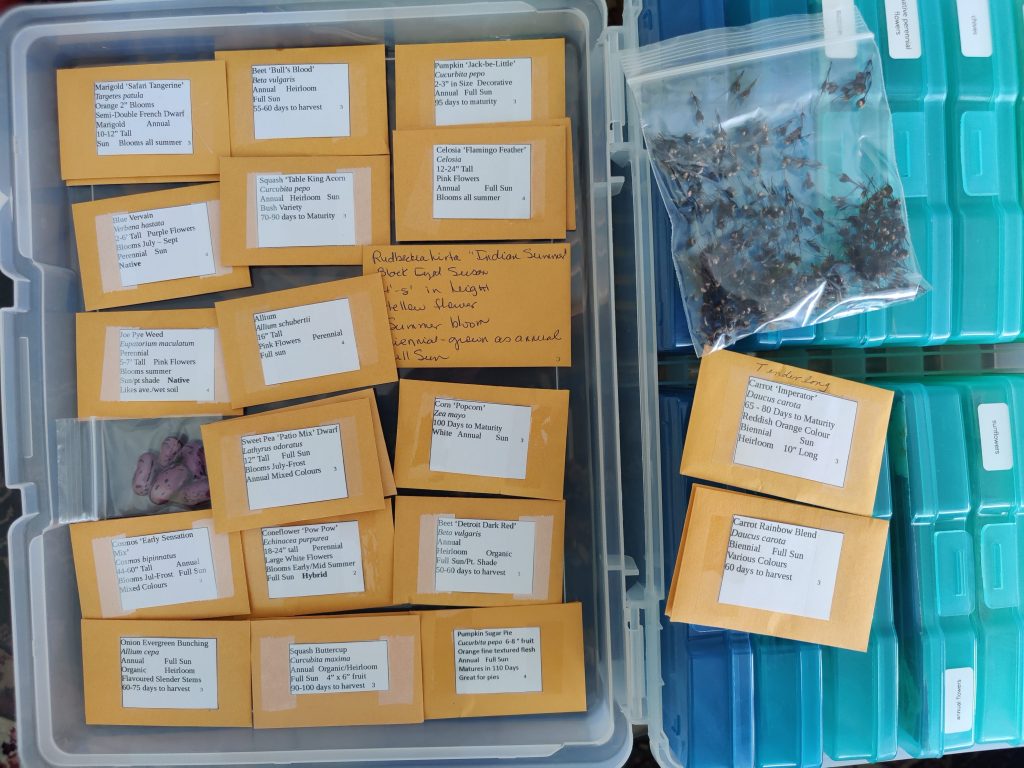
    One of the standout features of the event was the seed swap, a cornerstone of any good Seedy Saturday. Tables overflowed with packets of heirloom tomatoes, heritage beans, native wildflowers, and everything in between. For those who didn’t bring seeds to trade, packets were available for just 25 cents each—an unbeatable price for anyone looking to expand their garden. At this remarkable price, I walked away with just under 30 packets of new seeds. The exchange of seeds also meant the exchange of stories: where the seeds came from, how they thrived in different conditions, and the best tricks for growing success.

    Beyond the swap itself, the event buzzed with conversations about sustainable gardening, biodiversity, and the importance of preserving heirloom varieties. The Master Gardeners of Niagara, ever generous with their expertise, offered guidance on everything from cold moist stratification (hot tip: native perennials love this) to the joy of experimenting with allium seeds, ensuring that everyone left feeling more prepared for the upcoming growing season.

    Events like Seedy Saturday remind me why I love gardening—not just for the joy of nurturing plants, but for the incredible community it fosters. The camaraderie, the shared excitement over a particularly rare variety of watermelon or a new composting tip, and the sense of connection to both people and the land make these gatherings truly special.

    As I drove home, I couldn’t help but feel grateful. The winter conditions may have made for a slightly challenging trip, but the warmth of the gardening community more than made up for it. Here’s to another season of growing, sharing, and celebrating the seeds that bring us together.

  • The Importance of Seed Saving

    The Importance of Seed Saving

    As I’ve started to grow more plants over the past couple of years, I’ve also started to save more seeds. In my experience, 2023 was a pivotal year for seed saving. I wasn’t available to pick all of my vegetables throughout the summer. Luckily that autumn I learned about the importance of saving seed, but also about the benefits that come with it.

    Why is Seed Saving Important?

    1. Preserves Biodiversity

    • Over the past century, 75 percent of global crop diversity has been lost, according to the Food and Agriculture Organization (FAO)1. This decline is primarily due to the rise of industrial agriculture, which favours a small number of high-yield crop varieties over traditional, diverse species.
    • When farmers save seeds, they preserve heirloom and indigenous varieties, which are often more resilient to local conditions and less dependent on synthetic inputs like fertilizers and pesticides.

    2. Promotes Self-Reliance

    • A few large corporations dominate the global seed market, controlling an estimated 60 percent of commercial seed sales2. These companies often prioritize patented hybrid and genetically modified (GM) seeds, which cannot be saved or replanted by farmers without violating intellectual property laws.
    • This concentration of control reduces farmers’ autonomy and makes them dependent on purchasing seeds annually, which can be costly and unsustainable.

    3. Safeguards Against Future Challenges like Climate Change

    • As weather patterns shift and extreme conditions become more common, traditional crop varieties may no longer thrive. Locally saved seeds often represent genetically diverse and climate-resilient crops that can adapt to changing environments.
    • Seed saving helps create a reservoir of traits—like drought tolerance or disease resistance—that can be vital for future food security.

    4. And Safeguards Against Other Food Security Risks

    • The global seed supply is vulnerable to disruptions, such as natural disasters, geopolitical conflicts, and corporate policies. For example, monoculture farming increases the risk of widespread crop failure if a pest or disease targets the dominant variety.
    • By saving seeds locally, communities build a decentralized and more resilient seed system, reducing reliance on a fragile global supply chain.

    Cultivating a Resilient Future Through Seed Saving

    • Governments and NGOs are addressing the global seed crisis by promoting seed-saving practices and establishing seed banks, such as the Svalbard Global Seed Vault in Norway. However, reliance on centralized systems alone is insufficient.

    Grassroots efforts, like community seed libraries and farmer exchanges, are essential to protecting local seed varieties and empowering farmers.


    Seed saving is not just about gardening—it’s about preserving our collective future. By protecting seeds, we safeguard biodiversity, strengthen food systems, and ensure that we can meet the challenges of a changing world. Not to mention, it’s free!

    1. https://www.fao.org/newsroom/detail/Crop-biodiversity-use-it-or-lose-it/en ↩︎
    2. https://cban.ca/gmos/issues/corporate-control/ ↩︎
  • Featured Flower: Sunflowers

    Featured Flower: Sunflowers

    Sunflowers aren’t just pretty faces in the garden—they’re the life of the plant party! With their towering stalks, big bold blooms, and a knack for turning heads (literally), sunflowers bring a whole lot of sunshine to any space. Let’s dive into what makes these golden giants so awesome.

    The Science of Cool

    Sunflowers, aka Helianthus annuus, are North America’s homegrown heroes. They’ve been around for thousands of years, first cultivated by Indigenous peoples for their seeds and oil.

    Fun fact: young sunflowers do this wild thing called heliotropism, where they follow the sun across the sky all day like tiny solar-powered fans. As they grow up, they settle on facing east—probably because nothing beats a sunny breakfast.

    A Buffet for All

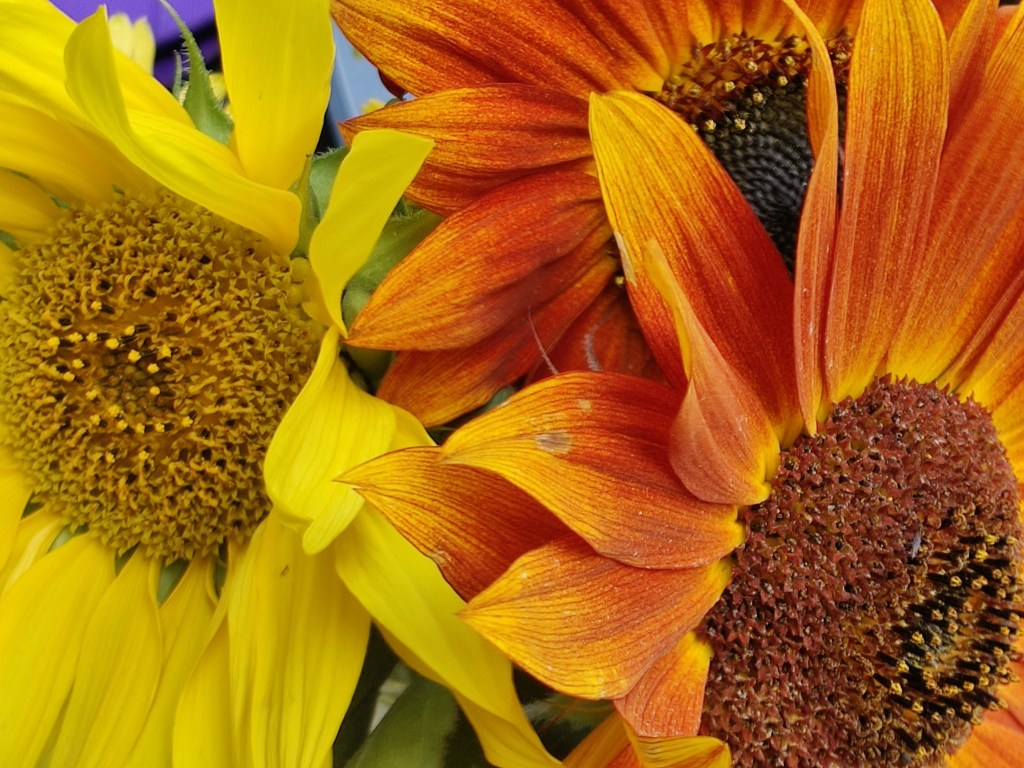
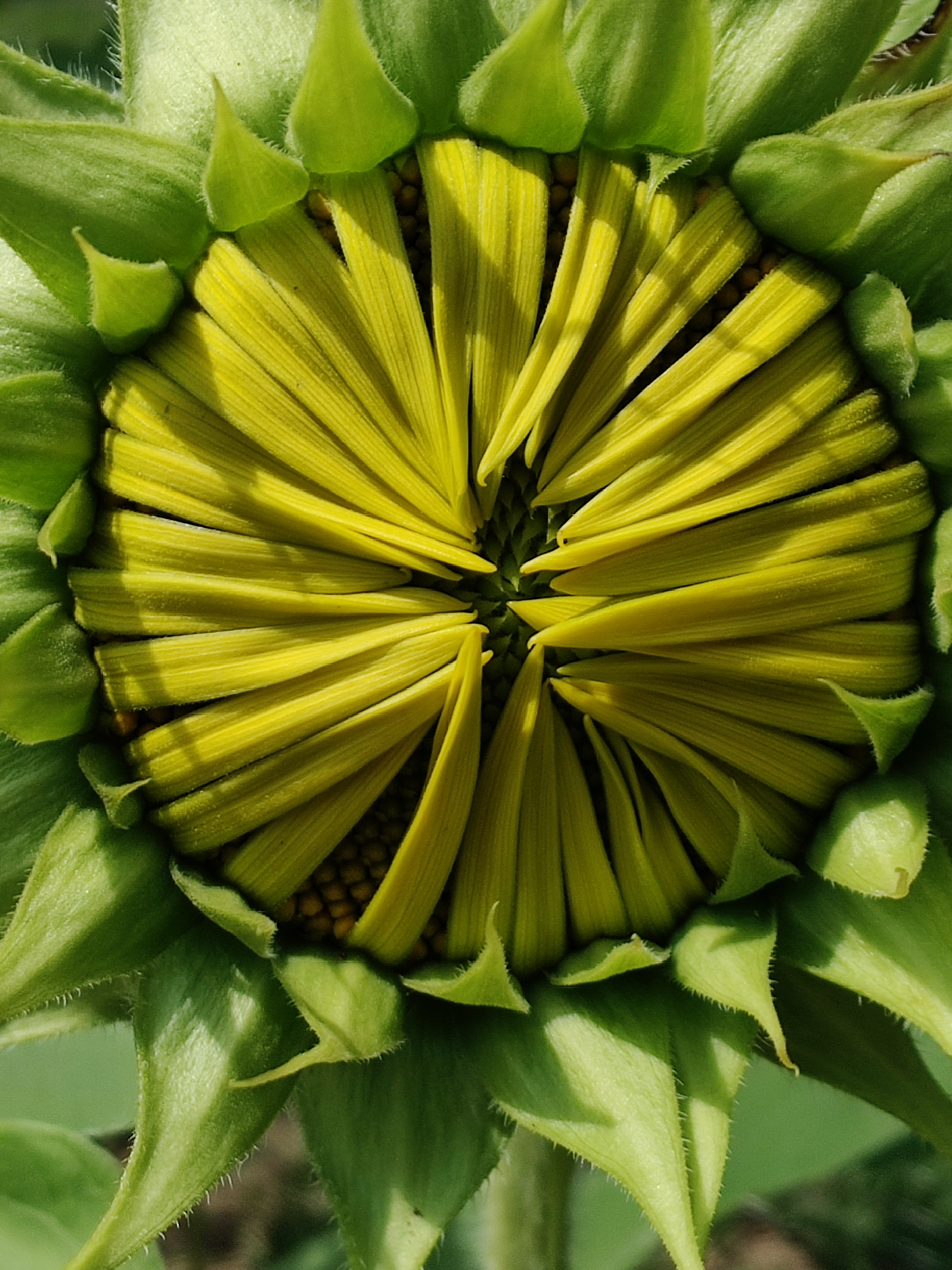
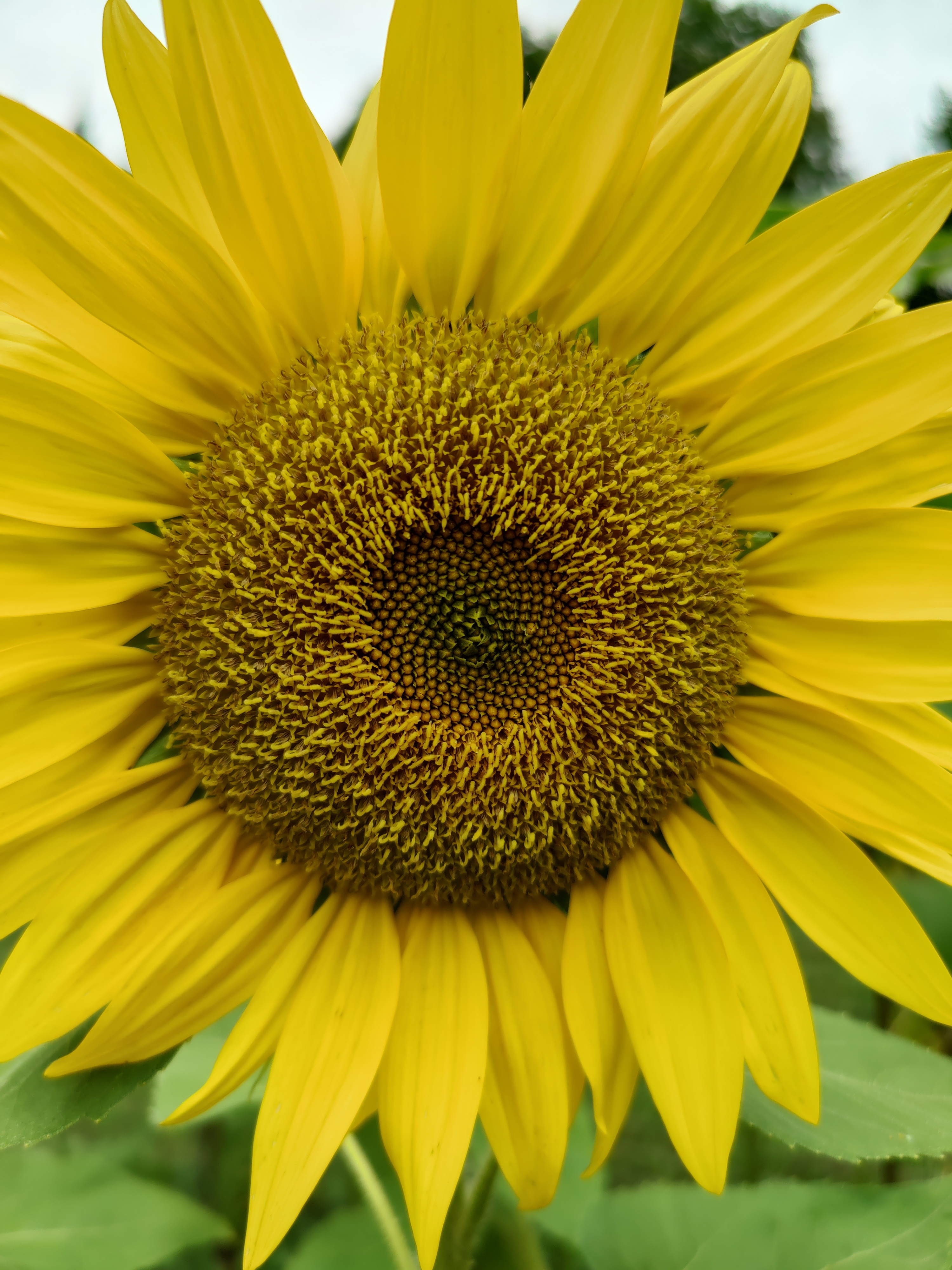
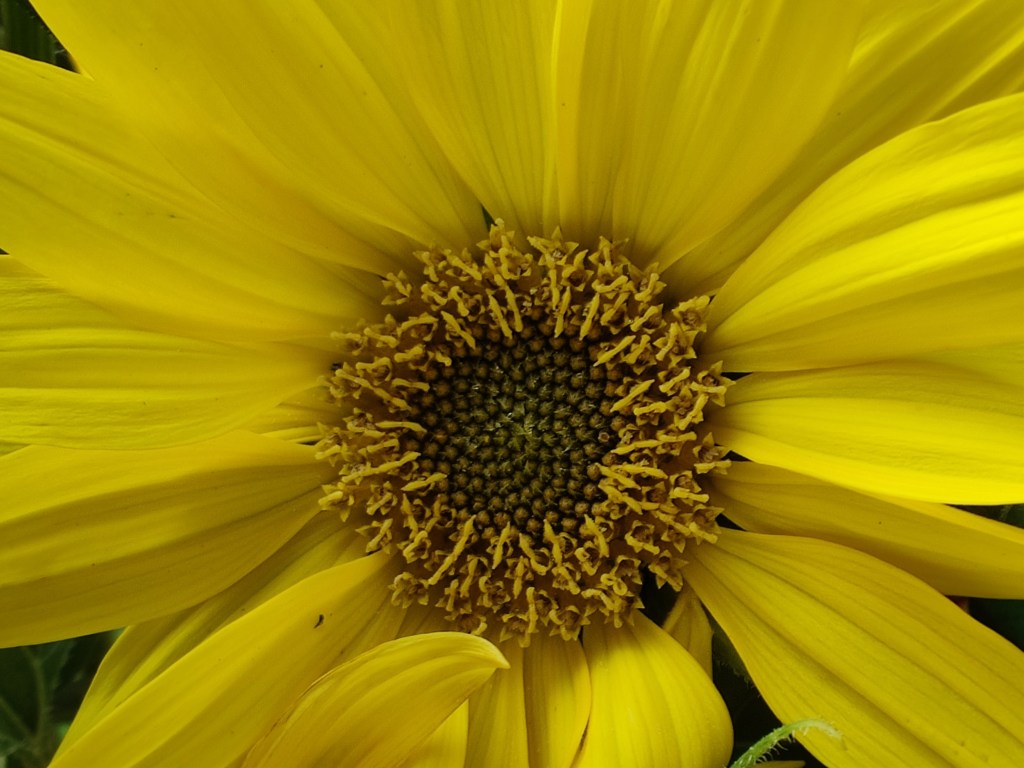
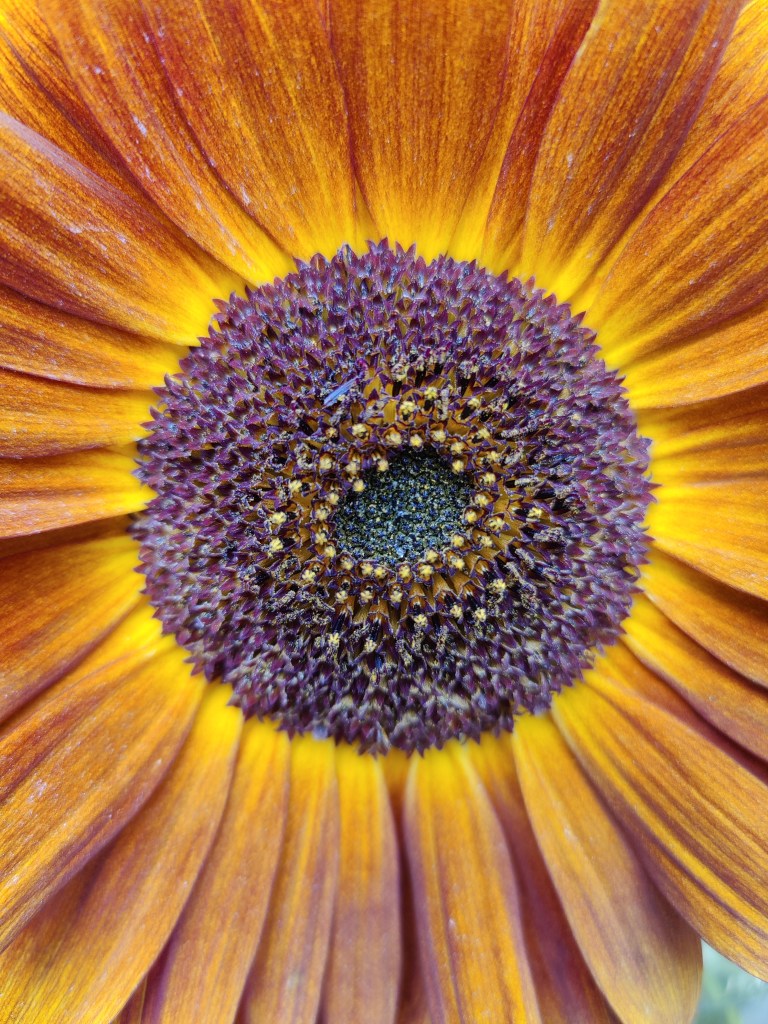
    Sunflower progression during the summer months

    Sunflowers are like the ultimate brunch spot for wildlife, and I know for a fact. The teepee structures I added to my 2024 veggie garden were not only a great spot for my peas to climb, but for chickadees to perch and dine at the sunflower buffet. Sunflower blooms are loaded with tiny florets, serving up nectar and pollen for bees. Once the party’s over, they turn into a seed bonanza for birds, squirrels, and even humans. Packed with protein and healthy fats, sunflower seeds are a snack-time MVP—whether you’re cracking them open at a ballgame or using sunflower oil in your kitchen. If all goes right this year, I will try my hand at making sunflower oil. Stay tuned.

    Sunflowers in the Spotlight

    These flowers aren’t just garden stars—they’re cultural icons. In art, Van Gogh basically made them famous, and in the language of flowers, sunflowers are all about loyalty, joy, and big positive vibes.

    Growing Your Own Sunshine

    Think you don’t have a green thumb? Think again! Sunflowers are ridiculously easy to grow. They’re like the chill friend who’s always up for anything. Here’s how to get started:

    1. Pick Your Player: From skyscraper-like ‘Mammoth’ to the pint-sized ‘Teddy Bear,’ there’s a sunflower for every space.
    2. Plant It Up: Wait until the frost is gone, then pop those seeds in the dirt about 6 inches apart. Cover lightly, water, and let nature do its thing.
    3. Keep It Chill: Water regularly, but don’t drown them. Once they’re up and running, they’re pretty low-maintenance.
    4. Harvest Party: If you’re growing for seeds, wait until the back of the flower head looks a bit dried out. Snip it, dry it, and snack away.

    More Than Just Good Looks

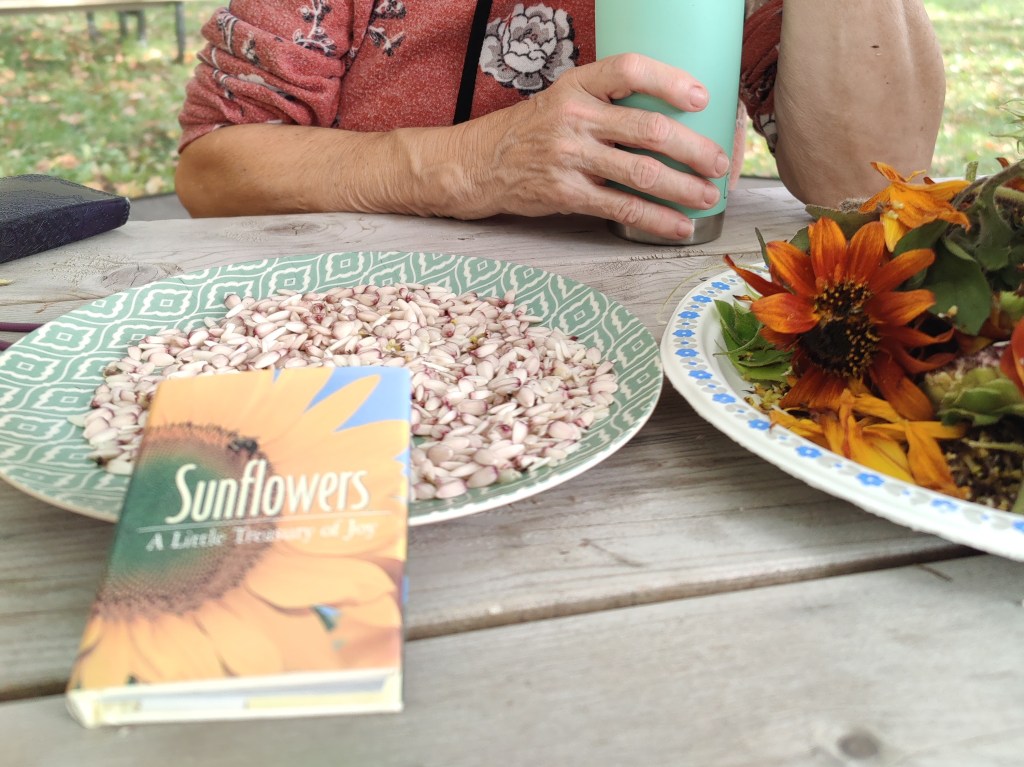
    2024 sunflower seed harvest

    Sunflowers aren’t just garden divas; they’re environmental superheroes. They’re used in phytoremediation to clean up nasty stuff like heavy metals from the soil. In fact, studies indicate that sunflowers were most notably used to support soil clean up following the 1986 Chernobyl disaster1. Plus, they’re popping up in industries from cosmetics to biofuels. Talk about a multi-talented flower!

    Why I Love Them

    There’s something about sunflowers that just makes you smile. They’re the plant equivalent of a high-five on a sunny day. Whether you’re growing one in a pot or a whole field, sunflowers are guaranteed to bring the good vibes.

    So go ahead, plant some sunshine in your life. Because when it comes to sunflowers, the more, the merrier—with a little extra brightness.

    1. https://nature.berkeley.edu/blackmanlab/Blackman_Lab/Lab_News/Entries/2013/2/18_Bloom_of_the_Week_-_Phytoremediation_with_Sunflower.html ↩︎
  • My Seed Collection is Growing

    My Seed Collection is Growing

    My seed order arrived in the mail last week.

    For context, I bought some seeds in a panic. Somebody (wink mom, wink) noted that, in a few months, it’ll be time to start seeds indoors. Luckily my panic purchase does not require me to start my seeds indoors. So, I have some time (phew!), and I was nervous for no reason. And it was a real treat to receive my online order in the mail last week.

    The majority of seeds I purchased are annual flowers that I have grown before, such as zinnias and marigolds. I will try my hand again at some annual flowers that I have not been successful at germinating1. This includes the elusive poppy. This time I will try the California poppy. In the past, I have failed to grow the Icelandic poppy. So wish me luck this year!

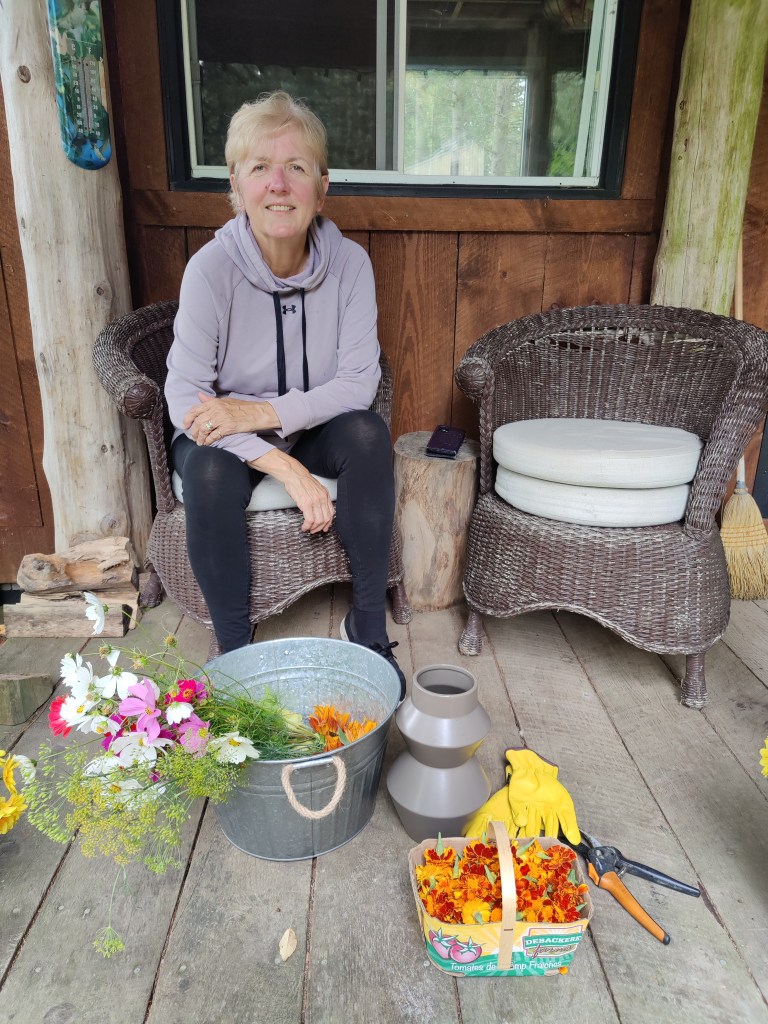
    Mom helping with my flower harvest last year. Marigolds, zinnias, cosmos and dill flowers, oh my!

    Where I Panic Purchased this Year

    I also purchased some vegetable seeds, including cucumbers and green onions. I ordered my seeds from McKenzie Seeds this year, which is a common supplier to Canadian retail stores and garden centres. You can purchase this brand, in person, at most brick and mortar shops. However, I learned that if you buy 50 dollars worth of seed online and are a first time buyer, you will qualify for free shipping and can apply a 10 percent discount code at check out. If this is something that interests you, note that a few days after you place your online order you will be emailed a limited time BOGO offer (that’s their hook to reel you in. I did not know this and missed out). McKenzie seeds has an extensive rewards points program for bonus bucks at checkout.

    The Scoop on Seedy Saturdays

    If buying seeds online is not your jam, I encourage you to check out your local seed swap. Basically a local seed swap (aka Seedy Saturday) is a community event to trade seeds with other gardeners or purchase seeds from vendors. Entrance fees usually include a small monetary or non-perishable food donation. This helps to keep these volunteer-run events operational.

    Larger Seedy Saturdays also incorporate seminars or workshops into the event. It’s a great opportunity to solicit gardening information from the pros, such as a Master Gardener.2 I am hoping to attend the Master Gardeners of Niagara Seedy Saturday with a friend this February. Seeds of Diversity has an excellent consolidated list of seed swaps happening across the country:

    Lastly, I am also happy to swap seeds with folks, too! (I am not running out of my saved sunflower seeds anytime soon).

    1. Germination just means when a seed begins to grow or sprout during a period of dormancy ↩︎
    2. Master Gardeners are experienced gardeners who have studied horticulture extensively and continue to upgrade their skills through technical training. With this training and continuing education, Master Gardeners give expert horticultural advice to the general public. Learn more or donate to the Master Gardeners of Ontario through their website. ↩︎