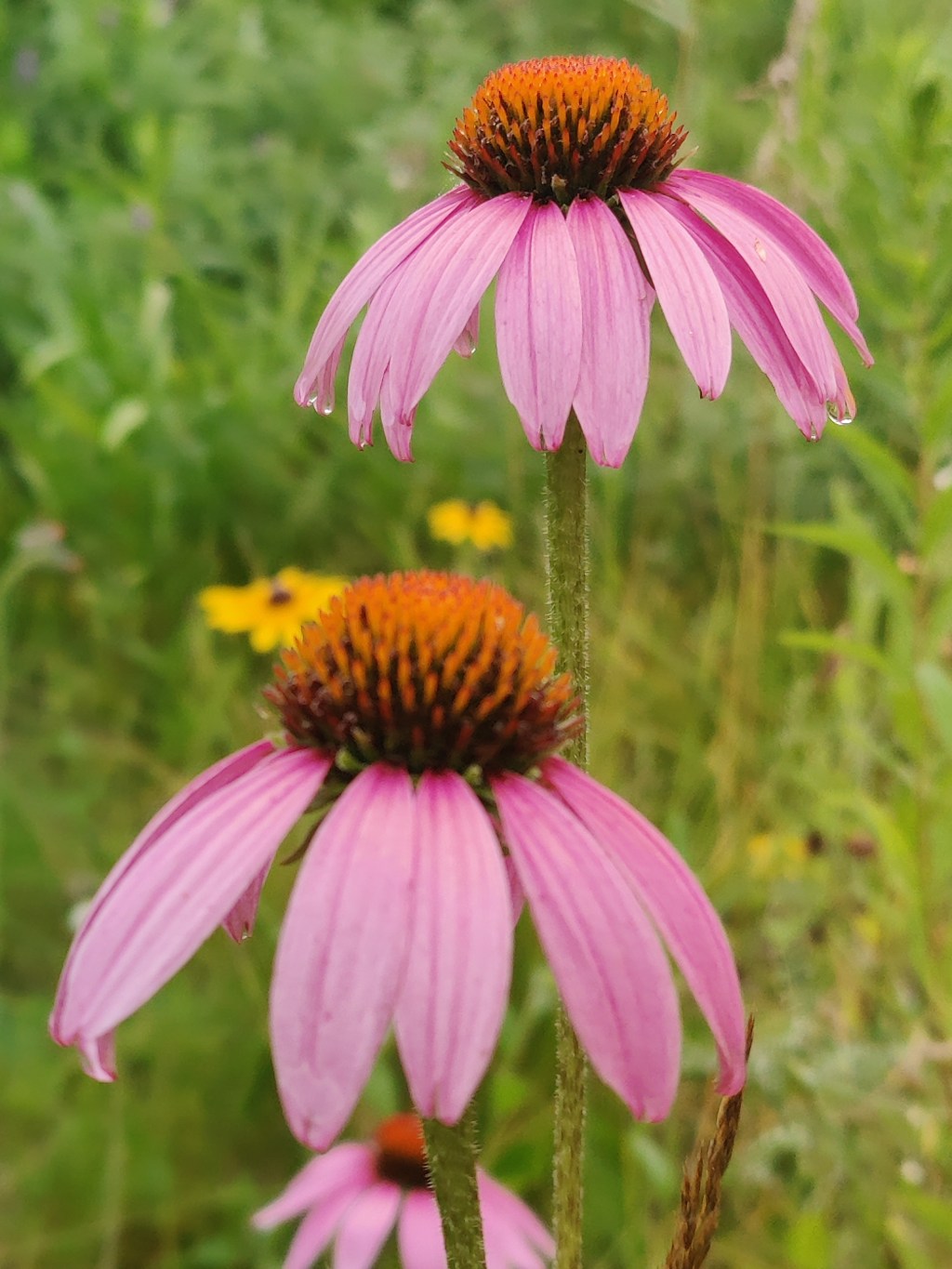
If you are planning to grow native plants from seed you may need to use a method known as cold stratification to encourage germination.
What is Cold Stratification?
Cold stratification simulates the natural conditions many perennial plants experience in winter. It is a necessary step for many native species that require prolonged exposure to cold and moisture before a plant will start to grow. To achieve this cold dormancy, you can sow your seeds in the winter (known as winter sowing) or, if you are behind schedule like me, you can cold stratify the artificial way—using your fridge.
Cold stratification is most often used for perennial wildflowers, trees, shrubs and grasses native to regions with cold winters. Species such as milkweed, purple coneflower, black-eyed Susan, wild bergamot, and serviceberry are common examples that benefit from this method.
What you’ll need to cold stratify your seeds
To stratify seeds at home, you will need a small amount of moist medium—such as vermiculite, sand or a damp paper towel—a sealable plastic bag or container, and a refrigerator set between one and five degrees Celsius.
The paper towel method
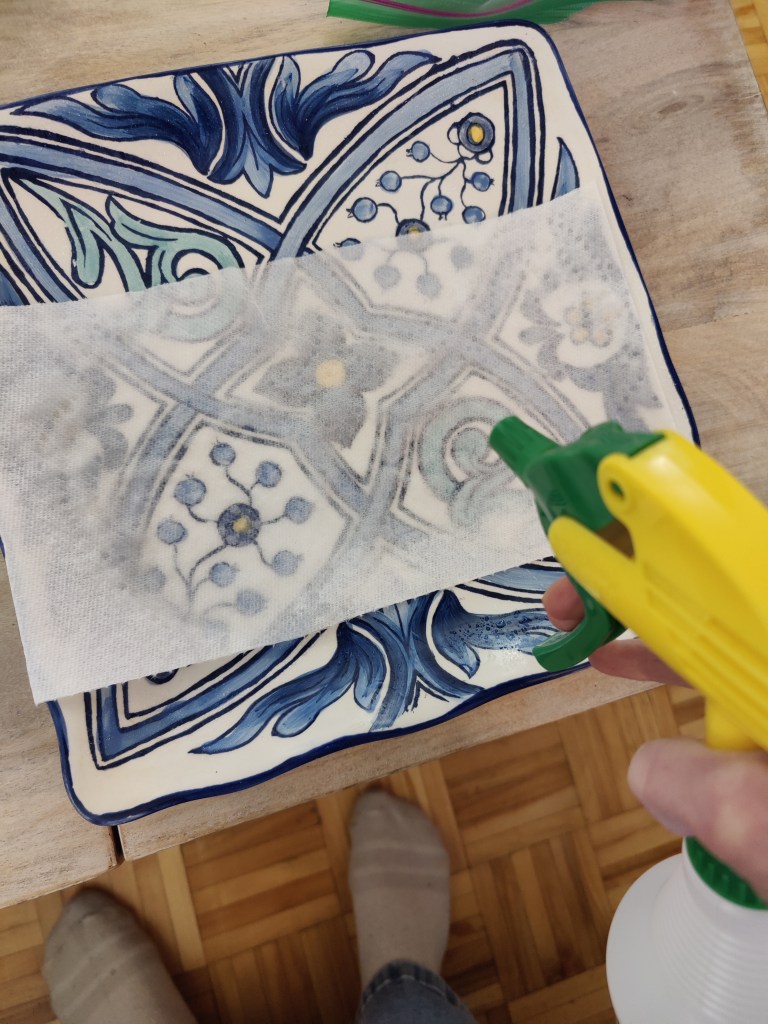
Step 1: Dampen your paper towel
Using a spray bottle, mist your paper towel with water. By this I mean dampen your paper towel to the point where the medium is wet but not wringing out water when squeezed.
This is where I have failed in the past. Too little water, the seeds will not germinate. Too much water can lead to mouldy seeds which also won’t germinate.
In many cases, larger seeds can be soaked in water for 12 to 24 hours prior to stratification.
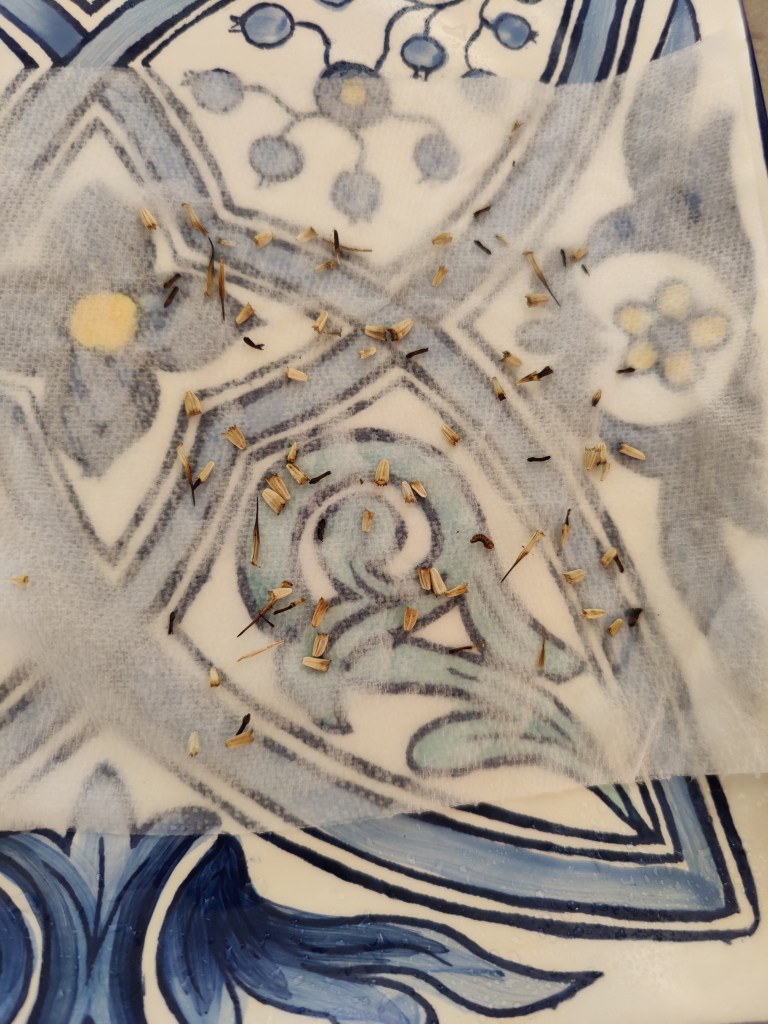
Step 2: Fold your seeds into the paper towel
Spread out your seeds on one half of the damp paper towel. Fold the other half over to envelope the seeds.
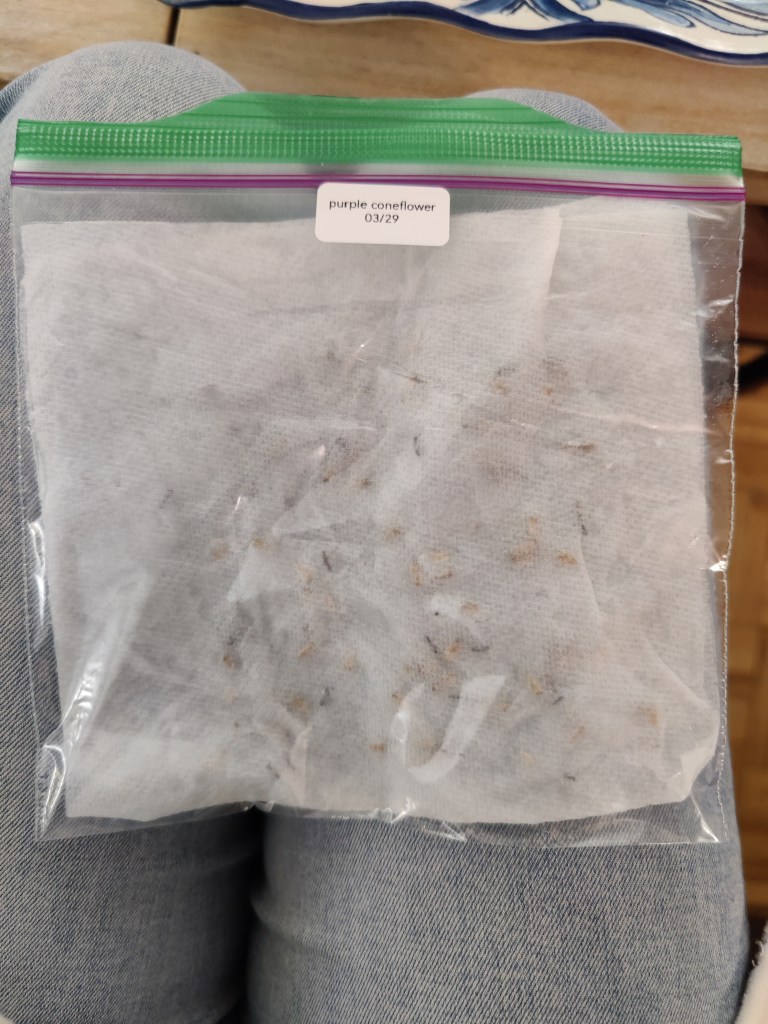
Step 3: Bag, Label and Chill
Take your folded paper towel and tuck it into a resealable plastic bag. Using a marker, label the bag with the species, date and, if known, how long you intend to chill the seeds. Store the bags in the refrigerator.
The duration of cold stratification depends on the species. Most require 30 to 90 days. Some native trees and shrubs may need up to 120 days. During this period, it is important to monitor the seeds regularly. If sprouting occurs, seeds should be planted promptly in pots or directly in the garden, depending on local conditions.
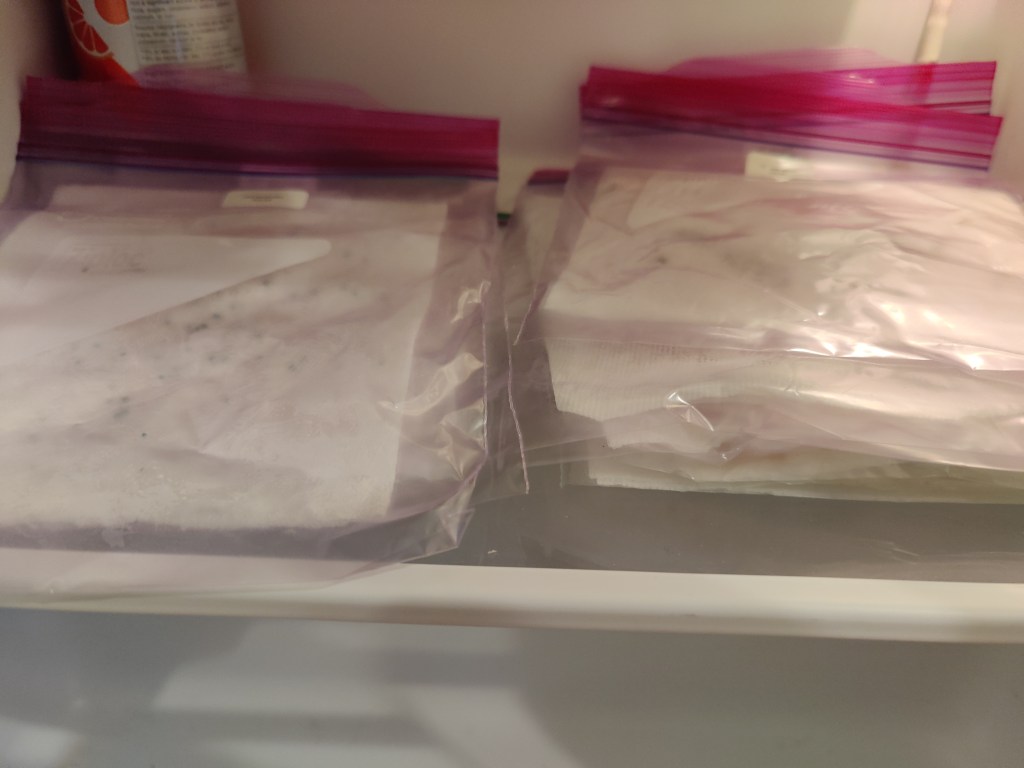
Cold stratification is a valuable tool for supporting biodiversity and growing hardy, resilient plants from seed. While it requires planning and patience, the method can improve germination rates and help you successfully grow a wider range of native species. Happy sowing!


Leave a Reply