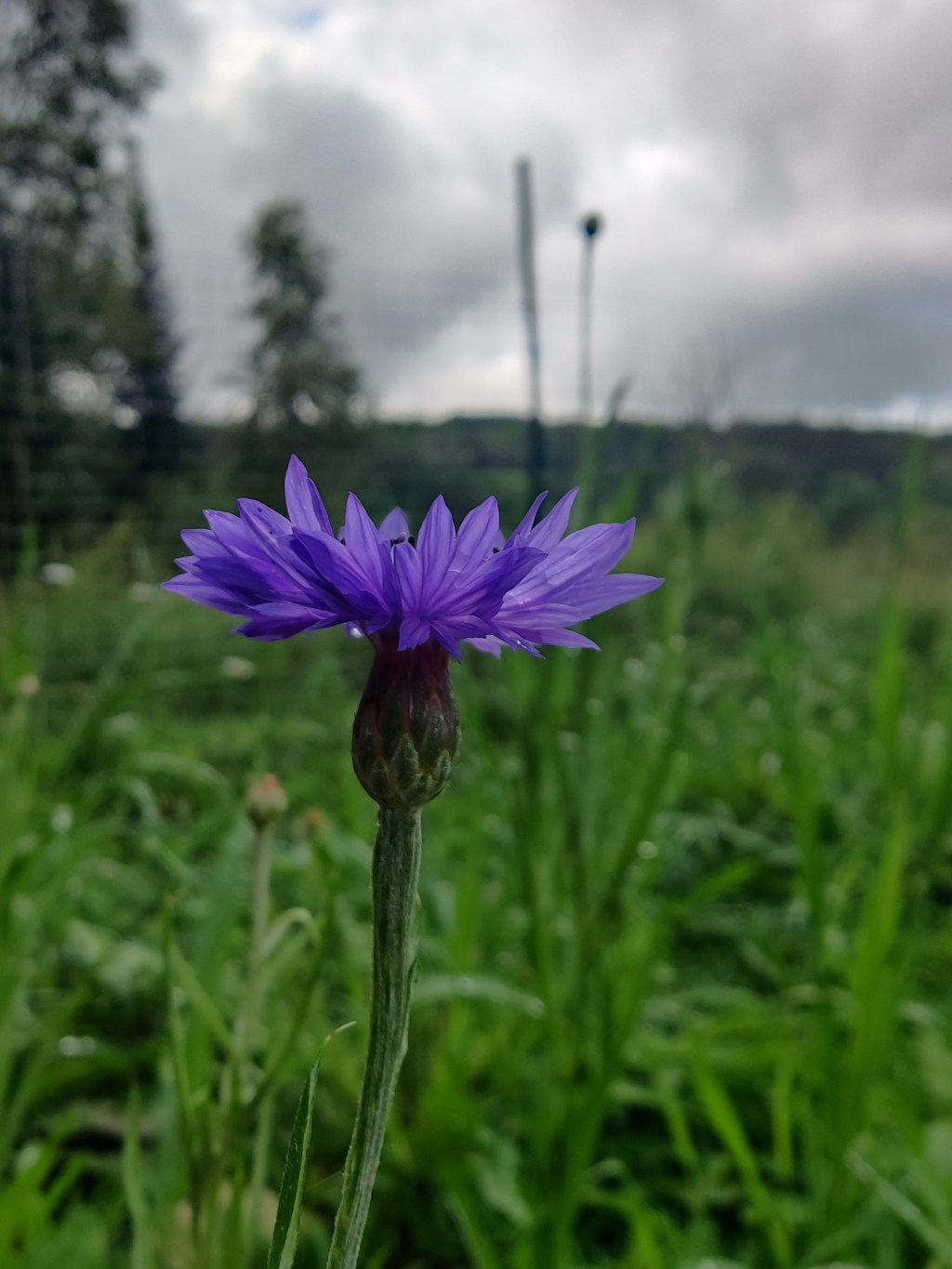
This week I am featuring the beautiful cornflower, or bachelor’s button. This national flower of Estonia is classified as an annual plant in Canada, meaning it only blooms once and it must be replanted on a yearly basis if you want continual blooms.
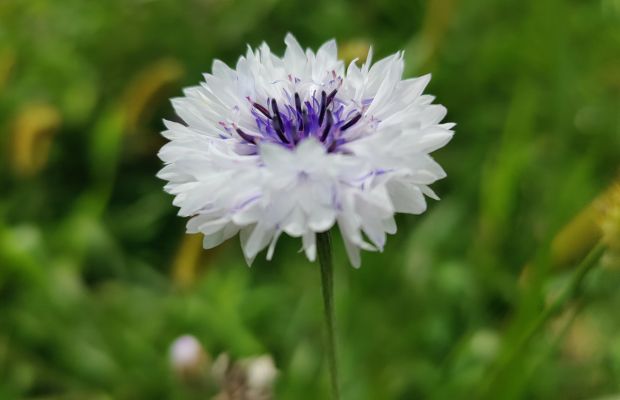
I have grown cornflowers in my balcony pots before, but last year, I grew them as a cut flower by sowing the seeds directly into the ground. This way, I could cut and position my picks into bouquets and floral arrangements throughout the summer.
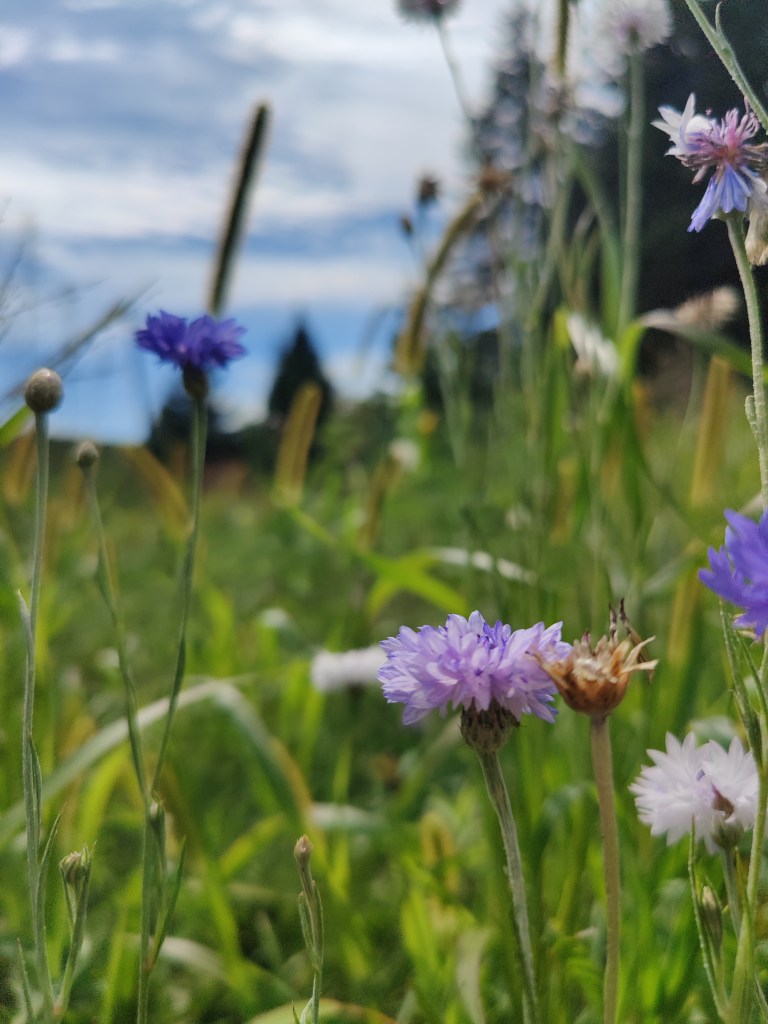
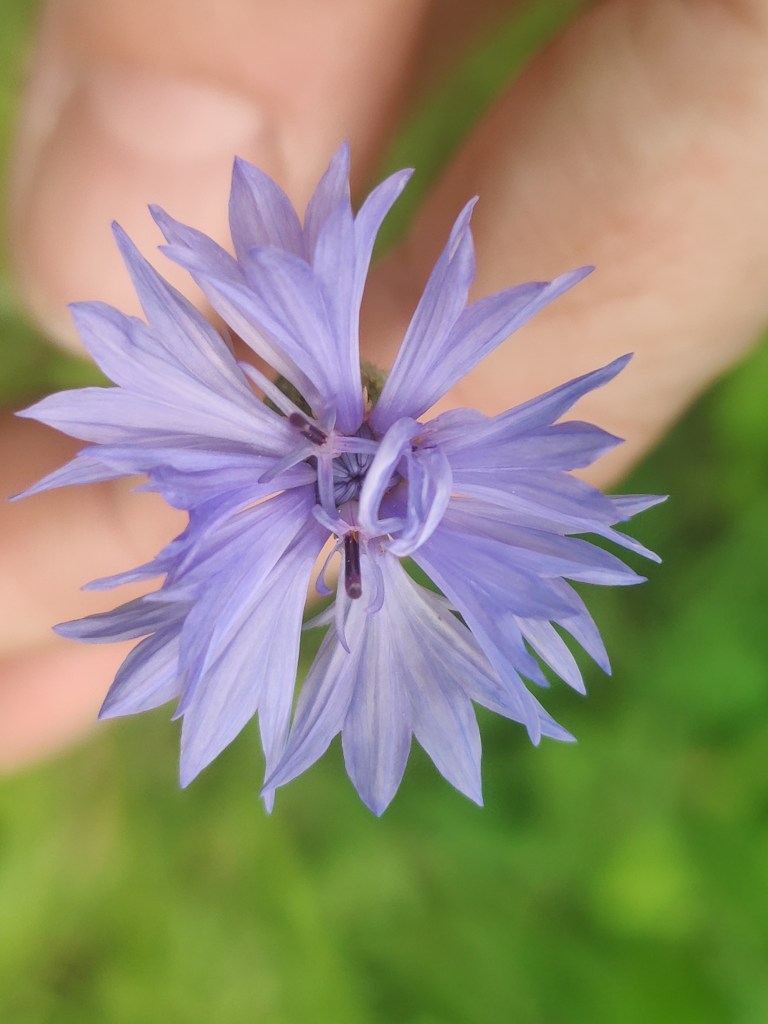
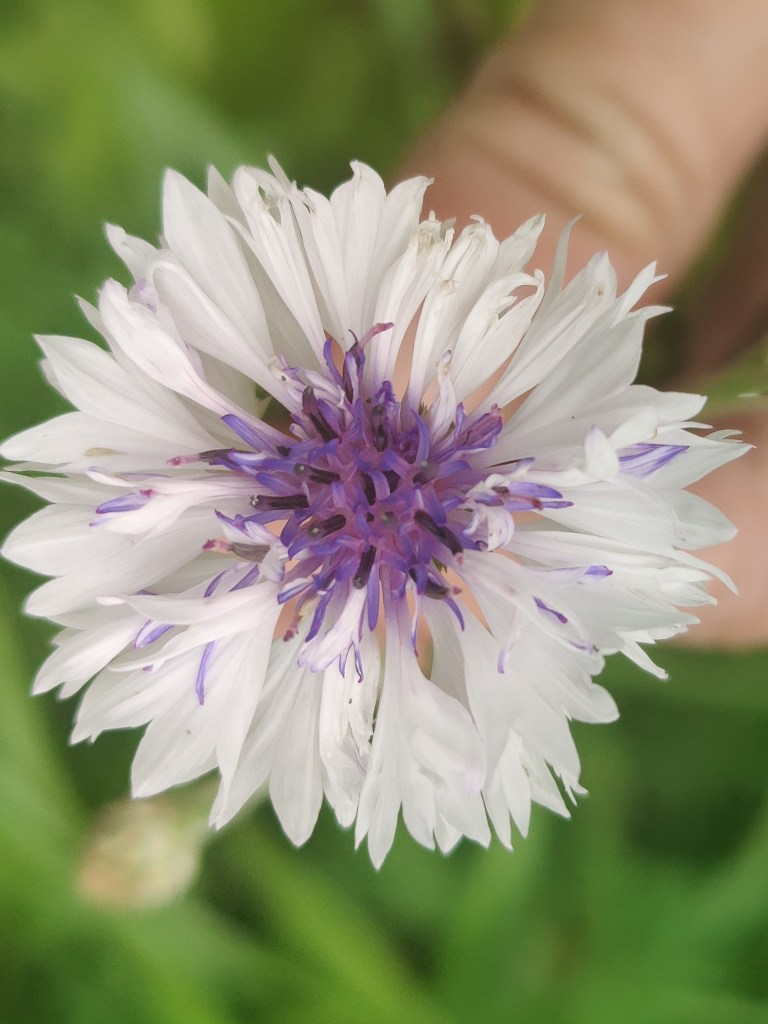
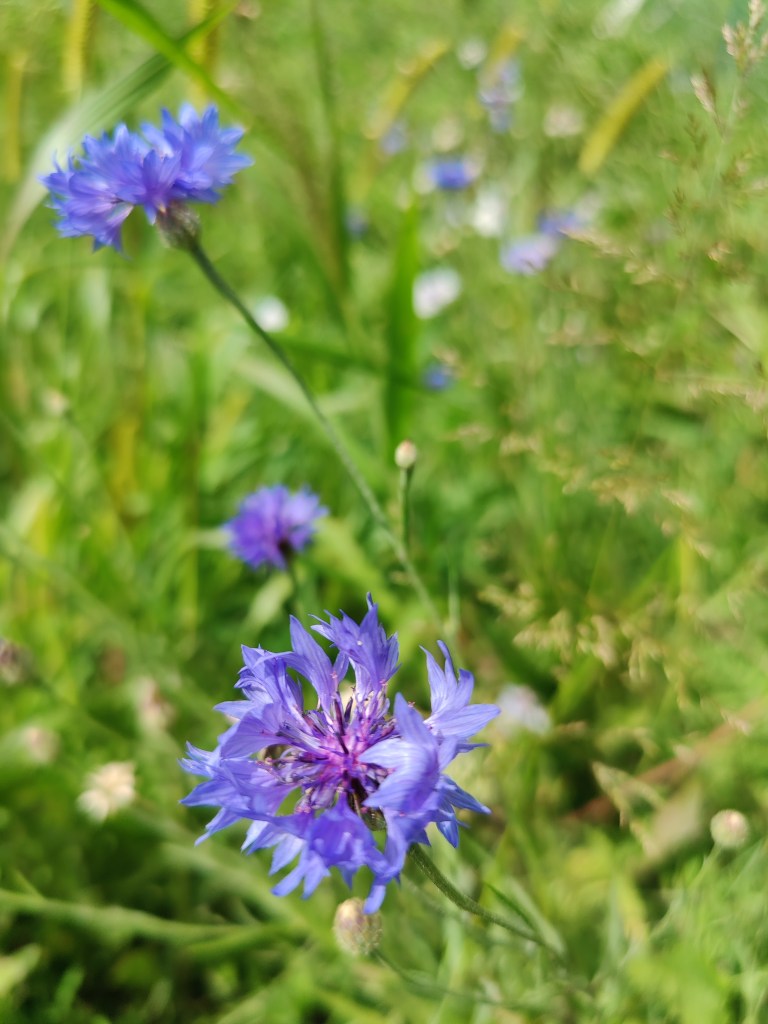
Cornflower Characteristics
Cornflowers are most famous for their striking “cornflower blue” pigment—a true, vivid blue that is surprisingly rare in the plant world. Here is why they have become a permanent fixture in my garden plans:
- Pollinator Magnet: If you want to see your garden come alive, plant these. They are high in nectar and are a favourite for bees, butterflies, and other beneficial insects.
- The Perfect Cut Flower: Following my success with cut flowers this past year, cornflowers have proven to be a essential filler. They have long, sturdy stems and a decent vase life, adding an airy, wild texture to bouquets.
- Edibility: I recently learned that the petals are edible and retain their colour well when dried. They can make a beautiful garnish for salads or a striking addition to homemade tea blends.
Tips for Growing Success
If you’re thinking about adding these to your 2026 garden, here are a few things I’ve learned:
- Don’t over fertilize: Too much nitrogen (like the manure I applied late last year) can actually lead to lots of green foliage but very few actual flowers. Cornflowers prefer a leaner soil.
- Deadheading is key: To keep them blooming through the summer, you have to be diligent about removing spent flowers. This prevents the plant from putting all its energy into seed production too early.
- Support: While they are sturdy, the taller varieties can occasionally flop over in heavy rain. Planting them in dense groups helps them support one another or you can tie them to a supporting post.
The blue cornflower is a humble plant, but its reliability and striking color make it an essential part of the garden landscape. It’s a reminder that even when the soil is difficult and the timing is off, some plants are just determined to thrive.


Leave a Reply