Author: Lina

  • It’s time: Protecting my native plants from those pesky invasives

    It’s time: Protecting my native plants from those pesky invasives

    The other night we hired an additional set of hands to help with our yardwork. It was a blessing because it gave me time to pull the invasive plants cropping up across my yard. I’m talking about invasive groundcovers in my area, like speedwell and periwinkle, which can be pretty in pots but are a threat to biodiversity when they run rampant.

    Many common garden groundcovers in Ontario can be deceptive. Plants like periwinkle and speedwell are still widely sold at major retailers for their pretty purple and blue blossoms, but if left unchecked, they form dense, suffocating mats that aggressively push out native plants — such as the delicate Canada mayflower scattered around my yard. If I can literally nip this in the bud early enough, I can avoid creating an ecological dead zone in my area.
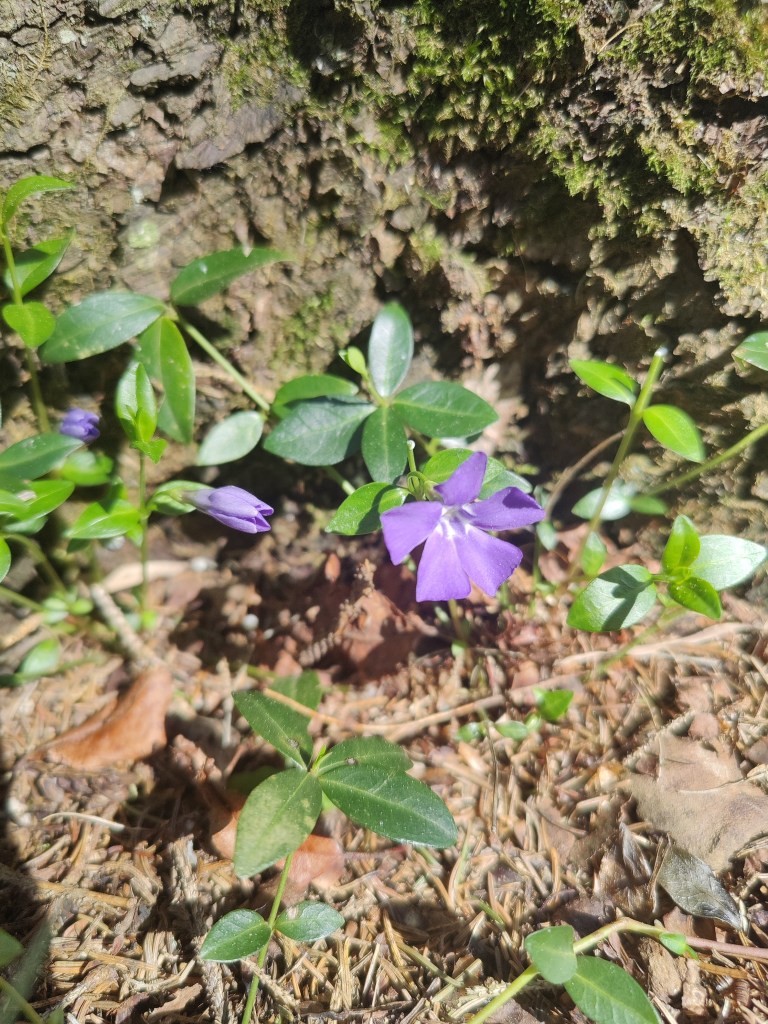
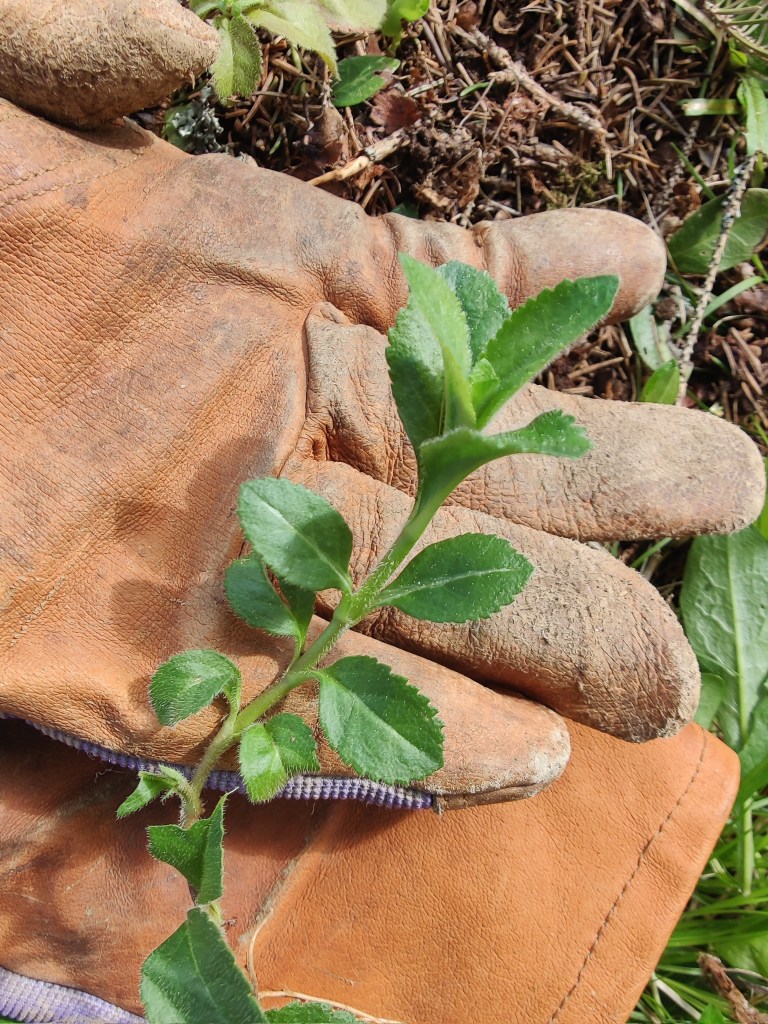
    The danger of invasive plants goes deeper than aesthetics. They disrupt an ancient evolutionary partnership between plants and insects. I recently saw a video that explained the issue by sorting pollinators into two groups: generalists and specialists.

    The video explained generalists, like honeybees, as adaptable. They aren’t picky eaters and will readily harvest nectar from native wildflowers and invasive weeds alike.

    However, the video went on to explain the importance of evolutionary specialists (that is, the native pollinators). In my region, these include many of Ontario’s wild solitary bees, bee flies, and hoverflies. Over millennia, they co-evolved with specific native plants. Their life cycles, times of emergence, and even their mouthparts are precisely synchronized with the local flora. The problem is that specialists cannot switch to invasive plants if their native hosts disappear, and as a result, so too can they (yikes).

    This brings me back to my struggling Canada mayflower. The native Canada mayflower relies entirely on these specialists. Because its spring blossoms are shallow and open, it depends on small solitary mining bees and hoverflies for pollination.
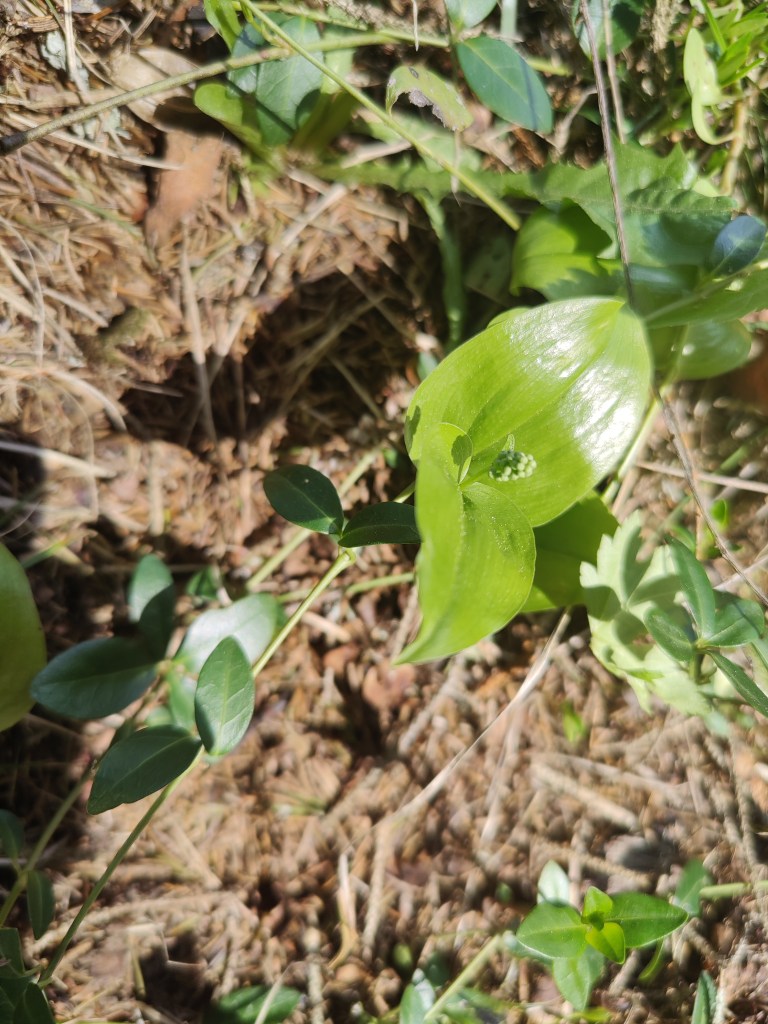
    Canada mayflower and periwinkle

    While Canada mayflower itself is still relatively stable in Ontario, its specialist insect partners are facing steep wild population declines due to habitat loss and pesticide use. When invasive plants displace native flowers, these specialist pollinators starve, halting the reproductive cycle of the forest understory, thereby eliminating the precise food sources local wildlife needs to survive.

    The good news! My area has great alternatives

    What’s great is that gardeners can support local specialist pollinators by replacing invasive groundcovers with native species that thrive in their area. The list can get long, but here are just a few alternatives:

    Native GroundcoverFoliage TypePollinator BenefitBest For
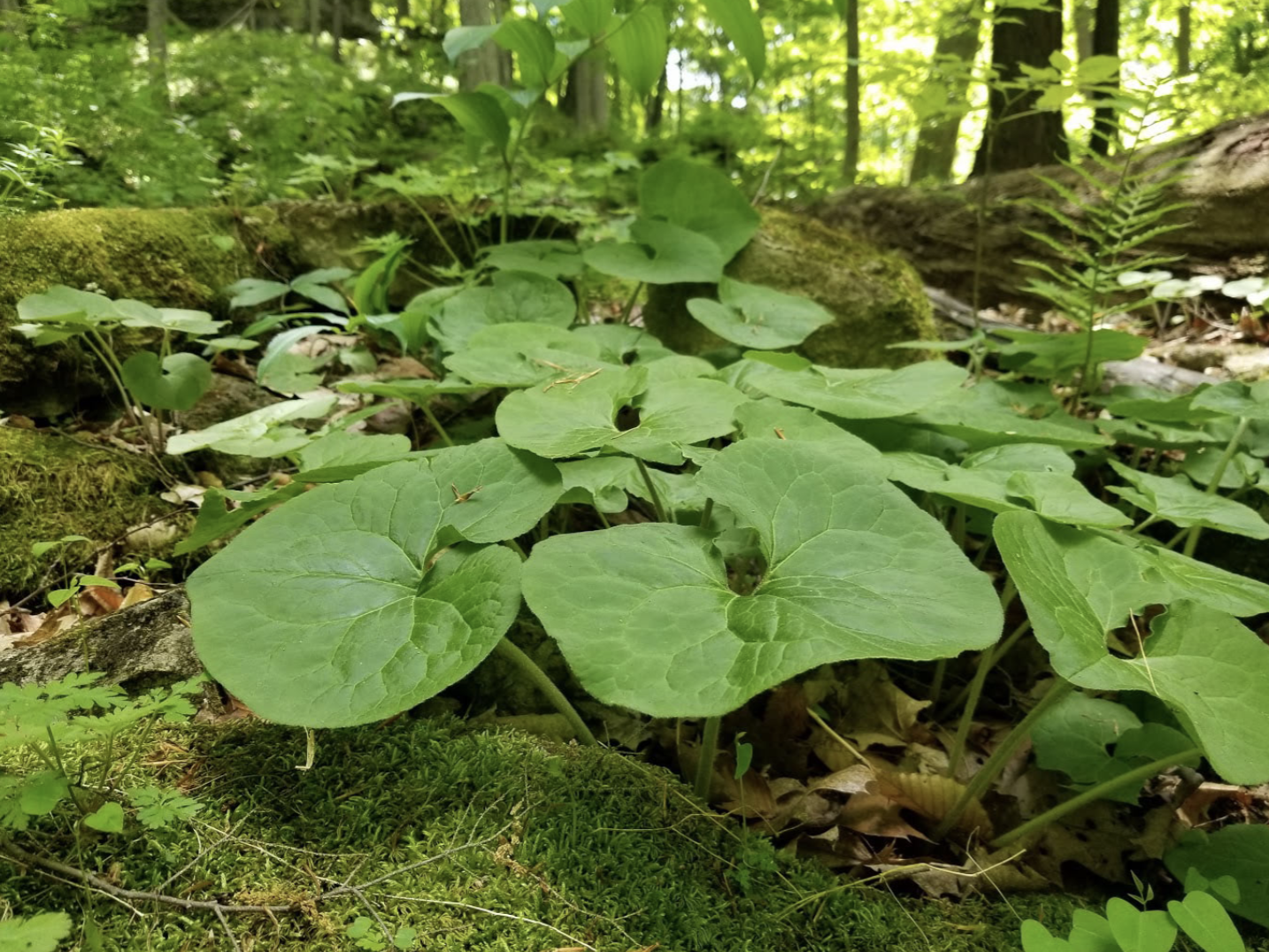
    Wild Ginger
    Deciduous (Large, velvety leaves)Early spring food source for native beetles and carrion flies.Deep, moist shade under trees.
    Wild StrawberryDeciduous (Vibrant red autumn foliage)Magnet for tiny solitary bees; vital host for butterfly larvae.Dappled shade to partial sun.
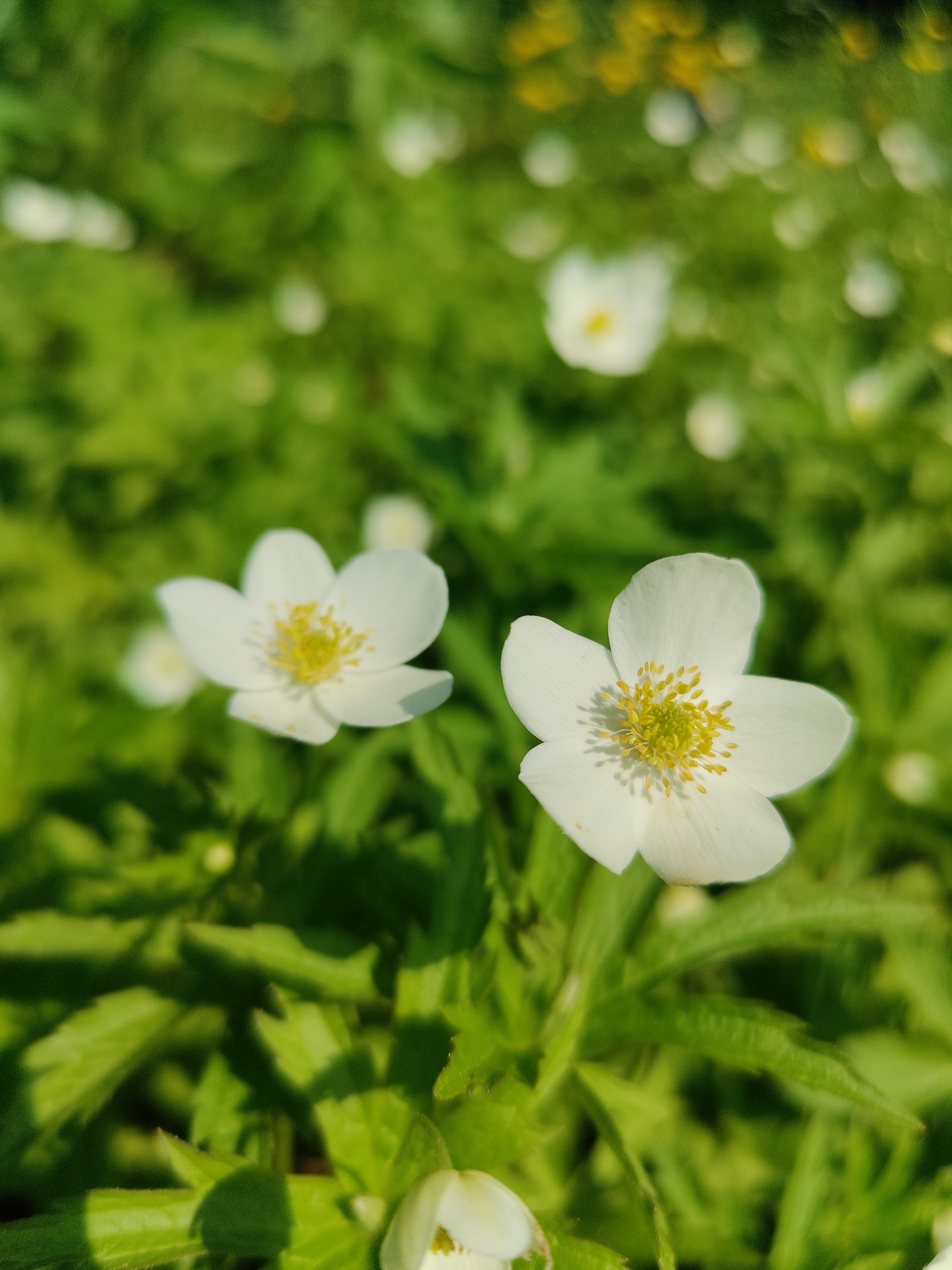
    Canada AnemoneDark green, deeply lobed and sharply toothed leaves(forms low mats)pure white cup-shaped flowers for specialist hoverflies, sweat bees and miner bees.Part shade to full sun, an aggressive groundcover alternative; great for stabilizing soil
    • Wild Ginger
    • Canada Anemone

    While I try to plant a variety of plants to help both the specialists and generalists and serve my own gardening purposes, I continue to research which regional native plants work best for my garden.

    By choosing native plants for your area, gardeners aren’t just landscaping—they are preserving the fragile local food web that keeps Ontario’s ecosystems (and us) alive.

    If you’re interested in adding a few extra native plants to your yard, check out the following resources to learn what grows best in your region:
  • Why you need a serviceberry tree

    Why you need a serviceberry tree

    I read a lot of online gardening forums and I’ve noticed one central theme: native gardening. As gardeners increasingly prioritize biodiversity and climate resilience, one particular tree has emerged as a premier selection for those seeking a high-performance native alternative to traditional ornamental trees —and that my friends is the serviceberry.

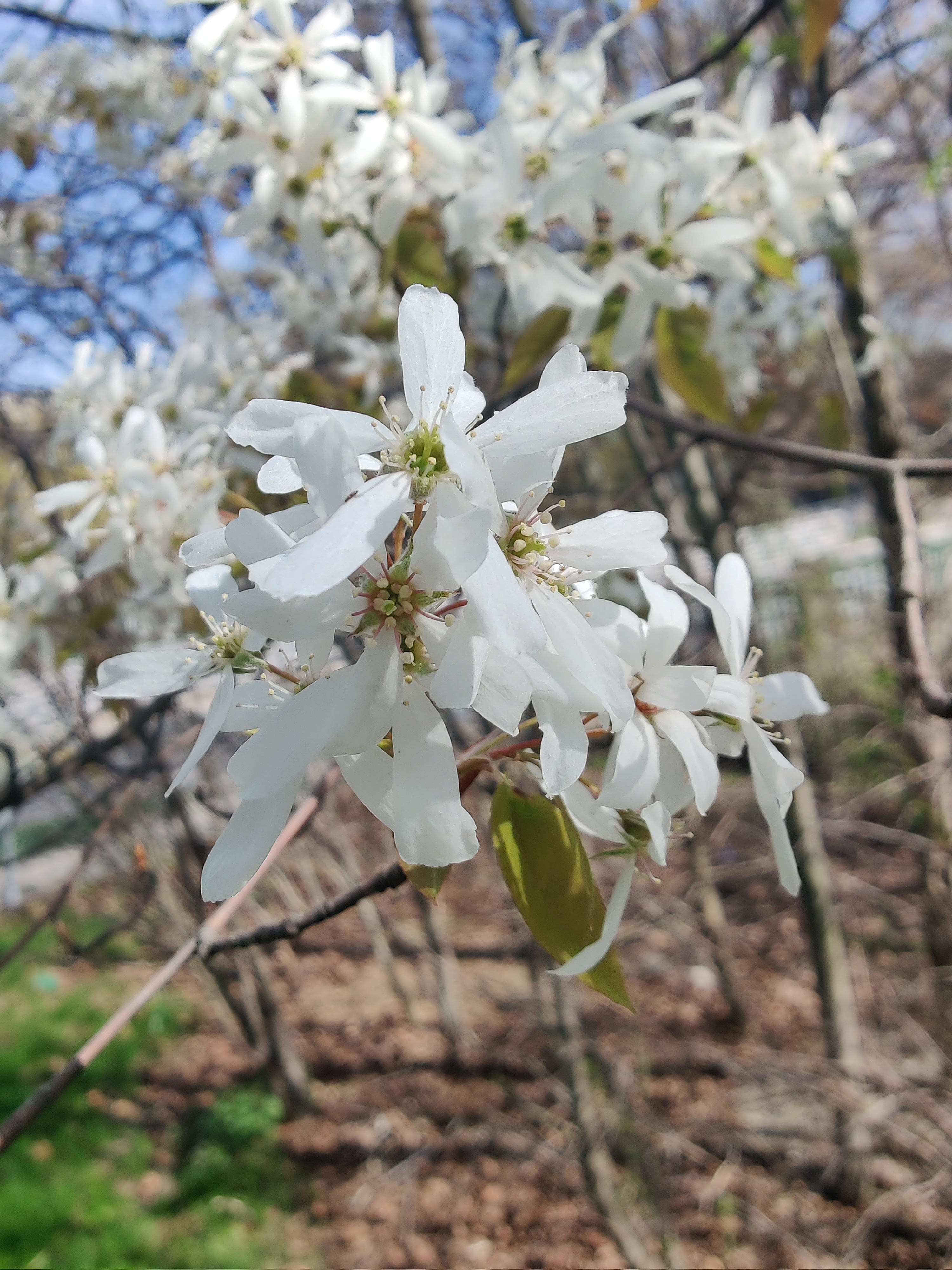
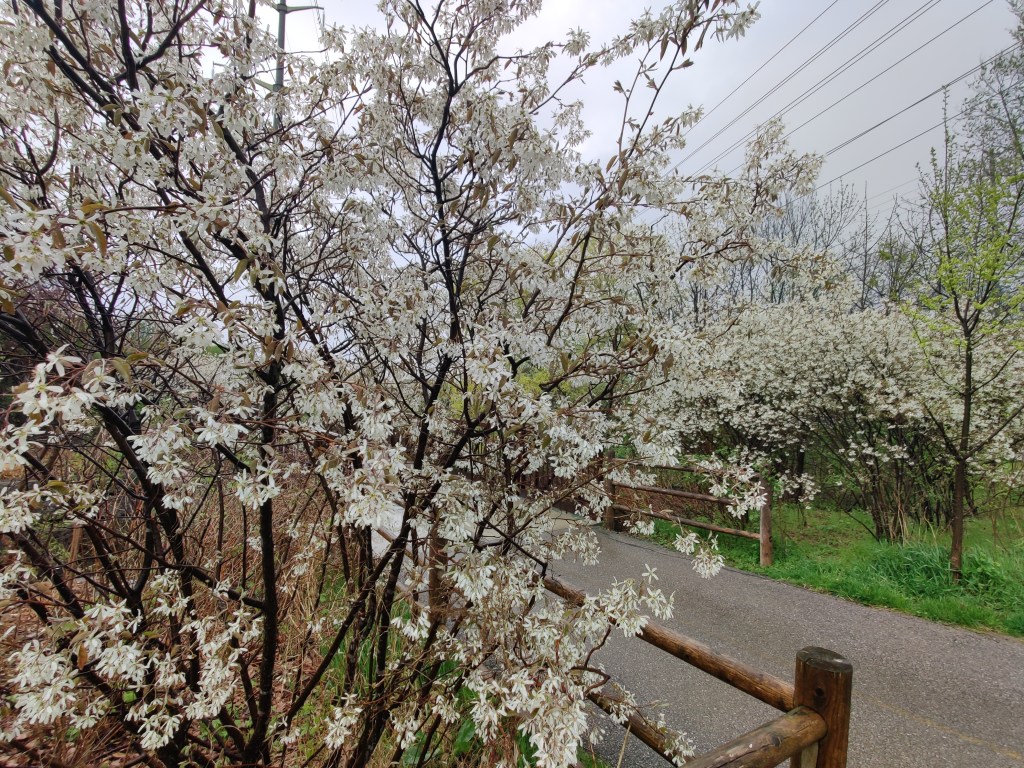
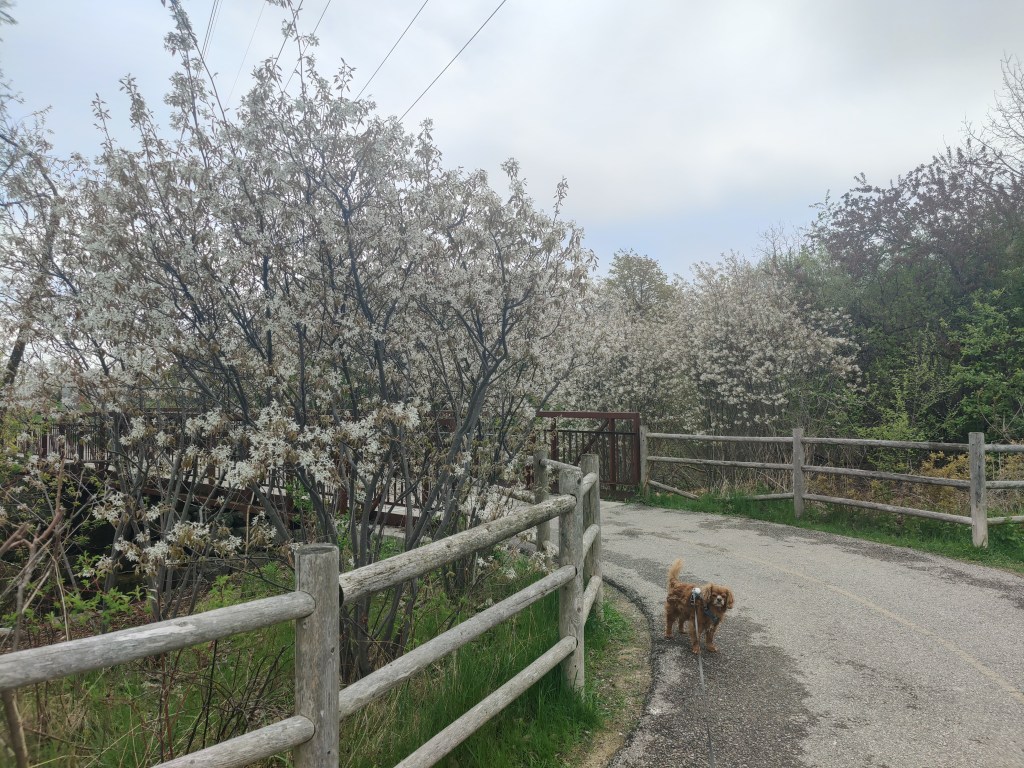
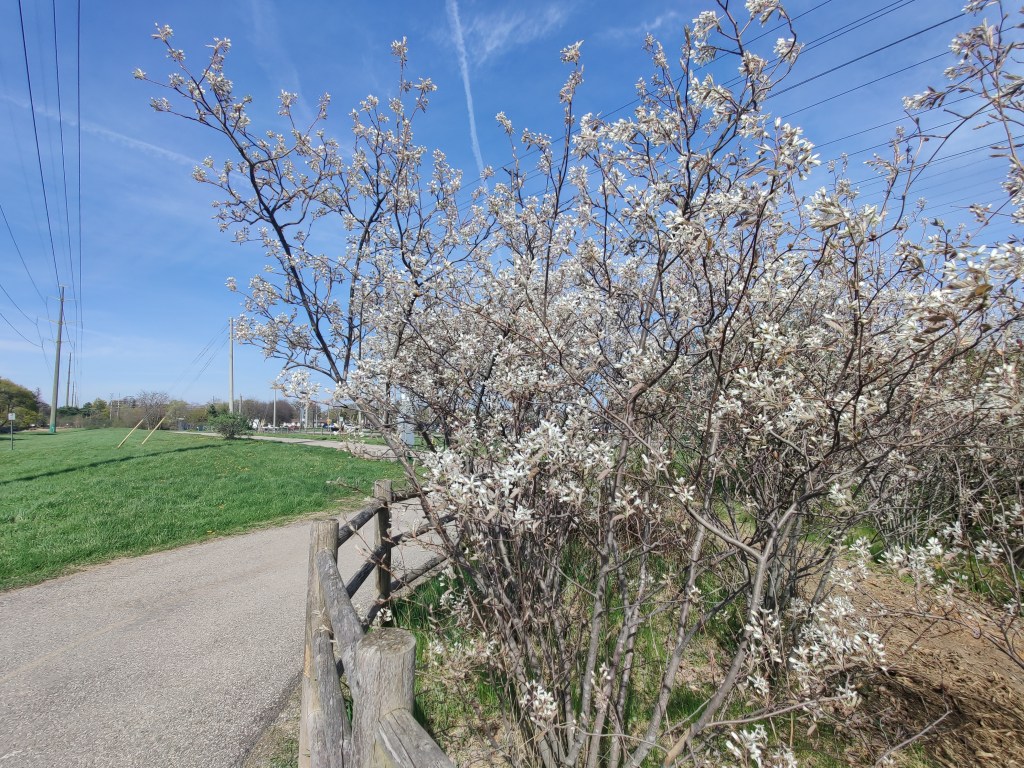
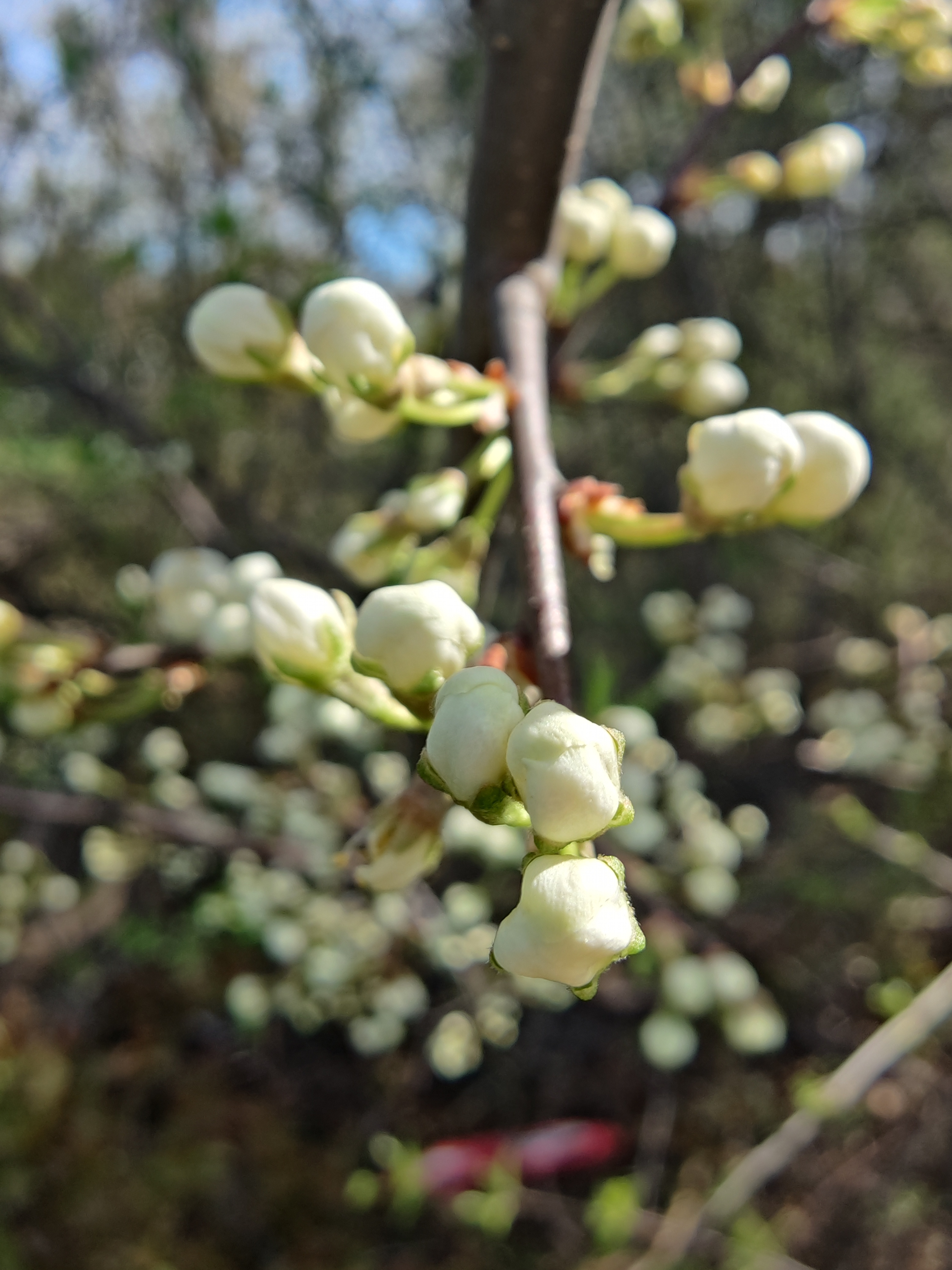
    Serviceberry trees offer a year-round visual narrative that begins in early spring with a prolific display of white, star-shaped blossoms. I was fortunate to witness these “bloomin’ beauties” this past week in my community garden.

    A moment of “awe”. Watching the local serviceberry trees on Monday (left) and later Monday (right).

    Serviceberry flowers serve as a critical early-season nectar source for pollinators before transitioning into edible pomes (i.e. a type of fruit from the rose family) by mid-summer. These berries, which shift from crimson to a deep purplish-black, are often compared to a blueberry with a mild almond finish. Yes, the fruit is edible to humans and can be used in jams, jellies, and pies. Like apples, you will have better fruit production with a second tree. Keep in mind: you will compete with local bird populations for the harvest.

    Capable of reaching heights of eight to 10 metres, the serviceberry can be maintained as a multi-stemmed privacy screen or pruned into a traditional single-trunk focal point. Though still young, I am hopeful that my own serviceberry will achieve it’s full glory in a few more years as it continues to grow at a moderate pace.

    Hardy from Zones 4 to 7, the serviceberry requires minimal intervention once established. Its adaptability extends to the soil, where it thrives in the moist, acidic conditions common across its native range in Ontario. Experts recommend ensuring adequate airflow to prevent powdery mildew during humid cycles, but otherwise, the tree stands as the perfect investment for the ecologically conscious gardener.

    As for my dog? Less enthused about this Ontario native marvel.
  • April showers bring May flowers

    April showers bring May flowers

    Happy first of May! There is a specific kind of energy that arrives with this month. It’s that long-awaited payoff for enduring the muddy and gray transition of early spring. We’ve all heard the rhyme—April showers bring May flowers—but if your garden is currently looking more “frosty” than “floral,” you aren’t alone.

    For many of us in cooler growing zones, May 1 doesn’t always look like a walk through a botanical garden. It’s often a game of “will it or won’t it” with the overnight lows—and in my case, the “will it” occurred when our creek overflowed.

    A few weeks ago, our property suffered some unfortunate flooding; however, I’m looking forward and hopeful that it won’t continue to “dampen” my spirits for the upcoming gardening season.

    Anyway, while the tulips and daffodils are the hardy pioneers at this point in the spring season, the real stars of the show usually need a little more convincing to wake up. If your garden feels a bit behind schedule due to the recent chill, don’t worry—the roots are doing the heavy lifting underground, just waiting for that consistent sunshine.

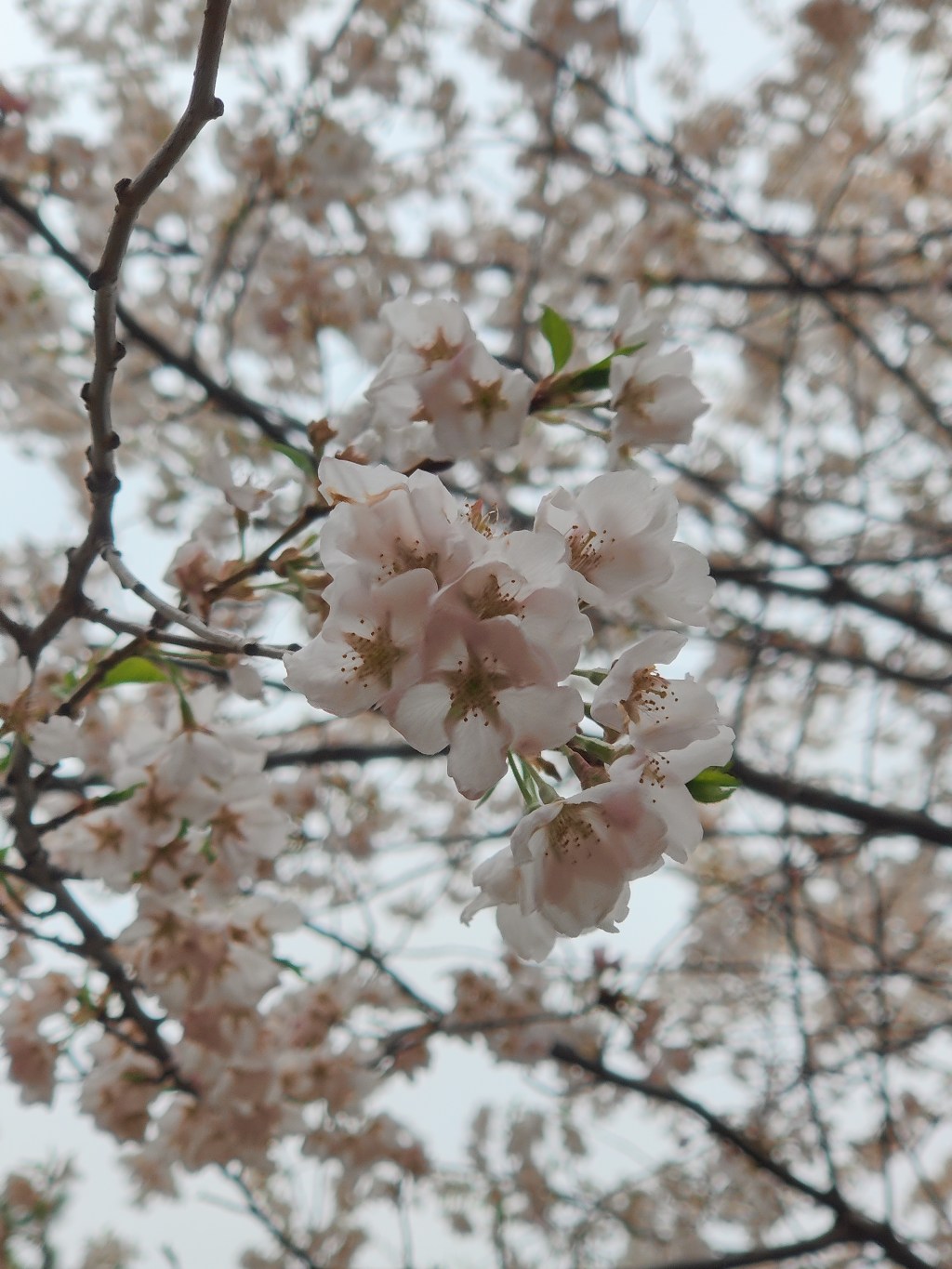
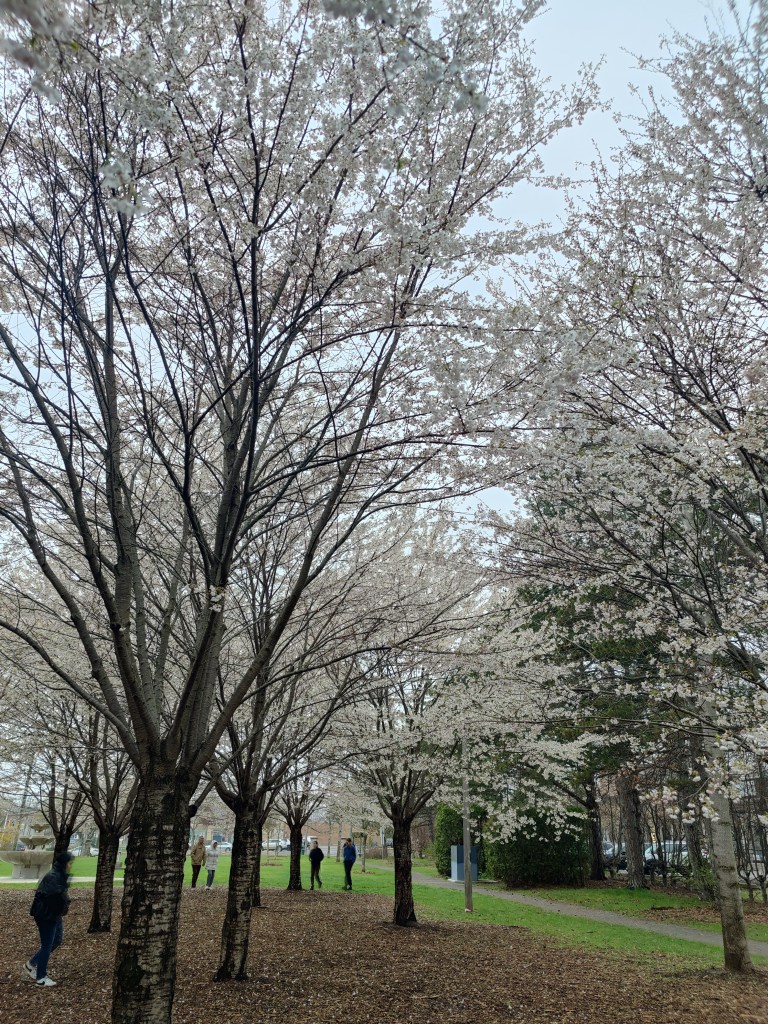
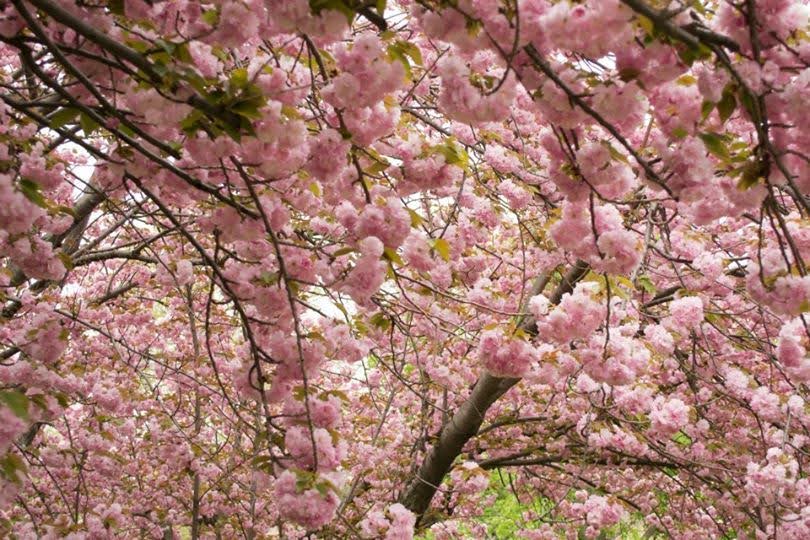
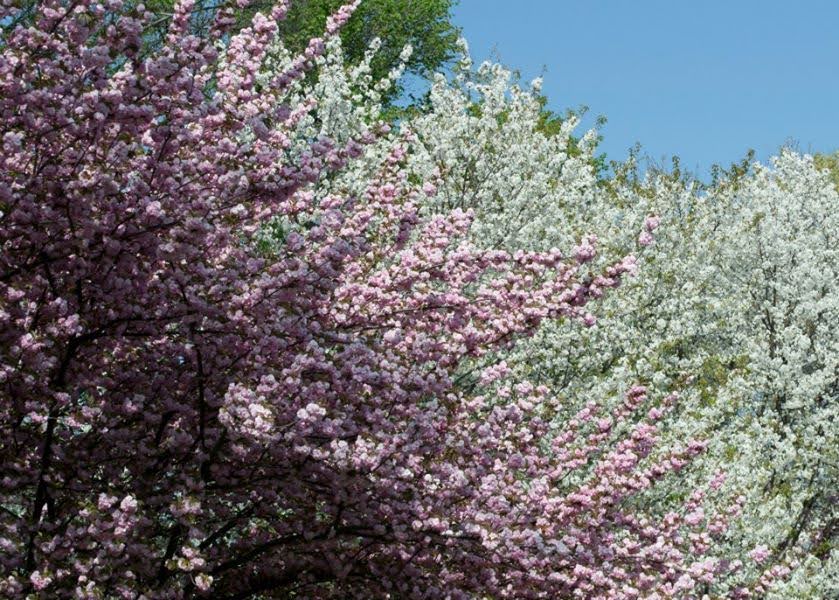
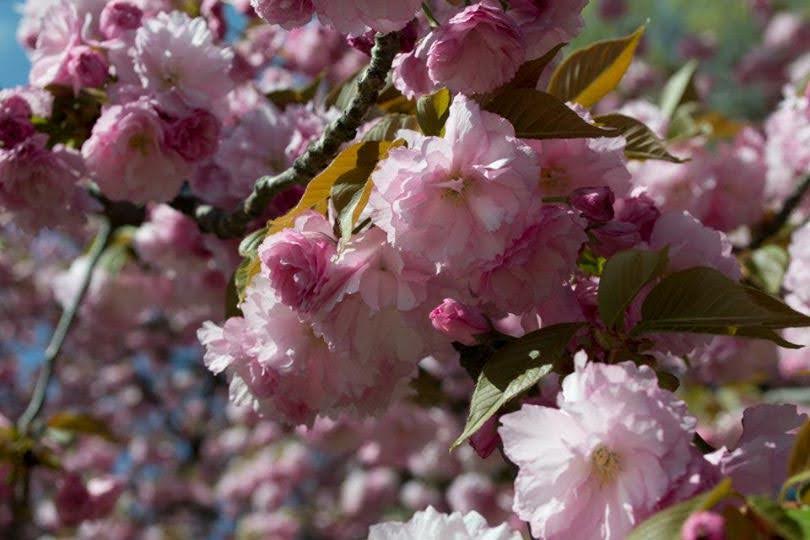
    I recently spent a weekend admiring some cherry blossoms, which are starting to bloom in hardiness zone 6. They reminded me of a trip I made in 2014 to Washington, DC during peak cherry blossom season. Here are a few cheery photos from that trip:

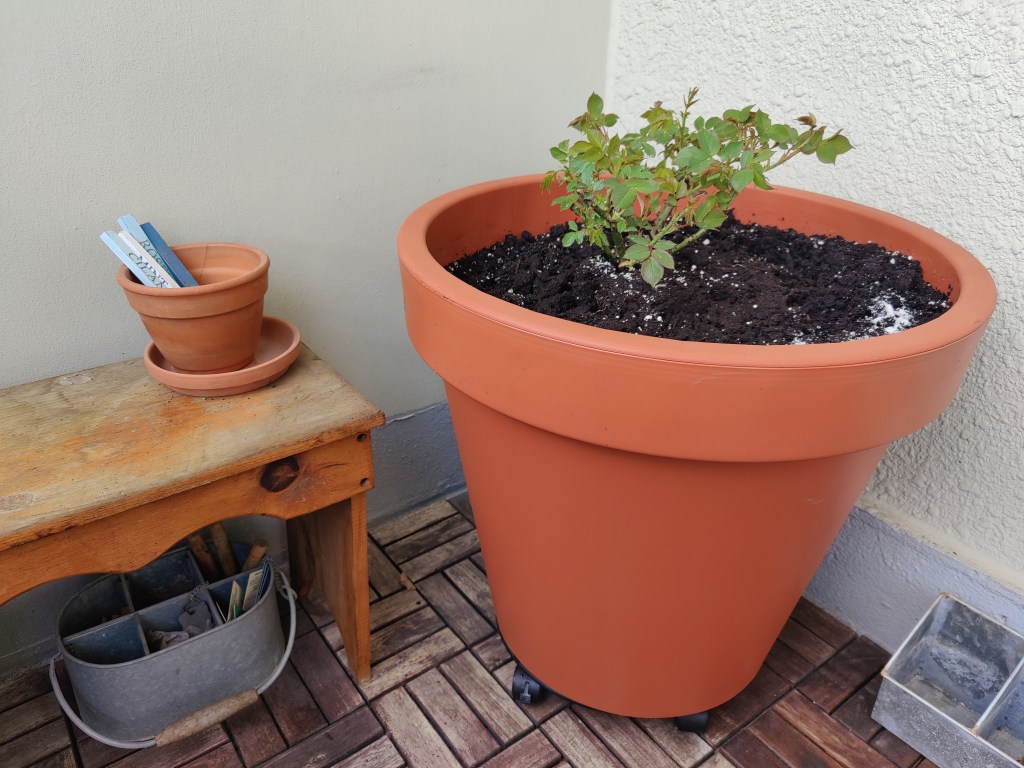
    And James, my new rose addition (see previous post), has currently nestled into her new home. That is, I found a fittingly giant pot. Until next time, Happy May 1 (and a happy birthday to my friend, Danielle).

  • My first David Austin rose

    My first David Austin rose

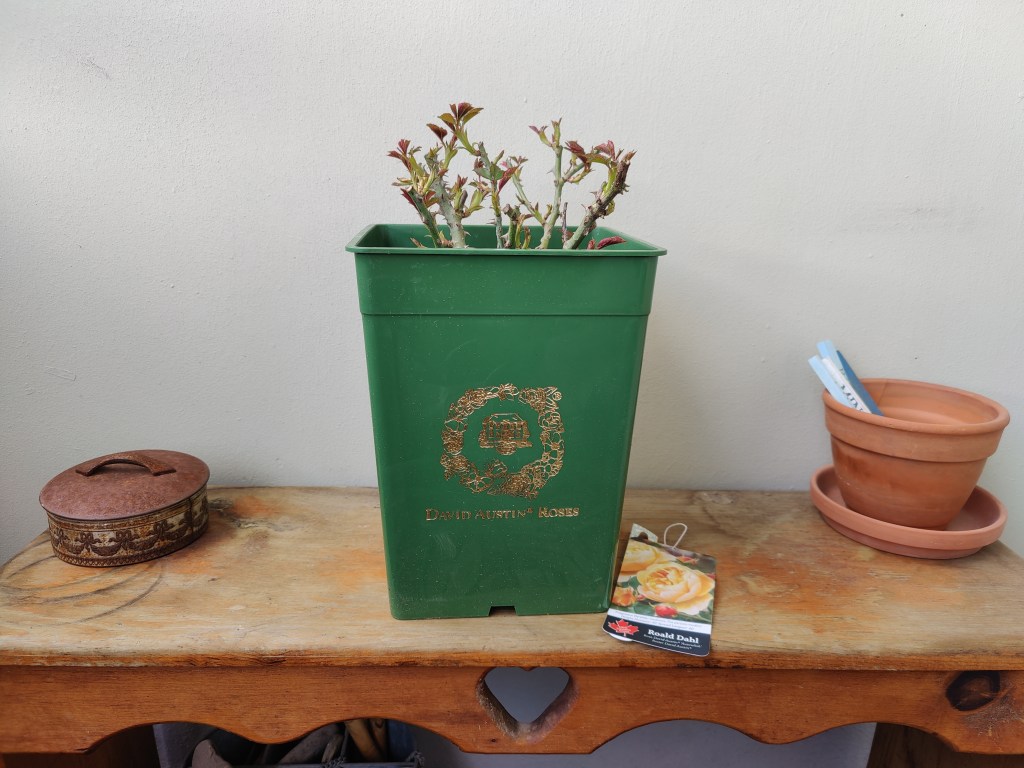
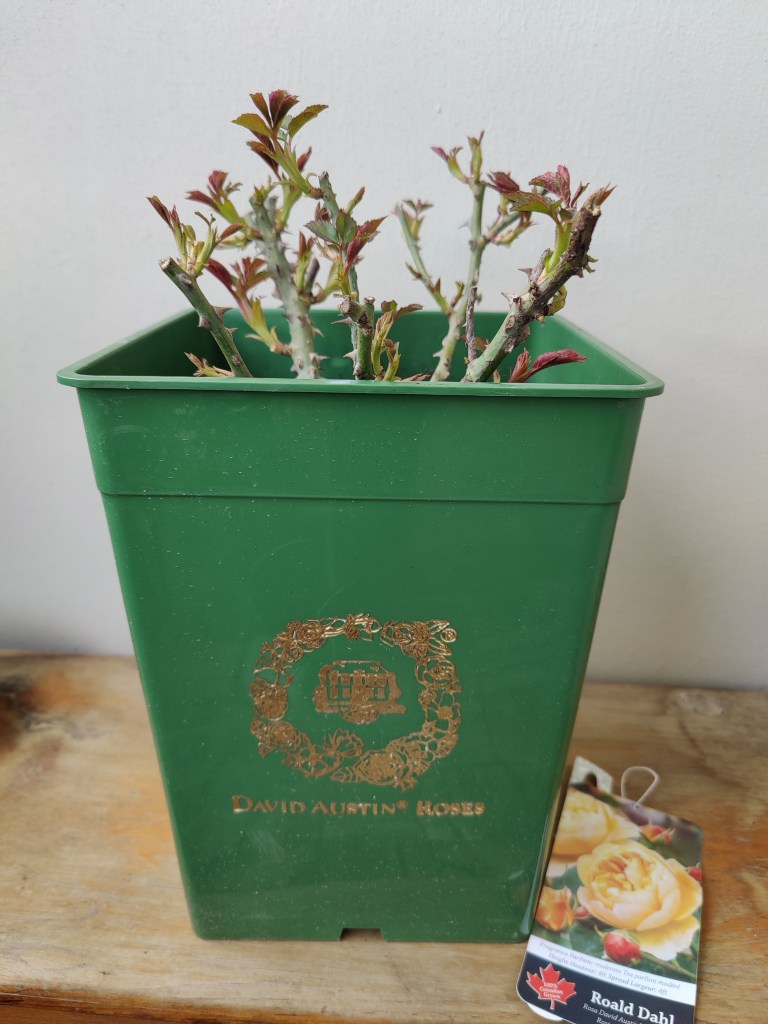
    I finally did it. After months of studying English cottage garden videos and researching the most suitable variety sold at my local garden centre, I pulled the trigger. My very first David Austin rose is officially part of my city life, and I couldn’t be happier.

    The variety is called Roald Dahl, and is named after the beloved author of course. I hope this rose will be everything I wanted for my balcony: resilience, nearly thornless, and famous for its peach aesthetic. Naturally, I’ve already named this plant James, after the protagonist from my favourite Roald Dahl book.


    Why did I choose Roald Dahl?

    As I will be growing this rose on my balcony, I knew I needed it to be suitable for a large planter, so I avoided rambling and climbing roses and focused on shrub varieties.

    My balcony can also get quite hot in the summer sun. The Roald Dahl rose breed is known for being incredibly robust and disease-resistant. I am hopeful this is a great rose to start.

    Of course, I needed to consider what was available in my area. I could’ve ordered the plant online from the British David Austin website, but why not see what my local garden nursery had available. The selection may have been slightly more limited; however, there were still plenty options to fit my needs at the garden centre in my area.

    But let’s be honest, I really chose this flower because of those blooms. They start as beautiful orange-red buds and open into perfect, cupped rosettes of soft apricot. David Austin describes the scent as a “fruity tea fragrance,” and I am already imagining my morning coffee surrounded by that scent.

    My hunt for a perfect planter

    Now that the rose is here, the pressure is on to get a suitable pot. You can’t just put a David Austin in a standard plastic bucket and hope for the best. These roses have deep root systems and need room to breathe to stay healthy in a container.

    I’m currently scouting for the perfect urn or large planter. According to the experts at David Austin, a rose like this needs a home that is at least 18 x 18 inches (45 x 45 cm).

    Here is what I’m looking for:

    • Depth is key: Roses have deep “taproots,” so I’m looking for something tall.
    • Material Matters: Since it’s a balcony, I need to balance weight and insulation. A heavy stone urn looks classic, but a frost-proof resin or lightweight ceramic might be kinder to my balcony floor.
    • Drainage, drainage, drainage: Roses hate “wet feet.” Whatever I pick must have substantial drainage holes and a tray.
    • The look: I’d like to seek out a weathered, “secret garden” terracotta-style urn to complement those apricot petals.

    What’s Next?

    Once I source the perfect pot, the real work begins: a mix of potting soil, the addition of mycorrhizal fungi (if I can find that too) to help the roots settle. Then I’ll place it in a sunny corner of the balcony that gets at least 6 hours of light. As it is dropping to minus 3 degrees celsius tonight, I temporarily tucked my rose inside.

    I’m so excited to watch James transform into a peach-coloured masterpiece. Stay tuned for (hopefully) a photo of the very first bloom!

  • Why planting a garden is the most productive act of resistance

    Why planting a garden is the most productive act of resistance

    We all look at the world through our own specific lens, and lately, mine has been focused on simple ways I can help to heal this planet. These reflections are entirely my own, born out of my experiences and a fair bit of late-night thinking.


    In an era defined by global supply chain disruptions, digital noise, and “unprecedented times”, life can – quite frankly – feel uneasy. However, some people are finding their most potent form of defiance is quite literally in the dirt.

    While “resistance” often conjures images of picket lines, protests, or manifestos, there is a quieter and more durable form of rebellion — fostering a home garden. Planting a seed is being reframed not just as a hobby, but as a practical refusal to be helpless in such a fragile system.

    When you grow your own food, you’re opting out of total dependency. Not only does it bring me joy, it’s a way to take back my independence: one potato at a time.

    Reclaiming independence

    Modern life is built on layers. Food is often wrapped in plastic, shipped from thousands of kilometres away to end up in our big-box grocery stores. By growing their own produce, gardeners are not totally reliant on our industrial systems.

    Plus, during a time of record-high grocery bills, turning a $2 packet of seeds into $100 worth of produce is a direct economic defence against inflation.

    Lastly, gardeners become the CEOs of their own nutrition and can ensure a level of quality control that retailers simply cannot match.

    The nature of slowing down

    Experts say gardening is also a psychological push back against an “I need it now” culture driven by high-speed internet and 24-hour news cycles.

    A garden refuses to be rushed. You cannot “disrupt” a carrot; it takes the time it needs. By tending to a plot, gardeners are practicing patience and syncing their internal clocks with the seasons rather than a refresh button.

    Environmental restoration

    Resistance is also about ecological repair. While industrial systems often strip the soil of its life, a home garden can be a small patch of restoration.

    Key environmental benefits include:

    • Carbon sequestration: Healthy soil acts as a sponge for carbon.
    • Pollinator sanctuaries: Backyard plots provide safe havens for declining bee populations. (Thank you Alisha for my new bee hotel!)
    • Closed-loop systems: Composting kitchen scraps turns waste into “black gold,” reducing pressure on landfills.

    Gardening fosters community

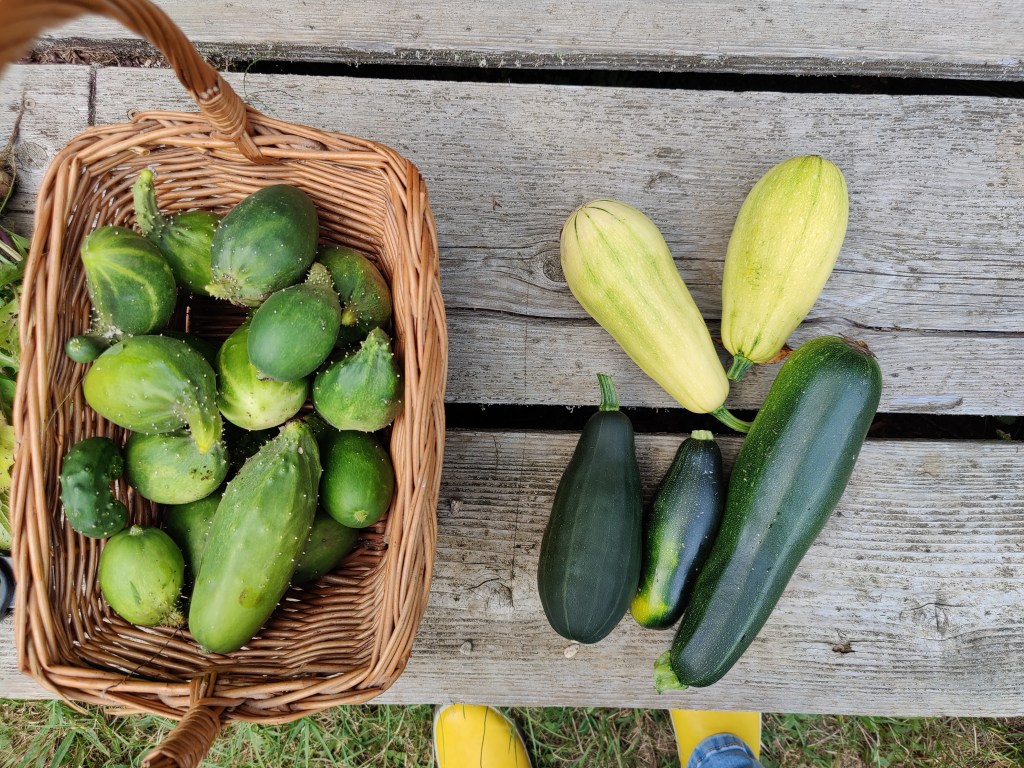
    Perhaps the most productive act of gardening is the way it fosters community outside of traditional marketplaces. The “zucchini problem” — having more produce than one household can consume — often leads to gifting with friends and neighbours.

    Sharing seeds, tools, and harvests builds a level of local trust that is difficult to shake during times of uncertainty.

    Get started

    You do not need an acre of land to join the movement.

    • For apartment dwellers: Herbs on a sunny windowsill or microgreen trays are a great place to start.
    • For the suburbanite: Replacing a patch of thirsty lawn with raised beds is productive and benefits the environment.
    • For the community member: Joining a local community garden or revitalizing neglected urban spaces is a positive way to “advocate”.

    The bottom line for many is that gardening is an act of stubborn hope. It is a declaration that there will be a harvest and that people are capable of sustaining themselves, their friends, and their neighbours.

    In a world that can feel increasingly volatile, getting your hands dirty might be the most productive thing you can do.

  • How to host a DIY flower crown workshop

    How to host a DIY flower crown workshop

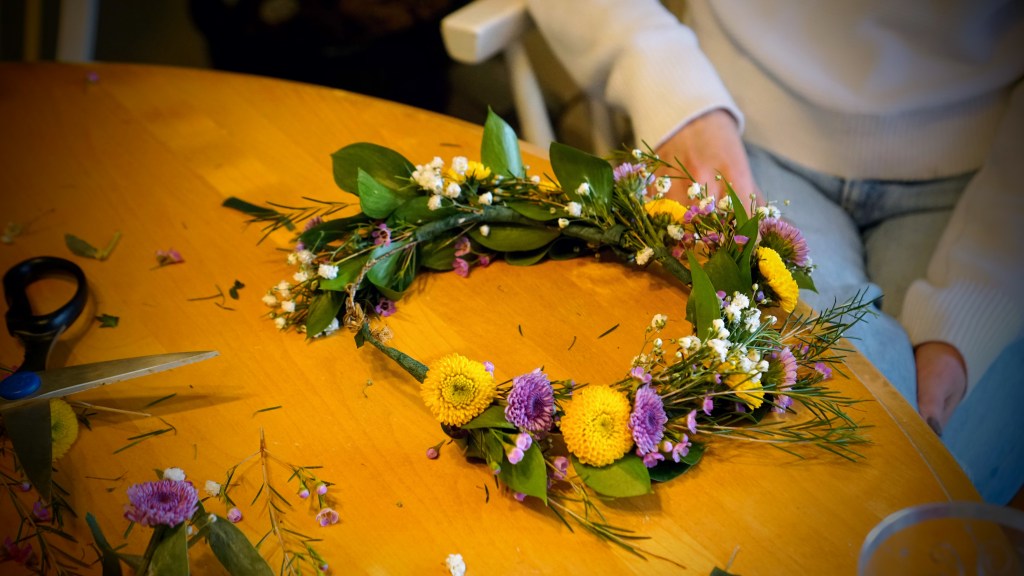
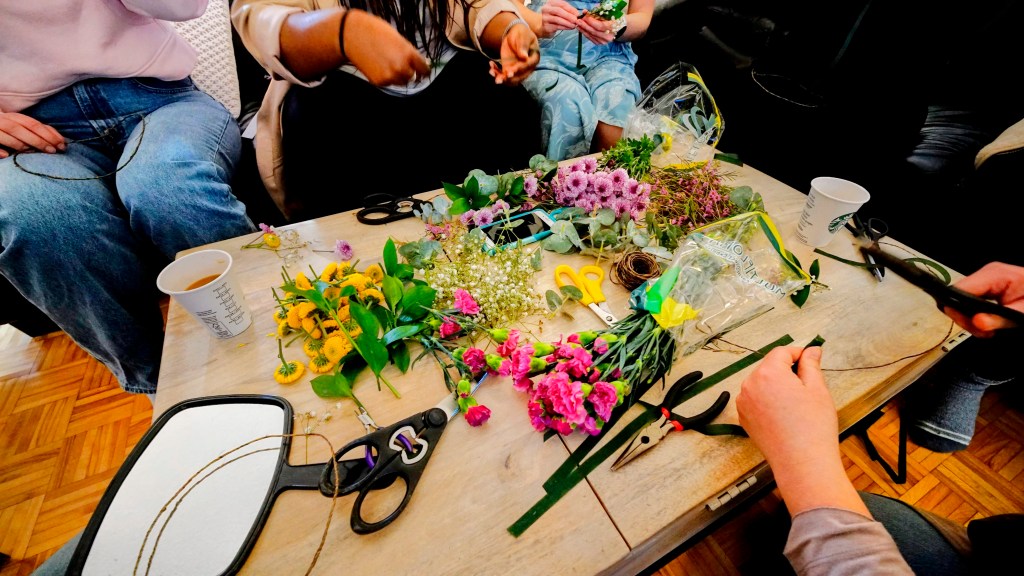
    When my sister planned my birthday a few weeks ago, she skipped the typical party games for something more…grounded — a DIY flower crown station.

    The flower crown workshop turned out to be the perfect group activity. Depending on the season, creating flower crowns can be budget-friendly, double as party favours, and are a fun way to ensure everyone is camera-ready for group photos. Here is how to recreate my sister’s floral setup.

    What you’ll need:

    To keep the “flower bar” organized, set out the following materials:

    • Greenery: Eucalyptus and ruscus for the base.
    • Flowers: Hardy, colourful blooms like mini carnations, button chrysanthemums, waxflower, and baby’s breath.
    • Tools: Floral wire, floral tape, and sharp shears.

    If you have some time, pre-cut the greenery and flowers so that each piece is two to four inches long.

    Directions:

    1. Form the base: Wrap a length of floral wire around your head to find the circumference. Leave an extra 5 centimetres of overlap, then twist the ends together to create a circular frame.

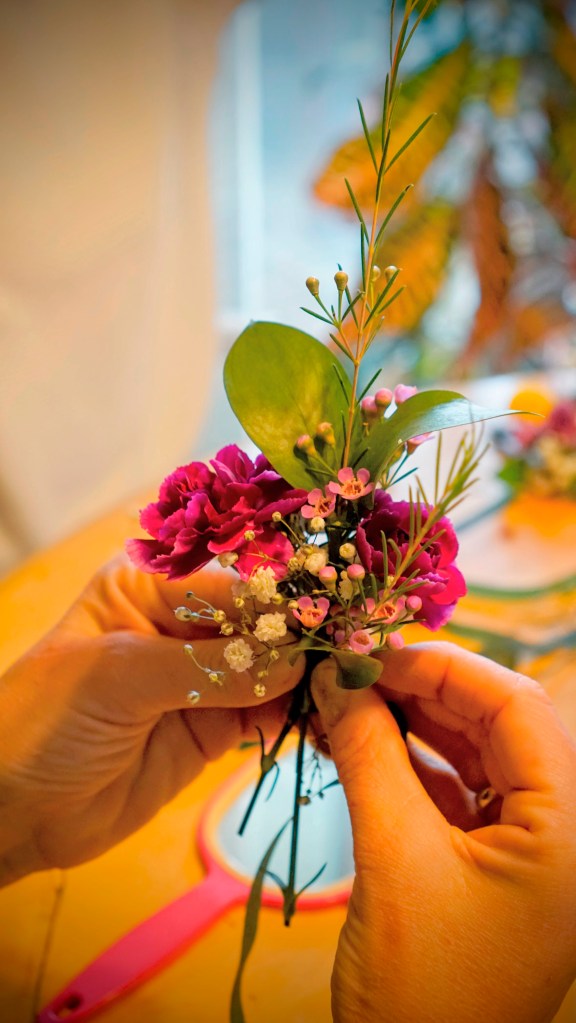
    2. Create mini-bundles: Instead of attaching single stems, bunch two or three small flowers with a sprig of greenery. Secure the stems of these “mini-bouquets” with floral tape. You will need about 10 bundles for a full crown.

    3. Layer the blooms: Place the first bundle against the wire frame and wrap the stems tightly with floral tape. Place the next bundle so the flowers overlap and hide the stems of the previous one.

    4. Close the loop: Continue the overlapping pattern until the wire is covered. Use small accents like waxflower to fill any visible gaps or “bald spots.”

    Maintenance tips

    To keep the crowns from wilting before the tea is poured, mist them lightly with water. Store the finished crowns in a cool, dry place until they are ready to be worn. In our case, we wore these “party hats” right away. Et voila!

  • Featured Flower: Zinnias

    Featured Flower: Zinnias

    In my part-time, northern garden, where the growing season feels like a sprint, I’m always looking for plants that can pull double duty.

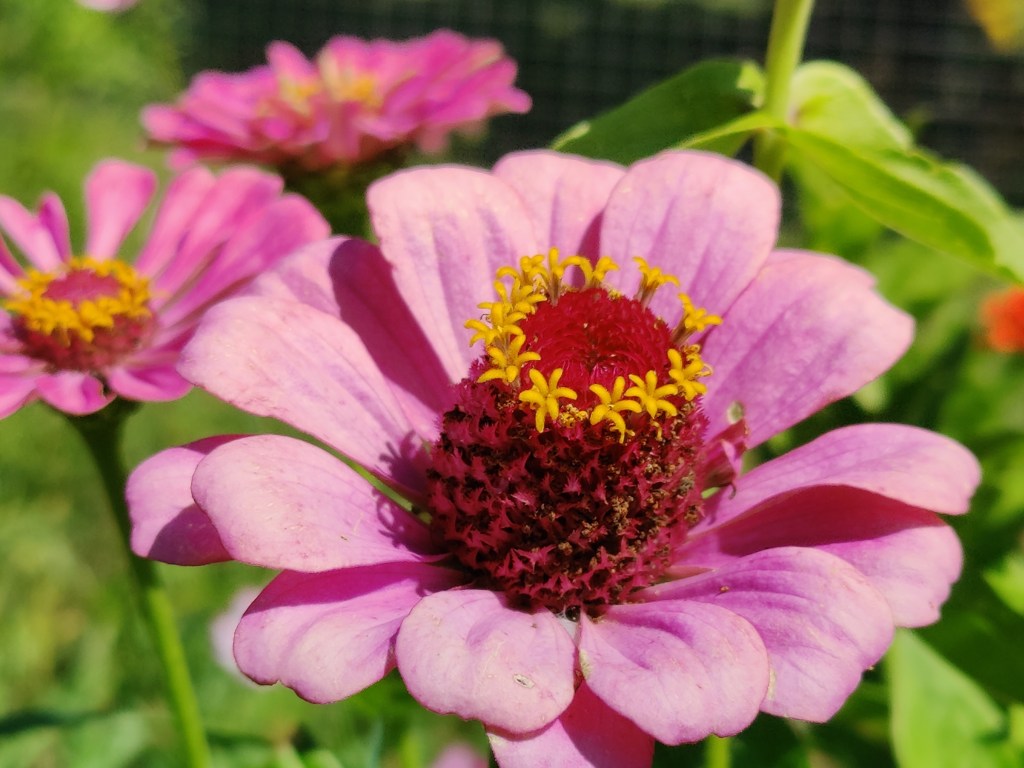
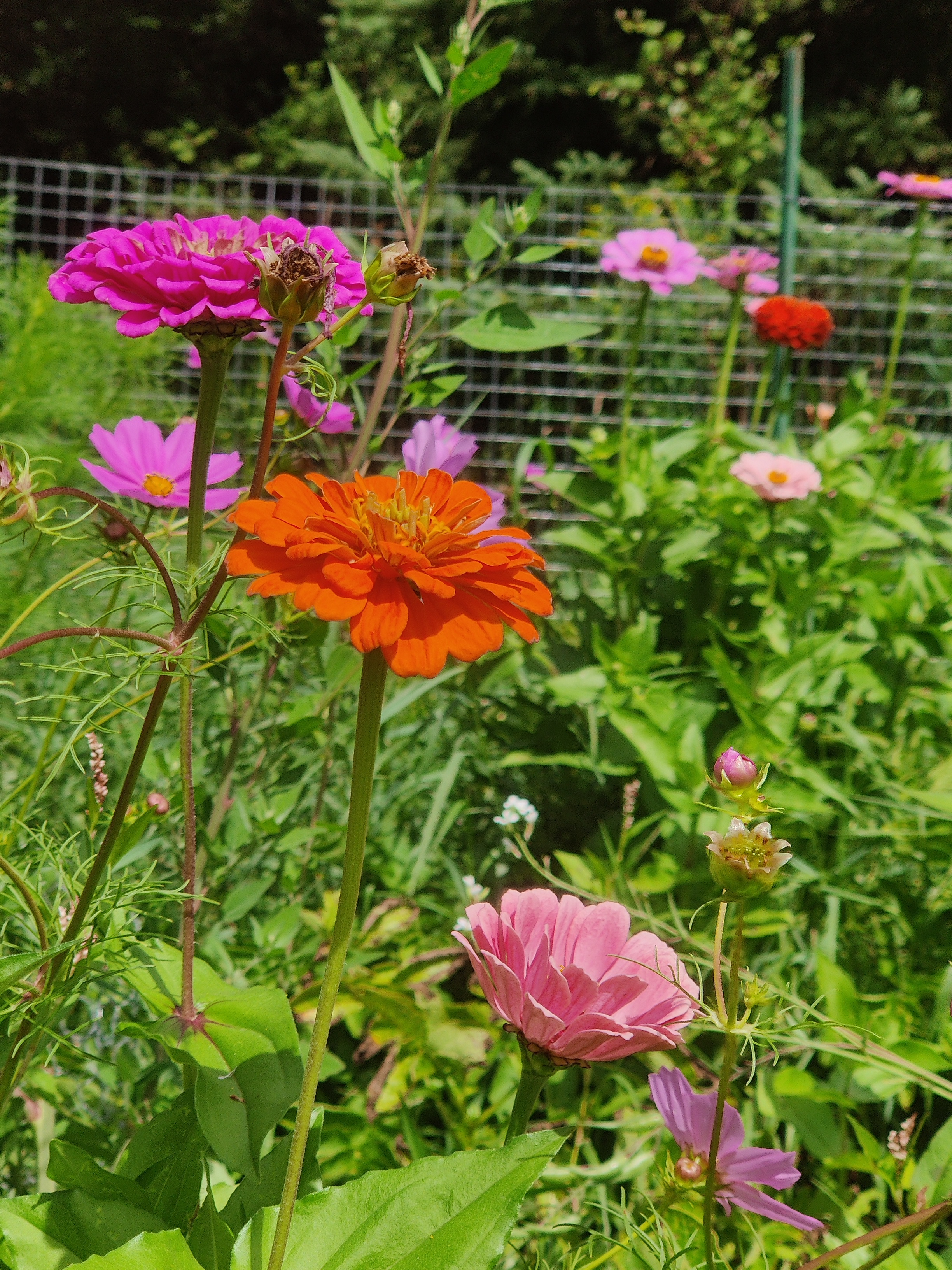
    In 2025, the standout performer wasn’t a vegetable at all—it was the State Fair zinnia.

    I planted these alongside my sugar snap peas, radishes, and cosmos, and they didn’t just add colour; they acted as the backbone of the entire patch.

    What makes State Fair zinnias special?

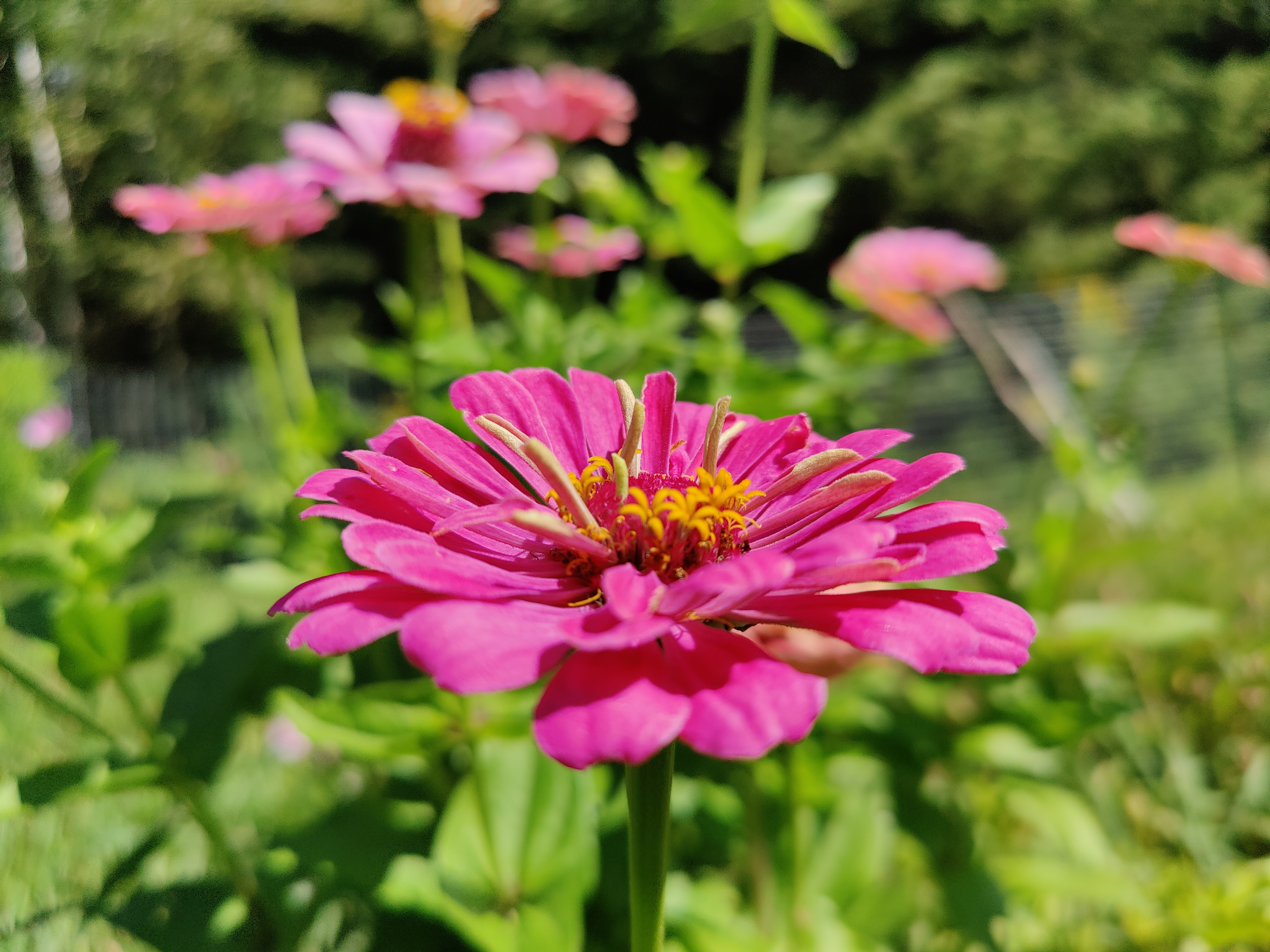
    You may have noticed these grew significantly larger and sturdier than standard zinnias. That’s because State Fair is a tetraploid variety. In simple terms, while most zinnias have two sets of chromosomes, State Fair has four. This “genetic doubling” results in:

    • Jumbo blooms: Massive flowers that can reach 4–6 inches across.
    • Stocky strength: Thicker stems that don’t flop over in high winds.
    • Disease resistance: They have a much higher natural tolerance to powdery mildew—a lifesaver during our humid August weeks.
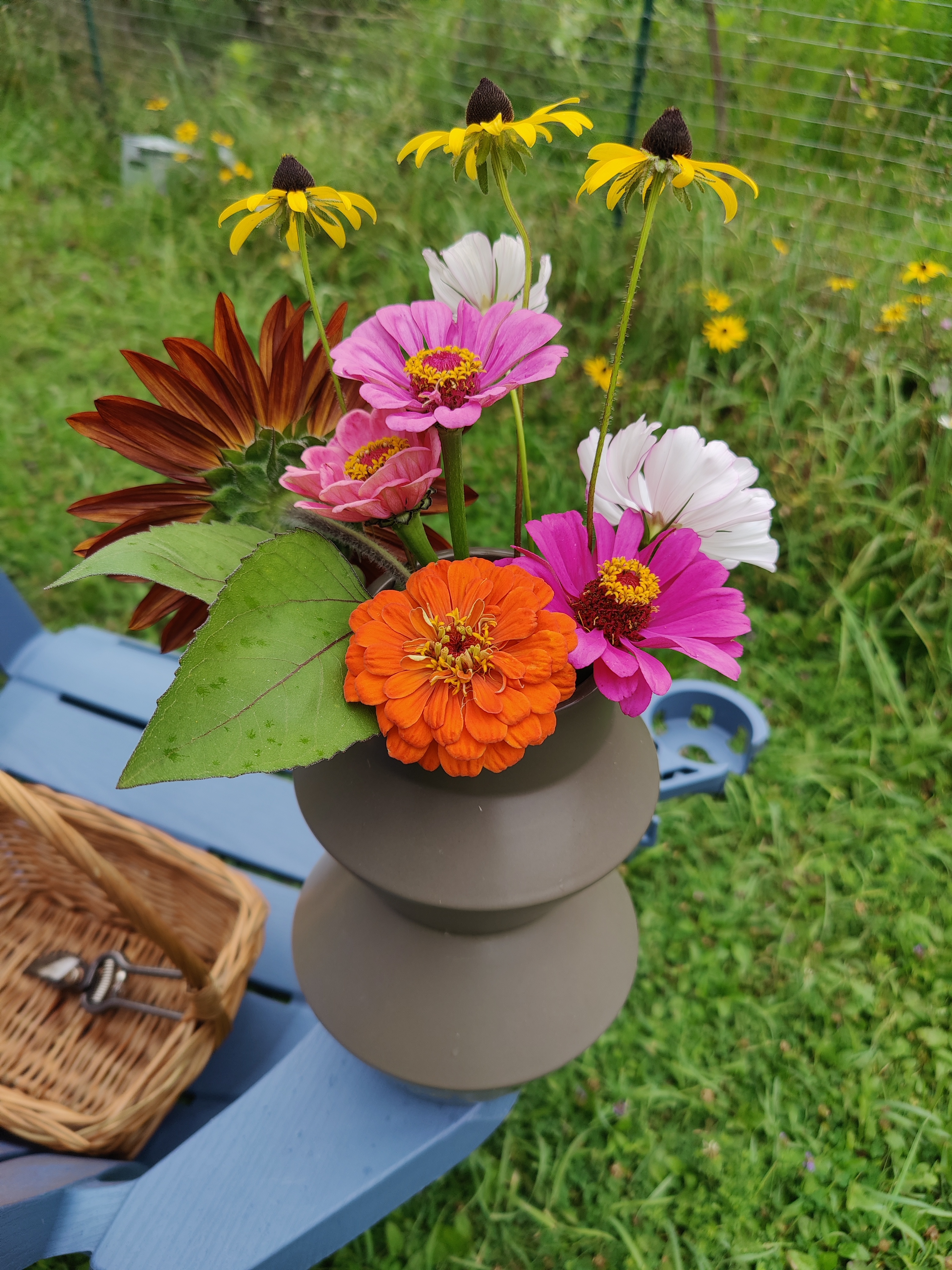
    • Dahlia-like appearance: Many of the blooms are “double” or “semi-double,” giving them a lush, pom-pom look, making them a great addition to bouquets and floral arrangements.

    The zinnias I planted came from either McKenzie seeds or the Niagara Seedy Saturday I attended last year.

    If you plan on growing these beautiful flowers, here are a few key features of the State Fair zinnia:

    • Plant Type: Flower
    • Plant Lifecycle: Annual (plant every year)
    • Seed Type: Open Pollinated
    • Characteristics: Attracts bees, butterflies, hummingbirds, pollinators and songbirds, Pet friendly, and good for cut flowers
    • Planting Method: Direct sow
    • Standard Colours: Salmon, orange, pink, rose, scarlet, yellow, and white
    • Water Needs: Average 2.5-5 cm (1-2 in.) per week
    • Days Until Bloom: 35 – 60 days
    • Harvest/Bloom Season: July to Frost (usually October)
    • Resistance: Deer and rabbits
    • Tolerance: Heat, drought, and dry soil

    As State Fair zinnias are so vigorous, they can handle the cool nights of Zone 4 better than almost any other variety. If you’re looking for a “hero” flower that survives until the first hard frost, this is the one.

    Stay tuned for a future post explaining how to save zinnia seeds.

  • Turning Garden Chaos into Free Seeds: The great radish pod takeover

    Turning Garden Chaos into Free Seeds: The great radish pod takeover

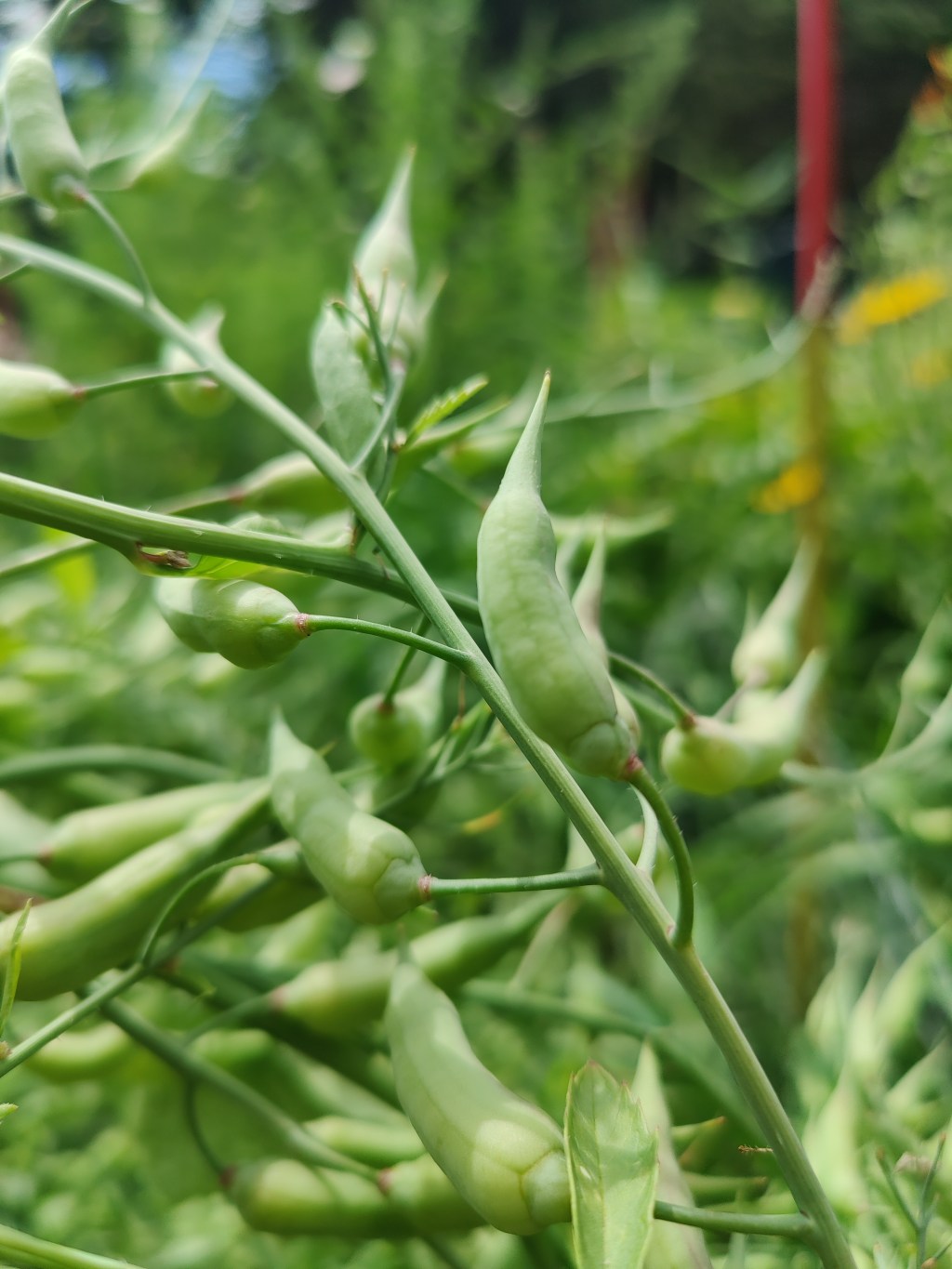
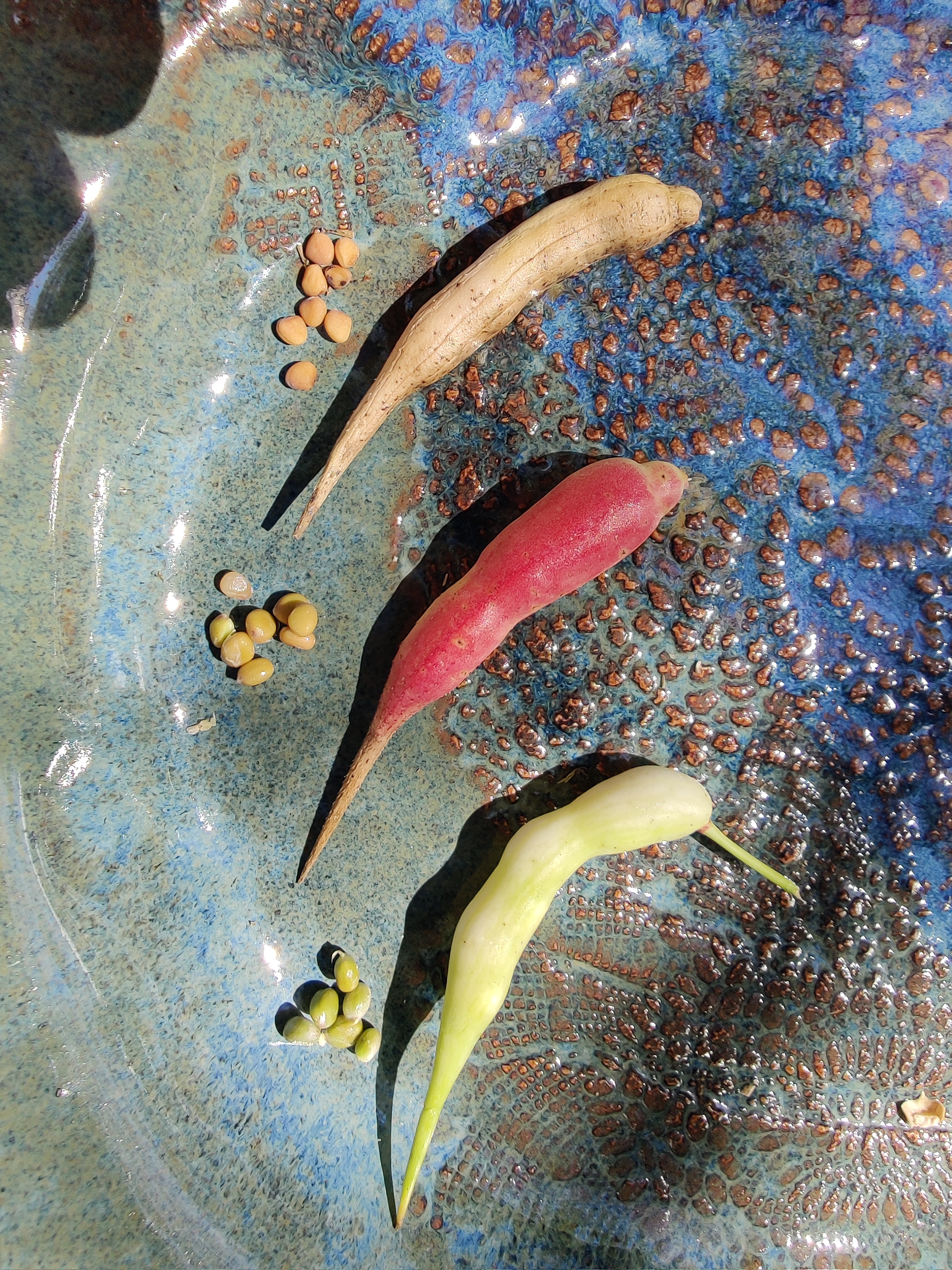
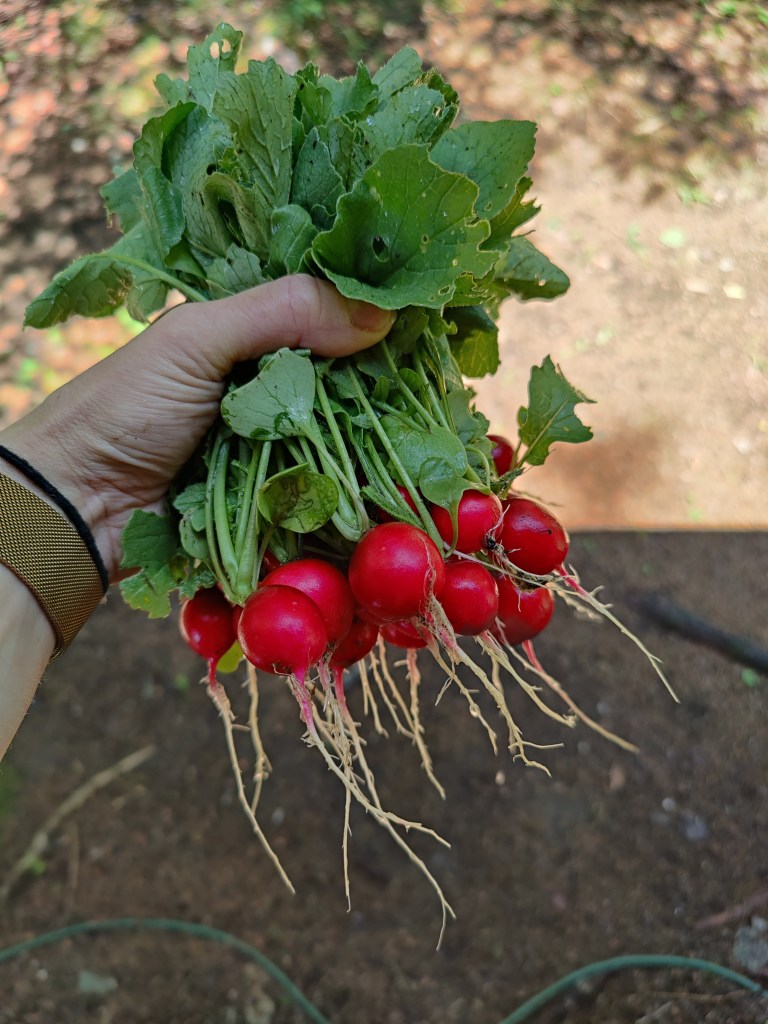
    If your radishes “bolted” (flowered) and took over your garden last year like mine did, don’t worry—you didn’t fail. You just accidentally grew a massive harvest of seeds! Radishes are one of the easiest vegetables to save seeds from, turning a forgotten harvest into a lifetime supply.

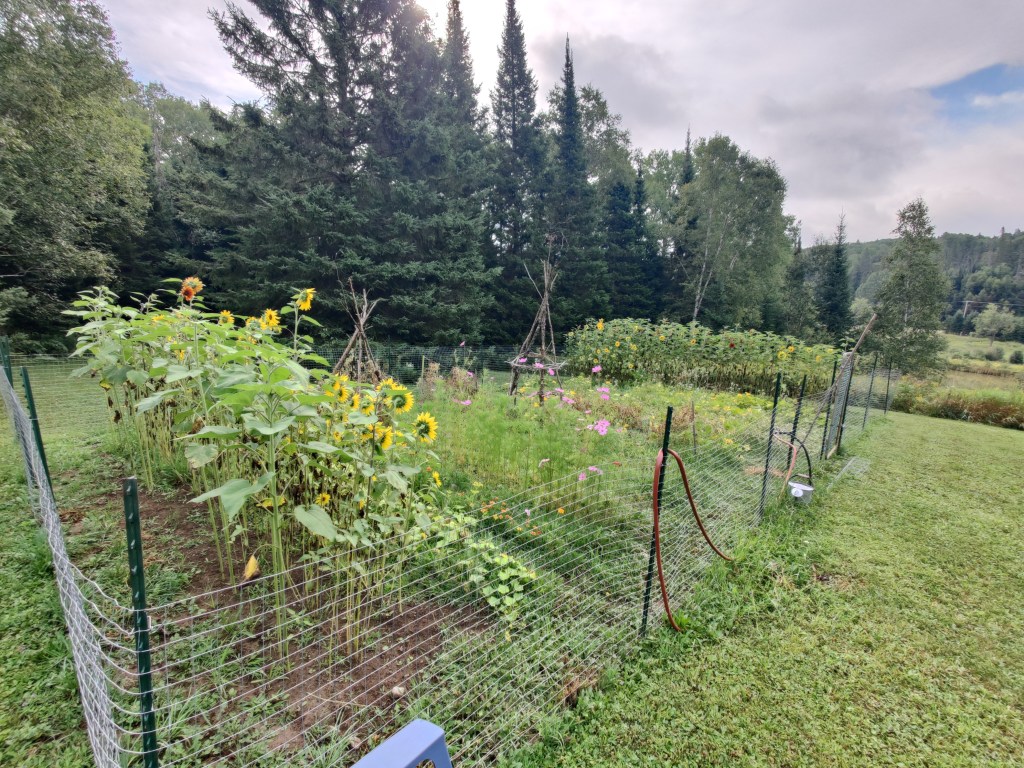
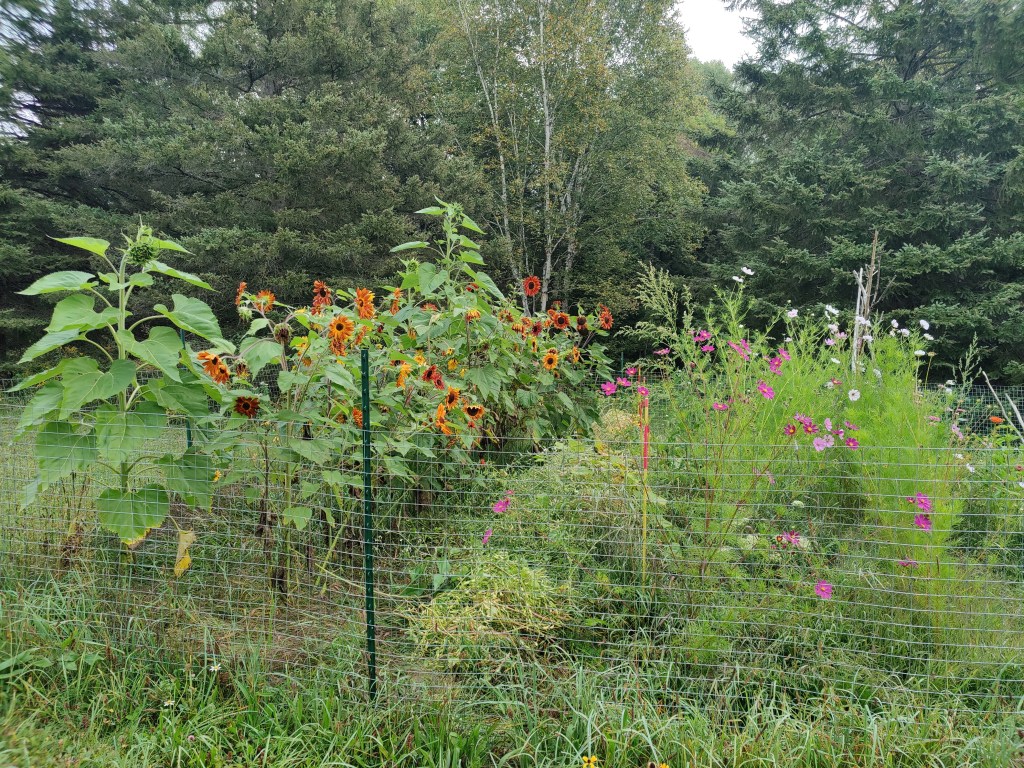
    Nestled between the sunflowers and cosmos sit a tangled mess of radishes that have gone to seed.

    Step 1: Wait for the pods to turn brown

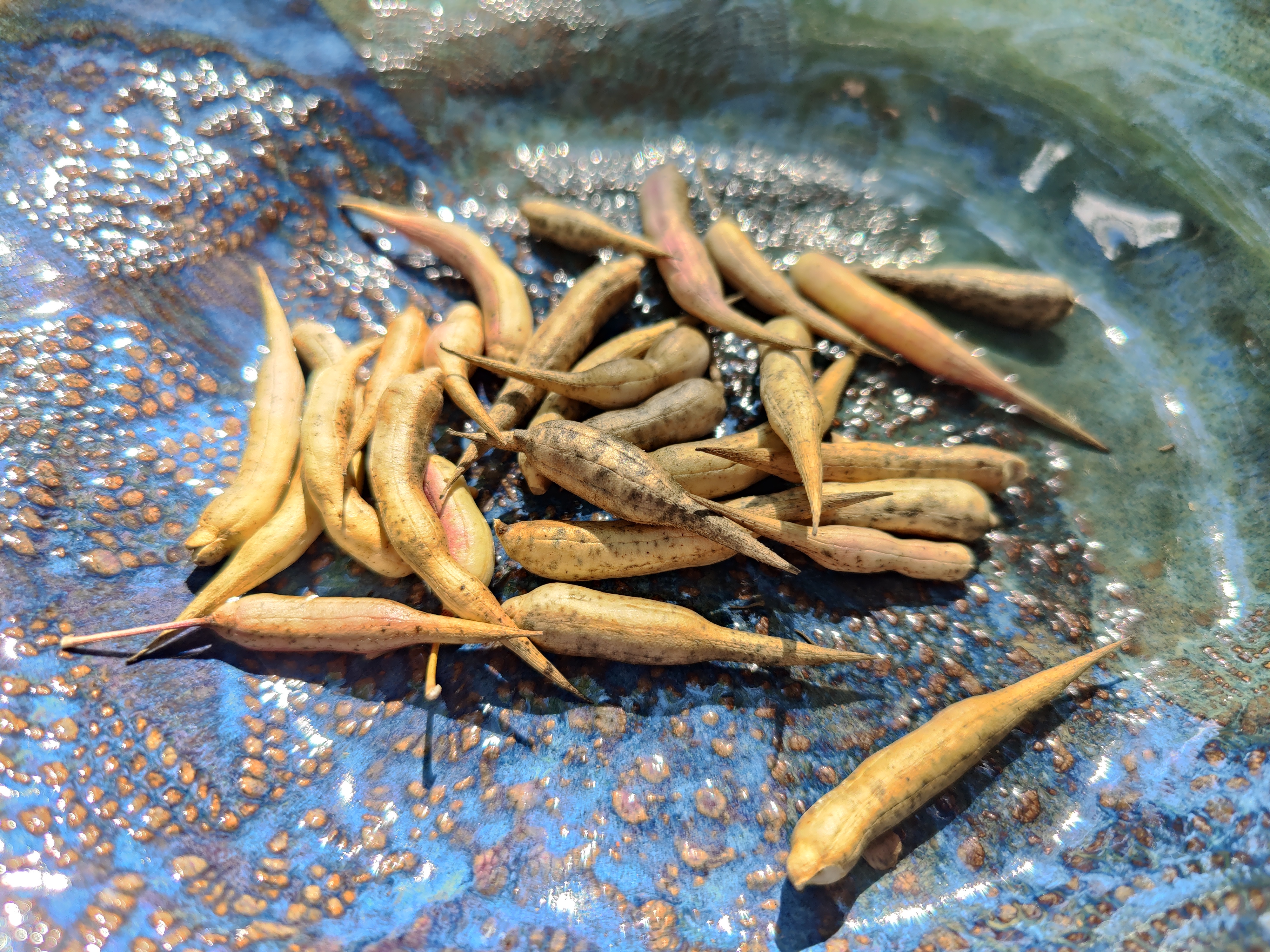
    Don’t pick the pods while they are green and fleshy. For the seeds to be viable, the pods must dry completely on the plant. Wait until the stalks turn brown and the pods feel light, crispy, and “corky.” If they rattle when you shake them, they’re ready.

    Step 2: Harvest

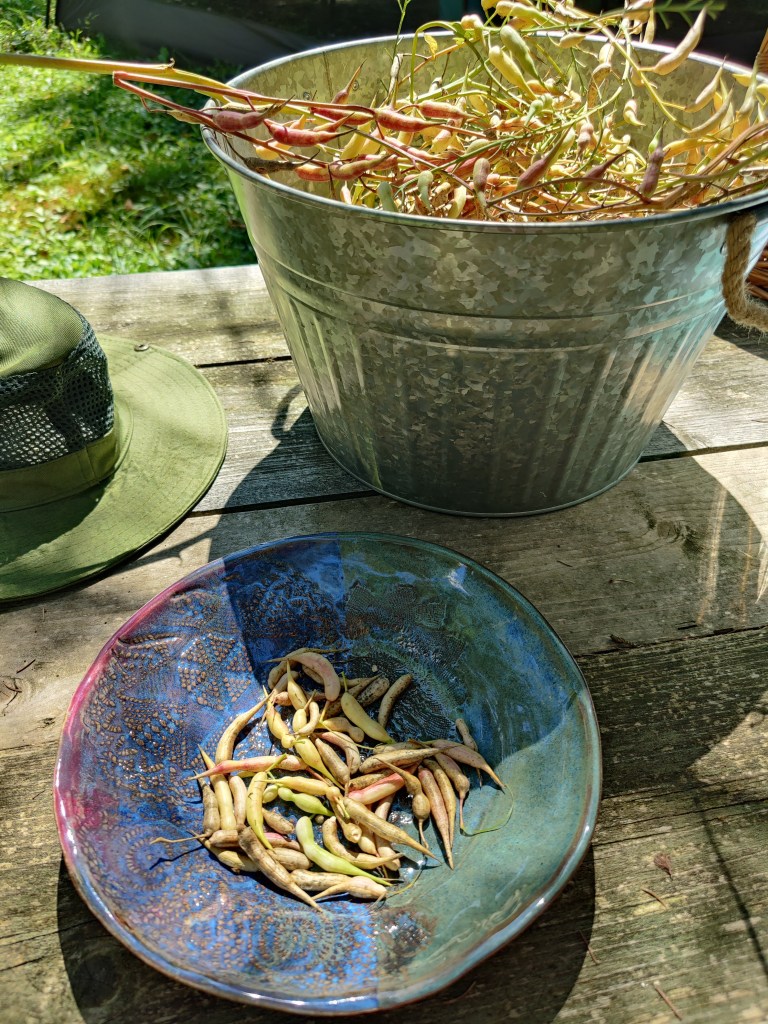
    Since bolted radishes can become huge and unruly woody bushes, the easiest way to harvest is to cut the entire stalk and place it in a large bucket.

    • To extract: Some people will crush the pods by hand or put them in a sack and stomp on them.
    • Then winnow: These pro gardeners will then pour the mixture between two bowls in front of a light fan. The heavy seeds will drop, and the light pod husks (chaff) will blow away. This is called winnowing. I’ve seen videos of farmers using special machines for this.

    I don’t have the space in my apartment or patience to clean up the mess that this makes, so what I did with my haul is put on my favourite show and spend a few hours every weekend using my fingers to split the pods open, and then transfer my seeds to a mason jar. Which brings us to the final step.

    Step 3: Storage

    Radish seeds are tough and can stay viable for more than five years. Ensure they are bone dry, then store them in a labeled envelope or glass jar in a cool, dark place.

    Why the Great Radish Takeover was worth It

    Even though they crowded my garden, those radish flowers were a feast for pollinators, and their deep roots helped to aerate my soil. So I’ve traded a few salads for hundreds of future plants! If anyone wants any radish seeds, I have a nice seed supply to exchange and share.

  • Emmy and the Japanese Lilac Tree

    Emmy and the Japanese Lilac Tree

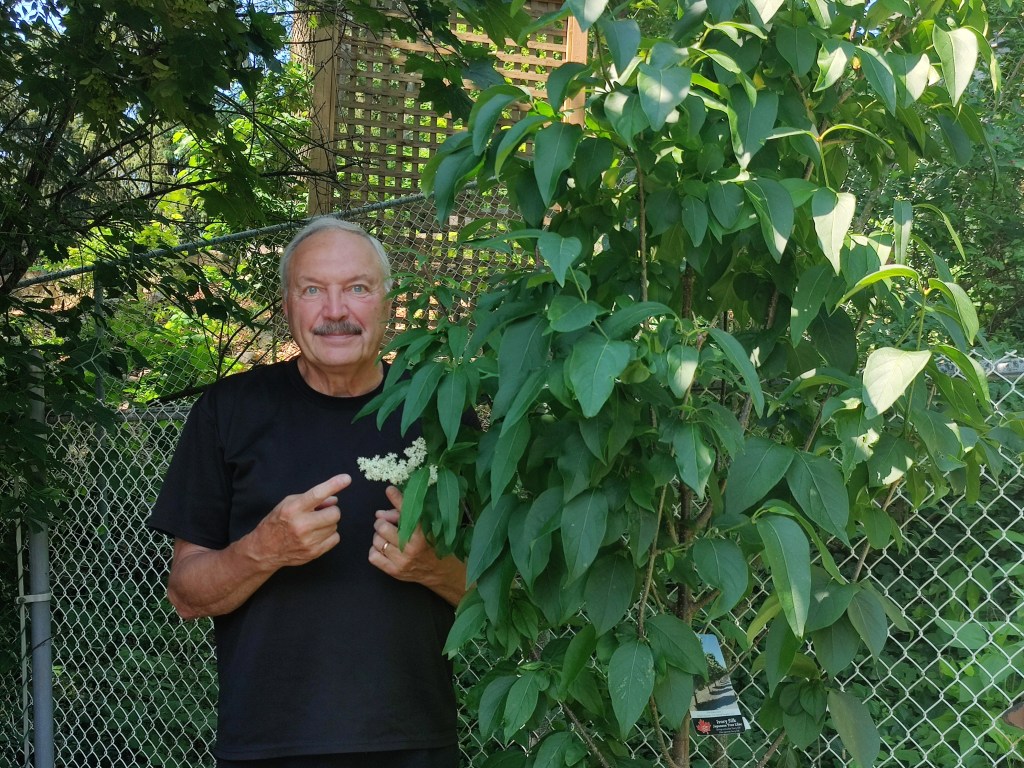
    Every gardener knows that feeling: you’re gazing out at your meticulously planned landscape, or perhaps even a wilder corner of your yard, and there it is – a gap. An empty space where something should be. For my dad, Emmy, that gap was in his backyard, a spot crying out for something special, something that would offer beauty, structure and privacy without demanding constant fuss.

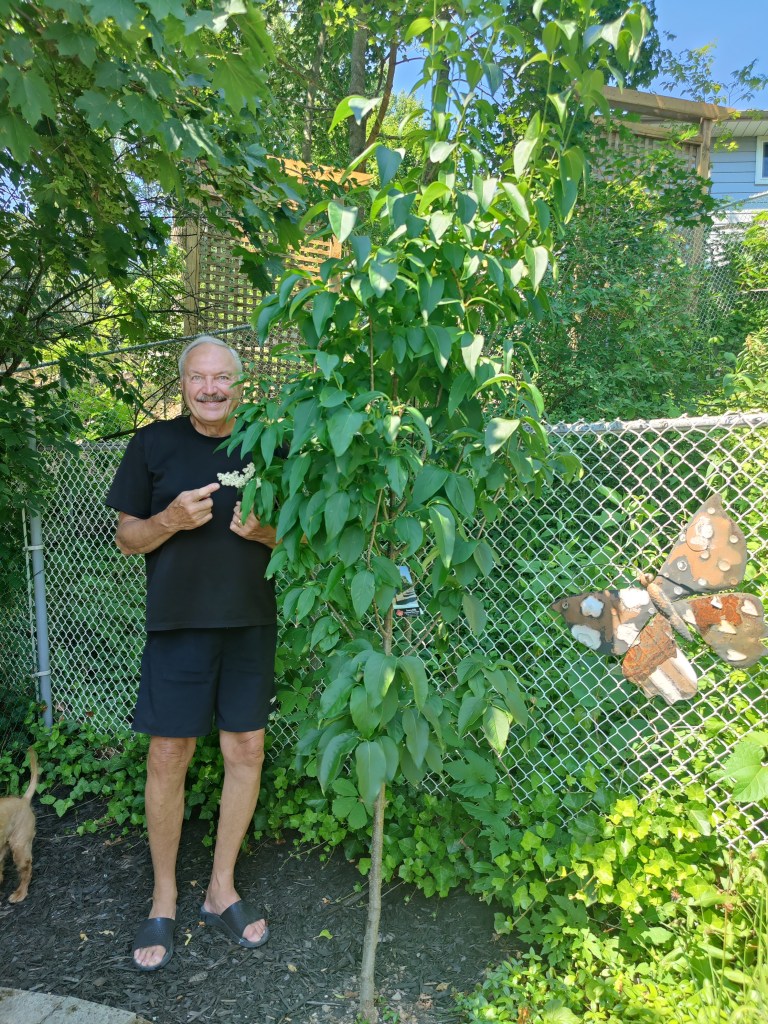
    Last year, Emmy found his answer in the Ivory Silk Japanese Lilac tree. And let me tell you, it’s quickly becoming a star.

    Why the Ivory Silk, you ask?

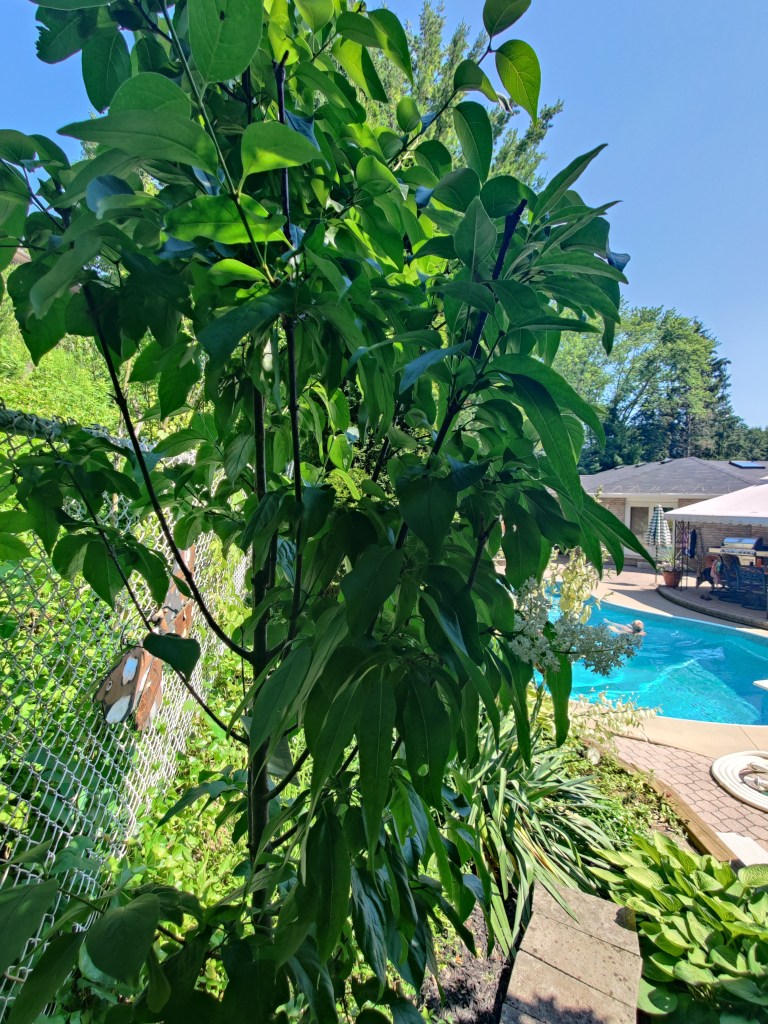
    Unlike the familiar lilac bushes that burst with fragrant purple blooms in spring, the Ivory Silk is a true tree, and it has a few tricks up its sleeve that make it incredibly appealing, especially for someone like Emmy who appreciates both beauty and resilience.

    First off, the bloom time. While most spring-flowering trees and shrubs are winding down by late May, the Ivory Silk is just getting started. Come mid-to-late June, when the garden might be looking a little sleepy after its initial explosion of colour, this tree erupts in magnificent, foot-long clusters of creamy-white flowers.

    Imagine the delight of a “second spring” in your garden, just when you thought the show was over!

    Emmy was drawn to its neat, oval-to-rounded shape, and the price was right. He bought and planted it at the end of June! Even as a young tree, it promised a tidy presence, destined to become a beautiful specimen without overwhelming its surroundings. It’s the perfect choice for a backyard centerpiece or even a corner gap.

    More Than Just a Pretty Face: A Gardener’s Dream

    What makes the Ivory Silk truly shine in a gardener’s eyes (and especially my dad’s, who values practicality) is its incredible toughness. This tree is a trooper!

    • Urban Warrior: It laughs in the face of city pollution and even road salt, making it ideal for urban and suburban settings.
    • Soil Tolerant: While it appreciates good drainage, it’s not overly picky about soil type, happily growing in clay or alkaline conditions.
    • Pest Resistant: A major win for any gardener! Unlike some of its lilac cousins, the Ivory Silk is highly resistant to powdery mildew, scale, and borers. This means no spraying and more enjoying!
    • Lovely Bark: Even in winter, when the blooms and leaves are gone, the tree still offers beauty with its attractive reddish-brown bark, adorned with cherry-like horizontal lenticels1.

    Emmy’s tree, planted just last year, is settling in beautifully. He’s looking forward to many years of those spectacular late-season blooms filling that once-empty spot with grace and elegance. It’s a testament to choosing the right plant for the right place – a decision that brings joy to both the gardener and the garden itself.

    1. lenticels are raised pores in the stem of a woody plant that allows gas exchange between the atmosphere and the internal tissues. ↩︎
  • Featured Flower: Cornflower

    Featured Flower: Cornflower

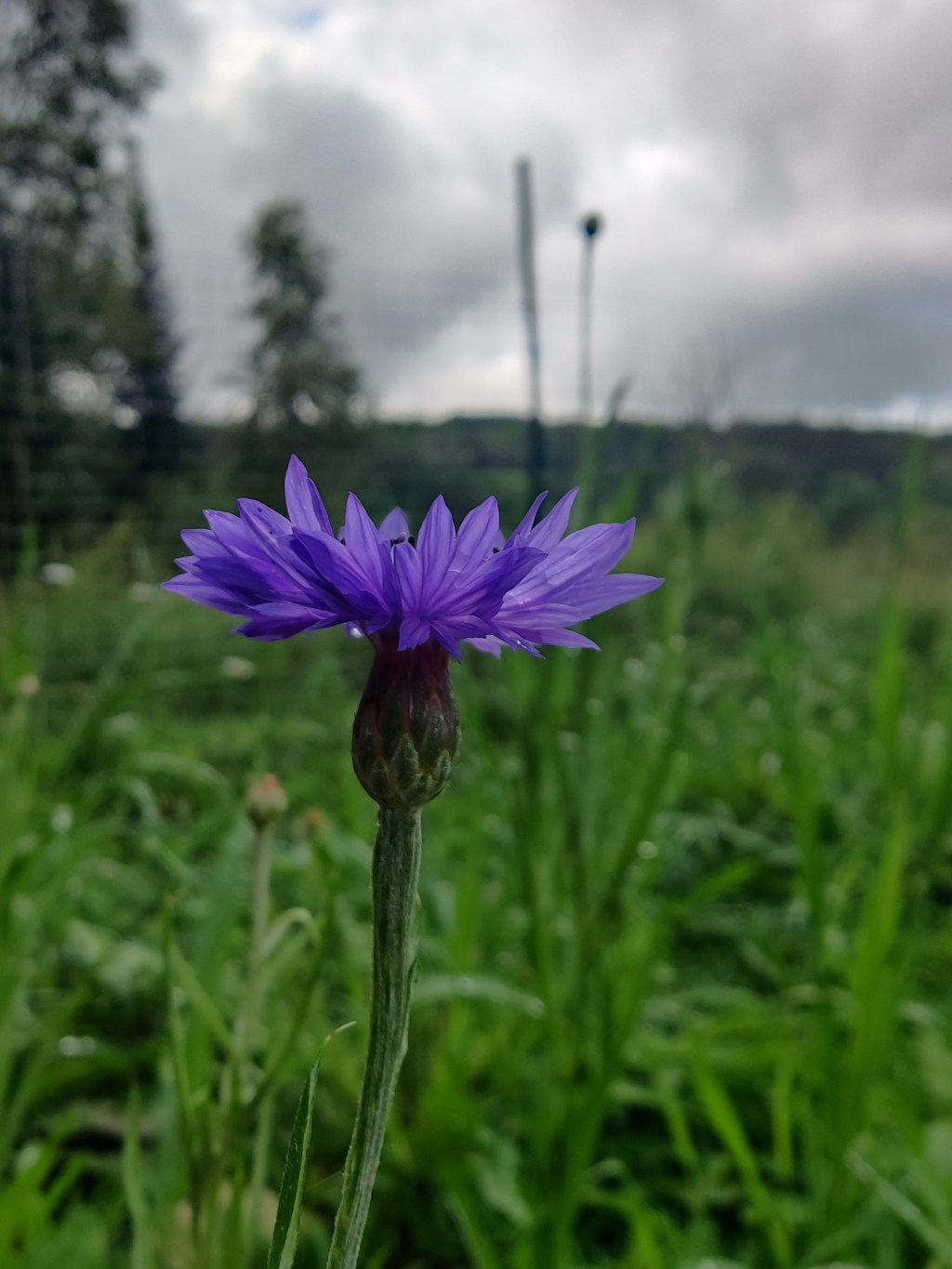
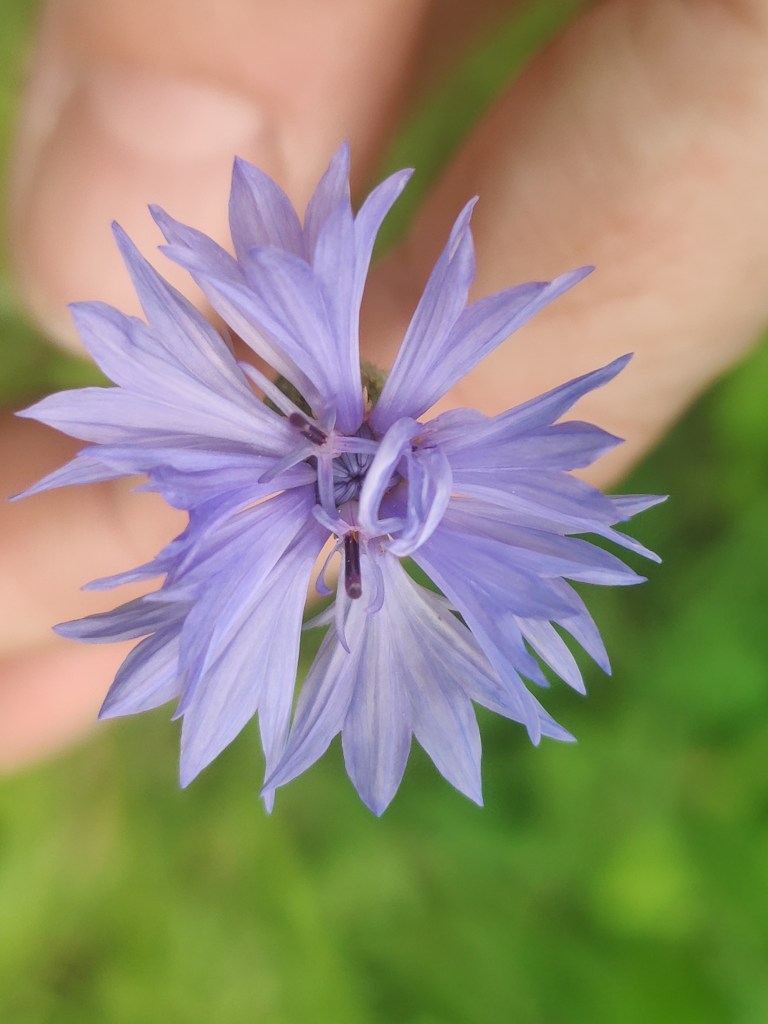
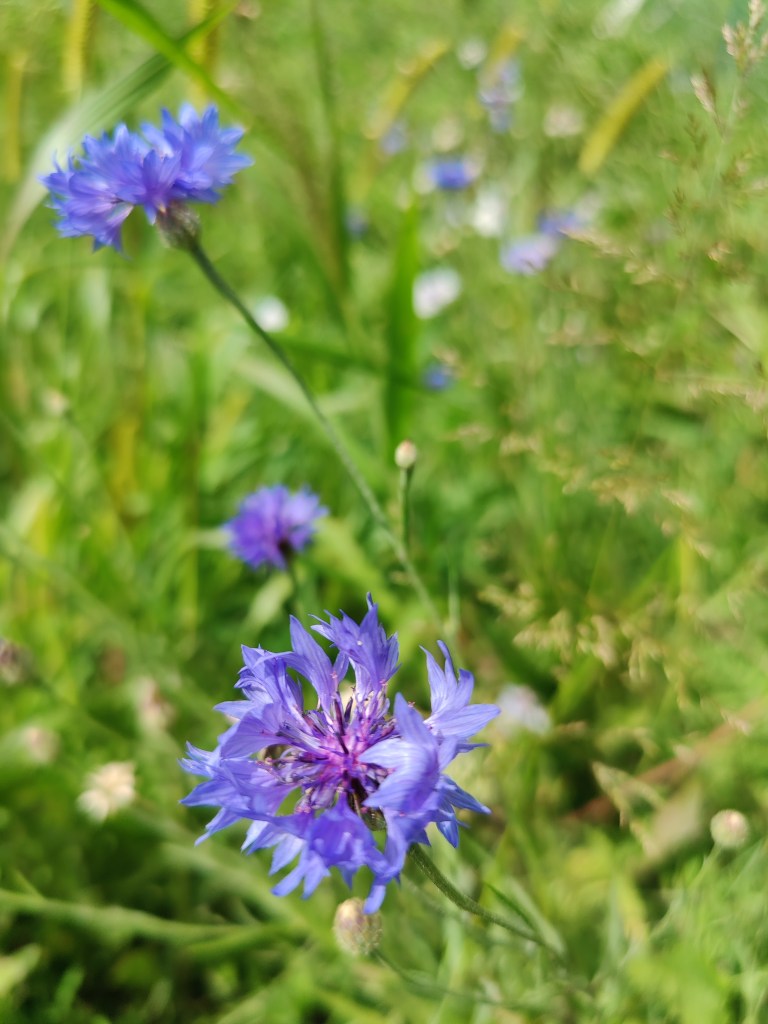
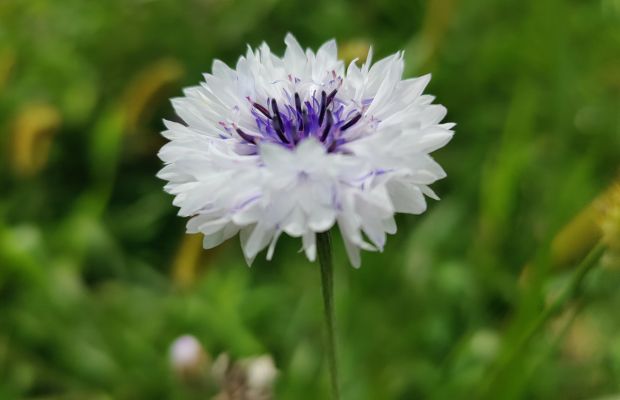
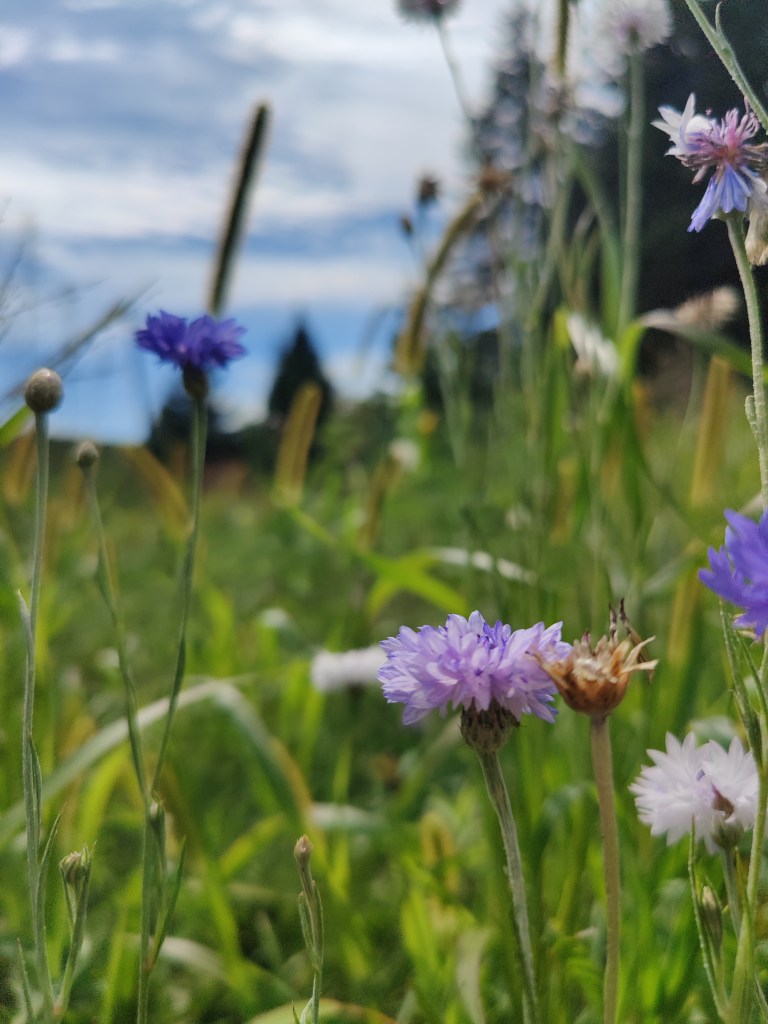
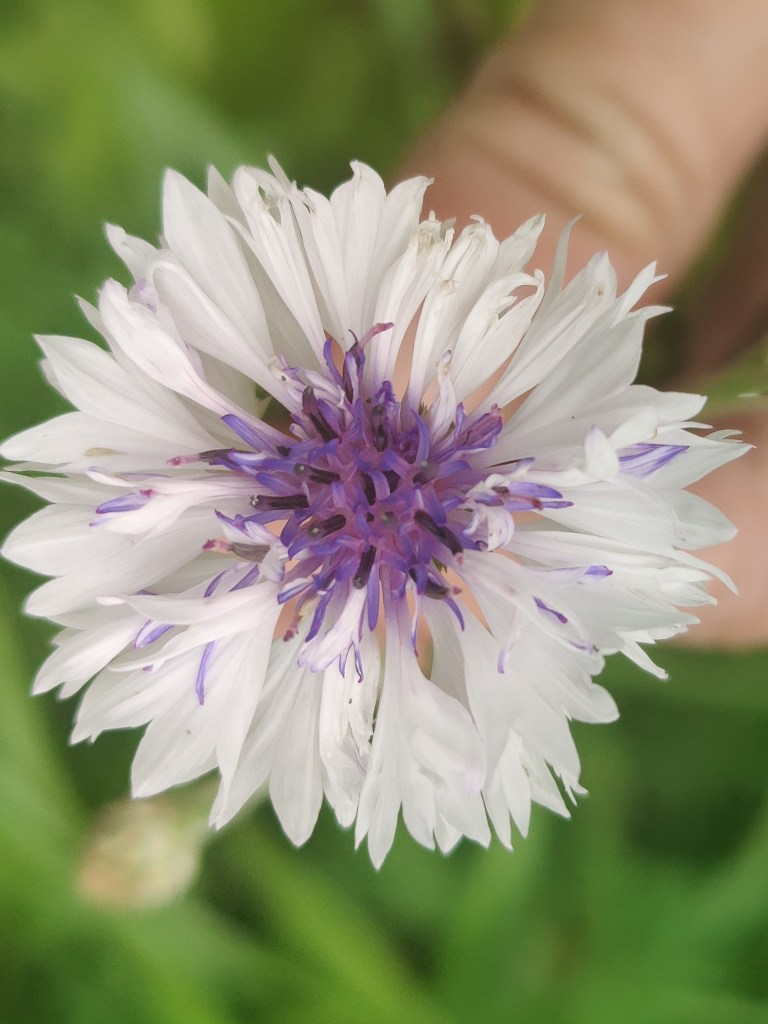
    This week I am featuring the beautiful cornflower, or bachelor’s button. This national flower of Estonia is classified as an annual plant in Canada, meaning it only blooms once and it must be replanted on a yearly basis if you want continual blooms.

    I have grown cornflowers in my balcony pots before, but last year, I grew them as a cut flower by sowing the seeds directly into the ground. This way, I could cut and position my picks into bouquets and floral arrangements throughout the summer.

    Cornflower Characteristics

    Cornflowers are most famous for their striking “cornflower blue” pigment—a true, vivid blue that is surprisingly rare in the plant world. Here is why they have become a permanent fixture in my garden plans:

    • Pollinator Magnet: If you want to see your garden come alive, plant these. They are high in nectar and are a favourite for bees, butterflies, and other beneficial insects.
    • The Perfect Cut Flower: Following my success with cut flowers this past year, cornflowers have proven to be a essential filler. They have long, sturdy stems and a decent vase life, adding an airy, wild texture to bouquets.
    • Edibility: I recently learned that the petals are edible and retain their colour well when dried. They can make a beautiful garnish for salads or a striking addition to homemade tea blends.

    Tips for Growing Success

    If you’re thinking about adding these to your 2026 garden, here are a few things I’ve learned:

    1. Don’t over fertilize: Too much nitrogen (like the manure I applied late last year) can actually lead to lots of green foliage but very few actual flowers. Cornflowers prefer a leaner soil.
    2. Deadheading is key: To keep them blooming through the summer, you have to be diligent about removing spent flowers. This prevents the plant from putting all its energy into seed production too early.
    3. Support: While they are sturdy, the taller varieties can occasionally flop over in heavy rain. Planting them in dense groups helps them support one another or you can tie them to a supporting post.

    The blue cornflower is a humble plant, but its reliability and striking color make it an essential part of the garden landscape. It’s a reminder that even when the soil is difficult and the timing is off, some plants are just determined to thrive.