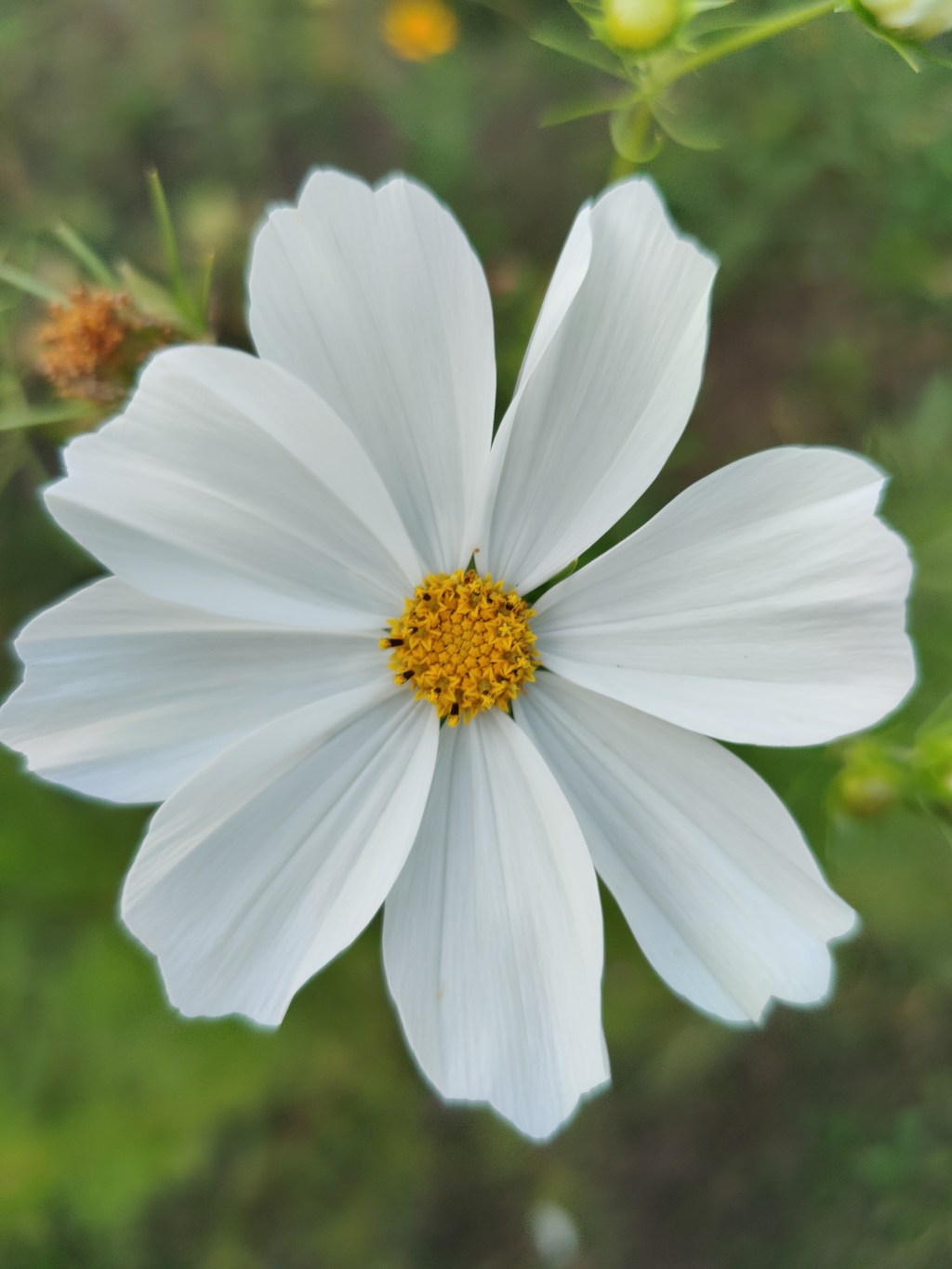
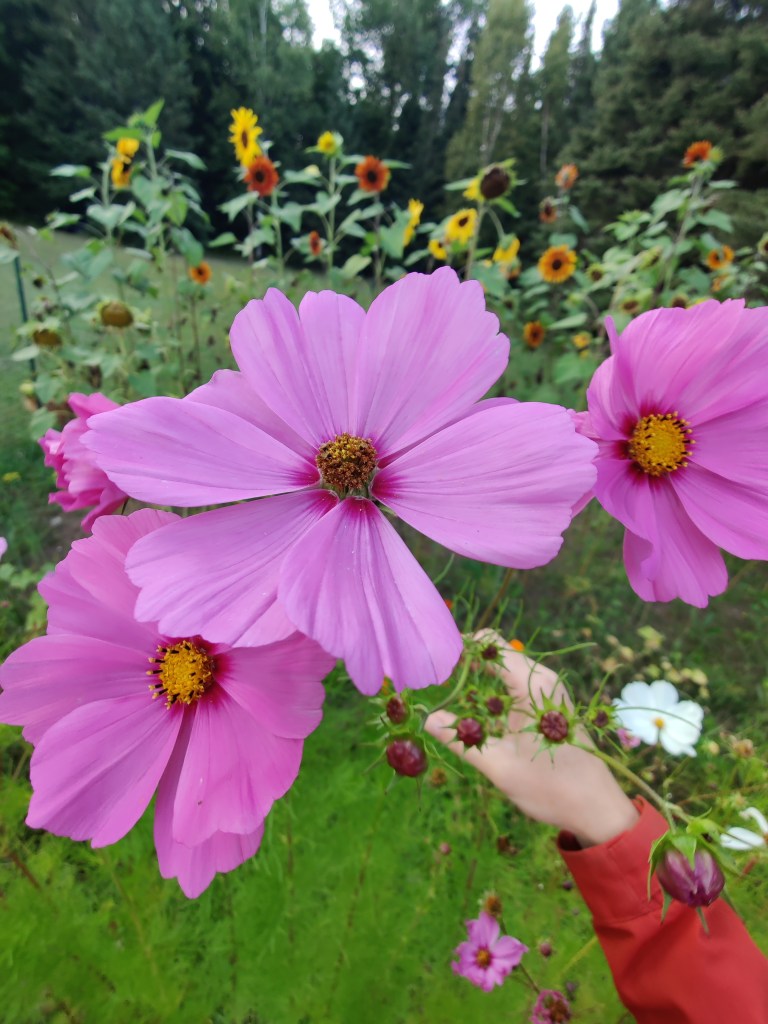
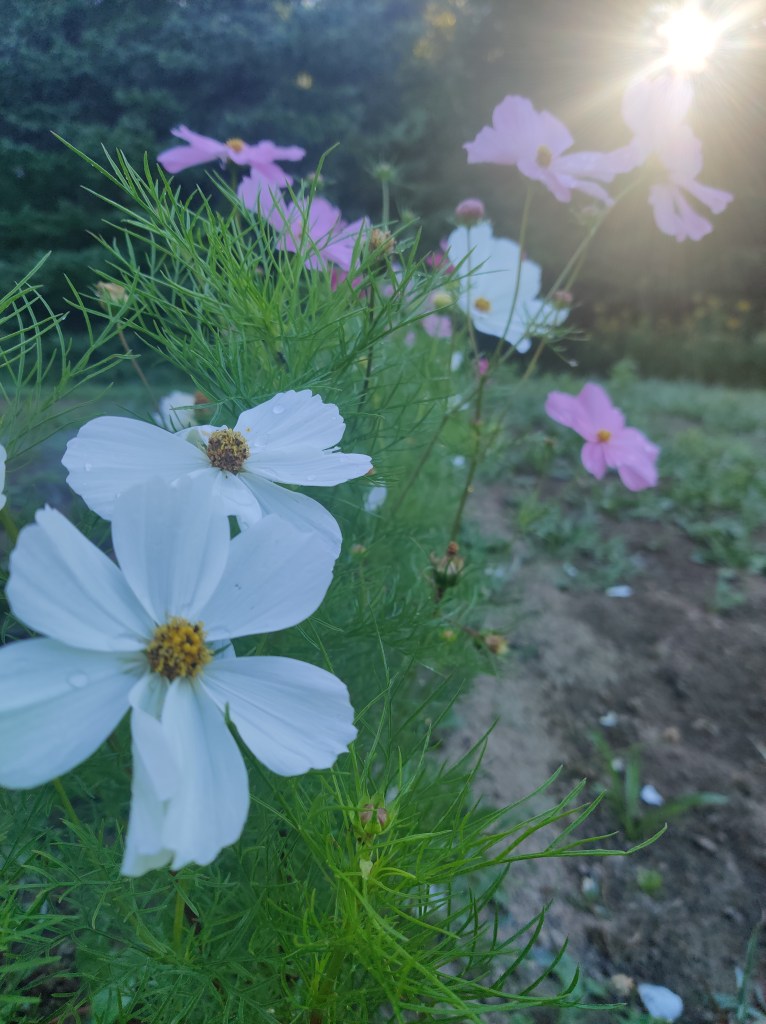
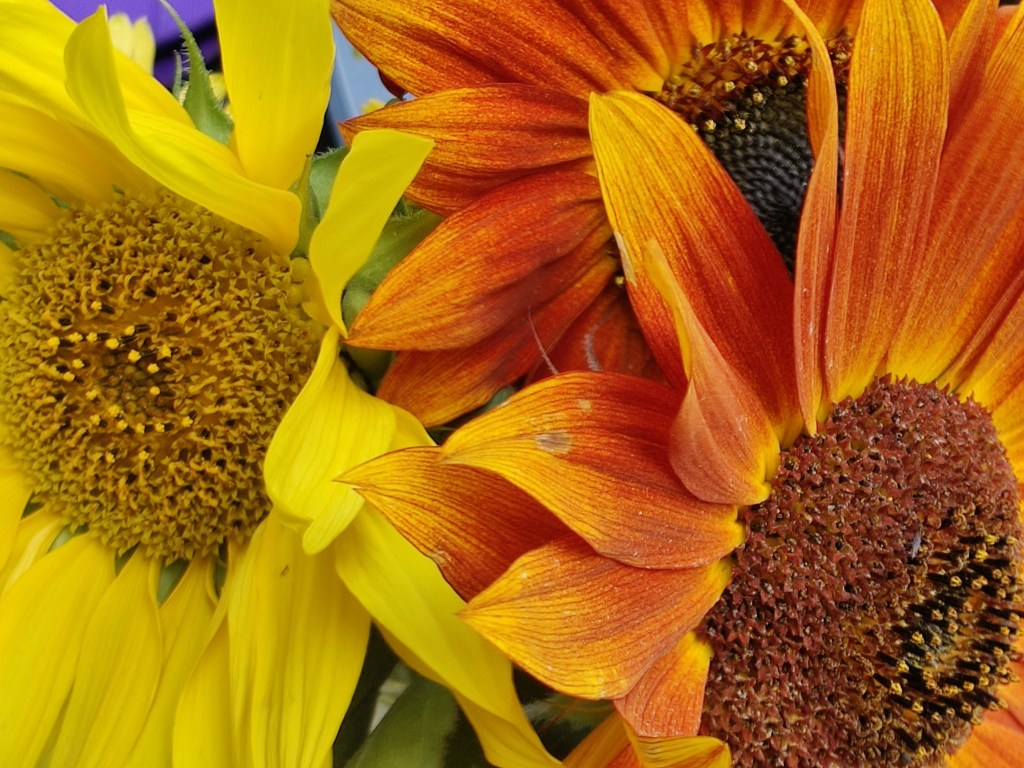
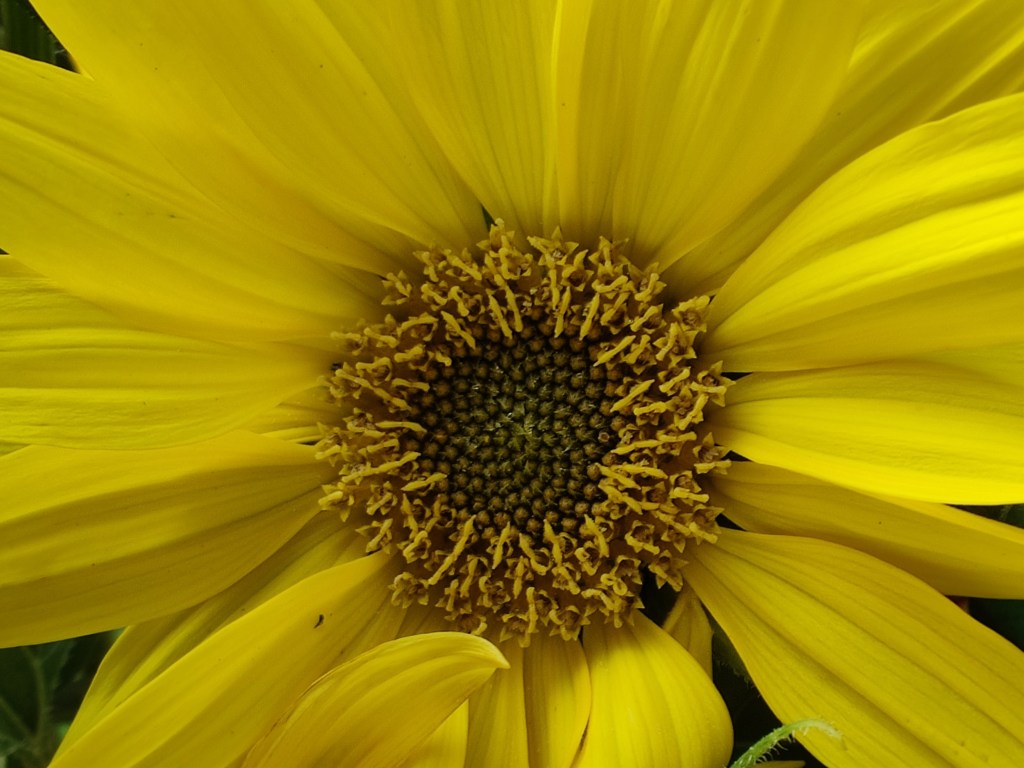
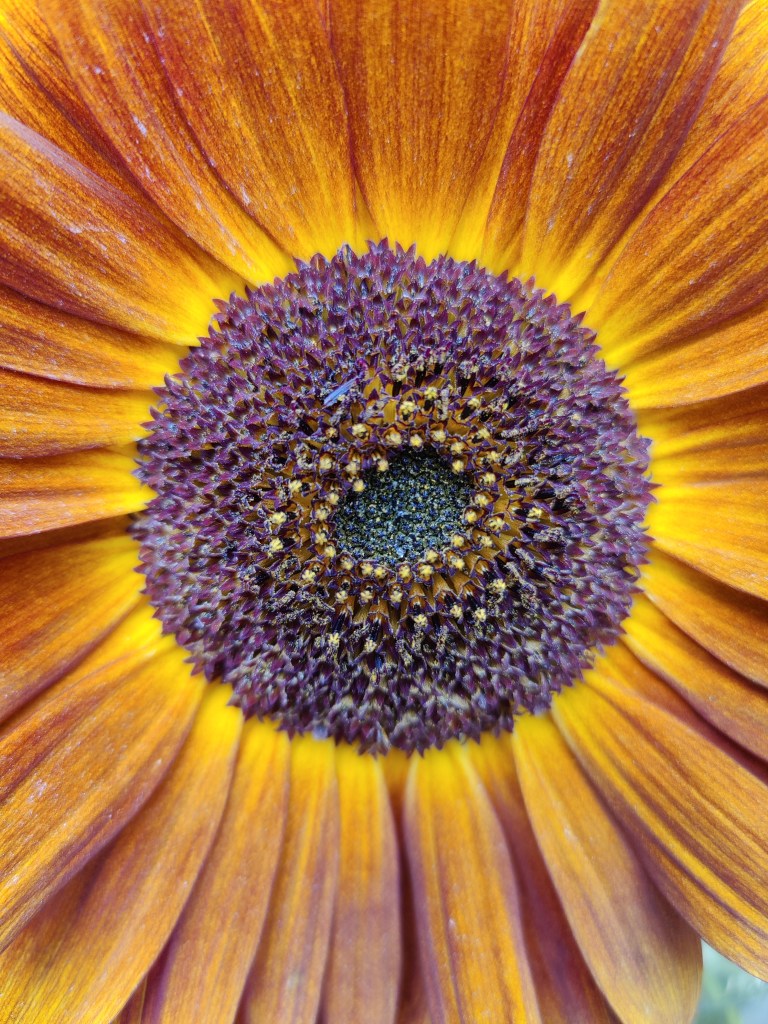
Perhaps one of my favourite annual flowers, cosmos are vibrant and resilient and bring a touch of whimsy to any garden. Known for their dainty, daisy-like blooms in shades of pink, white, lavender, purple and crimson, cosmos are a favourite among pollinators, attracting bees and butterflies to name a few.
The feathery foliage that cosmos put out may resemble the leaves of a popular herb, dill, to some. For example, just before these beauties put out blooms last year, I actually had a visitor exclaim, “Wow, your dill is flourishing!”. Standing at four feet tall, I unfortunately had to correct them, saying that I’m not that great at growing dill but that this plant will soon make beautiful delicate cosmos blooms.
This flower is remarkably easy to grow from seed, thriving in poor soil and requiring minimal maintenance—a perfect choice for beginner gardeners or those seeking low-effort beauty. And they can grow from one to six feet tall!
What’s truly fascinating about cosmos comes down to symbolism; the name comes from the Greek word kosmos, meaning order and harmony, which is a reflection of its perfectly balanced petals.
Hope you enjoy this featured flower that blooms profusely from summer through fall.
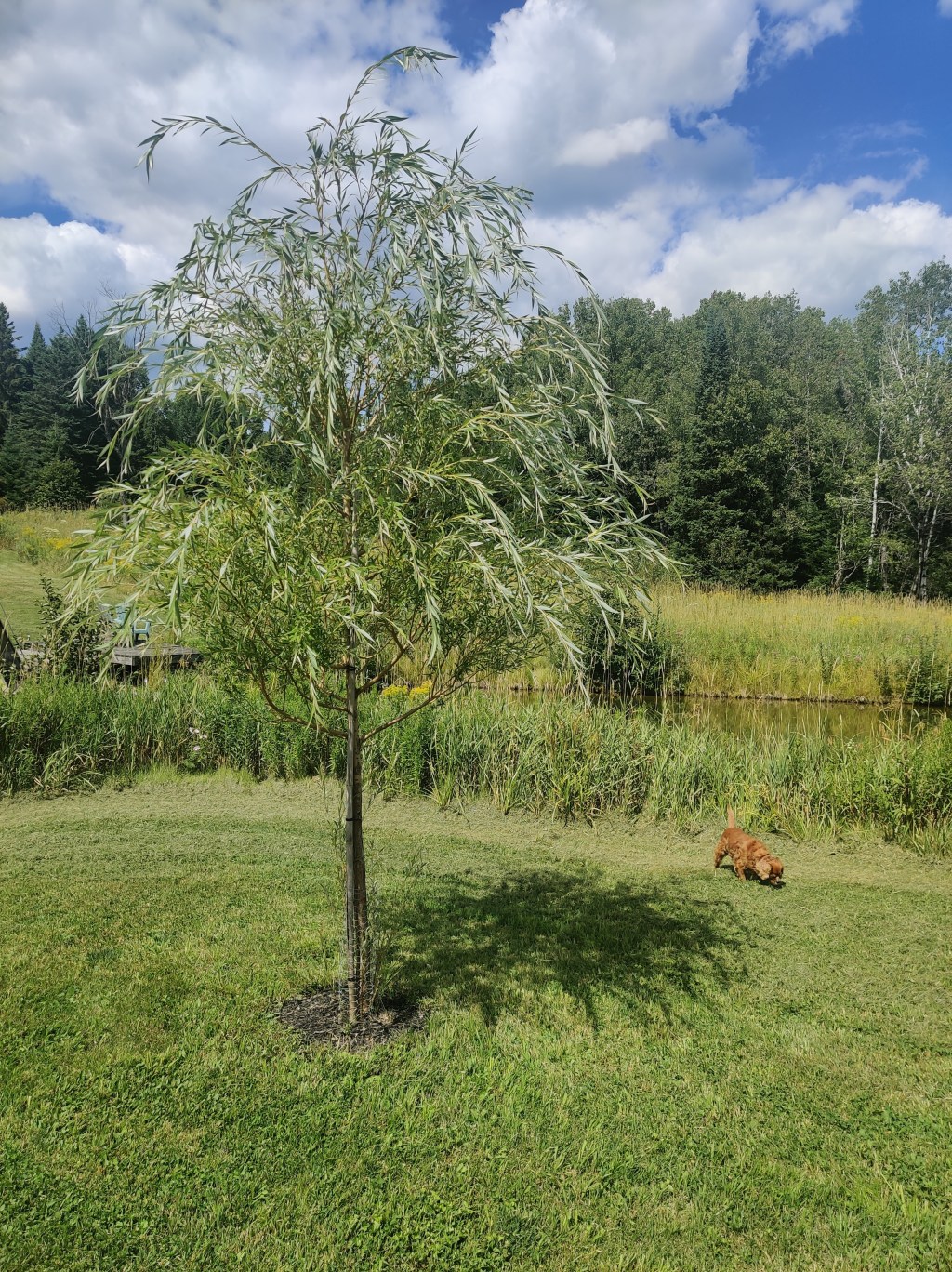
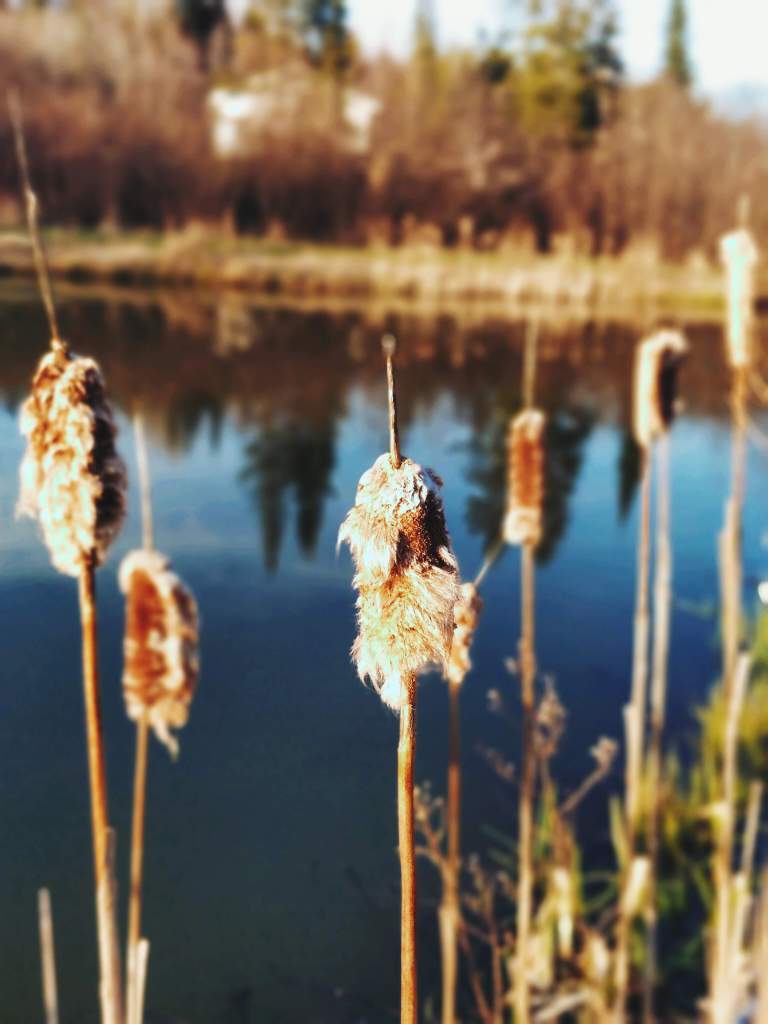
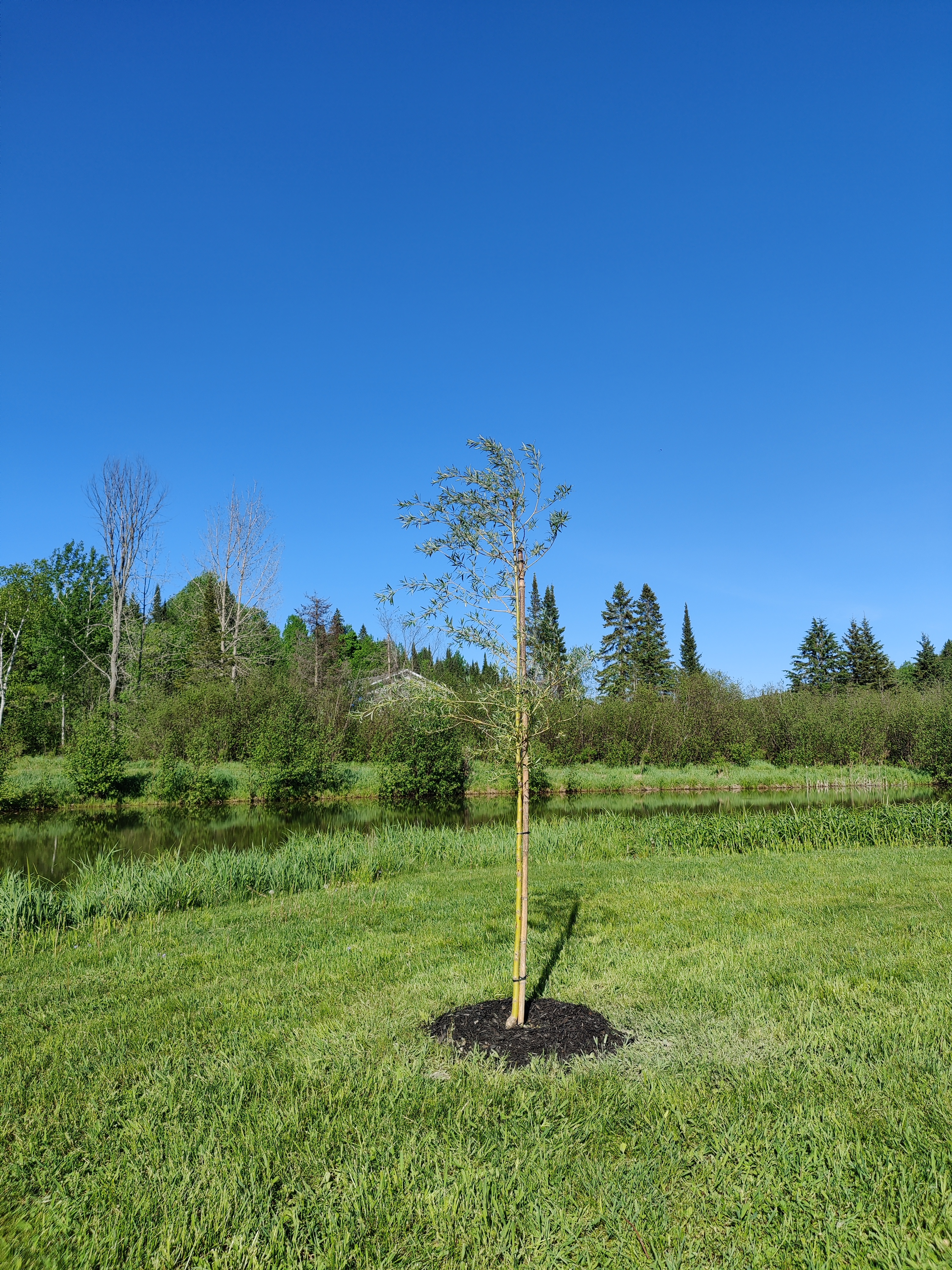
Planting a weeping willow tree near our pond was more than just a practical fix for flooding in a low-lying area —it was a way to harmonize with the natural environment. This elegant tree, combined with complementary plants (like cattails and sedges) lining the pond, turned a challenging wet area into a beautiful, functional part of our property. It is one of my favourite additions to the yard. If you’re facing similar issues and you have the space, consider embracing the weeping willow as a graceful and effective solution.
Goldie and my dogpopping cattails
Goldie was planted in May 2021 (on the left) and she’s posing with today’s birthday girl back in August 2024 (on the right). Happy birthday sister!
As I’ve started to grow more plants over the past couple of years, I’ve also started to save more seeds. In my experience, 2023 was a pivotal year for seed saving. I wasn’t available to pick all of my vegetables throughout the summer. Luckily that autumn I learned about the importance of saving seed, but also about the benefits that come with it.
Why is Seed Saving Important?
1. Preserves Biodiversity
Over the past century, 75 percent of global crop diversity has been lost, according to the Food and Agriculture Organization (FAO)1. This decline is primarily due to the rise of industrial agriculture, which favours a small number of high-yield crop varieties over traditional, diverse species.
When farmers save seeds, they preserve heirloom and indigenous varieties, which are often more resilient to local conditions and less dependent on synthetic inputs like fertilizers and pesticides.
2. Promotes Self-Reliance
A few large corporations dominate the global seed market, controlling an estimated 60 percent of commercial seed sales2. These companies often prioritize patented hybrid and genetically modified (GM) seeds, which cannot be saved or replanted by farmers without violating intellectual property laws.
This concentration of control reduces farmers’ autonomy and makes them dependent on purchasing seeds annually, which can be costly and unsustainable.
3. Safeguards Against Future Challenges like Climate Change
As weather patterns shift and extreme conditions become more common, traditional crop varieties may no longer thrive. Locally saved seeds often represent genetically diverse and climate-resilient crops that can adapt to changing environments.
Seed saving helps create a reservoir of traits—like drought tolerance or disease resistance—that can be vital for future food security.
4. And Safeguards Against Other Food Security Risks
The global seed supply is vulnerable to disruptions, such as natural disasters, geopolitical conflicts, and corporate policies. For example, monoculture farming increases the risk of widespread crop failure if a pest or disease targets the dominant variety.
By saving seeds locally, communities build a decentralized and more resilient seed system, reducing reliance on a fragile global supply chain.
Cultivating a Resilient Future Through Seed Saving
Governments and NGOs are addressing the global seed crisis by promoting seed-saving practices and establishing seed banks, such as the Svalbard Global Seed Vault in Norway. However, reliance on centralized systems alone is insufficient.
Grassroots efforts, like community seed libraries and farmer exchanges, are essential to protecting local seed varieties and empowering farmers.
Seed saving is not just about gardening—it’s about preserving our collective future. By protecting seeds, we safeguard biodiversity, strengthen food systems, and ensure that we can meet the challenges of a changing world. Not to mention, it’s free!
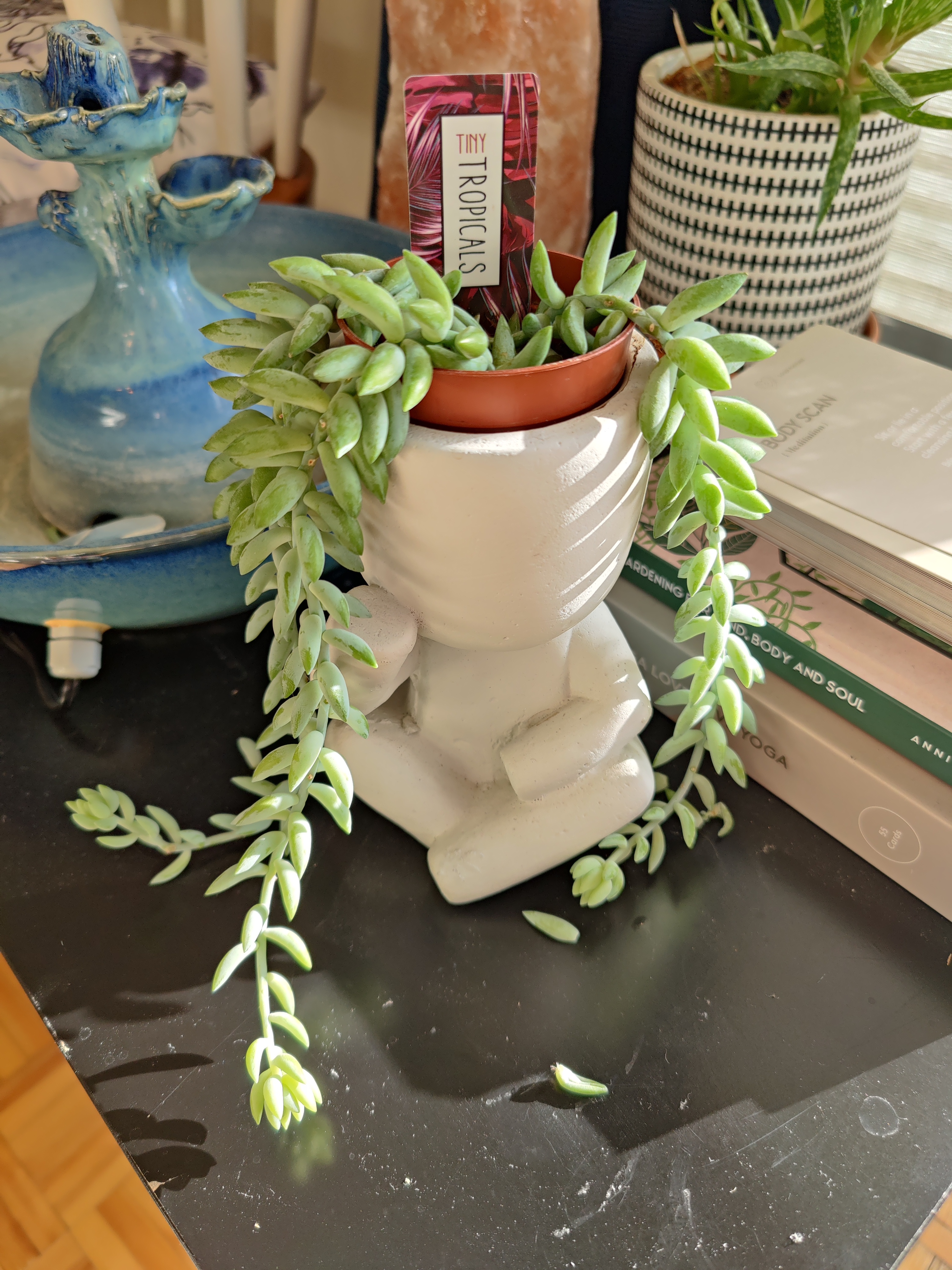
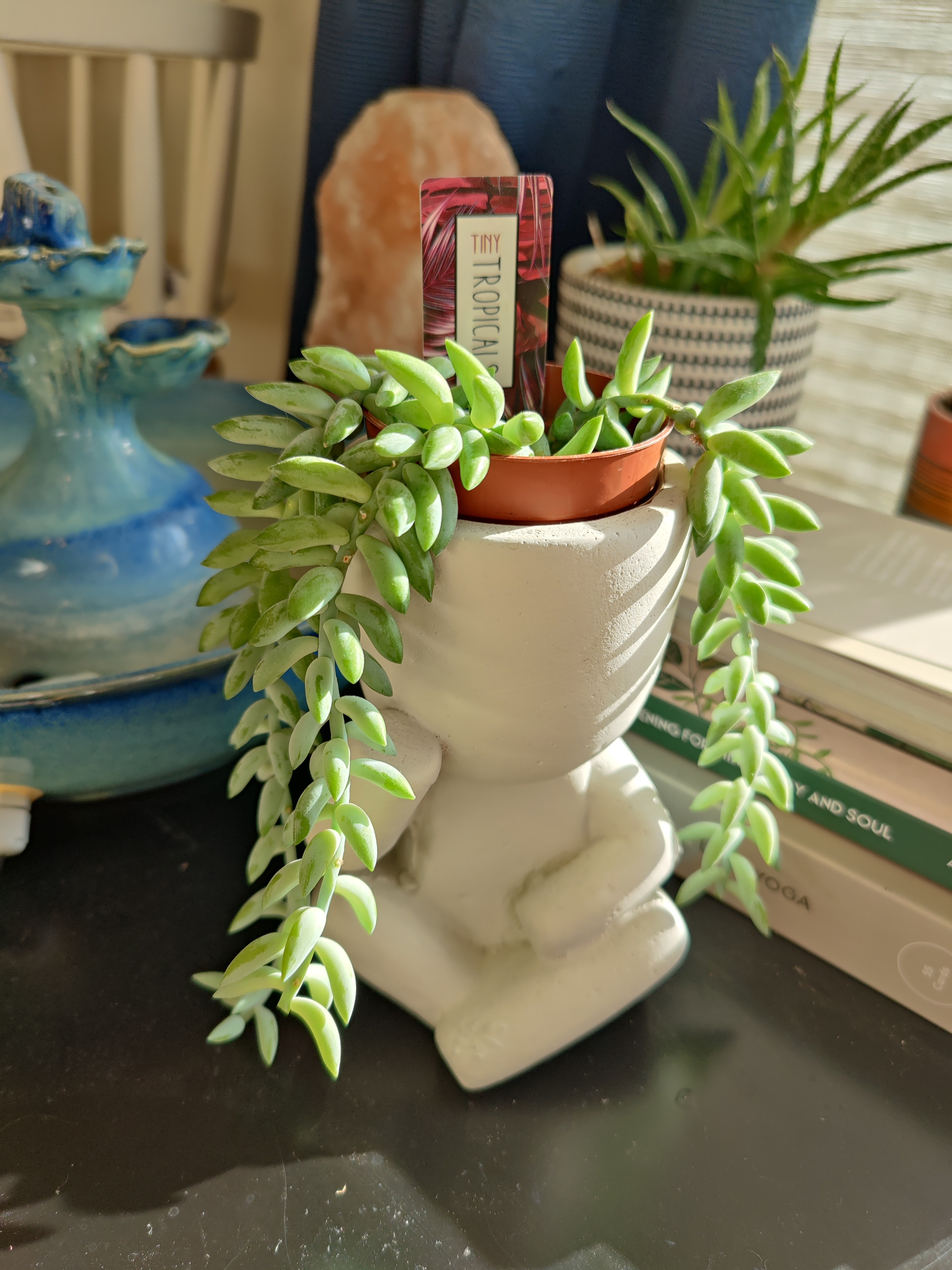
I’ve written prior posts about water and soil propagation, but now I will try my hand at succulent propagation. I’ve read that to be successful with multiplying your succulents, you need the original piece of the plant to callous over, or dry out. I have tried this unsuccessfully in the past, so wish me luck!
Here are the steps I will take:
Select a healthy leaf: Choose a plump, healthy leaf and gently twist it off the stem. Ensure the base of the leaf is intact.
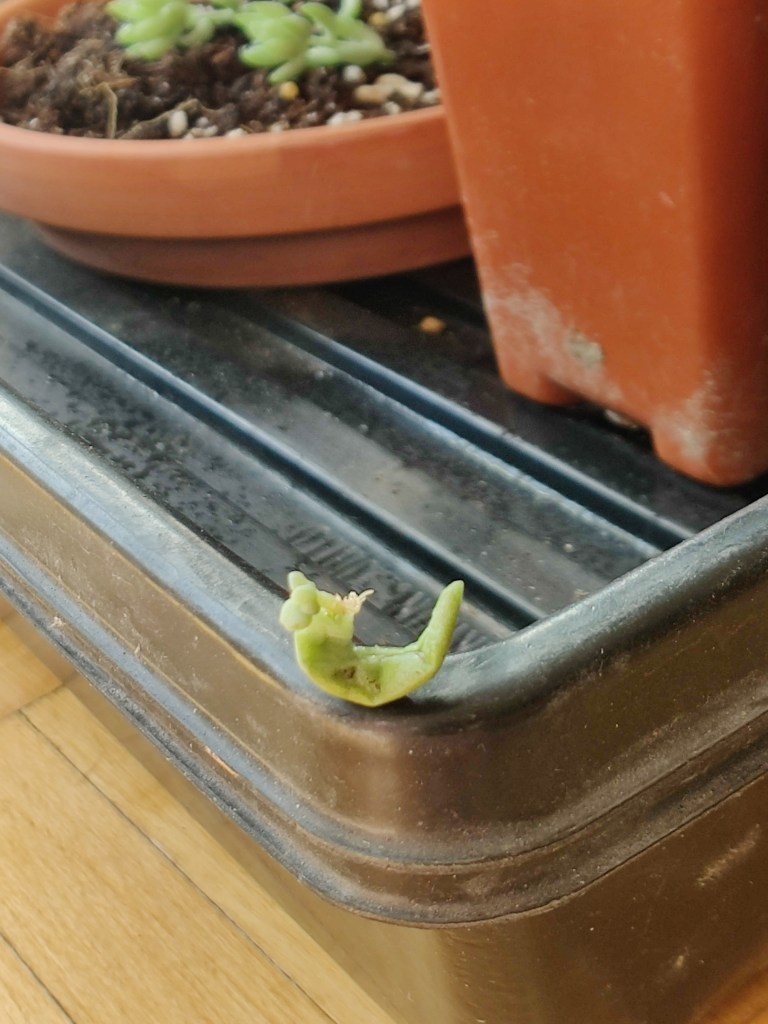
Let it callous over: Place the leaf in a dry area out of direct sunlight for a few days to a week to allow the cut end to form a callous. This prevents rotting.
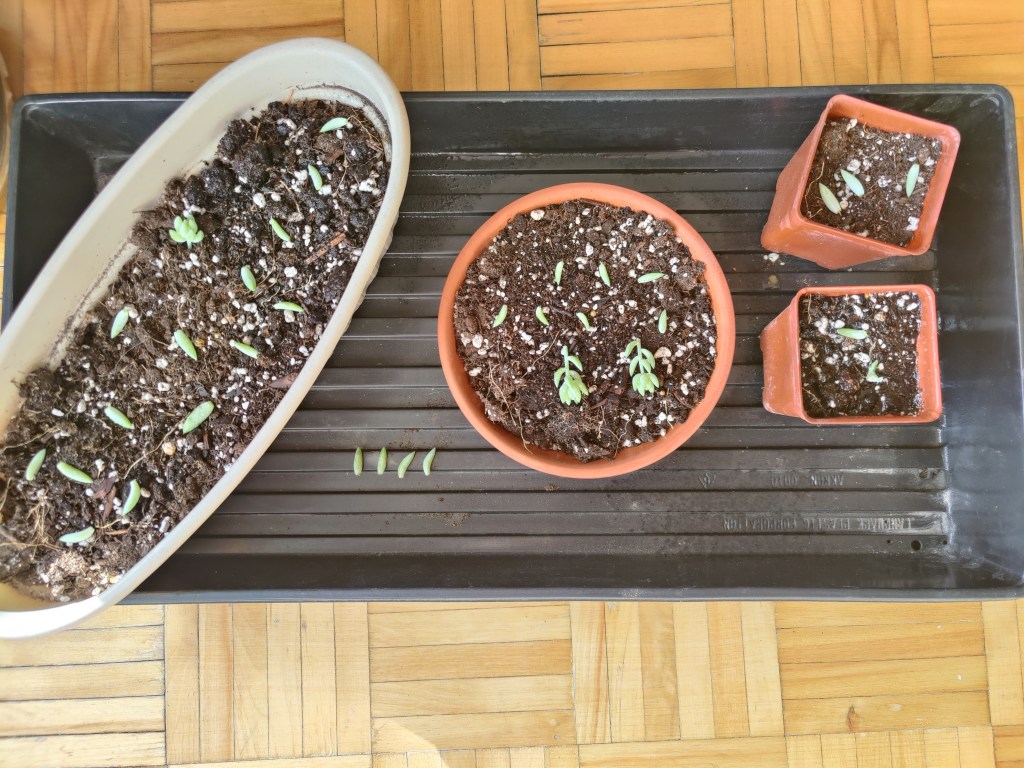
Place on soil: Lay the leaf on top of well-draining succulent soil. Do not bury it.
Mist occasionally: Mist the soil lightly every few days to keep it slightly moist. Roots and a tiny plantlet will emerge from the cut end in a few weeks.
Transplant when ready: Once the new plant is established and the original leaf dries up, transfer it to its own pot.
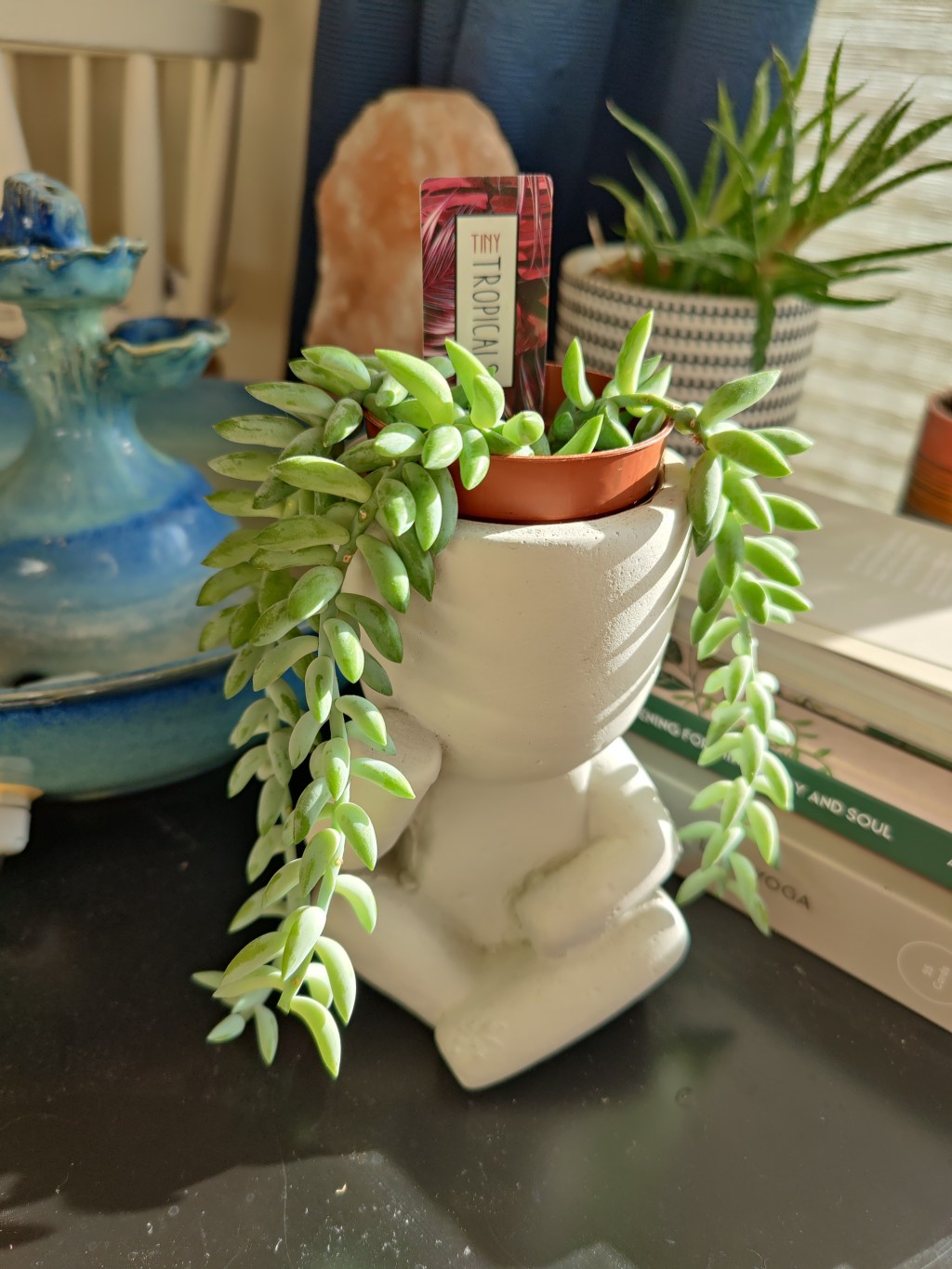
I’ve started with the succulent that I gifted my partner, as it needs a haircut. Whether or not this experiment works out, I will share the results.
The original succulent – before and after its haircut. You can see that some leaves dropped already and were beginning to callous over.A leaf that has calloused and has started sprouting roots. It should be ready to place on top of soil.My experimental setup. Placed a few leaves on soil and a few were left air drying.
Soil propagation is a method of growing new plants from cuttings by placing them directly into soil or a soil-like medium. This technique is commonly used to propagate a variety of plants, such as herbs, shrubs, perennials, and even some trees. The goal is for the cutting to develop roots while embedded in the soil.
Benefits of Soil Propagation:
Easier transition for the plant since it’s already in soil.
Ideal for plants that don’t root well in water or prefer direct soil contact.
Provides better anchorage for the cutting as roots grow.
This method works well for many species, but success depends on factors like the plant type, cutting health, and growing conditions.
Which Houseplants can I try this with?
Though the list is not limited to just houseplants, here are a few indoor plants that grow well at home using this technique:
Pothos: Very easy to propagate in soil from stem cuttings.
Spider Plant: Offsets or “babies” root well in soil.
Coleus: Grows rapidly from stem cuttings in moist soil.
Philodendron: Cutting pieces from this plant can root quickly in soil.
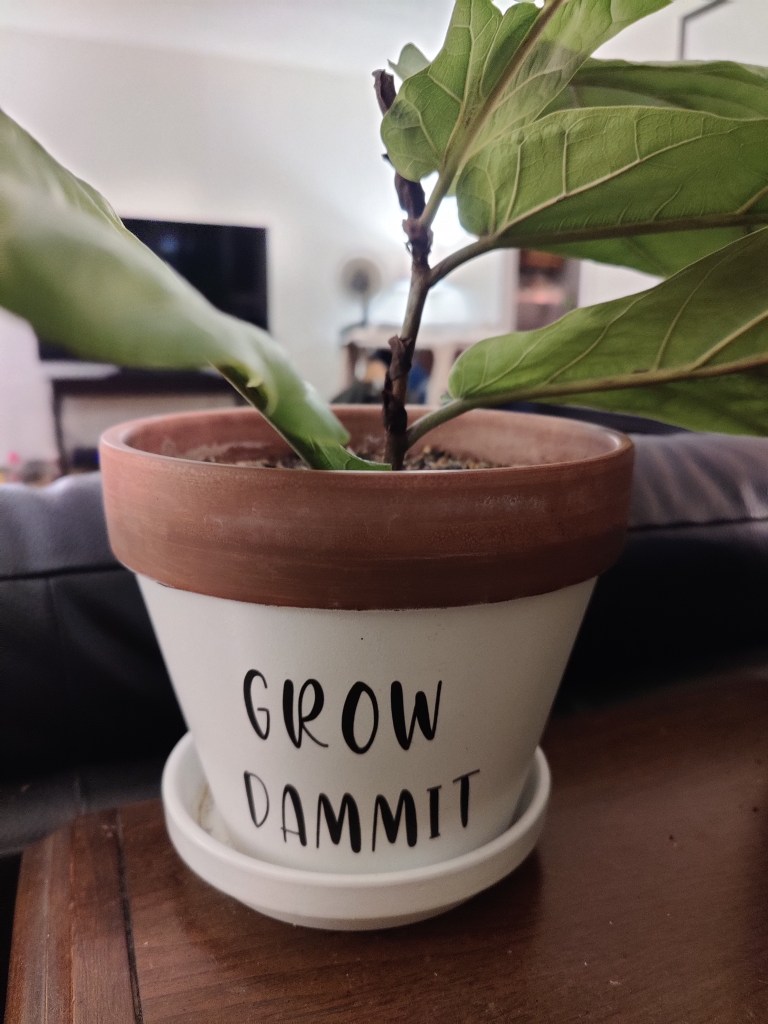
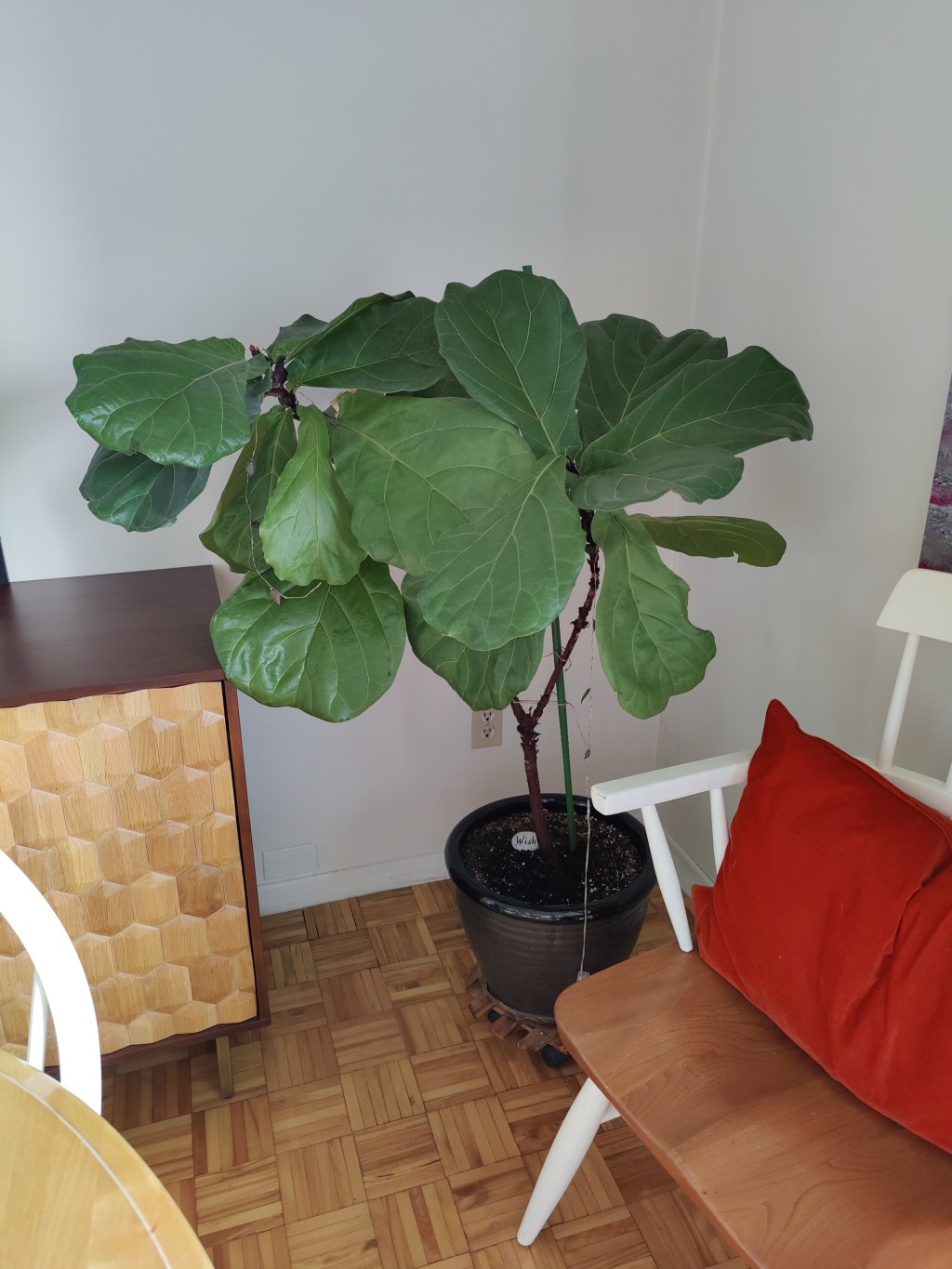
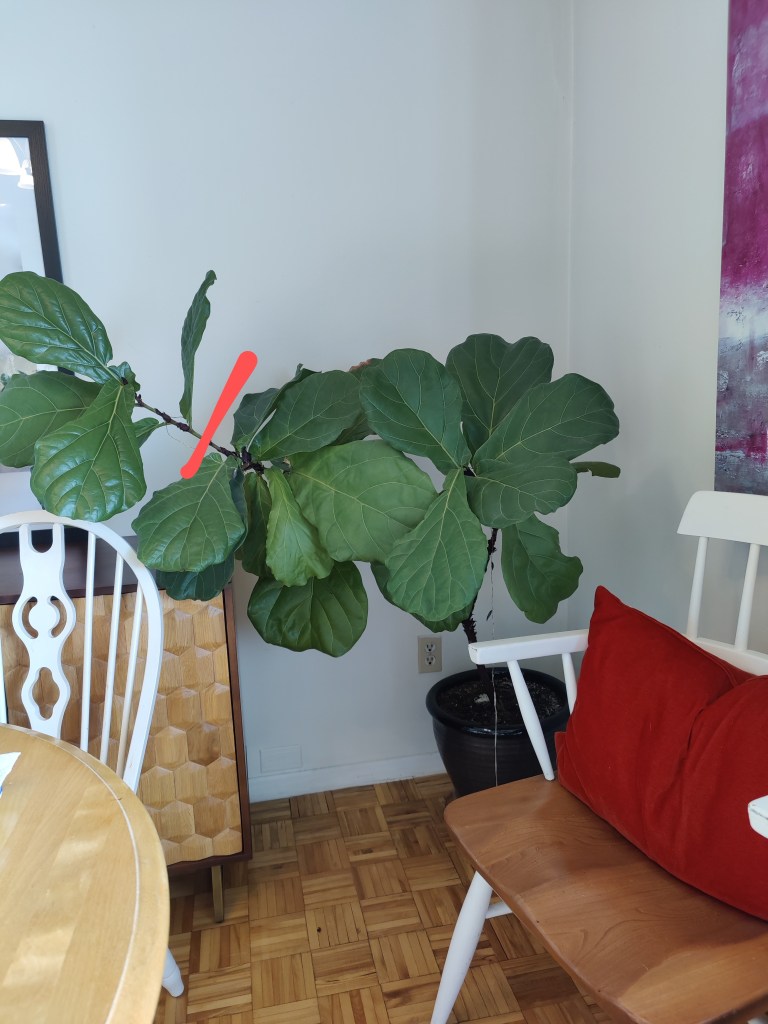
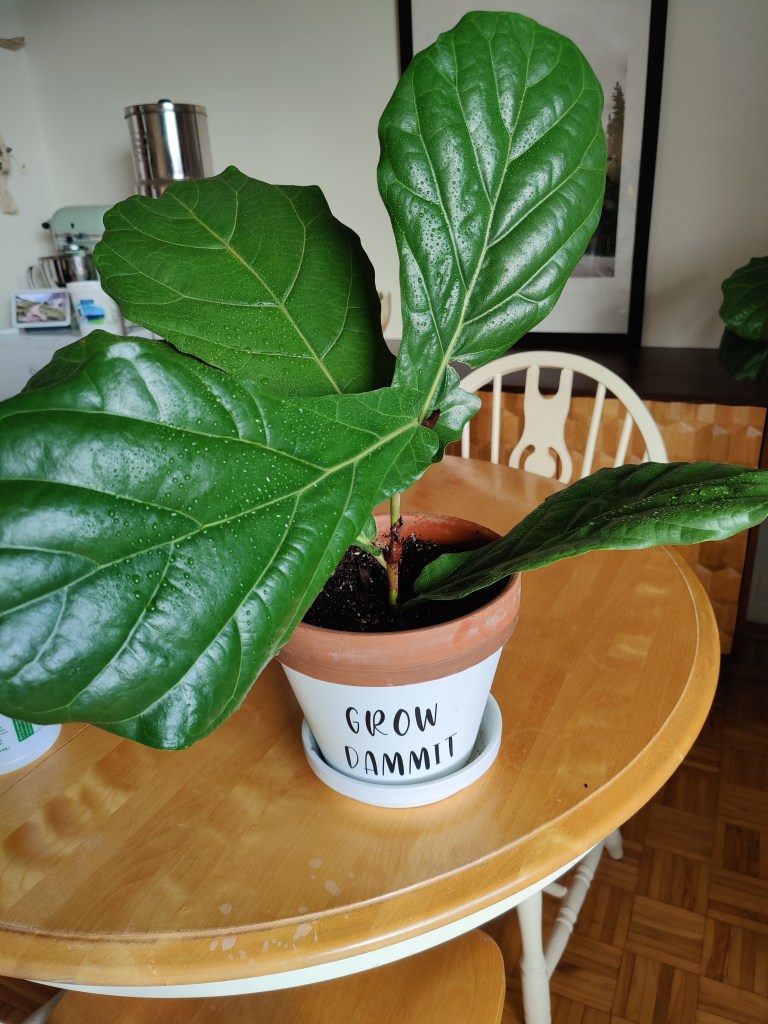
This list is certainly not extensive. I have also been successful with using this technique on my fiddle leaf figtree. The tree was growing crooked so this is what I did:
I clipped a few leaves down and in between nodes of the main plant
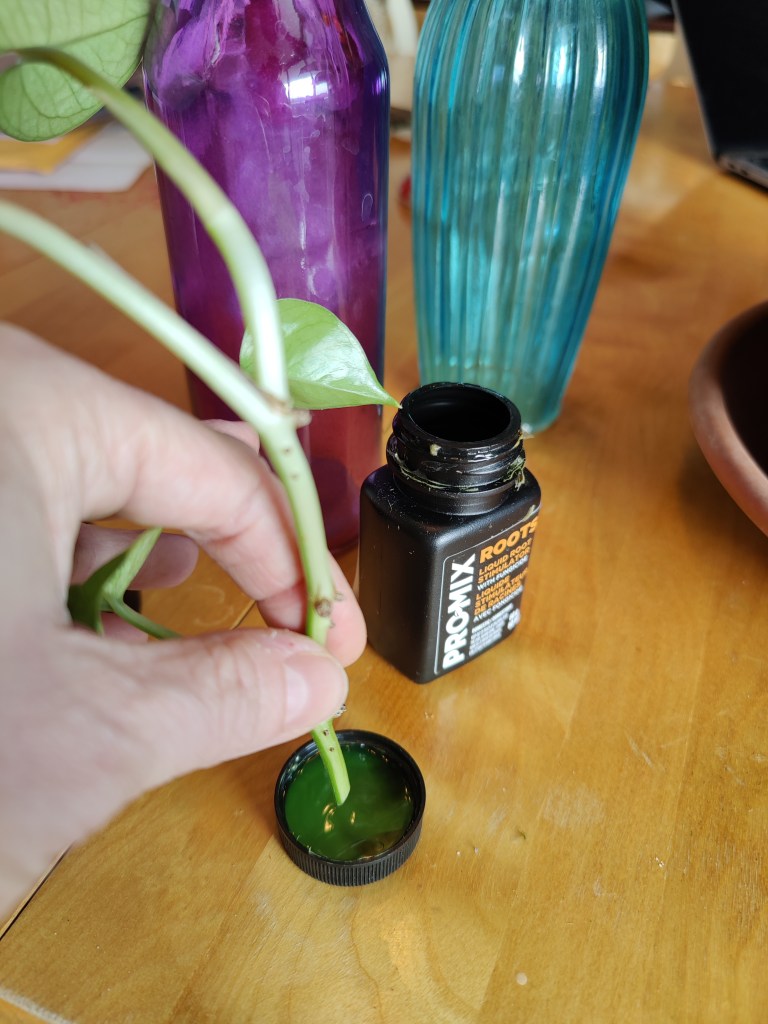
Once I had my cutting, I dipped it into rooting compound to support root growth.
I planted the cutting into a new pot with soil (mixed with perlite) and covered it with a clear plastic bag. This imitates greenhouse conditions.
I made sure to mist the leaves daily for the first few weeks. Having adequate humidity was important while the cutting was setting roots.
Lastly I positioned the cutting in indirect sunlight.
Both the propagated cutting and the tree are thriving. In fact, a new leaf just sprouted on the original tree. Until next time.
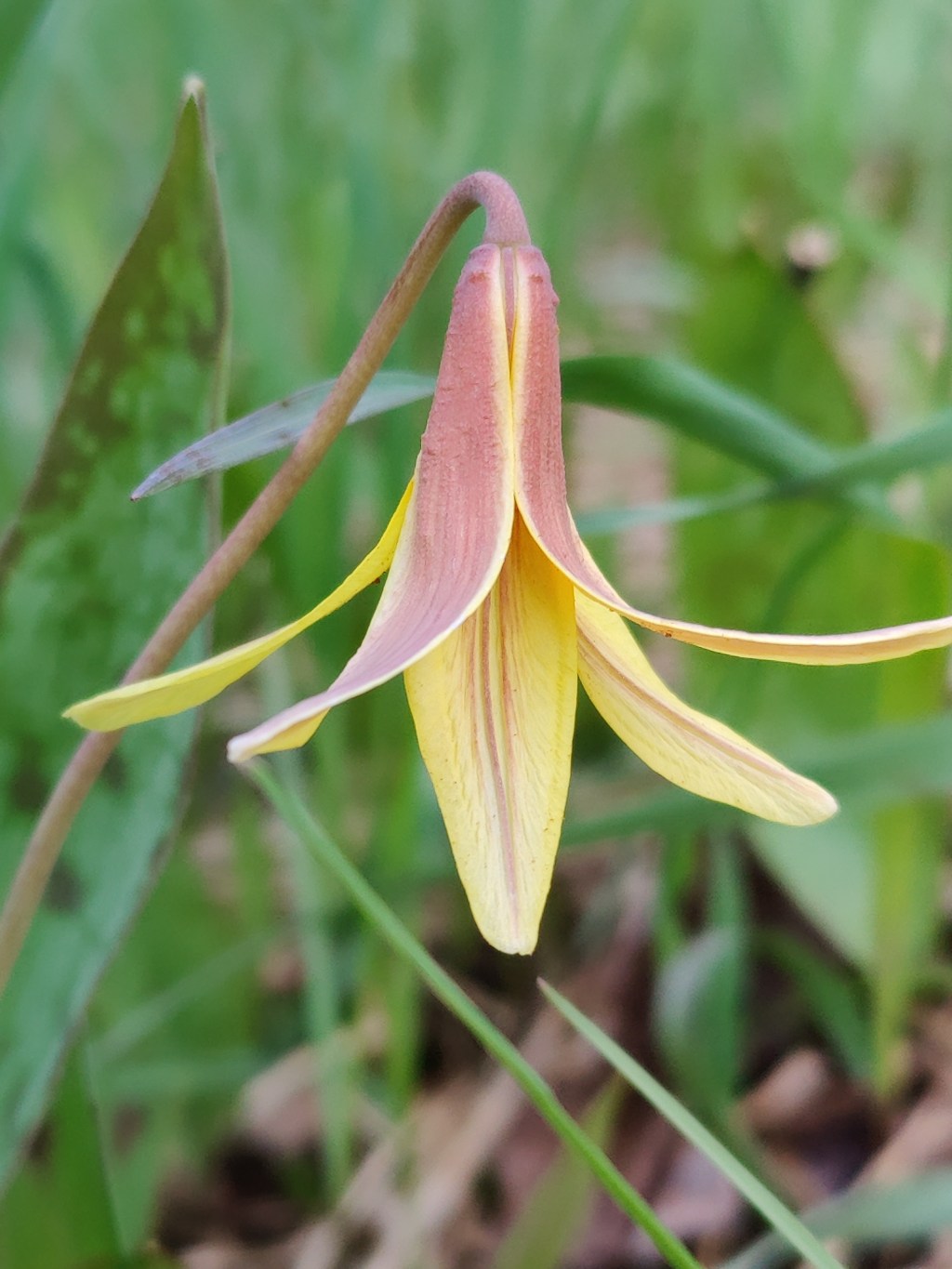
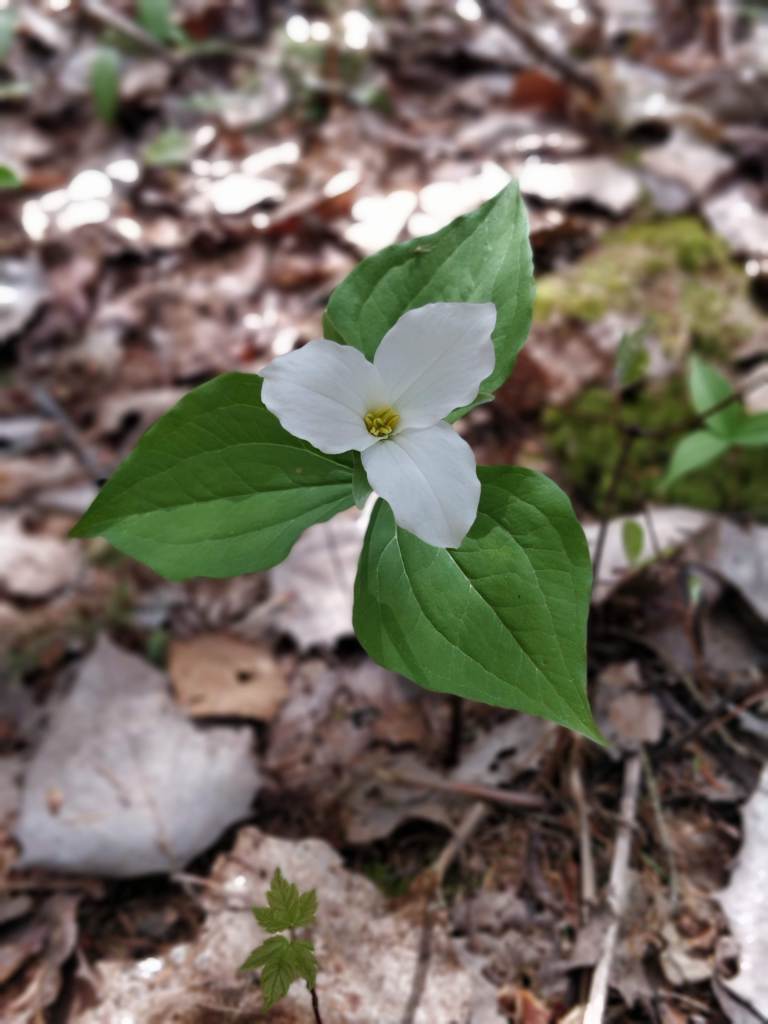
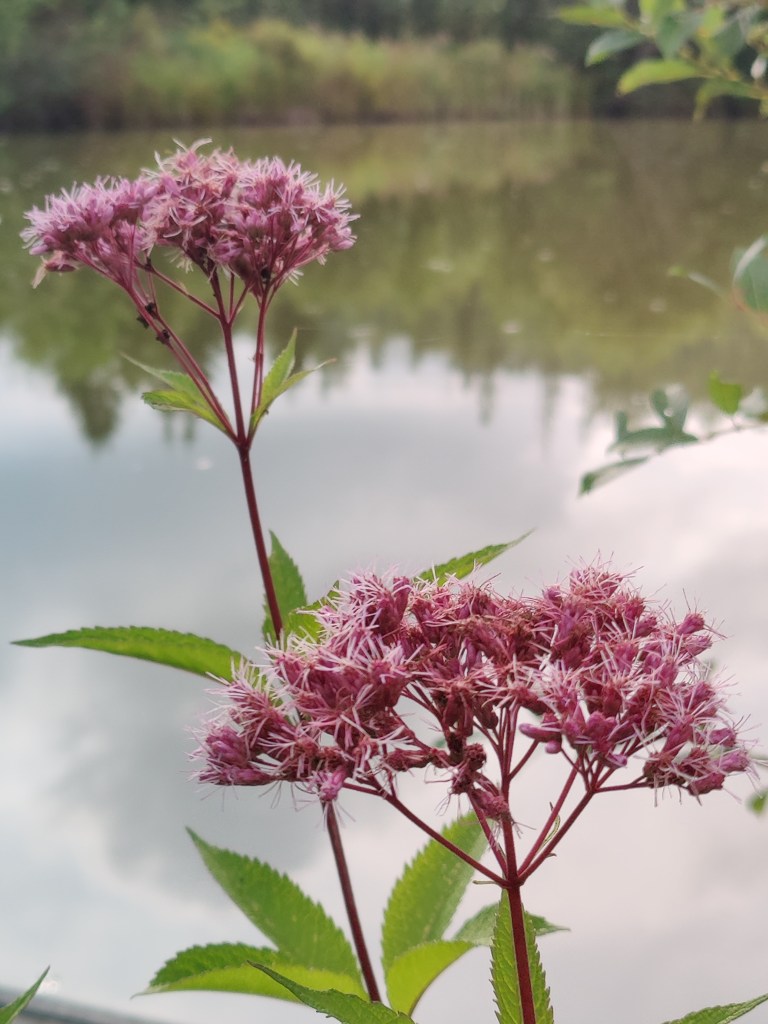
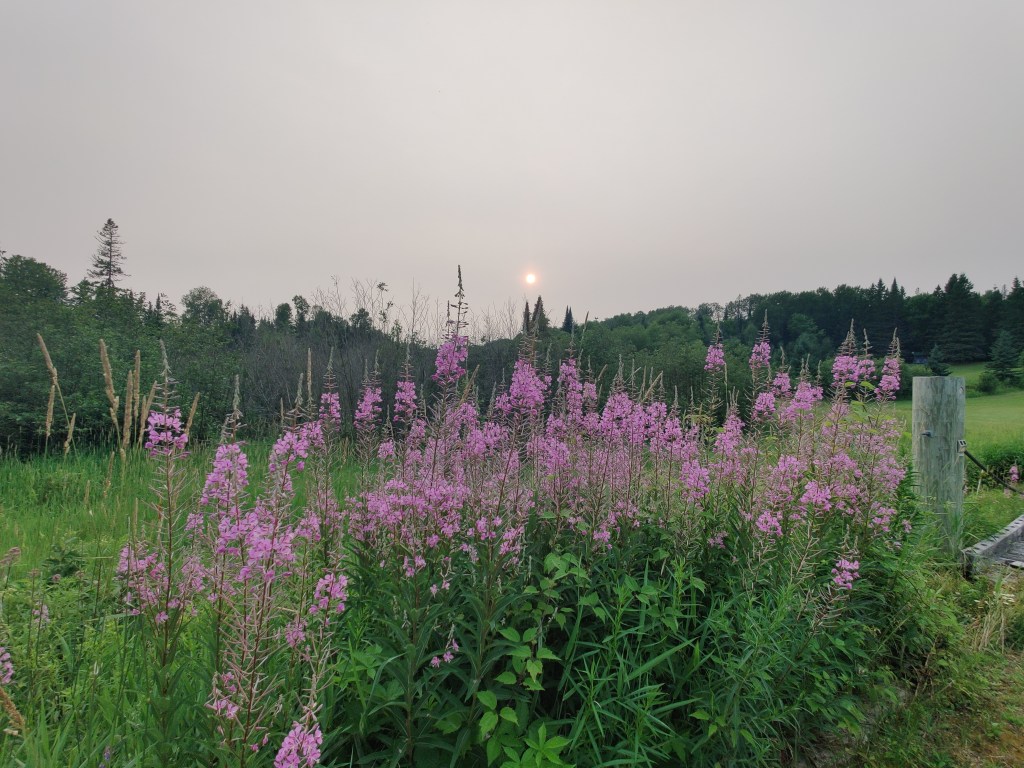
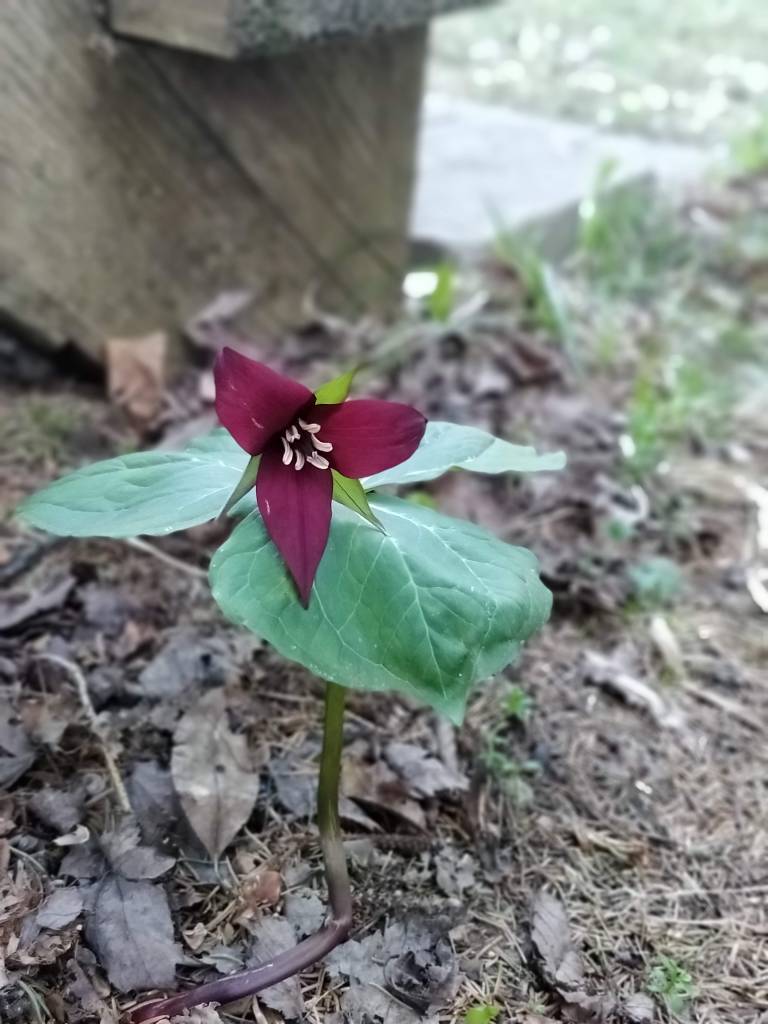
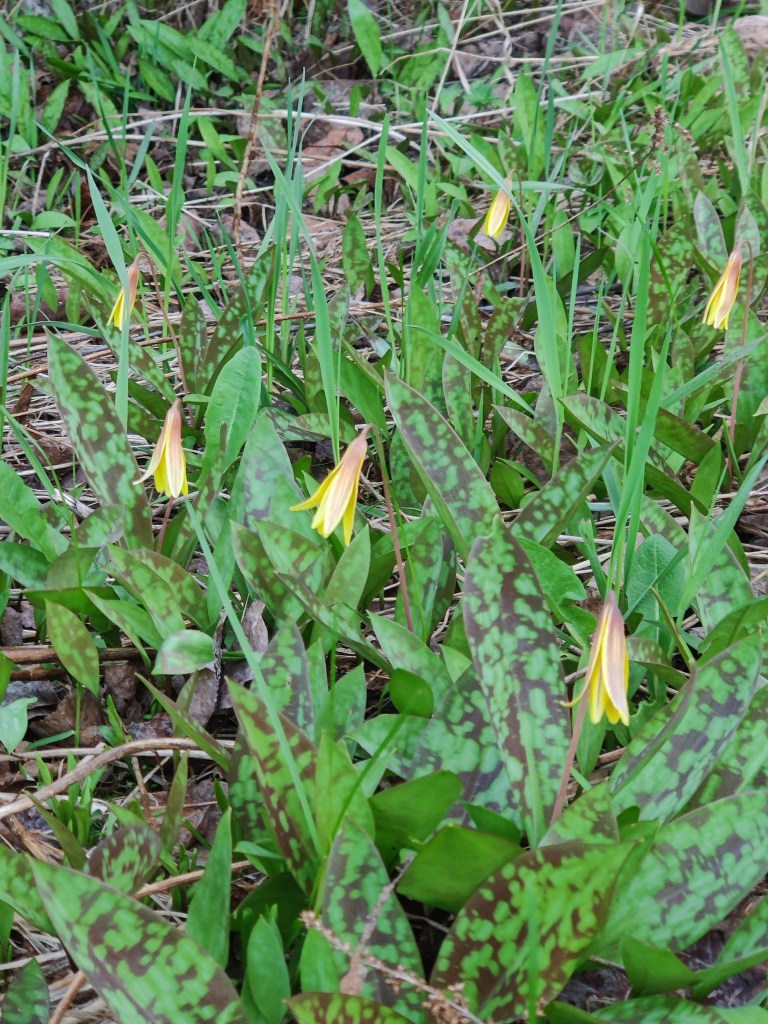
A wildflower is a flowering plant that grows naturally in the wild, without intentional cultivation by humans. These plants are native to their specific regions or ecosystems and have adapted to thrive in local soil, climate, and environmental conditions. Wildflowers play a vital role in supporting biodiversity, providing food and habitat for pollinators like bees, butterflies, and birds. They often require less maintenance than cultivated plants and contribute to the natural beauty of landscapes. Here are a few photos of native wildflowers that I have taken around the property.
What is your favourite wildflower?
The white trillium (Trillium grandiflorum) is the official flower of Ontario, Canada. It was adopted in 1937.Spotted Joe-Pye Weed (Eutrochium maculatum) is a native perennial wildflower that grows from 2 – 6 feet tall. It is found throughout most of Ontario and thrives in wetland habitats.Fireweed (Chamaenerion angustifolium) is named for its ability to quickly colonize areas that have recently been burned by fire. It is a native species found in all of the Canadian provinces.The red trillium (Trillium erectum) is another species of trillium found in Ontario.Native to Ontario, trout lilies (Erythronium americanum) can be readily identified by their variegated (multicolored) green and burgundy oval-shaped leaves.
When asked by a colleague to share a cutting of one of my houseplants with her, it dawned on me that I should write a post on plant propagation. Plant propagation is an exciting and rewarding way to grow your green thumb. It offers an opportunity to expand your plant collection, share greenery with friends, and better understand the life cycles of your favourite plants. In this post, we’ll explore what propagation is and dive into one of the easiest and most popular methods: water propagation.
What Is Propagation?
Propagation is the process of creating new plants from existing ones. It’s a good way to multiply your plant collection for free! Propagation can be done in several ways, depending on the plant species and its natural growth habits. The most common methods include:
Seeds: Growing new plants from seeds, often the result of pollination.
Cuttings: Taking a piece of a plant (such as a stem, leaf, or root) and encouraging it to grow into a new plant.
Division: Splitting a mature plant into smaller sections, each with its own roots.
Layering: Encouraging roots to grow on a branch or stem while it’s still attached to the parent plant.
Grafting and Budding: Joining parts of two plants to create one new plant, often used in fruit trees and roses.
Among these methods, stem cuttings are particularly popular for houseplants, and water propagation is one of the easiest ways to get started.
What Is Water Propagation?
Water propagation is a technique that involves rooting plant cuttings in water. It’s an approachable method for beginners because it’s simple, requires minimal tools, and allows you to watch the roots grow in real-time. Many popular houseplants, such as pothos, philodendrons, and spider plants, thrive in water propagation.
How to Propagate Plants in Water
Ready to give it a try? Here’s a step-by-step guide to water propagation:
Materials Needed:
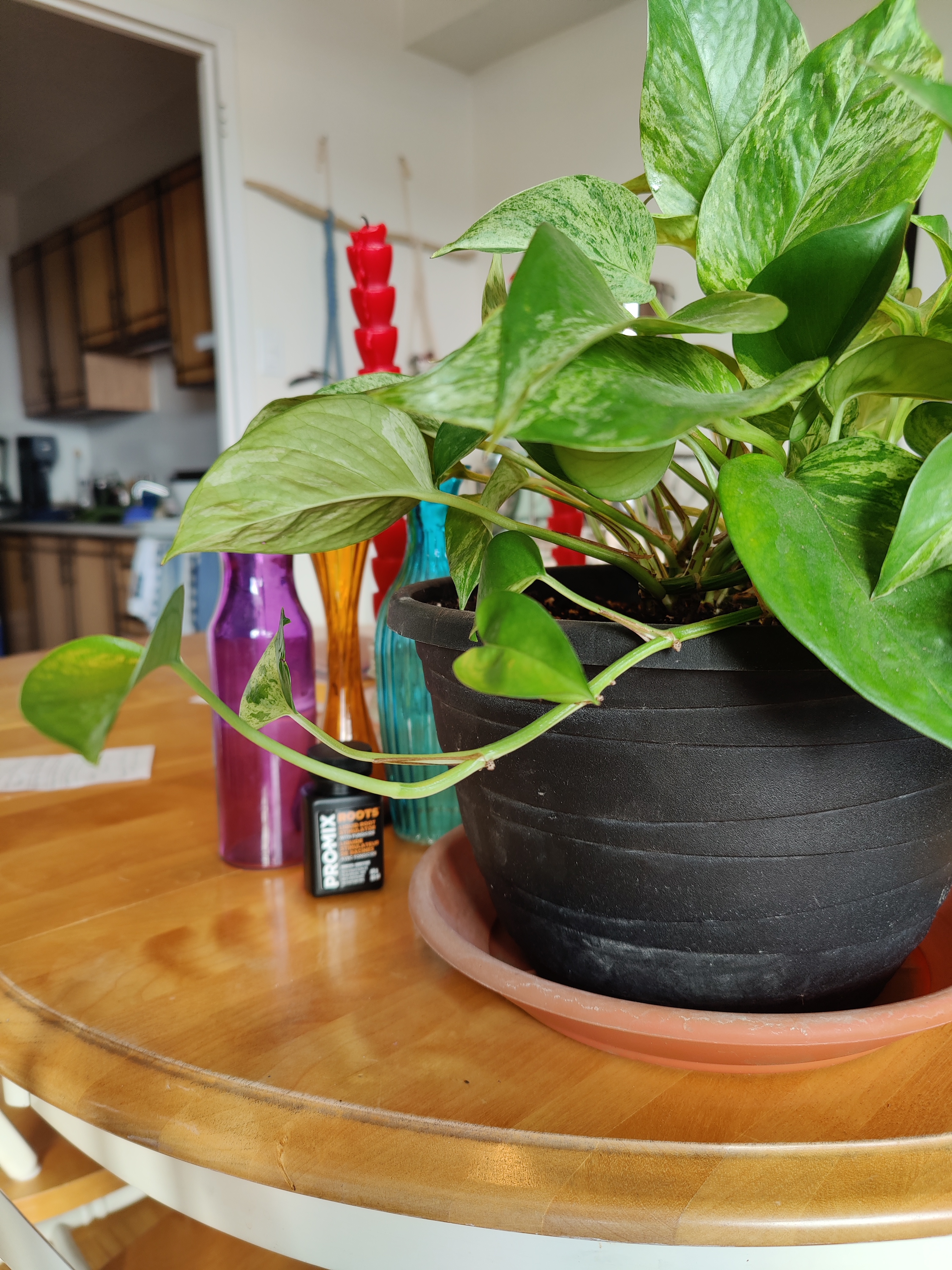
A healthy houseplant (I am using a pothos plant)
Clean scissors or pruning shears
A glass or jar of water
Optional: rooting hormone (not essential)
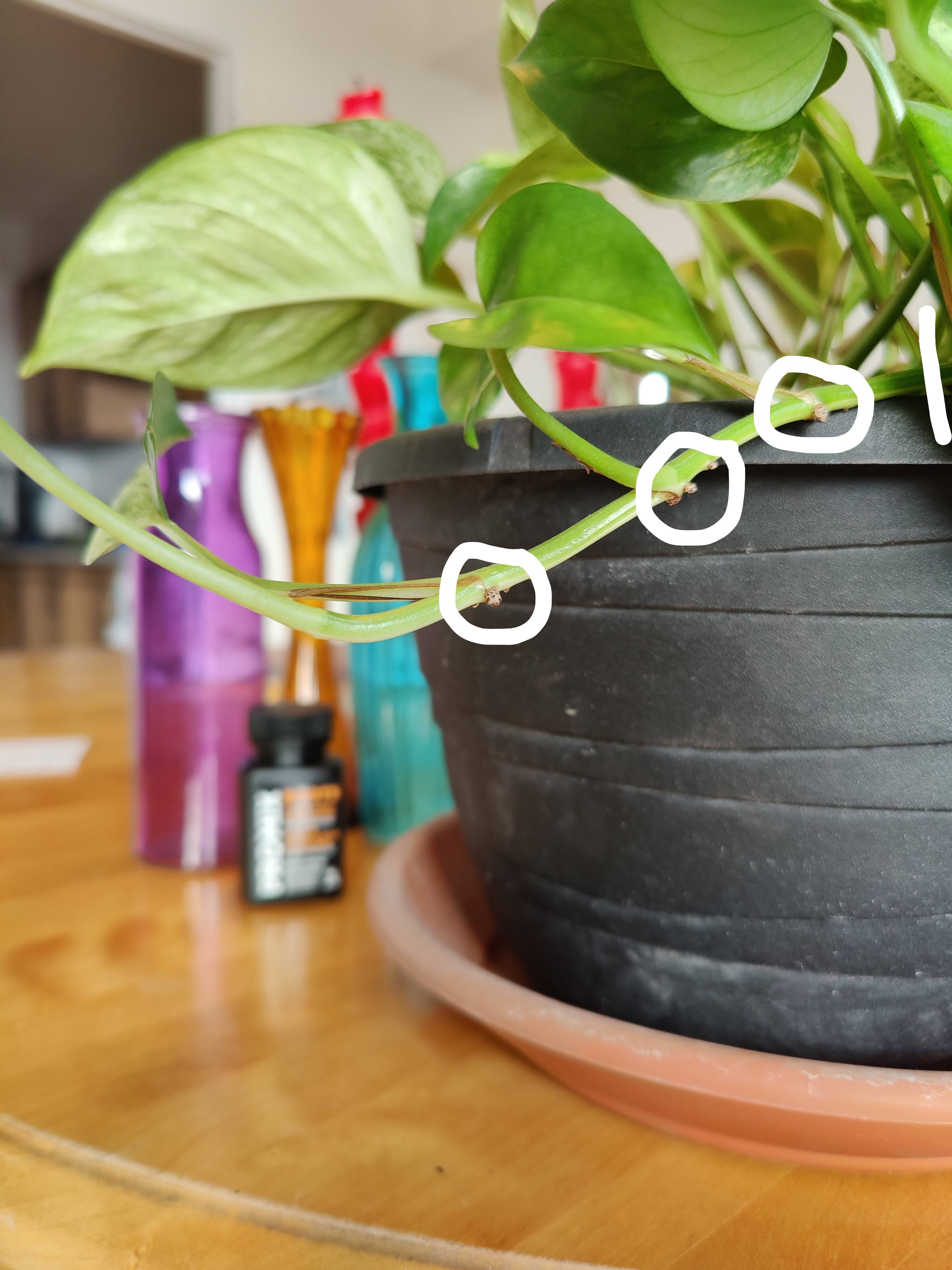
I’ve circled the nodes and drew a line where I cut the stem.
Select a Healthy Vine: Look for a vine with several healthy leaves and visible nodes (the small bumps along the vine where leaves and roots grow).
Cut the Stem: Use clean scissors to cut a 4–6 inch section of the vine. Ensure the cutting has at least 2–3 nodes (the more nodes, the better the chances of propagation).
Prepare the Cutting: Remove the leaves from the bottom 1–2 nodes. These nodes should be submerged in water for roots to grow. Optional: Dip the cut end into rooting hormone to encourage root growth.
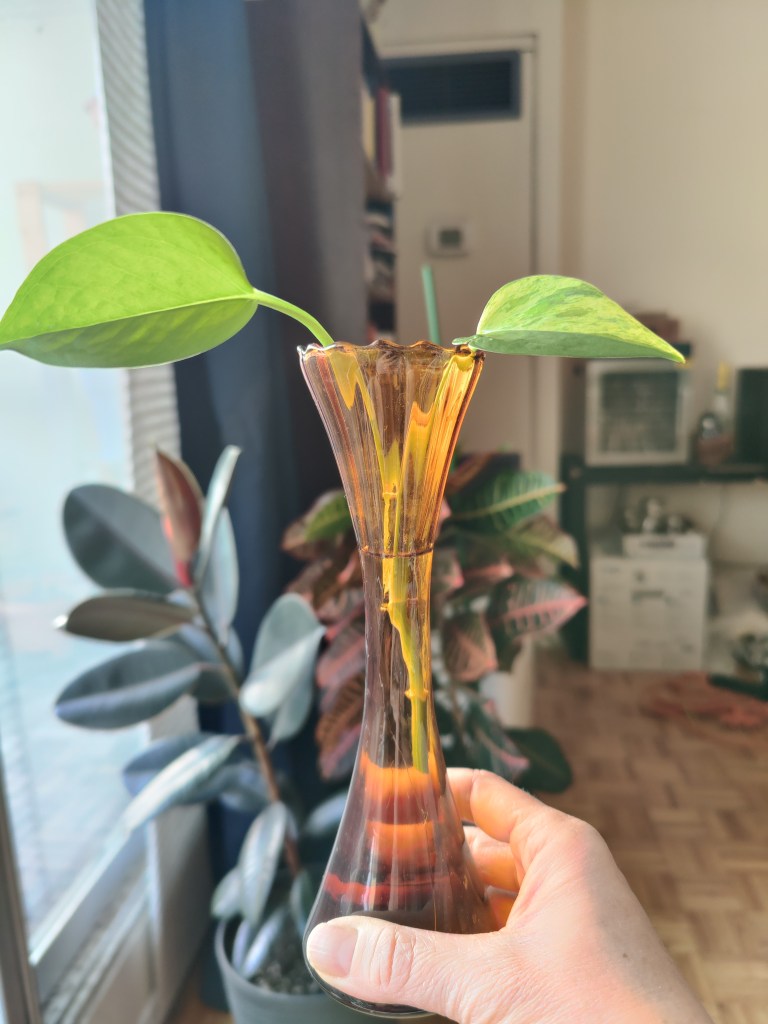
Place in Water: Place the cutting in a jar or glass of clean, room-temperature water. Ensure the nodes are fully submerged, but leaves remain above water to prevent rotting. Use a clear container to monitor root development.
Provide Ideal Conditions: Put the jar in a bright, indirect light location. Avoid direct sunlight, which can damage the cutting. Change the water every 3–5 days to keep it fresh and oxygenated.
Wait for Roots: Roots should start to appear within 1–2 weeks. Wait until the roots are at least 2–3 inches long before planting the cutting in soil (usually takes 4–6 weeks).
Transferring to Soil
Once the roots are well-developed, your new plant is ready to be potted. Choose a pot with drainage holes and fill it with well-draining soil. Plant the rooted cutting gently, water it, and place it in a bright spot to continue growing.
Plants That Thrive in Water Propagation
While many plants can be propagated in water, here are some common favorites:
Pothos
Philodendrons
Spider plants
Monstera
Tradescantia
Begonias
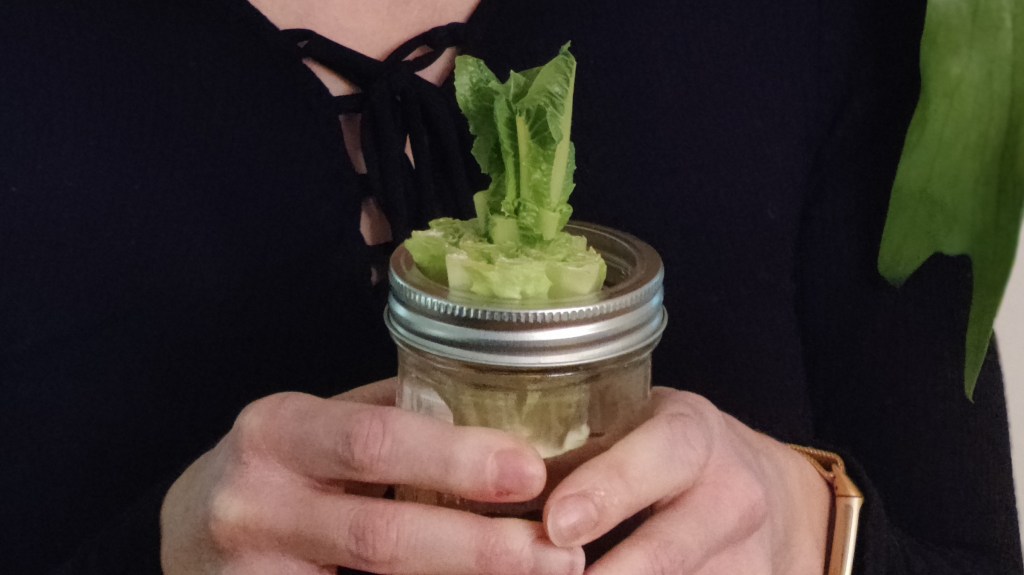
I have also had success propagating pineapple tops and lettuce.
Final Thoughts
Water propagation is a fun, rewarding way to grow your plant collection and connect with nature. Watching roots form and new growth emerge is a magical process that deepens your appreciation for the resilience and beauty of plants. So grab your scissors and a glass of water, and start propagating today! Your plants—and your future self—will thank you.
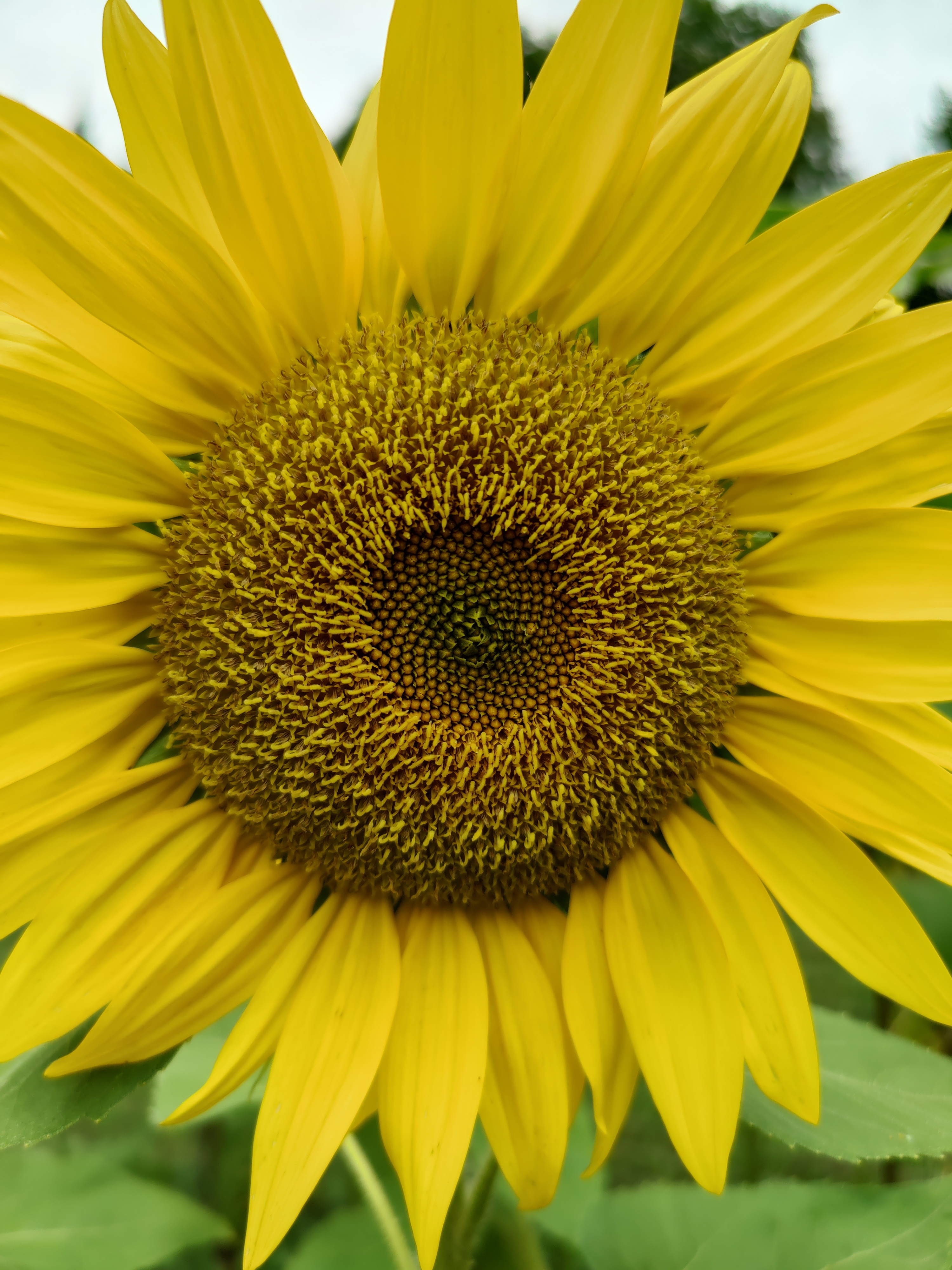
Sunflowers aren’t just pretty faces in the garden—they’re the life of the plant party! With their towering stalks, big bold blooms, and a knack for turning heads (literally), sunflowers bring a whole lot of sunshine to any space. Let’s dive into what makes these golden giants so awesome.
The Science of Cool
Sunflowers, aka Helianthus annuus, are North America’s homegrown heroes. They’ve been around for thousands of years, first cultivated by Indigenous peoples for their seeds and oil.
Fun fact: young sunflowers do this wild thing called heliotropism, where they follow the sun across the sky all day like tiny solar-powered fans. As they grow up, they settle on facing east—probably because nothing beats a sunny breakfast.
A Buffet for All
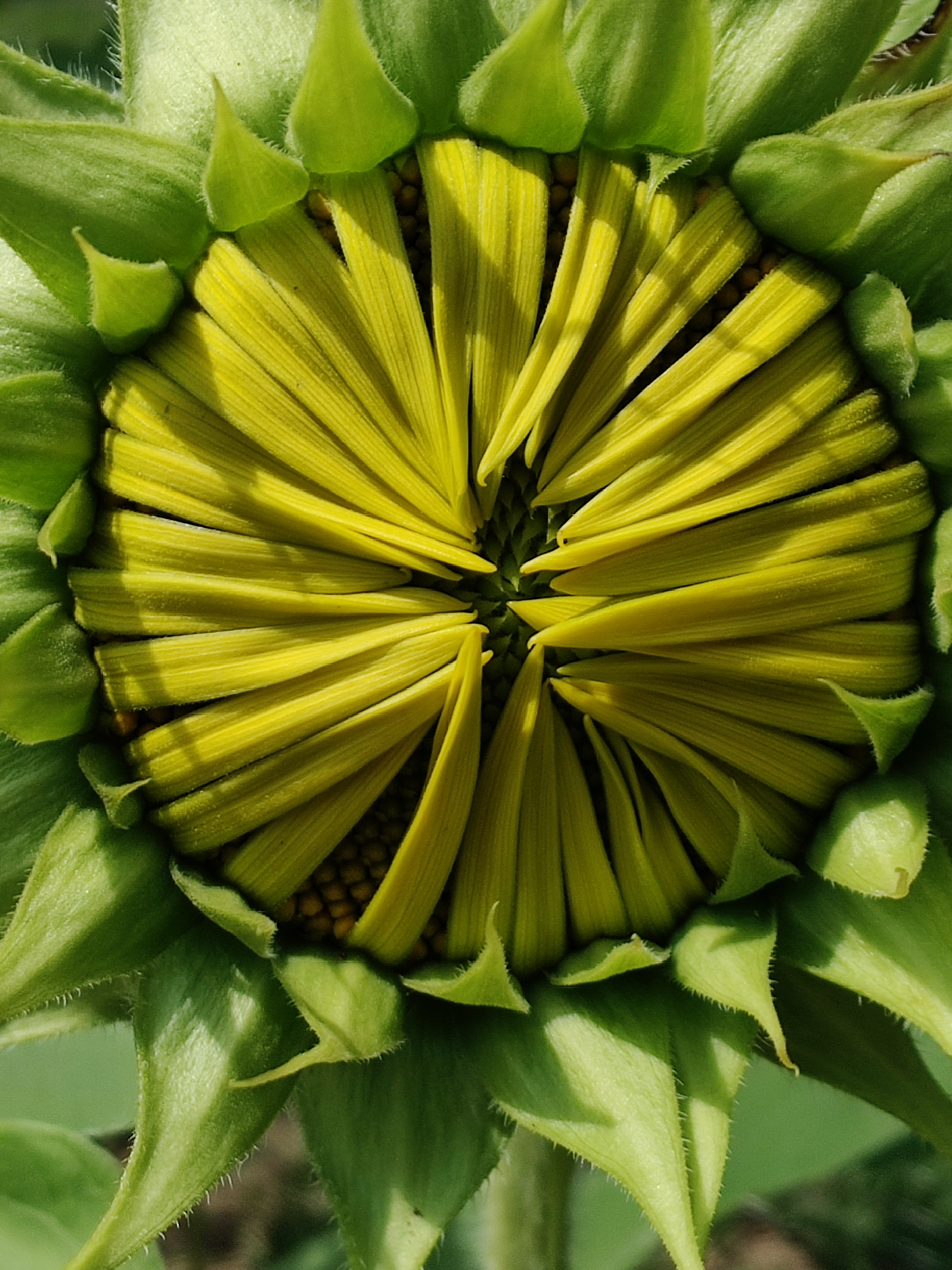
Sunflower progression during the summer months
Sunflowers are like the ultimate brunch spot for wildlife, and I know for a fact. The teepee structures I added to my 2024 veggie garden were not only a great spot for my peas to climb, but for chickadees to perch and dine at the sunflower buffet. Sunflower blooms are loaded with tiny florets, serving up nectar and pollen for bees. Once the party’s over, they turn into a seed bonanza for birds, squirrels, and even humans. Packed with protein and healthy fats, sunflower seeds are a snack-time MVP—whether you’re cracking them open at a ballgame or using sunflower oil in your kitchen. If all goes right this year, I will try my hand at making sunflower oil. Stay tuned.
Sunflowers in the Spotlight
These flowers aren’t just garden stars—they’re cultural icons. In art, Van Gogh basically made them famous, and in the language of flowers, sunflowers are all about loyalty, joy, and big positive vibes.
Growing Your Own Sunshine
Think you don’t have a green thumb? Think again! Sunflowers are ridiculously easy to grow. They’re like the chill friend who’s always up for anything. Here’s how to get started:
Pick Your Player: From skyscraper-like ‘Mammoth’ to the pint-sized ‘Teddy Bear,’ there’s a sunflower for every space.
Plant It Up: Wait until the frost is gone, then pop those seeds in the dirt about 6 inches apart. Cover lightly, water, and let nature do its thing.
Keep It Chill: Water regularly, but don’t drown them. Once they’re up and running, they’re pretty low-maintenance.
Harvest Party: If you’re growing for seeds, wait until the back of the flower head looks a bit dried out. Snip it, dry it, and snack away.
More Than Just Good Looks
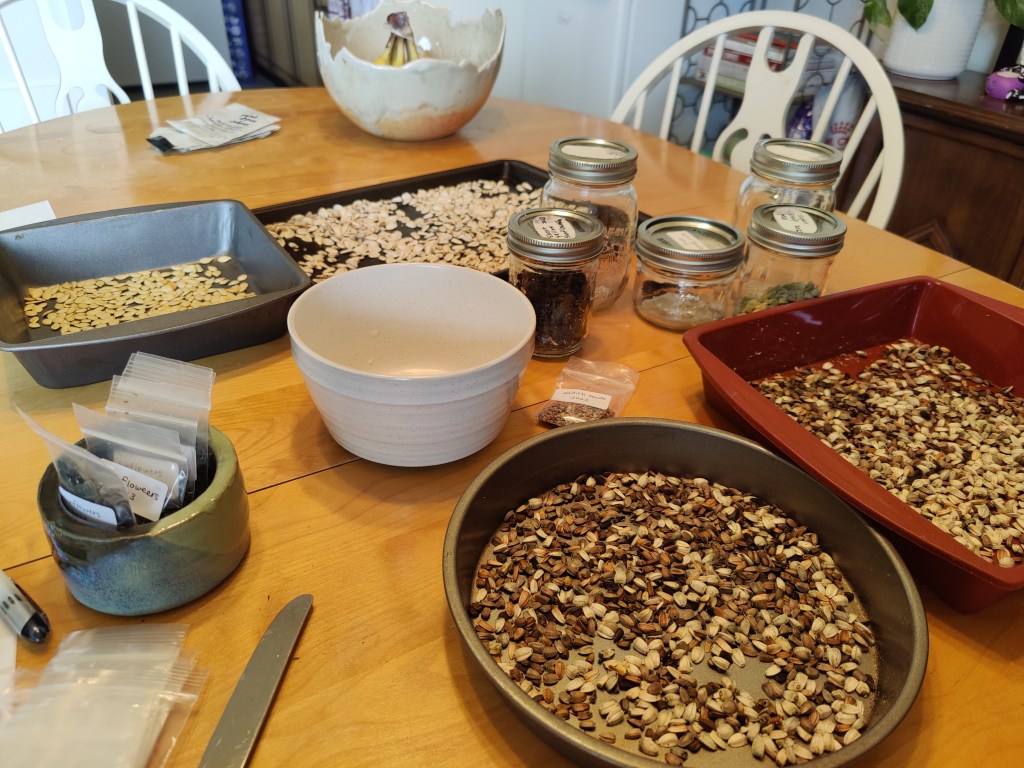
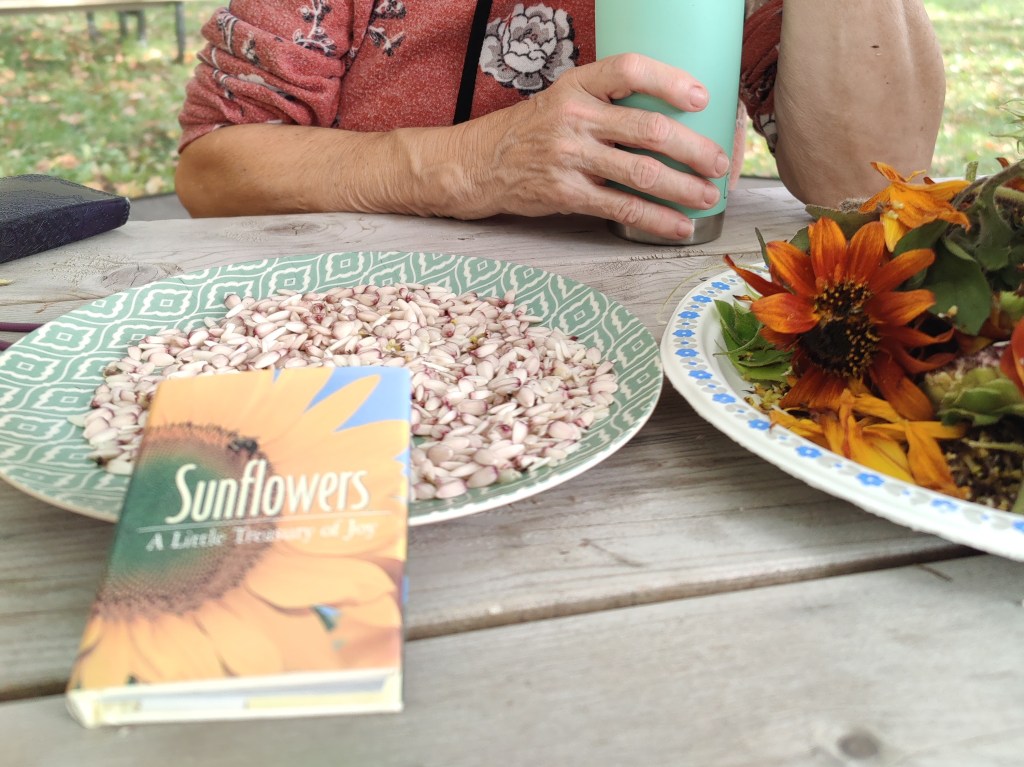
2024 sunflower seed harvest
Sunflowers aren’t just garden divas; they’re environmental superheroes. They’re used in phytoremediation to clean up nasty stuff like heavy metals from the soil. In fact, studies indicate that sunflowers were most notably used to support soil clean up following the 1986 Chernobyl disaster1. Plus, they’re popping up in industries from cosmetics to biofuels. Talk about a multi-talented flower!
Why I Love Them
There’s something about sunflowers that just makes you smile. They’re the plant equivalent of a high-five on a sunny day. Whether you’re growing one in a pot or a whole field, sunflowers are guaranteed to bring the good vibes.
So go ahead, plant some sunshine in your life. Because when it comes to sunflowers, the more, the merrier—with a little extra brightness.
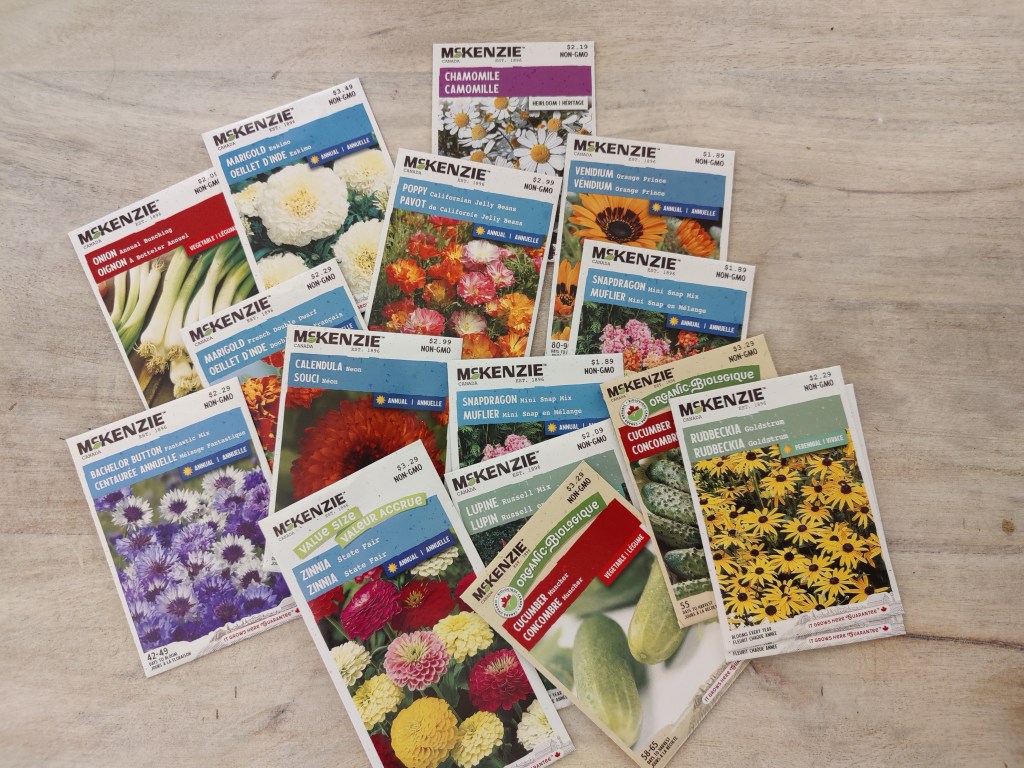
For context, I bought some seeds in a panic. Somebody (wink mom, wink) noted that, in a few months, it’ll be time to start seeds indoors. Luckily my panic purchase does not require me to start my seeds indoors. So, I have some time (phew!), and I was nervous for no reason. And it was a real treat to receive my online order in the mail last week.
The majority of seeds I purchased are annual flowers that I have grown before, such as zinnias and marigolds. I will try my hand again at some annual flowers that I have not been successful at germinating1. This includes the elusive poppy. This time I will try the California poppy. In the past, I have failed to grow the Icelandic poppy. So wish me luck this year!
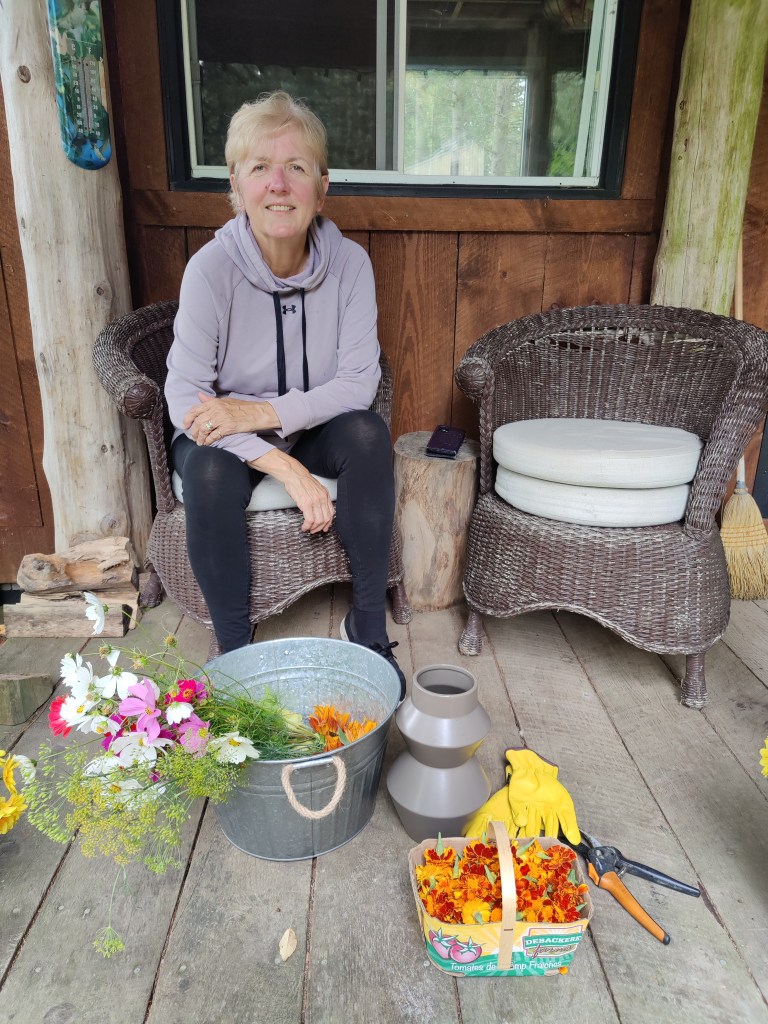
Mom helping with my flower harvest last year. Marigolds, zinnias, cosmos and dill flowers, oh my!
Where I Panic Purchased this Year
I also purchased some vegetable seeds, including cucumbers and green onions. I ordered my seeds from McKenzie Seeds this year, which is a common supplier to Canadian retail stores and garden centres. You can purchase this brand, in person, at most brick and mortar shops. However, I learned that if you buy 50 dollars worth of seed online and are a first time buyer, you will qualify for free shipping and can apply a 10 percent discount code at check out. If this is something that interests you, note that a few days after you place your online order you will be emailed a limited time BOGO offer (that’s their hook to reel you in. I did not know this and missed out). McKenzie seeds has an extensive rewards points program for bonus bucks at checkout.
The Scoop on Seedy Saturdays
If buying seeds online is not your jam, I encourage you to check out your local seed swap. Basically a local seed swap (aka Seedy Saturday) is a community event to trade seeds with other gardeners or purchase seeds from vendors. Entrance fees usually include a small monetary or non-perishable food donation. This helps to keep these volunteer-run events operational.
Larger Seedy Saturdays also incorporate seminars or workshops into the event. It’s a great opportunity to solicit gardening information from the pros, such as a Master Gardener.2 I am hoping to attend the Master Gardeners of Niagara Seedy Saturday with a friend this February. Seeds of Diversity has an excellent consolidated list of seed swaps happening across the country:
Lastly, I am also happy to swap seeds with folks, too! (I am not running out of my saved sunflower seeds anytime soon).
Germination just means when a seed begins to grow or sprout during a period of dormancy ↩︎
Master Gardeners are experienced gardeners who have studied horticulture extensively and continue to upgrade their skills through technical training. With this training and continuing education, Master Gardeners give expert horticultural advice to the general public. Learn more or donate to the Master Gardeners of Ontario through their website.↩︎