Happy New Year! As 2026 begins, I’ve been reflecting on the lessons learned in the garden over the past twelve months. 2025 was a year of trial and error—a mix of record-breaking harvests and some honest realizations about the limitations of my soil.
The Successes: Veggies and Blooms
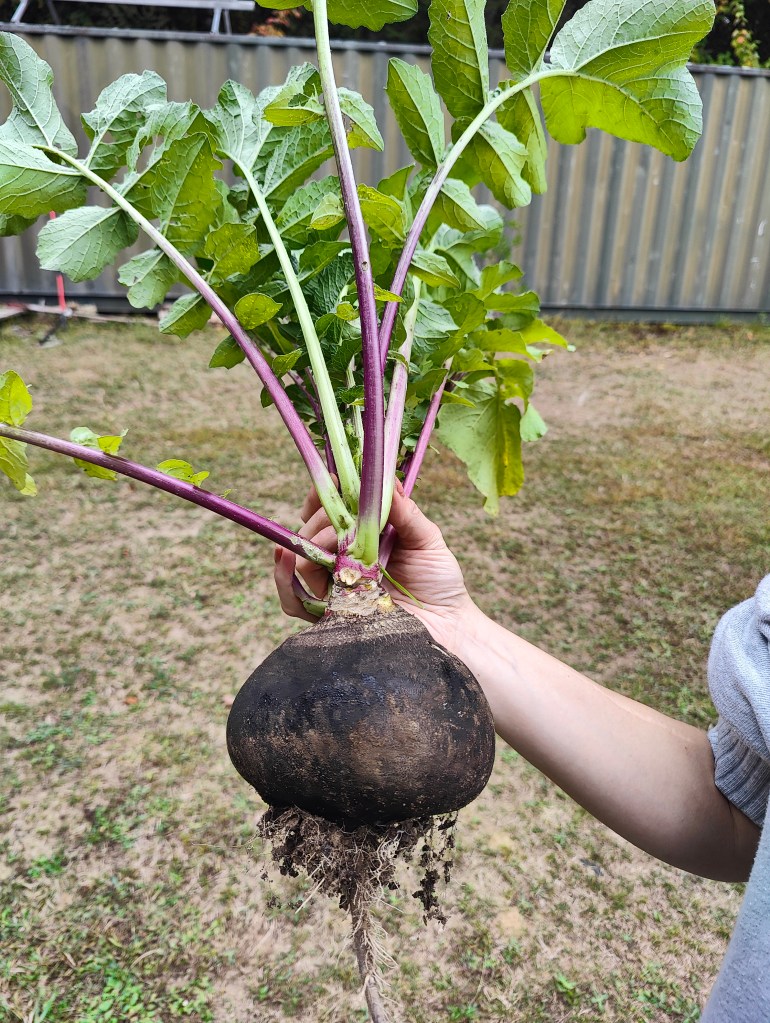
The standout achievement of the year was the Black Spanish radish. Never grown before, this season produced the largest specimen in my gardening history, and all thanks to neglect. I found that big boy among the weeds. It’s always rewarding when a staple crop exceeds expectations, especially one as hardy and versatile as the radish.
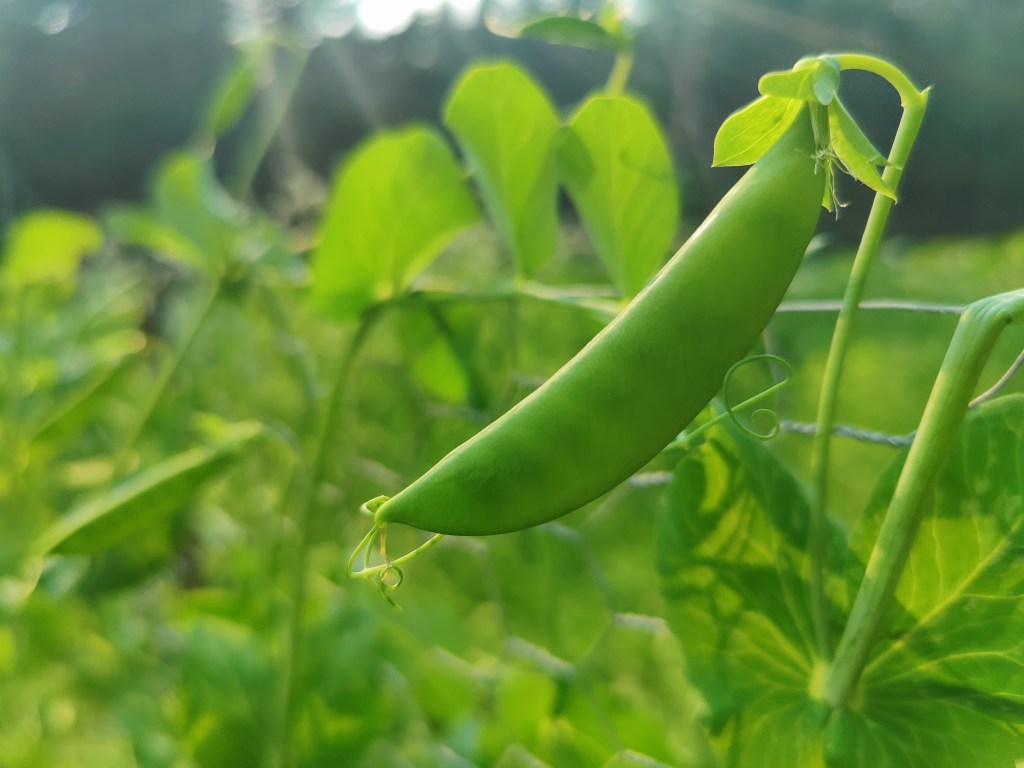
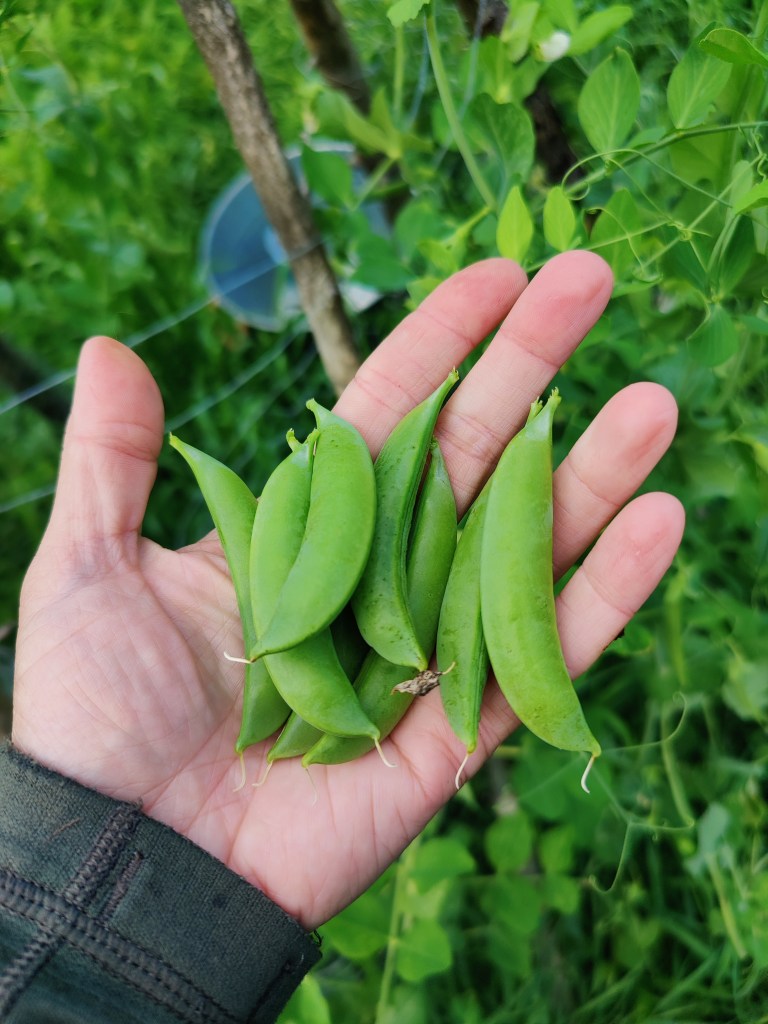
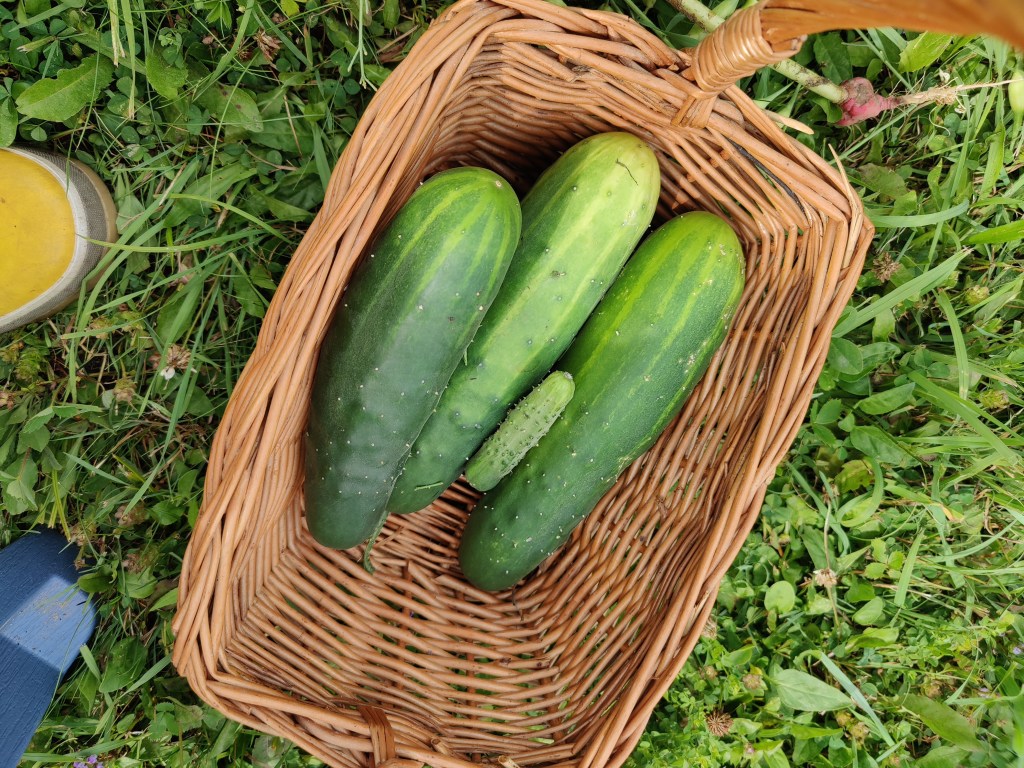
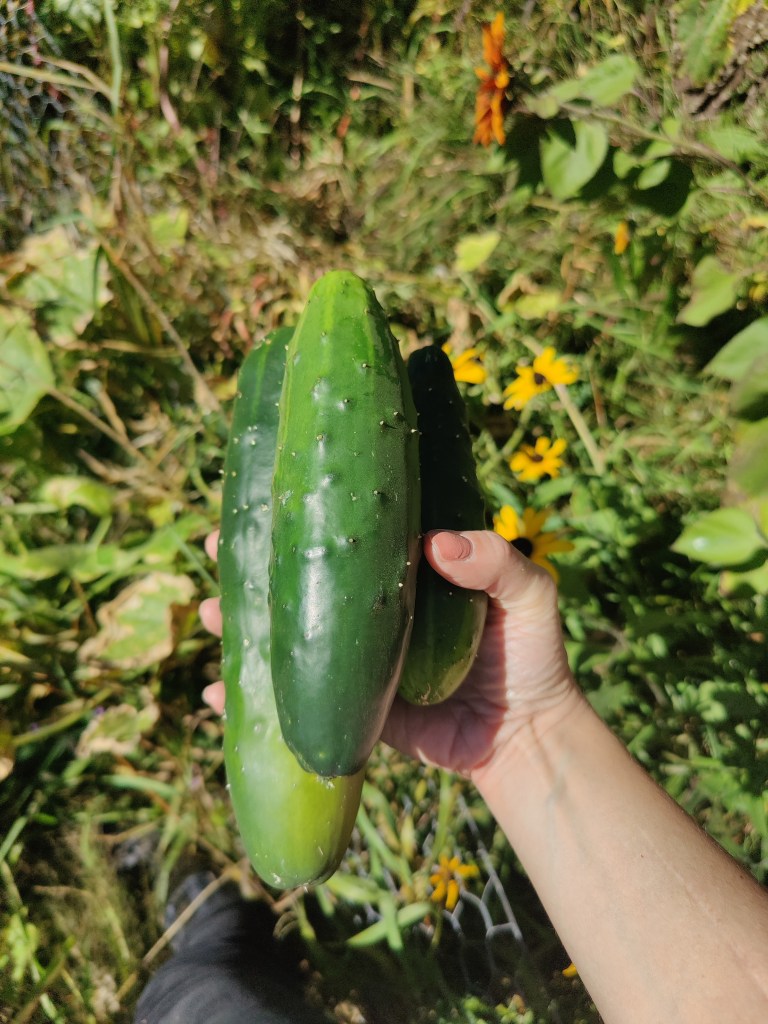
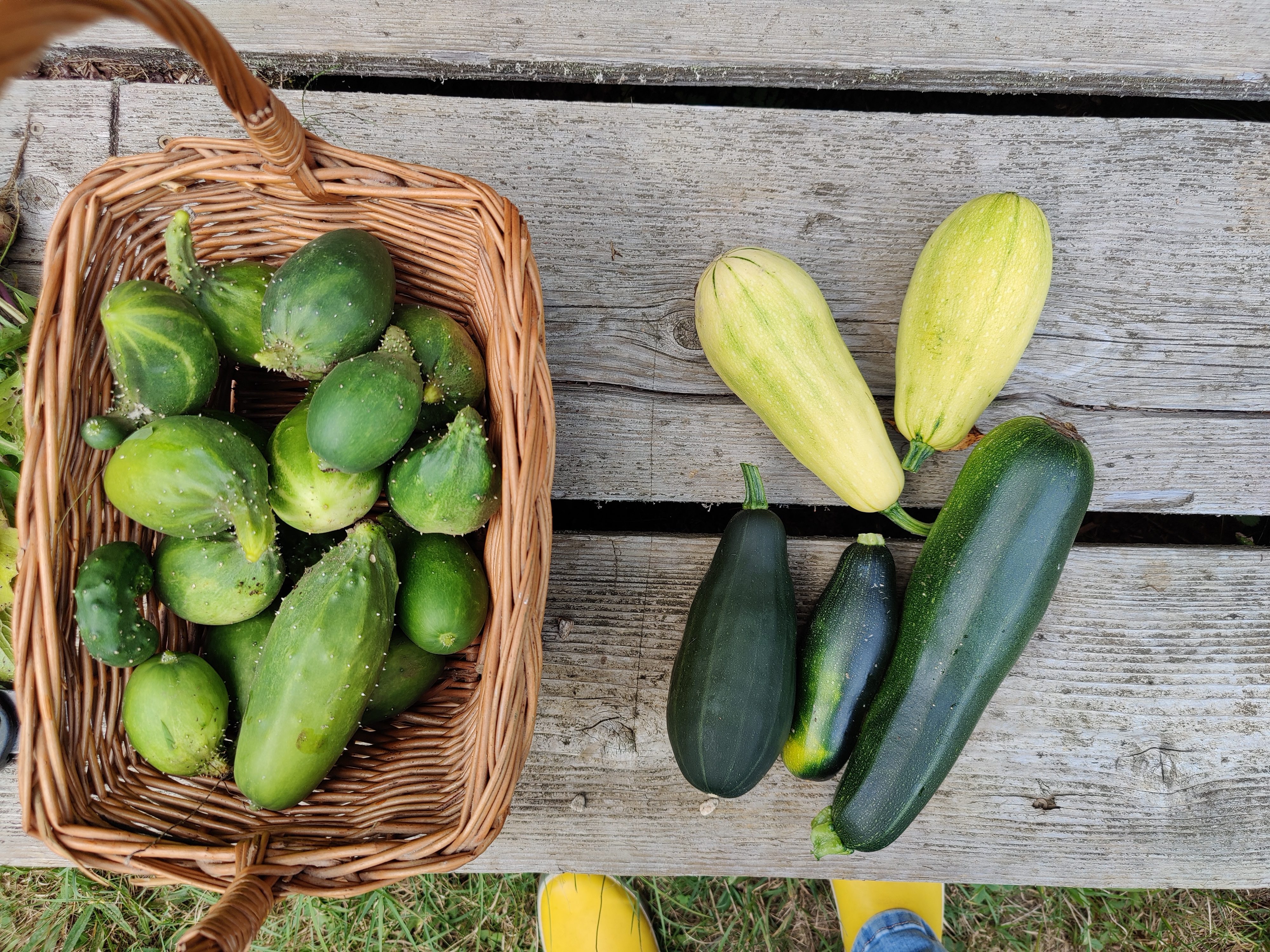
Next, I think about the cucumber and sugar snap pea harvest. Snap peas are my favorite vegetable to grow, and this year’s yield did not disappoint. Truthfully, I thought the cucumber seeds didn’t germinate, but I was happy to find several ripe cukes hidden among the overgrown French Breakfast radishes in June.
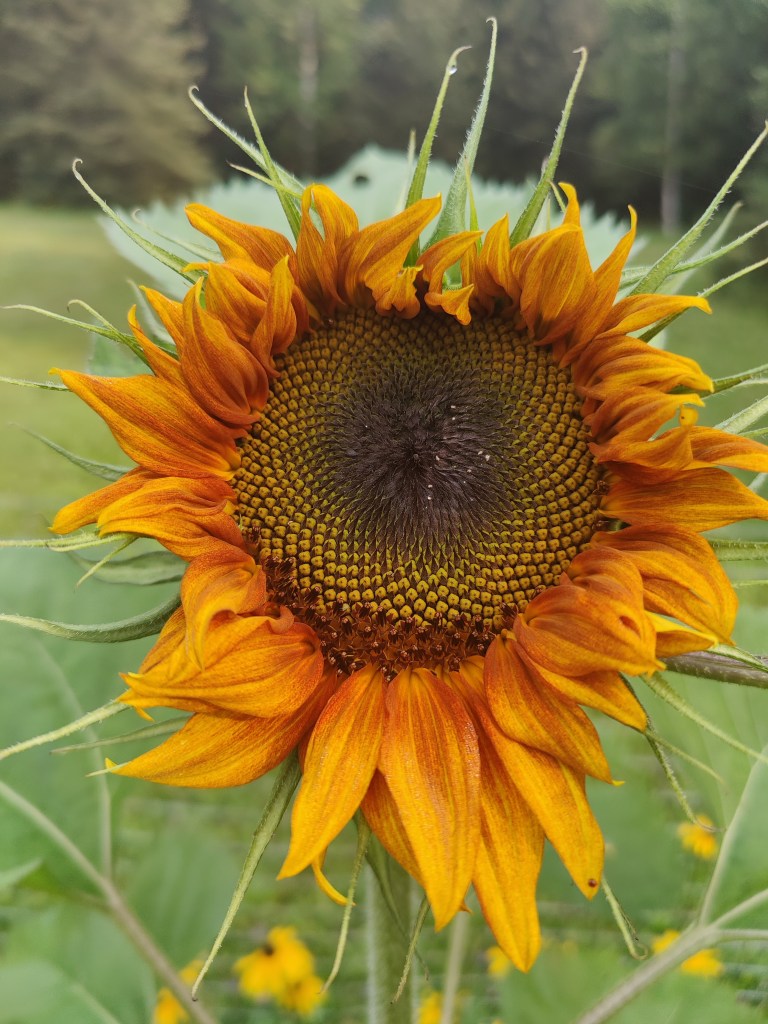
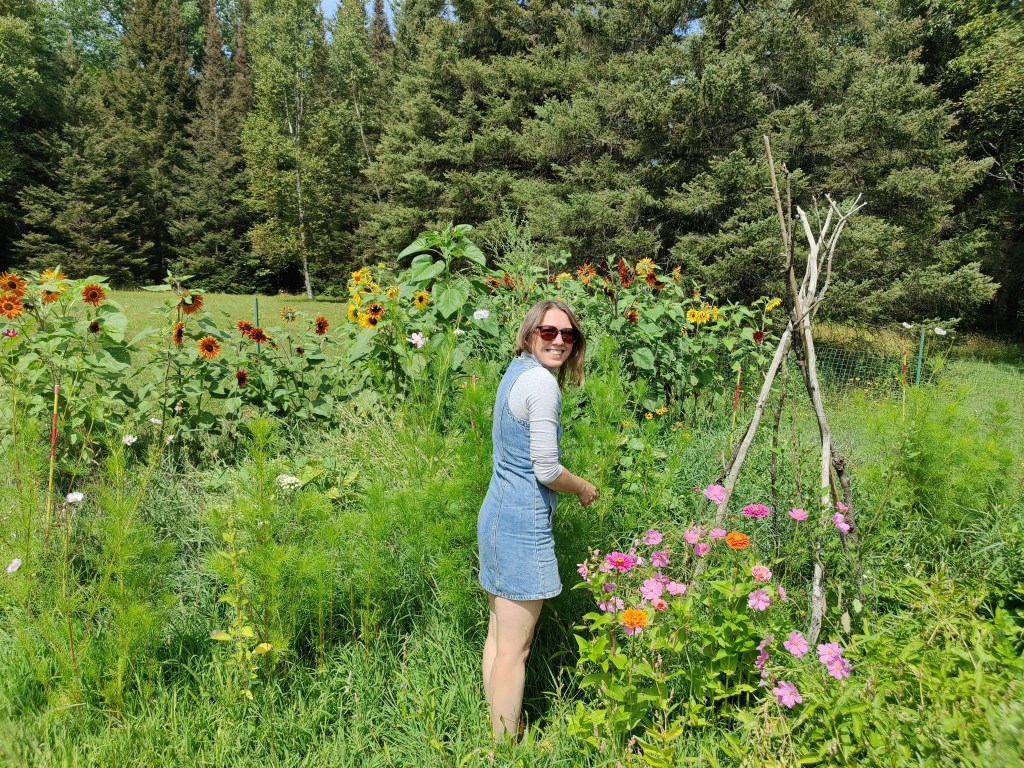
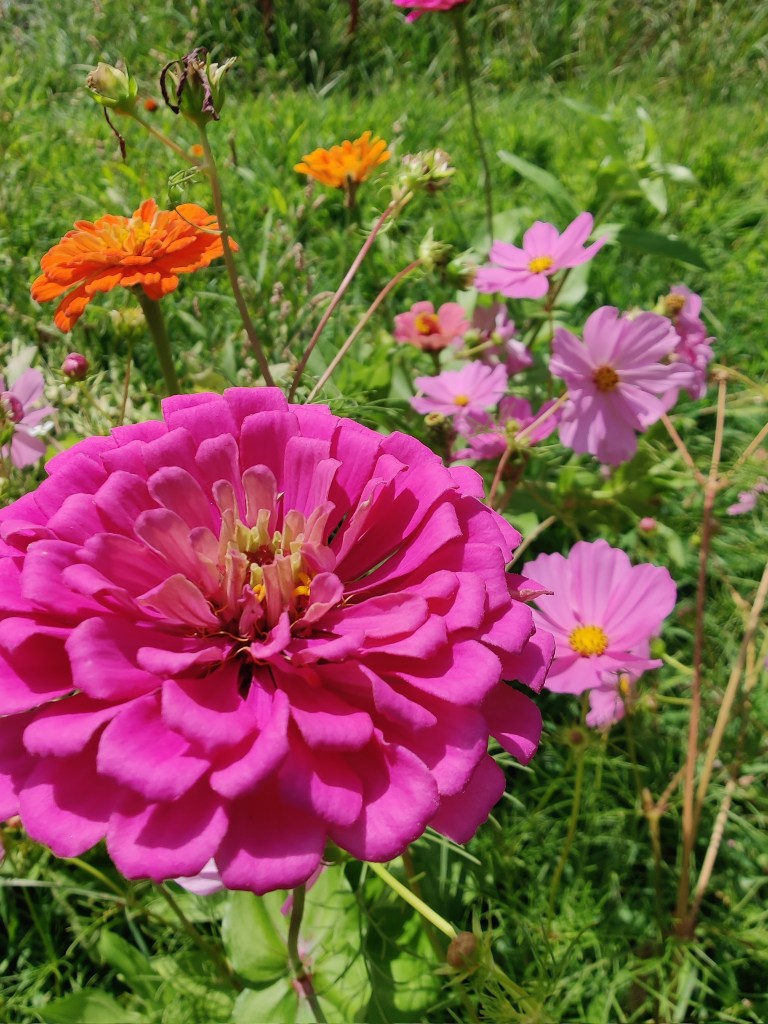
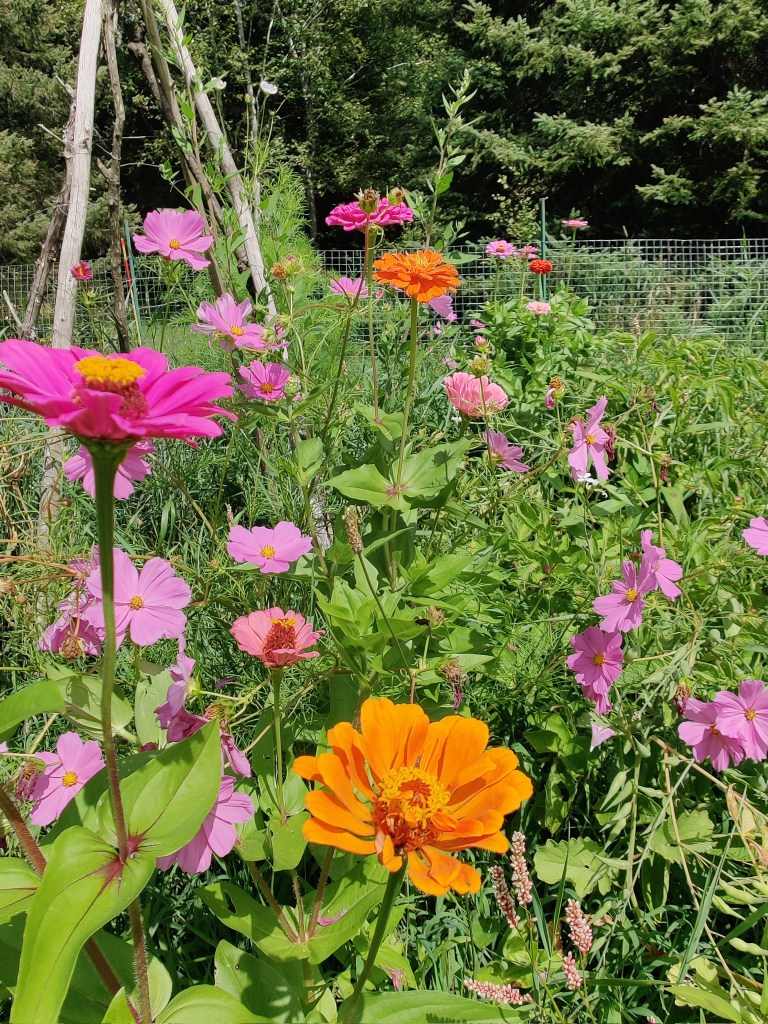
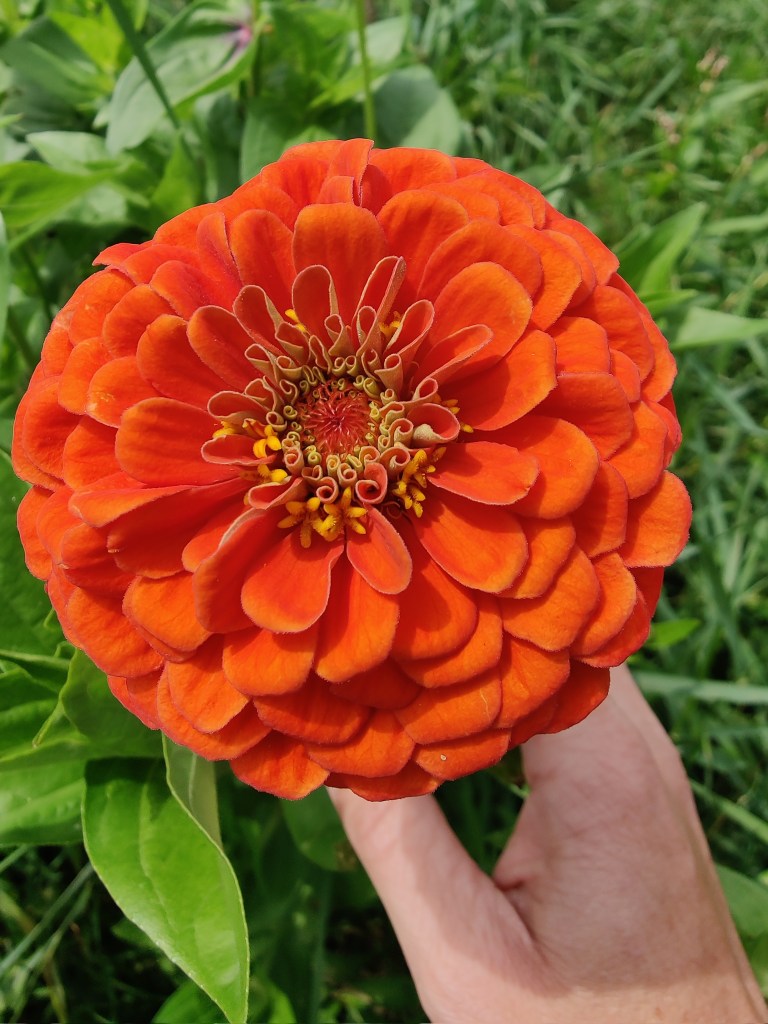
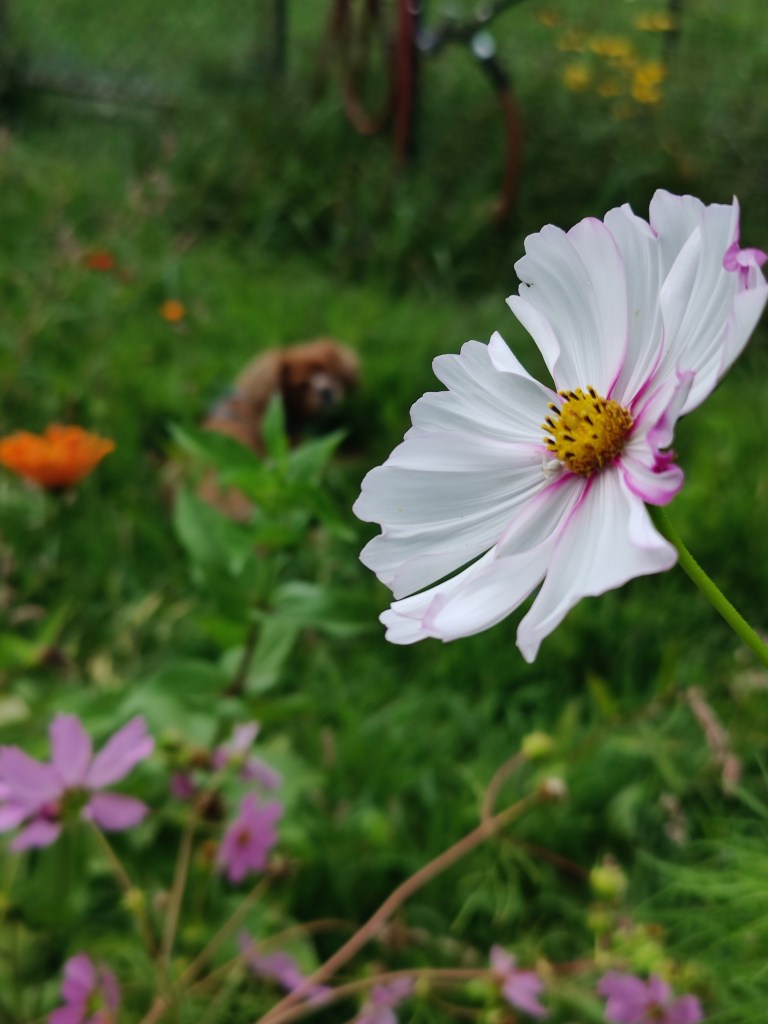
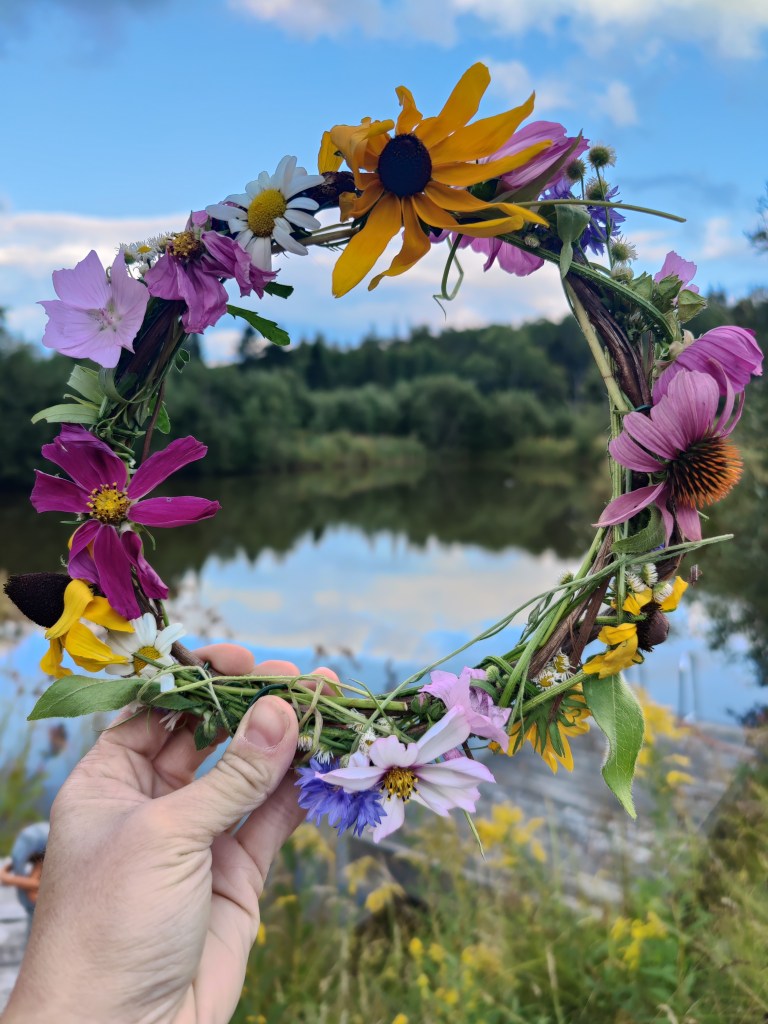
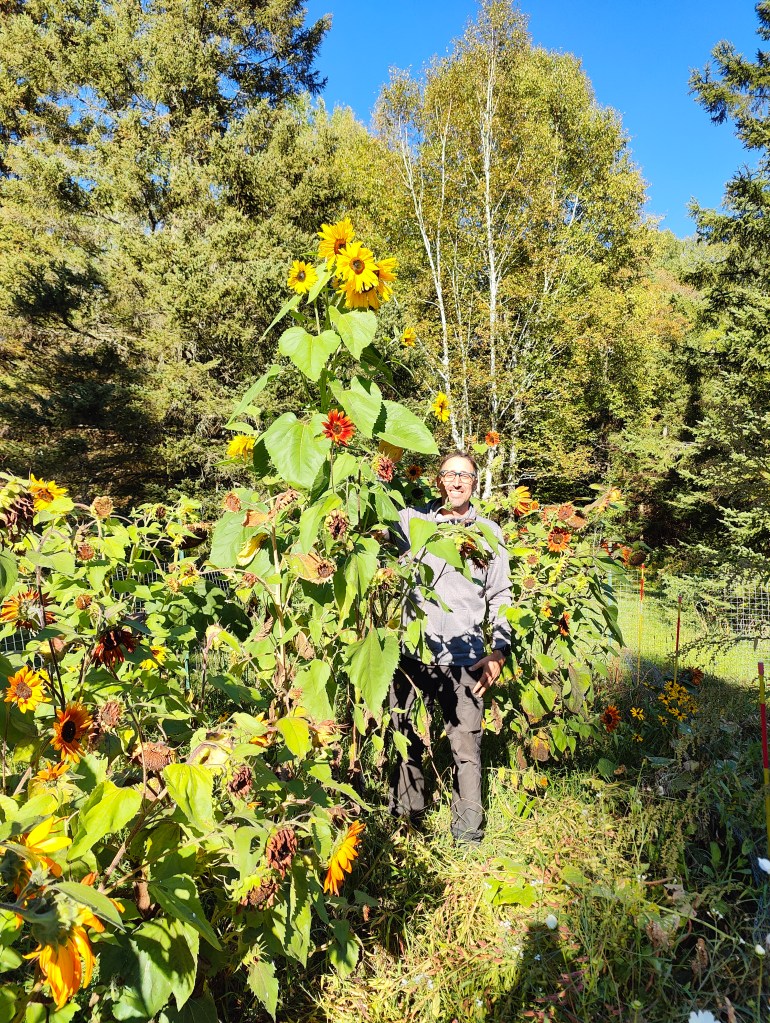
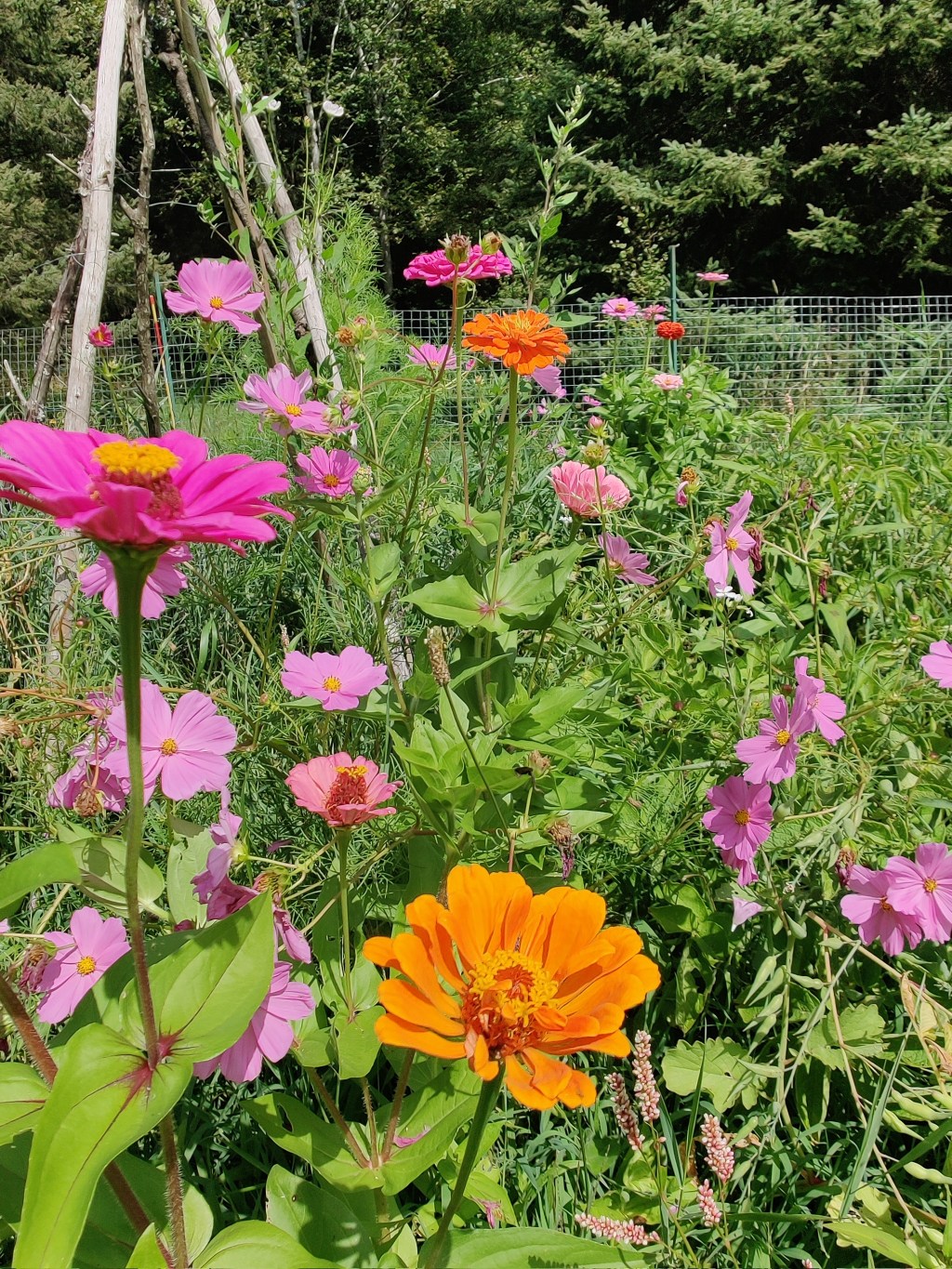
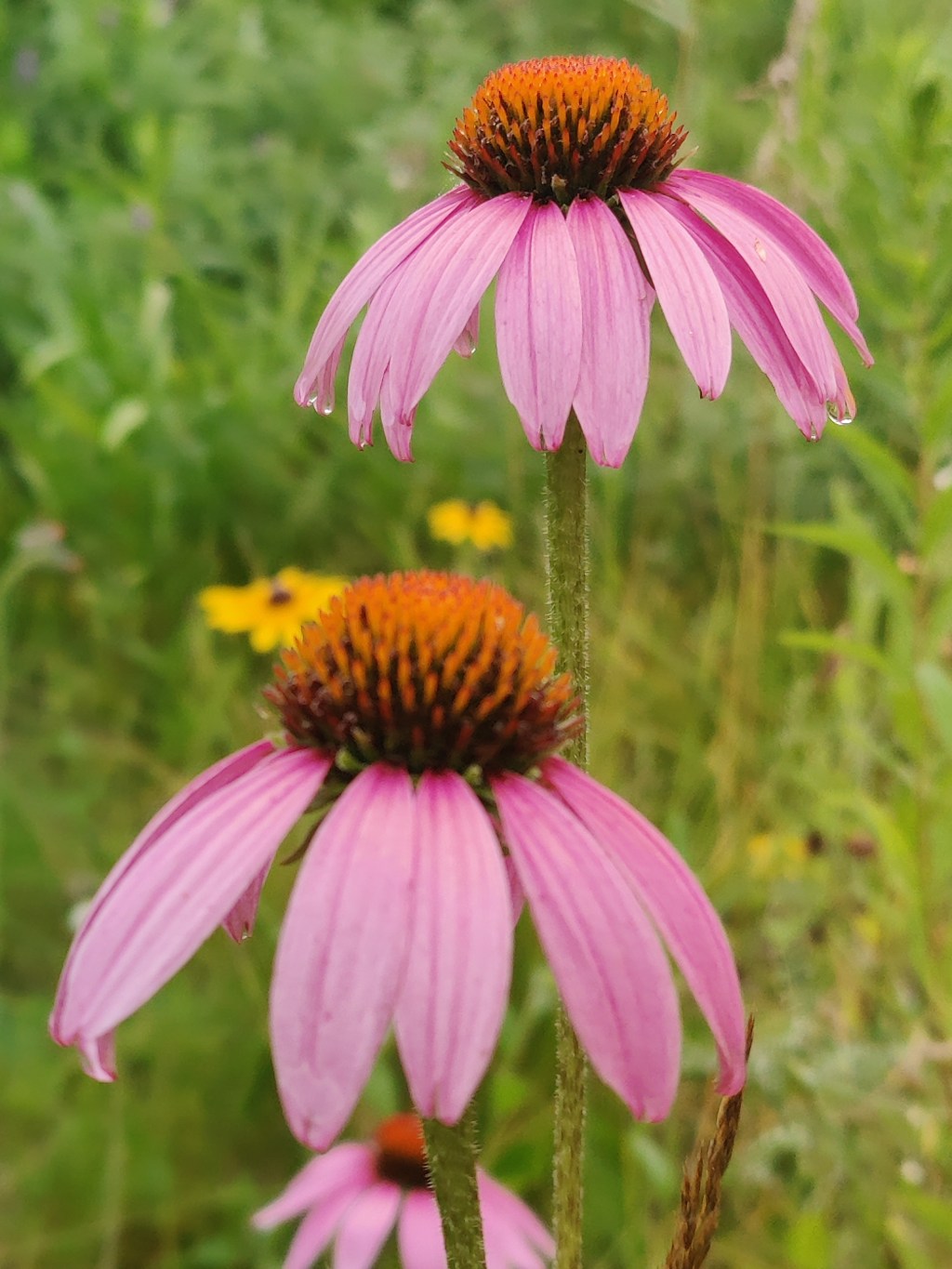
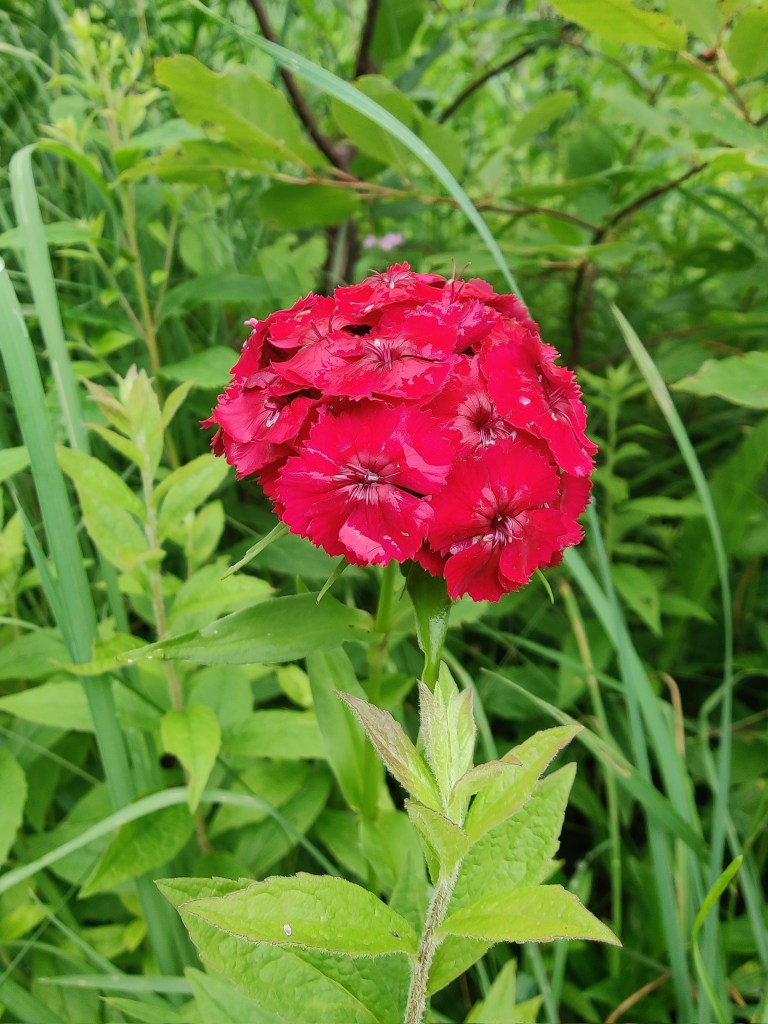
Alongside the vegetables, the cut flower garden was a consistent bright spot. The blooms grew successfully throughout their window, providing a steady supply for harvesting throughout the summer. After a few seasons of experimenting with different varieties, it felt like the floral side of the garden finally hit its stride.
The Challenges: Timing and Lift Off
Of course, the season wasn’t without its setbacks. The most significant lesson came down to soil preparation.
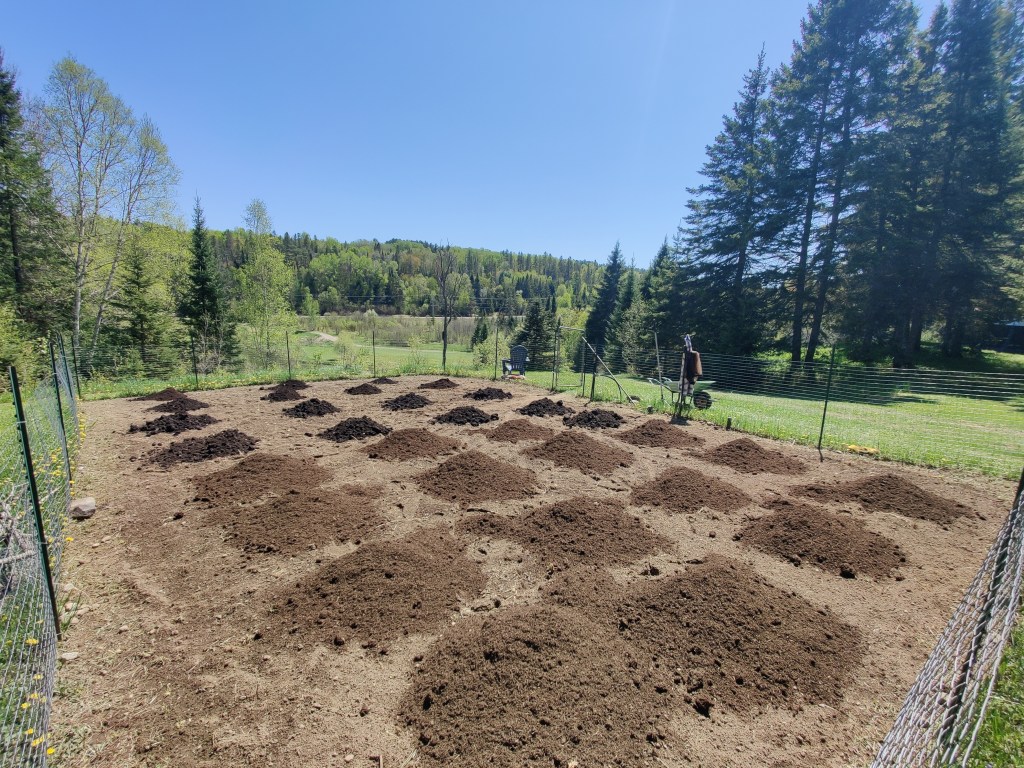
While 2024 led to an awesome harvest in the garden, in 2025 I applied my compost and manure too late—essentially right before planting. This didn’t allow enough time for the nutrients to integrate or the soil chemistry to stabilize before the seeds went in. It was a reminder that in gardening, the “when” is often just as important as the “what.”
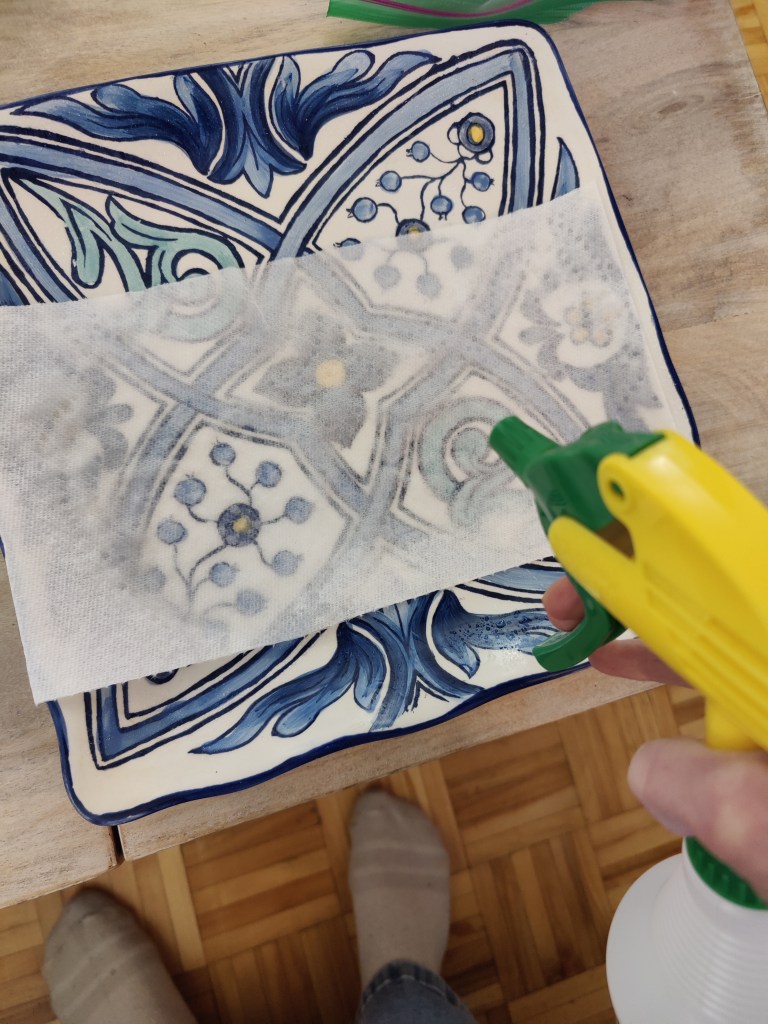
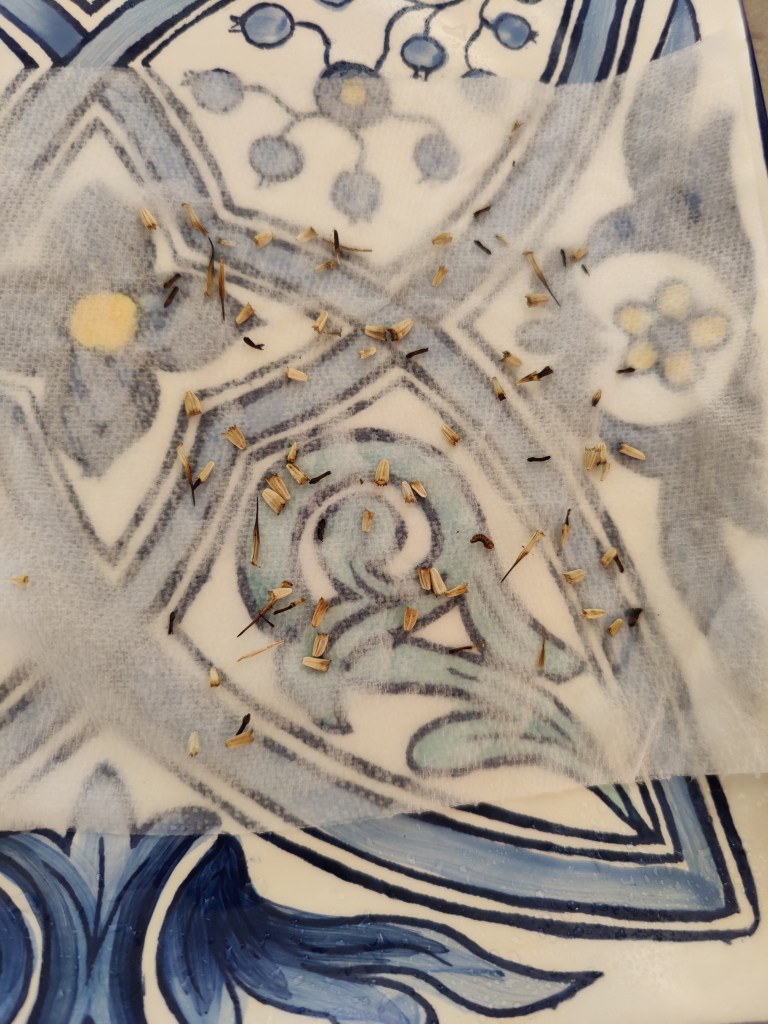
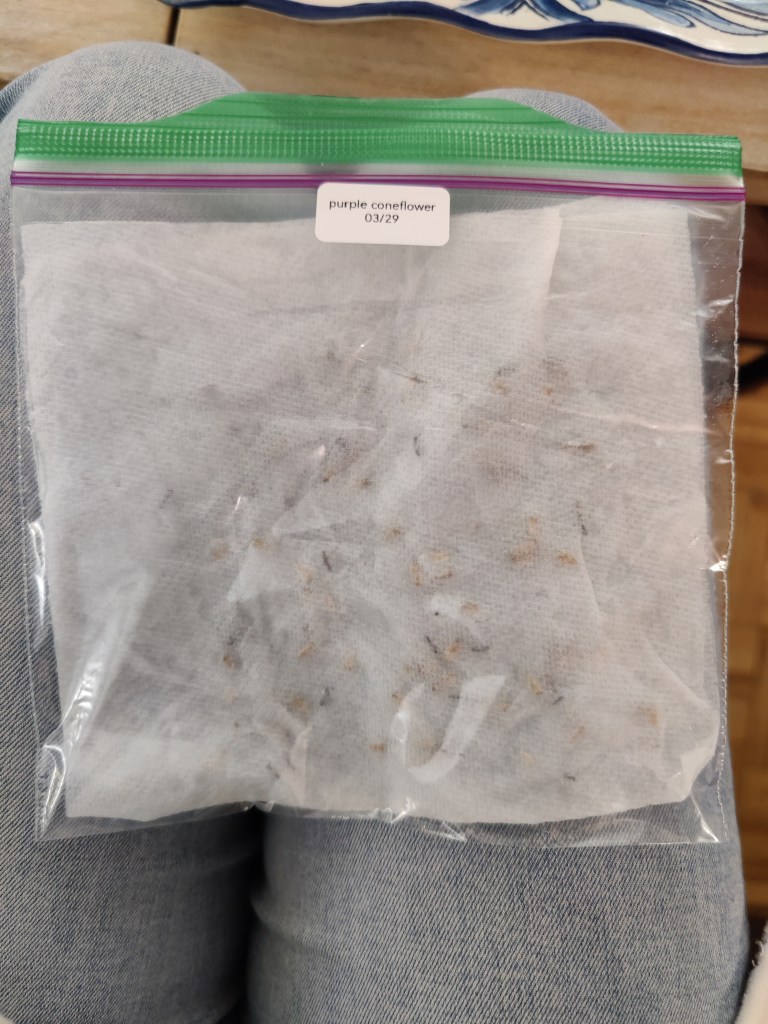
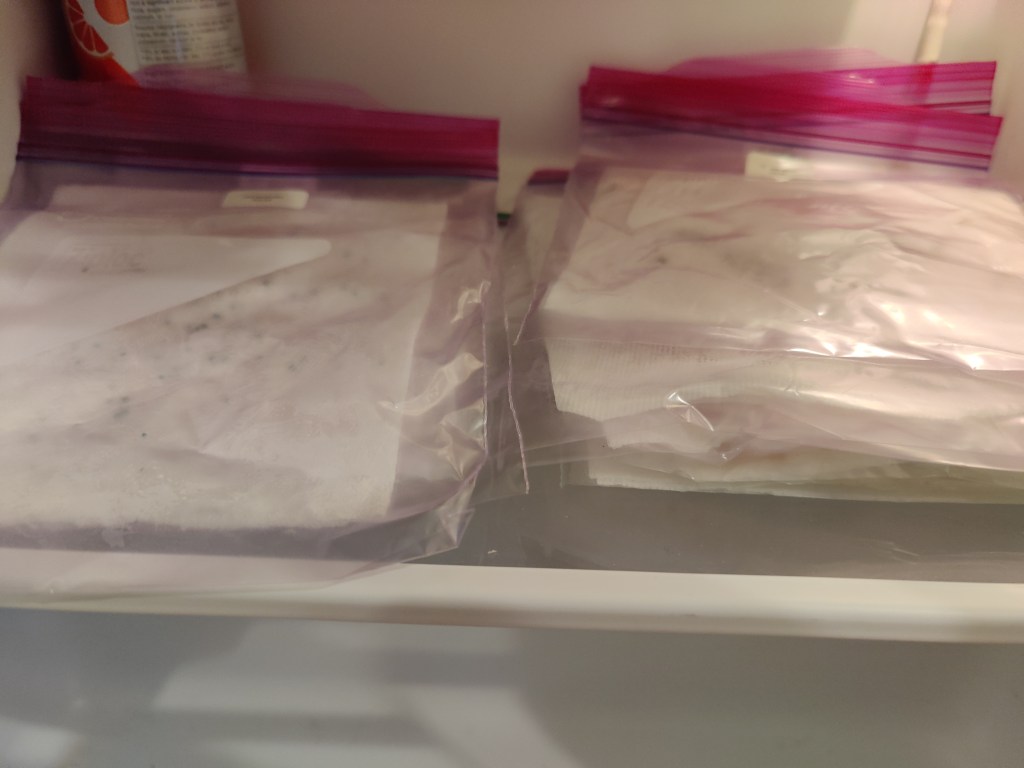
This timing issue, combined with my heavy clay soil, led to a disappointing result for my cold-stratified perennial seeds. While the stratification process itself went well, these perennials failed to flourish once they hit the ground. The dense, compacted nature of the clay was simply too much for the young roots to overcome.
Looking Ahead
While it’s frustrating to see hard work—especially the effort of cold stratification—not pay off, it provides a clear roadmap for 2026. The garden is currently hibernating, but the plans for a better 2026 are already in motion.
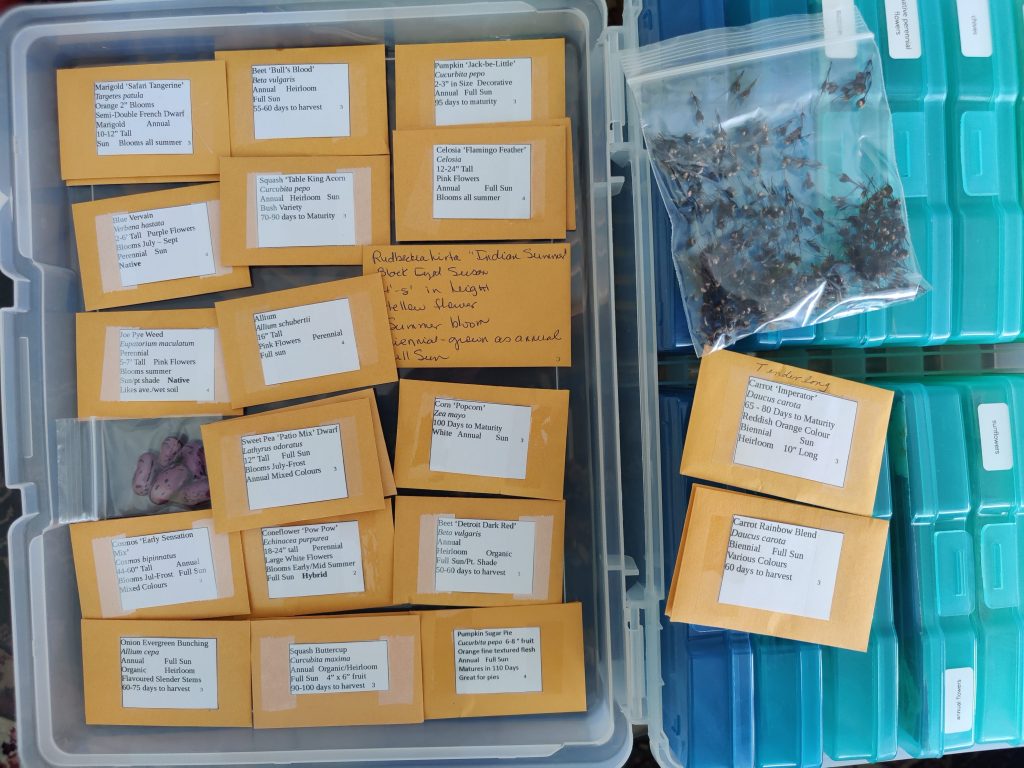
And for those of you wondering if I did get any beets to grow, not yet. I’m hoping that 2026 will be declared the “year of the beet”. Thank you for continuing to follow along. Wish me luck this year!
 Lina's Garden Journal