Question: What’s the difference between an annual, a biennial and a perennial plant?
Answer:
The distinction between annuals, perennials and even biennial plants used to confuse me when I started gardening. So sharing a trick!
A simple way to remember the difference between annual, biennial, and perennial plants is to think about their life spans in terms of time:
- Annual: “One and done.” These plants complete their entire life cycle—from seed to flower to seed—within a single growing season. This means you have to plant them every year if you want to enjoy them annually. Examples include marigolds and zinnias.
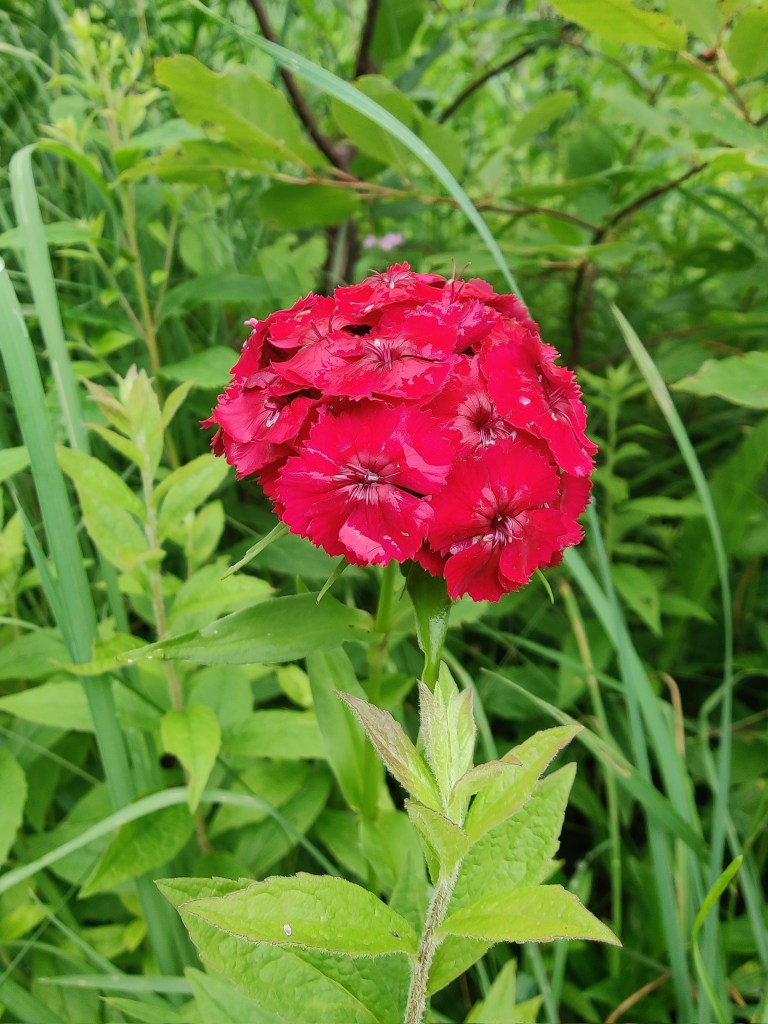
- Biennial: “Two to do.” These plants take two years to complete their life cycle. In the first year, they grow leaves, and in the second year, they flower, set seed, and die. An example includes Sweet William flowers.
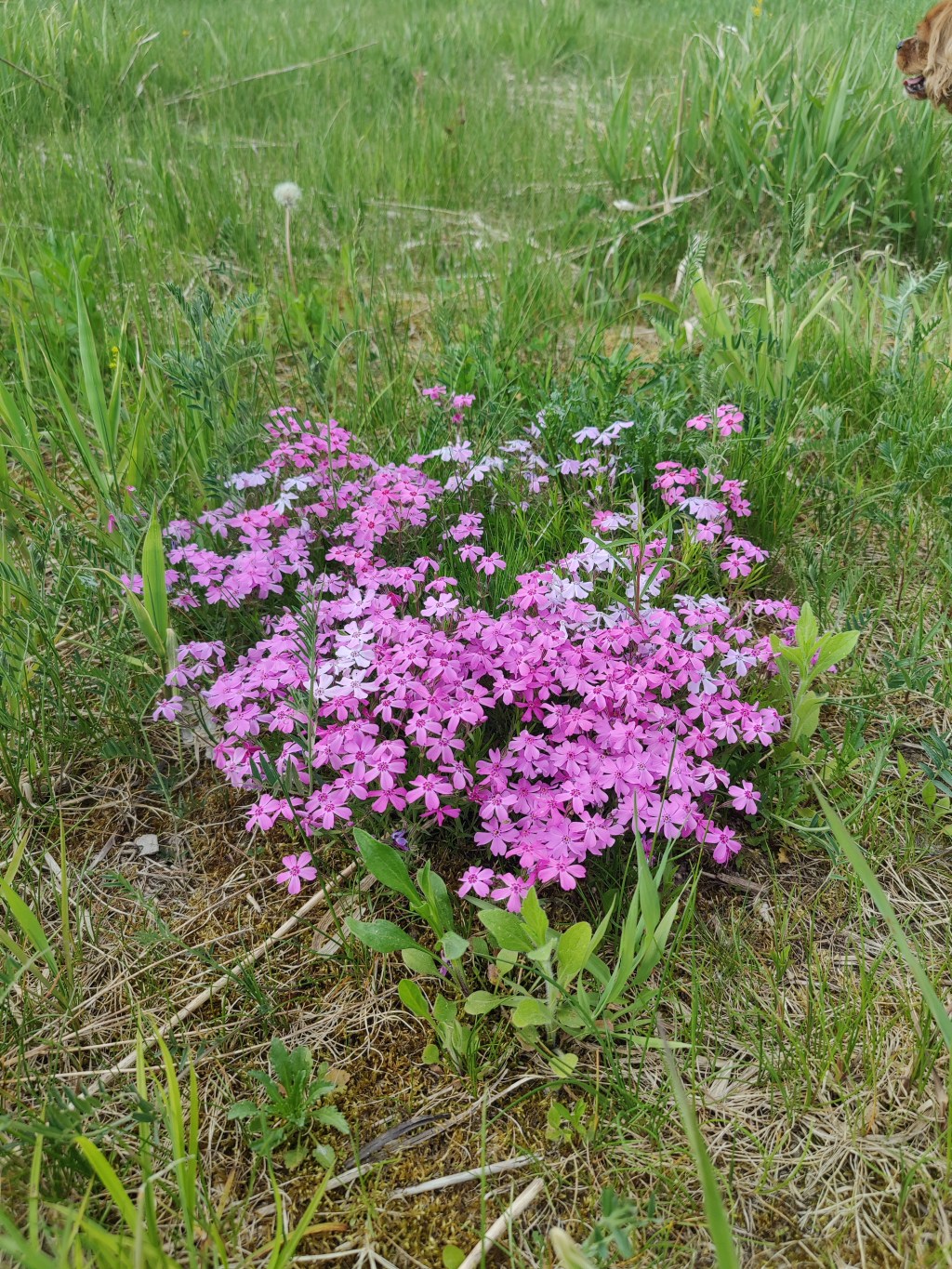
- Perennial: “Forever friend.” These plants live for three or more years, coming back every growing season. Some may bloom every year, while others bloom periodically. Examples include coneflowers and hostas.
By linking the terms to their time frames, you (and I) can easily keep their differences straight!
 Lina's Garden Journal
Leave a comment