Tag: Experience

  • It’s time: Protecting my native plants from those pesky invasives

    It’s time: Protecting my native plants from those pesky invasives

    The other night we hired an additional set of hands to help with our yardwork. It was a blessing because it gave me time to pull the invasive plants cropping up across my yard. I’m talking about invasive groundcovers in my area, like speedwell and periwinkle, which can be pretty in pots but are a threat to biodiversity when they run rampant.

    Many common garden groundcovers in Ontario can be deceptive. Plants like periwinkle and speedwell are still widely sold at major retailers for their pretty purple and blue blossoms, but if left unchecked, they form dense, suffocating mats that aggressively push out native plants — such as the delicate Canada mayflower scattered around my yard. If I can literally nip this in the bud early enough, I can avoid creating an ecological dead zone in my area.
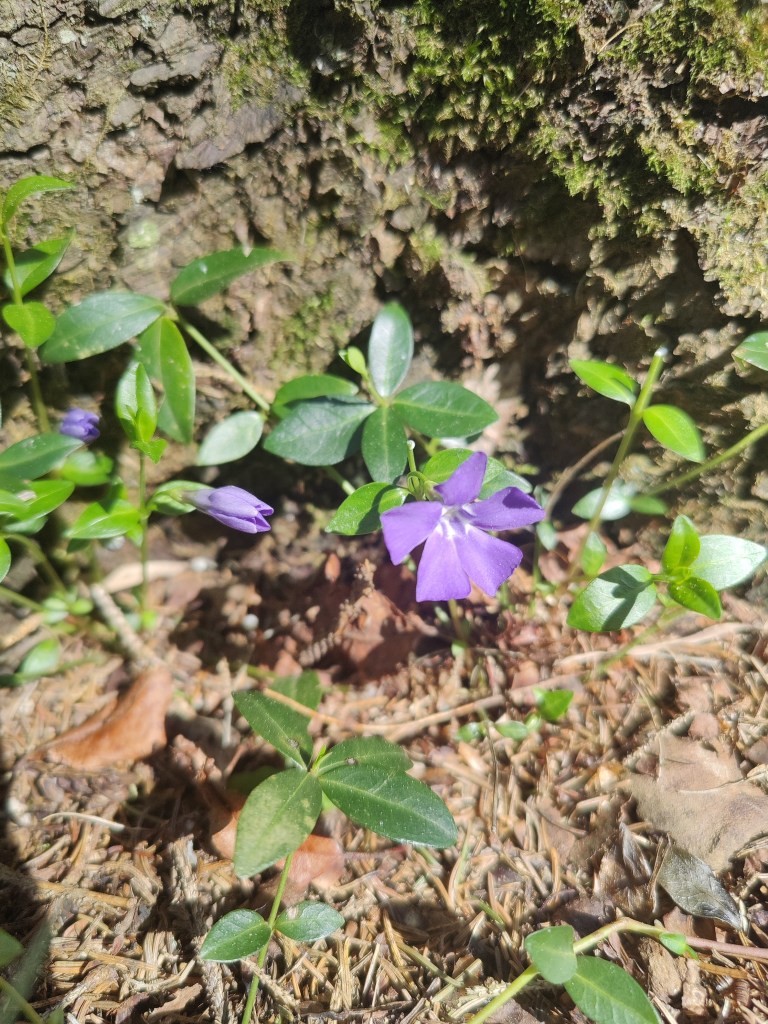
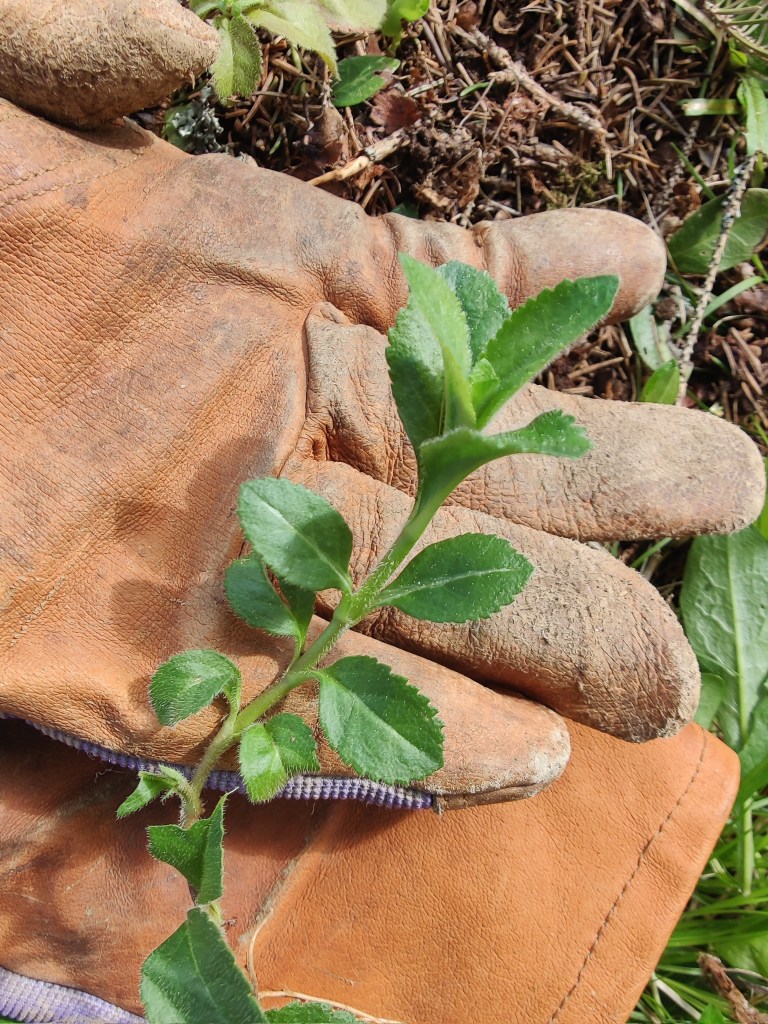
    The danger of invasive plants goes deeper than aesthetics. They disrupt an ancient evolutionary partnership between plants and insects. I recently saw a video that explained the issue by sorting pollinators into two groups: generalists and specialists.

    The video explained generalists, like honeybees, as adaptable. They aren’t picky eaters and will readily harvest nectar from native wildflowers and invasive weeds alike.

    However, the video went on to explain the importance of evolutionary specialists (that is, the native pollinators). In my region, these include many of Ontario’s wild solitary bees, bee flies, and hoverflies. Over millennia, they co-evolved with specific native plants. Their life cycles, times of emergence, and even their mouthparts are precisely synchronized with the local flora. The problem is that specialists cannot switch to invasive plants if their native hosts disappear, and as a result, so too can they (yikes).

    This brings me back to my struggling Canada mayflower. The native Canada mayflower relies entirely on these specialists. Because its spring blossoms are shallow and open, it depends on small solitary mining bees and hoverflies for pollination.
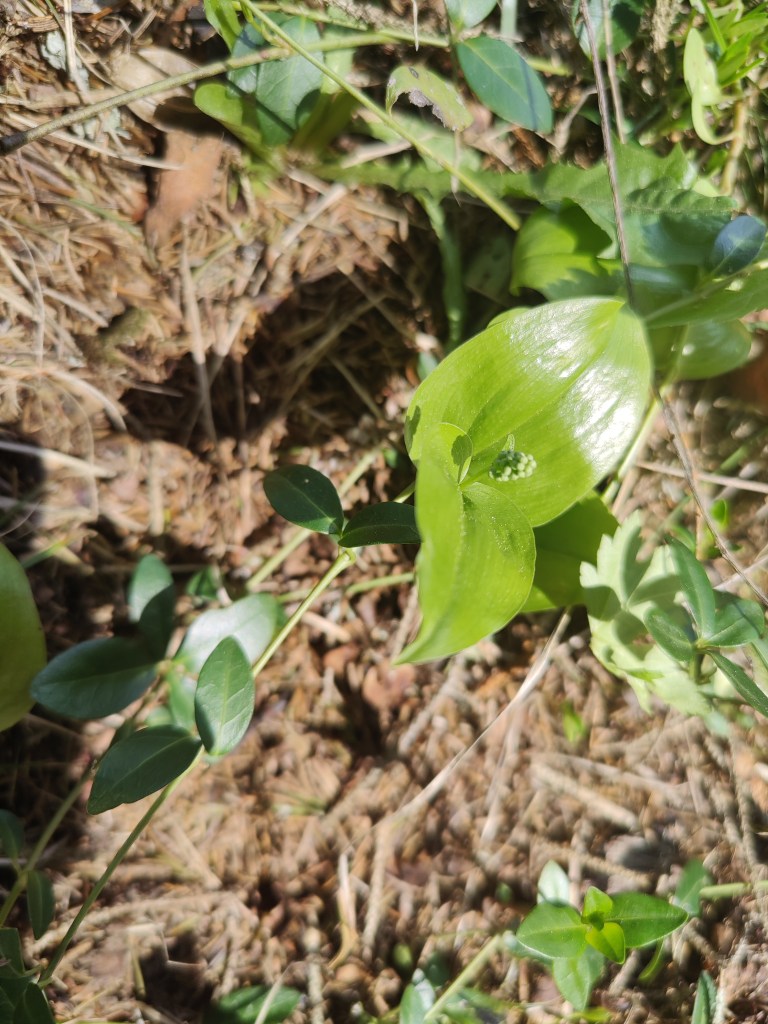
    Canada mayflower and periwinkle

    While Canada mayflower itself is still relatively stable in Ontario, its specialist insect partners are facing steep wild population declines due to habitat loss and pesticide use. When invasive plants displace native flowers, these specialist pollinators starve, halting the reproductive cycle of the forest understory, thereby eliminating the precise food sources local wildlife needs to survive.

    The good news! My area has great alternatives

    What’s great is that gardeners can support local specialist pollinators by replacing invasive groundcovers with native species that thrive in their area. The list can get long, but here are just a few alternatives:

    Native GroundcoverFoliage TypePollinator BenefitBest For
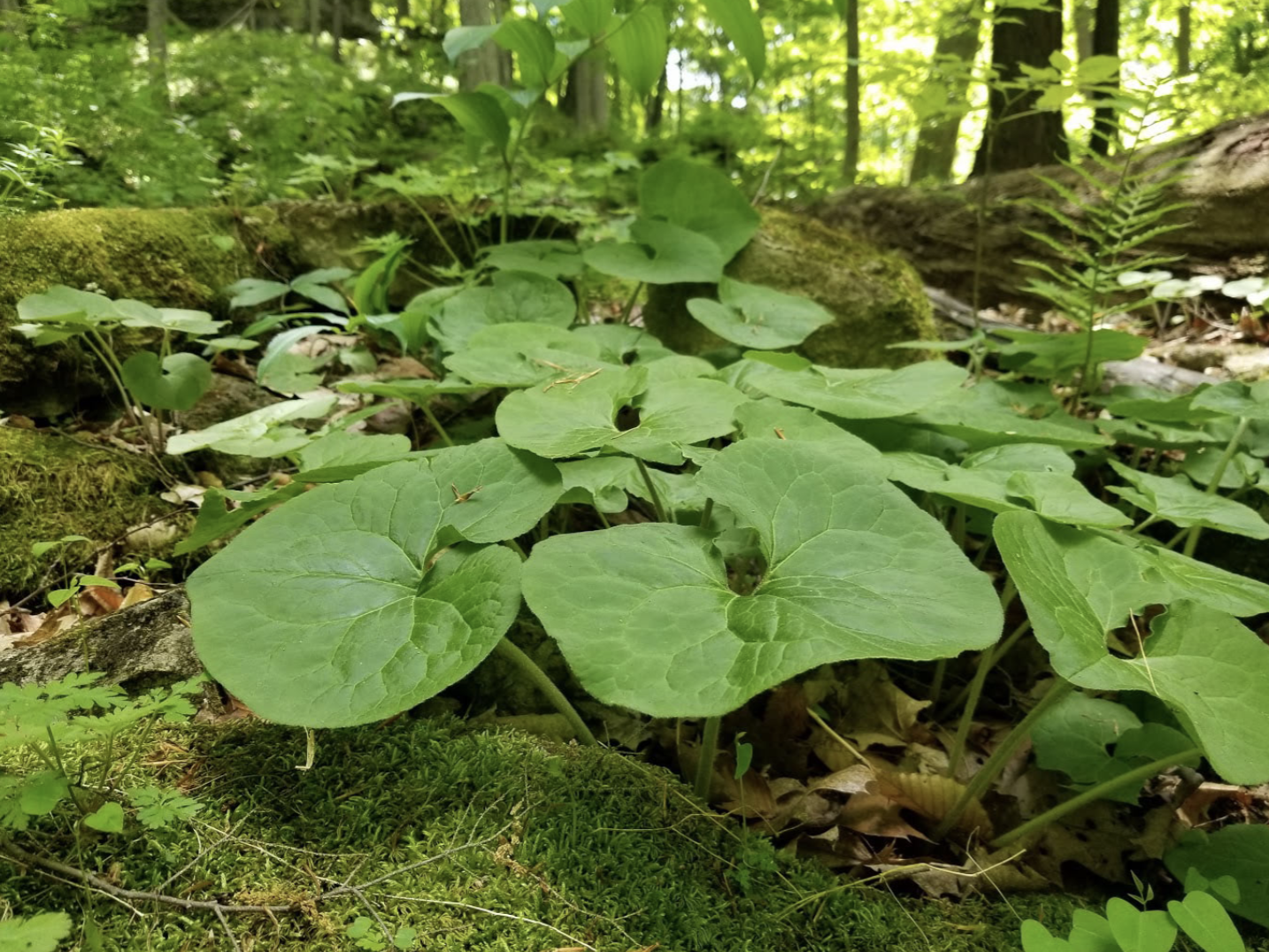
    Wild Ginger
    Deciduous (Large, velvety leaves)Early spring food source for native beetles and carrion flies.Deep, moist shade under trees.
    Wild StrawberryDeciduous (Vibrant red autumn foliage)Magnet for tiny solitary bees; vital host for butterfly larvae.Dappled shade to partial sun.
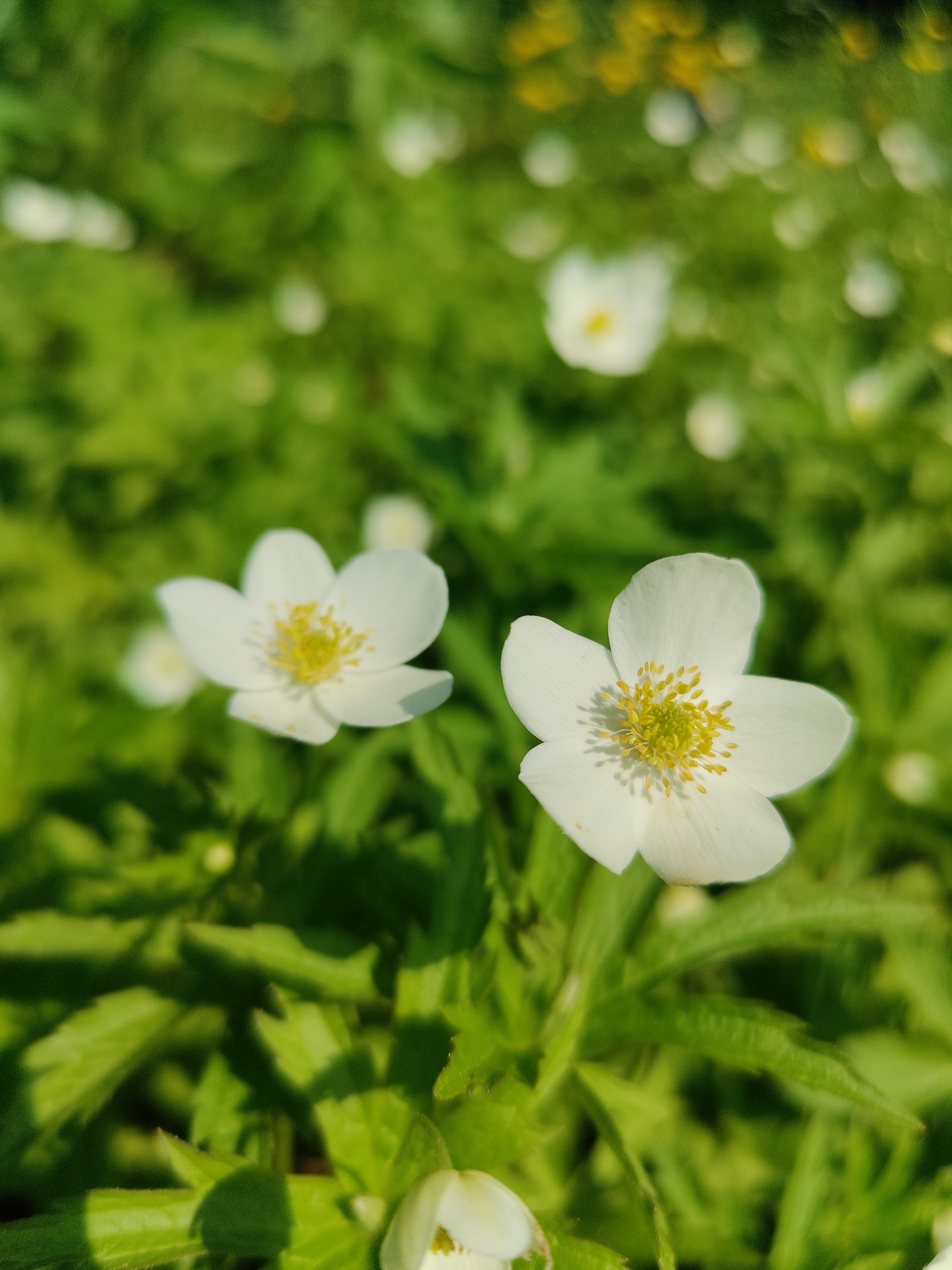
    Canada AnemoneDark green, deeply lobed and sharply toothed leaves(forms low mats)pure white cup-shaped flowers for specialist hoverflies, sweat bees and miner bees.Part shade to full sun, an aggressive groundcover alternative; great for stabilizing soil
    • Wild Ginger
    • Canada Anemone

    While I try to plant a variety of plants to help both the specialists and generalists and serve my own gardening purposes, I continue to research which regional native plants work best for my garden.

    By choosing native plants for your area, gardeners aren’t just landscaping—they are preserving the fragile local food web that keeps Ontario’s ecosystems (and us) alive.

    If you’re interested in adding a few extra native plants to your yard, check out the following resources to learn what grows best in your region:
  • 2025 Garden Reflections

    2025 Garden Reflections

    Happy New Year! As 2026 begins, I’ve been reflecting on the lessons learned in the garden over the past twelve months. 2025 was a year of trial and error—a mix of record-breaking harvests and some honest realizations about the limitations of my soil.

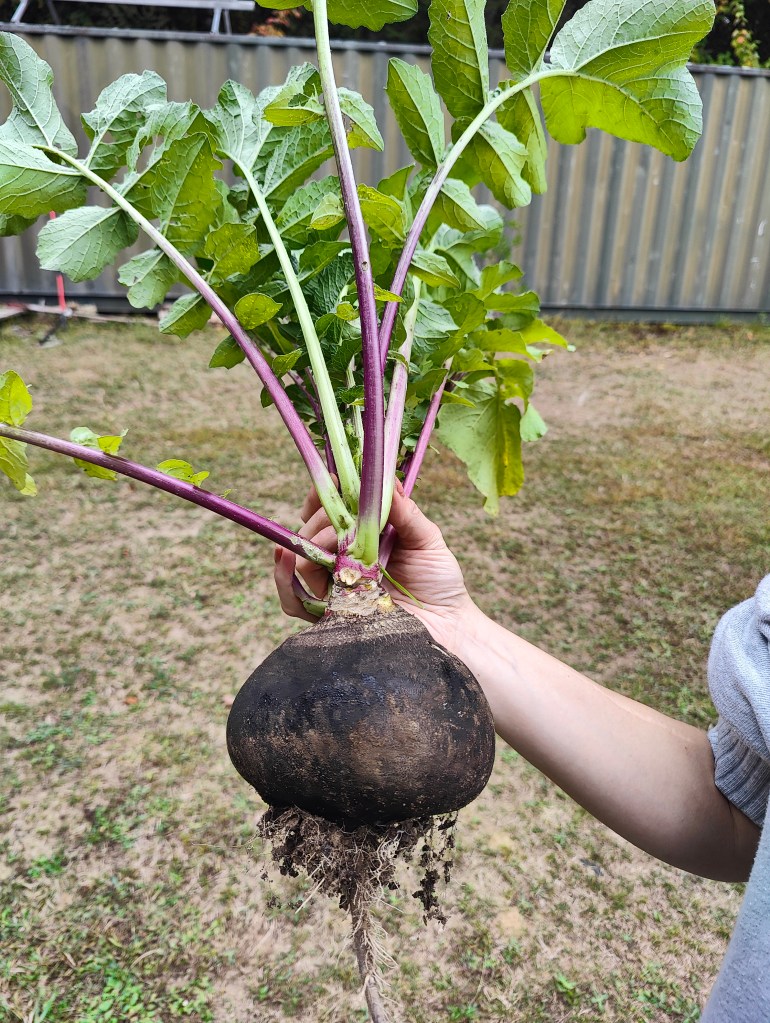
    The big boy. Black Spanish radish of 2025.

    The Successes: Veggies and Blooms

    The standout achievement of the year was the Black Spanish radish. Never grown before, this season produced the largest specimen in my gardening history, and all thanks to neglect. I found that big boy among the weeds. It’s always rewarding when a staple crop exceeds expectations, especially one as hardy and versatile as the radish.

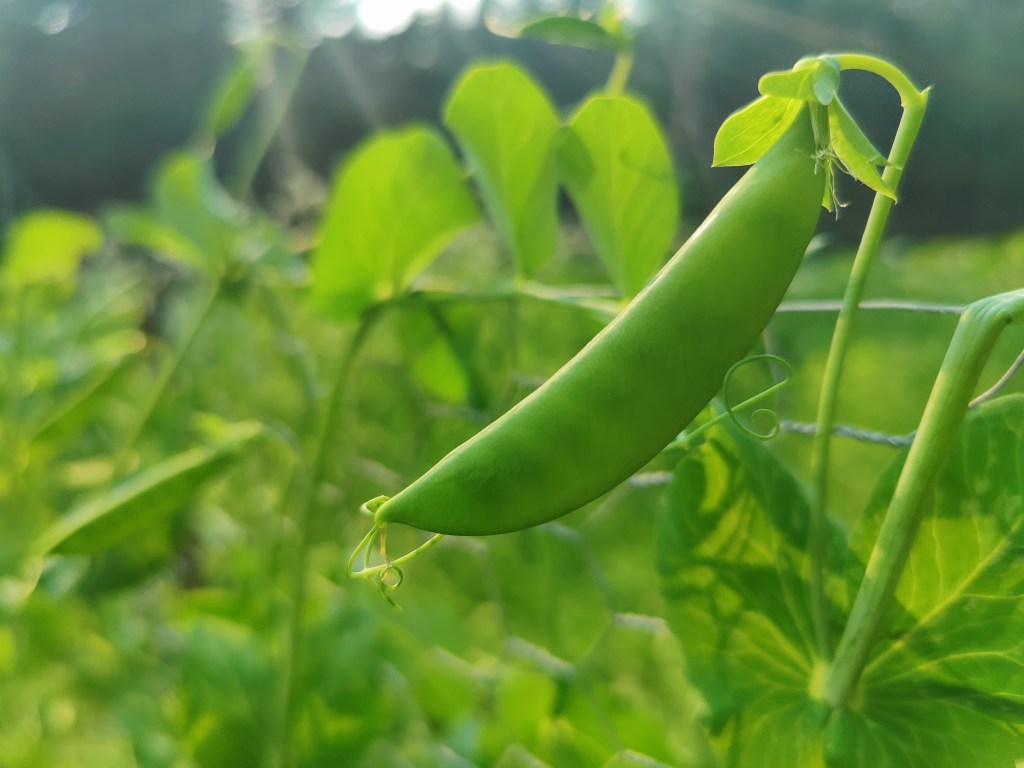
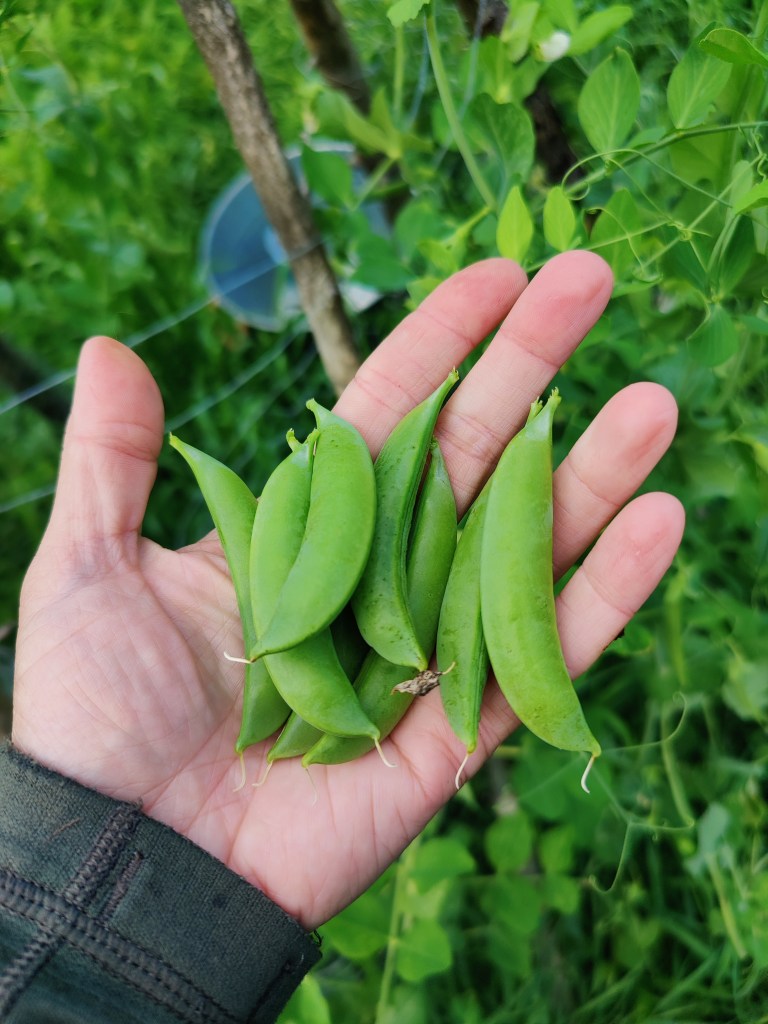
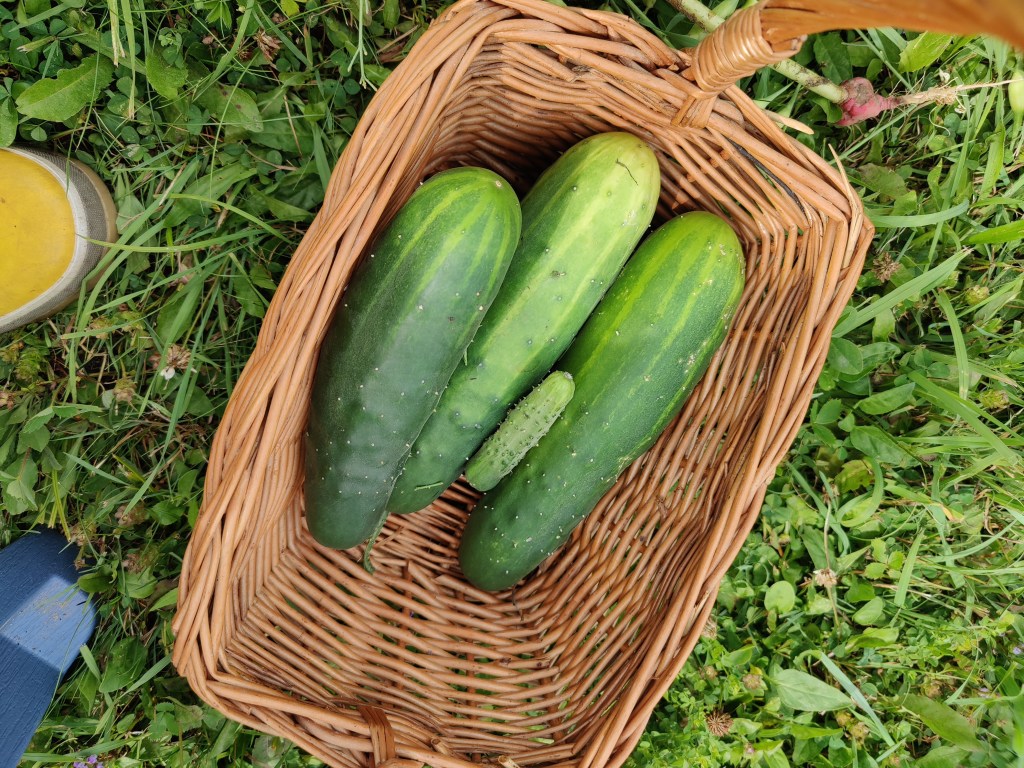
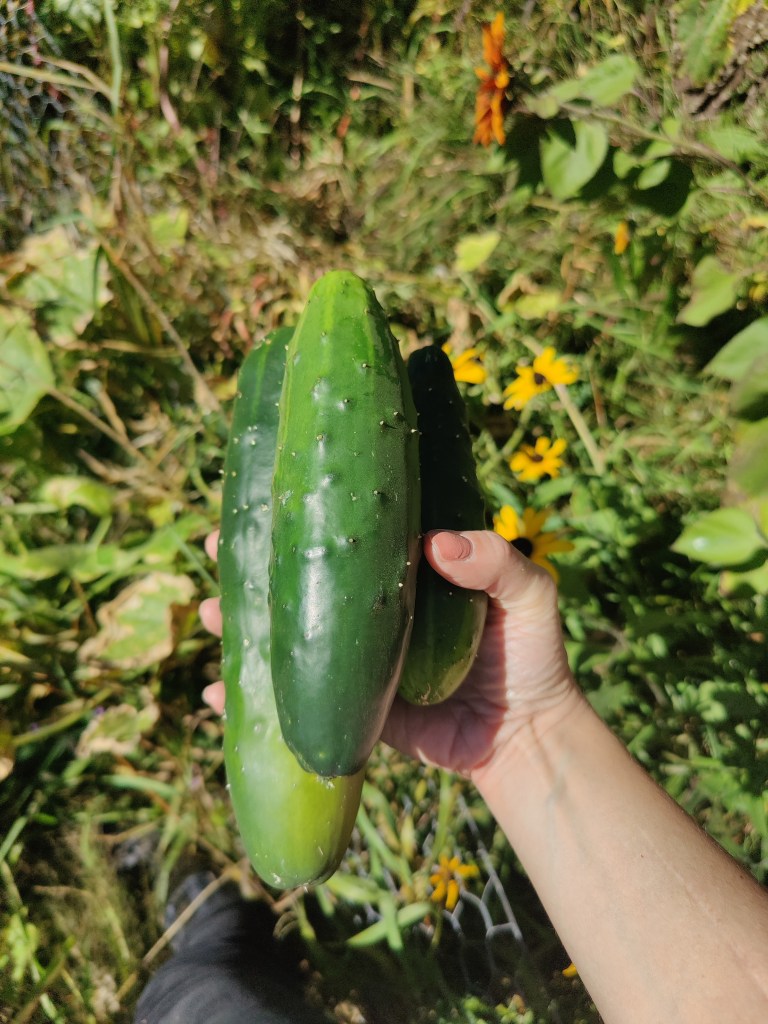
    Next, I think about the cucumber and sugar snap pea harvest. Snap peas are my favorite vegetable to grow, and this year’s yield did not disappoint. Truthfully, I thought the cucumber seeds didn’t germinate, but I was happy to find several ripe cukes hidden among the overgrown French Breakfast radishes in June.

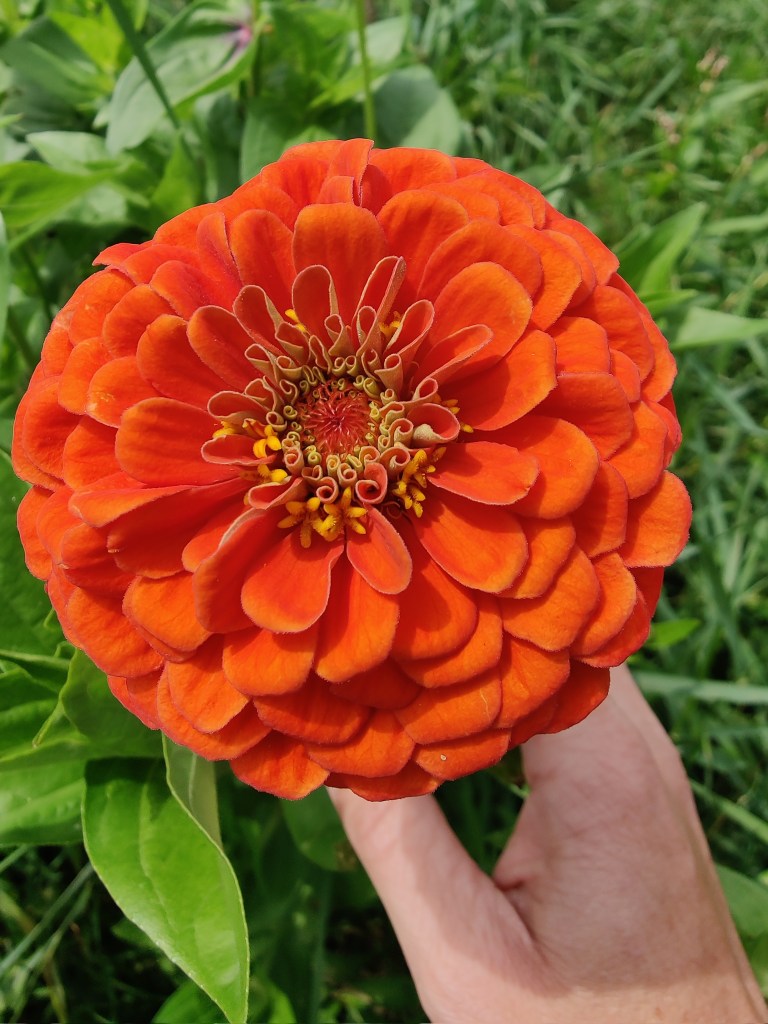
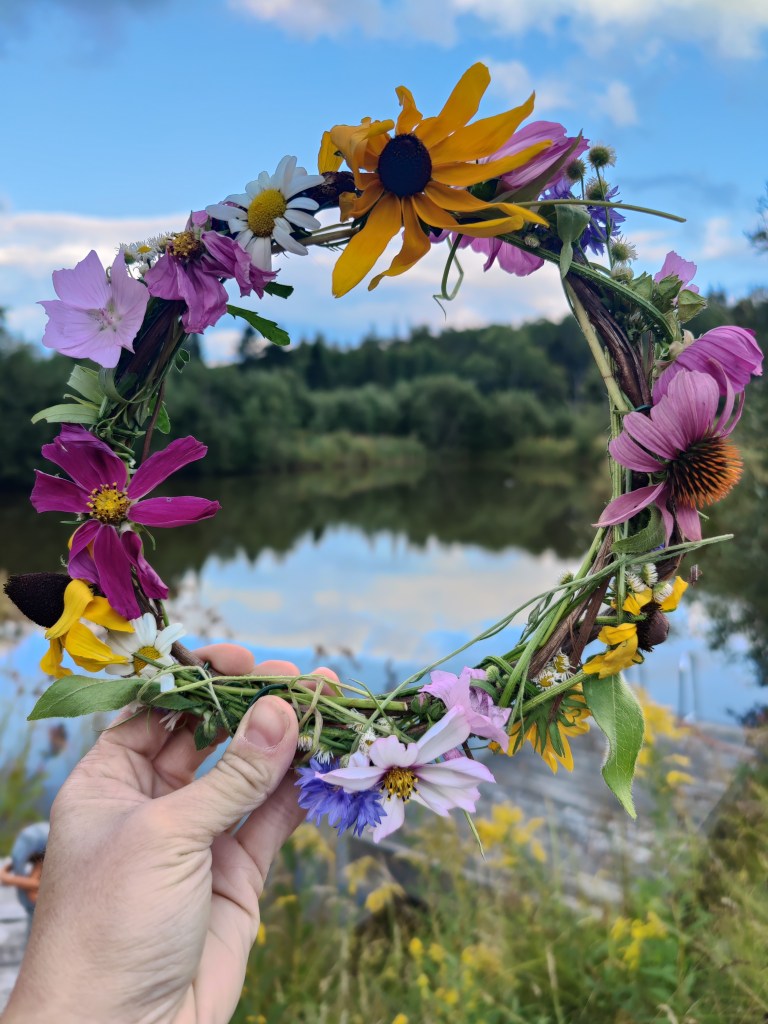
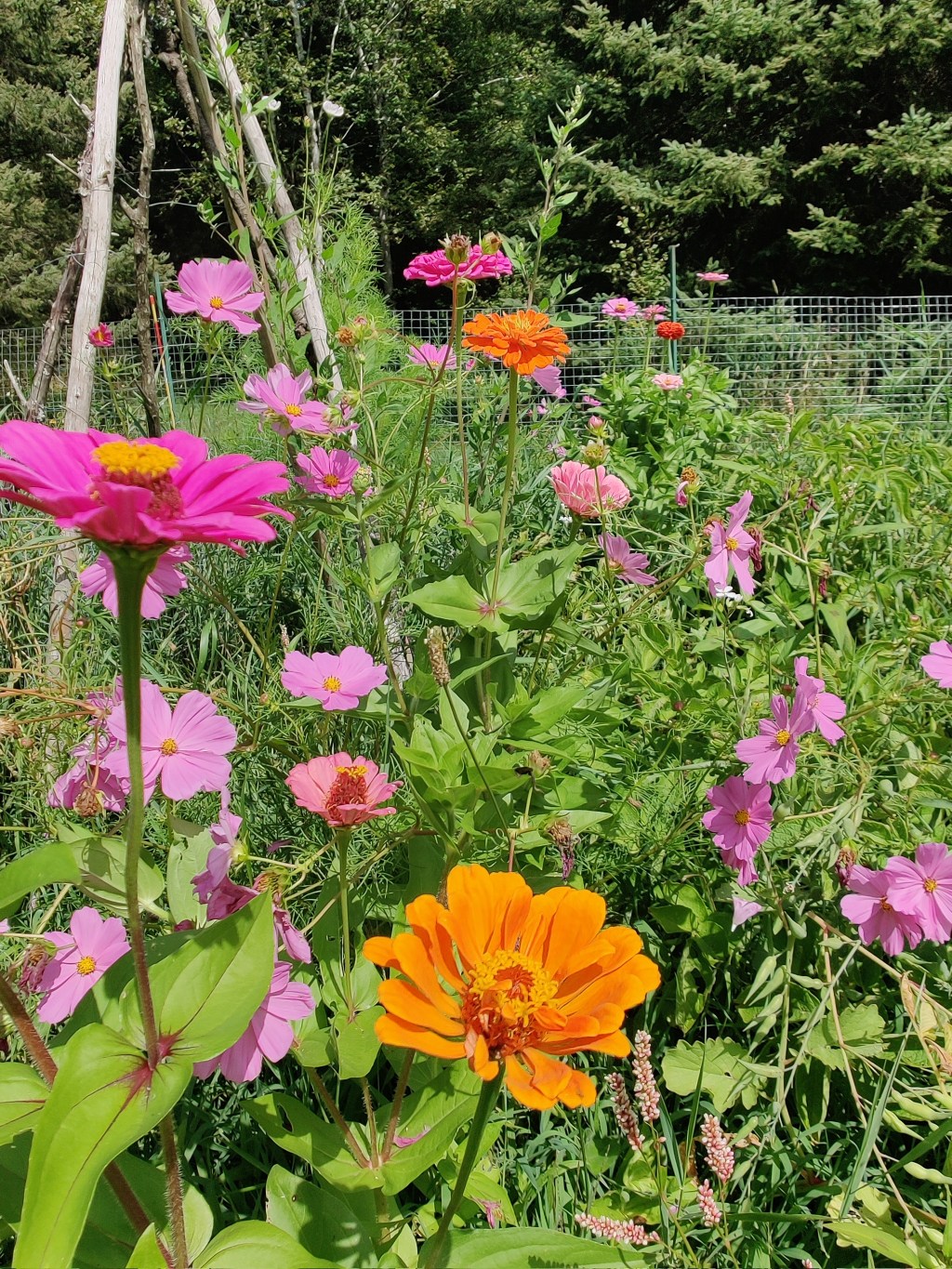
    Alongside the vegetables, the cut flower garden was a consistent bright spot. The blooms grew successfully throughout their window, providing a steady supply for harvesting throughout the summer. After a few seasons of experimenting with different varieties, it felt like the floral side of the garden finally hit its stride.

    The Challenges: Timing and Lift Off

    Of course, the season wasn’t without its setbacks. The most significant lesson came down to soil preparation.

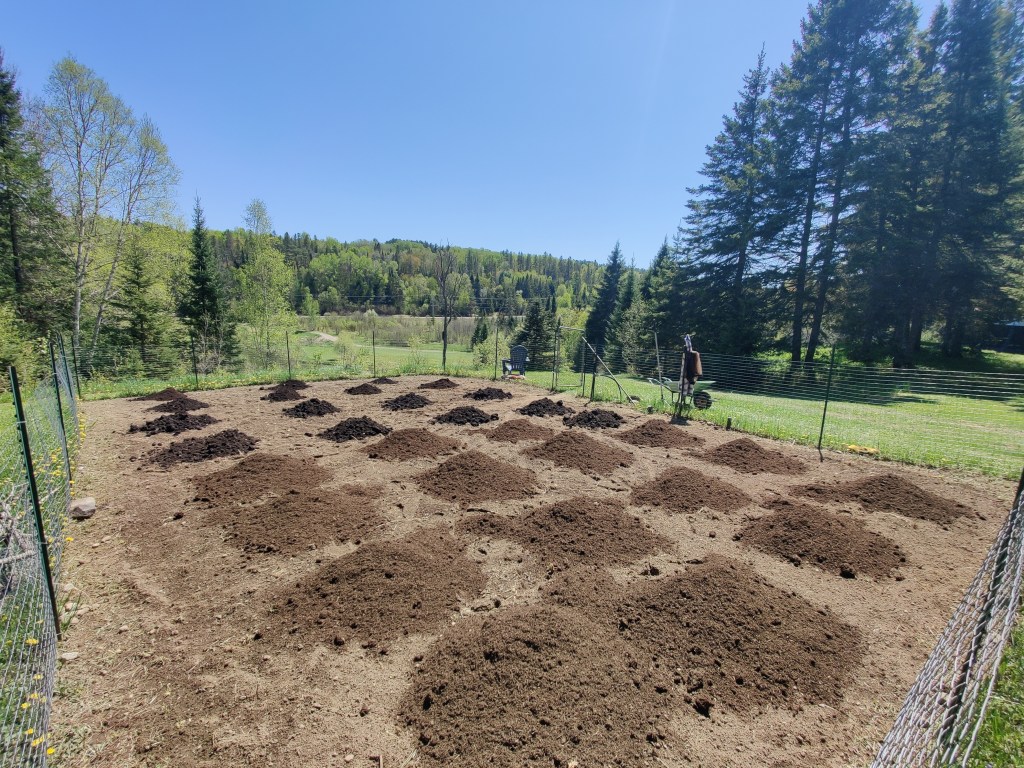
    While 2024 led to an awesome harvest in the garden, in 2025 I applied my compost and manure too late—essentially right before planting. This didn’t allow enough time for the nutrients to integrate or the soil chemistry to stabilize before the seeds went in. It was a reminder that in gardening, the “when” is often just as important as the “what.”

    This timing issue, combined with my heavy clay soil, led to a disappointing result for my cold-stratified perennial seeds. While the stratification process itself went well, these perennials failed to flourish once they hit the ground. The dense, compacted nature of the clay was simply too much for the young roots to overcome.

    Additional soil and compost applied in May. Too late.

    Looking Ahead

    While it’s frustrating to see hard work—especially the effort of cold stratification—not pay off, it provides a clear roadmap for 2026. The garden is currently hibernating, but the plans for a better 2026 are already in motion.

    And for those of you wondering if I did get any beets to grow, not yet. I’m hoping that 2026 will be declared the “year of the beet”. Thank you for continuing to follow along. Wish me luck this year!

  • How to Cold Stratify Seeds

    How to Cold Stratify Seeds

    If you are planning to grow native plants from seed you may need to use a method known as cold stratification to encourage germination.

    What is Cold Stratification?

    Cold stratification simulates the natural conditions many perennial plants experience in winter. It is a necessary step for many native species that require prolonged exposure to cold and moisture before a plant will start to grow. To achieve this cold dormancy, you can sow your seeds in the winter (known as winter sowing) or, if you are behind schedule like me, you can cold stratify the artificial way—using your fridge.

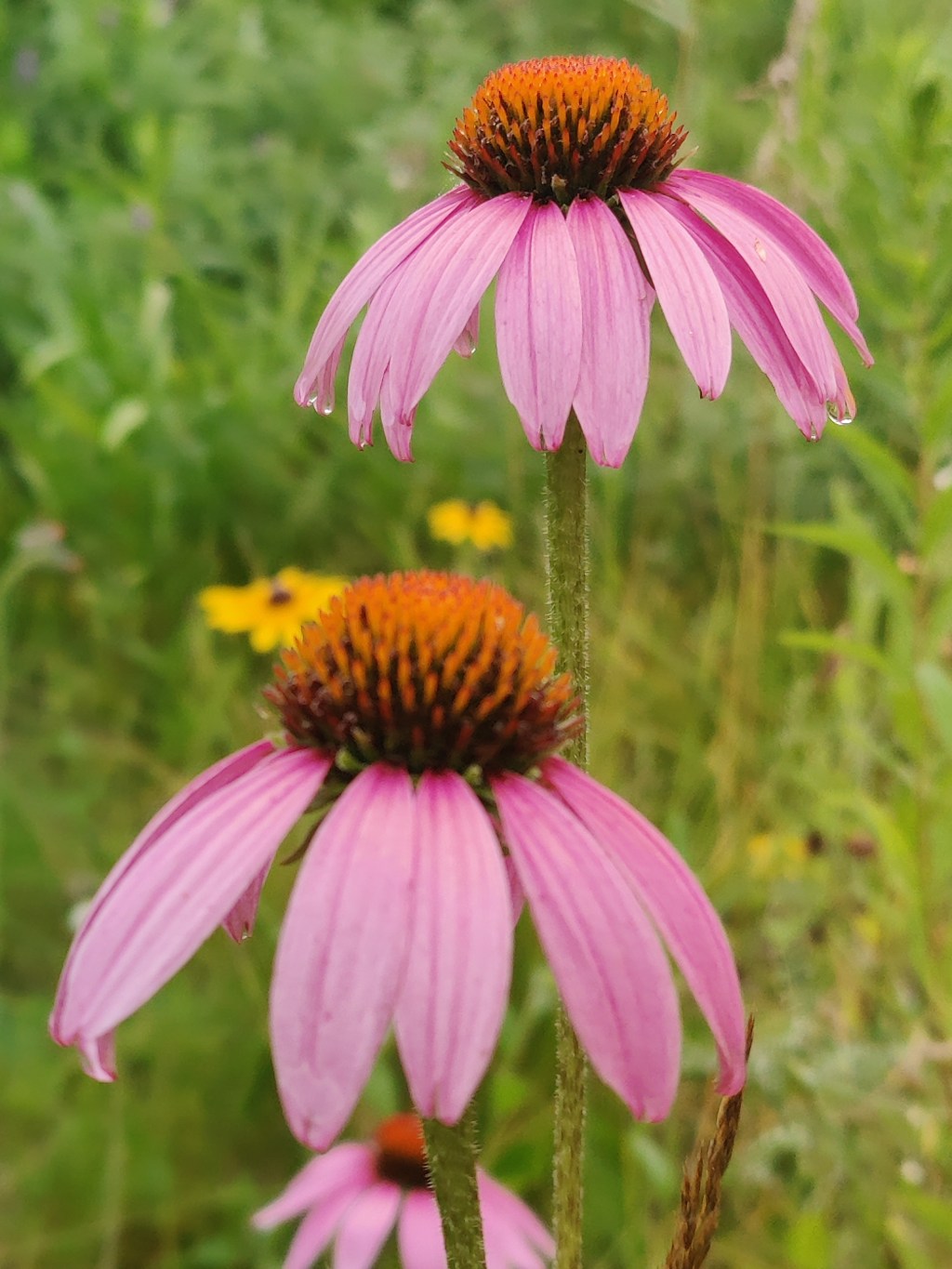
    Cold stratification is most often used for perennial wildflowers, trees, shrubs and grasses native to regions with cold winters. Species such as milkweed, purple coneflower, black-eyed Susan, wild bergamot, and serviceberry are common examples that benefit from this method.

    What you’ll need to cold stratify your seeds

    To stratify seeds at home, you will need a small amount of moist medium—such as vermiculite, sand or a damp paper towel—a sealable plastic bag or container, and a refrigerator set between one and five degrees Celsius.

    The paper towel method

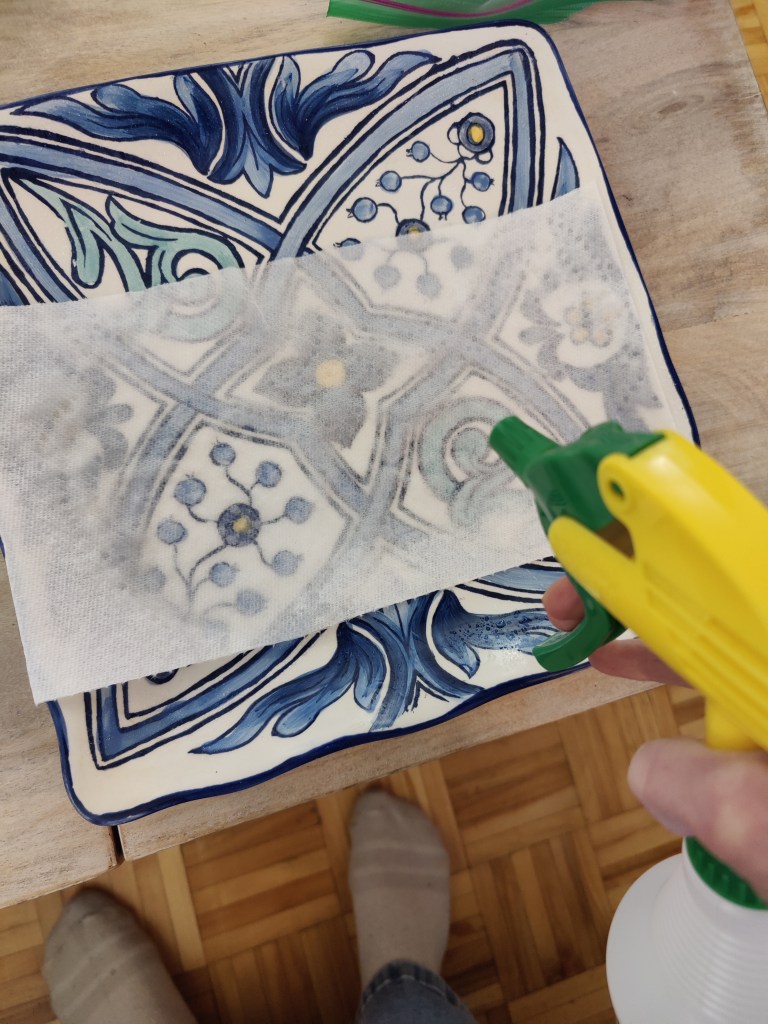
    Step 1: Dampen your paper towel

    Using a spray bottle, mist your paper towel with water. By this I mean dampen your paper towel to the point where the medium is wet but not wringing out water when squeezed.

    This is where I have failed in the past. Too little water, the seeds will not germinate. Too much water can lead to mouldy seeds which also won’t germinate.

    In many cases, larger seeds can be soaked in water for 12 to 24 hours prior to stratification.

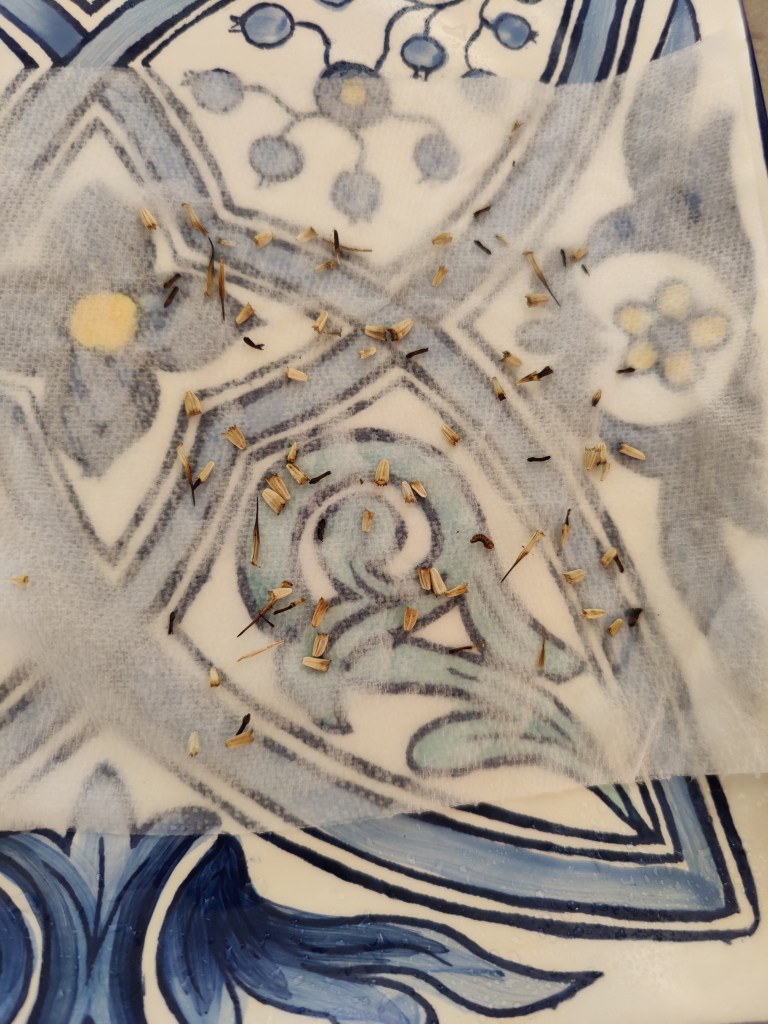
    Step 2: Fold your seeds into the paper towel

    Spread out your seeds on one half of the damp paper towel. Fold the other half over to envelope the seeds.

    Step 3: Bag, Label and Chill

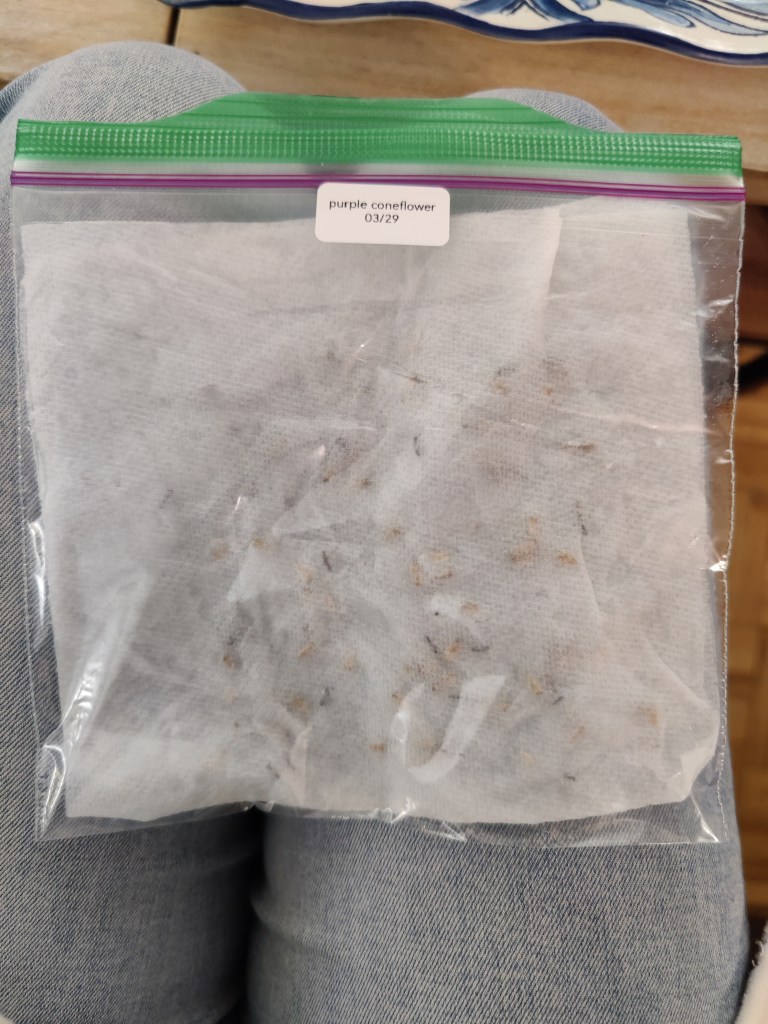
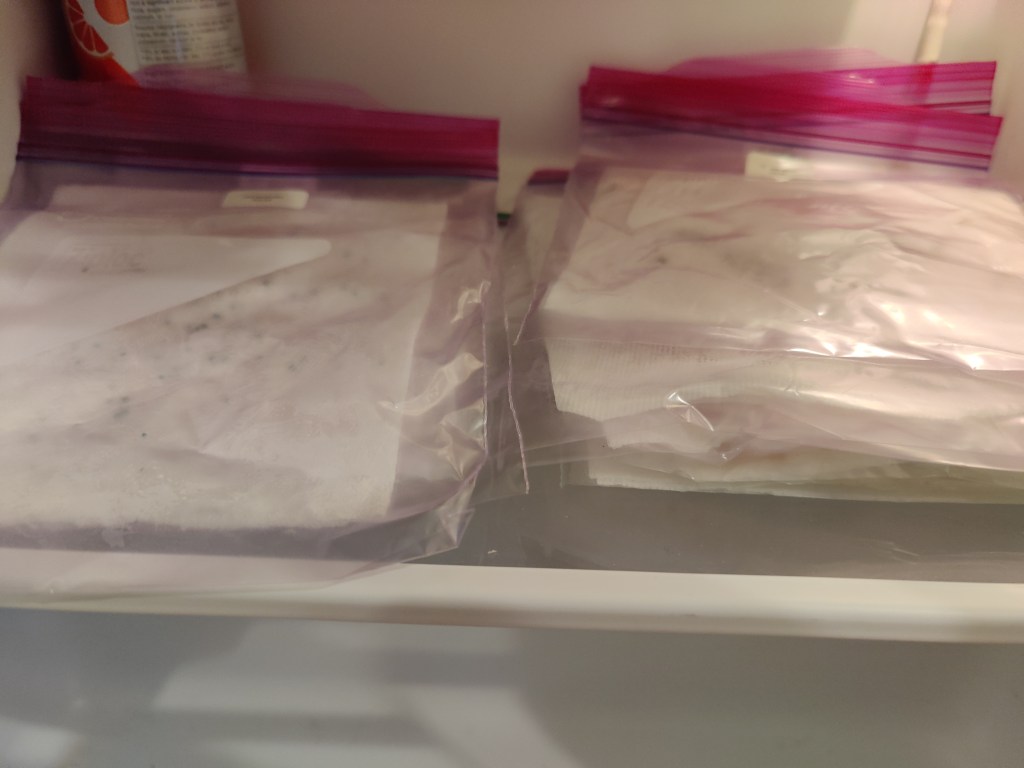
    Take your folded paper towel and tuck it into a resealable plastic bag. Using a marker, label the bag with the species, date and, if known, how long you intend to chill the seeds. Store the bags in the refrigerator.

    The duration of cold stratification depends on the species. Most require 30 to 90 days. Some native trees and shrubs may need up to 120 days. During this period, it is important to monitor the seeds regularly. If sprouting occurs, seeds should be planted promptly in pots or directly in the garden, depending on local conditions.

    Cold stratification is a valuable tool for supporting biodiversity and growing hardy, resilient plants from seed. While it requires planning and patience, the method can improve germination rates and help you successfully grow a wider range of native species. Happy sowing!

  • Sneak Peek into my Garden Planning Process

    Sneak Peek into my Garden Planning Process

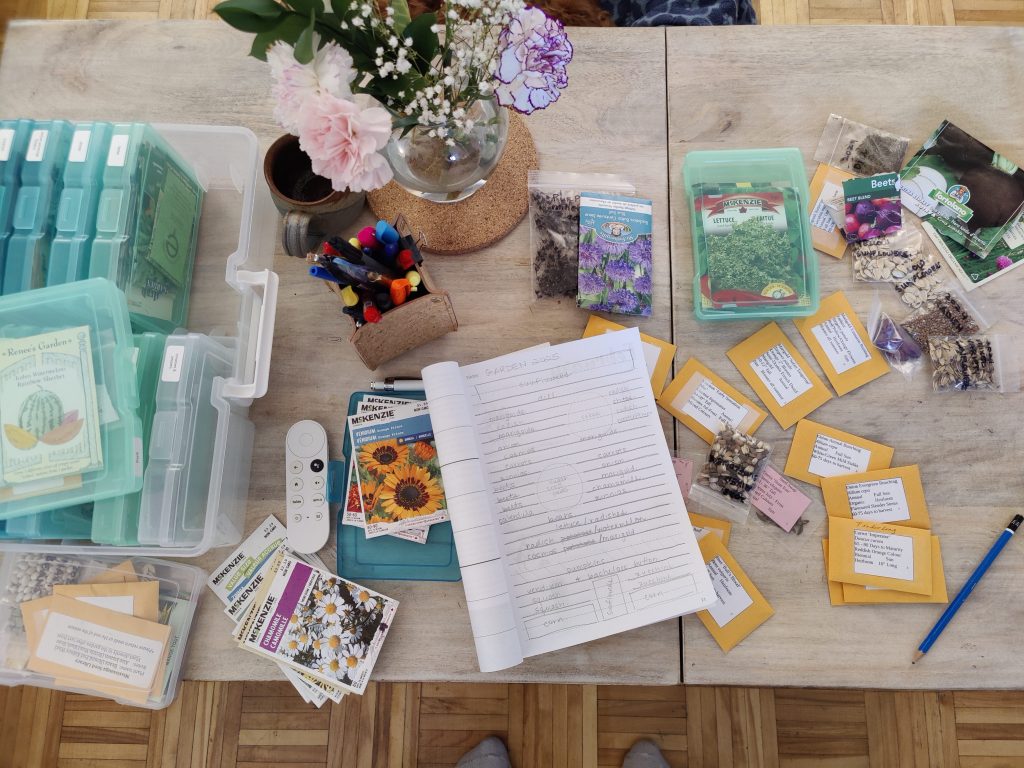
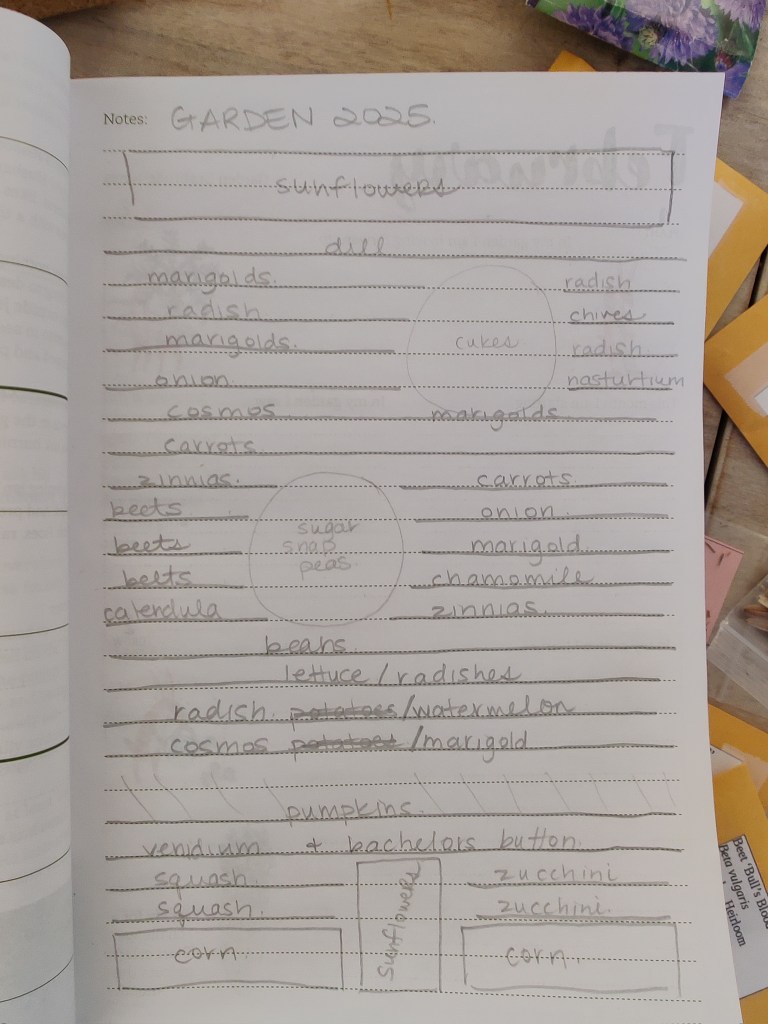
    It’s that time of year again! I am planning out my off-grid vegetable and flower garden, and 2025 is shaping up to be my most ambitious season yet. With over 20 rows of plants to organize, I’ve been carefully mapping out my garden layout, selecting my plant varieties, and considering improvements to soil health and irrigation. Here’s a glimpse into my garden planning process for the upcoming season.

    Step 1: Reviewing Last Year’s Successes and Challenges

    Before planning new layouts and plant choices, I have been reflecting on the previous season. My 2024 garden was my most successful yet, but there’s always room for improvement. I have been referring back to my notes and assessing which crops thrived, which struggled, and where I need to adjust planting locations to maintain soil health and minimize disease risks.

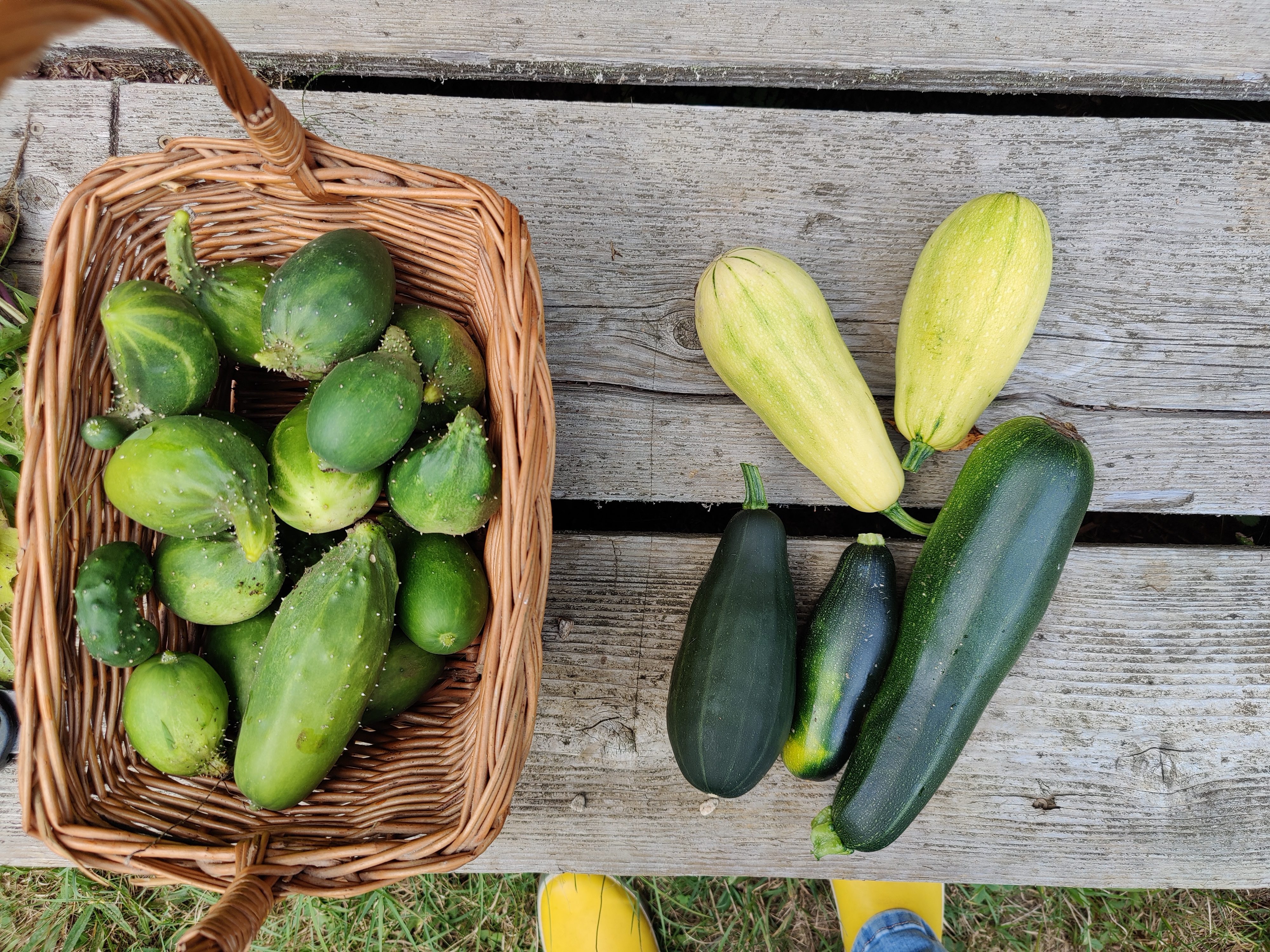
    Companion planting also played a big role last year, so I have taken notes on what worked best. For instance, to improve my cucumber harvest I’ve planned to place this temperamental vegetable among favourite companions such as radishes, nasturtium, marigolds and dill to give them a jump start. Avoiding placement beside potatoes, which compete for the same nutrients in the soil and other cucurbits, like squash and melons – which can lead to unappetizing harvests from cross pollination, is something I have considered carefully this year.

    Left: Some stunted cucumbers from my 2024 vegetable garden.

    Step 2: Sketching the Garden Layout

    With over 20 rows to manage, spacing and organization are crucial. Yesterday I created a rough sketch of my garden, designating clear sections for root crops, vining plants, and interspersing them with companion flowers, like marigolds, which attract pollinators and act as an all-natural pest control. My motto? Who needs harmful pesticides and sprays when you’ve got marigolds. All you need is pen, paper and a solid plan to complete this exercise.

    Step 3: Choosing Seeds and Plants

    Seed selection is one of my favourite parts of planning! Thanks to last year’s seed saving coupled, supplemented by seed exchanging and purchasing, I am ready to plan. I focus on hardy, high-yield vegetable varieties suited for my climate (Canadian Hardiness Zone 4), along with annual flowers that attract beneficial insects, deter pests and add beauty to my space. This year, I’m planning to grow:

    • Vegetables: A mix of radishes, peas, beans, diverse squash varieties, carrots, beets, corn and onion.
    • Flowers: Sunflowers, marigolds, zinnias, and nasturtiums to support pollinators and deter pests.

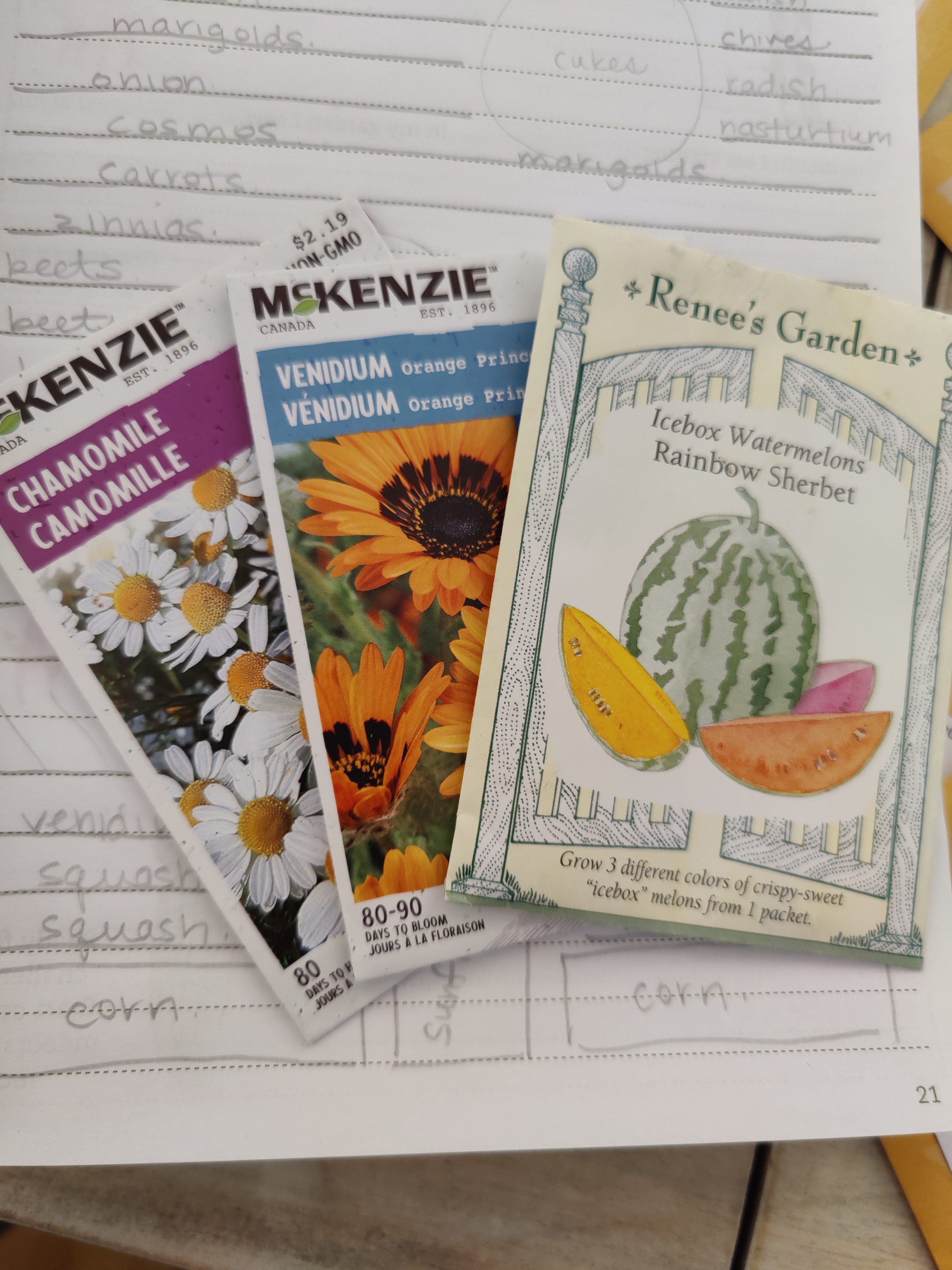
    I plan to experiment growing plants I’ve never sowed from seeds too! I am particularly excited to try growing watermelon, chamomile, bachelor’s button and venidium (which is an annual flower). And although I haven’t been successful in the past, maybe this year I’ll get a beet to germinate.

    Step 4: Enhancing Soil and Irrigation

    Since I’ve been gradually improving my garden infrastructure, I’m expanding my composting system and working on better water retention strategies. In 2025, I plan to:

    • Incorporate more organic matter into the soil, including compost and aged manure.
    • Use mulch to retain moisture and suppress weeds in my larger planting rows.

    Looking Ahead to a Bountiful Season

    Garden planning is an ongoing process, but laying the groundwork early helps set the stage for success. With thoughtful preparation, careful plant selection, and continued improvements, I’m excited to see how my 2025 garden unfolds. Whether it’s amending the soil, testing new plant varieties, or simply enjoying the beauty of my flowers and vegetables, each year brings fresh lessons and rewards.

    Are you planning your own garden for 2025? I’d love to hear what you’re growing this season!

  • A Snowy Journey to a Warm Gathering: Reflections on a Successful Seedy Saturday

    A Snowy Journey to a Warm Gathering: Reflections on a Successful Seedy Saturday

    I’m back fellow fans of gardening! (Absence makes the heart grow fonder, right?). And I’m here to report on the details of a very successful Seedy Saturday event in Fonthill, Ontario.

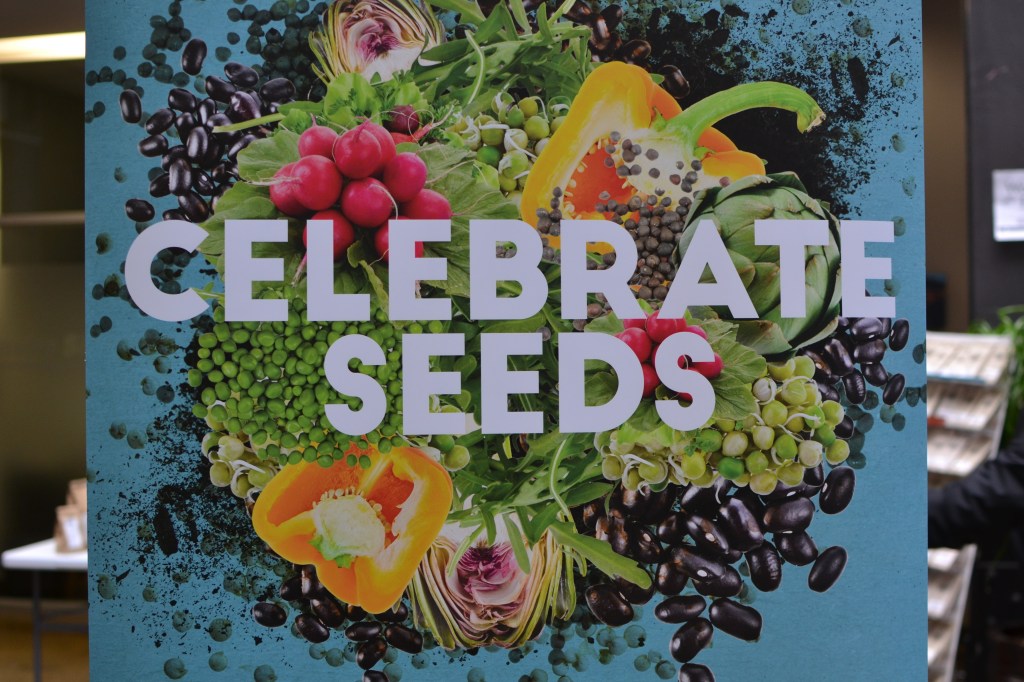
    Yesterday, I attended this milestone event—the 10th annual Seedy Saturday hosted by the Master Gardeners of Niagara. The drive there was a bit tricky due to winter conditions, but any concerns quickly faded upon arriving at the venue. The atmosphere was warm, not just in temperature, but in spirit.

    Despite the weather, the turnout was remarkable. Organizers reported that at least 300 people had already passed through the doors by mid-morning, a testament to the dedication and enthusiasm of the gardening community. The energy in the room was infectious, as passionate gardeners, seasoned growers, and eager beginners gathered to swap seeds, share knowledge, and celebrate the promise of the growing season ahead.

    Mark your calendars! Next year’s Master Gardeners of Niagara Seedy Saturday will be held on February 14th, 2026.

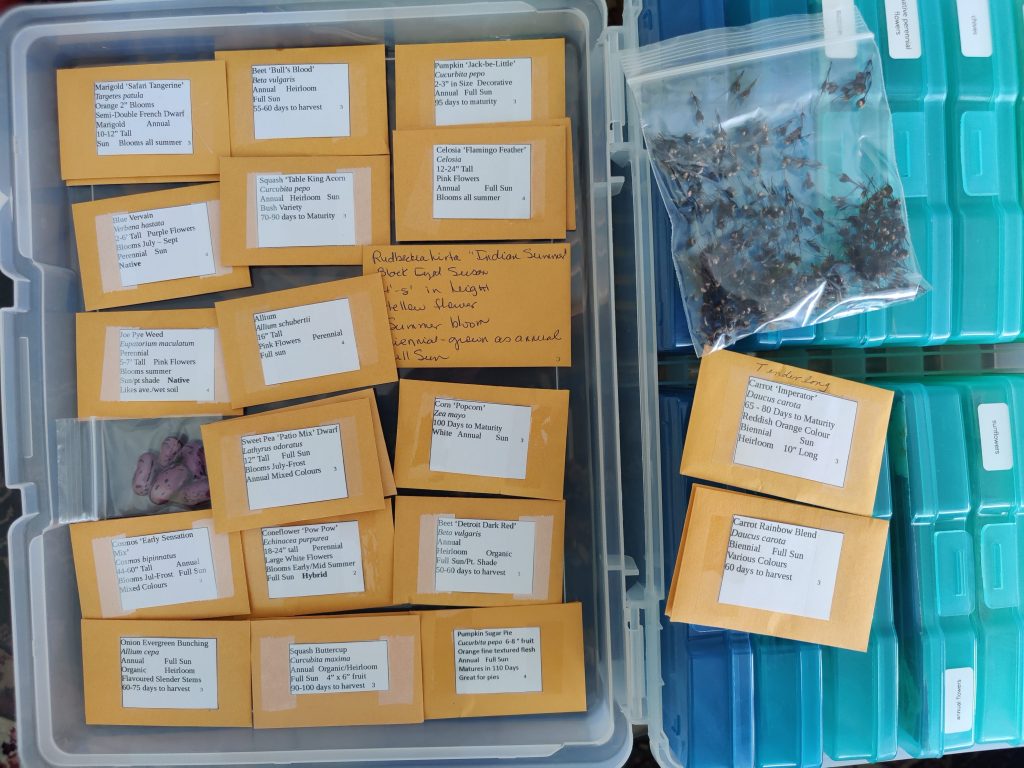
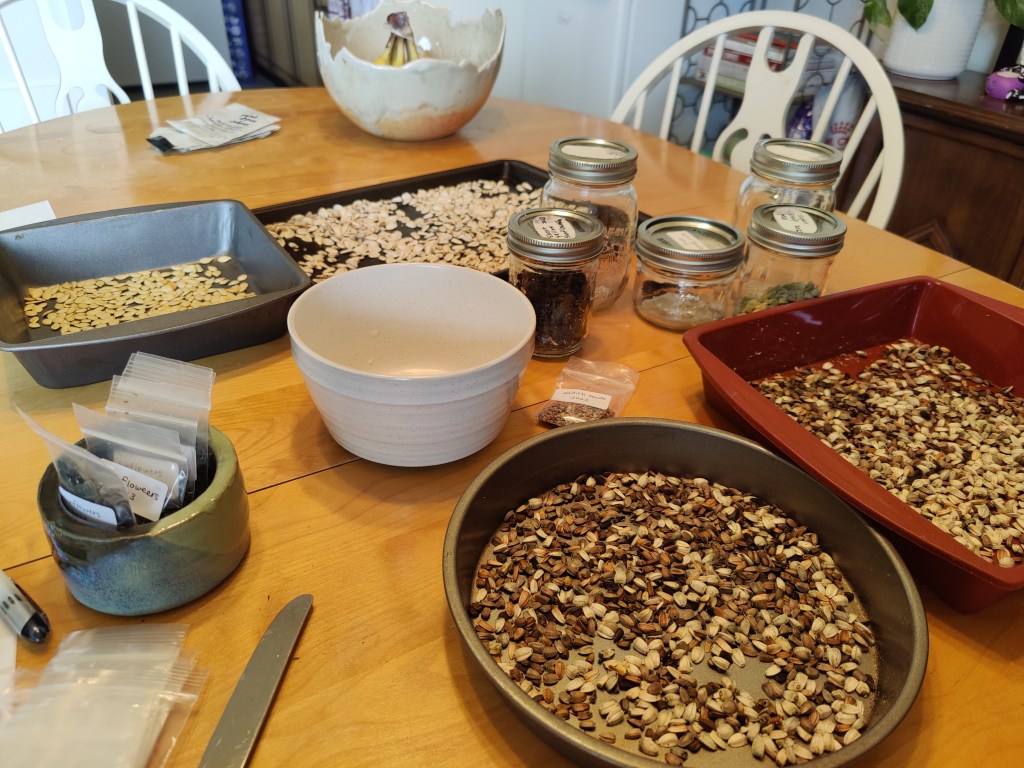
    One of the standout features of the event was the seed swap, a cornerstone of any good Seedy Saturday. Tables overflowed with packets of heirloom tomatoes, heritage beans, native wildflowers, and everything in between. For those who didn’t bring seeds to trade, packets were available for just 25 cents each—an unbeatable price for anyone looking to expand their garden. At this remarkable price, I walked away with just under 30 packets of new seeds. The exchange of seeds also meant the exchange of stories: where the seeds came from, how they thrived in different conditions, and the best tricks for growing success.

    Beyond the swap itself, the event buzzed with conversations about sustainable gardening, biodiversity, and the importance of preserving heirloom varieties. The Master Gardeners of Niagara, ever generous with their expertise, offered guidance on everything from cold moist stratification (hot tip: native perennials love this) to the joy of experimenting with allium seeds, ensuring that everyone left feeling more prepared for the upcoming growing season.

    Events like Seedy Saturday remind me why I love gardening—not just for the joy of nurturing plants, but for the incredible community it fosters. The camaraderie, the shared excitement over a particularly rare variety of watermelon or a new composting tip, and the sense of connection to both people and the land make these gatherings truly special.

    As I drove home, I couldn’t help but feel grateful. The winter conditions may have made for a slightly challenging trip, but the warmth of the gardening community more than made up for it. Here’s to another season of growing, sharing, and celebrating the seeds that bring us together.

  • Annuals, Biennials, Perennials…oh my!

    Annuals, Biennials, Perennials…oh my!

    Question: What’s the difference between an annual, a biennial and a perennial plant?
    Answer:

    The distinction between annuals, perennials and even biennial plants used to confuse me when I started gardening. So sharing a trick!

    A simple way to remember the difference between annual, biennial, and perennial plants is to think about their life spans in terms of time:

    1. Annual: “One and done.” These plants complete their entire life cycle—from seed to flower to seed—within a single growing season. This means you have to plant them every year if you want to enjoy them annually. Examples include marigolds and zinnias.
    2. Biennial: “Two to do.” These plants take two years to complete their life cycle. In the first year, they grow leaves, and in the second year, they flower, set seed, and die. An example includes Sweet William flowers.
    3. Perennial: “Forever friend.” These plants live for three or more years, coming back every growing season. Some may bloom every year, while others bloom periodically. Examples include coneflowers and hostas.

    By linking the terms to their time frames, you (and I) can easily keep their differences straight!

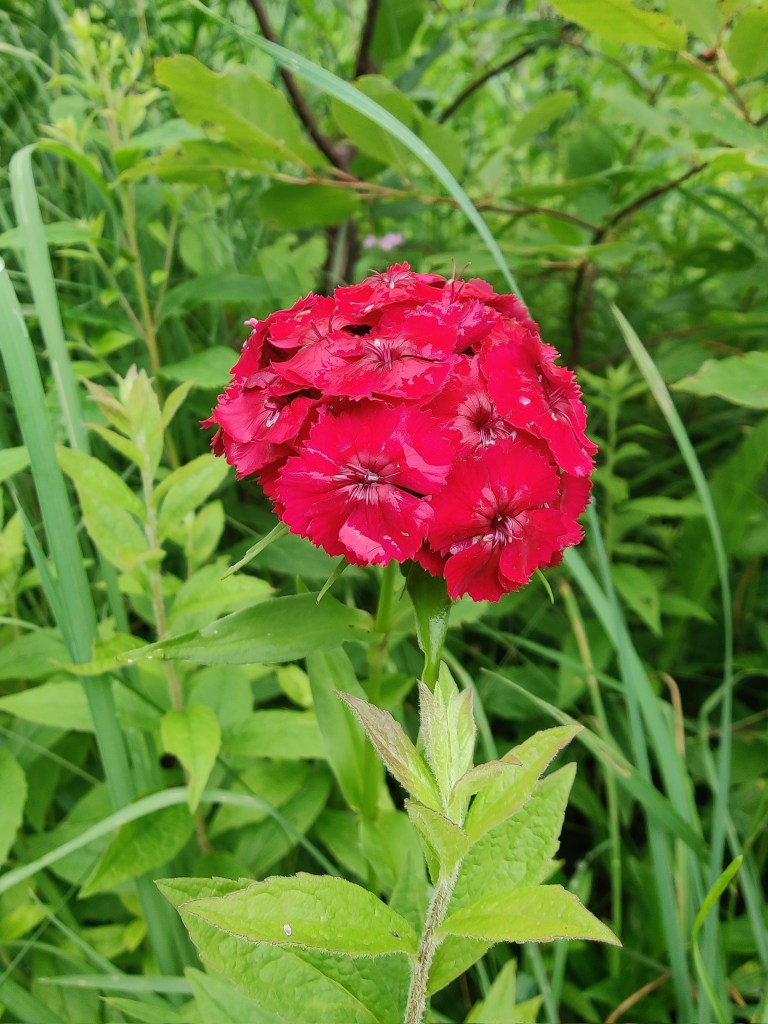
    This Sweet William bloom was planted as part of our wildflower mix, and although it is technically a perennial, it can be grown as a biennial. I unknowingly found that when we sowed these seeds, it did take two years for these beauties to flower.
  • Goldie: The Golden Weeping Willow Tree

    Goldie: The Golden Weeping Willow Tree

    A Sustainable Landscape Solution

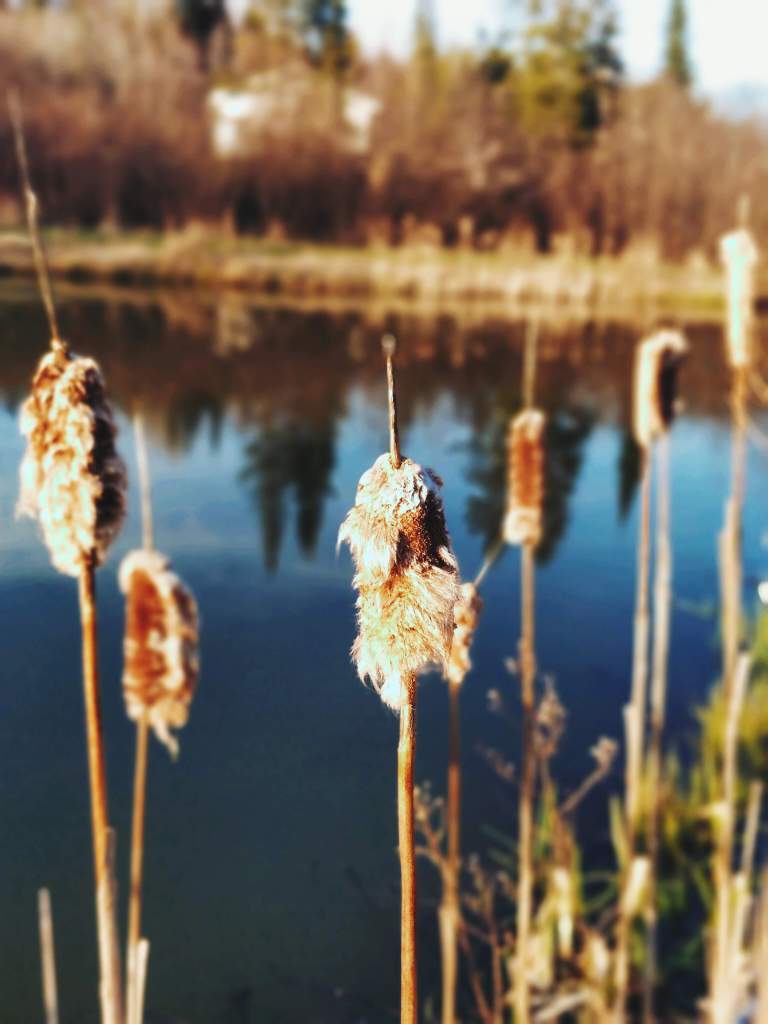
    Planting a weeping willow tree near our pond was more than just a practical fix for flooding in a low-lying area —it was a way to harmonize with the natural environment. This elegant tree, combined with complementary plants (like cattails and sedges) lining the pond, turned a challenging wet area into a beautiful, functional part of our property. It is one of my favourite additions to the yard. If you’re facing similar issues and you have the space, consider embracing the weeping willow as a graceful and effective solution.

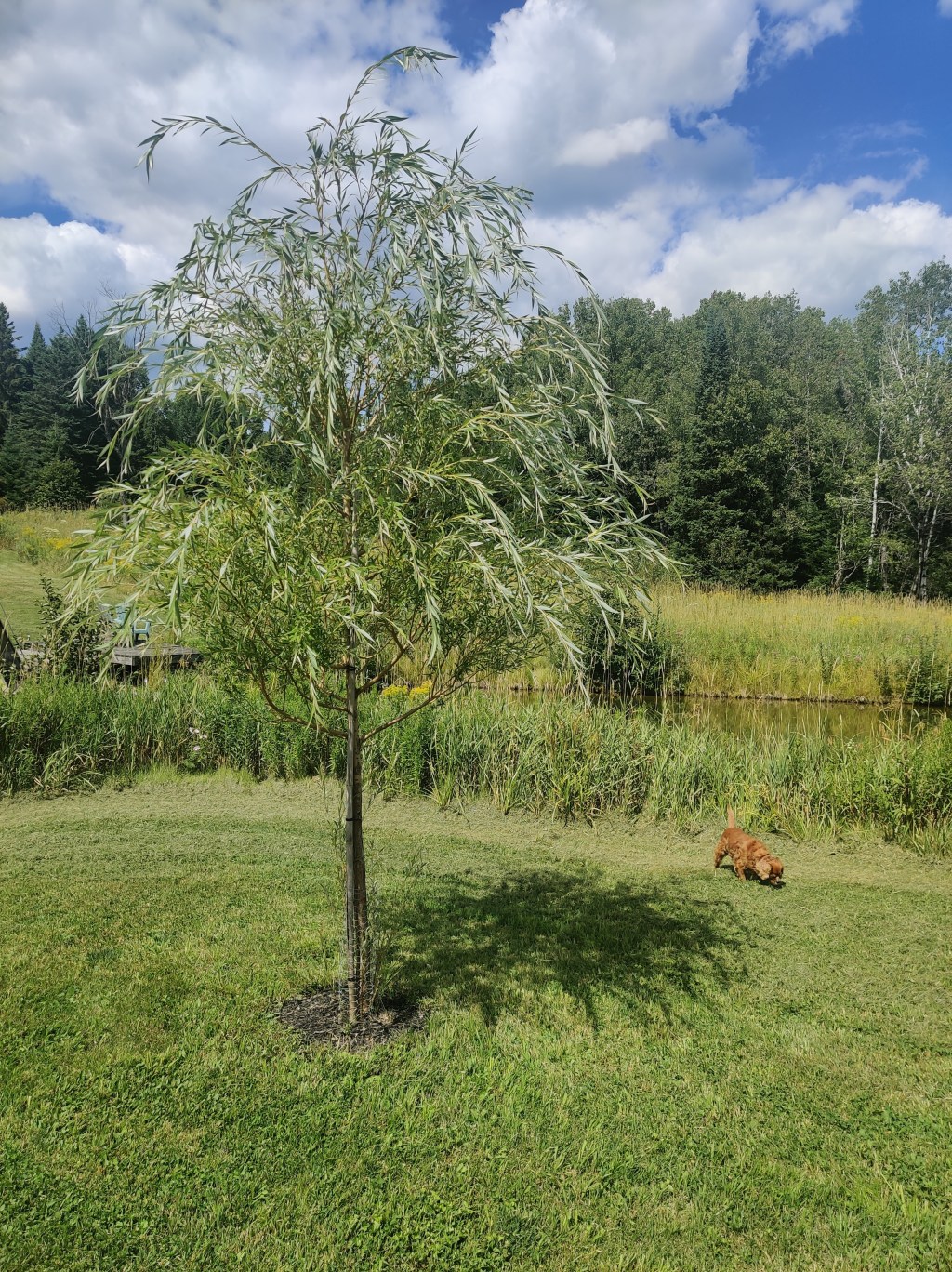
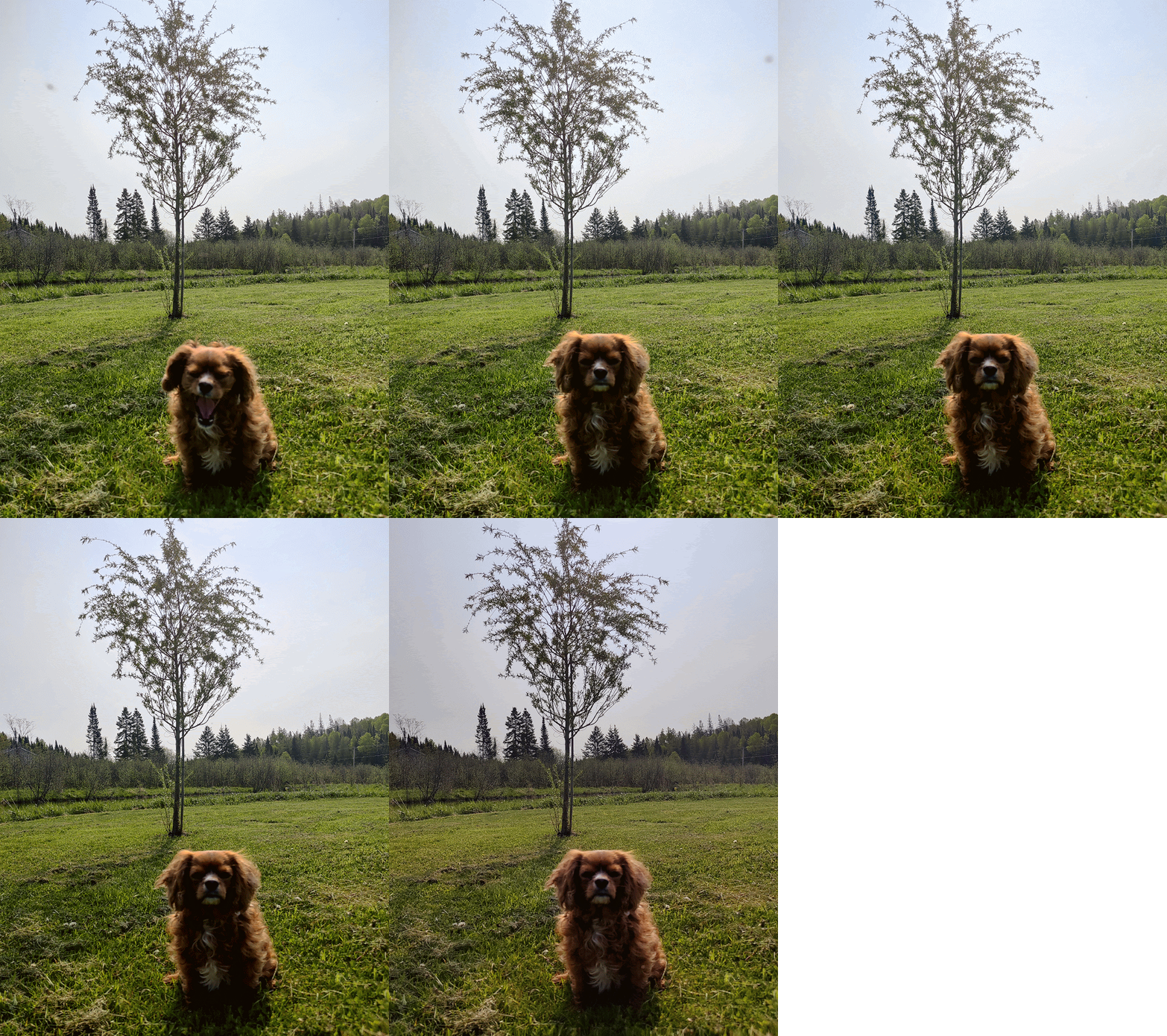
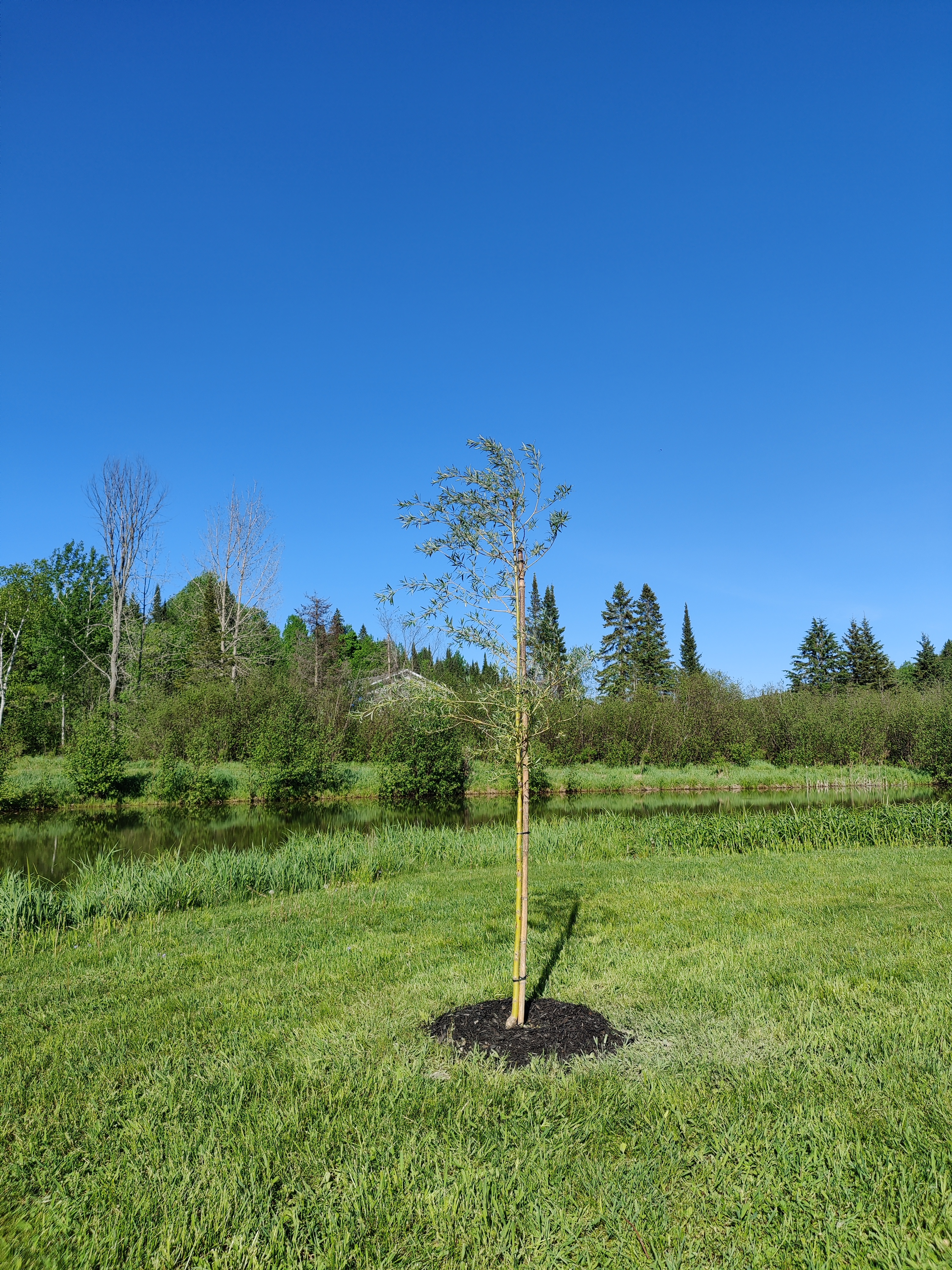
    Goldie was planted in May 2021 (on the left) and she’s posing with today’s birthday girl back in August 2024 (on the right). Happy birthday sister!
  • The Importance of Seed Saving

    The Importance of Seed Saving

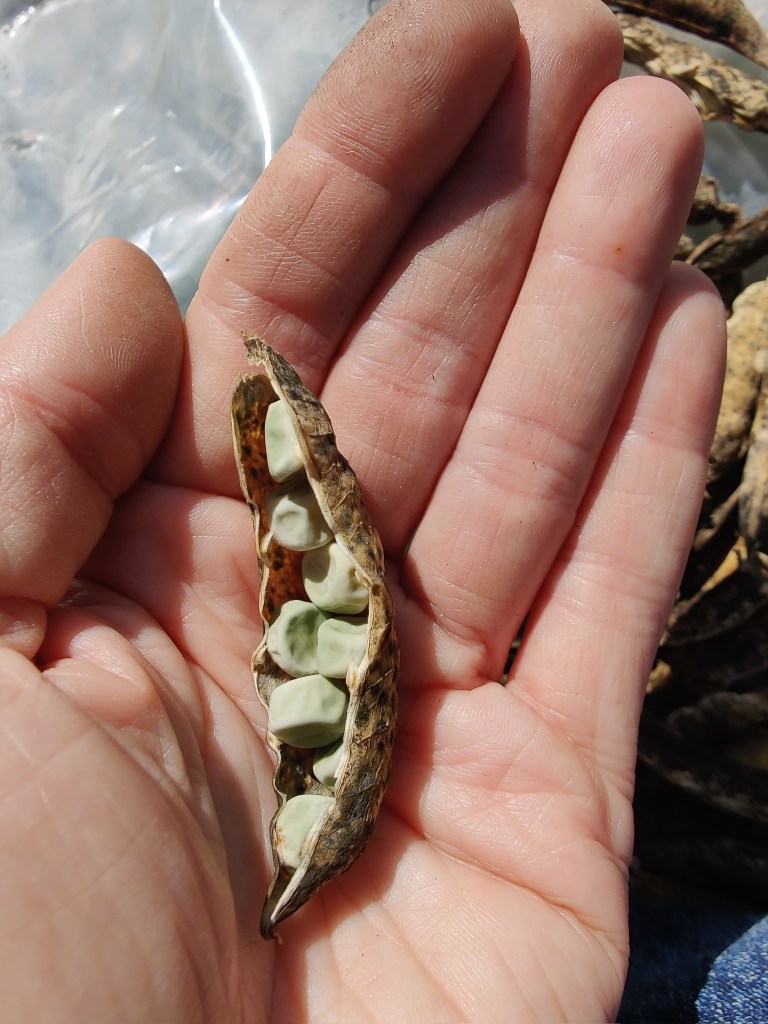
    As I’ve started to grow more plants over the past couple of years, I’ve also started to save more seeds. In my experience, 2023 was a pivotal year for seed saving. I wasn’t available to pick all of my vegetables throughout the summer. Luckily that autumn I learned about the importance of saving seed, but also about the benefits that come with it.

    Why is Seed Saving Important?

    1. Preserves Biodiversity

    • Over the past century, 75 percent of global crop diversity has been lost, according to the Food and Agriculture Organization (FAO)1. This decline is primarily due to the rise of industrial agriculture, which favours a small number of high-yield crop varieties over traditional, diverse species.
    • When farmers save seeds, they preserve heirloom and indigenous varieties, which are often more resilient to local conditions and less dependent on synthetic inputs like fertilizers and pesticides.

    2. Promotes Self-Reliance

    • A few large corporations dominate the global seed market, controlling an estimated 60 percent of commercial seed sales2. These companies often prioritize patented hybrid and genetically modified (GM) seeds, which cannot be saved or replanted by farmers without violating intellectual property laws.
    • This concentration of control reduces farmers’ autonomy and makes them dependent on purchasing seeds annually, which can be costly and unsustainable.

    3. Safeguards Against Future Challenges like Climate Change

    • As weather patterns shift and extreme conditions become more common, traditional crop varieties may no longer thrive. Locally saved seeds often represent genetically diverse and climate-resilient crops that can adapt to changing environments.
    • Seed saving helps create a reservoir of traits—like drought tolerance or disease resistance—that can be vital for future food security.

    4. And Safeguards Against Other Food Security Risks

    • The global seed supply is vulnerable to disruptions, such as natural disasters, geopolitical conflicts, and corporate policies. For example, monoculture farming increases the risk of widespread crop failure if a pest or disease targets the dominant variety.
    • By saving seeds locally, communities build a decentralized and more resilient seed system, reducing reliance on a fragile global supply chain.

    Cultivating a Resilient Future Through Seed Saving

    • Governments and NGOs are addressing the global seed crisis by promoting seed-saving practices and establishing seed banks, such as the Svalbard Global Seed Vault in Norway. However, reliance on centralized systems alone is insufficient.

    Grassroots efforts, like community seed libraries and farmer exchanges, are essential to protecting local seed varieties and empowering farmers.


    Seed saving is not just about gardening—it’s about preserving our collective future. By protecting seeds, we safeguard biodiversity, strengthen food systems, and ensure that we can meet the challenges of a changing world. Not to mention, it’s free!

    1. https://www.fao.org/newsroom/detail/Crop-biodiversity-use-it-or-lose-it/en ↩︎
    2. https://cban.ca/gmos/issues/corporate-control/ ↩︎
  • Succulent Propagation: An Experiment
    Succulent Propagation: An Experiment
    I’ve written prior posts about water and soil propagation, but now I will try my hand at succulent propagation. I’ve read that to be successful with multiplying your succulents, you need the original piece of the plant to callous over, or dry out. I have tried this unsuccessfully in the past, so wish me luck!

    Here are the steps I will take:
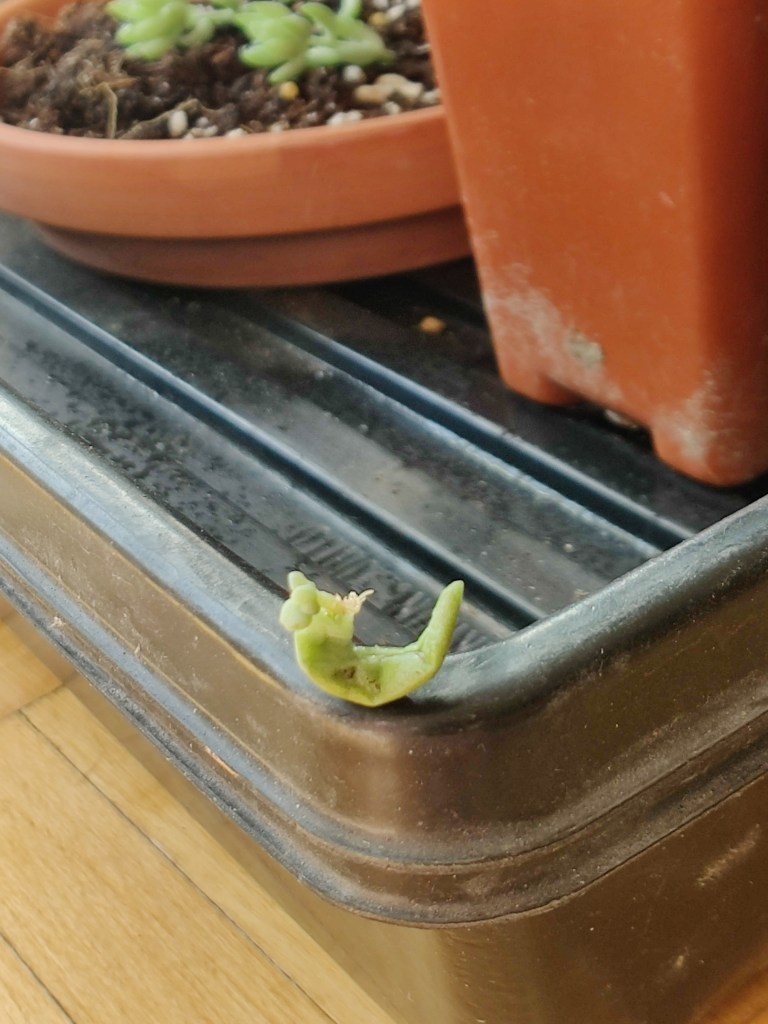
    1. Select a healthy leaf: Choose a plump, healthy leaf and gently twist it off the stem. Ensure the base of the leaf is intact.
    2. Let it callous over: Place the leaf in a dry area out of direct sunlight for a few days to a week to allow the cut end to form a callous. This prevents rotting.
    3. Place on soil: Lay the leaf on top of well-draining succulent soil. Do not bury it.
    4. Mist occasionally: Mist the soil lightly every few days to keep it slightly moist. Roots and a tiny plantlet will emerge from the cut end in a few weeks.
    5. Transplant when ready: Once the new plant is established and the original leaf dries up, transfer it to its own pot.

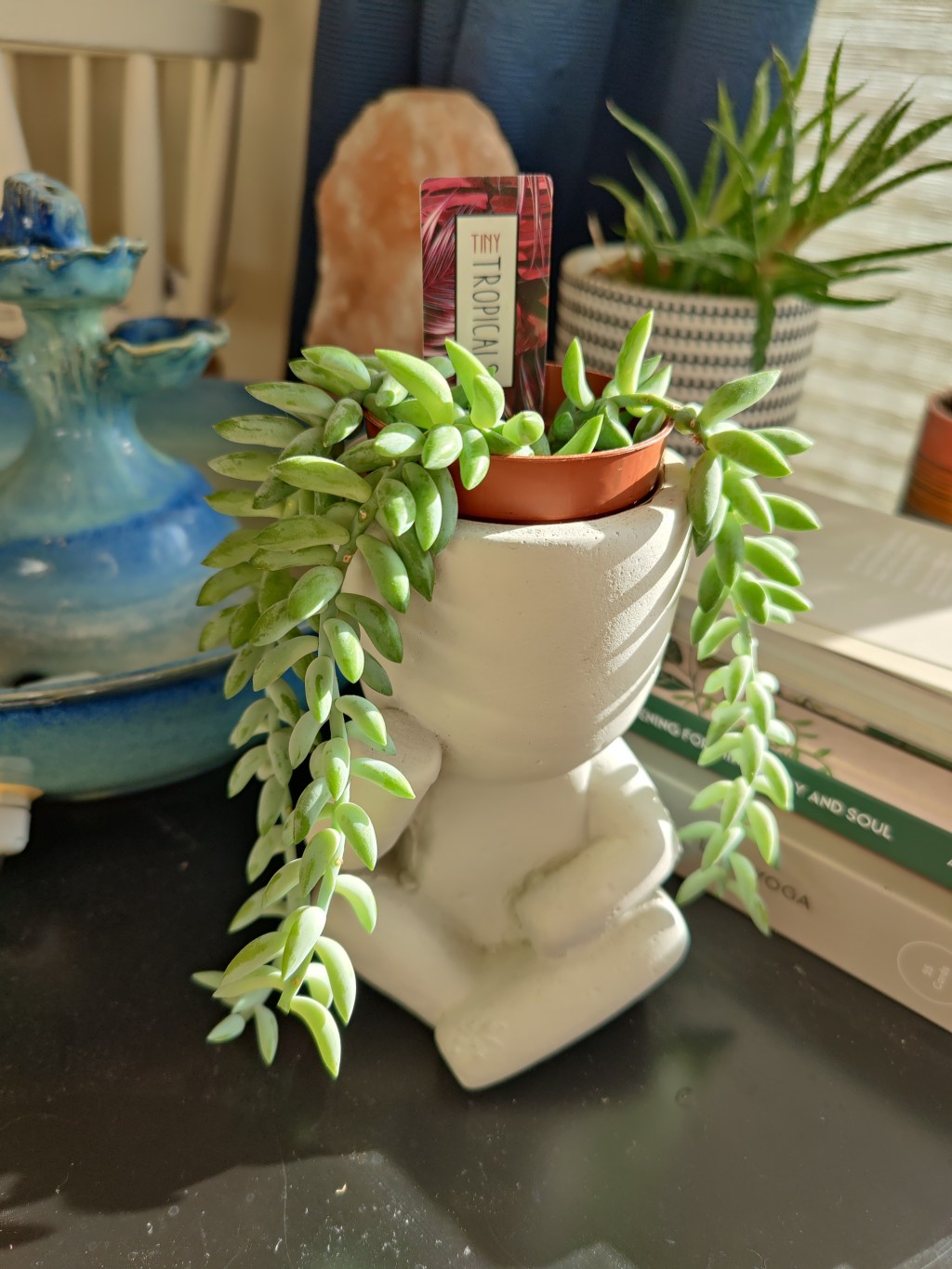
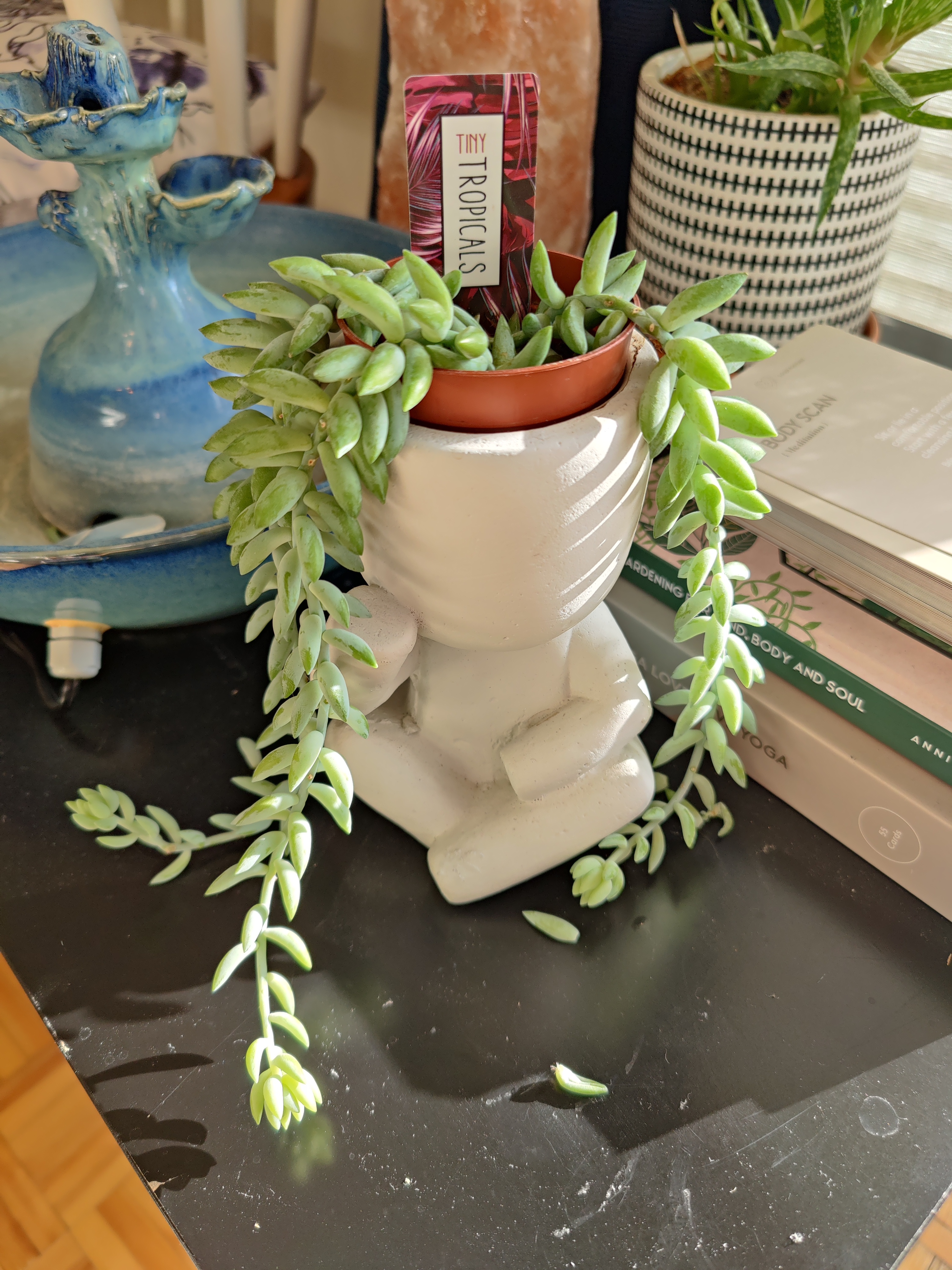
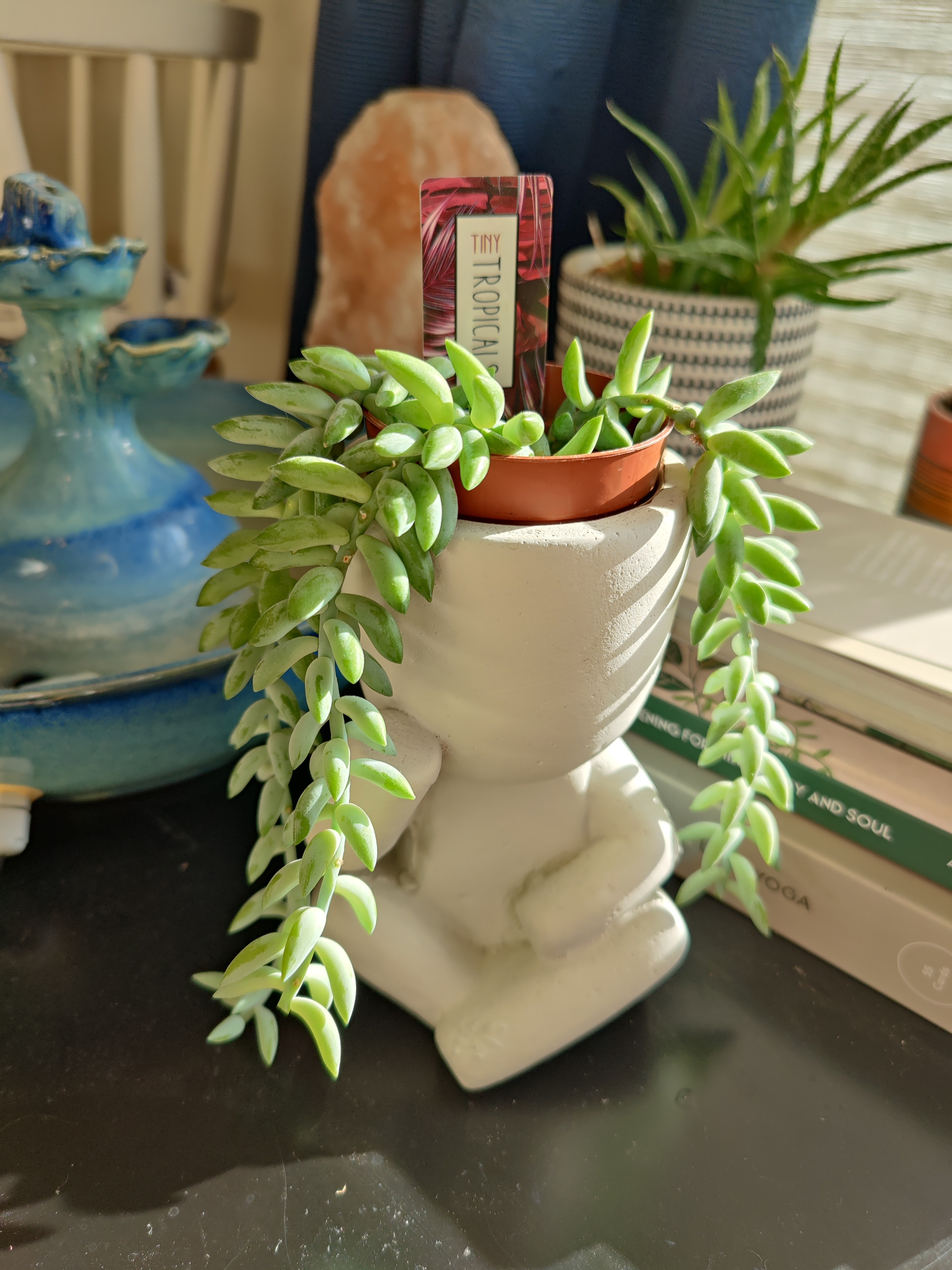
    I’ve started with the succulent that I gifted my partner, as it needs a haircut. Whether or not this experiment works out, I will share the results.

    The original succulent – before and after its haircut. You can see that some leaves dropped already and were beginning to callous over.
    A leaf that has calloused and has started sprouting roots. It should be ready to place on top of soil.
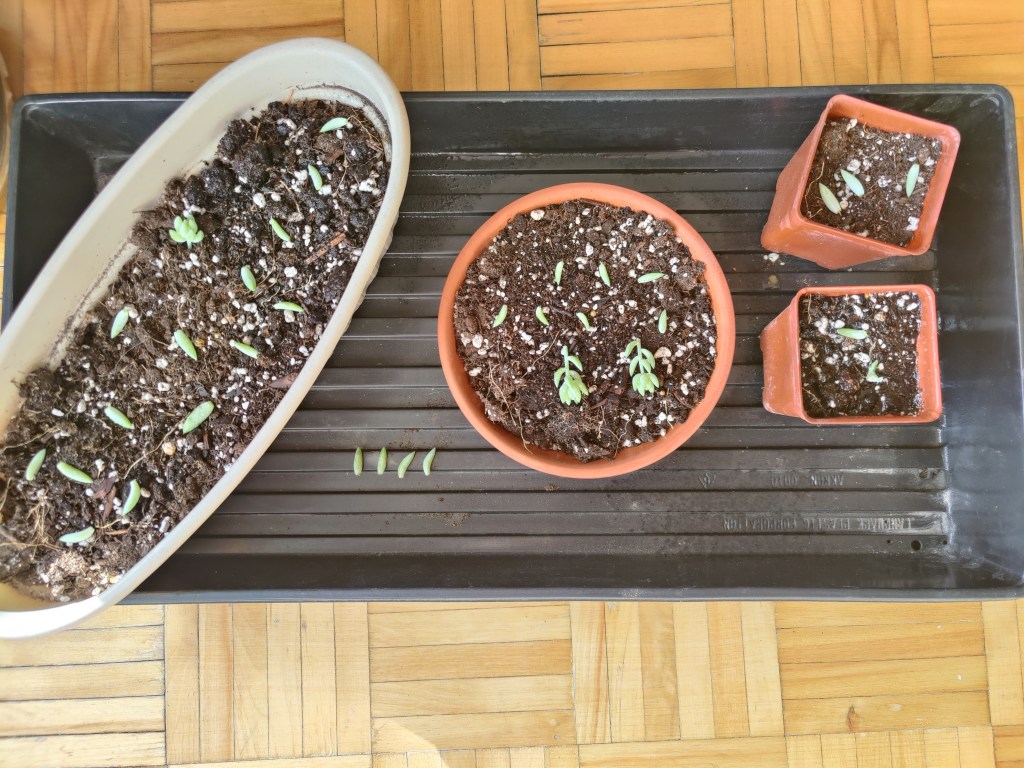
    My experimental setup. Placed a few leaves on soil and a few were left air drying.
  • A Garden of Memories: Honouring my Beloved Cat through Native Plants

    A Garden of Memories: Honouring my Beloved Cat through Native Plants

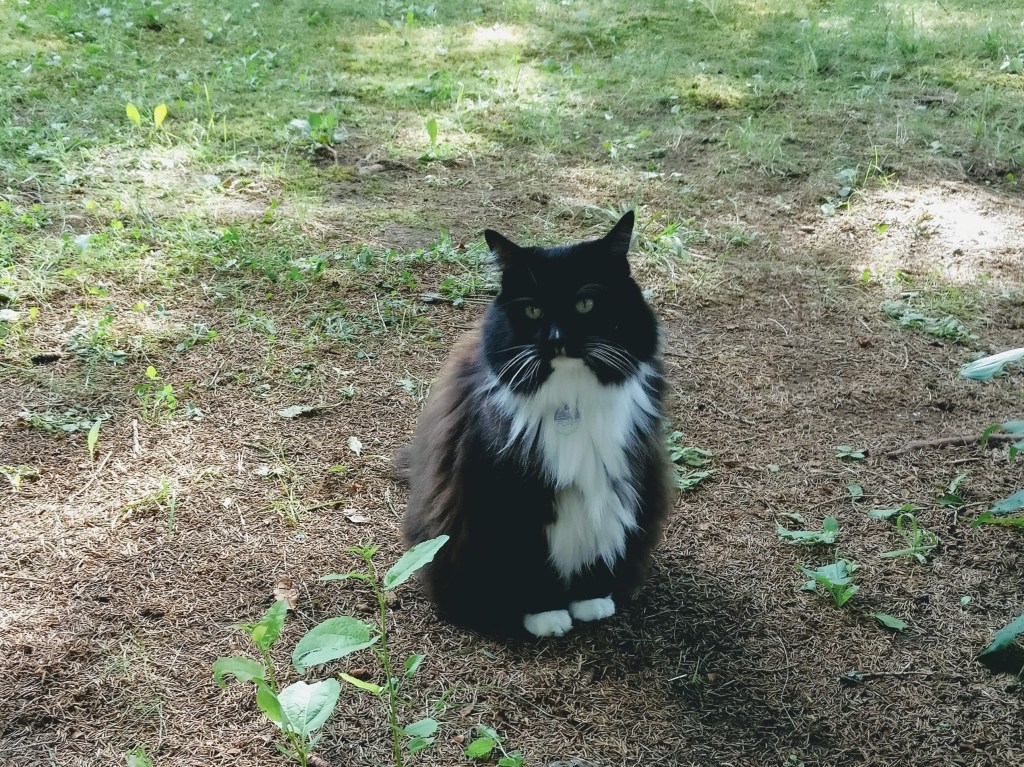
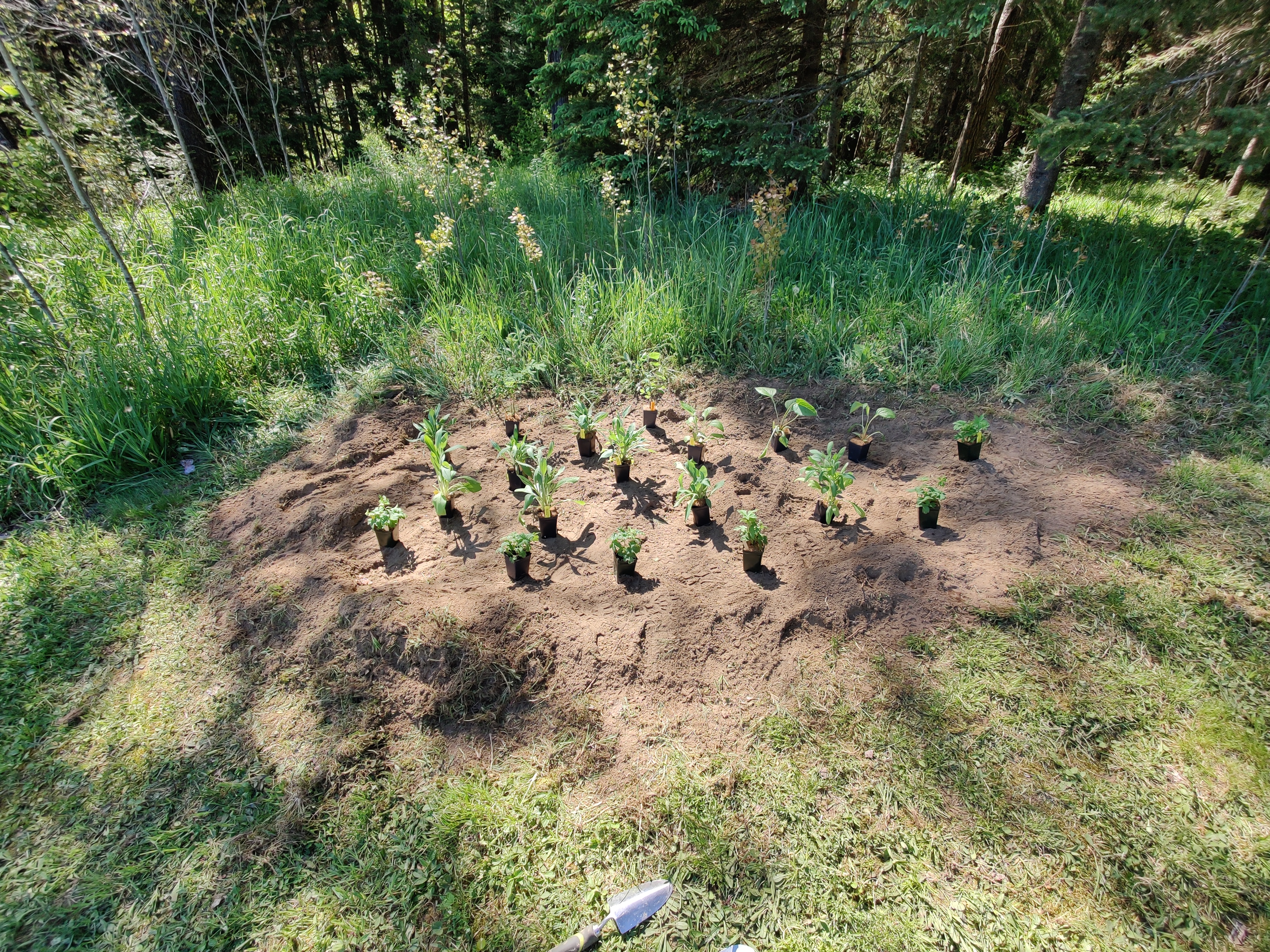
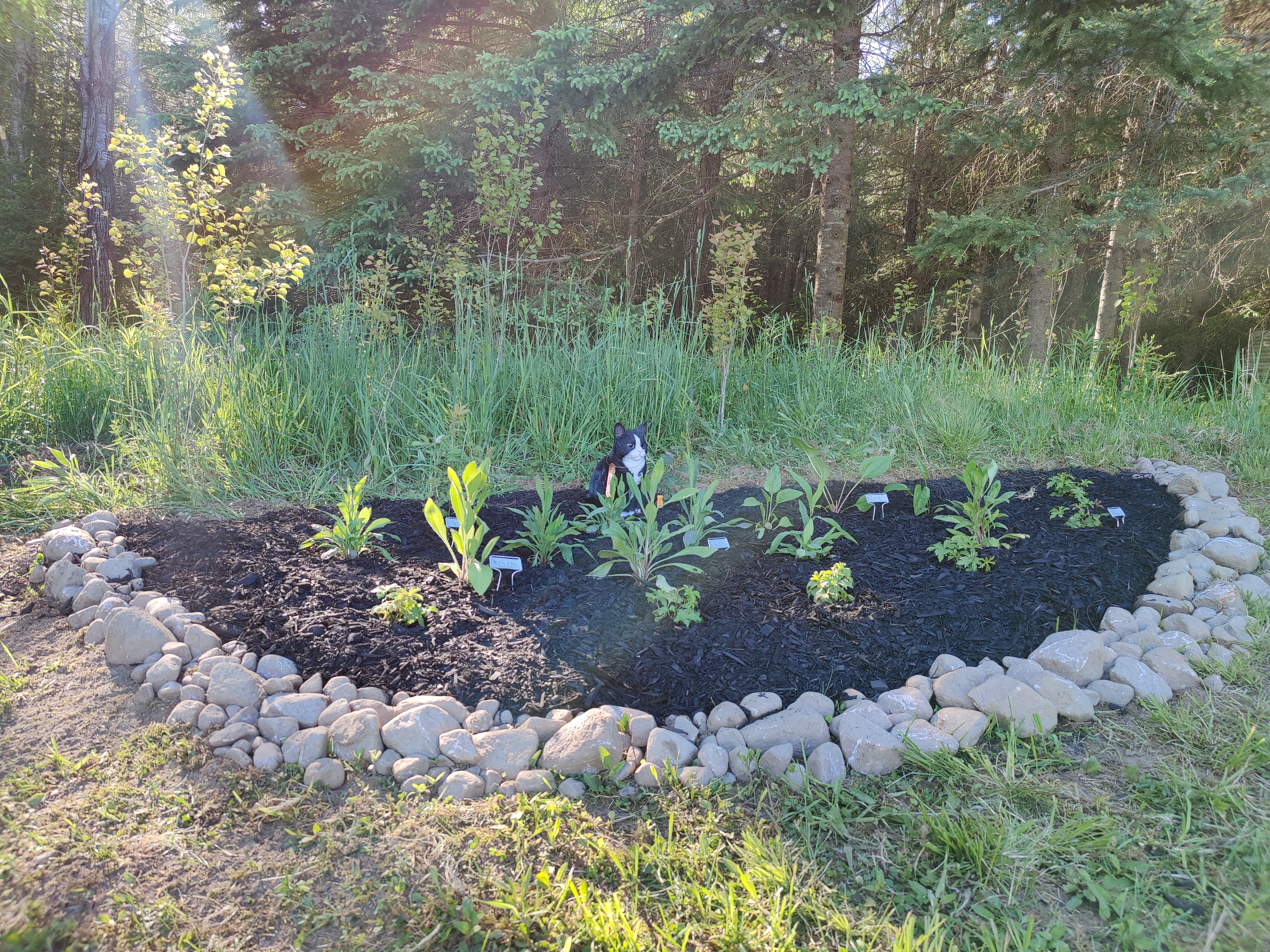
    In February 2021, our world shifted when we said goodbye to our beloved cat, Zara, a constant companion whose playful spirit brought light to our lives. She had a favourite spot in our yard, where she would spend hours chasing mice and basking in the sun. That spring, as a way to honour her memory and find solace, I decided to transform her special corner into a native tribute garden.

    The Birth of a Tribute

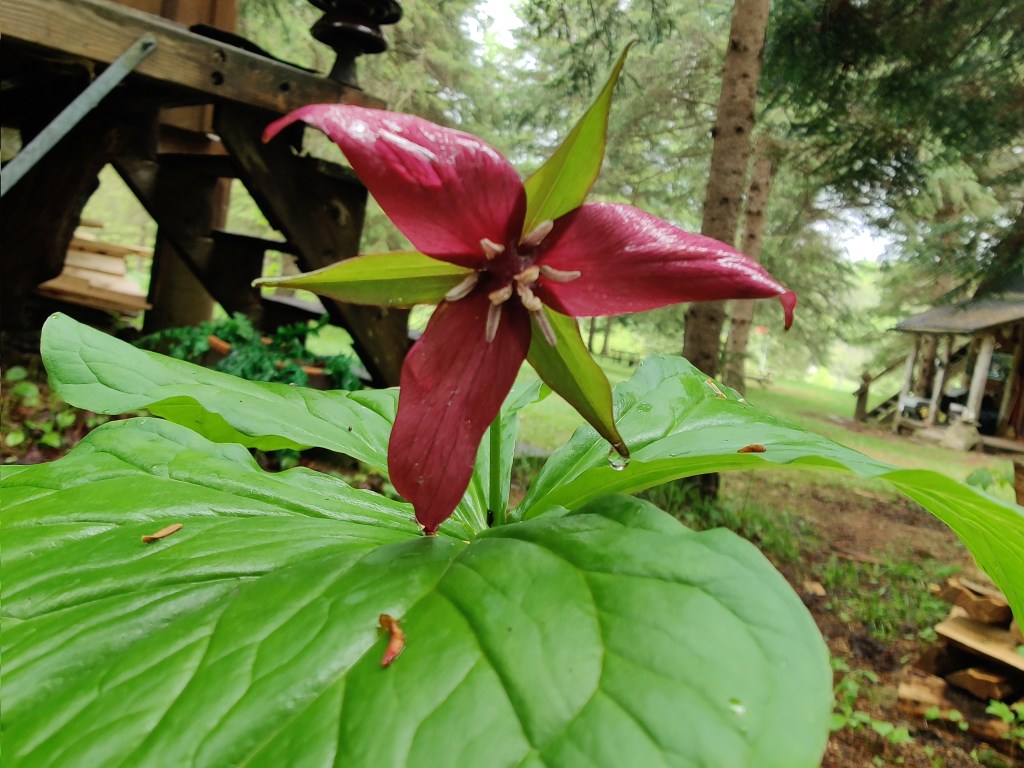
    Tilling the soil for the first time in the spring of 2021 was a freeing experience. I knew I wanted this garden to be more than just a memorial—I wanted it to celebrate life and support the natural ecosystem she had been a part of. Over time, this garden grew into a wider tribute to more beloved family members we lost later that year, creating a sanctuary of collective memory and healing.

    The pièce de résistance was our gifted cat statue.

    I chose to plant species native to our region. These plants not only thrive in the local environment but also provide crucial habitat and food for pollinators and other wildlife. My selections included:

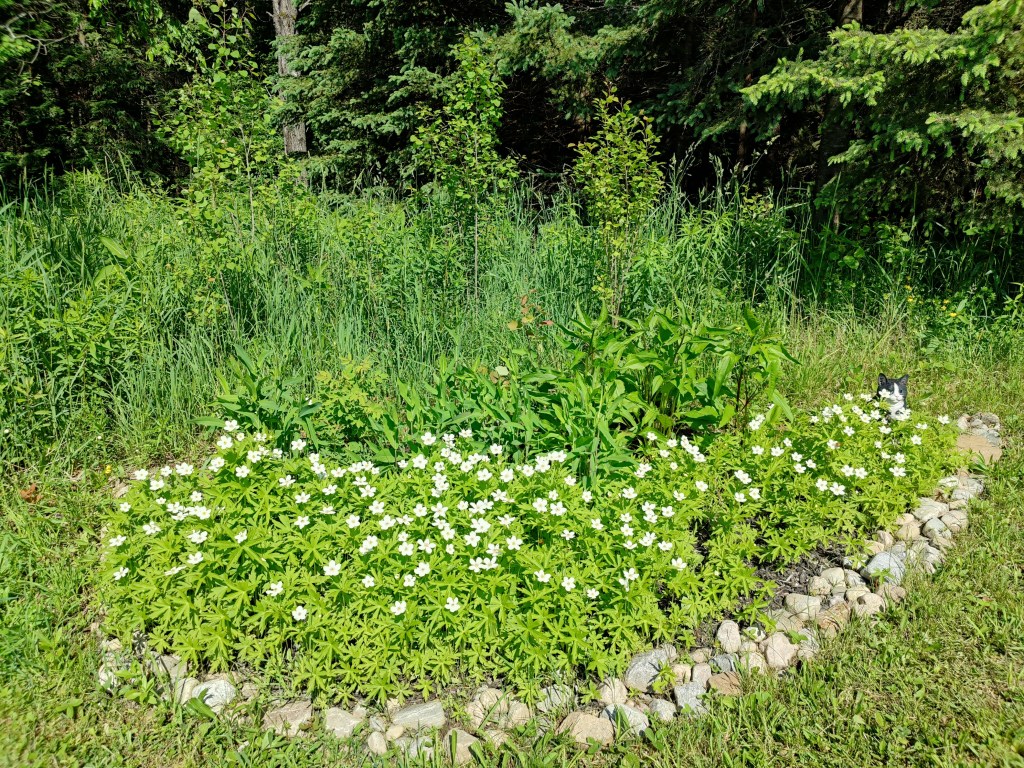
    • Canada anemone,
    • black-eyed Susans,
    • purple coneflowers,
    • smooth blue asters,
    • a smooth rose bush and
    • a serviceberry tree.

    Each plant holds a unique beauty, and together, they create a harmonious space that changes with the seasons.

    Watching the Garden Grow

    Over the past few years, this garden has become a living, evolving tribute. The serviceberry tree, while still too small to blossom, stands as a promise of growth and renewal. The bright petals of the purple coneflowers burst into colour in summer, attracting bees and butterflies. In autumn, the smooth blue aster adds a final flourish before the garden rests in winter.

    The process hasn’t been without its challenges. Some plants took time to establish, and learning the nuances of native gardening was a journey of its own. But each success—a bud forming, a butterfly landing, a bird visiting—felt like a message of gratitude from nature itself.

    Canada anemone blossoming in June.

    Sharing the Story

    In 2022, I captured the spirit of this garden in a video that took second place in a North American Native Plant Society contest. Sharing the story of this tribute and its ecological significance was deeply rewarding. The recognition reaffirmed the importance of creating spaces that honour both personal memories and the natural world.

    A Legacy of Love

    This garden is more than a memorial; it’s a celebration of life—Zara’s, our family’s, and the countless creatures that visit this sanctuary. When I see a new bloom or hear the hum of a bee in this garden bed, I’m reminded of the interconnectedness of life and the beauty of honouring it.

    If you’re considering a similar tribute, I encourage you to start small and let your heart guide you. Choose plants that resonate with your memories and support your local ecosystem. The rewards, both emotional and ecological, are immeasurable.

    To see the garden and learn more about its journey, you can watch the video that brought this story to a wider audience. I hope it inspires you to create your own sanctuary of memories and life.