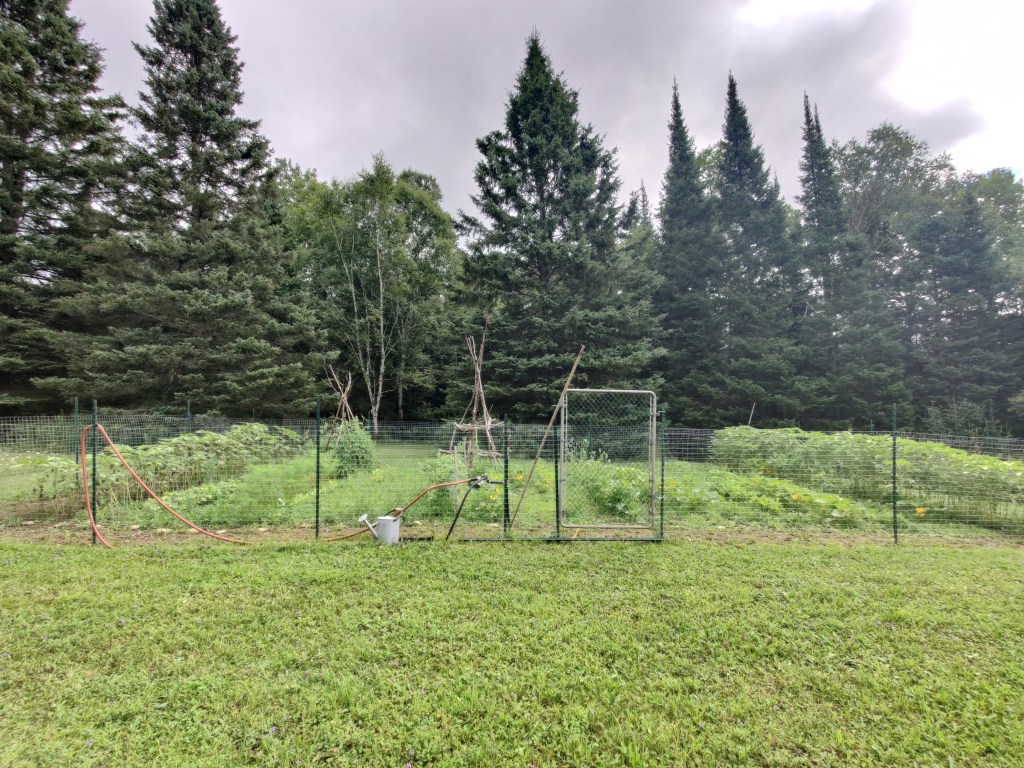
When we first decided to start a vegetable garden in 2021, we had no idea how much it would teach us about patience, innovation, and resilience. What began as a bare patch of earth has transformed into a thriving, off-grid oasis that brings immense joy and sustenance. Here’s how it all unfolded year by year.
2021: Breaking Ground
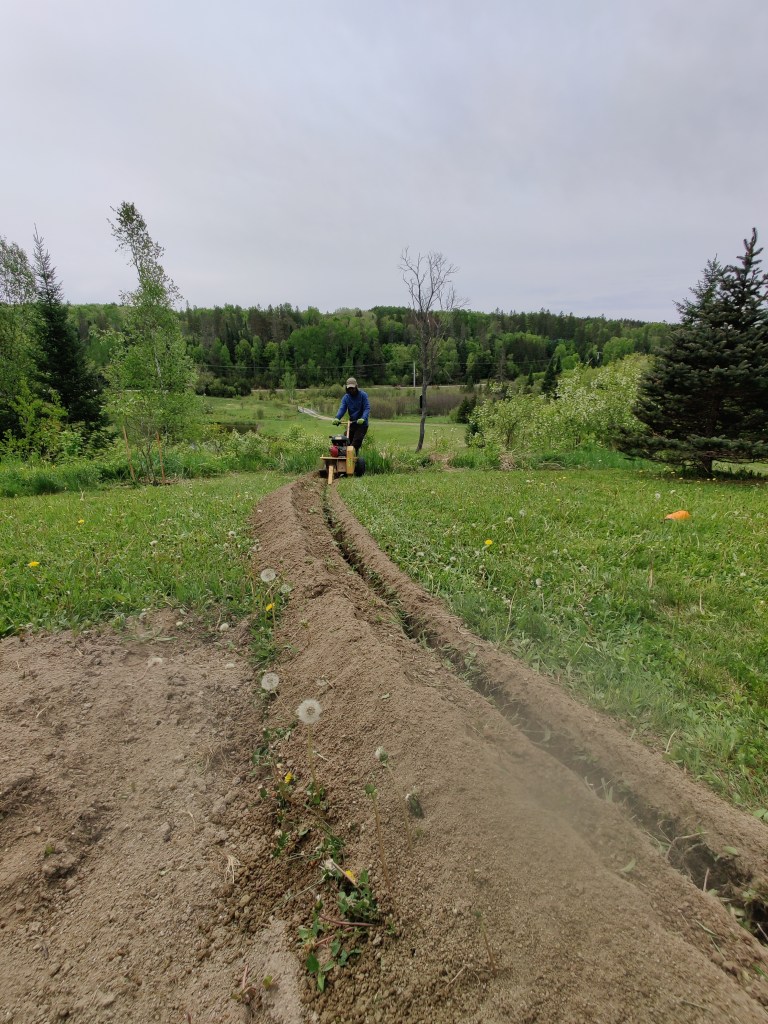
The journey started with the roar of a tiller. We broke ground that year, turning over the soil and setting the stage for what was to come. It was backbreaking work, but there was something incredibly satisfying about preparing the earth with our own hands (and some much-needed machinery). While the first year’s harvest wasn’t bountiful, it gave me a taste of what could be—and left me eager to grow more.
2022: Adding Irrigation
As we began planning for our second year, one thing became clear: hand-watering wasn’t sustainable for an off-grid garden at the top of a hill. So, we added an irrigation system. It wasn’t fancy, but it was effective. With the help of a generator, the irrigation line pumped water from the pond up to the garden. Running the pump became part of my routine, and the plants thrived with consistent watering. This upgrade was a game-changer, making the garden feel more manageable and efficient.
2023: Fencing and Compost
By 2023, the garden was in full swing—but so were the challenges. Determined to protect our growing crops from wildlife, we decided to add a fence. This task wasn’t without its own trials. The mosquitoes were relentless, biting at our hands as we worked, but the result was worth it: a sturdy barrier that kept deer and rabbits at bay. That same year, we added two yards of rich compost to the soil, giving my plants a nutrient boost. The combination of protection and fertility set the stage for significant growth.
2024: DIY Structures and a Bountiful Harvest
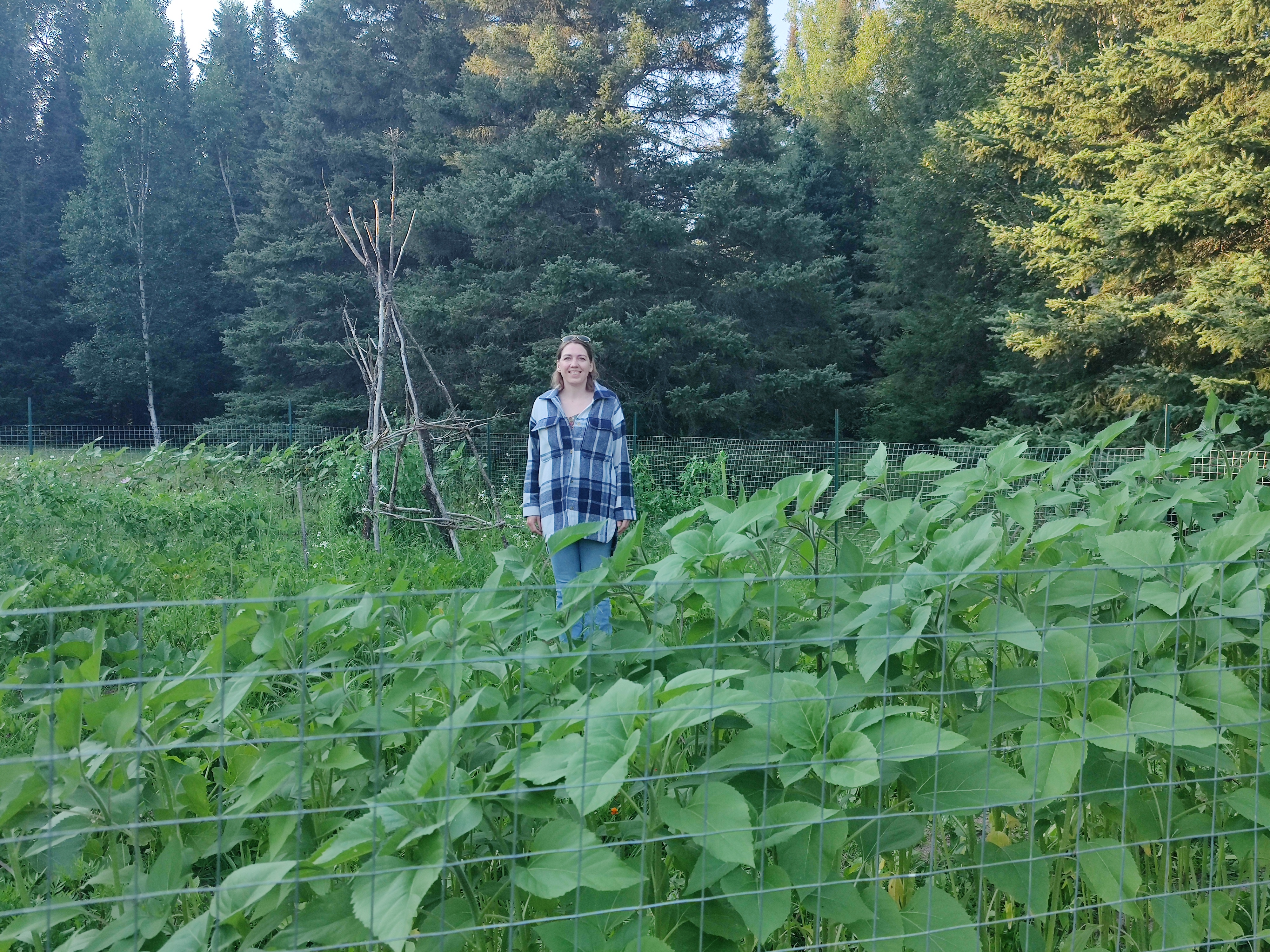
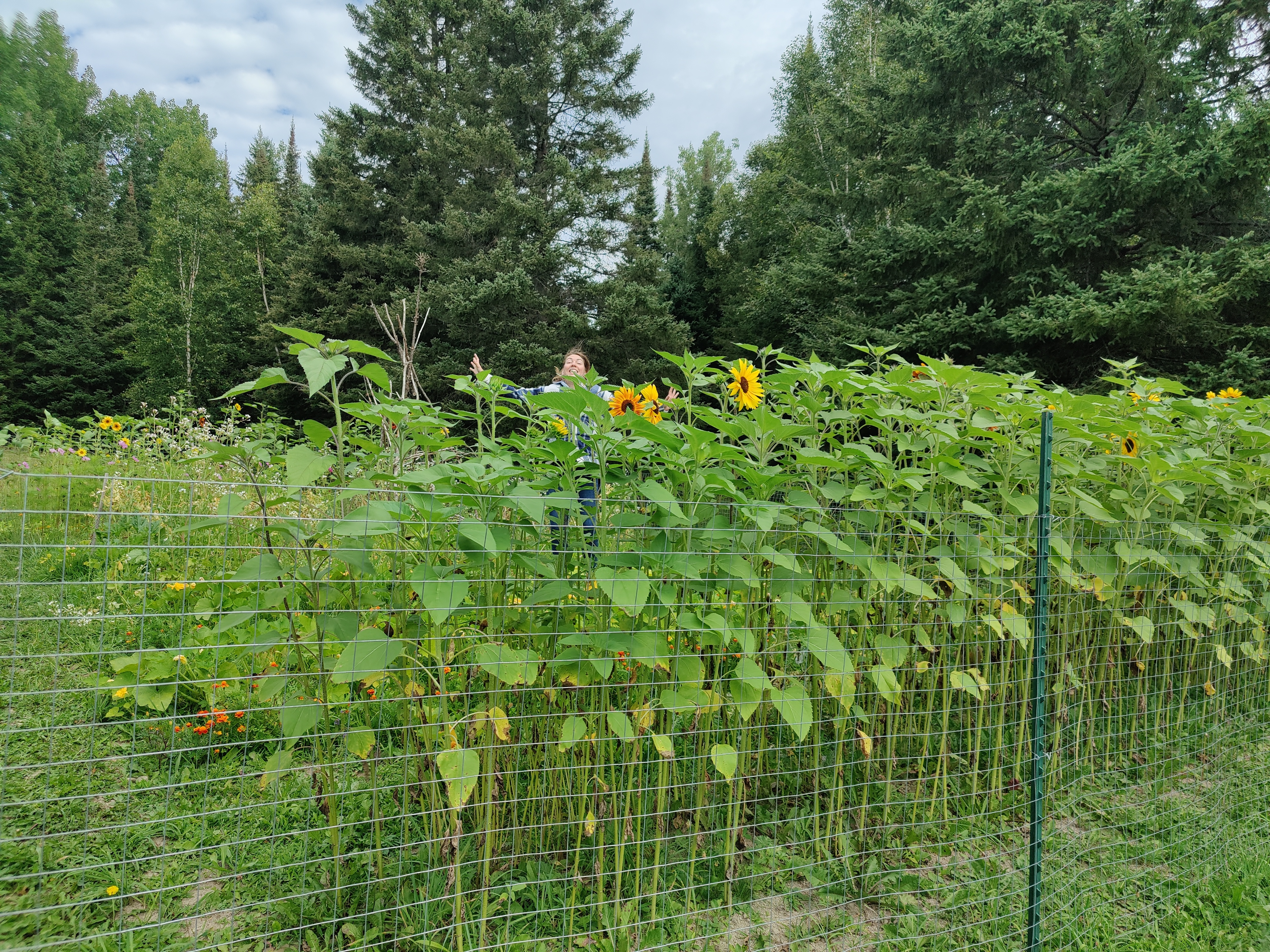
By 2024, our vegetable garden had truly come into its own. Once again, we enriched the soil with compost, knowing how vital it was to the garden’s health. I also got creative, building two DIY teepee structures for my peas and squash. These simple yet effective supports allowed the plants to climb, maximizing space and improving airflow. The result? The most successful harvest yet. Peas and other vegetables thrived (not so much the spaghetti squash), filling our kitchen with fresh produce and flowers.
Looking Ahead
As I reflect on these four years, I’m proud of how far the garden has come. Each addition and improvement has brought me closer to the vision we had when we first broke ground. There are still challenges ahead, but they’re part of the joy of gardening—learning, adapting, and celebrating each small success.
Here’s to many more seasons of growth, both for the garden and for myself.


Leave a Reply